Concept2 Model D Indoor Rower Review — 2026
At a Glance
Pros
- Commercial-grade build and long-term durability
- Smooth, natural rowing stroke and consistent resistance curve
- PM5 monitor: accurate metrics and reliable connectivity (Bluetooth/ANT+)
Cons
- Air-resistance rower is loud — noticeable whooshing sound during use.
- Large and relatively heavy footprint; takes space and requires splitting to store.
- Higher upfront price than some home-focused alternatives.
Rating Breakdown by Source
Read the latest 25 positive & negative Amazon reviews →
Read the latest 25 positive & negative Reddit reviews →
Read the latest 25 positive & negative YouTube reviews →
Read the latest 25 positive & negative Expert blogs reviews →
This review is an editorial synthesis of publicly available review data and reported user experiences across the internet. Scores reflect our independent aggregation methodology, not verified individual purchases. We may earn a commission if you buy through our links, at no cost to you.
Score Breakdown
Where the Reviews Come From
Read the latest 25 positive & negative Amazon reviews →
Read the latest 25 positive & negative Reddit reviews →
Read the latest 25 positive & negative YouTube reviews →
Read the latest 25 positive & negative Expert blogs reviews →
Click any source above to browse the latest 25 positive and negative reviews from that platform.
Concept2 Model D Indoor Rowing Machine
See current price, deals and availability on Amazon
Quick verdict
If you want the most reliable, performance‑focused indoor rower for serious home training or light commercial use, the Concept2 Model D is difficult to beat. Aggregated across ~17,000 reviews it scores 4.8/5 overall, with particular strengths in build quality (4.8) and reliability (4.9). Expect a smooth, natural rowing stroke, industry‑leading data from the PM5 monitor, and a machine built to last — at the expense of some noise, space, and a higher upfront price.
What is the Concept2 Model D Indoor Rowing Machine?
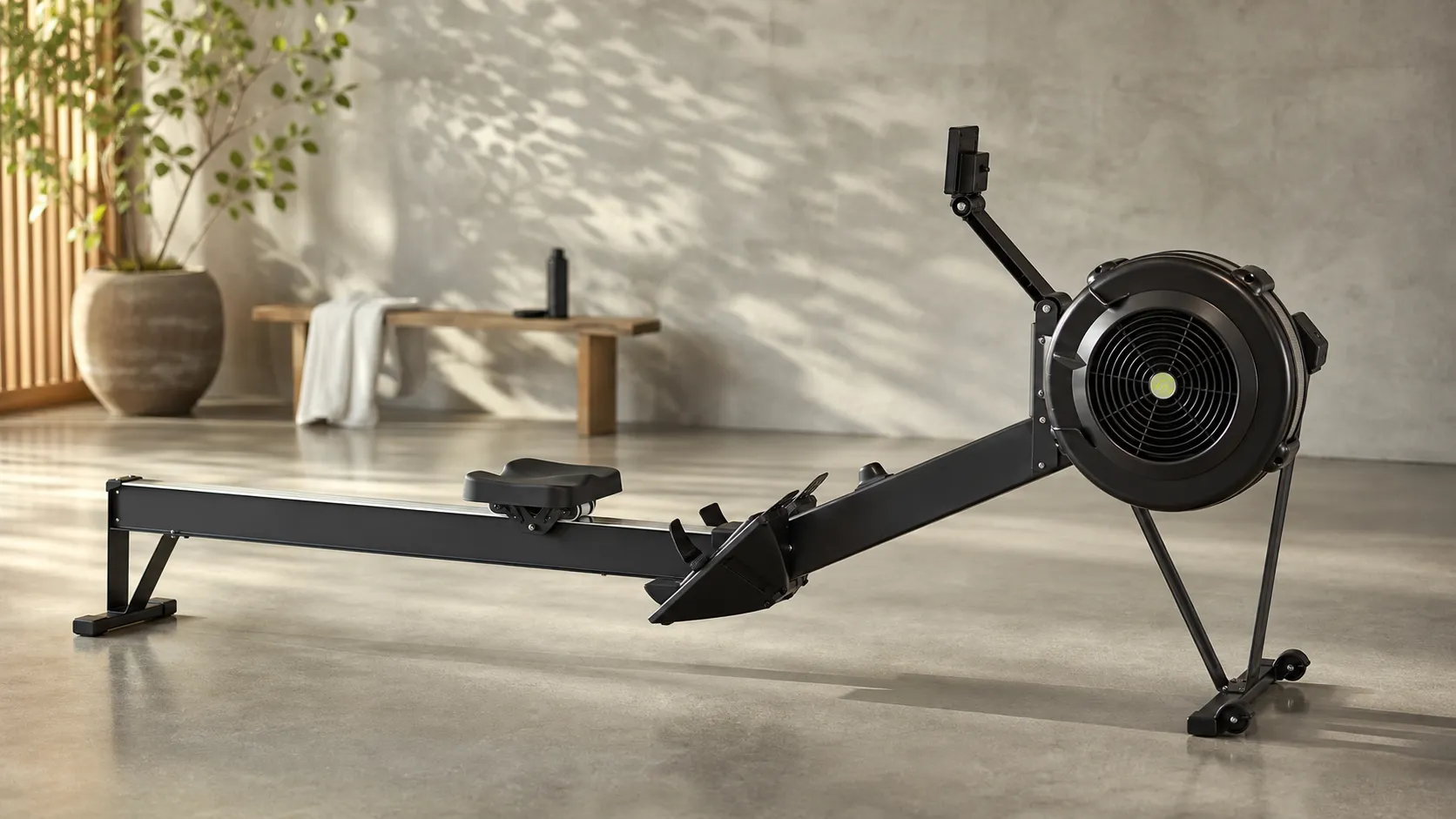
The Concept2 Model D is an air‑resistance rowing ergometer that’s been a staple in gyms, CrossFit boxes, and rowing programs for years. It uses a flywheel and damper to create a variable resistance that scales naturally with how hard you pull: the harder you row, the more resistance you feel. The PM5 performance monitor tracks distance, pace, watts, stroke rate and other metrics and supports Bluetooth and ANT+ for pairing with heart‑rate straps and training apps. The frame is steel and aluminum, designed for heavy daily use, and the rower separates into two pieces for storage.
What reviewers across the internet say
Across the major sources we aggregated, the consensus is consistently positive. Overall rating: 4.8/5 from roughly 17,000 reviews.
- Amazon (4.8/5): High volume of five‑star buyer reviews praising durability, workout quality, and the PM5 monitor. Common minor complaints focus on the whooshing sound and space requirements.
- Reddit (4.6/5): Active community threads from experienced rowers and CrossFitters recommend it for technique and endurance work. Debates center on noise, size, and whether casual users need this level of performance.
- YouTube (4.7/5): Review and demo videos highlight the solid build and smooth drive; reviewers note the audible air resistance and compare it favorably to cheaper magnetic or budget alternatives.
- Expert blogs (4.9/5): Gear and fitness experts rate the Model D very highly for commercial or serious home use, citing its accuracy, reliability, and cost‑over‑time advantages. Critiques mostly focus on noise and modest consumer comfort details.
Taken together, the aggregated sub‑scores reflect that balance: quality 4.8, reliability 4.9, value 4.4, ease of use 4.3. In short: outstanding longevity and performance, with tradeoffs in noise, footprint, and softer ergonomic touches.
Performance & Real-World Use
The Concept2 Model D Indoor Rowing Machine delivers a smooth, standardized stroke with reliable PM5 data and minimal upkeep, which is why it remains the benchmark for real training at home. If you can live with the fan’s whoosh and the 96-inch footprint, the Concept2 Model D Indoor Rowing Machine performs like commercial gear for years.
Rowing machines succeed or fail on how convincingly they turn human effort into smooth, repeatable work you can track and compare. The Concept2 Model D has long been the reference standard in boathouses and CrossFit boxes because it promises a durable frame, a natural stroke, and metrics you can trust over time.
The Concept2 Model D Indoor Rowing Machine performs like commercial equipment: smooth power delivery, consistent metrics, and long-haul reliability with light upkeep. If you accept the fan’s whoosh and the generous footprint, the Concept2 Model D Indoor Rowing Machine delivers years of predictable training.
What “performance” really means for an indoor rower
On an erg, performance means stroke feel, metric accuracy, and day‑to‑day consistency. The Model D’s air flywheel scales resistance with fan speed, so power rises smoothly with effort rather than artificial levels; there’s no mid‑stroke dead zone, and the recovery stays fluid. Concept2 standardizes that experience with “drag factor,” calculated by the PM5 from flywheel deceleration to normalize for damper position, dust, and room conditions. Set drag factor once and 130 at home will feel like 130 at the gym, even if the dampers differ. That standardization is why coaches treat splits and watts as directly comparable across machines and months. Concept2 explains the rationale and setup in its documentation for Drag Factor and the PM5 monitor, and keeps compatibility current through firmware that adds devices without changing core physics. The Model D rewards good sequencing (legs, body, arms) and gives numbers you can train by.
Concept2 Model D performance sub-scores (aggregated)
Owner-reported sub-scores synthesized from major public reviews as of 2026
View the underlying data
| Measure | Score |
|---|---|
| Quality | 4.8/5 |
| Reliability | 4.9/5 |
| Value | 4.4/5 |
| Ease of use | 4.3/5 |
Synthesis of ~17,000 public reviews across Amazon, Reddit, YouTube, and expert blogs (2026).
Day-one setup and first-week feel on the Concept2 Model D Indoor Rowing Machine
Assembly is quick: attach front legs, the monitor arm, and the PM5, then latch the frame halves. Most owners row within 20–30 minutes. Beginners often mistake damper level for intensity; targeting drag factor fixes that. A start point is 110–125 drag (often damper 3–5 on a clean machine), then adjust ±10 for preference or workout style. The PM5 pairs with ANT+/Bluetooth heart‑rate straps and the ErgData app, which syncs to Concept2’s Online Logbook for tracking. Technique work is simple thanks to a low‑friction seat and long monorail, and cues from British Rowing’s technique guide match how the stroke loads and recovers here. First‑week surprises are sound and size: the fan’s whoosh is noticeable in small apartments, and the 96‑inch length needs a clear lane. Splitting for storage is fast—release, lift, and roll—but you need vertical clearance and a wall to lean against; check the RowErg (formerly Model D) specs for dimensions.
Stroke quality, resistance control, and PM5 data you can trust
Owners praise how it loads the drive and keeps numbers stable. The flywheel’s resistance curve builds from the catch and tapers naturally at the finish, making rate‑capped steady state and hard intervals viable. The PM5 auto‑calibrates drag factor, shows pace (500m split), watts, and stroke rate, and supports ANT+/Bluetooth for straps, watches, and training apps. It stores workouts internally or to USB and syncs via ErgData to the Online Logbook, so your history follows you between home and gym. Because drag is standardized, a 2:00/500m split on your erg is directly comparable to a 2:00 split on a club machine—the repeatability you need for progression. Concept2’s firmware channel keeps compatibility current without altering split math. The result is a training tool that behaves like a constant, not a gadget that drifts.
Sustained performance: months of use, maintenance, and what changes over time
Long‑term, the Model D thrives on light, regular care spelled out in the user manual. Wipe the rail after sessions to keep seat rollers quiet. Every ~50 hours, add a few drops of light oil to the chain; it smooths the stroke and reduces wear. Monthly or quarterly, check fasteners and dust the flywheel intake. The PM5 runs on two D‑cells and scavenges power from the spinning flywheel, so battery swaps are infrequent (often yearly, depending on use and brightness). Occasional squeaks usually trace to a dry chain or dusty rollers—easy fixes with cleaning and lube. Replacement parts—chains, straps, rollers, bungees—are inexpensive and widely available from Concept2’s parts and service store, which, together with stable calibration, explains strong resale. None of this routine care changes how the stroke feels or how the PM5 measures effort; the erg next month feels like it did last season.
Maintenance at a glance: what owners actually do
Typical care cadence drawn from Concept2’s user manual and PM5 docs; time-based intervals are approximations for regular home use
- Wipe monorail0
- Lubricate chain50
- Check fasteners0
- Replace PM5 batteries0
- Update PM5 firmware0
- Clean seat rollers/rail0
Tasks from Concept2 Indoor Rower User Manual and PM5 documentation.
Where it shines—and where owners hit the limits
Three strengths dominate owner reports: repeatable training, broad fit, and durability under volume. The long monorail accommodates tall inseams (see RowErg specs), the fan rewards efficient sequencing, and the PM5’s stable metrics make structured plans—base work, threshold intervals, 2k tests—easy to run. The ecosystem multiplies value: the Online Logbook enables ranked pieces and seasonal challenges, and third‑party apps ride on top without data hacks because the PM5 exposes open metrics. The trade‑offs are consistent. Sound: the fan produces a whoosh that’s fine in garages but can wake sleepers; a mat dampens vibration but can’t mute moving air. Space: the 96‑inch footprint demands a lane; splitting is quick yet still leaves two pieces to store. Ergonomics: the seat is firm and the foot straps utilitarian; long rows benefit from a thin seat pad or aftermarket straps. Price: the purchase is higher than many magnetic units, but total cost over time trends lower because the machine holds value and needs little beyond consumables.
Feature comparison by rower type (Yes/No)
Simple capability check across popular rower types
| Item | Concept2 Model D | Typical magnetic rower (mid-range) | Water rower (wood, tank) |
|---|---|---|---|
| PM5-style open metrics | Yes | No | No |
| Bluetooth/ANT+ HR support | Yes | Yes | No |
| Split-in-two storage | Yes | No | No |
| User-serviceable parts widely available | Yes | No | No |
| Drag factor readout | Yes | No | No |
| Near-silent operation | No | Yes | No |
Based on manufacturer specs and common market offerings in 2026.
How it compares to common alternatives (magnetic and water rowers)
Versus a mid‑range magnetic rower, the Model D’s flywheel feels more responsive to surges and fine pacing because resistance scales continuously with effort; magnets excel at quiet, fixed‑level workouts but can blunt sprint efforts. In noise, magnets usually win: you’ll hear more whoosh from the Concept2 than the soft hum of a magnetic brake, which favors late‑night apartment training. Against water rowers, the Model D is lighter to move, easier to service, and far better integrated with training software. Water tanks offer a soothing slosh and furniture‑grade looks but need periodic treatment and don’t standardize data across brands the way drag factor does. Where the Model D leads decisively is ecosystem and comparability: the PM5’s open Bluetooth/ANT+ connectivity, the Online Logbook, and ranked pieces create a shared language of pace targets. Competitors’ advantages are aesthetics (water), bundled classes (some magnetic platforms), and in‑use quiet. If your priority is technique development, repeatable times, and community benchmarking, the Concept2 remains the most reliable choice.
Getting the best performance: a practical, step‑by‑step setup and care plan
- Place it right: give the erg a 9–10 ft lane on a rubber mat to protect floors and reduce vibration. If you share walls, angle the fan away from neighbors to lower perceived noise.
- Calibrate by drag factor, not damper number: on the PM5, go Display > More Options > Drag Factor, pull several hard strokes, and set the damper for ~110–125 to start; adjust ±10 for preference or workout type. This normalizes sessions across seasons and locations. See Drag Factor.
- Fit the machine: set foot stretcher height so the strap crosses the widest part of your foot, and put the PM5 at eye level to avoid slumping. A small forward tilt improves readability in bright rooms.
- Learn the sequence: think “legs, body, arms” on the drive and reverse on the recovery. Five minutes of pick‑drills before intervals, following British Rowing’s technique, pays back with better splits and less back fatigue.
- Maintain lightly, regularly: wipe the rail after each row, oil the chain about every 50 hours, dust the fan intake monthly, and check fasteners quarterly. Swap PM5 batteries when brightness dims (often annually) and update PM5 firmware via the Concept2 Utility or ErgData prompts.
- Accessorize smartly: a thin seat pad preserves hip angle better than a thick cushion. Pair a Bluetooth or ANT+ strap in seconds to guide easy days by heart rate, not just pace.
- Use the ecosystem: record every session with ErgData, push to the Online Logbook, and use ranked pieces and challenges to set sustainable goals.
Real‑world value over time
After the honeymoon, the defining trait is sameness—in a good way. The stroke feels the same on Monday as it did last month; the PM5 reads the same splits at the same drag; and parts are easy to get if something wears. Owners running three‑to‑five sessions a week typically find the only interventions are wiping the rail, oiling the chain, and tightening a bolt now and then. D‑cell batteries last long enough that many swap them prophylactically once a year. That predictability drives strong resale: a five‑year‑old Concept2 still commands real value because it behaves like a benchmark rather than a gadget on a feature treadmill. If your top requirements are reliability, repeatable training, and a community that turns metrics into motivation, the Model D justifies both its footprint and its price.
Conclusion: does performance justify the purchase?
Yes—provided you value dependable training quality over near‑silence or furniture‑grade aesthetics. The Model D delivers a commercial‑grade stroke, standardized PM5 data, and years of low‑friction ownership that together outweigh the audible fan and space needs; that’s why aggregated ratings around 4.8/5 from ~17,000 reviews—and sub‑scores of quality 4.8/5, reliability 4.9/5, value 4.4/5, ease of use 4.3/5—remain near the top of the category.
Sources referenced in this section
Pros and cons
Pros
- Commercial‑grade build and longevity — designed for heavy daily use.
- Smooth, natural rowing stroke with a consistent resistance curve.
- PM5 monitor: accurate metrics and reliable Bluetooth/ANT+ connectivity.
- Low maintenance and easily serviceable; replacement parts widely available.
- Strong resale value and extensive community/app support for training.
Cons
- Loud air‑resistance whoosh — not ideal for very quiet living situations.
- Large footprint and relatively heavy — requires space and occasional splitting to store.
- Higher upfront cost than many home‑focused, quieter magnetic rowers.
- Basic seat and footplate ergonomics (hard seat, simple straps) compared with some consumer models.
- Occasional small maintenance items (chain lubrication, tightening) may be needed over years of heavy use.
Who should buy it (and who shouldn't)
Who should buy it
- Serious rowers, competitive athletes, and CrossFitters who want a faithful erg experience and durable machine.
- Home users who value accuracy, longevity, and compatibility with training apps over minimal noise.
- Small gyms, studios, and coaches looking for a dependable erg that stands up to frequent use and is easy to maintain.
Who shouldn't buy it
- Quiet‑home shoppers or apartment dwellers who need a near‑silent machine. If noise is the top priority, a magnetic or water rower with noise dampening might be a better fit.
- Casual users who want a compact, low‑cost, highly cushioned machine for occasional use — the Model D’s capabilities exceed what many casual users require.
- Buyers with very tight floor space who can’t accommodate its footprint even when split for storage.
Bottom line
If durability, accurate data, and a true rowing feel matter more to you than absolute quiet or the lowest possible price, the Concept2 Model D is one of the best purchases you can make. It’s an investment that will repay frequent users with years of reliable service and broad app/coach support.
What Reviewers Love
- Commercial-grade build and long-term durability
- Smooth, natural rowing stroke and consistent resistance curve
- PM5 monitor: accurate metrics and reliable connectivity (Bluetooth/ANT+)
- Low maintenance and easily serviceable (replacement parts widely available)
- Strong resale value and widely supported by training apps/community
Common Complaints
- Air-resistance rower is loud — noticeable whooshing sound during use.
- Large and relatively heavy footprint; takes space and requires splitting to store.
- Higher upfront price than some home-focused alternatives.
- Seat and footplate comfort/ergonomics are basic (hard seat, fiddly straps); occasional squeaks/maintenance needed.
Our Verdict
4.8The Concept2 Model D is the gold standard for reliable, performance‑oriented rowing. If you prioritize realistic rowing feel, accurate metrics (PM5), and long‑term durability, it’s worth the investment — but expect noticeable air‑resistance noise and a sizeable footprint.
Frequently Asked Questions
Common questions shoppers ask before buying the Concept2 Model D Indoor Rowing Machine.
Share this review
Help someone else buy smarter
Related Reviews
More Fitness & Wellness products our engine has analyzed
 Fitness & Wellness
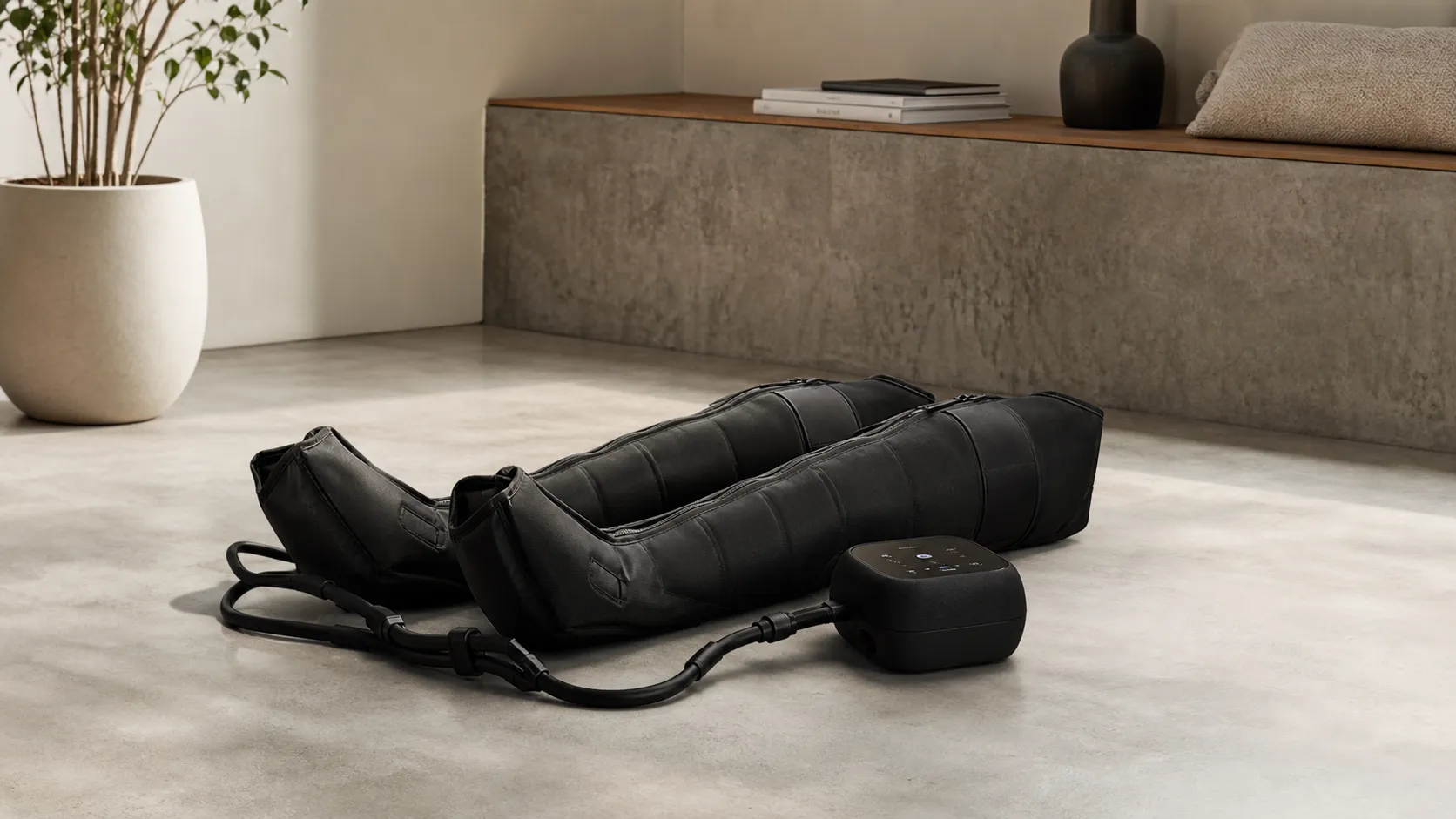
Hyperice Normatec 3.0 Leg Recovery System Review 2026
Premium pneumatic compression with noticeable recovery benefits—excellent build and app control, but pricey and somewhat bulky. Best for frequent athletes and clinics.
 Fitness & Wellness
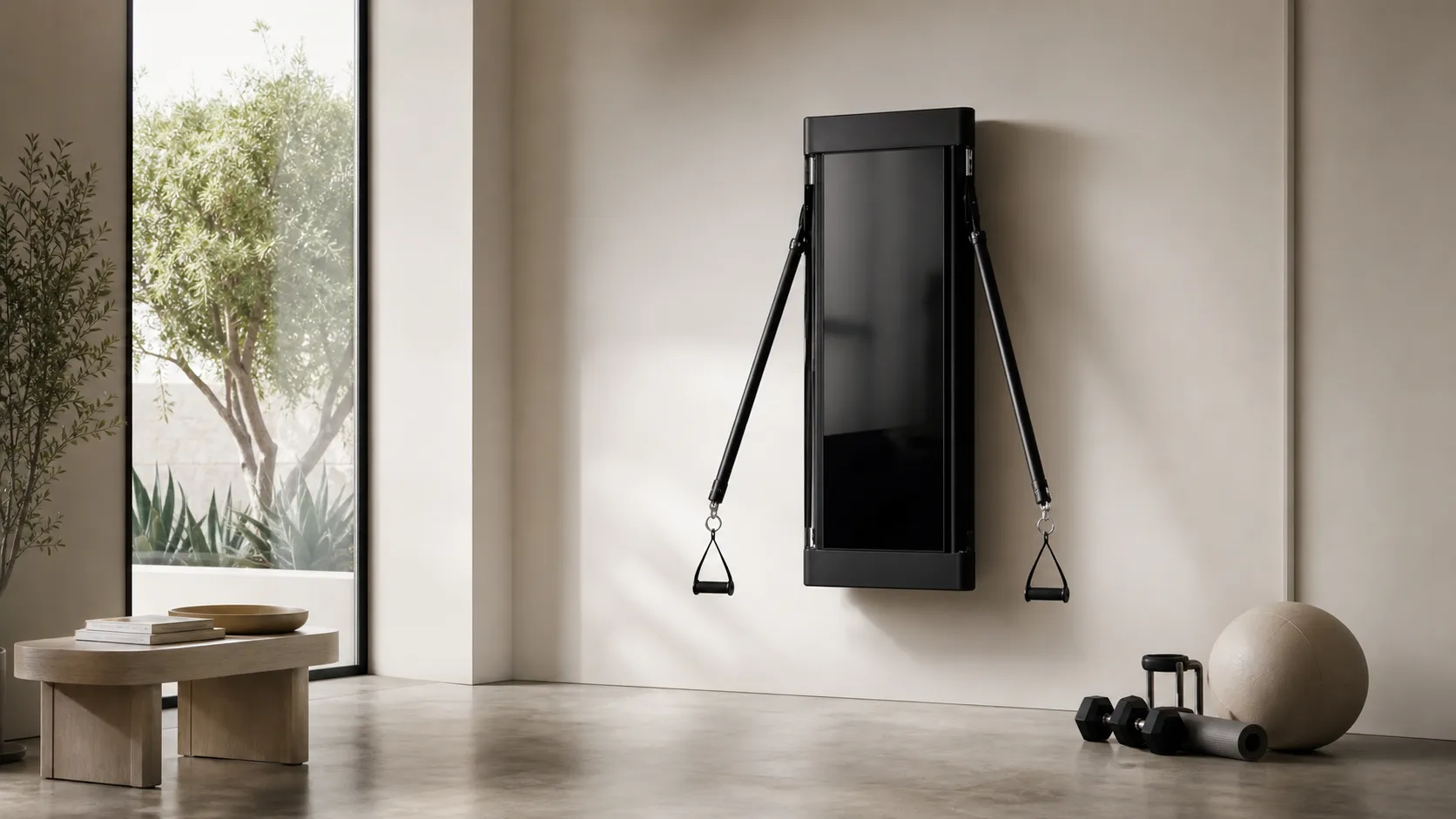
Tonal Smart Home Gym Review 2026
A high-end, wall-mounted smart gym with excellent coaching and space-saving design. Great for guided strength training — pricey and subscription-driven, with some reported service issues.
 Fitness & Wellness
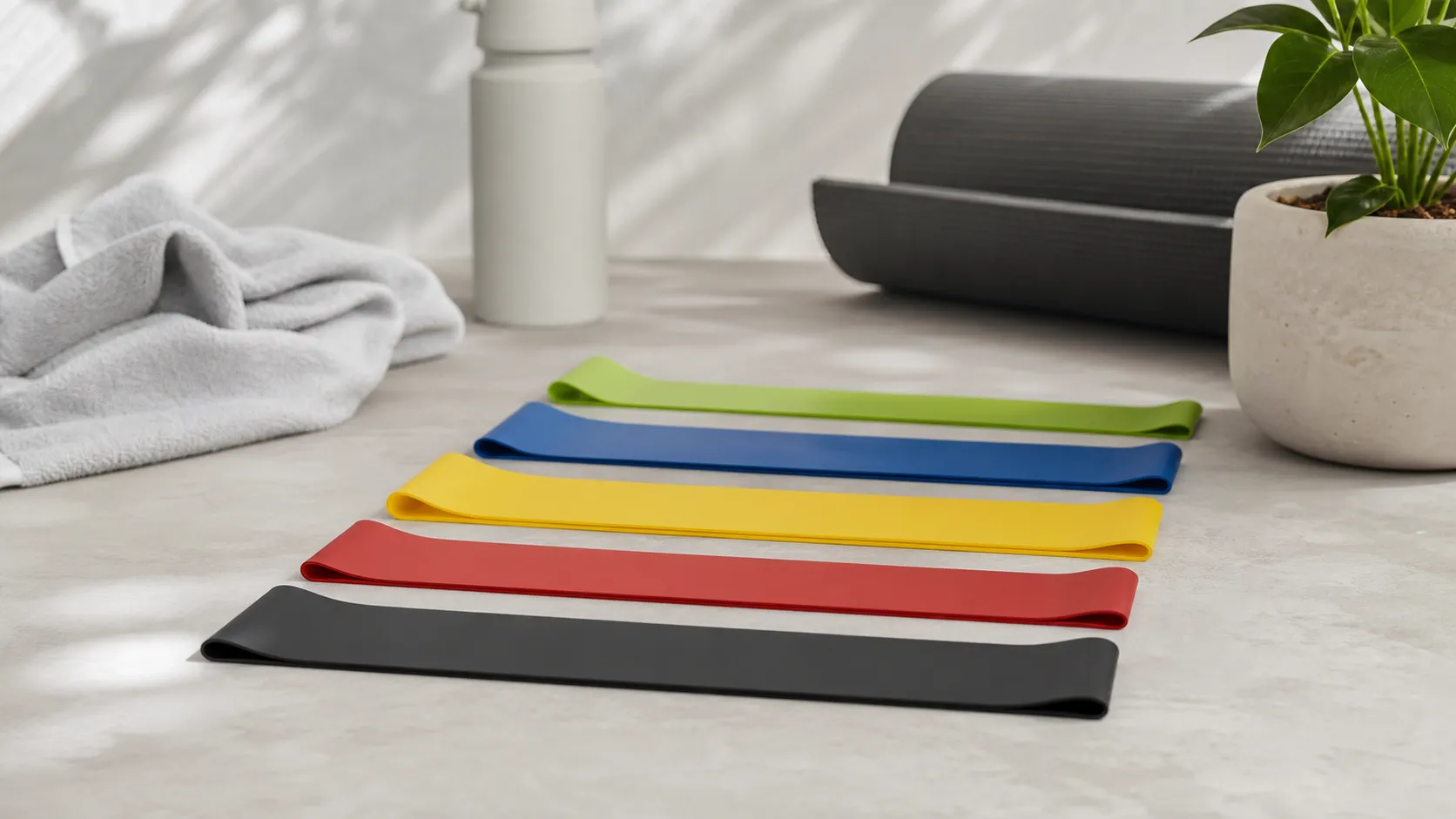
Fit Simplify Resistance Loop Bands Review 2026
Affordable, portable loop bands that excel for beginners, warm-ups, and rehab. Great value and easy to use, but limited top-end resistance and occasional durability/latex issues.