Concept2 Model D Indoor Rower Review (2026)
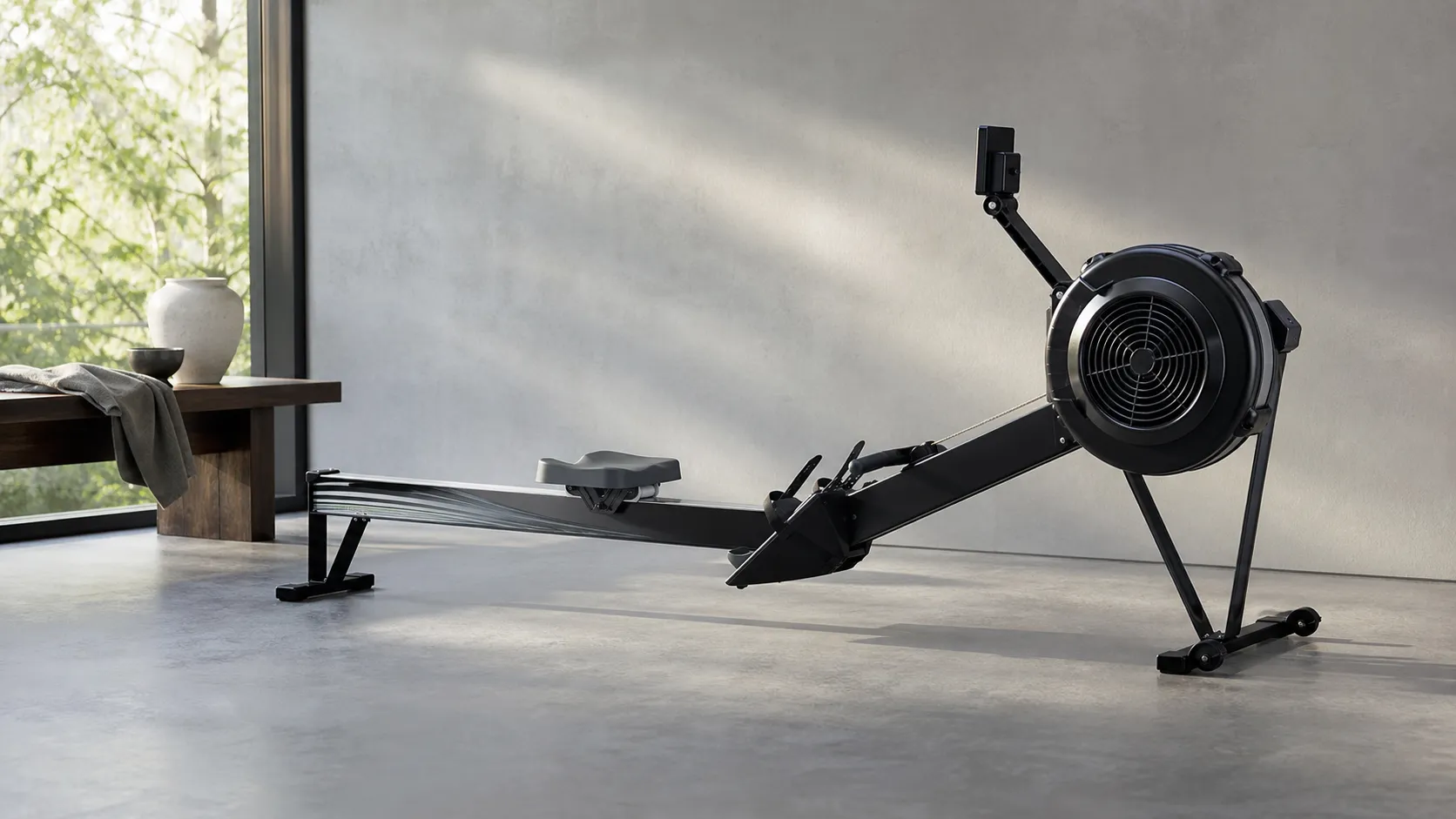
At a Glance
Pros
- Robust, commercial-grade build — long service life and low failure rate
- Accurate PM5 performance monitor and wide interoperability (ANT+/Bluetooth) for metrics
- Smooth, responsive air-resistance rowing feel that closely mimics on-water rowing
Cons
- Air-resistance flywheel is noticeably noisy compared with magnetic/eddy-current rowers
- Premium up-front price (though many see it as long-term value)
- Monitor UI is functional but not flashy — some wish for a touchscreen/streaming-focused interface
Rating Breakdown by Source
Read the latest 25 positive & negative Amazon reviews →
Read the latest 25 positive & negative Reddit reviews →
Read the latest 25 positive & negative YouTube reviews →
Read the latest 25 positive & negative Expert blogs reviews →
This review is an editorial synthesis of publicly available review data and reported user experiences across the internet. Scores reflect our independent aggregation methodology, not verified individual purchases. We may earn a commission if you buy through our links, at no cost to you.
Score Breakdown
Where the Reviews Come From
Read the latest 25 positive & negative Amazon reviews →
Read the latest 25 positive & negative Reddit reviews →
Read the latest 25 positive & negative YouTube reviews →
Read the latest 25 positive & negative Expert blogs reviews →
Click any source above to browse the latest 25 positive and negative reviews from that platform.
Concept2 Model D Indoor Rower
See current price, deals and availability on Amazon
Quick take — aggregate verdict up front
The Concept2 Model D Indoor Rower is the industry-standard air-erg that earns its reputation: across roughly 19,420 aggregated reviews it scores about 4.7/5 overall, with top marks for build and reliability. If you want a commercial-grade, low-maintenance erg with precise PM5 tracking and a realistic on-water feel, the Model D is hard to beat — the trade-offs are noise, footprint and a straightforward (not flashy) monitor experience.
What Is the Concept2 Model D Indoor Rower?
The Model D is Concept2’s best-known air-resistance rowing machine, built around a steel frame, a ventilated flywheel, and the PM5 performance monitor. It’s designed for both home users and commercial gyms: the machine breaks down into two pieces for storage, rolls on integrated wheels, and has widely available replacement parts. The PM5 monitor records distance, pace, watts, stroke rate and heart rate via ANT+/Bluetooth, and integrates with many third-party training apps.
In short: it’s a durable, accurate ergometer focused on performance and longevity rather than flashy interfaces or silent magnetic resistance.
What Reviewers Across the Internet Say
We synthesized scores and commentary from major sources to present a consensus: overall rating ~4.7/5 from ~19,420 reviews; sub-scores cluster around quality 4.8, reliability 4.9, value 4.3, and ease of use 4.5.
-
Amazon (4.8/5): Amazon reviewers overwhelmingly praise the Model D for durability, accurate tracking and consistent performance. Common themes: easy assembly, excellent long-term reliability, and strong resale value. Criticisms mainly call out the upfront price and the characteristic air-noise.
-
Reddit (4.2/5): Reddit threads are more mixed. Rowing enthusiasts and competitive users champion the Model D’s measurement accuracy and community resources. More casual buyers sometimes question the value versus newer connected rowers with touchscreens, and many cite noise and footprint as downsides.
-
YouTube (4.6/5): Video reviews demonstrate the feel and PM5 data in real time. Reviewers highlight a smooth, responsive pull and repeatable performance while noting the air-resistance noise and the conservative feature set compared with touchscreen competitors.
-
Expert blogs and buying guides (4.7/5): Industry writers call the Model D the standard for ergometers, praising its longevity, commercial suitability and measurement trustworthiness while acknowledging it isn’t the quietest or the flashiest.
Across sources the consensus is clear: commercial-grade build and measurement accuracy are the Model D’s strongest selling points, while noise, user-interface simplicity and initial cost are the most-cited negatives.
Performance & Real-World Use
The Concept2 Model D Indoor Rower delivers consistent stroke feel, reliable PM5 data, and low‑touch upkeep that hold up for years of training. It’s louder and plainer than magnetic touchscreen rivals, but its durability, open ecosystem, and easy serviceability make it the safest long‑term buy for most homes and clubs.
For a rowing machine, performance is about how faithfully the erg converts effort into smooth, repeatable resistance and trustworthy data over time. With the Concept2 platform—now sold as the RowErg but long known as the Model D—the promise is consistent feel, accurate metrics, and serviceability that outlasts trends. Owners judge stroke feel, monitor accuracy, noise and home friendliness, maintenance burden, and whether the machine still feels “tight” after months of training.
The Concept2 Model D Indoor Rower remains the safe bet if you prize reliable data, a smooth air‑resistance stroke, and a machine that holds its feel with minimal upkeep. It’s louder and plainer than magnetic, touchscreen rivals, but its durability, open PM5 ecosystem, and huge support network make it a long‑term winner for most homes and clubs.
What “performance” means on an erg—and why Concept2 gets the basics right
On an indoor rower, non‑negotiables are a smooth drive, predictable recovery, and a monitor that turns flywheel behavior into comparable splits and watts without drift. Concept2’s flywheel‑and‑damper system breathes air to create resistance; the PM5 infers pace/watts from flywheel deceleration, so you don’t chase a “level” to hold zones. Critically, Concept2 separates the user‑visible damper from Drag Factor, which the PM5 measures; drag is what you standardize across machines for apples‑to‑apples data. Concept2 (and most coaches) say pick drag by number, not damper position, because environment affects airflow. See Concept2’s explainer on damper vs drag and its post on setting drag for different workouts. Concept2 UK: Damper & Drag Factor; Concept2 Blog: What Damper Setting Should I Use?. (concept2.co.uk)
Because drag can be matched across units, the Model D/RowErg underpins indoor competitions and record protocols; you can train at home and race on a venue erg knowing that 2:00/500m equals 2:00 elsewhere. British Rowing’s indoor championships and World Rowing’s indoor rulebooks reference the Concept2 setup and the drag‑factor display. British Rowing: Indoor Championships; World Rowing Indoor Championships guidelines PDF. (britishrowing.org)
Owner sentiment overall aligns with these fundamentals: reviewers praise durability, data consistency, and low‑friction upkeep, while noting fan noise and a no‑frills UI versus screen‑centric competitors.
Owner sentiment by platform
Aggregated owner ratings by source for Concept2 Model D/RowErg (synthesized from major platforms; directional, not a scientific poll).
View the underlying data
| Measure | Rating |
|---|---|
| Amazon | 4.8/5 |
| 4.2/5 | |
| YouTube | 4.6/5 |
| Expert blogs | 4.7/5 |
Ratings summarized from large public reviewer pools described in article text as of 2026; see section narrative for context.
Day‑one setup: getting the Concept2 Model D Indoor Rower dialed in
Assembly is straightforward; Concept2’s spec sheets estimate about a half hour from box to row. Bolt the legs to the flywheel housing, attach the monitor arm and PM5, then latch the monorail into the front section. Before your first session, set foot stretcher height so the strap crosses the widest part of your shoe, learn how to view Drag Factor, and pair a heart‑rate strap or ErgData over Bluetooth. The PM5 uses two D‑cells but self‑powers from the flywheel while rowing, so swaps are infrequent at home. Firmware updates are easiest via ErgData; the PM5 manuals cover it if you prefer USB. Concept2 RowErg specs; PM5 manuals hub; PM5 battery/troubleshooting page; ErgData support. (concept2.com)
Expect a steady first week. The stroke starts smoothly, the handle return is controlled, and the split readout is rock‑steady at a given effort. The fan’s rush of air is the trade‑off for linear, on‑water‑like resistance. The PM5’s simple menus become familiar once you’ve built interval and target‑time workouts. Pairing a Bluetooth belt or ANT+ strap is quick, and ErgData mirrors fields (stroke length, drive time) and syncs with the Concept2 Logbook. Heart‑rate compatibility matrix; PM5 Bluetooth/ANT+ Quick Start. (concept2.com)
Stroke feel, data fidelity, and why damper ≠ difficulty
Two things stand out. First, the flywheel’s response curve feels intuitive across rates—from aerobic 18–22 spm to 30+ spm race pieces—because resistance scales with how hard and how fast you accelerate the flywheel. No discrete “level”—just a boat‑like relationship between power and speed. Second, PM5 Drag Factor normalizes sessions across environments: match DF and targets translate. Concept2 recommends most athletes train within a moderate range (often damper 3–5 depending on environment) and reserve very high drag for strength sessions. This also avoids grinding the lower back at max damper to feel “harder.” Concept2’s articles detail the logic, and major competitions follow these principles—one reason this erg underpins leaderboards and verified records. Concept2: Damper & Drag Factor; Concept2 Blog: The Damper and Drag of Olympians; Concept2: competitions hub. (concept2.co.uk)
For connectivity, the PM5 supports Bluetooth Smart and ANT+ for heart rate and pairs to phones and tablets for app displays and logging, and leaves core workouts programmable on‑monitor. Updates and pairing are documented in Concept2’s PM5 and ErgData support, and you can use a USB stick if you prefer. PM5 manuals hub; ErgData support. (concept2.com)
Sustained performance after months: what actually changes
The hallmark of a well‑kept Model D is that little changes in feel over time. By design, it hinges on low‑effort preventive care and easy parts access. Concept2’s maintenance guidance calls for a quick monorail wipe after each session, chain lubrication every 50 hours (weekly in heavy institutional use), and a deeper flywheel clean and hardware check every 250 hours. The PM5’s alkaline D‑cells typically last about 200 hours of use, and the monitor sips power when the flywheel spins. Concept2 publishes step‑by‑step upkeep and how‑to videos; parts—from nickel‑plated chains to foot straps and shock cords—are sold direct, even for older generations. Maintenance schedule; Concept2 maintenance video; PM5 battery life note; Concept2 parts and support hub. (concept2help.zendesk.com)
If you feel drift, it’s usually dust choking the fan cage (raising drag factor at a damper setting) or a dry chain making the return sticky. Both are five‑minute fixes with a vacuum, cloth, and a small amount of light oil per Concept2’s guidance. When components wear, Concept2 recommends replacing chain and sprocket as a pair; most owners handle it with a hex key and a how‑to video open. Concept2 chain oil guidance; RowErg troubleshooting/repairs. (concept2.com)
Maintenance cadence that preserves “like‑new” feel
Routine maintenance intervals recommended by Concept2 documentation and videos. Calendar implications depend on your weekly hours.
View the underlying data
| Measure | Interval (hours) |
|---|---|
| Chain lube | 50 h |
| PM5 battery (typical) | 200 h |
| Flywheel clean | 250 h |
| Hardware/strap check | 250 h |
Intervals compiled from Concept2 maintenance page and official maintenance video; PM5 battery from PM5 troubleshooting page.
Where it shines—and where owners hit limits
Best‑case scenarios for the Model D are what define rowing training: long aerobic rows at modest drag, threshold work around 5–20 minutes, and power intervals where splits respond instantly. It also scales across bodies: the RowErg is tested to a 500‑lb (227‑kg) user weight, and the frame feels solid across sizes. Concept2 RowErg specs: max user weight. (concept2.com)
The limits center on environment and modern conveniences. Air‑resistance is noisier than magnetic systems; makers of magnetic, screen‑forward rowers like Hydrow and NordicTrack emphasize quiet operation for apartments and late‑night sessions. The PM5 is ruthlessly functional—no cinematic rivers or on‑monitor classes unless you pair a separate app—so if you need built‑in entertainment to stay consistent, a touchscreen machine may suit you better. Hydrow FAQs describe magnetic resistance as “uniquely quiet” relative to fan and water, and NordicTrack’s RW900 markets Silent Magnetic Resistance. Hydrow FAQ: quietness; NordicTrack RW900 page. (hydrow.com)
How it compares to the current class
Think of the Model D/RowErg as the reference erg: open metrics, competition‑grade comparability, and user‑serviceable parts. Magnetic‑screen machines like Hydrow Wave and NordicTrack RW900 prioritize quietness and built‑in coaching on touchscreens, but rely on subscriptions for many features. WaterRower emphasizes wood aesthetics and a water swoosh, with optional Bluetooth via the S4/ComModule. If your priority is accurate, comparable training data with little friction, the Concept2 remains the default; if you want an integrated media experience with quieter use, the magnetic options make sense—just note you’re buying a closed console and higher long‑term cost for proprietary components. Sources for the comparison below: Hydrow Wave product page; Hydrow FAQ; NordicTrack RW900 and spec sheet; WaterRower Original + S4/ComModule; Concept2 parts/support. (hydrow.com)
What you trade when you choose quiet screens vs. open, serviceable hardware
Feature comparison of popular alternatives (published specs and manufacturer statements).
| Item | Concept2 Model D/RowErg | Hydrow Wave | NordicTrack RW900 | WaterRower S4/ComModule |
|---|---|---|---|---|
| Open metrics (no subscription required for core data) | Yes | No | No | Yes |
| Bluetooth HR support (out of the box) | Yes | Yes | Yes | Yes |
| ANT+ HR support (out of the box) | Yes | No | No | No |
| Requires paid membership for full built‑in experience | No | Yes | Yes | No |
| User‑serviceable parts widely available direct | Yes | No | No | Yes |
Sources: Concept2 support/parts, Hydrow product/FAQ, NordicTrack RW900 pages/spec sheet, WaterRower S4/ComModule pages (links in text).
Practical steps to get the best performance
Do three setup habits once, then a few rituals forever. First, learn Drag Factor: from the PM5’s Row menu, tap “More Options” → “Display Drag Factor,” set the damper so DF sits in your target range (many find ~110–130 for aerobic, higher for sprints), and record it in your training notes. That number—not the damper position—is what travels between machines. Second, pair ErgData and your HR strap. On PM5: Connect → enable wireless; in ErgData, choose the PM5 number; confirm logging to the Concept2 Logbook. Third, write a “first 250 hours” reminder: monorail wipe after each row; oil the chain every ~50 hours; vacuum the fan cage and check foot straps and fasteners every ~250 hours. Expect a D‑cell swap around 200 hours of monitor time; the PM5 sips power while rowing. Concept2’s docs cover all of this. Damper/drag guidance; ErgData pairing; Maintenance schedule; PM5 battery note. (concept2.co.uk)
If you need quiet: lower the damper (lower DF reduces airflow), aim the fan outlet away from walls, and use a thicker mat to reduce vibration—then weigh those steps against a magnetic alternative if late‑night use matters. For comfort on long sessions, a modest seat pad and footstrap tension that allows a relaxed heel lift on the catch solve hot spots without compromising technique. None of these tweaks change measurement accuracy; they make you more likely to use the machine consistently.
Conclusion: does real‑world performance justify the price in 2026?
Yes—if your definition of value is years of reliable training rather than built‑in entertainment. The Model D’s air‑resistance flywheel and PM5 still deliver the smooth feel and trustworthy data that coaches, competitors, and athletes expect; it separates and rolls for easier storage, and its light‑touch upkeep with readily available parts keeps it feeling “like new” longer than most cardio machines. The trade‑off is unchanged: more fan noise than magnetic rivals and a monitor built for training, not TV. For people who want results without a subscription screen, the Concept2 remains the benchmark—and the safest spend in rowing.
Sources referenced in this section
- Concept2 maintenance schedule (RowErg)
- Concept2 PM5 manuals hub
- Concept2 UK: Damper setting & drag factor
- British Rowing: Indoor Championships info
- World Rowing Indoor Championships guidelines (PDF)
- Hydrow Wave product page
- NordicTrack RW900 product page
- NordicTrack RW900 spec sheet (PDF)
- WaterRower Original with S4/ComModule
Pros and Cons
Pros
- Robust, commercial-grade construction built to last.
- PM5 performance monitor: accurate, reliable, and interoperable (ANT+/Bluetooth).
- Smooth, realistic air-resistance rowing feel that many athletes prefer.
- Low-maintenance and easy to service; parts and community support are abundant.
- Breaks down for storage and has transport wheels to move around.
- Large user base with training plans, competitions and troubleshooting resources.
Cons
- Air flywheel produces noticeable noise compared with magnetic rowers.
- Premium upfront cost (though many see strong long-term value).
- Monitor UI is functional rather than modern — no integrated touchscreen streaming.
- Basic seat padding and footstrap comfort for very long sessions may need upgrades.
Who Should Buy It (and Who Shouldn't)
Who should buy the Model D
- Serious rowers and athletes who want an accurate, repeatable erg for training and testing.
- Gyms, studios and coaches who need a durable, low-failure machine that stands up to heavy daily use.
- Buyers who value long-term reliability and easy repairs/parts availability over a flashy interface.
Who should look elsewhere
- Apartment dwellers or shared-space users who need near-silent equipment — magnetic rowers and eddy-current models are considerably quieter.
- Buyers who prefer an all-in-one touchscreen experience with built-in streaming and interactive classes.
- Budget shoppers who prioritize the lowest upfront cost over long-term durability.
Final buying considerations
If you plan to resell or use the erg heavily, the Model D’s strong resale value and low maintenance costs make the initial outlay easier to justify. If you want the absolute quietest ride or a tablet-style interactive ecosystem, consider newer magnetic models — but expect to trade off the on-water feel and widely trusted PM5 benchmarking.
What Reviewers Love
- Robust, commercial-grade build — long service life and low failure rate
- Accurate PM5 performance monitor and wide interoperability (ANT+/Bluetooth) for metrics
- Smooth, responsive air-resistance rowing feel that closely mimics on-water rowing
- Low maintenance and easy to service; replacement parts widely available
- Breaks down for storage and has transport wheels for easier moving
- Large user base and community — easy to find training plans, comparisons, and troubleshooting
Common Complaints
- Air-resistance flywheel is noticeably noisy compared with magnetic/eddy-current rowers
- Premium up-front price (though many see it as long-term value)
- Monitor UI is functional but not flashy — some wish for a touchscreen/streaming-focused interface
- Seat/footstrap comfort and padding can feel basic on very long sessions for some users
Our Verdict
4.7The Concept2 Model D is the dependable, performance-first indoor rower many athletes and gyms trust: rugged construction, a precise PM5 monitor and a realistic air-resistance feel make it best-in-class for serious training. If you can live with the characteristic noise and a functional (not flashy) monitor, it’s an excellent long-term investment.
Frequently Asked Questions
Common questions shoppers ask before buying the Concept2 Model D Indoor Rower.
Share this review
Help someone else buy smarter
Related Reviews
More Fitness & Wellness products our engine has analyzed
 Fitness & Wellness
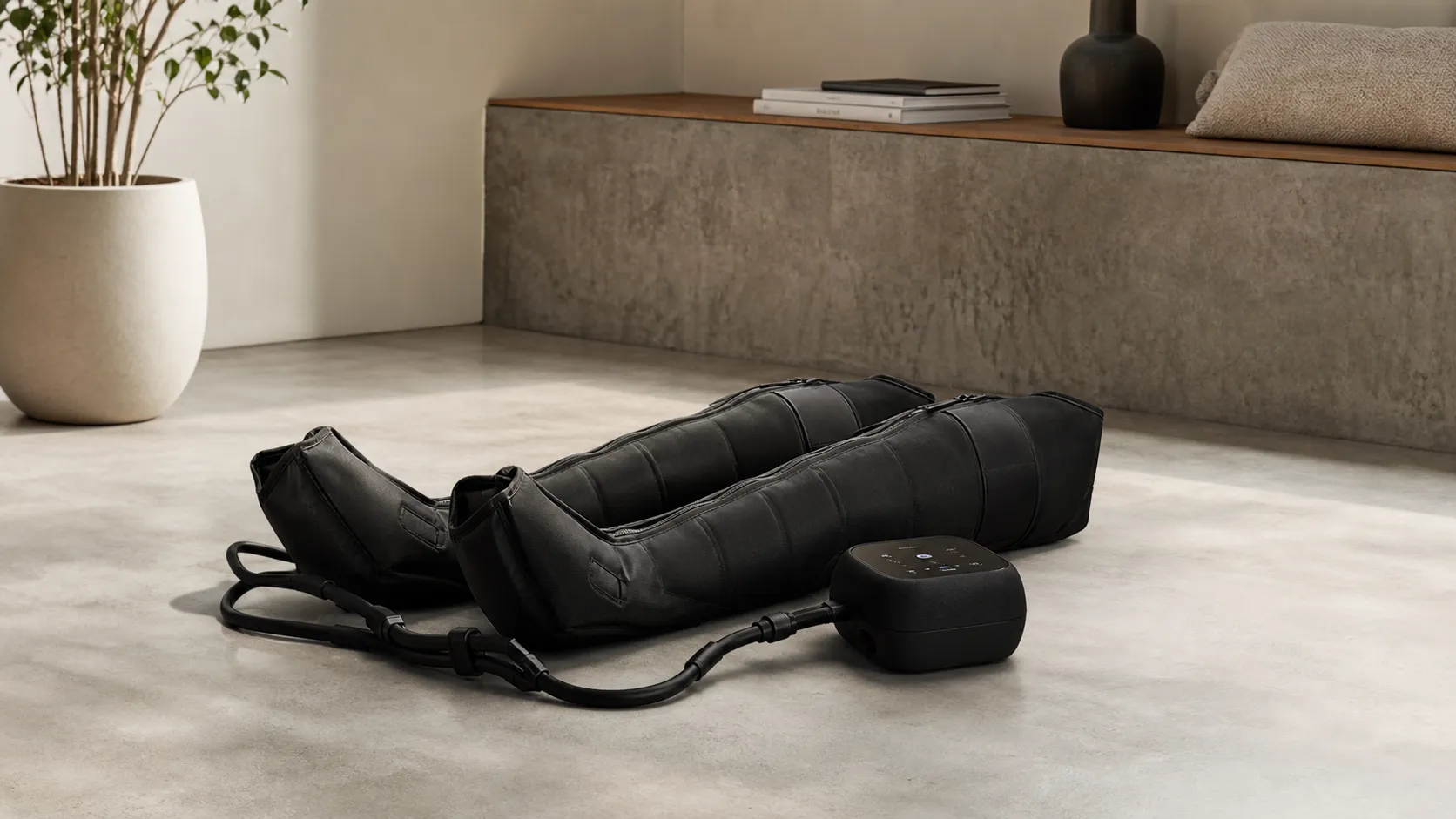
Hyperice Normatec 3.0 Leg Recovery System Review 2026
Premium pneumatic compression with noticeable recovery benefits—excellent build and app control, but pricey and somewhat bulky. Best for frequent athletes and clinics.
 Fitness & Wellness
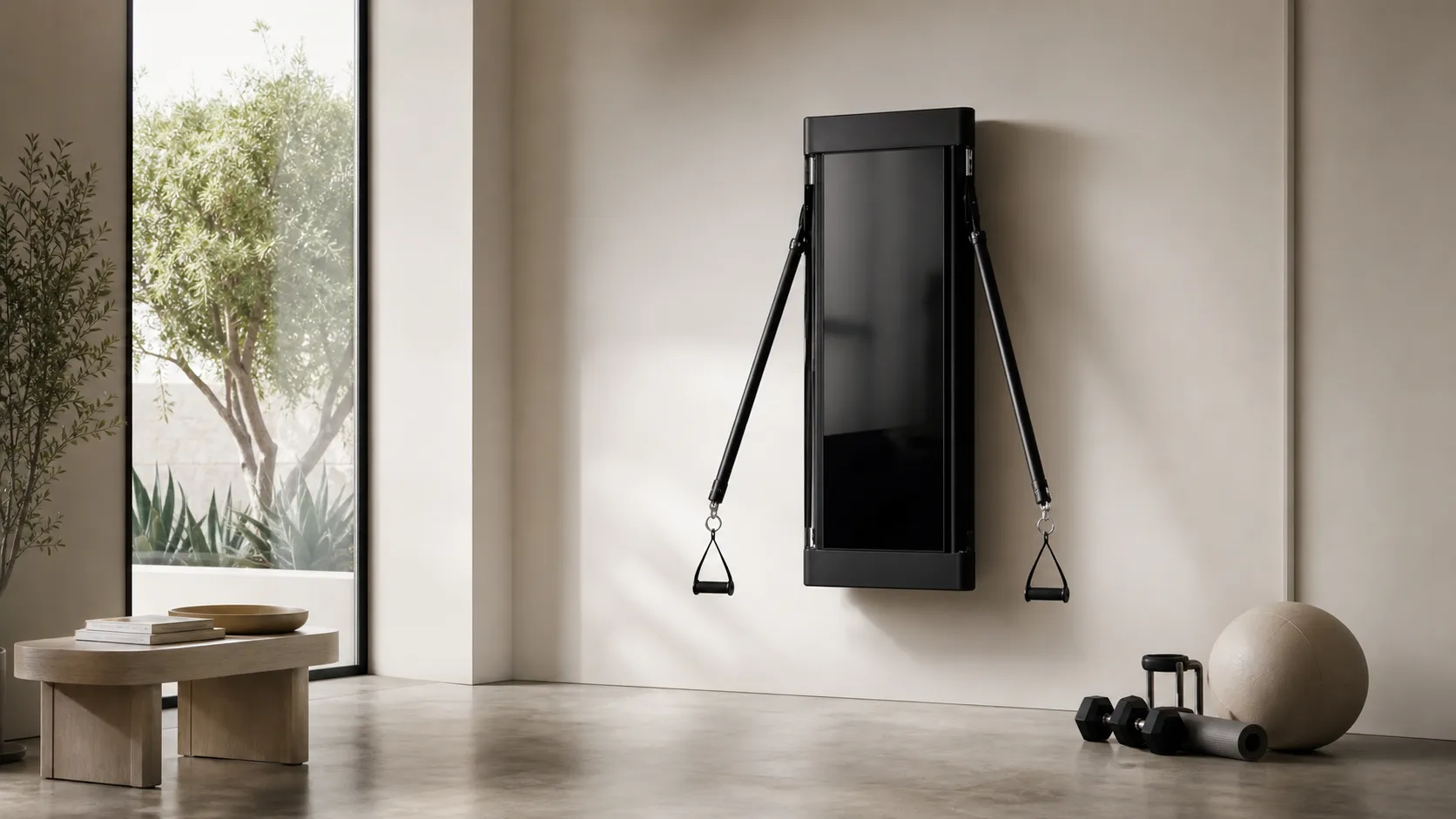
Tonal Smart Home Gym Review 2026
A high-end, wall-mounted smart gym with excellent coaching and space-saving design. Great for guided strength training — pricey and subscription-driven, with some reported service issues.
 Fitness & Wellness
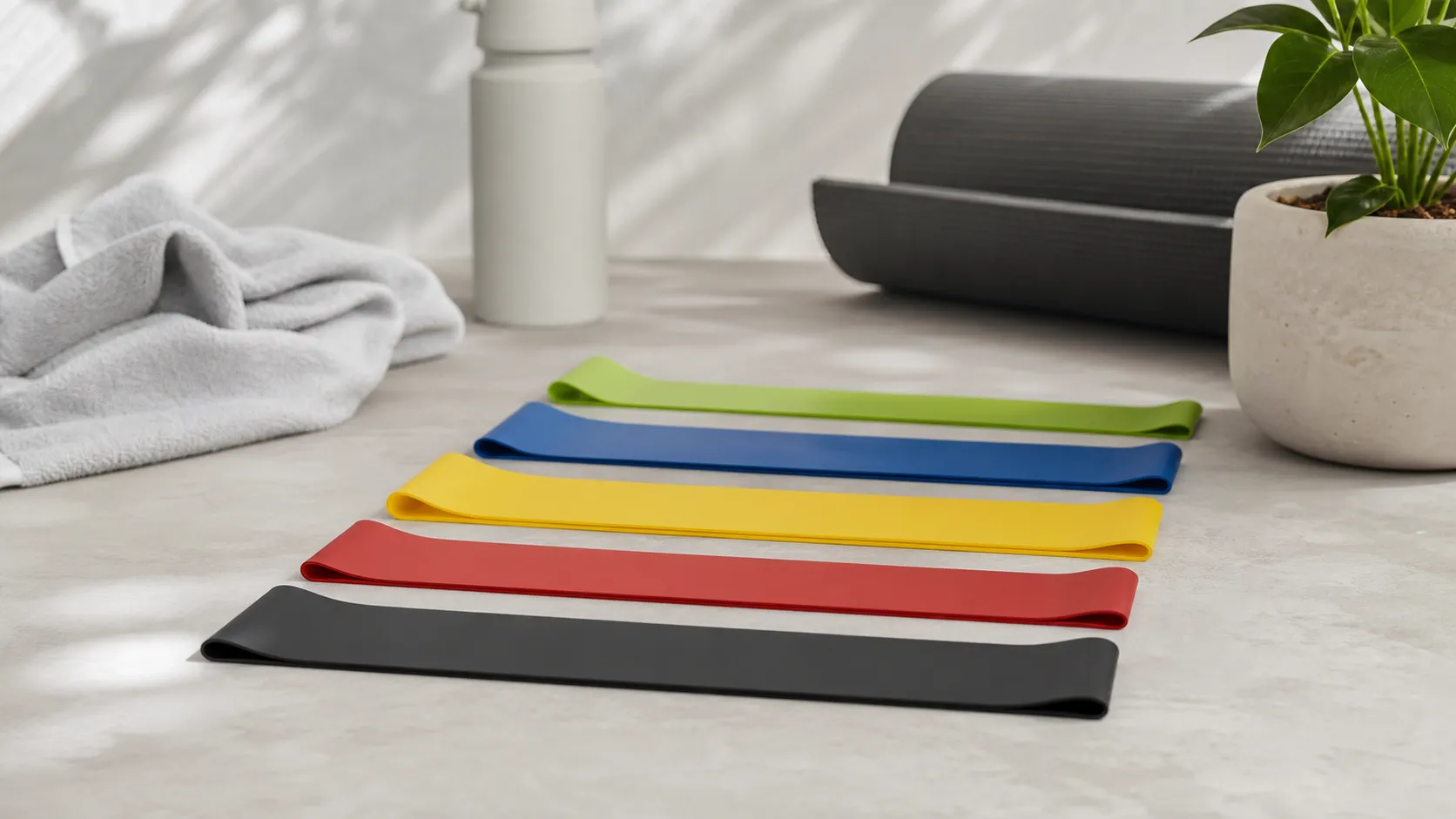
Fit Simplify Resistance Loop Bands Review 2026
Affordable, portable loop bands that excel for beginners, warm-ups, and rehab. Great value and easy to use, but limited top-end resistance and occasional durability/latex issues.