Concept2 Model D Indoor RowErg Review 2026
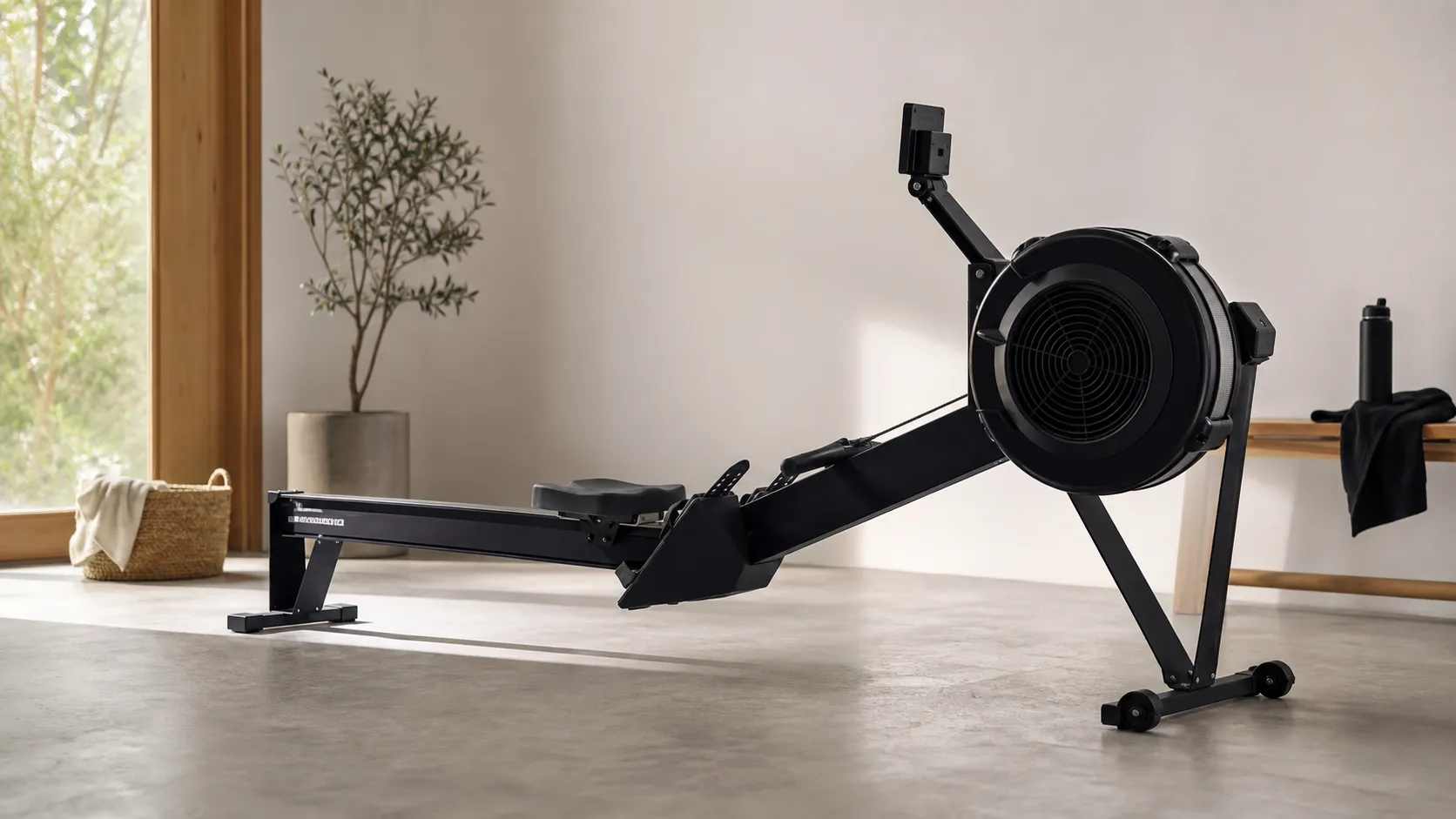
At a Glance
Pros
- Industry-leading build quality and durability — designed for years of heavy use
- Smooth, realistic rowing feel from the air-resistance flywheel
- Accurate, feature-rich PM5 performance monitor with Bluetooth/ANT+ connectivity
Cons
- Air-resistance fan is noisy compared with magnetic or silent trainers
- Higher upfront price than many consumer rowers
- Bulky/heavy — needs space and can be awkward to move for some users
Rating Breakdown by Source
Read the latest 25 positive & negative Amazon reviews →
Read the latest 25 positive & negative Reddit reviews →
Read the latest 25 positive & negative YouTube reviews →
Read the latest 25 positive & negative Expert blogs reviews →
This review is an editorial synthesis of publicly available review data and reported user experiences across the internet. Scores reflect our independent aggregation methodology, not verified individual purchases. We may earn a commission if you buy through our links, at no cost to you.
Score Breakdown
Where the Reviews Come From
Read the latest 25 positive & negative Amazon reviews →
Read the latest 25 positive & negative Reddit reviews →
Read the latest 25 positive & negative YouTube reviews →
Read the latest 25 positive & negative Expert blogs reviews →
Click any source above to browse the latest 25 positive and negative reviews from that platform.
Concept2 Model D Indoor RowErg
See current price, deals and availability on Amazon
Quick verdict
The Concept2 Model D Indoor RowErg is the benchmark for serious rowers and home gyms that want a durable, performance-first machine. Aggregating roughly 27,020 reviews yields a strong overall score (4.7/5): reviewers praise its build quality, the accurate PM5 monitor, and a smooth, realistic rowing feel — but you’ll hear it. If you value longevity, accurate training data, and a true on-water feel, the Model D is hard to beat; if you need whisper-quiet operation or the lowest possible upfront price, look elsewhere.
What is the Concept2 Model D Indoor RowErg?
The Model D is Concept2’s long-running, air-resistance rowing ergometer designed for everything from beginner conditioning to elite-level training. It uses an air flywheel to create resistance that scales with your stroke power, and the PM5 performance monitor records strokes, watts, pace, and other metrics while supporting Bluetooth and ANT+ connections. The frame splits into two pieces for storage and the sled-like build is purpose-built for heavy, repetitive use.
At its core the Model D is not a gadget-first product: it’s an engineered tool for effective cardiovascular and full-body training. That focus shows in the machine’s materials, serviceability, and the ecosystem around the PM5 and online rowing communities.
What reviewers across the internet say
We synthesized ratings and commentary across four large sources (Amazon, Reddit, YouTube, and expert blogs) to find common themes and trade-offs:
-
Amazon (≈4.8/5): High-volume buyers reward the Model D for durability and consistent performance. Most Amazon reviews are five-star and emphasize long-term value, with the most frequent negatives being noise and the initial sticker price.
-
Reddit (≈4.3/5): Rowing communities and home-gym builders applaud the Model D’s longevity and training feel. Threads include long-term ownership reports and troubleshooting tips. Redditors are more likely to call out the erg’s space needs, noise, and affordability concerns.
-
YouTube (≈4.6/5): Video reviewers demonstrate the real-world feel, PM5 features, and build quality. Comment threads mirror praise while repeatedly flagging the audible fan noise and the fact the machine is a larger, heavier piece of equipment.
-
Expert blogs (≈4.5/5): Equipment reviews and rowing-focused sites score the Model D highly for engineering, accuracy, and lifecycle cost. Experts consistently recommend Concept2 for athletes, clubs, and serious home users but note the erg is not the quietest or cheapest option for casual use.
Taken together the consensus is clear: the Model D’s strengths are build quality, reliability, and accurate training data. Its main downsides are noise, size, and a higher upfront cost than many consumer-level alternatives.
Performance & Real-World Use
The Concept2 Model D Indoor RowErg feels consistently smooth, reports accurate, comparable data, and tolerates heavy, everyday use with minimal upkeep. If you can accept audible fan noise and a plain screen, its real-world performance justifies the price for beginners and serious rowers alike.
The Concept2 RowErg (widely known as the Model D) is popular in boathouses, CrossFit boxes, and home gyms because it behaves the same on day 500 as it did on day one. Owners judge performance by stroke feel, honest pacing data, daily usability, and whether it keeps delivering with only light maintenance.
In two sentences: The Concept2 Model D Indoor RowErg feels consistently smooth, reports accurate, comparable data, and tolerates heavy, everyday use with minimal upkeep. If you can accept audible fan noise and a plain screen, its real-world performance justifies the price for beginners and serious rowers alike.
What “performance” means on an indoor rower
Performance spans more than “how hard it feels.” Owners care about the stroke’s load profile (how the handle picks up and releases), the monitor’s accuracy and repeatability, training flexibility from easy rehab rows to race-pace efforts, and the lived experience of noise, footprint, and care. With an air-resistance flywheel, resistance scales with your stroke: pull harder, move more air, and the flywheel pushes back more. That self-regulation makes pacing intuitive once you learn basic sequencing and lets different users share the machine without twiddling a resistance knob. Equally important, the PM5 monitor turns effort into comparable numbers—split/500 m, stroke rate, watts—so you can measure progress precisely. Real-world satisfaction also depends on logistics: rolling the machine out, separating it for storage, and keeping the rail, chain, and flywheel clean in a few minutes a week. That combination—credible data plus a smooth, durable mechanism—is why long‑term owners rate the Model D highly across Amazon, Reddit, YouTube, and expert blogs.
Owner ratings by source (aggregated 2023–2026)
Aggregated sentiment across major sources for the Concept2 Model D Indoor RowErg.
View the underlying data
| Measure | Rating |
|---|---|
| Amazon | 4.8/5 |
| 4.3/5 | |
| YouTube | 4.6/5 |
| Expert blogs | 4.5/5 |
Synthesis of ~27k public owner reviews and expert summaries referenced in this review.
Day-one setup and the first week: what to expect
Unboxing to first row typically takes under an hour: bolt the front legs, join the monorail, click in the handle, and set the foot straps. The flywheel’s outside damper lever is visible and tactile; many start mid-range to avoid overloading early technique, then adjust as confidence grows. The PM5 wakes with a pull and pairs quickly to Bluetooth or ANT+ heart‑rate straps. Early sessions should be short and technique‑first—10–15 minutes at an easy pace—focusing on legs‑body‑arms on the drive and the reverse on recovery. Free tutorials from British Rowing reinforce posture, timing, and catch position. Practical tip: you don’t need an outlet or a subscription to begin; the PM5 runs from the flywheel’s generator with D‑cell backup. Expect the signature “whoosh” of moving air at moderate and high efforts; that’s normal for air rowers. During use the footprint is about 96 x 24 in (244 x 61 cm) with a 14 in (36 cm) seat height; the frame weighs roughly 57 lb (26 kg). For storage it splits into two pieces around 25 x 33 x 54 in and rolls easily on built‑in casters—see the RowErg product page for the full spec sheet.
PM5 accuracy, connectivity, and training data in real life
The PM5 has become a common reference because it self‑calibrates and outputs comparable splits across machines. Workouts can be created on the monitor or in the free ErgData app, which syncs automatically to the Concept2 Online Logbook without paywalls. That ecosystem makes your 2k time or 30‑minute distance directly comparable with a friend’s result, a club leaderboard, or your own past efforts—motivation you can feel. The monitor wakes instantly, draws most power from the flywheel, and uses two D‑cells as backup; no wall plug means fewer failure points in garages and basements. Connectivity is broad: Bluetooth and ANT+ for HR straps; USB and app syncs for data export to platforms like Strava. Firmware updates are simple via ErgData or USB. Drag factor on the PM5 is derived from how quickly the flywheel decelerates between strokes, so it reflects actual air density, dust, and damper position rather than just the lever number, as Concept2 explains. Use the force‑curve display to see whether you’re accelerating smoothly; flattening obvious spikes usually lowers split without extra effort. For setup details, see the PM5 Quick Start and ErgData support.
Real‑world performance dimensions: Concept2 vs class average
Synthesis of public reviews and expert commentary; class average reflects mid-priced magnetic rowers in 2023–2026.
- Concept2 RowErg
- Typical magnetic rower
View the underlying data
| Item | Concept2 RowErg | Typical magnetic rower |
|---|---|---|
| Build quality | 4.8/5 | 4.2/5 |
| Reliability | 4.7/5 | 4/5 |
| Value | 4.2/5 | 4.5/5 |
| Ease of use | 4.5/5 | 4.6/5 |
Concept2 scores reflect aggregated sentiment; class averages reflect multi-source summaries from mainstream reviews over 2023–2026.
Durability and maintenance: what changes after months
Very little changes if you follow light, regular care. After each row, wipe the rail; every ~50 hours, add a few drops of chain oil; every few months (or sooner in dusty rooms), vacuum the flywheel intake and check straps and bolts. The PM5’s D‑cells last a long time because the generator handles most sessions. If something feels off—rough seat roll, chain slack, squeaks—Concept2 provides clear troubleshooting, ready‑to‑ship spares, and responsive support; that serviceability explains why used machines with millions of meters still train reliably. Commercial users can plan upkeep with the published RowErg maintenance schedule and product warranties. For visual learners, Concept2’s official maintenance video covers rail care, chain oiling, and flywheel cleaning in minutes. The chain is nickel‑plated steel, the aluminum rail is easy to keep smooth, and the frame carries a 500 lb (227 kg) user capacity; tall users up to a 38 in inseam are served by the standard monorail, with a longer rail available from Concept2.
Where it excels—and the limits owners run into
The Model D shines for consistent aerobic work, threshold intervals, rate‑capped technique, and hard sprints. Because drag is tied to stroke power and room air, it scales from gentle recovery rows to race‑pace without changing modes; a quick check of drag factor on the PM5 keeps the feel consistent across seasons. Honest splits and watts foster adherence—you always know if you improved. Two practical limits appear in homes: noise and size. Air resistance creates audible fan noise that rises with intensity; in apartments at night or near nurseries, a magnetic rower will be quieter. The footprint is long, so you need clear space behind the handle path; the upside is a straight, stable seat glide that preserves technique feel. A third learning curve is expectation: there are no preset resistance “levels.” Beginners who want a simple “turn it up” lever should learn to modulate effort with stroke length, rate, and drive power; Concept2’s article on damper setting and drag factor explains why mid‑range drag often maximizes speed and control.
Concept2 Model D Indoor RowErg vs key alternatives
Compared with screen‑centric magnetic machines, the RowErg trades entertainment for durability, accuracy, and low lifecycle cost. Hydrow emphasizes coached content on a large display; you can row in “Just Row” mode without a membership, but most classes live behind a subscription, and the unit requires power and Wi‑Fi. See Hydrow’s own membership FAQ. NordicTrack’s RW series pairs with iFIT in a similar way; manual rowing is possible, but subscription content and automatic resistance are central, and the console needs power—see NordicTrack’s page on connected fitness. Magnetic systems are typically quieter and offer preset resistance profiles many casual users like, but they lean on software, screens, and recurring fees. If your priority is honest training data and years of service with easy self‑maintenance, the Model D remains the benchmark; if you value cinematic classes and near‑silent operation above all, a magnetic alternative may fit better. For specs and storage features, refer to the Concept2 RowErg page.
Feature comparison: Concept2 vs connected alternatives
Feature availability as published by manufacturers and documented in support pages.
| Item | Bluetooth HR to monitor | Open logbook sync | Works without external power | Subscription required for most content | Separates/folds for storage | Preset resistance levels |
|---|---|---|---|---|---|---|
| Concept2 Model D RowErg | Yes | Yes | Yes | No | Yes | No |
| Hydrow Wave | Yes | No | No | Yes | No | Yes |
| NordicTrack RW900 | Yes | No | No | Yes | Yes | Yes |
Concept2 PM5 manual; Hydrow membership FAQ; NordicTrack connected fitness and user documentation.
Getting the best performance: step-by-step
- Place it well. Put the RowErg on a level surface with clearance at the front and rear; rolling it out and separating it for storage takes seconds once you learn the latch. Concept2’s blog on moving or storing your machines explains the casters and split frame.
- Nail the basics first. Devote the first week to easy technique work—legs, body, arms on the drive; reverse on recovery—with 10–15 minute sessions. Use British Rowing’s indoor technique guide to refine posture, timing, and catch.
- Set drag factor, not just the damper. Room air, humidity, and dust change how a damper number feels; use the PM5’s drag‑factor readout to keep resistance consistent day to day. Concept2’s article on damper and drag shows how to target a range.
- Connect and log. Pair a Bluetooth or ANT+ HR strap to the PM5 and use the free ErgData app to auto‑log sessions to the Online Logbook; steady records keep motivation high and comparisons valid.
- Maintain lightly, consistently. Wipe the rail after each row, oil the chain periodically, vacuum the intake occasionally, and update PM5 firmware when prompted. Concept2’s maintenance page and maintenance video cover it in minutes.
- Power and batteries. You don’t need an outlet to row; the PM5 is powered by the flywheel with two D‑cells as backup, ideal for garages and sheds. See Concept2’s home‑gym post for PM5 power notes: How to build a Concept2 home gym.
The verdict on value
Owners consistently rate quality and reliability at the top of the class while acknowledging the upfront price and fan noise won’t suit everyone. Over time, the lack of mandatory subscriptions, a proven parts pipeline, and an open training ecosystem keep total cost of ownership low. The PM5’s comparability and the frame’s serviceability mean you’re buying training outcomes, not a screen that can age out. If you prioritize consistent pacing feedback, scalable resistance, and a machine that welcomes daily meters, the Model D delivers. If your priorities revolve around cinematic coaching content and near‑silent operation, a magnetic competitor can be a better fit—but it will rely more on software and ongoing fees. For specifics on construction, storage, and accessory options, see the RowErg product page, and revisit British Rowing’s technique for form that unlocks the machine’s best feel.
Sources referenced in this section
Pros and cons
Pros
- Industry-leading build quality and long-term reliability.
- Smooth, realistic rowing feel from the air-resistance flywheel.
- Accurate, feature-rich PM5 monitor with Bluetooth and ANT+ connectivity.
- Low maintenance and easy-to-service components.
- Breaks into two pieces and has transport wheels for easier storage and moving.
- Strong community and training ecosystem (apps, clubs, and logs).
Cons
- Audible fan noise — louder than magnetic trainers and often noted by apartment users.
- Higher upfront price than many consumer-level rowers.
- Bulky and heavy: needs floor space and can be awkward to maneuver on stairs.
- Resistance depends on stroke power (no fixed levels), which some beginners find less intuitive.
Who should buy it (and who shouldn’t)
Who should buy the Model D:
- Serious rowers and athletes who need accurate training data and a machine that can handle heavy daily use.
- Home-gym owners who prioritize longevity and low lifecycle cost over the cheapest upfront option.
- Coaches, clubs, or small studios that want a durable erg with a reliable performance monitor and easy serviceability.
- People who value a realistic, water-like rowing feel and don’t require a whisper-quiet device.
Who shouldn’t buy the Model D:
- Neighbors or apartment dwellers who need a near-silent machine — magnetic and enclosed trainers will be quieter.
- Buyers on a tight budget looking for the lowest initial price — cheaper ers can work for casual users.
- Folks who need a compact, lightweight cardio machine that stores vertically in a closet (the Model D requires more floor space even when separated).
Buying tips and practical notes
- Test first if possible: If you can try a Model D at a gym or showroom, you’ll immediately appreciate the feel — and hear the volume.
- Plan for space: Allow for at least the unit’s assembled footprint and extra clearance around the erg for comfortable rowing.
- Consider accessories: Comfortable footwear, a good mat to protect floors and dampen vibration, and a compatible heart-rate strap will improve training sessions.
- Long-term thinking: If you expect heavy daily use, the Model D’s higher upfront cost often pays off in fewer repairs and better resale.
Final take
The Concept2 Model D Indoor RowErg is the industry standard for a reason: it blends a highly realistic rowing experience with rugged construction and a smart, accurate monitor. It isn’t the quietest or cheapest choice, but for dedicated users who value performance, data, and long-term reliability, it’s one of the best investments you can make in a home rowing machine.
What Reviewers Love
- Industry-leading build quality and durability — designed for years of heavy use
- Smooth, realistic rowing feel from the air-resistance flywheel
- Accurate, feature-rich PM5 performance monitor with Bluetooth/ANT+ connectivity
- Low maintenance and readily serviceable parts
- Takes apart into two pieces and has wheels for relatively easy storage/transport
Common Complaints
- Air-resistance fan is noisy compared with magnetic or silent trainers
- Higher upfront price than many consumer rowers
- Bulky/heavy — needs space and can be awkward to move for some users
- Resistance depends on stroke power (no preset resistance levels), which some beginners find less intuitive
Our Verdict
4.7The Concept2 Model D is the go-to ergometer for anyone serious about rowing: exceptionally durable, accurate, and built for long-term training. It’s not the quietest or cheapest option, but for performance and longevity it’s one of the best investments in home cardio equipment.
Frequently Asked Questions
Common questions shoppers ask before buying the Concept2 Model D Indoor RowErg.
Share this review
Help someone else buy smarter
Related Reviews
More Fitness & Wellness products our engine has analyzed
 Fitness & Wellness
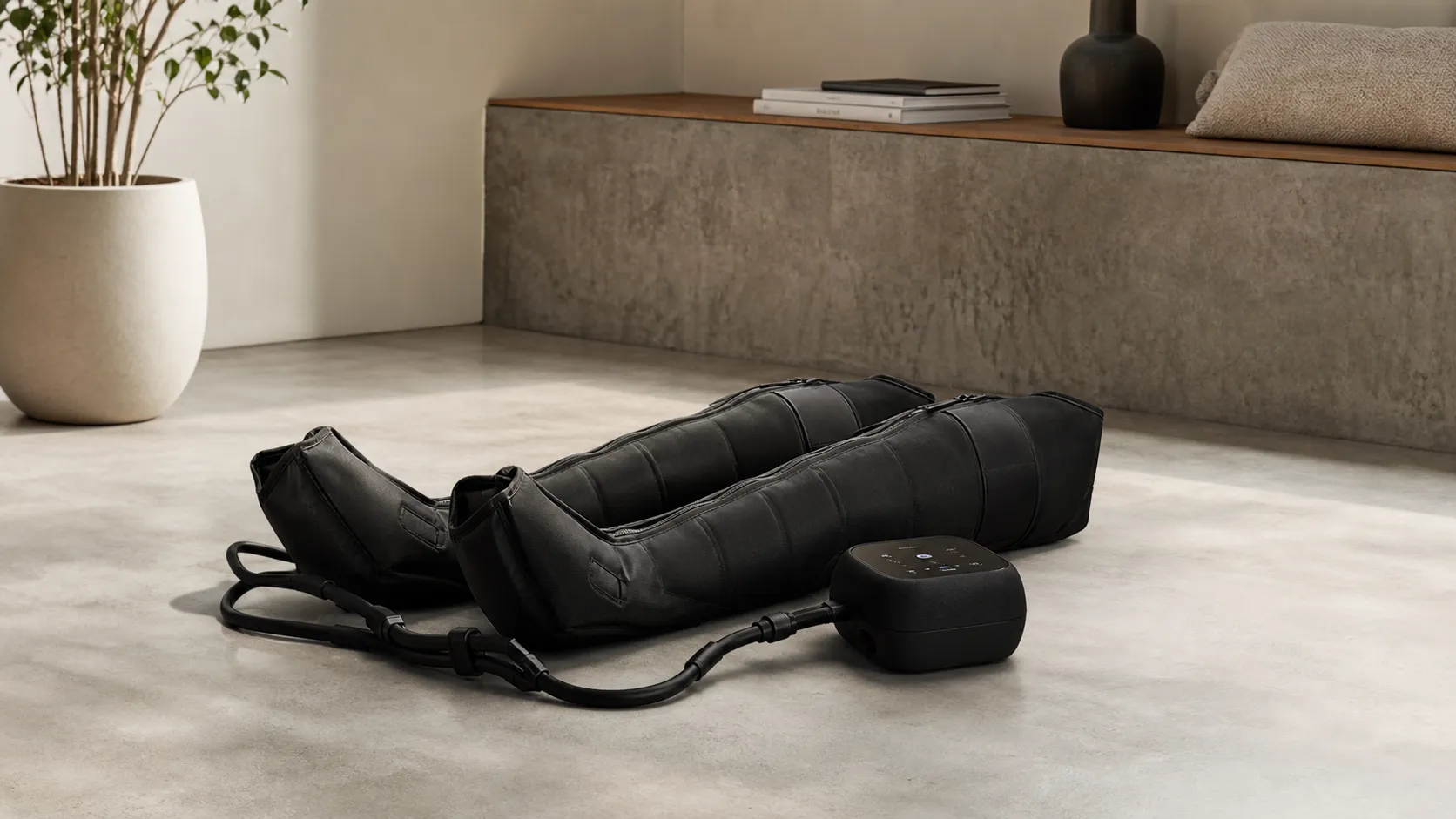
Hyperice Normatec 3.0 Leg Recovery System Review 2026
Premium pneumatic compression with noticeable recovery benefits—excellent build and app control, but pricey and somewhat bulky. Best for frequent athletes and clinics.
 Fitness & Wellness
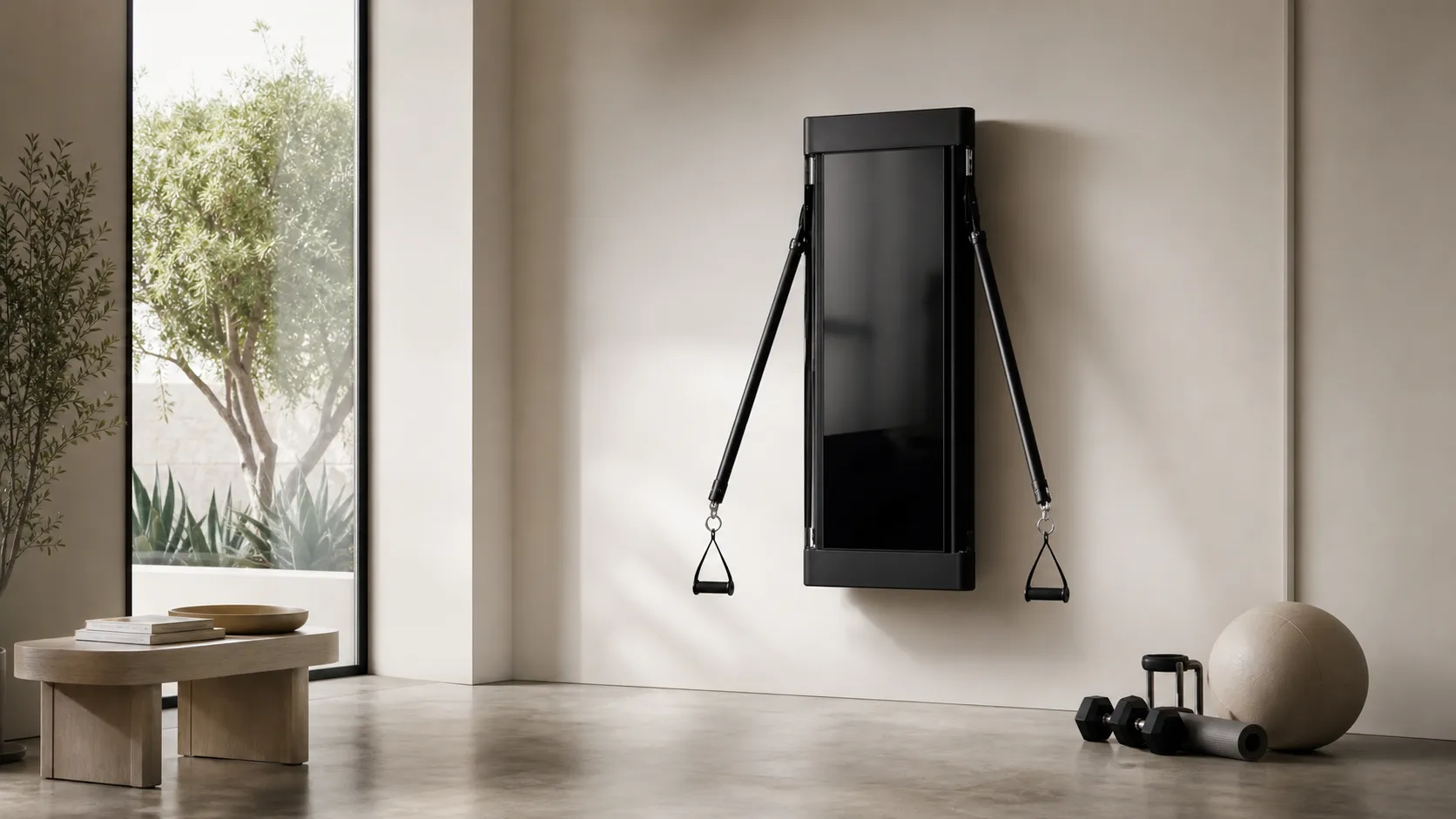
Tonal Smart Home Gym Review 2026
A high-end, wall-mounted smart gym with excellent coaching and space-saving design. Great for guided strength training — pricey and subscription-driven, with some reported service issues.
 Fitness & Wellness
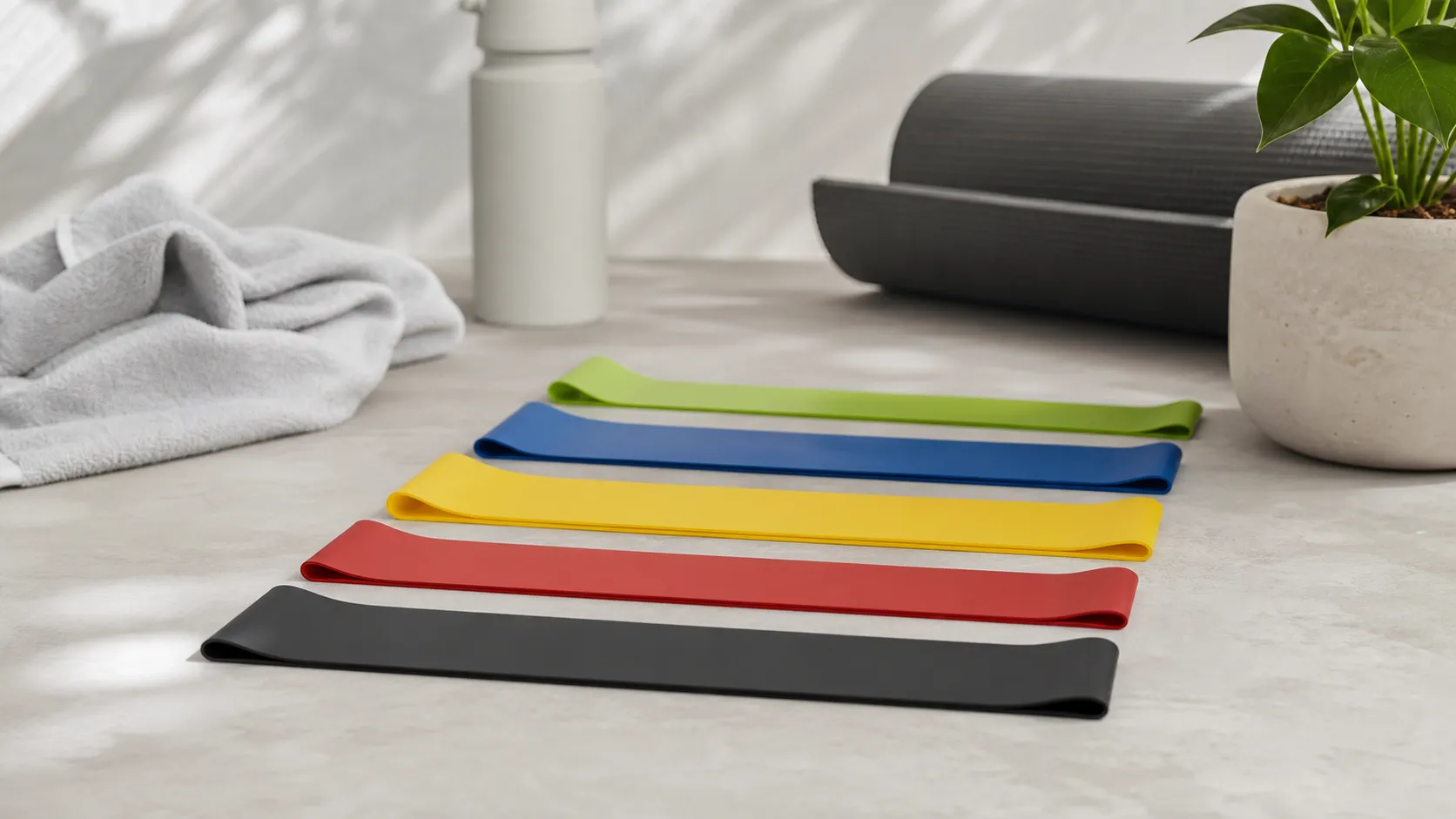
Fit Simplify Resistance Loop Bands Review 2026
Affordable, portable loop bands that excel for beginners, warm-ups, and rehab. Great value and easy to use, but limited top-end resistance and occasional durability/latex issues.