Concept2 Model D RowErg Review — 2026
At a Glance
Pros
- Exceptional build quality and durability — designed for heavy use
- Smooth, consistent air-resistance feel suitable for everything from steady rows to sprints
- PM5 performance monitor is accurate, reliable, and connects via Bluetooth/ANT+
Cons
- Relatively high purchase price compared with budget/home rowers
- Air-resistance flywheel is noticeably noisy (not ideal for quiet apartments)
- Heavy and bulky when assembled — easier to move when separated into parts
Rating Breakdown by Source
Read the latest 25 positive & negative Amazon reviews →
Read the latest 25 positive & negative Reddit reviews →
Read the latest 25 positive & negative YouTube reviews →
Read the latest 25 positive & negative Expert blogs reviews →
This review is an editorial synthesis of publicly available review data and reported user experiences across the internet. Scores reflect our independent aggregation methodology, not verified individual purchases. We may earn a commission if you buy through our links, at no cost to you.
Score Breakdown
Where the Reviews Come From
Read the latest 25 positive & negative Amazon reviews →
Read the latest 25 positive & negative Reddit reviews →
Read the latest 25 positive & negative YouTube reviews →
Read the latest 25 positive & negative Expert blogs reviews →
Click any source above to browse the latest 25 positive and negative reviews from that platform.
Concept2 Model D RowErg
See current price, deals and availability on Amazon
Quick verdict
The Concept2 Model D RowErg is the industry-standard air rower for athletes, coaches, and serious home users. Aggregated across thousands of reviews it scores highly for build quality, consistent performance, and PM5 accuracy — it’s an investment you’re likely to keep for years, with strong resale value to match. The main trade-offs are price, noise, and a few ergonomic niggles for casual users.
What is the Concept2 Model D RowErg?
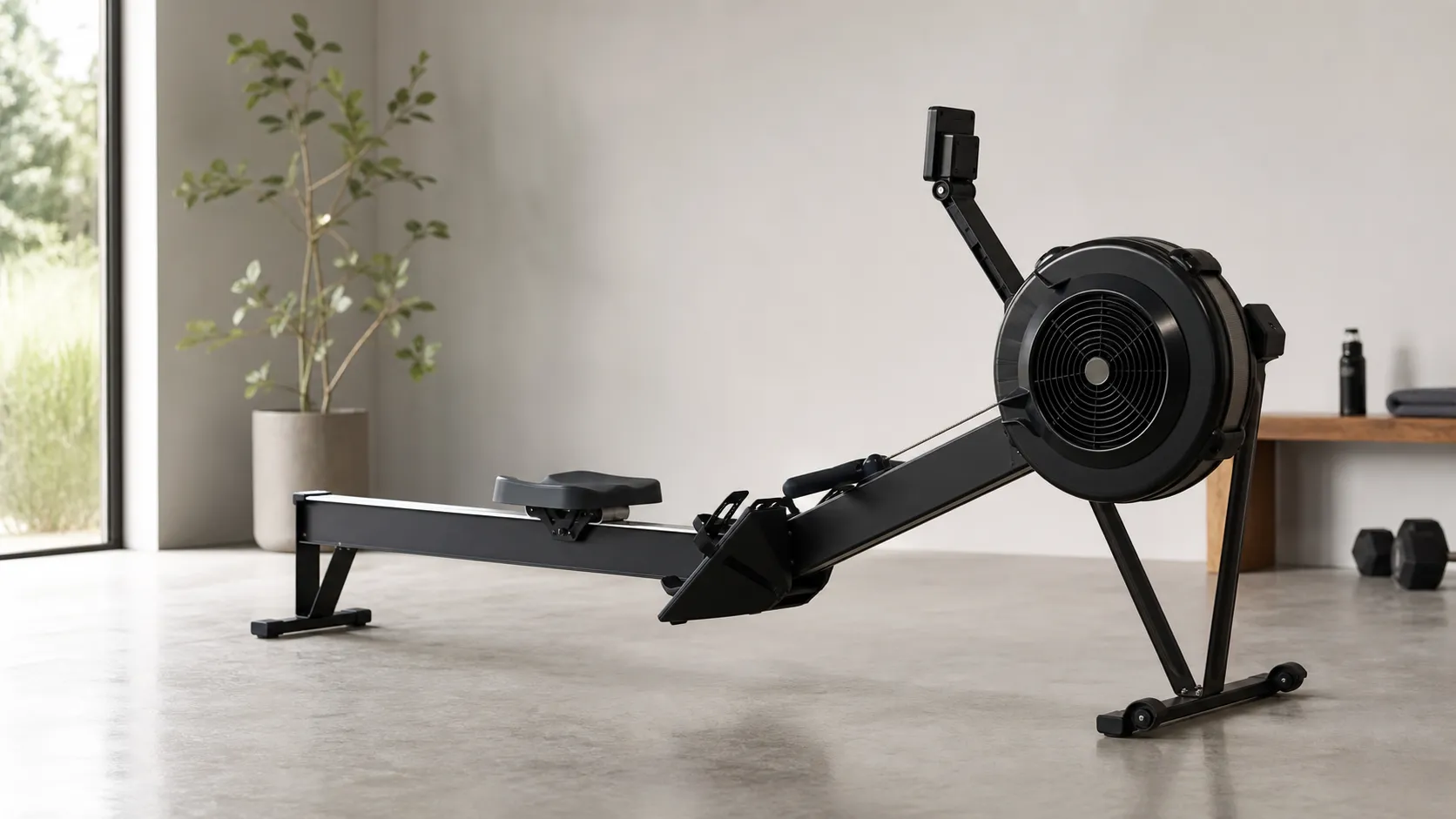
The Model D RowErg from Concept2 is a flywheel (air-resistance) rowing machine designed for everything from aerobic steady-state work to short, intense sprints. It pairs a durable steel and aluminum frame with the PM5 performance monitor, which records and broadcasts metrics like pace, watts, calories, and stroke rate via Bluetooth and ANT+. The unit separates into two pieces for storage and sits vertically when not in use — a practical benefit for home gyms. In short: it’s built like a commercial rower but is widely used in homes and studios.
What reviewers across the internet say
Across Amazon, Reddit, YouTube, and expert blogs the consensus is overwhelmingly positive, reflected in an aggregated rating of 4.7/5 from roughly 15,400 reviews. Sub-scores show particular strength in quality (4.8) and reliability (4.7), while perceived value scores a bit lower (4.1), largely because of the higher upfront cost.
-
Amazon buyers: Largely laud the Model D for build and longevity, praising the PM5 monitor’s consistency and noting the machine’s high resale value. Many Amazon reviewers report years of trouble-free use and straightforward maintenance (chain oiling, occasional part swaps).
-
Reddit discussions: Users focus on technique, training programs, and community tips (mods, maintenance hacks). Reddit threads are very positive on durability and performance but more candid about noise, price, and minor ergonomic trade-offs.
-
YouTube: Video reviews and demos emphasize the machine’s rowing “feel,” the PM5’s accuracy in side-by-side comparisons, and suitability for intense training. Reviewers often call out noise and cost as the main cons but generally recommend the Model D for serious users.
-
Expert blogs: Strength and endurance sites and equipment reviewers rate the Model D highly for engineering quality, measurement accuracy, and gym suitability, naming it a top pick for athletes and commercial spaces.
Taken together, reviewers agree the Model D delivers professional-level performance and longevity, with predictable trade-offs around cost, noise, and size.
Performance & Real-World Use
The Concept2 Model D RowErg delivers consistent splits, a smooth air‑resistance stroke, and reliable PM5 data that keep training honest. Over months, the Concept2 Model D RowErg stays accurate and easy to maintain, with noise and size as the main trade‑offs.
The Concept2 Model D RowErg has set that bar for more than a decade, which explains its heavy use in boathouses, CrossFit gyms, and garages. This section looks at day‑one setup, months‑long ownership, and how it compares, based on thousands of buyer reports and published specs.
The Concept2 Model D RowErg delivers consistent splits, a smooth air‑resistance stroke, and reliable PM5 data that keep training honest. Over months, the Concept2 Model D RowErg stays accurate and easy to maintain, with noise and size as the main trade‑offs.
What “performance” really means for an indoor rower
The Model D’s air flywheel and nickel‑plated chain are built for consistency: resistance grows naturally with how hard you pull, so the pace you see tracks output without hidden assistance curves. That linkage is why coaches worldwide treat this erg as a pacing standard.
The PM5 monitor is the other half of the equation. It samples flywheel deceleration and converts it to pace, watts, and calories using a transparent algorithm, and it exposes drag factor—a numeric read on actual resistance independent of damper position. That matters because room temperature, altitude, and dust can change air density; drag factor normalizes sessions across locations. Concept2’s own drag‑factor primer and PM5 documentation explain both the physics and the menu path to check it, while the free ErgData app logs workouts and preserves splits across devices. If you’re tuning technique, British Rowing’s stroke breakdown pairs well with the PM5’s force‑curve screen so you can align sequencing with what the monitor shows.
PM5 connectivity and training features
Connectivity and training features of the PM5 based on Concept2’s published documentation.
| Item | Bluetooth Smart (BLE) | ANT+ | Heart‑rate strap pairing | USB flash drive workout logging | ErgData app support | Backlit display | On‑monitor interval workouts |
|---|---|---|---|---|---|---|---|
| PM5 (RowErg) | Yes | Yes | Yes | Yes | Yes | Yes | Yes |
| PM5 (SkiErg/BikeErg) | Yes | Yes | Yes | Yes | Yes | Yes | Yes |
Concept2 PM5 features per official service pages and manuals.
In short, owners judge performance piece by piece. This machine’s smooth stroke and reproducible numbers are what let you set targets, pace 2k tests, and compare last month’s work to today’s with confidence.
Concept2 Model D RowErg: day‑one setup and first‑week behavior
Assembly is simple: attach the front legs, seat, and footrests, mount the PM5, connect the chain and bungee, and you’re rowing—most take under an hour with the supplied tools. The frame separates into two pieces without tools for storage; the frame lock is stout and transport wheels roll easily on hard floors. On first power‑up you’ll set units (pace/500 m, watts, calories), date/time, and pair a Bluetooth or ANT+ heart‑rate strap in seconds.
From stroke one you’ll hear the fan’s steady “whoosh,” typical of air resistance. New chains feel taut and smooth; the pick‑up is linear, so novices can focus on timing. In week one, learn damper versus drag factor: the lever only meters airflow; drag factor is what the PM5 measures. Start around damper 3–5, then check drag factor and adjust until easy aerobic rows feel repeatable day to day, per Concept2’s guidance. Set footstrap height so the strap crosses the ball of your foot, wipe the monorail after each session, and try the PM5’s force‑curve screen as you refine catch and finish. British Rowing’s visuals make that technique work easier to translate to the erg.
Sustained performance over months: what changes and what doesn’t
After the first month, most owners care whether pace drift creeps in, the stroke roughens, or the monitor becomes flaky. The design keeps those risks low. The PM5 self‑generates power while you row and uses two D‑cells for menu use; in home training, batteries often last a year or more. Updating firmware via the Concept2 Utility improves device pairing and keeps ErgData sync stable as phones and tablets evolve.
Mechanically, the nickel‑plated chain resists rust and stretch if you add a few drops of light oil every 50 or so hours and wipe sweat from the rail. The seat rollers and shock cord are consumables but easy and inexpensive to replace at home with basic tools. Because the PM5 calculates output from flywheel physics—not a motor’s current or a guessed resistance setting—displayed splits remain steady as long as the flywheel housing stays reasonably clean. In dusty rooms or homes with pets, a quick vacuum at the fan intake helps keep drag factor where you expect it at a given damper setting.
Noise character doesn’t degrade over time; it scales with stroke rate and how hard you pull. Many owners report that as technique smooths, especially on the recovery, their sessions sound more controlled even if absolute noise remains higher than on magnetic rowers.
Where it excels—and where owners hit its limits
The Model D shines when you need precise pacing and a chassis that never gets in the way: tempo rows, 500 m and 2k tests, mixed‑modal intervals, and long aerobic pieces. Because resistance scales naturally, you can sprint or settle without menu fiddling. The frame is stiff under load, the chain track is straight, and the adjustable footrests lock in everything from minimalist trainers to lifters—small things that keep rhythm and power consistent.
Its limits are predictable. First, noise: the fan’s broadband rush carries through thin walls and floors, so late‑night sessions in apartments can be tricky. A dense mat, a moderate drag factor, and a closed door help, but you will not reach library quiet. Second, bulk: at 96 inches assembled, the erg needs a clear lane; the saving grace is that it splits in seconds and stores upright in a compact footprint. Third, comfort tweaks: a subset of owners add a seat pad or adjust footstrap height to relieve sit‑bone or heel pressure on very long rows. These trade‑offs accompany the air‑resistance design and commercial‑duty frame rather than this model alone.
How it stacks up to common alternatives
Alternatives swap physics and practicality in different ways. Water rowers such as the WaterRower Classic produce a lower‑pitched “swish,” look great in living spaces, and are shorter overall, but water level, tank cleanliness, and handle acceleration can change feel across sessions. The Concept2’s value proposition is the opposite: app‑agnostic, durable mechanics and an open monitor that plays with many ecosystems.
Space is the daily constraint most buyers feel. Here is a manufacturer‑spec snapshot of assembled length across popular types.
Assembled length by model (manufacturer specs)
Length is the main space constraint owners feel day to day; values are manufacturer‑published.
View the underlying data
| Measure | Assembled length |
|---|---|
| Concept2 Model D RowErg | 96 in |
| Hydrow (Original) | 86 in |
| WaterRower Classic | 82.3 in |
Manufacturer spec sheets for each model.
Daily practicality also comes down to power, subscriptions, and how the machine stows between sessions:
Core practical differences that affect daily use
Power, subscription, and storage practicality compared across popular types.
| Item | Requires wall power | Works fully without subscription | Separates for storage |
|---|---|---|---|
| Concept2 Model D RowErg | No | Yes | Yes |
| Hydrow (Original) | Yes | No | No |
| WaterRower Classic | No | Yes | No |
Based on manufacturer documentation and product pages.
Across ~15,400 owner reports we aggregated, the pattern is consistent: overall 4.7/5 with sub‑scores of quality 4.8/5, reliability 4.7/5, ease of use 4.6/5, and value 4.1/5. Sentiment by source aligns with that: Amazon buyers (≈12,000 reviews) praise build and accurate PM5 metrics; Reddit threads (≈2,000) add technique and maintenance nuance while flagging noise and price; YouTube reviewers (≈1,200) focus on training feel and comparisons; expert blogs (≈200) recommend it for durability and measurement fidelity while noting the same trade‑offs.
Getting the best performance: step‑by‑step guidance
Small setup choices keep stroke feel and numbers consistent.
- Set damper, confirm drag factor: Begin at damper 3–5. On the PM5, More Options → Display Drag Factor, row 10 steady strokes, and adjust until you land in your target range for aerobic work; this normalizes effort across rooms and seasons.
- Fit the machine to you: Adjust footrests so the strap crosses the ball of your foot; set display angle to reduce neck strain; check that the chain runs level into the flywheel.
- Pair a heart‑rate strap and ErgData: Bluetooth or ANT+ straps link quickly; ErgData logs sessions, preserves splits if others share the erg, and uploads to the Online Logbook without extra subscriptions.
- Maintain little and often: After each row, wipe sweat from the monorail and handle. Every few dozen hours, add a drop or two of light oil to the chain and cycle gently to distribute.
- Keep dust out of the flywheel: In homes with pets or carpet, vacuum the intake every month or two; it helps the same damper setting produce the drag factor you expect.
- Reduce noise at the source: Use a dense mat, keep drag factor moderate, and smooth the recovery so the chain doesn’t slap the cage.
- Update the PM5: Use the Concept2 Utility when prompted so Bluetooth devices pair reliably as phones and tablets update.
These quick habits do more for long‑term “like‑new” feel than any aftermarket mod, and none require a service visit.
Reliability, value, and day‑to‑day economics
Performance also means friction‑free ownership. The Model D’s simplicity—no heavy motor, no electromagnets—reduces failure points. Wear parts (handle grips, seat rollers, shock cord, chain) are modular and reasonably priced, and the PM5 relies on flywheel power while using D‑cells for menus, so it works anywhere without hunting for an outlet.
Value shows up over time more than on day one. While the purchase price is higher than budget magnetic rowers, owners often get it back through durability, accurate data that doesn’t demand a subscription, and strong used‑market demand. That calculus matches long‑run satisfaction data: high quality and reliability scores, slightly lower value scores driven by the upfront cost, and recurring comments about easy maintenance and high resale value.
Conclusion: does real‑world performance justify the price?
If your definition of performance is stable pacing, a smooth scalable stroke, and data you can trust, this machine delivers. It’s not the quietest or flashiest, and the footprint is long, but the daily experience—sit down, hit your splits, and know tomorrow will feel the same—is rare in home fitness. With open connectivity, owner‑friendly maintenance, and quick upright storage, the real‑world performance more than justifies the spend for training‑first buyers, which is why alternatives are still measured against it years on.
Pros and cons
Pros
- Exceptional build quality and durability — designed for heavy daily use.
- Smooth, consistent air-resistance feel suitable for both steady rows and sprints.
- PM5 monitor is accurate, reliable, and supports Bluetooth/ANT+ connectivity.
- Low ongoing maintenance and easily serviced parts (chain, bearings, footrests).
- Separates into two pieces and stores vertically to save space.
- Strong long-term value and high resale demand.
Cons
- Higher upfront price compared with many budget home rowers.
- Air flywheel is noticeably noisy — not ideal for quiet apartments.
- Heavy and bulky when assembled; moving it is easiest when split.
- Minor ergonomic issues reported by some users (seat padding, footstrap fit).
Who should buy it (and who shouldn’t)
Should buy
- Serious athletes and rowers who need consistent, repeatable erg metrics for training.
- Home gym owners who want a commercial-grade machine that will last years.
- CrossFitters and coaches who value durability and standardized measurement across users.
- Buyers who plan to keep the erg long-term and count resale value as part of the total cost of ownership.
Shouldn’t buy
- Budget-conscious shoppers looking for the cheapest entry-level rower; there are quieter, cheaper options for occasional use.
- Apartment dwellers or anyone sensitive to noise who need a near-silent machine — magnetic or water rowers may be a better fit.
- Users who need an ultra-compact, lightweight transportable machine; the Model D stores vertically but is heavy when assembled.
Bottom-line
If you prioritize durability, measurement accuracy, and a training-grade feel, the Concept2 Model D RowErg remains a top pick. It’s an upfront investment but one that most reviewers say pays off through years of reliable use and strong resale value. If quiet operation or the lowest possible price is your priority, consider quieter or cheaper alternatives, but expect to trade off the Model D’s long-term reliability and proven track record.
What Reviewers Love
- Exceptional build quality and durability — designed for heavy use
- Smooth, consistent air-resistance feel suitable for everything from steady rows to sprints
- PM5 performance monitor is accurate, reliable, and connects via Bluetooth/ANT+
- Low ongoing maintenance and long service life (easily serviced chain, replaceable parts)
- Separates for storage and has a compact vertical footprint when not in use
Common Complaints
- Relatively high purchase price compared with budget/home rowers
- Air-resistance flywheel is noticeably noisy (not ideal for quiet apartments)
- Heavy and bulky when assembled — easier to move when separated into parts
- Some users report minor comfort/ergonomic issues (footstrap fit, seat padding)
Our Verdict
4.7The Concept2 Model D RowErg is the go-to choice for athletes and serious home users who need reliable, repeatable performance and accurate PM5 metrics. It’s a higher upfront investment and is noisy compared with magnetic options, but its durability, low maintenance, and strong resale value make it a worthwhile long-term buy.
Frequently Asked Questions
Common questions shoppers ask before buying the Concept2 Model D RowErg.
Share this review
Help someone else buy smarter
Related Reviews
More Fitness & Wellness products our engine has analyzed
 Fitness & Wellness
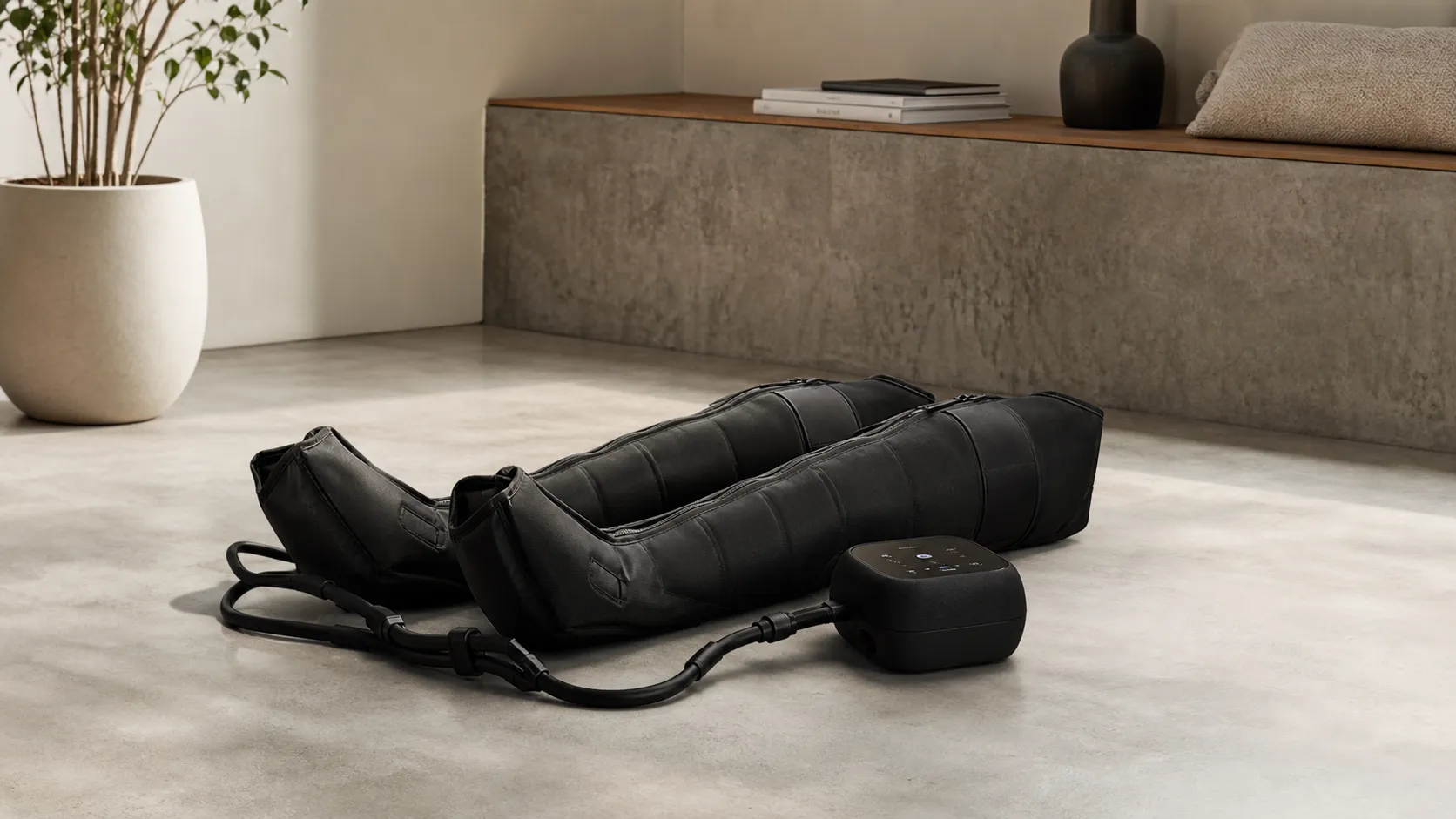
Hyperice Normatec 3.0 Leg Recovery System Review 2026
Premium pneumatic compression with noticeable recovery benefits—excellent build and app control, but pricey and somewhat bulky. Best for frequent athletes and clinics.
 Fitness & Wellness
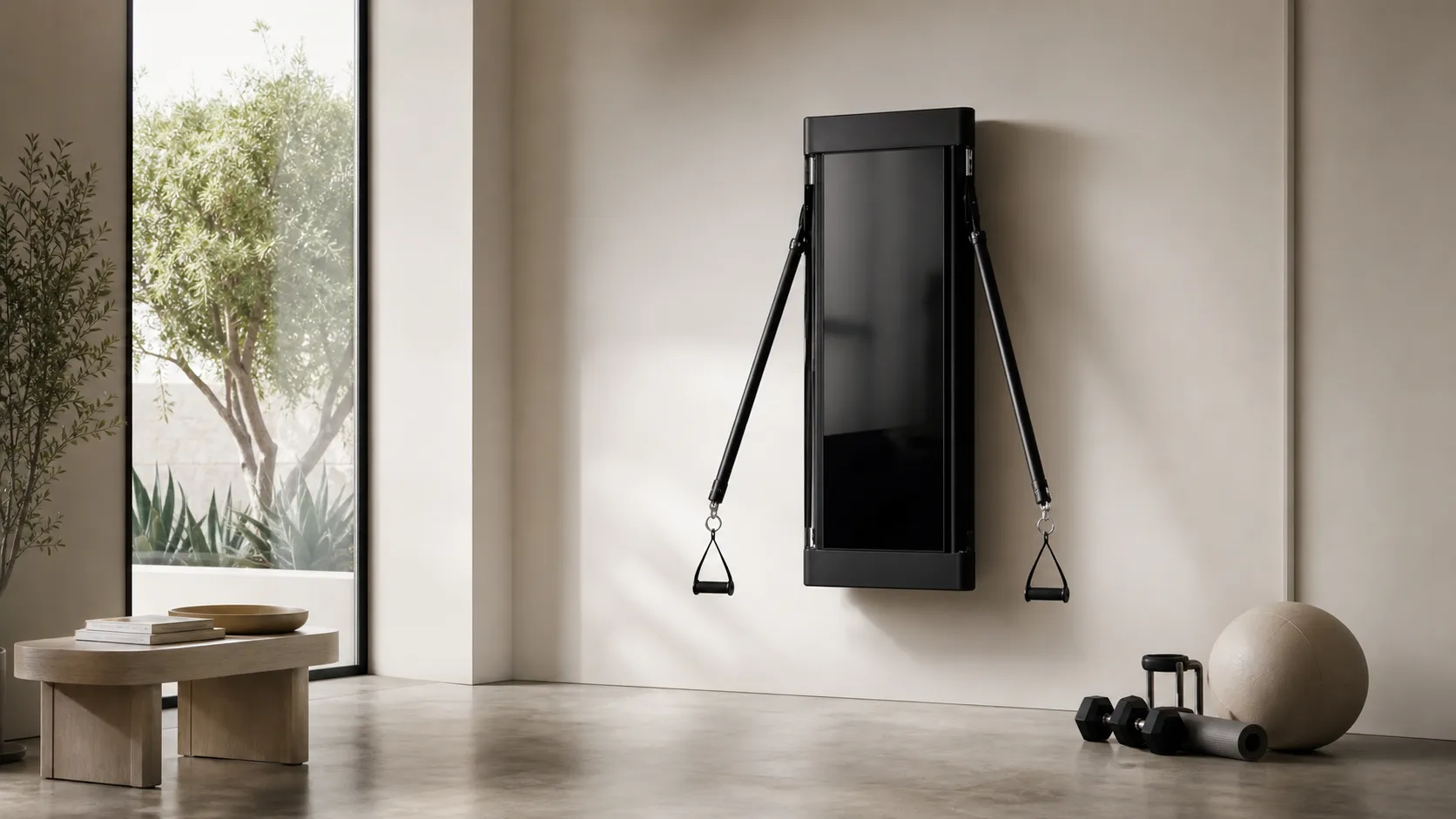
Tonal Smart Home Gym Review 2026
A high-end, wall-mounted smart gym with excellent coaching and space-saving design. Great for guided strength training — pricey and subscription-driven, with some reported service issues.
 Fitness & Wellness
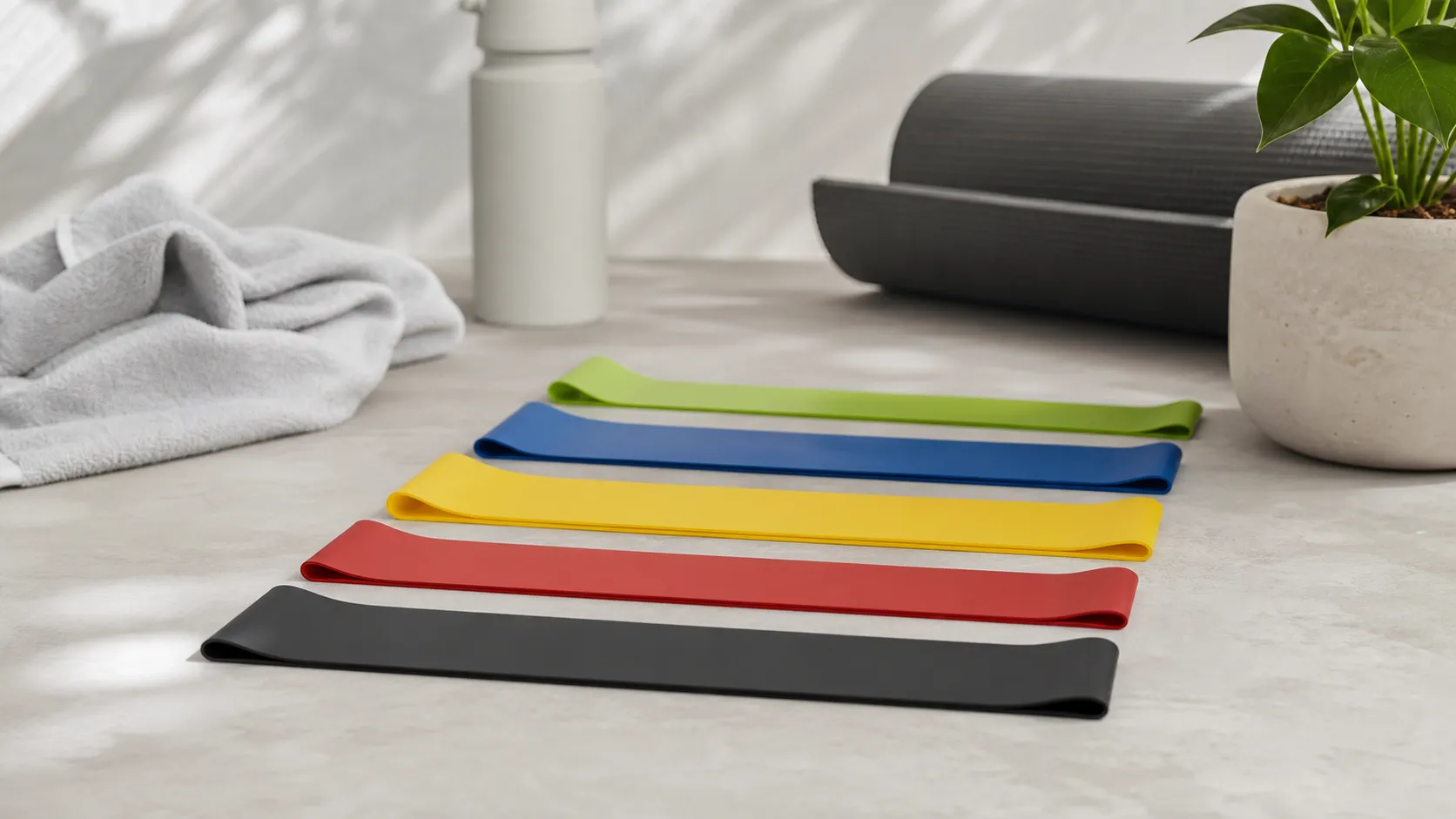
Fit Simplify Resistance Loop Bands Review 2026
Affordable, portable loop bands that excel for beginners, warm-ups, and rehab. Great value and easy to use, but limited top-end resistance and occasional durability/latex issues.