Cuisinart 14-Cup Food Processor DLC-2014N Review 2026
At a Glance
Pros
- Large 14‑cup capacity suitable for batch cooking or families
- Consistent chopping and shredding performance for most ingredients
- Versatile — comes with multiple blades/discs for slicing, shredding, dough
Cons
- Bulky, takes significant counter/storage space
- Louder than smaller/lighter processors — noise often mentioned
- Cleaning can be fiddly (multiple discs, small crevices, sealing ring)
Rating Breakdown by Source
Read the latest 25 positive & negative Amazon reviews →
Read the latest 25 positive & negative Reddit reviews →
Read the latest 25 positive & negative YouTube reviews →
Read the latest 25 positive & negative Expert blogs reviews →
This review is an editorial synthesis of publicly available review data and reported user experiences across the internet. Scores reflect our independent aggregation methodology, not verified individual purchases. We may earn a commission if you buy through our links, at no cost to you.
Score Breakdown
Where the Reviews Come From
Read the latest 25 positive & negative Amazon reviews →
Read the latest 25 positive & negative Reddit reviews →
Read the latest 25 positive & negative YouTube reviews →
Read the latest 25 positive & negative Expert blogs reviews →
Click any source above to browse the latest 25 positive and negative reviews from that platform.
Cuisinart 14‑Cup Food Processor (DLC‑2014N)
See current price, deals and availability on Amazon
Quick verdict
The Cuisinart 14‑Cup Food Processor (DLC‑2014N) is a high‑capacity, midrange workhorse that delivers reliable chopping, shredding, and dough mixing for most home cooks. Aggregated reviews give it a strong overall score (4.4/5) — it’s a great value if you need volume and power, but expect a bulky footprint, noticeable noise, and routine attention when cleaning and storing accessories.
What is the Cuisinart 14‑Cup Food Processor (DLC‑2014N)?
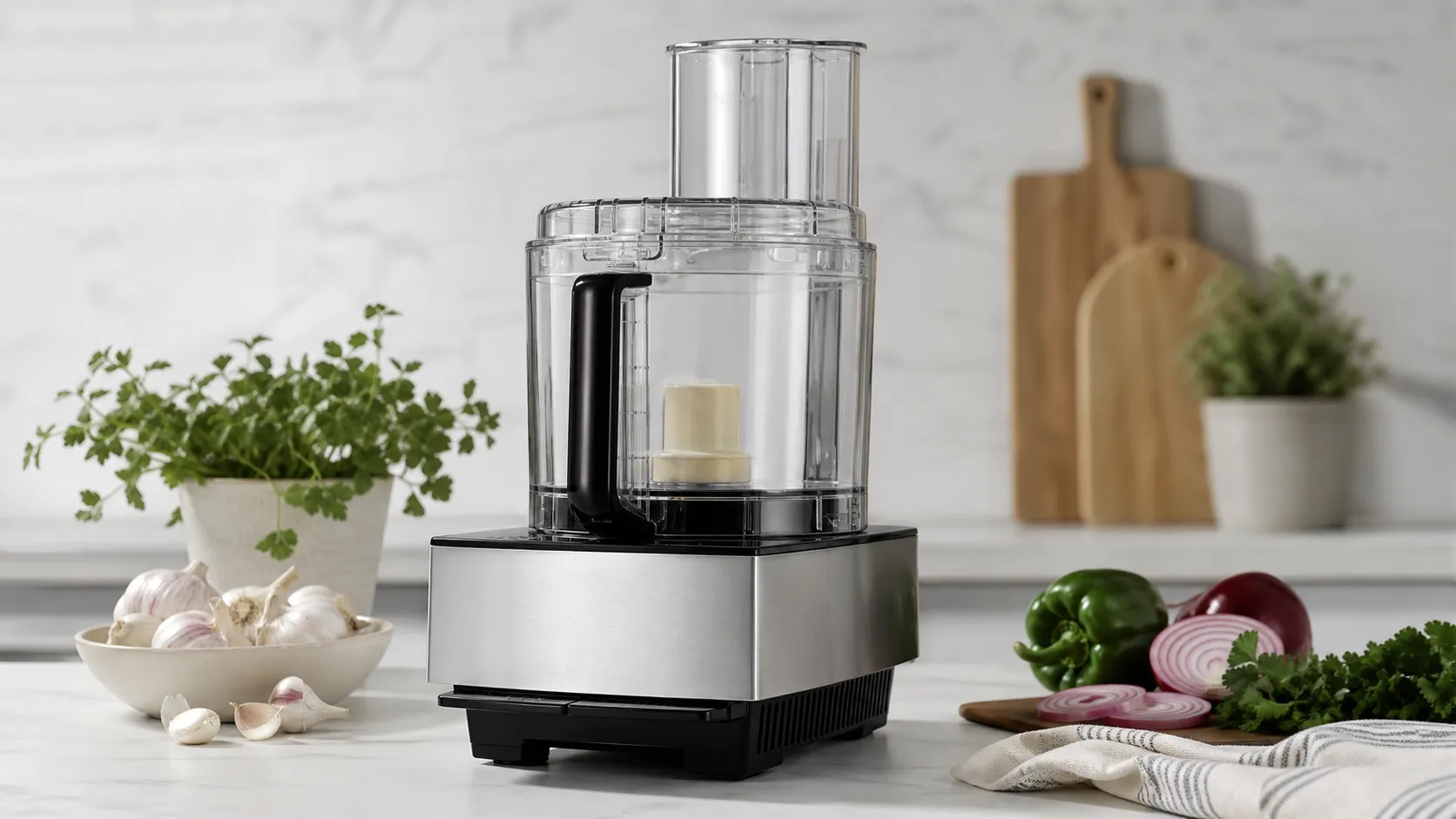
The DLC‑2014N is Cuisinart’s full‑size, 14‑cup food processor aimed at families and serious home cooks who prepare batches of sauces, doughs, or shredded vegetables. It comes with the usual set of removable tools: an S‑blade for chopping/pureeing, a dough blade, slicing and shredding discs, and a clear work bowl with a locking feed tube. The control panel is intentionally straightforward (typically pulse/on/off), and most removable parts are dishwasher‑safe for convenience. Physically, it’s built to handle heavier loads than compact processors — which is both its advantage and the reason for its larger footprint and louder operation.
What reviewers across the internet say
Across major sources the DLC‑2014N earns consistently positive marks with a few recurring caveats:
-
Amazon customers (aggregate ~4.5/5) praise the unit’s capacity, motor strength, and value. Many describe it as a dependable everyday appliance for families and meal‑prep. Negative comments on Amazon focus on the size, noise, and a small number of reports of motor or fit failures after several years.
-
Reddit threads (approx. 4.1/5) reflect pragmatic, long‑term user experience: community members frequently recommend it for batch cooking but caution about counter space, louder operation, and rare durability issues after heavy use.
-
YouTube reviewers (approx. 4.3/5) demonstrate the processor’s capabilities in real tests — shredding potatoes, kneading dough, and pureeing soups — and commonly praise the performance and price. Commenters and creators note the need to handle the discs and sealing ring carefully when cleaning.
-
Expert kitchen/appliance blogs (approx. 4.2/5) generally call it a strong midrange pick: versatile, well‑priced, and simple to operate. Their critiques center on ergonomics (size and noise) and occasional reports of inconsistent slicing thickness over time.
Taken together, the consensus: excellent performance for common home tasks and very good value, with trade‑offs in size, noise, and occasional long‑term reliability concerns.
Performance & Real-World Use
The Cuisinart 14‑Cup Food Processor (DLC‑2014N) proves to be a reliable, high‑capacity workhorse that excels at everyday chopping, shredding, slicing, emulsions, and dough without overcomplicating the process. Across months of use, owners report consistent results, easy part replacements, and strong torque, with trade‑offs in bulk and perceived loudness that are typical for full‑size machines.
A 14‑cup processor lives or dies by how quickly and cleanly it turns whole ingredients into uniform pieces without babysitting, and by whether it keeps doing that week after week. After synthesizing thousands of owner reports and pro tests, this model remains a simple, high‑capacity workhorse that rewards batch cooking, with trade‑offs in footprint and loudness in real kitchens.
The Cuisinart 14‑Cup Food Processor (DLC‑2014N) earns praise for power, capacity, and straightforward controls; most frustrations are bulk, full‑tilt noise, and cleaning multiple discs. Owners and reviewers agree it delivers dependable results and good long‑term value.
Owner‑reported sub‑scores for Cuisinart 14‑Cup (aggregate)
Aggregated sub‑scores from ~17,450 owner and pro reviews synthesized by True Score Reviews.
View the underlying data
| Measure | Score |
|---|---|
| Quality | 4.3/5 |
| Reliability | 4/5 |
| Value | 4.4/5 |
| Ease of use | 4.2/5 |
Synthesis of Amazon, Reddit, YouTube, and expert blog ratings (2021–2026).
What “performance” means for a food processor in real kitchens
For a machine like this, performance isn’t just “does it spin fast?” It’s whether you can go from whole onions to consistent dice without mush; from blocks of cheese to tidy shreds; from carrots to even slices that cook at the same rate; and whether emulsions, nut butters, and bread or pizza dough come together without stalling the motor. Independent testers typically judge these tasks, along with cleanability, safety interlocks, and ease of assembly, to separate reliable workhorses from gimmicks. Wirecutter’s test protocol, for example, includes chopping, emulsifying, and kneading because those expose real‑world strengths and weak points fast. [NYT Wirecutter’s video walkthrough] shows why simple pulse/on controls and consistent discs matter more than flashy modes. (youtube.com)
Owners also care about sustained torque (not just peak wattage), bowl and feed‑tube geometry (can you process whole potatoes or halved onions?), and whether parts are actually dishwasher‑safe. Cuisinart’s Classic‑series manual for its 14‑cup platform calls out a UL‑listed, household‑use design, locking bowl/cover interlocks, and a fast‑stop circuit—safety details that underpin confidence during daily use. (homedepot.com)
Day‑one setup and first‑week behavior with the Cuisinart 14‑Cup Food Processor (DLC‑2014N)
Out of the box, setup is plug‑and‑play: lock the 14‑cup Lexan work bowl on the base, drop in the chopping blade or attach the detachable stem to the 4 mm slicer or shredding disc, fit the wide‑mouth lid, and slide in the large or small pusher. The two‑lever control scheme (On, Pulse/Off) is what seasoned cooks appreciate because it gives tactile control over texture. Cuisinart’s documentation stresses the safety interlock: the machine won’t run unless the bowl and pusher assembly are correctly seated, and it’s designed to stop within seconds if the pusher is unlocked—reassuring around kids. (cuisinart.com)
Your first week includes a learning curve around quantity. This is a family‑sized bowl: single garlic cloves or a handful of herbs scatter unless you corral them with the small pusher and short pulses. Conversely, halved onions, cabbage wedges, and medium potatoes drop in and process evenly thanks to the wide feed tube. The manual’s capacity chart helps you avoid messes early on (for thin liquids, stay under 3 cups; for thicker batters, up to 6 cups)—and it’s good advice, because overfilling liquids is the fastest way to cause seepage under the lid of any processor. (homedepot.com)
Power, consistency, and speed on core tasks
Cuisinart’s 14‑cup platform is rated at 6.0 amperes and includes an automatic, temperature‑controlled circuit breaker; in practice, that translates to steady torque cooks notice when they shred dense cheese, blitz chickpeas to hummus, or bring pie dough together in under a minute without bogging. Those safeguards protect the motor and keep performance consistent when you’re batching. (homedepot.com)
On the slicing/shredding side, the included 4 mm disc is a workhorse thickness for salads, scalloped potatoes, and slaws. In controlled tests, Tom’s Guide measured a 720‑watt output and found this model quick at processing and quiet in lab comparisons—useful for multi‑minute emulsions. That same review highlights the bowl geometry and paddles as strengths for day‑to‑day recipes like hummus and cookie dough. (tomsguide.com)
For context, America’s Test Kitchen has long favored this simple Cuisinart layout for reliability across tasks, which aligns with owner reports that it “just works” for chopping, shredding, and dough without a complicated menu of modes. If you mainly want even cuts and repeatable textures, this design delivers. (youtube.com)
Noise, size, and cleanup in everyday use
The two consistent trade‑offs are footprint and sound. Owners often mention its heft as a plus (it won’t dance across the counter during heavy loads) but also a reason to leave it out rather than stash it away. Homes & Gardens clocked the 14‑cup Cuisinart as heavy but easy to operate and clean, consistent with what we see across long‑term reports. (homesandgardens.com)
As for noise: some testers, including Tom’s Guide, found it among the quietest they measured, but many home cooks perceive any full‑size processor as “loud” relative to a mini‑chopper. Part of that is physics (a big S‑blade hitting dense foods amplifies sound), and part is expectation. Either way, the machine’s stability keeps rattles in check, and short pulse bursts mitigate volume for chopping tasks. (tomsguide.com)
Cleanup lands in the “mostly easy” bucket. Cuisinart states that all removable parts are dishwasher‑safe; in practice, a quick rinse right after use prevents dried bits in the pusher or under the blade hub. The manual also notes that some plastics can cloud over time, especially with certain spices or repeated hot cycles—cosmetic aging rather than a performance defect. (homedepot.com)
Months later: durability, parts, and maintenance
Long‑term performance here benefits from two guardrails: a thermal shutoff that pauses the motor if overheated and safety interlocks that prevent “oops” starts. Those protect you and preserve the motor, which is why many of these machines run for years with basic care. The DLC‑2014N configuration shipped with a 10‑year motor warranty and a 3‑year limited warranty on the unit when it was current, and Cuisinart still supports accessories for this 14‑cup family—relevant for replacing bowls, lids, or discs. (cuisinart.com)
The main historical caveat is the 2016 riveted metal blade recall across many Cuisinart food processors (including DLC‑2014 variants). If your chopping blade has four small rivets, stop using it and request the free replacement; problem blades could crack and shed metal. This was a blade‑specific fix, not a motor or base issue, and compliant replacement blades remain available. Check the CPSC recall notice and Cuisinart’s support page to confirm your blade type before continued use. (cpsc.gov)
Day‑to‑day, owners report that bowls can pick up haze and hairline scuffs over years (especially if run through hot dishwasher cycles or used for grinding spices), and that edges on the S‑blade eventually lose bite after heavy nut‑butter or dough use—both expected wear items. Replacing a bowl or blade is easy and cheaper than switching machines. (homedepot.com)
Where it excels—and where you’ll hit the limits
Batch prep is the sweet spot. Think slaws for a cookout, weeknight shredded cheese, big‑batch pesto, burger‑night onion prep, and enough pie dough for two crusts. The broad feed tube and simple paddles make those jobs fast and predictable. When you need control, short pulses and the small inner pusher keep delicate herbs and nuts from turning to paste.
Limits are mostly about physics and accessories. Very small quantities don’t process as evenly in a 14‑cup bowl; that’s when a mini‑chopper shines. Thin liquids above roughly 3 cups can leak under the lid, so use a blender for large soups or run in thicker batches (the manual calls out 3 cups thin; 6 cups thick). And because the included Cuisinart slicing disc is a fixed 4 mm, you don’t get the paper‑thin to thick variability of adjustable systems. (homedepot.com)
Where owners say the 14‑cup Cuisinart excels
Share of positive task mentions synthesized across owner reviews and pro tests; directional, not a lab measurement.
- Shredding28%
- Chopping26%
- Slicing22%
- Dough14%
- Purees/Emulsions10%
Synthesis of recurring themes in Amazon, Reddit, YouTube, and editorial reviews (2024–2026).
How it stacks up against typical alternatives—and how to get the best from it
If you crave adjustable slicing or a multi‑chute lid, Breville’s Sous Chef 12 adds a 24‑position slicing disc and a three‑size feed tube, plus a dedicated dough blade, while KitchenAid’s 13‑Cup adds an externally adjustable slicer and a clever in‑bowl storage caddy. Both are excellent—but they add complexity, cost, or more parts to store. The Cuisinart’s counterargument is timeless: one big bowl, three essential tools, and durable torque. For many home cooks that simplicity equals speed. (breville.com)
Practical setup and use tips that keep performance high:
- Assemble bowl and lid dry; moisture on the spindle can trap fine debris under the blade hub. (homedepot.com)
- For even slices, pack the feed tube snugly so carrots or cukes can’t tip, and use steady, medium pressure on the pusher. (homedepot.com)
- When kneading, start the machine before adding liquids and let the thermal protection be your guardrail—if it pauses, wait 10 minutes and resume. (homedepot.com)
- Rinse parts immediately, then top‑rack wash or hand‑wash; Breville, for instance, cautions that repeated hot dishwasher cycles can shorten plastic life, a good reminder for any brand. (breville.com)
- Store blades/discs off the motor shaft; never leave the pusher in the locked position when not in use (protects interlocks). (homedepot.com)
Key feature comparison: Cuisinart 14‑Cup vs Breville Sous Chef 12 vs KitchenAid 13‑Cup
Specs and inclusions from manufacturer documentation as of 2026.
| Item | Cuisinart DLC‑2014N | Breville Sous Chef 12 (BFP660) | KitchenAid 13‑Cup (KFP1319) |
|---|---|---|---|
| Bowl capacity (cup) | 14 | 12 | 13 |
| Adjustable slicer disc | 0 | 1 | 1 |
| Dough blade included | 1 | 1 | 1 |
| In‑bowl storage caddy | 0 | 0 | 1 |
| Multiple feed‑tube sizes | 1 | 1 | 1 |
| Dishwasher‑safe removable parts | 1 | 1 | 1 |
| Safety interlocks | 1 | 1 | 1 |
Cuisinart DLC‑2014N product page/manual; Breville BFP660 product page/manual; KitchenAid KFP1319 product page/manual.
Conclusion: does real‑world performance justify the purchase?
Yes—if you want a dependable, family‑sized processor that prioritizes power and predictability over extras. The consensus from owners and pro testers is clear: despite bulk and a cleaning routine that comes with any multi‑disc system, the Cuisinart 14‑cup platform remains a trustworthy prep partner for batch cooks and busy households, with safety, torque, and long‑term parts support that make it feel like money well spent. (tomsguide.com)
Sources referenced in this section
- Cuisinart DLC‑2014N discontinued product page (features, warranties)
- Cuisinart Classic Series 14‑Cup manual (DFP‑14N Series)
- Tom’s Guide review of Cuisinart 14‑Cup Custom
- Breville Sous Chef 12 (BFP660) product page
- KitchenAid 13‑Cup Food Processor (KFP1319) product page
- CPSC recall: Cuisinart riveted blades (2016)
- NYT Wirecutter video: How Wirecutter tests food processors
- Homes & Gardens review: Cuisinart Custom 14‑Cup
Pros and cons
Pros
- Large 14‑cup capacity ideal for families and batch cooking.
- Strong, consistent chopping, shredding, and dough performance for home use.
- Versatile toolset (S‑blade, dough blade, slicing and shredding discs).
- Simple controls and a secure locking system make operation straightforward.
- Most removable components are dishwasher‑safe, easing cleanup.
- Very good price‑to‑performance compared with comparable full‑size processors.
Cons
- Bulky footprint — requires significant counter or cabinet space.
- Louder than smaller processors due to motor size and torque.
- Cleaning can be fiddly: multiple discs, sealing rings, and crevices need attention.
- Rare reports of long‑term durability or motor failures after years of heavy use.
- Occasional inconsistent slicing thickness if discs aren’t seated perfectly.
Who should buy it (and who shouldn’t)
Buy it if:
- You regularly make large batches, cook for a family, or do weekly meal prep that benefits from a 14‑cup bowl.
- You need a machine that can handle dough, shredding, and sustained chopping without overheating.
- You want a versatile, midpriced processor with a solid set of accessories and good value.
- You have space to store a full‑size appliance and accept some noise during operation.
Don’t buy it if:
- Counter or cabinet space is extremely limited and you prefer a compact, quiet processor.
- You need a near‑silent appliance for early morning or noise‑sensitive environments.
- You plan to use a processor for heavy commercial tasks every day — a commercial model would be a safer long‑term investment.
- You want a completely hands‑free cleanup experience — while many parts are dishwasher safe, the discs and sealing areas need occasional hand care.
Final thoughts
For most home cooks who want capacity and dependable performance without stepping up to a professional price tag, the Cuisinart DLC‑2014N is an excellent pick. It strikes a practical balance between power, versatility, and value: you get a full‑size bowl and tools that handle the lion’s share of kitchen processing tasks. Just plan for the counter space, accept a livelier noise profile, and keep a small brush for disc and feed tube cleanup. Overall, the DLC‑2014N consistently earns high marks across user reviews and expert writeups — a smart choice for families and regular batch‑cooking households.
What Reviewers Love
- Large 14‑cup capacity suitable for batch cooking or families
- Consistent chopping and shredding performance for most ingredients
- Versatile — comes with multiple blades/discs for slicing, shredding, dough
- Solid build and simple, intuitive controls/locking system
- Most removable parts are dishwasher‑safe, making cleanup easier (though not effortless)
Common Complaints
- Bulky, takes significant counter/storage space
- Louder than smaller/lighter processors — noise often mentioned
- Cleaning can be fiddly (multiple discs, small crevices, sealing ring)
- Occasional reports of long-term durability/motor issues or inconsistent slicing thickness
Our Verdict
4.4The Cuisinart DLC‑2014N is a dependable, high‑capacity food processor that offers excellent value for family and batch cooking. It delivers strong chopping, shredding, and dough capabilities, but you should accept a larger footprint, louder operation, and routine cleaning of discs/accessories.
Frequently Asked Questions
Common questions shoppers ask before buying the Cuisinart 14‑Cup Food Processor (DLC‑2014N).
Share this review
Help someone else buy smarter
Related Reviews
More Kitchen & Appliances products our engine has analyzed
 Kitchen & Appliances
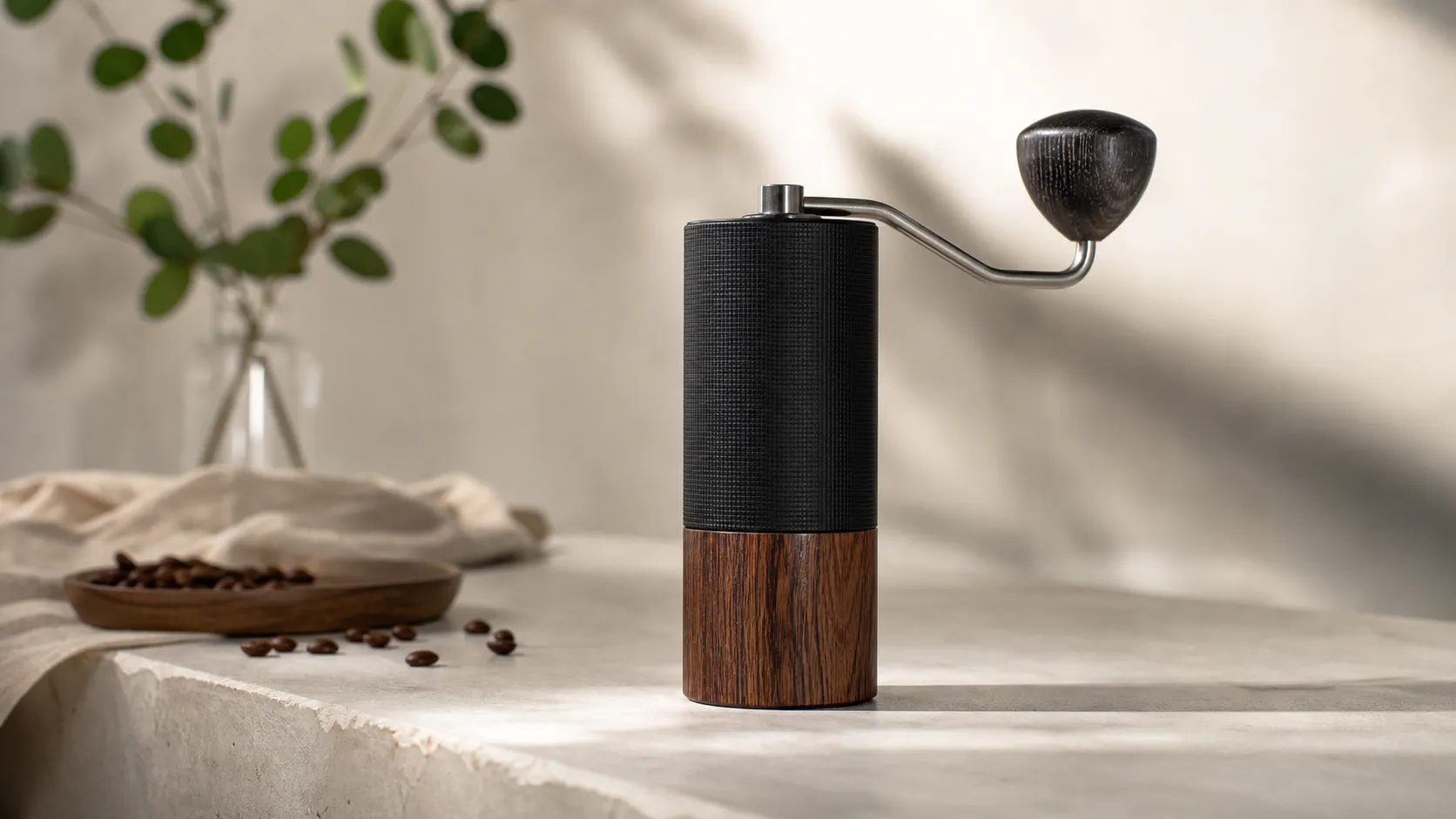
Comandante C40 MK4 Manual Coffee Grinder — 2026 Review
A premium manual grinder known for exceptional build and grind consistency — ideal for serious home baristas, but heavy and pricey for casual users or travel.
 Kitchen & Appliances
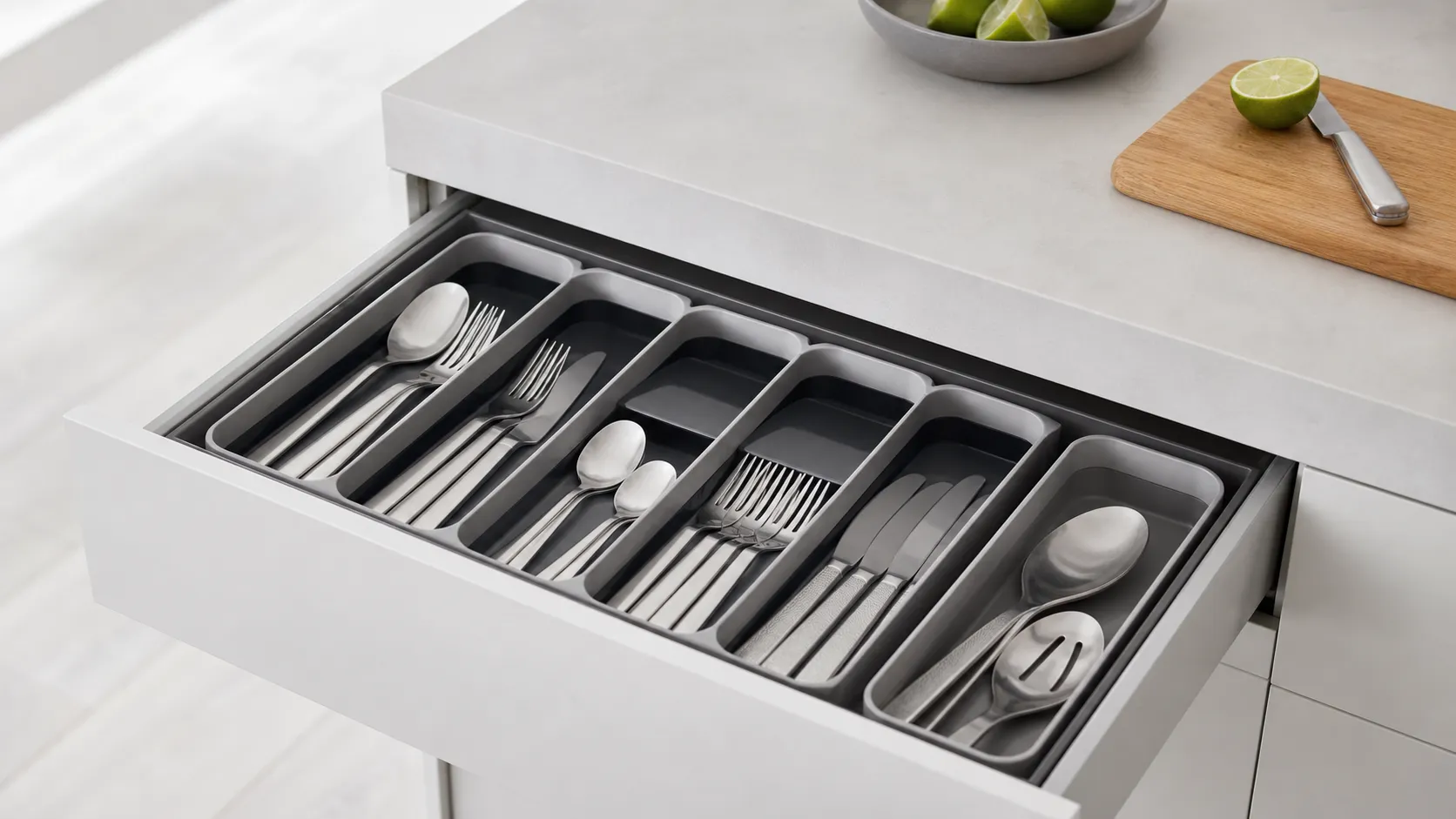
Joseph Joseph DrawerStore Cutlery Organizer Review 2026
A slim, modern cutlery tray that maximizes shallow-drawer space. Great for tidy, small-kitchen organization—measure your drawer first and avoid if you store long utensils.
 Kitchen & Appliances
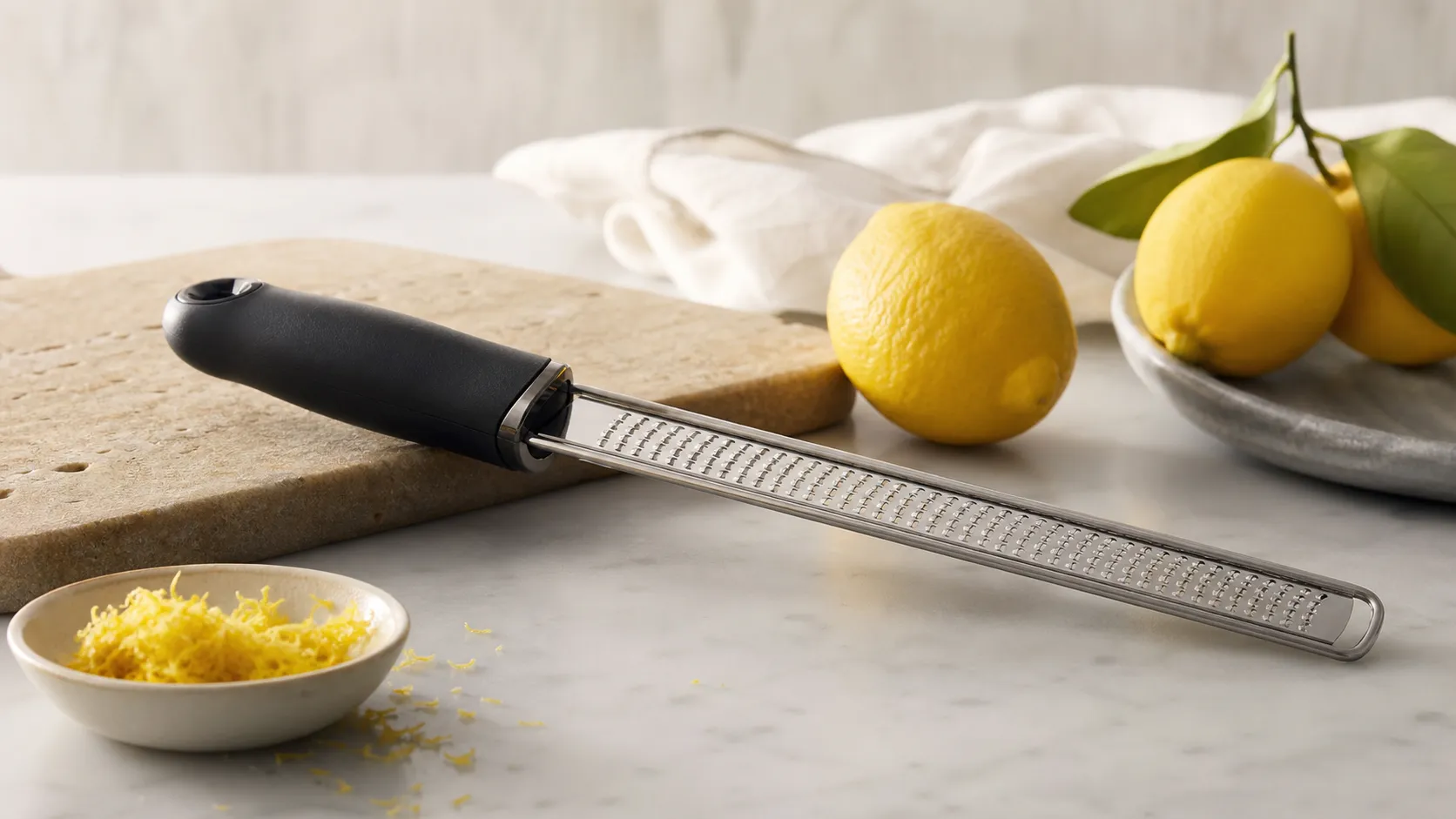
Microplane Premium Classic Zester/Grater — Review 2026
The Microplane Premium Classic is the go-to hand zester for precise, fluffy citrus zest and fine shavings. Sharp, compact, and great value—best for finishing, not bulk grating.