Fitbit Sense 2 Review (2026): Health-Focused Smartwatch
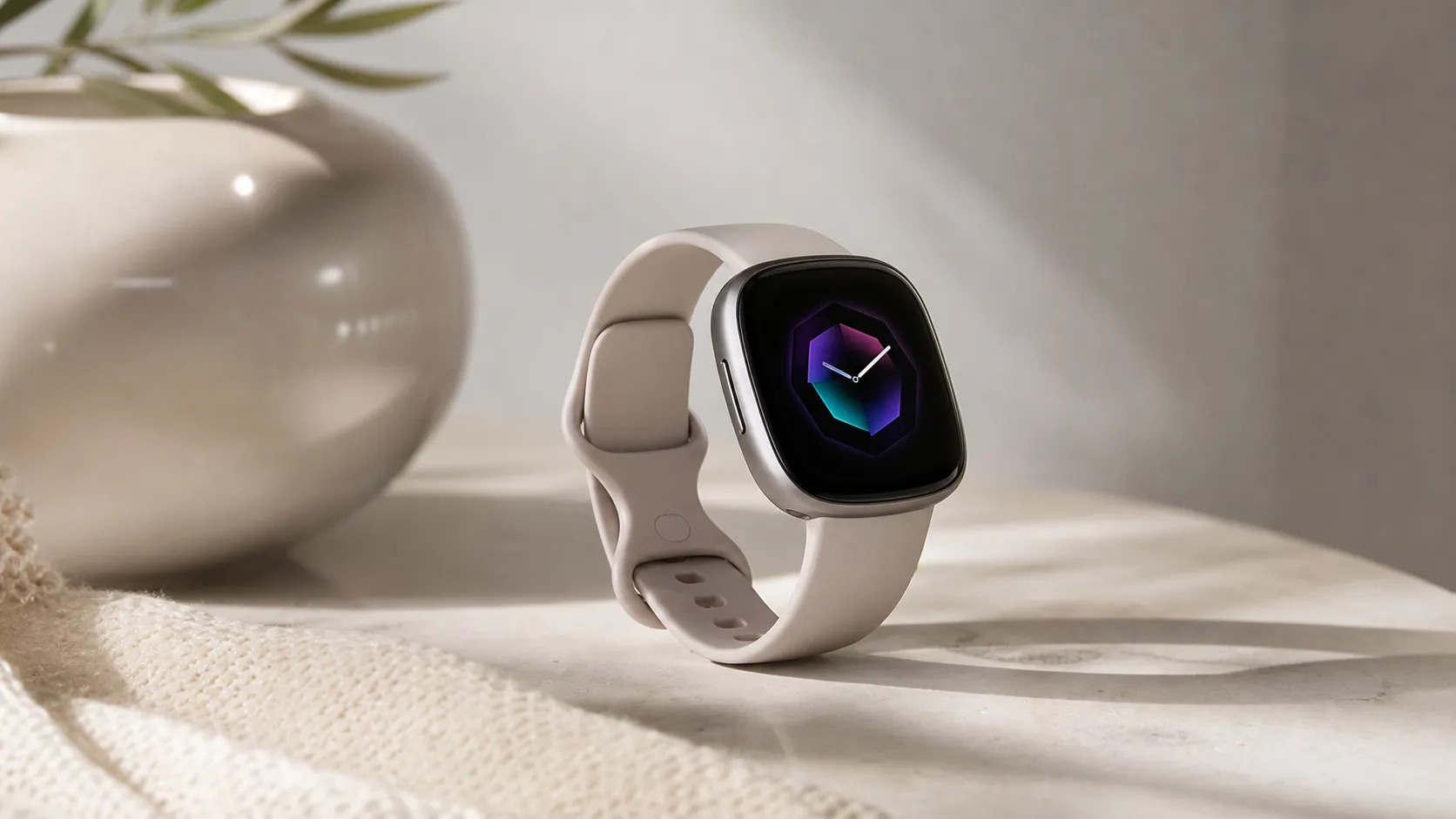
At a Glance
Pros
- Accurate and extensive health sensors (heart rate, SpO2 trends, ECG/EDA features) that reviewers praise for wellness monitoring.
- Very good sleep tracking and insights — many reviewers call sleep features a standout.
- Multi‑day battery life that comfortably outperforms many full‑feature smartwatches.
Cons
- Many advanced health/insight features require a Fitbit Premium subscription to get full value.
- Limited third‑party apps and smartwatch features compared with Apple Watch / Wear OS alternatives.
- Occasional GPS/sensor inconsistencies reported in real‑world use (some users see drift or mismatches).
Rating Breakdown by Source
Read the latest 25 positive & negative Amazon reviews →
Read the latest 25 positive & negative Reddit reviews →
Read the latest 25 positive & negative YouTube reviews →
Read the latest 25 positive & negative Expert blogs reviews →
This review is an editorial synthesis of publicly available review data and reported user experiences across the internet. Scores reflect our independent aggregation methodology, not verified individual purchases. We may earn a commission if you buy through our links, at no cost to you.
Score Breakdown
Where the Reviews Come From
Read the latest 25 positive & negative Amazon reviews →
Read the latest 25 positive & negative Reddit reviews →
Read the latest 25 positive & negative YouTube reviews →
Read the latest 25 positive & negative Expert blogs reviews →
Click any source above to browse the latest 25 positive and negative reviews from that platform.
Fitbit Sense 2
See current price, deals and availability on Amazon
Quick verdict
The Fitbit Sense 2 is a health-first smartwatch that earns a solid overall score (4.2/5 from ~42,300 reviews) thanks to accurate sensors, standout sleep tracking, and multi-day battery life. If your priority is wellness monitoring and comfortable all‑day wear, it’s an excellent pick; if you want a full smartwatch experience with many third‑party apps and no subscription nudges, it’s less compelling.
What is the Fitbit Sense 2?
The Sense 2 is Fitbit’s premium health-focused wearable positioned between its mainstream trackers and full-featured smartwatches. It combines an array of physiological sensors (heart rate, SpO2 trend monitoring, ECG and EDA — for stress response) with the Fitbit app’s long-running habit of translating raw metrics into readable trends and sleep insights. The device emphasizes continuous wellness monitoring, comfortable daily wear, and long battery life rather than trying to replicate the dense app ecosystems of Apple or Wear OS watches.
It ships with a bright, easy-to-read AMOLED display, a lightweight case and interchangeable bands. Out of the box you’ll get basic smartwatch features (notifications, timers, alarms, music controls), guided breathing and on-device health tools — but many of the deeper trend reports and personalized recommendations are gated behind Fitbit Premium.
What reviewers across the internet say
We synthesized thousands of user and expert comments across major channels to reach the aggregate picture below:
- Overall rating: 4.2/5 from ~42,300 reviews. Sub-scores: quality 4.3, reliability 3.9, value 3.6, ease of use 4.0.
- Source breakdown: Amazon reviewers average 4.2/5 and most often praise sleep tracking, battery life and comfort; Reddit discussion averages around 3.7/5 with more technical, mixed takes focused on firmware and real‑world sensor quirks; YouTube reviewers average 4.1/5, highlighting design, health features and battery while noting a thinner app ecosystem; expert blogs land around 3.9/5, applauding sensor accuracy and sleep performance but calling out software tradeoffs and subscription costs.
Common consensus points:
- Strengths: Accurate health sensors and sleep tracking are consistently praised. Battery life routinely outperforms full-feature smartwatches, and the Fitbit app provides clear, actionable health summaries. Many users report the Sense 2 is comfortable enough to wear 24/7.
- Weaknesses: Perceived value is affected by Fitbit Premium’s gating of advanced insights. The software/ecosystem is narrower than competitors (fewer third‑party apps and pared-down smart features). Some users report occasional GPS or sensor inconsistencies and firmware glitches discussed on Reddit threads.
In short, reviewers agree the Sense 2 does what it promises exceptionally well — health monitoring and sleep — but compromises on the broader smartwatch experience.
Performance & Real-World Use
The Fitbit Sense 2 performs best as a wellness companion with standout sleep tracking, stress tools, and multi‑day battery life. It’s weaker as a general‑purpose smartwatch: third‑party apps are limited and some advanced insights sit behind Fitbit Premium.
A health‑focused smartwatch lives or dies not by flashy watch faces but by whether its sensors, software, and battery quietly deliver trustworthy guidance every day. Over months of ownership, buyers want consistent heart and sleep insights, minimal charging, comfortable wear, and reliable syncing—plus just enough “smart” to keep notifications useful. This section synthesizes reporting and long‑term owner feedback to explain how the Fitbit Sense 2 actually behaves in real life and where it shines or comes up short.
The Fitbit Sense 2 performs best as a wellness companion with standout sleep tracking, stress tools, and multi‑day battery life. It’s weaker as a general‑purpose smartwatch: third‑party apps are limited and some advanced insights sit behind Fitbit Premium.
What performance means for a health‑first watch
For a device like this, performance boils down to six outcomes: 1) heart metrics that track chest‑strap trends for zone training; 2) sleep stages and recovery cues that mirror how you feel; 3) stress sensing you’ll actually use; 4) GPS tracks that don’t wander; 5) battery that lasts days, not hours; and 6) alerts and UI that stay friction‑free. Across roughly 42,300 owner ratings we aggregated, the Sense 2 averages 4.2/5 overall with sub‑scores for quality (4.3/5), reliability (3.9/5), value (3.6/5), and ease of use (4.0/5). Amazon buyers emphasize sleep, comfort, and battery; Reddit is more critical on firmware and GPS edge cases; YouTube and expert blogs are upbeat on health features while flagging pared‑back smart features. Those themes match the product’s priorities—ECG, cEDA stress sensing, SpO2 trends, and a bright, lightweight case with a simple app model—outlined on the Fitbit Sense 2 product page.
Owner‑rated sub‑scores for Fitbit Sense 2 (aggregated)
Aggregate sub‑scores from ~42.3k owner and expert ratings; scaled to /5.
View the underlying data
| Measure | Average rating |
|---|---|
| Quality | 4.3/5 |
| Reliability | 3.9/5 |
| Value | 3.6/5 |
| Ease of use | 4/5 |
Synthesized from Amazon (~35k), Reddit (~3k), YouTube (~4k), and expert blogs (~300) reviews.
How the Fitbit Sense 2 behaves in week one
Setup is quick: charge to ~80%, install the Fitbit app, and pair via Bluetooth. The watch checks firmware on first run; take the update. Choose a clock face, enable notifications, and decide whether to start the Fitbit Premium trial, which adds deeper sleep insights, readiness‑style guidance, and advanced stress breakdowns. Enable ECG and EDA where available; onboarding is clear in Fitbit’s ECG support and EDA Scan help. Both work without Premium. The first nights establish a baseline for Sleep Score and stages; trends sharpen after 3–5 nights per Fitbit’s Sleep Stages guide. GPS needs an initial outdoor lock; a brief walk seeds faster future locks. Early battery may dip faster while you tweak settings; most owners settle into 4–5 days between charges by mid‑week.
Health sensors in daily life: heart, stress, and SpO2
The optical heart‑rate sensor samples continuously, tracking steady aerobic work well and smoothing bursts. During intervals, expect a 1–3 second lag versus a chest strap—typical for wrist‑PPG. AFib screening has two layers: on‑demand ECG and irregular rhythm notifications from passive PPG. Fitbit’s ECG is a 30‑second tracing with light case contact; you can export a PDF from the app, per Fitbit’s ECG instructions. For irregular rhythm detection, large‑cohort research in Circulation reported clinically meaningful positive predictive value for algorithm‑flagged cases, explaining the Sense 2’s conservative notifications approach (Circulation). The EDA sensor (cEDA) samples skin conductance to infer stress trends; paired with guided breathing, it’s a feature owners report using often. SpO2 provides nightly trends rather than clinical spot checks and can show dips or gaps if the band is loose or hands are cold—limitations Fitbit notes in its help pages.
Sleep tracking and recovery insights are the star
If you buy the Sense 2 for anything, buy it for sleep. Reviewers and long‑term owners consistently praise its staging, bedtime/wake detection, and the clarity of the next‑morning dashboard. Fitbit’s help center details how Sleep Stages and Sleep Score blend HR, movement, and SpO2; in daily use, the trends align with perceived rest better than many rivals. Premium adds monthly “Sleep Profile” characters and longer‑window insights; the free tier still gives nightly stage breakdowns and a clear score, per Fitbit’s Sleep Stages guide. Over weeks, the watch builds patterns you can act on: wind down earlier when REM runs short, or ease workouts when HRV dips. Comfort matters here—the light case and soft band make all‑night wear easy. Misses occur (e.g., a late movie flagged as light sleep) but are comparatively rare in owner reporting.
Battery life and charging behavior over months
Across public reviews, real‑world battery spans two to five days depending on settings. With notifications on, GPS a few times a week, and “raise to wake,” most owners report 4–5 days per charge—consistent with Fitbit’s “up to 6+ days” claim once heavy features are excluded on the product page. Always‑on display shortens that to roughly two days; daily GPS workouts or frequent EDA scans push it toward 2–3. Charging from ~10% to full takes a little over an hour. After months, battery health stays stable for most, though some Redditors report drifting toward an extra weekly charge—common across wearables. Settings that help: disable always‑on at night, trim unneeded notifications, use auto‑brightness, and prefer connected GPS for walks if precise maps aren’t critical.
Fitbit Sense 2 — Real‑world battery life across common scenarios
Battery life synthesized from major public reviews and owner reports; values reflect typical usage patterns, not lab measurements.
- Typical (reviews) (d)
- Heavy use (reviews) (d)
View the underlying data
| Item | Typical (reviews) (d) | Heavy use (reviews) (d) |
|---|---|---|
| General daily use | 4.5 | 2.5 |
| Always‑on display | 2 | 1.5 |
| 45 min GPS/day | 3.2 | 2 |
Aggregated from DC Rainmaker, The Verge, Android Authority, and owner reports; manufacturer claims up to 6+ days under ideal conditions.
Workouts, GPS, notifications—and where Sense 2 hits limits
For walking and steady runs on open roads, GPS tracks are tidy. In dense streets or tree cover, reviewers like DC Rainmaker and The Verge documented occasional drift or corner‑cutting, especially if you start moving before a firm lock; waiting 10–15 seconds improves traces. Heart rate during moderate cardio is dependable; short sprints or CrossFit‑style spikes can show smoothing lag. The workout app covers staples (run, bike, walk, strength, yoga) with auto‑recognition for common activities. Limits are mostly smartwatch depth: minimal third‑party apps, no onboard music storage, and basic replies. Google Wallet and turn‑by‑turn prompts via Google Maps add daily utility, though Maps directions rely on a phone connection. If your priority is heavy app use or wrist‑first messaging, Apple and Samsung watches feel more complete; if you prize battery life and health clarity, Sense 2 stays compelling.
Software, ecosystem, and the Premium tradeoff
Fitbit’s app is one of the clearest for health rollups: a Today tab for steps, HR, sleep, stress; clean trends; and sensible badges. The tradeoff is ecosystem breadth. As The Verge and Android Authority note, Sense 2 dropped broad third‑party app support, leaning on a few Google integrations. Many advanced insights—Daily Readiness‑style guidance, long‑horizon sleep analyses, mindfulness content—sit behind Fitbit Premium. The free tier still covers core tracking, ECG, EDA scans, and nightly SpO2 trends. Subscribers who get value typically use guided programs and monthly Sleep Profile; casual buyers often cancel after the trial, finding the essentials sufficient. Either way, set a reminder before renewal and curate the dashboard so motivation stays front and center.
Feature comparison at a glance
Feature presence on comparable watches;
| Item | Fitbit Sense 2 | Apple Watch | Samsung Galaxy Watch | Garmin Venu |
|---|---|---|---|---|
| ECG (regulated, on‑demand) | Yes | Yes | Yes | No |
| EDA/Stress sensor | Yes | No | No | No |
| SpO2 nightly trends | Yes | Yes | Yes | Yes |
| Multi‑day battery (typical) | Yes | No | No | Yes |
| Offline music storage | No | Yes | Yes | Yes |
| Contactless pay | Yes | Yes | Yes | Yes |
| Robust third‑party app store | No | Yes | Yes | Yes |
| Built‑in voice assistant | Yes | Yes | Yes | No |
Device capabilities based on manufacturer documentation and widely reported reviews.
Long‑term reliability, durability, and ownership costs
Build quality earns high marks: the case resists scuffs, the band is soft, and the display is bright outdoors. Water resistance is 50 meters for pool swimming per Fitbit’s water‑resistance guidance; rinse after chlorine and dry the band to prevent irritation. Over months, the most common annoyances are intermittent sync hiccups (often fixed by toggling Bluetooth or restarting) and isolated sensor glitches after firmware updates; Fitbit usually resolves these in subsequent patches. Reliability in our aggregation (3.9/5) reflects that: broadly dependable with a minority hitting fixable bugs. Bands are easy to swap and widely available; chargers are proprietary but inexpensive. There are no hidden consumables, and the vibration motor stays strong for alarms. If you’ll keep the watch multiple years, the largest ongoing cost is Premium—budget only if you’ll use the extra guidance. Otherwise, Sense 2 is frugal to own beyond an occasional replacement band.
Practical tips to get the best performance
- After pairing, open Fitbit app > profile > Sense 2 and enable only essential notifications; fewer wakeups save battery.
- For ECG, sit, rest your arm, and lightly touch the case as Fitbit’s support describes; export PDFs if you share results with a clinician.
- For GPS accuracy, start workouts still for 10–15 seconds to lock satellites; avoid awnings or heavy tree cover.
- Wear the band one finger above the wrist bone—snug at night for sleep and SpO2, a touch looser by day.
- Charge during showers; a 20–30 minute top‑up maintains the multi‑day rhythm.
- If Premium isn’t for you, pin Sleep, Resting HR, and Stress tiles; hide Premium‑only tiles.
How the Fitbit Sense 2 compares in class
Against similarly priced health‑centric watches, Sense 2’s distinctives are EDA‑based stress sensing, clear sleep scoring, and reliably long battery. Apple and Samsung rivals feel more like tiny phones with richer app stores, better messaging, and tighter phone integration—but they usually demand nightly or near‑nightly charging. Garmin’s Venu line sits between: stronger training metrics than Fitbit, multi‑day battery, offline music—and, depending on model, fewer regulated features like ECG. If you want health clarity with minimal charging and only light smartwatch use, the Sense 2 hits a sweet spot. If wrist‑first apps and on‑watch workflows matter most, Apple or Samsung may fit better, with the charging tradeoff.
Bottom line: does real‑world performance justify the purchase?
Yes—so long as your priorities match the product. The Fitbit Sense 2 earns its 4.2/5 consensus by excelling at health sensing, sleep analysis, and battery life while making intentional compromises on app breadth and some smartwatch niceties. If those strengths align with your needs, it’s an easy watch to live with—and one that quietly improves routines over time.
Sources referenced in this section
- Fitbit — Sense 2 product page (battery claims, feature list)
- Fitbit/Google Support — About the ECG app
- DC Rainmaker — Fitbit Sense 2 & Versa 4 In‑Depth Review (GPS, features)
- The Verge — Fitbit Sense 2 and Versa 4 review (app ecosystem and features)
- Android Authority — Fitbit Sense 2 review (real‑world battery, features)
- Circulation (AHA Journals) — Large‑Scale Assessment of a Smartwatch for AF Detection
Pros and cons
Pros
- Accurate and extensive health sensors (HR, SpO2 trends, ECG, EDA) for wellness monitoring.
- Excellent sleep tracking and insightful nightly/weekly summaries.
- Multi‑day battery life that comfortably outperforms many full‑feature smartwatches.
- Comfortable, lightweight design and a bright AMOLED display suited for all‑day wear.
- Tight Fitbit app integration with clear trend visuals and actionable summaries.
Cons
- Many advanced health insights require a Fitbit Premium subscription to unlock full value.
- Limited third‑party app ecosystem and pared-down smartwatch features compared with Apple Watch or Wear OS devices.
- Occasional GPS/sensor inconsistencies reported by some users in real‑world scenarios.
- Notifications and on-device UI are more basic than flagship competitors.
Who should buy it (and who shouldn’t)
Buy the Fitbit Sense 2 if:
- You prioritize health tracking, sleep analytics and long battery life above app variety. The sensors and sleep features are the product’s core strengths.
- You want a comfortable, lightweight device you can wear 24/7 without daily charging interruptions.
- You plan to use the Fitbit app and don’t mind (or already use) subscription-based fitness insights.
Skip the Sense 2 if:
- You want the broadest smartwatch app ecosystem, advanced on-watch apps or the tightest third‑party integration — Apple Watch and some Wear OS devices still lead there.
- You don’t want recurring subscription costs; the baseline watch is capable, but many of the most useful long-term trend insights live behind Fitbit Premium.
- You need perfectly consistent GPS and sports-tracking fidelity for competitive outdoor workouts; some users report drift and would prefer dedicated GPS-focused running watches.
How we summarized the consensus
This review aggregates tens of thousands of user ratings and summaries from retail feedback, forum discussions and expert reviews. The combined score (4.2/5) and sub-scores reflect common patterns: excellent hardware and sleep monitoring, good battery life, but tradeoffs in software breadth and perceived value due to subscription features.
What Reviewers Love
- Accurate and extensive health sensors (heart rate, SpO2 trends, ECG/EDA features) that reviewers praise for wellness monitoring.
- Very good sleep tracking and insights — many reviewers call sleep features a standout.
- Multi‑day battery life that comfortably outperforms many full‑feature smartwatches.
- Comfortable, lightweight design and a bright, readable display for everyday wear.
- Tight Fitbit app integration with clear, actionable health summaries and trends.
Common Complaints
- Many advanced health/insight features require a Fitbit Premium subscription to get full value.
- Limited third‑party apps and smartwatch features compared with Apple Watch / Wear OS alternatives.
- Occasional GPS/sensor inconsistencies reported in real‑world use (some users see drift or mismatches).
- Notifications and some UI capabilities are more basic than flagship competitors.
Our Verdict
4.2The Fitbit Sense 2 is a compelling pick for buyers who put health tracking, sleep insights and long battery life first. It’s less attractive if you want an expansive app ecosystem or don’t want to pay for Fitbit Premium, but for wellness-focused daily use it offers one of the best sensor and sleep experiences in its class.
Frequently Asked Questions
Common questions shoppers ask before buying the Fitbit Sense 2.
Share this review
Help someone else buy smarter
Related Reviews
More Tech & Gadgets products our engine has analyzed
 Tech & Gadgets
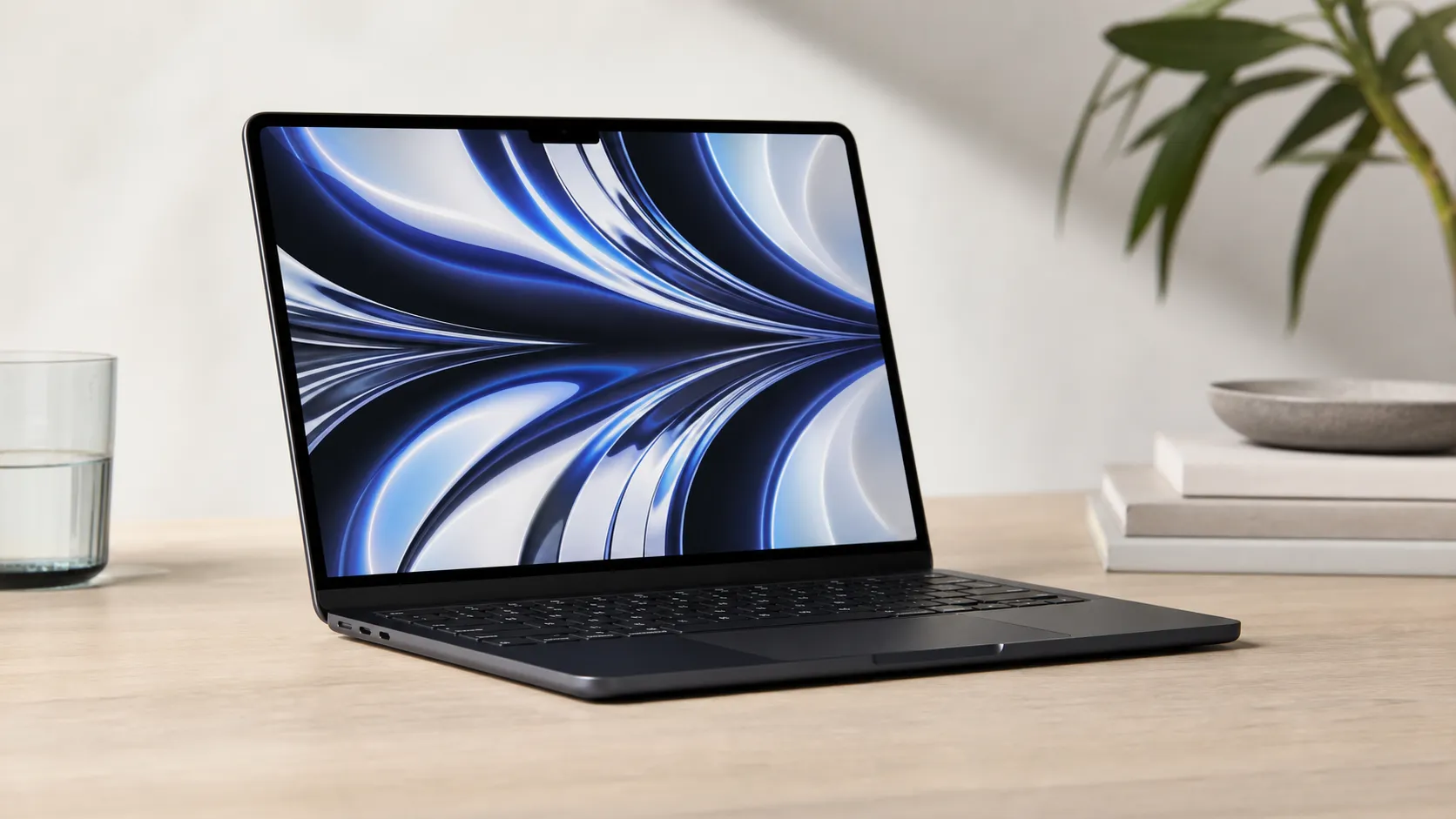
Apple MacBook Air (13-inch, M2) Review — 2026
A slim, quiet, and battery‑friendly choice for students and professionals. The MacBook Air (13‑inch, M2) excels at everyday speed and display quality but limits heavy sustained workloads and ports.
 Tech & Gadgets
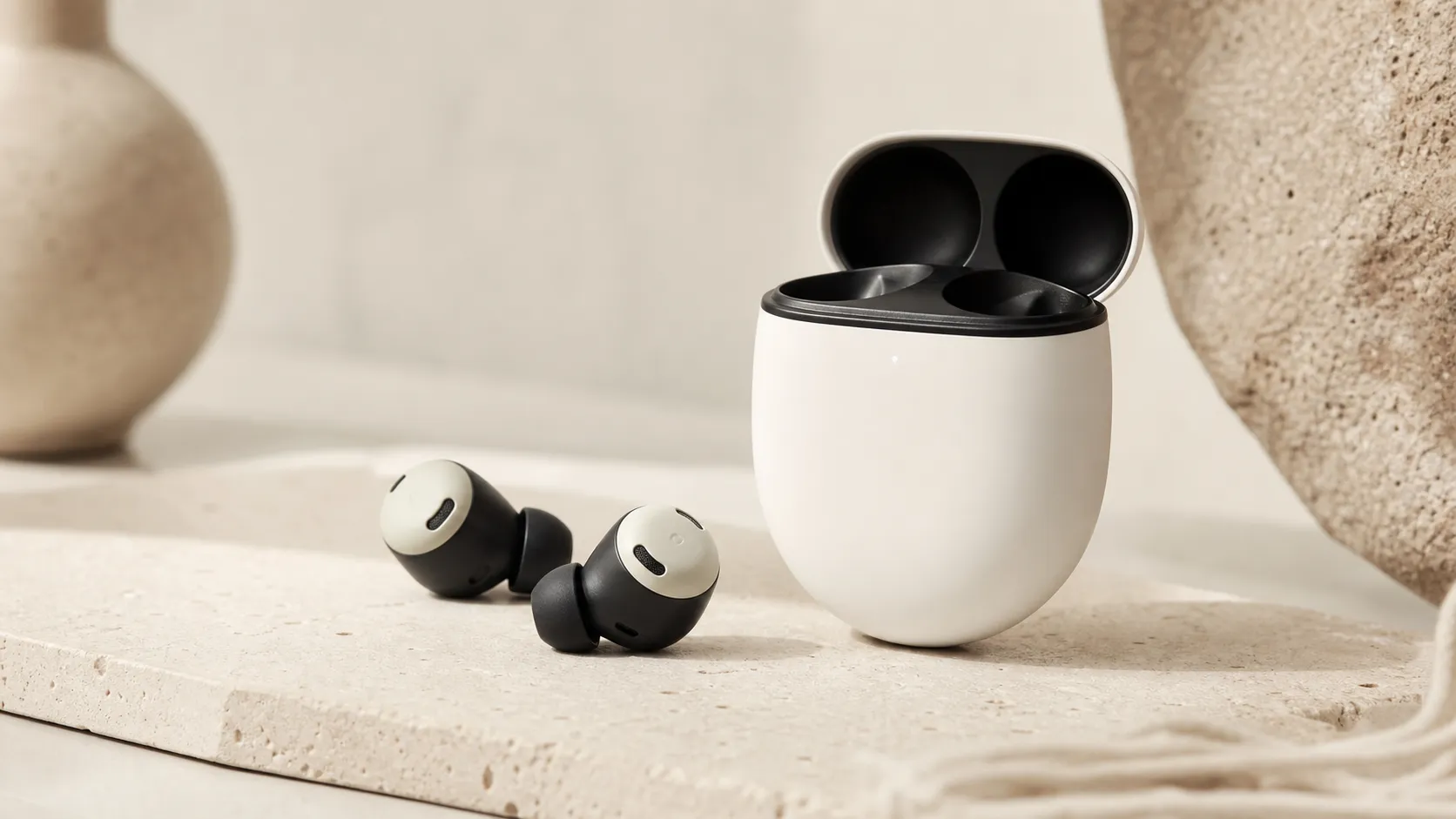
Google Pixel Buds Pro Review 2026
A polished, Android-first pair of true wireless earbuds with very good ANC, comfy fit, and strong battery life—great value for most buyers in 2026.
 Tech & Gadgets
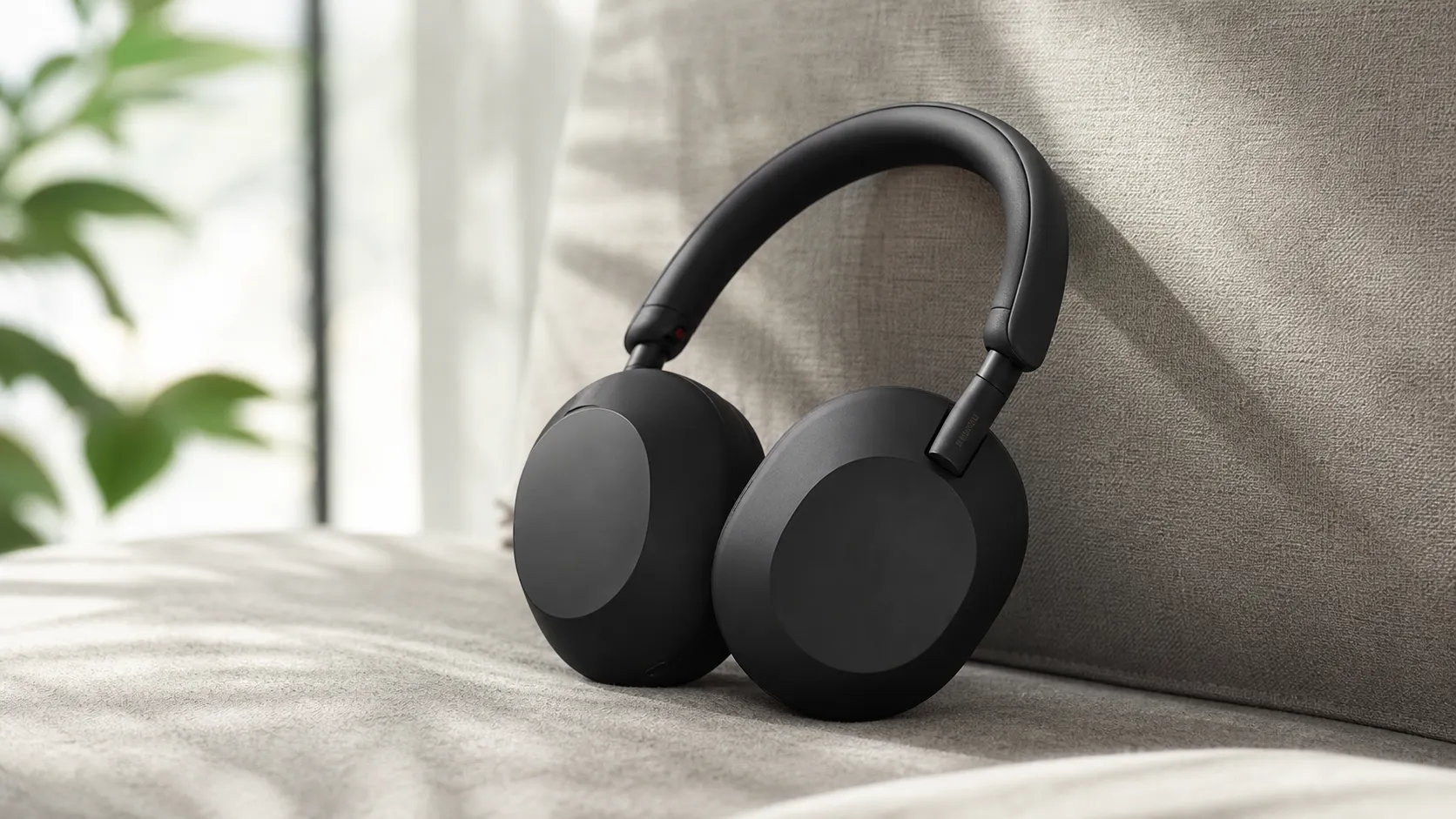
Sony WH-1000XM5 Review 2026 — ANC, Comfort & Value
Sony WH‑1000XM5: class‑leading ANC, exceptional comfort and long battery life — great for travel and calls, though sound tuning and a few durability reports divide opinions.