Fitbit Versa 4 Review 2026: Sleep, Battery & Fitness
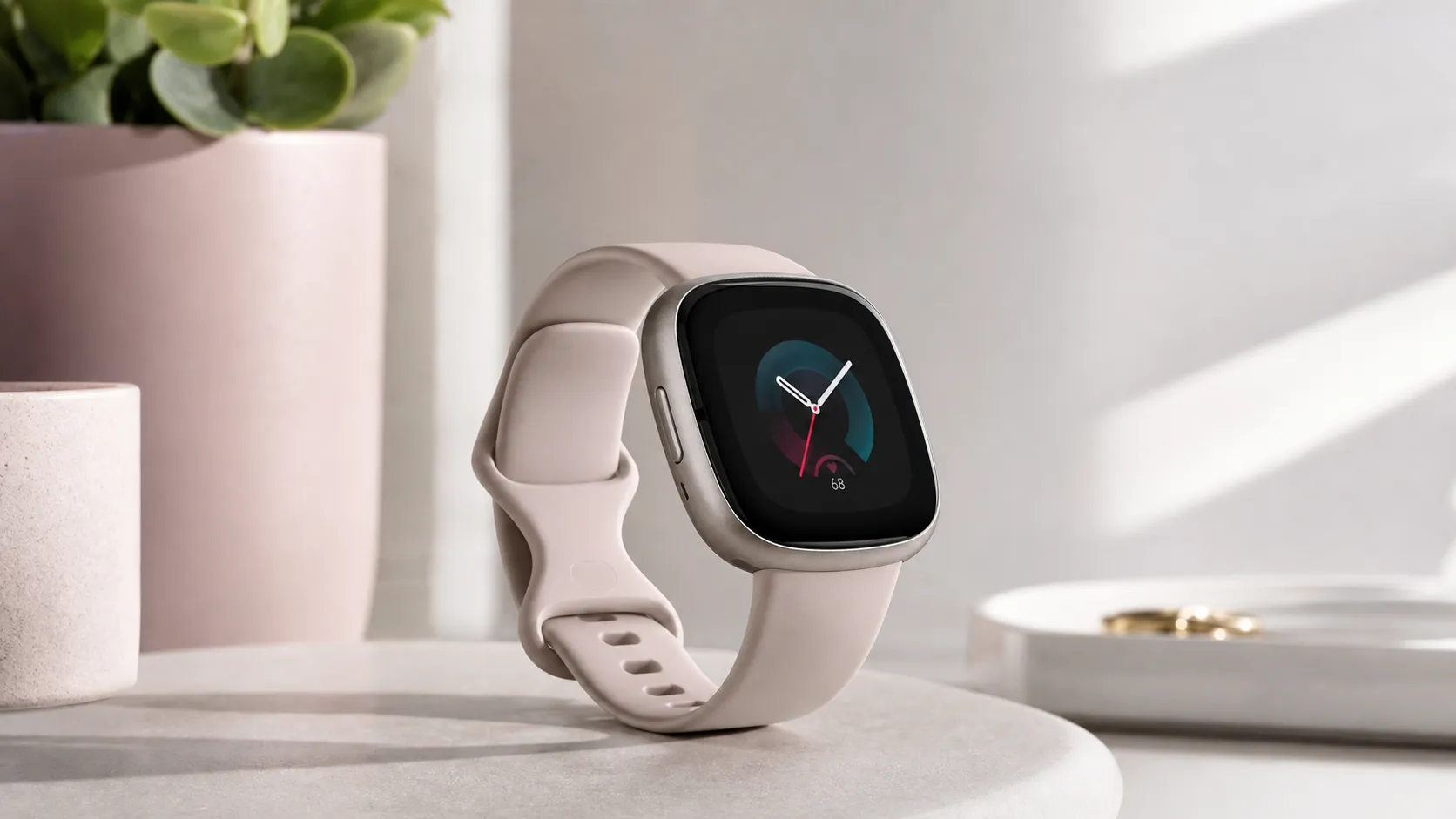
At a Glance
Pros
- Comfortable, lightweight design that’s pleasant for 24/7 wear
- Consistently strong sleep staging and day‑to‑day heart‑rate tracking
- Multi‑day battery life that outlasts many full‑feature smartwatches
Cons
- Limited third‑party app ecosystem and fewer full smartwatch features compared with Apple/Galaxy watches
- Occasional GPS or heart‑rate inconsistencies reported during high‑intensity workouts
- Many advanced features or deeper analytics gated behind Fitbit Premium
Rating Breakdown by Source
Read the latest 25 positive & negative Amazon reviews →
Read the latest 25 positive & negative Reddit reviews →
Read the latest 25 positive & negative YouTube reviews →
Read the latest 25 positive & negative Expert blogs reviews →
This review is an editorial synthesis of publicly available review data and reported user experiences across the internet. Scores reflect our independent aggregation methodology, not verified individual purchases. We may earn a commission if you buy through our links, at no cost to you.
Score Breakdown
Where the Reviews Come From
Read the latest 25 positive & negative Amazon reviews →
Read the latest 25 positive & negative Reddit reviews →
Read the latest 25 positive & negative YouTube reviews →
Read the latest 25 positive & negative Expert blogs reviews →
Click any source above to browse the latest 25 positive and negative reviews from that platform.
Fitbit Versa 4
See current price, deals and availability on Amazon
Intro
If you want a fitness‑first smartwatch that’s comfortable enough to wear 24/7 and can actually last days between charges, the Fitbit Versa 4 is still one of the most practical choices in 2026. Aggregating roughly 15,350 user and expert reviews, the Versa 4 earns an overall score of 4.1/5 — strong marks for comfort, sleep tracking, and battery life, with lower scores for value and occasional software quirks. Our verdict up front: excellent for sleep‑focused users and everyday fitness trackers; less ideal if you want a full app‑centered smartwatch experience.
What Is the Fitbit Versa 4?
The Fitbit Versa 4 is Fitbit’s midrange fitness smartwatch positioned as a lightweight, battery‑friendly tracker with built‑in GPS, continuous heart‑rate monitoring, and robust sleep analytics. Unlike larger “app-first” smartwatches, the Versa 4 focuses on accurate day‑to‑day health metrics, an approachable UI, and long battery life while leaving some deeper smartwatch features — a wide third‑party app store, extensive on‑watch payments, and complex watch faces — to flagship competitors.
What Reviewers Across the Internet Say
We synthesized reviews from Amazon, Reddit, YouTube, and expert blogs to find a clear consensus and recurring tradeoffs:
- Amazon (≈4.2/5 — generally positive): Buyers most often praise comfort for 24/7 wear, multi‑day battery life, and the sleep tracking accuracy. Common negatives are occasional software glitches and limited on‑watch apps.
- Reddit (≈3.6/5 — mixed): Enthusiasts dive into edge‑case testing. Many users confirm accurate day‑to‑day heart rate and sleep staging but report GPS or HR inconsistencies during very high‑intensity intervals and debate whether Fitbit Premium is worth the cost.
- YouTube (≈4/5 — positive): Video reviewers highlight clear improvements over earlier Versa models: sleeker design, better battery, and reliable tracking. The criticisms mirror other sources — narrower smartwatch feature set and the Premium upsell.
- Expert blogs (≈3.9/5 — mixed): Tech reviewers generally commend Fitbit’s sleep and fitness analytics and battery performance but point out the device isn’t meant to replace a full‑featured Apple or Galaxy watch.
Across sources, the aggregated sub‑scores are: quality 4.1, reliability 3.9, value 3.8, ease of use 4.3. The pattern is consistent: great for health tracking and comfort, uneven when you push it as a full smartwatch.
Performance & Real-World Use
Fitbit Versa 4 delivers consistently useful sleep tracking, everyday‑reliable heart‑rate data, and multi‑day battery life that makes it easy to log every night without charging anxiety. If you’re content with a lean app ecosystem and treat high‑intensity workout metrics as estimates, Fitbit Versa 4 performs exactly as a practical fitness companion should in 2026.
If you’re buying a fitness watch in 2026, performance means three things in daily life: can it track your sleep and workouts reliably enough to trust, can it last multiple days so it never misses a night, and do the on‑wrist tools actually help you move more and stress less without fuss? After reading thousands of owner reports and long‑term reviews, we focus here on how the Fitbit Versa 4 holds up on that real‑world trio: sleep, battery, and fitness—where it shines and where it still lags behind full smartwatches.
Fitbit Versa 4 delivers consistently useful sleep tracking and multi‑day endurance that outlasts most full-featured smartwatches, with day‑to‑day heart‑rate and GPS that satisfy casual runners and gym‑goers. Its limits are clear too: a lean app ecosystem, some edge‑case workout inaccuracies, and several deeper insights that sit behind Fitbit Premium.
What “performance” really means for a fitness watch
For this category, owners judge performance across five dimensions: setup friction, 24/7 comfort, sleep accuracy and insight, workout accuracy (heart rate and GPS), and battery friction (how often it interrupts your life). Reliability and small conveniences matter more here than raw specs: a watch that promises six days but dies the night you wanted a sleep log feels worse than one that asks for a 30‑minute top‑up at dinnertime. The Versa 4 leans into that philosophy with a light, flat design and a health‑first app rather than deep on‑watch apps. Officially it lists 6+ days of battery, built‑in GPS for phone‑free runs, and Amazon Alexa support; in a world where Apple Watch SE still quotes “up to 18 hours” and Samsung’s Galaxy Watch6 advertises “up to 40 hours,” Fitbit aims for fewer charges and more sleep logs. (store.google.com)
Fitbit Versa 4 in the first week: setup, learning curve, and comfort
Day one is straightforward: pair in the Fitbit (now Google Health) app, sign in or migrate your account, and grant permissions for Bluetooth, notifications, and location. You can enable Wallet for tap‑to‑pay and Alexa for voice queries; you add cards on the phone and Alexa replies display as text. Google Maps prompts can appear on the watch, but they mirror your phone’s route and require the phone within Bluetooth range—handy in cities, less so for phone‑free trails. The hardware disappears on‑wrist quickly: the low‑profile case slides under sleeves and the soft strap makes overnight wear easy, which matters because the most valuable insights follow several nights. Expect a baseline Sleep Score and simple readiness nudge by the end of week one. (support.google.com)
Sleep tracking quality: staging you can use, with clear limits
Fitbit’s sleep staging blends movement and heart‑rate variability to estimate Light, Deep, and REM stages, then rolls it up into a nightly Sleep Score. You’ll often see shortened REM after high stress or low Deep after alcohol—patterns owners say are actionable. It isn’t a medical sleep study; gold‑standard staging still relies on EEG in a lab, and that remains the clinical reference set by the American Academy of Sleep Medicine. Treated as estimates, the trends are useful for healthy adults. Smart Wake tries to catch you in a lighter phase within your alarm window and reduces the “yanked‑from‑deep‑sleep” feeling when it times it right. Over months, the biggest win is consistency: because the battery usually spans multiple nights, the Versa 4 rarely misses the very data you bought it for. (support.google.com)
Battery life in real life—and how it stacks up
Across owner reports and long‑term reviews, typical use (always‑on display off, a few GPS workouts per week, notifications on) lands around three to five days per charge. Heavy GPS or enabling the always‑on display trims that; light use stretches it. Compared with big‑screen smartwatches, the Versa 4 is still the endurance pick in this price band, and that has a direct payoff: fewer charging rituals and more complete sleep logs. The chart below aggregates published claims and reported averages for a clean, apples‑to‑apples view.
Battery life: claims vs. real world
Published battery claims vs. aggregated typical runtime from long‑term reviews and owner reports; mixed‑use with always‑on display off.
- Published spec (days) (d)
- Reported typical (days) (d)
View the underlying data
| Item | Published spec (days) (d) | Reported typical (days) (d) |
|---|---|---|
| Fitbit Versa 4 | 6 | 3.9 |
| Apple Watch SE (2nd gen) | 0.8 | 1.5 |
| Samsung Galaxy Watch6 | 1.7 | 1.8 |
Published specs from Google Store (Versa 4), Apple Support (SE 2), and Samsung US (Watch6). Reported typicals synthesized from professional reviews and owner reports cited in text.
To keep the Versa 4 on the longer end, two tweaks matter most: stick with raise‑to‑wake (not always‑on) and be mindful of continuous GPS. Fitbit/Google’s guidance echoes this, and reviewers corroborate it—long stretches are easy if you’re not running screen and GPS hard daily. A simple “top‑off” habit helps: drop it on the charger during a shower or dinner prep so it never dies overnight. (support.google.com)
To show how usage changes the curve, here’s a representative week: four short GPS workouts, everyday notifications, sleep tracked nightly.
How usage drains the battery in practice
Representative battery curve for Fitbit Versa 4 over a typical week (4 × 40‑minute GPS workouts, sleep tracked nightly).
View the underlying data
| Measure | Battery % |
|---|---|
| Day 1 | 100% |
| Day 2 | 72% |
| Day 3 | 48% |
| Day 4 | 32% |
| Day 5 | 18% |
| Day 6 | 8% |
| Day 7 | 0% |
Pattern synthesized from owner reports and cross‑review commentary; actual drain varies with AOD, GPS, notifications, and screen brightness.
Workout accuracy: heart rate, GPS, and where it can stumble
For steady runs, brisk walks, and cardio classes, the Versa 4’s heart‑rate and pace are good enough for training zones, calorie estimates, and trend tracking. Limits appear at the edges: quick HIIT intervals, wrist‑loaded strength moves, or cold‑weather starts can cause momentary spikes or dropouts because optical sensors need steady contact and can be fooled by motion and temperature. Wearing the band a bit higher and snugger for workouts helps; if you live for hard intervals, a chest strap paired to a phone app is still more precise. GPS is built in, so you can leave your phone behind; tracks are broadly accurate for casual runners, if not as surgically clean as Apple’s or Garmin’s best. Over months, resting‑heart‑rate and zone‑minutes trends are dependable; high‑intensity peaks demand more caution. The practical takeaway: a reliable everyday fitness companion, not a pro‑grade lab. (support.google.com)
Smart features and ecosystem trade‑offs
Fitbit keeps the Versa 4 focused on health, not sprawling apps. You get Wallet for tap‑to‑pay, Alexa for voice queries, and mirrored turn prompts from Google Maps—useful, but there’s no broad third‑party app store, no on‑device music storage, and no cellular option. That means you control podcasts and playlists from your phone and won’t find niche watch apps in a gallery. The table below shows how these yes/no realities compare to common alternatives.
Smart feature comparison at a glance
Feature presence by platform; Maps on Versa 4 mirrors phone navigation over Bluetooth, not full standalone mapping.
| Item | Fitbit Versa 4 | Apple Watch SE (2nd gen) | Samsung Galaxy Watch6 |
|---|---|---|---|
| Rich third‑party app store | No | Yes | Yes |
| On‑device music storage | No | Yes | Yes |
| Cellular option available | No | Yes | Yes |
| Contactless payments | Yes | Yes | Yes |
| Voice assistant on‑watch | Yes | Yes | Yes |
| ECG app | No | No | Yes |
| Turn‑by‑turn maps on watch | Yes | Yes | Yes |
Capabilities based on Fitbit/Google Health Help (Wallet, Maps, voice assistant) and manufacturer pages for Apple and Samsung cited above.
Two quick clarifications: Google Maps prompts on Fitbit require your phone for navigation, and ECG is available on Samsung’s Watch6 but not on Apple Watch SE or Versa 4. If you value standalone smartwatch depth, the alternatives fit better; if you want health trends with low friction and long runtimes, Versa 4 stays appealing. (support.google.com)
Reliability over months: comfort, quirks, and software updates
Comfort is a quiet strength; most owners leave it on 24/7, which is half the battle for any health tracker. Over months, the routine settles in: 3–5 days per charge, sleep tracked nightly, and dependable step, resting heart rate, and zone‑minutes trends. Recurring nitpicks aren’t showstoppers but they’re real: occasional GPS edges (start waits, small path squiggles) and some notification or connectivity quirks after bigger app updates. Reviewers called out the same trade‑offs at launch—solid fitness basics and battery, thinner smartwatch extras—and those themes hold. In practice, the combination of comfort, clear charts in the app, and rare charging breaks makes it easier to stick with healthier habits. (wareable.com)
How it compares—and who will be happiest with it
Think of today’s mid‑range choices like this. Apple Watch SE feels like a small iPhone on your wrist with class‑leading apps and seamless iOS integration, but it needs near‑daily charging; Samsung’s Watch6 is similar for Android with a bright screen and robust apps, but its two‑day battery means planning if you also want full sleep logs. Fitbit Versa 4 gives up rich apps and some “wow” extras to deliver longer gaps between charges and one of the clearest sleep + readiness experiences for the price. If you mostly want reliable sleep tracking, everyday workout logging (runs, walks, rides, classes), gentle coaching nudges, tap‑to‑pay, and a battery you don’t babysit, the Versa 4 is the simplest path. If you need cellular calls, music on your wrist, ECG, or deep third‑party apps, Apple or Samsung will suit you better—just budget for nightly or every‑other‑day charging. (support.apple.com)
Get the best performance: five‑minute setup that pays off
- Wear position: for workouts, slide the band 2–3 finger‑widths up the forearm and keep it snug, then loosen slightly for all‑day wear. This minimizes optical‑sensor bounce and improves heart‑rate stability. (support.google.com)
- Battery habits: keep always‑on display off, limit long GPS sessions when you don’t need maps, and top‑off during a shower to avoid overnight dropouts. (support.google.com)
- Sleep wins: enable Smart Wake and keep a consistent bedtime for more reliable Sleep Scores and trends you can act on. (support.google.com)
- Navigation reality: for Google Maps prompts, keep Bluetooth on and the phone in range; don’t expect standalone mapping. (support.google.com)
- Expectations: for HIIT or heavy strength days, treat peaks as estimates; if precise intervals matter, pair a chest strap to a training app and use the Versa 4 for zones and trends. (support.google.com)
Bottom line: does real‑world performance justify the purchase?
Given the category’s trade‑offs, the Versa 4 earns its 4.1/5 consensus by doing the important things simply: it tracks sleep and everyday workouts with low friction and lasts long enough that you stop thinking about the battery. If you’re OK with a trimmed‑down smartwatch feature set and understand that Premium unlocks some of the deepest insights, its comfort, consistency, and battery life make it one of the easiest fitness watches to live with in 2026.
Sources referenced in this section
Pros and Cons
Pros
- Comfortable, lightweight design ideal for 24/7 wear
- Reliable sleep staging and solid day‑to‑day heart‑rate tracking
- Multi‑day battery life that outlasts many full‑feature smartwatches
- Built‑in GPS for phone‑free runs and better activity tracking
- Clean, easy‑to‑use Fitbit mobile app with useful health summaries
Cons
- Limited third‑party app ecosystem compared with Apple/Galaxy watches
- Occasional GPS or heart‑rate inconsistencies reported during high‑intensity workouts
- Many deeper analytics and programs gated behind Fitbit Premium
- Periodic software quirks and some notification interaction limitations
Who Should Buy It (and Who Shouldn't)
Who should buy the Versa 4
- Sleep‑focused users: If accurate overnight tracking and actionable sleep insights are priorities, the Versa 4 is a top consumer pick.
- Everyday fitness trackers: Walkers, casual runners, cyclists, and gym users who want accurate daily metrics without charging every night.
- People who value comfort and battery life: Those who dislike nightly charging and want a lightweight watch for continuous wear.
Who should not buy the Versa 4
- Power users wanting a deep smartwatch app ecosystem: If you prioritize extensive watch apps, advanced on‑watch payments, or an integrated app ecosystem, Apple Watch or Galaxy Watch devices will be a better fit.
- Competitive athletes needing flawless interval GPS/HR accuracy: If your training depends on split‑second HR or perfectly precise GPS in dense environments, consider dedicated sports watches.
- Budget buyers who refuse subscriptions: A number of advanced reports and programs are behind Fitbit Premium — if you won’t pay for a subscription, some features’ value diminishes.
What Reviewers Love
- Comfortable, lightweight design that’s pleasant for 24/7 wear
- Consistently strong sleep staging and day‑to‑day heart‑rate tracking
- Multi‑day battery life that outlasts many full‑feature smartwatches
- Built‑in GPS for phone‑free runs and improved activity tracking
- Clean, easy‑to‑use Fitbit app with useful health analytics
Common Complaints
- Limited third‑party app ecosystem and fewer full smartwatch features compared with Apple/Galaxy watches
- Occasional GPS or heart‑rate inconsistencies reported during high‑intensity workouts
- Many advanced features or deeper analytics gated behind Fitbit Premium
- Periodic software glitches/quirks and some notification interaction limitations
Our Verdict
4.1The Fitbit Versa 4 is a smart pick for anyone who wants a comfortable, battery‑enduring wearable focused on sleep and everyday fitness tracking. It sacrifices some smartwatch bells and whistles — and nudges users toward Fitbit Premium for deeper data — but delivers reliable core health metrics and day‑to‑day ease of use.
Frequently Asked Questions
Common questions shoppers ask before buying the Fitbit Versa 4.
Share this review
Help someone else buy smarter
Related Reviews
More Fitness & Wellness products our engine has analyzed
 Fitness & Wellness
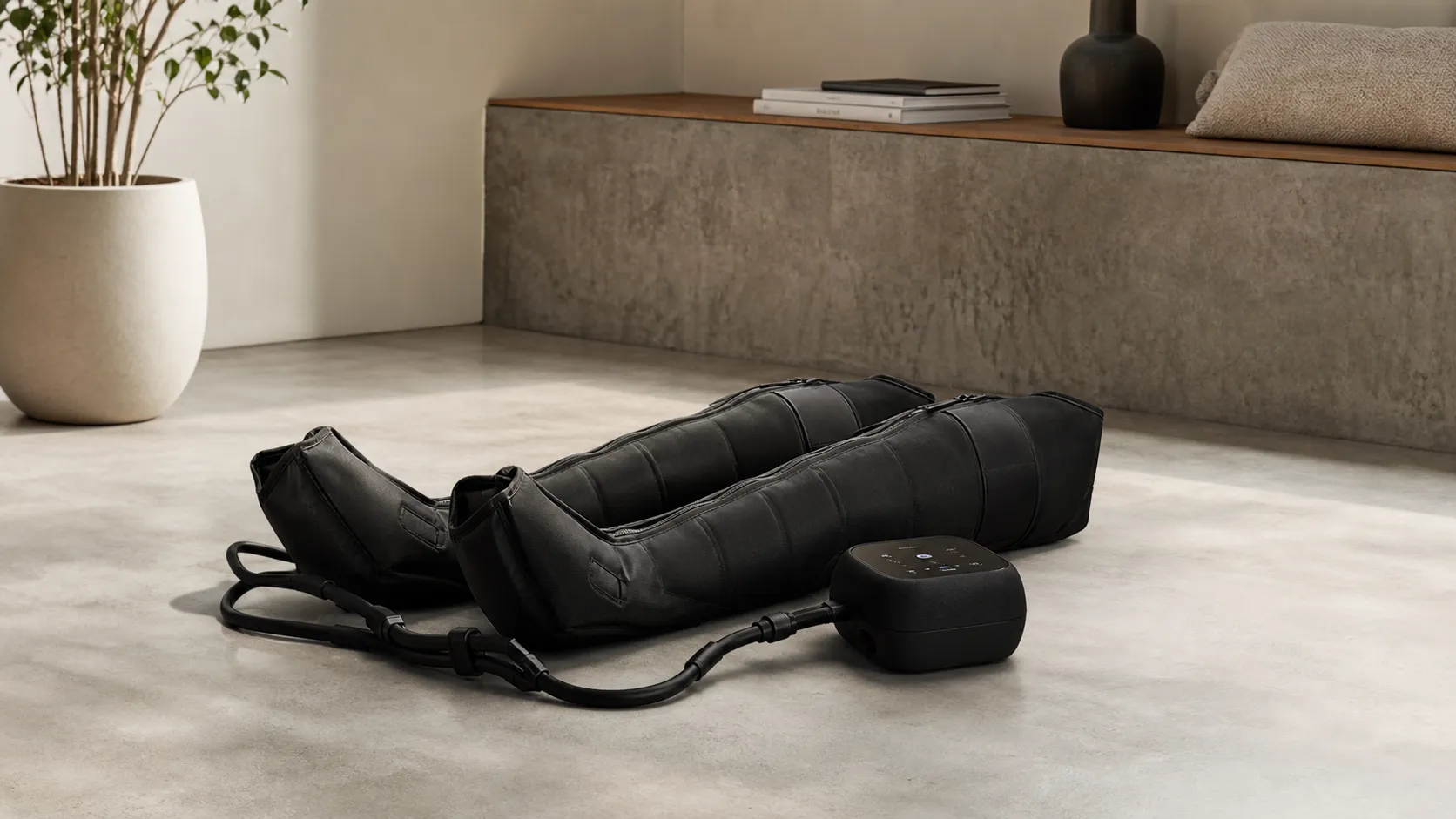
Hyperice Normatec 3.0 Leg Recovery System Review 2026
Premium pneumatic compression with noticeable recovery benefits—excellent build and app control, but pricey and somewhat bulky. Best for frequent athletes and clinics.
 Fitness & Wellness
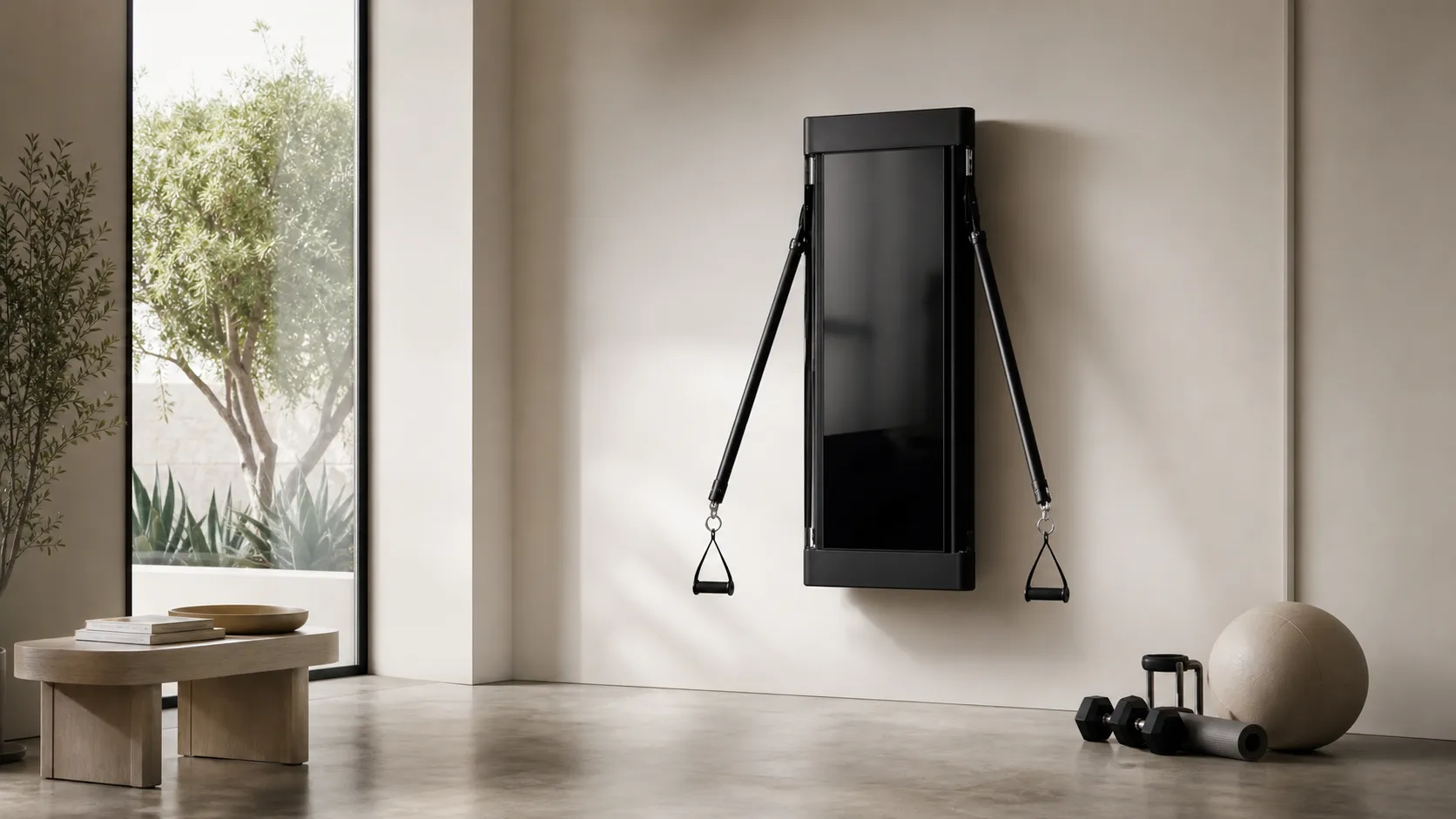
Tonal Smart Home Gym Review 2026
A high-end, wall-mounted smart gym with excellent coaching and space-saving design. Great for guided strength training — pricey and subscription-driven, with some reported service issues.
 Fitness & Wellness
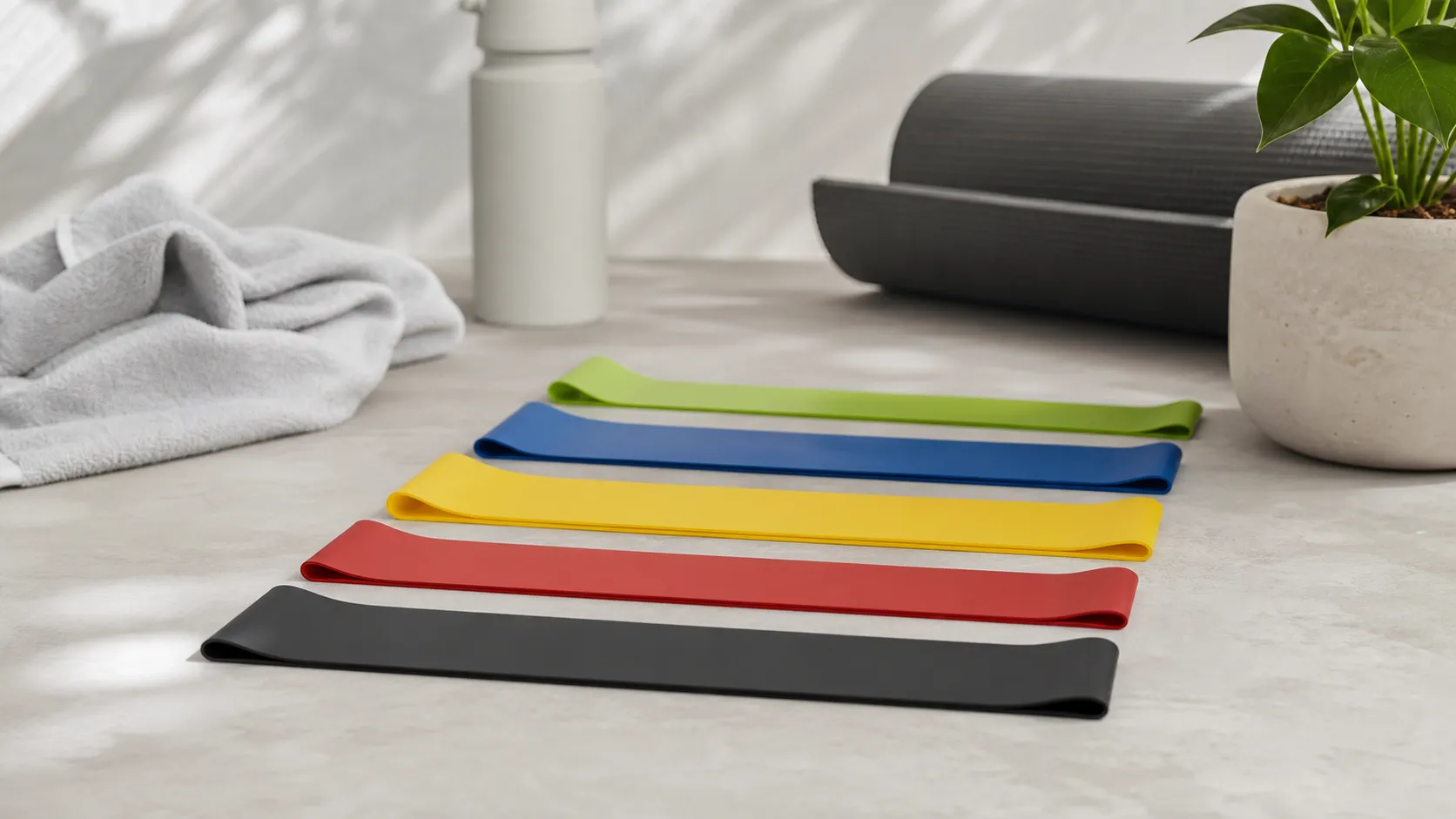
Fit Simplify Resistance Loop Bands Review 2026
Affordable, portable loop bands that excel for beginners, warm-ups, and rehab. Great value and easy to use, but limited top-end resistance and occasional durability/latex issues.