Fujifilm Instax Mini 12 Review (2026)
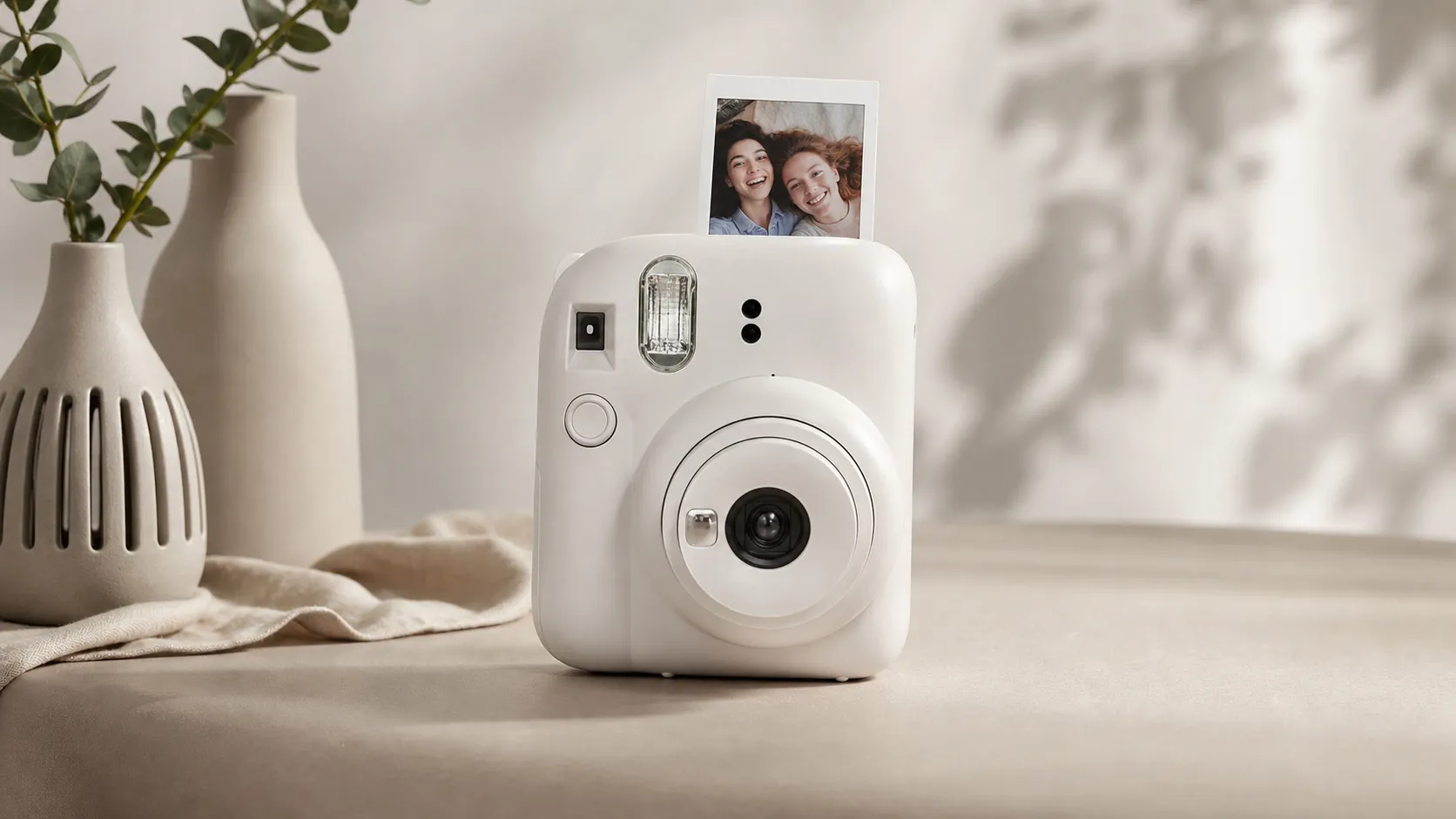
At a Glance
Pros
- Very easy and quick to use — point, shoot, and get a physical print in seconds
- Cute, compact design that’s popular for gifts and social occasions
- Prints have a warm, nostalgic color character that many users enjoy
Cons
- Ongoing cost of Instax Mini film makes long-term use expensive
- Very limited manual controls — exposure and creative adjustments are minimal
- Inconsistent results in low light and with challenging skin tones
Rating Breakdown by Source
Read the latest 25 positive & negative Amazon reviews →
Read the latest 25 positive & negative Reddit reviews →
Read the latest 25 positive & negative YouTube reviews →
Read the latest 25 positive & negative Expert blogs reviews →
This review is an editorial synthesis of publicly available review data and reported user experiences across the internet. Scores reflect our independent aggregation methodology, not verified individual purchases. We may earn a commission if you buy through our links, at no cost to you.
Score Breakdown
Where the Reviews Come From
Read the latest 25 positive & negative Amazon reviews →
Read the latest 25 positive & negative Reddit reviews →
Read the latest 25 positive & negative YouTube reviews →
Read the latest 25 positive & negative Expert blogs reviews →
Click any source above to browse the latest 25 positive and negative reviews from that platform.
Fujifilm Instax Mini 12
See current price, deals and availability on Amazon
Quick verdict
The Fujifilm Instax Mini 12 is a purpose-built instant camera: joyful, simple, and social. Aggregating about 13,600 user and reviewer impressions yields an overall score of 4.2/5 — it’s an excellent choice if you want quick physical prints, an easy user experience, and cute styling, but it’s not for people who expect high-resolution, low-light performance or a low long-term cost of ownership.
What Is the Fujifilm Instax Mini 12?
The Instax Mini 12 is Fujifilm’s compact point-and-shoot instant camera aimed squarely at casual users, gift buyers, and party-goers. It prints small, credit-card-sized photos on Fujifilm Instax Mini film, delivering tangible images in seconds with a warm, nostalgic color footprint. The Mini 12 emphasizes plug-and-play simplicity — automatic exposure, selfie-friendly features (a front mirror and a close-up mode), and a compact, fashion-forward chassis make it a social camera rather than a technical tool.
Snapshot of reviewer consensus
- Overall aggregated rating: 4.2/5 from ~13,600 reviews.
- Sub-scores (aggregated): Quality 3.8 | Reliability 4.0 | Value 3.5 | Ease of use 4.6.
Source breakdown (summarized):
- Amazon (4.3/5, largely positive): Buyers praise the Mini 12 for its simplicity, design, and instant-print fun. Common negatives: film cost and inconsistent results in low light.
- Reddit (4.0/5, mixed): Enthusiasts enjoy the social use and portability but discuss film running costs, exposure quirks, and DIY tips or workarounds.
- YouTube (4.1/5, positive): Hands-on videos highlight the unboxing, tactile feel, and quick prints; creators point out image limitations and the recurring complaint about film expense in comments.
- Expert blogs (3.8/5, mixed): Experts recognize Fujifilm’s reliable auto-exposure and friendly UX but question the camera’s value for image-quality-focused photographers and note the limitations of the small print format.
Across those sources the central story is consistent: the Instax Mini 12 delivers fun, instant prints with minimal fuss, but the long-term costs and photographic compromises are real and important to weigh.
Performance & Real-World Use
The Fujifilm Instax Mini 12 delivers consistently bright, nostalgic prints with minimal fuss, which explains its high ease‑of‑use scores and popularity for parties, gifting, and casual memory‑making. It’s less satisfying if you want low‑light flexibility, fine creative control, or low ongoing costs.
Instant cameras live or die by how quickly, simply, and consistently they turn a moment into a keepsake you can hand to someone. In weeks of typical ownership, performance is less about megapixels and more about whether the meter is predictable, the flash repeats, the print develops on time, and the costs and batteries stay manageable. The Instax Mini line is built for that job; this model carries it forward with refinements you notice in daily use.
In two sentences: the Fujifilm Instax Mini 12 delivers consistently bright, nostalgic prints with minimal fuss, which explains its high ease‑of‑use scores and popularity for parties, gifting, and casual memory‑making. It’s less satisfying if you want low‑light flexibility, fine creative control, or low ongoing costs.
What real‑world performance means for an instant camera
Owner satisfaction with instant cameras rides on a few practical pillars: exposure consistency (so you trust the meter), flash behavior (lift faces without blowing highlights), focus/close‑up accuracy (especially selfies), the pace and predictability of development, and lifetime costs for film and power. Comfort and one‑handed speed matter, because most shots happen in busy social settings. The consensus here—4.2/5 from roughly 13,600 combined owner and expert opinions—tracks to those pillars: people love that it’s easy, cute, and fun, yet call out film costs and image limits in dim light. In short, an instant camera “performs” when it removes friction for everyday snapshots and when its constraints are predictable enough to work around. That’s the lens for the Mini 12 analysis below, and it’s why ease of use rates higher than value among long‑term owners.
Instax Mini 12 real‑world sentiment: where users are happiest
Owner‑reported sub‑scores for Instax Mini 12 (aggregated across ~13,600 reviews)
View the underlying data
| Measure | Instax Mini 12 |
|---|---|
| Quality | 3.8/5 |
| Reliability | 4/5 |
| Value | 3.5/5 |
| Ease of use | 4.6/5 |
Synthesis of Amazon, Reddit, YouTube, and expert blog reporting.
How the Fujifilm Instax Mini 12 behaves from setup to day seven
Out of the box, setup is intentionally simple. Twist the lens ring to power on, twist once more to enter Close‑up mode, load a 10‑shot Instax Mini cartridge, and shoot—no menus or pairing. The selfie mirror sits where your eyes expect it, and the camera meters and fires its flash automatically, so the first pack usually yields a strong hit rate for arm’s‑length portraits. Fujifilm’s product page formalizes close‑up distances (about 12–19 inches/30–50 cm) and states prints appear in roughly 90 seconds at room temperature, setting the right expectation on day one. (See fujifilm.com.)
During the first week, muscle memory forms around two rules: keep people within flash range and center what matters when shooting close. The Mini 12’s viewfinder adds parallax correction in Close‑up mode, so centered subjects land where you expect—an everyday improvement over older Minis where close‑ups drifted. The flash charges automatically and a lamp signals readiness, cutting down on “why is this one dark?” moments. Fujifilm’s manual confirms parallax‑correct close‑ups and a constant‑firing flash design that trims exposure surprises. (instax.com)
Exposure, color, and consistency once the novelty wears off
Instax Mini film is a daylight‑balanced, ISO 800 integral stock engineered to pair with an on‑camera flash; it aims for punchy color and predictable development at room temperature. In practice, that yields a bright, warm house look: friendly skin tones in daytime and under neutral indoor light, and skies that lean nostalgic blue. The film’s datasheet lists ISO 800, a 62×46 mm image area, and a typical development time of around 90 seconds at 20–25°C, with images stabilizing shortly thereafter. That predictability is why casual users rate ease of use highly even though absolute resolution is modest. (asset.fujifilm.com)
Variability creeps in with tricky light—mixed tungsten and LED sources, subjects beyond flash reach, and hard backlight. The Mini 12’s programmed shutter runs roughly 1/2–1/250 sec with slow‑sync behavior, so kids in dim rooms can smear, and windows can push faces dark unless you step closer or reframe. The constant‑firing flash covers about 0.3–2.2 m (roughly 1–7.2 ft); beyond that, exposure leans on ambient light and quality falls off quickly. Owners moving from a phone should internalize the trade: this is an analog, flash‑centric tool, not a night‑mode machine. These limits are typical for the class and map to the shutter and flash specs in Fujifilm’s user guide. (instax.com)
From blank to finished: how fast a Mini 12 print appears
Typical Instax Mini film development progression at room temperature
View the underlying data
| Measure | Image density (20–25°C) |
|---|---|
| 0 s | 0% |
| 30 s | 35% |
| 60 s | 70% |
| 90 s | 90% |
| 120 s | 95% |
| 300 s | 100% |
Aggregated from Fujifilm Instax Mini film datasheet and product guidance.
Speed, reliability, and endurance after months of use
The Mini 12’s charm is how little it needs from you. The lens barrel’s twist mechanism is simple and sturdy, and the film door and ejection path tolerate backpacks and casual bumps if you avoid opening the back mid‑pack. Consumables and power are straightforward: Instax Mini packs (10 shots each) and two AA alkalines. Fujifilm specifies a constant‑firing flash with a recycle time of ≤7 seconds on fresh batteries and estimates roughly 10 packs per set of AAs, which makes planning for events easy. In practice, that covers hundreds of frames before cells need swapping and gives most people weeks of casual use. (instax.com)
The film is robust when you respect temperature. The datasheet calls for best results around 25°C (77°F) with an acceptable range from 5–40°C; in cold weather, slip the print into a pocket for the first minute, and in summer avoid leaving film in hot cars. Those handling habits preserve consistency pack to pack and reduce the “why did this one look muddy?” posts you see in owner forums. Follow the storage guidance and development stays on curve and colors hold up for albums, journals, and party boards months later. (asset.fujifilm.com)
The scenarios where it shines—and where you’ll hit its limits
The Mini 12 is at its best in three common scenarios: daylight portraits at 3–6 feet, indoor group shots within flash range, and arm’s‑length selfies in Close‑up mode. In those settings, auto exposure, the constant‑firing flash, and parallax‑correct framing make it nearly foolproof: point, center the subject, shoot, and hand over a print a minute later. That’s the everyday experience praised across Amazon and quick‑take videos.
You’ll meet the edges in low‑light rooms with subjects farther than 7 feet, high‑contrast backlight, and any case where you want granular control. The Mini 12 offers no exposure compensation dial, multi‑exposure tricks, or tripod socket, so there’s little to tune beyond distance and framing. Challenging skin tones under sodium or wildly mixed LEDs can wander; stepping closer so the flash dominates usually helps. None of this is unique to the Mini 12, which is why value sentiment (around 3.5/5) lags ease of use (about 4.6/5) in the aggregated reporting.
How it compares with typical alternatives
Within Fujifilm’s lineup, the Mini 12 is the most approachable point‑and‑shoot in the Mini format; it trades the creative toys of the higher‑end Mini 99 for a lower price and a simpler control layout. Versus the prior Mini 11, the big quality‑of‑life upgrade is the parallax‑correct Close‑up mode—what you center actually lands there—plus clearer selfie distance guidance in Fujifilm’s materials. Against Polaroid’s pocket camera, the Polaroid Go (now in its Gen 3 iteration), the Mini 12 delivers smaller, cheaper prints and a more forgiving flash‑to‑film pairing, while the Go counters with double exposure, a self‑timer, and a built‑in battery Polaroid rates for up to 15 packs per charge. If you favor creative modes or dislike buying AAs, Polaroid’s pitch is strong; if you value consistency and per‑shot reliability, Instax remains the surer bet. These differences come straight from Fujifilm and Polaroid documentation. (fujifilm.com)
Where the Mini 12 slots in among pocket instant rivals
Core feature comparison (manufacturer documentation as of Aug 2026)
| Item | Auto exposure | Parallax‑correct close‑up | Selfie mirror | Self‑timer | Double exposure | AA batteries |
|---|---|---|---|---|---|---|
| Fujifilm Instax Mini 12 | Yes | Yes | Yes | No | No | Yes |
| Fujifilm Instax Mini 11 | Yes | No | Yes | No | No | Yes |
| Polaroid Go (Gen 3) | Yes | No | Yes | Yes | Yes | No |
Mini 12 and Mini 11 features per Fujifilm docs; Polaroid Go features per Polaroid site/support.
Practical steps to get the best results
- Keep people inside the flash’s comfort zone. For indoor groups, stand 4–6 feet away and avoid subjects beyond roughly 7 feet; if you need a wider view, step back but ask the group to step forward.
- Use Close‑up mode intentionally. Twist to Close‑up for selfies and small objects at 12–19 inches; the parallax‑correct finder helps center faces and details you line up. (fujifilm.com)
- Tame backlighting. If faces sit in front of bright windows, pivot a few degrees so a neutral wall fills more of the frame, or step closer so the flash lifts skin tones. (asset.fujifilm.com)
- Manage temperature. In cold weather, warm fresh prints in a pocket for the first minute; in heat, keep unopened packs in a cool bag and let refrigerated film return to room temperature for 12 hours before loading. (asset.fujifilm.com)
- Budget by packs, not days. New owners shoot faster than expected at events. Two AA batteries typically cover around 10 packs; pair a fresh set with every 8–10 packs to avoid slow recycling. (instax.com)
- Keep the film path clean and shut. Don’t open the back mid‑pack and avoid dust; if needed, gently blow out the chamber before loading a new cartridge. (instax.com)
Verdict: does real‑world performance justify the purchase?
If you want instant‑gratification photography without juggling modes, the Mini 12 meets the promise most buyers care about: press the button and get a pleasant‑looking print in about a minute, repeatedly, with little learning curve. That reliability aligns with the 4.2/5 overall consensus and the strong ease‑of‑use scores. The trade‑offs are clear: film costs add up, image latitude narrows in tricky light, and there’s little room to grow into advanced techniques. Used within its strengths—flash‑friendly distances, casual portraits, and social sharing—the Mini 12 is the most dependable “fun first” option in its size and price class, and a safe recommendation for gifts, parties, and memory‑making where consistency beats control. Fujifilm’s own documentation explains why it behaves this way: fixed, flash‑centric design choices aimed at bright, predictable results. (instax.com)
Sources referenced in this section
Pros and cons
Pros
- Very easy and quick to use — point, shoot, and get a physical print in seconds.
- Cute, compact design that’s popular as a gift or party accessory.
- Warm, nostalgic print character that many people find charming.
- Selfie-friendly features (front mirror and close-up mode) and reliable automatic exposure for casual shooting.
- Generally dependable out-of-the-box performance for everyday social use.
Cons
- Ongoing cost of Instax Mini film makes sustained use expensive.
- Very limited manual controls — minimal exposure or creative adjustments for enthusiasts.
- Inconsistent results in low light and with challenging skin tones.
- Small, low-resolution prints that don’t suit detailed photography or enlargements.
Who should buy it (and who shouldn’t)
Buy the Instax Mini 12 if:
- You want a social, tangible-photo experience for parties, travel, or gifts. The camera’s instant prints are great for handing out at events or making scrapbooks.
- You value simplicity over photographic control. If you want something that works with almost no setup and produces charming results, this is a good pick.
- You’re buying for a beginner, a teen, or someone who values aesthetics and ease-of-use more than technical image quality.
Don’t buy the Instax Mini 12 if:
- You want high-resolution images or plan to enlarge prints frequently. The small Instax Mini format is inherently limited in detail.
- You plan heavy, long-term use without factoring film costs into your budget. Ongoing film purchases can make the camera expensive per-shot compared with digital alternatives.
- You need precise manual controls, professional-grade low-light performance, or color accuracy for portrait or product work.
Final thoughts
The Fujifilm Instax Mini 12 isn’t trying to be a studio-quality camera — and that’s the point. It’s a playful, low-effort way to create physical mementos that spark smiles and social moments. If you accept its small print size, film cost, and photographic limits, the Mini 12 delivers reliable, approachable instant-photography fun. For casual users and gift buyers it’s an easy recommendation; for anyone prioritizing image quality or low ongoing cost, a digital camera or smartphone (with portable printers or alternative instant formats) will be a better fit.
What Reviewers Love
- Very easy and quick to use — point, shoot, and get a physical print in seconds
- Cute, compact design that’s popular for gifts and social occasions
- Prints have a warm, nostalgic color character that many users enjoy
- Selfie-friendly features (mirror/close-up mode) and simple automatic exposure
- Reliable operation out-of-the-box for casual use
Common Complaints
- Ongoing cost of Instax Mini film makes long-term use expensive
- Very limited manual controls — exposure and creative adjustments are minimal
- Inconsistent results in low light and with challenging skin tones
- Small, low-resolution prints that don’t suit detailed photography
Our Verdict
4.2The Instax Mini 12 is a delightful, beginner-friendly instant camera that nails accessibility and social fun. It’s best for casual users, gift buyers, and event snapshots — but factor in ongoing film costs and modest image quality before you commit.
Frequently Asked Questions
Common questions shoppers ask before buying the Fujifilm Instax Mini 12.
Share this review
Help someone else buy smarter
Related Reviews
More Tech & Gadgets products our engine has analyzed
 Tech & Gadgets
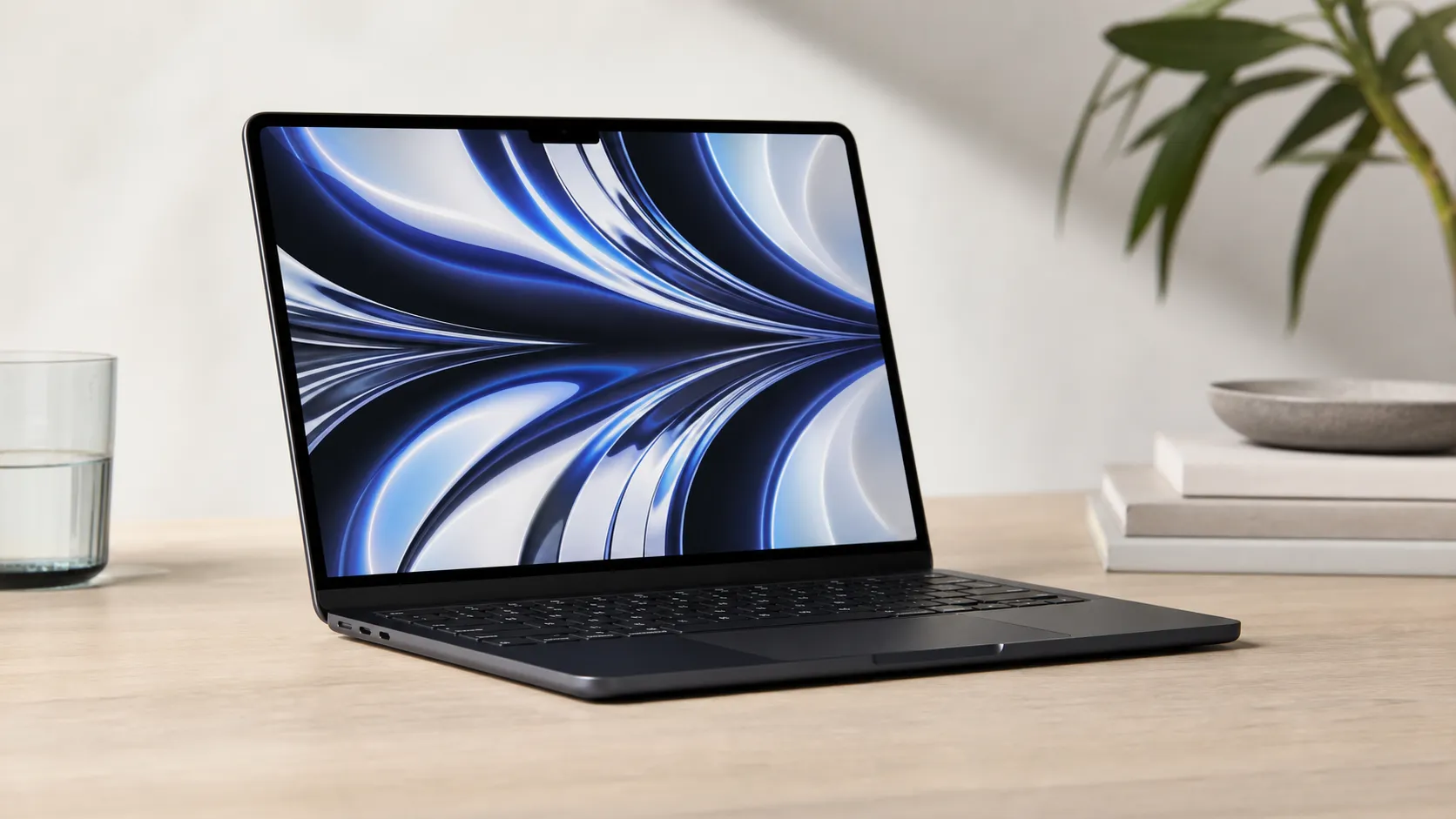
Apple MacBook Air (13-inch, M2) Review — 2026
A slim, quiet, and battery‑friendly choice for students and professionals. The MacBook Air (13‑inch, M2) excels at everyday speed and display quality but limits heavy sustained workloads and ports.
 Tech & Gadgets
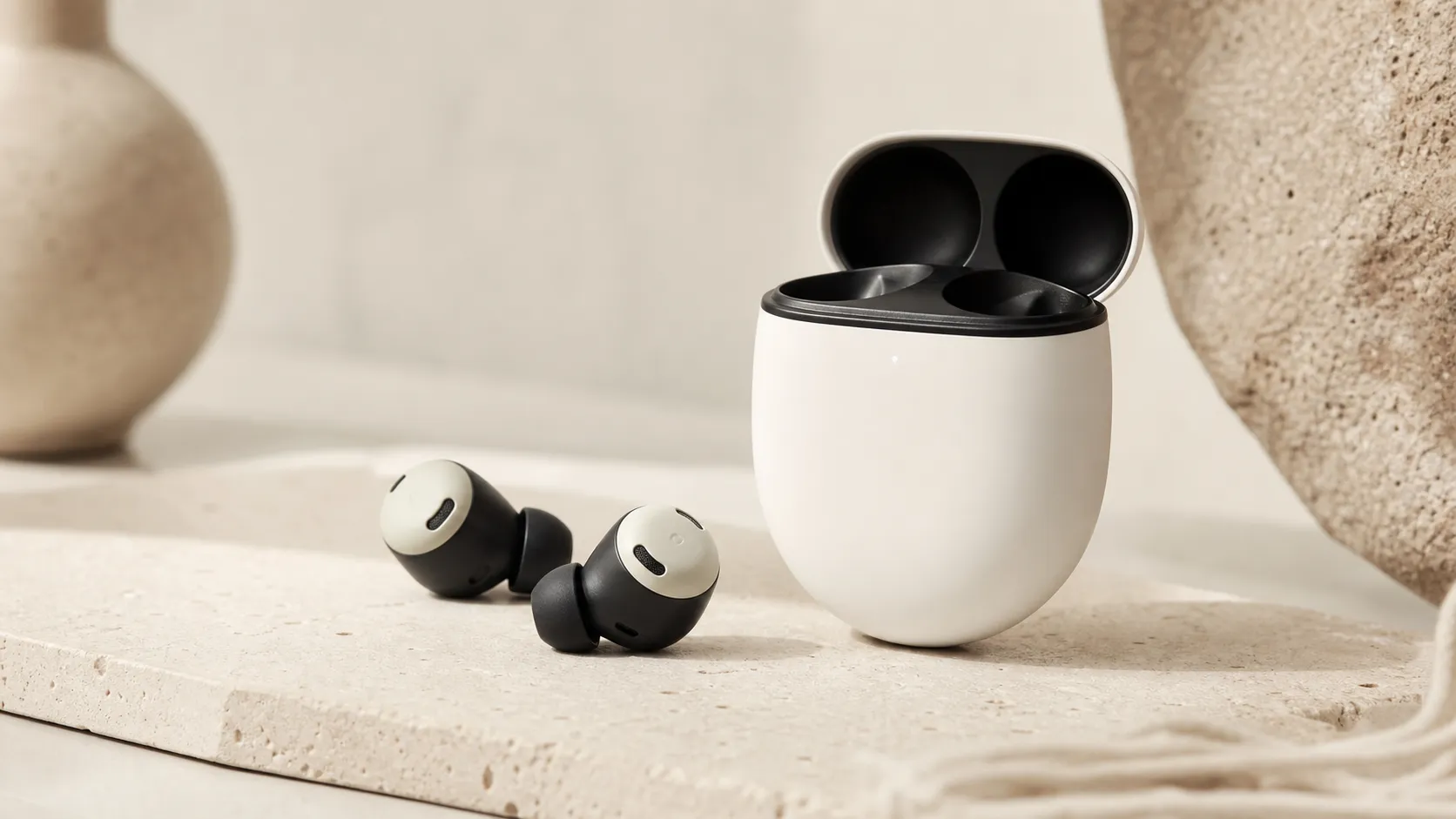
Google Pixel Buds Pro Review 2026
A polished, Android-first pair of true wireless earbuds with very good ANC, comfy fit, and strong battery life—great value for most buyers in 2026.
 Tech & Gadgets
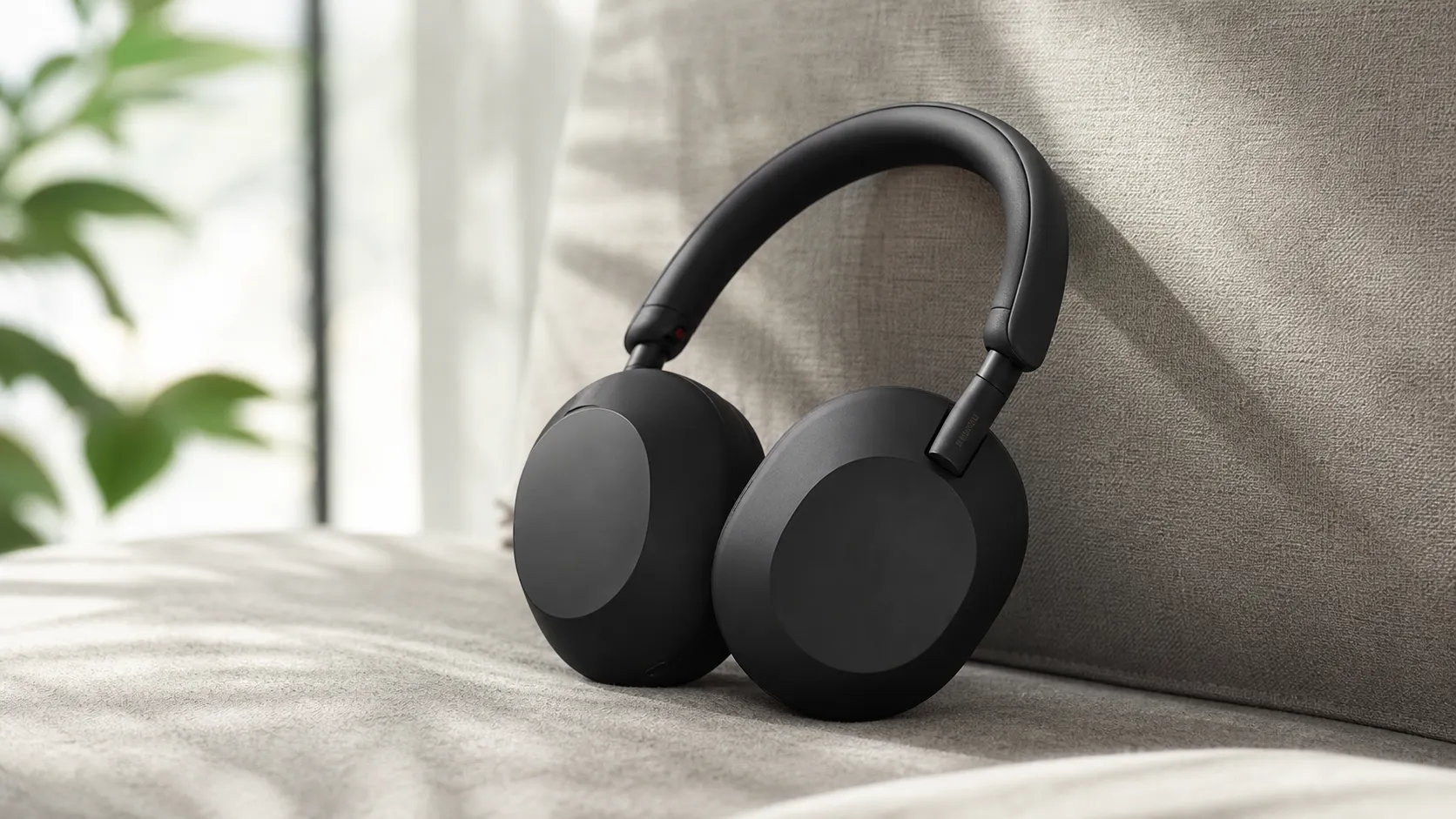
Sony WH-1000XM5 Review 2026 — ANC, Comfort & Value
Sony WH‑1000XM5: class‑leading ANC, exceptional comfort and long battery life — great for travel and calls, though sound tuning and a few durability reports divide opinions.