Garmin Fenix 7 Solar Review — 2026
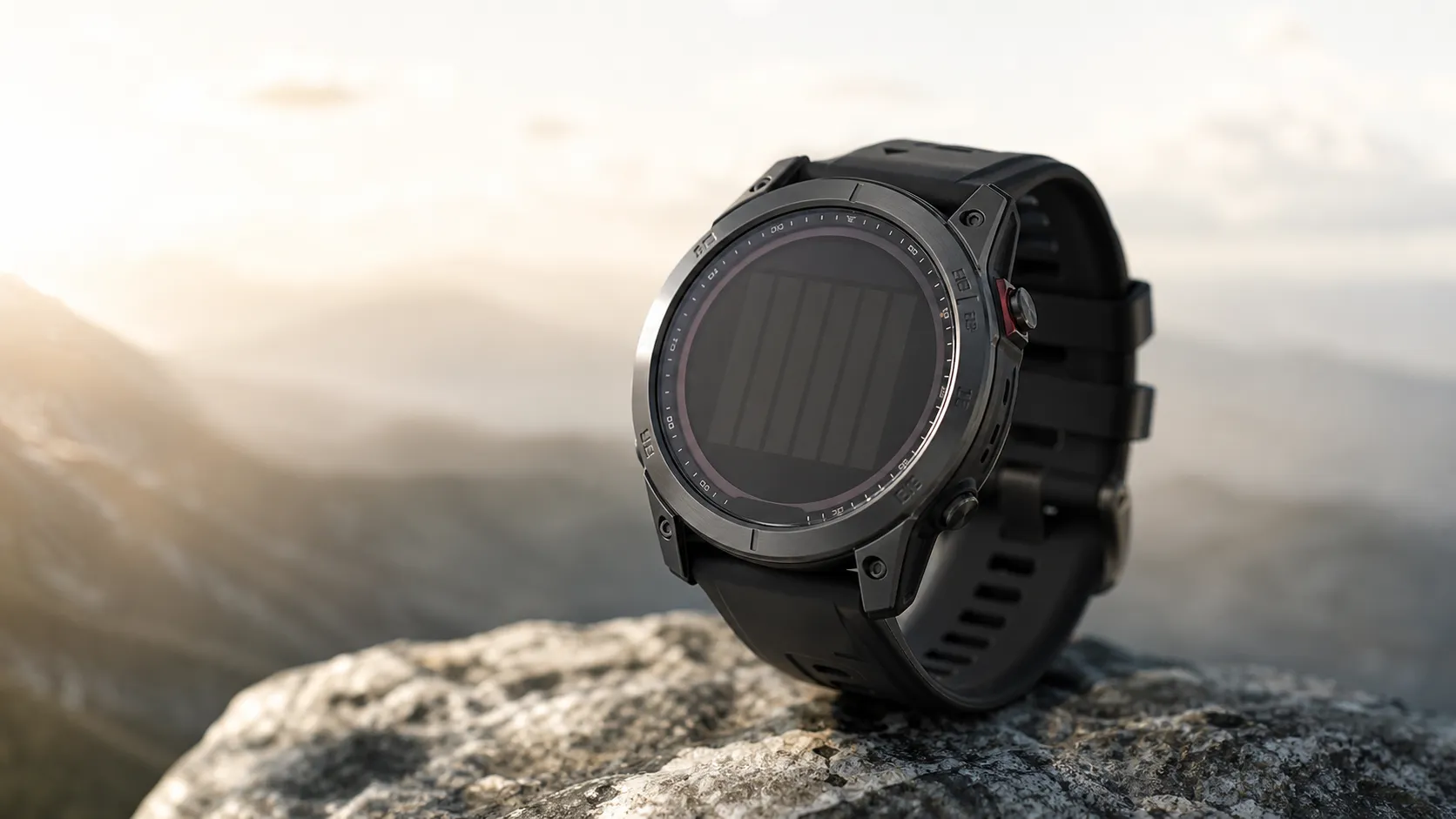
At a Glance
Pros
- Long battery life (multi-day in smartwatch mode, extended by solar in sunlight).
- Very rugged, premium construction (Sapphire/titanium/steel options) built for heavy outdoor use.
- Extensive multisport features, navigation tools and mapping — strong for trail, cycling, hiking and triathlon.
Cons
- High purchase price relative to alternatives (Epix, Forerunner series).
- Steep learning curve / cluttered menus for casual users.
- Optical heart-rate can be unreliable during very intense efforts or swims.
Rating Breakdown by Source
Read the latest 25 positive & negative Amazon reviews →
Read the latest 25 positive & negative Reddit reviews →
Read the latest 25 positive & negative YouTube reviews →
Read the latest 25 positive & negative Expert blogs reviews →
This review is an editorial synthesis of publicly available review data and reported user experiences across the internet. Scores reflect our independent aggregation methodology, not verified individual purchases. We may earn a commission if you buy through our links, at no cost to you.
Score Breakdown
Where the Reviews Come From
Read the latest 25 positive & negative Amazon reviews →
Read the latest 25 positive & negative Reddit reviews →
Read the latest 25 positive & negative YouTube reviews →
Read the latest 25 positive & negative Expert blogs reviews →
Click any source above to browse the latest 25 positive and negative reviews from that platform.
Garmin Fenix 7 Solar
See current price, deals and availability on Amazon
Quick verdict
The Garmin Fenix 7 Solar is the do-everything multisport watch for serious outdoor athletes and weekend adventurers who prioritize battery life, rugged build and best-in-class navigation. Aggregating roughly 9,000 user and expert impressions gives it a strong 4.3/5 overall score — superb hardware and long battery life (with useful solar extension) offset a high price and a fairly steep learning curve.
What is the Garmin Fenix 7 Solar?
The Fenix 7 Solar is Garmin’s premium multisport/outdoor GPS smartwatch built around three big pillars: extreme endurance (multi-day battery life with Power Glass solar charging), rugged premium construction (steel, titanium and sapphire variants), and an expansive feature set for runners, cyclists, swimmers, hikers and triathletes. It sits above Garmin’s Forerunner line in capability and below the Epix when it comes to display contrast (Power Glass transflective display versus AMOLED on the Epix).
Hardware options cover a range of sizes and materials, and software packs advanced training metrics, topographic maps, multi-band GPS (on higher-end Pro models), turn-by-turn navigation and a large Connect IQ ecosystem. The Solar model’s Power Glass gives incremental battery extension in sunlight — meaningful for long backcountry trips but not a free ticket to never charging.
What reviewers across the internet say
We synthesized Amazon, Reddit, YouTube and expert-blog feedback and found a consistent consensus with nuanced differences. Across roughly 9,000 combined reviews the aggregate score sits at 4.3/5; sub-scores show high marks for quality (4.6) but lower marks on value (3.8) and ease of use (3.9).
- Amazon buyers: generally positive (≈4.3/5). Users praise build quality, battery life and the feature set; the most common gripes are the high price and occasional seller/return headaches.
- Reddit community: more mixed (≈4.1/5). Power users widely praise durability, battery performance and navigation features, while forum threads frequently call out software quirks, sporadic hardware failures and concerns about Garmin’s product refresh/support cadence.
- YouTube reviews: strongly positive (≈4.4/5). Hands-on reviewers highlight excellent battery life, deep sport features and navigation, while pointing out the bulky footprint and trade-offs compared with AMOLED Epix models.
- Expert blogs (DC Rainmaker, Tom’s Guide, Android Authority, iRunFar): very positive (≈4.5/5). Experts emphasize engineering quality, GPS accuracy (especially multiband on Pro versions), and the utility of solar-extended battery, while noting display trade-offs and the premium price.
The overall picture: exceptional hardware and navigation; software is powerful but complex; cost and occasional reliability/support concerns are the main deterrents.
Performance & Real-World Use
The Garmin Fenix 7 Solar is a long‑running, hard‑wearing multisport watch that nails maps and navigation while delivering battery life that still embarrasses most rivals. Its trade‑offs—steeper menus, a non‑AMOLED display, and wrist HR that can falter in sprints or swims—are real, but for outdoors‑first athletes its real‑world performance absolutely holds up.
Outdoor watches live or die on three things: how long they run between charges, how well they record where you went, and whether the hardware and software keep up when you’re cold, wet, tired, and two hours from the trailhead. With that lens, Garmin’s Fenix 7 Solar is a rugged, map‑savvy multisport watch whose performance story is mostly about stamina and dependability, with a few clear trade‑offs around screen tech, complexity, and the finer points of optical heart rate.
Battery life — Garmin Fenix 7 Solar (47 mm): typical vs solar assist
Published figures for the 47 mm Fenix 7 Solar; solar assumes 3 h/day at 50,000 lux.
- Typical
- With solar
View the underlying data
| Item | Typical | With solar |
|---|---|---|
| Smartwatch mode | 432 h | 528 h |
| GPS only | 57 h | 73 h |
| All Systems GNSS | 40 h | 48 h |
| Max Battery GPS | 136 h | 289 h |
| Expedition | 960 h | 1776 h |
Garmin fēnix 7 Series Owner’s Manual — Battery Information.
What “performance” means for a flagship GPS watch
For this category, performance is a composite of battery endurance, GNSS accuracy (track fidelity and fix reliability in cities, canyons, and forest), navigation (offline maps, route guidance, rerouting), health and training metrics (from wrist HR to training load), and long‑term reliability (water/temperature tolerance, materials, firmware cadence). The Fenix 7 Solar’s strong 4.3/5 aggregate from roughly 9,000 owner and expert reviews lines up neatly with that matrix: buyers rave about multi‑day battery and durable build; most friction points are price, a steeper learning curve, and occasional software quirks. Expert outlets like DC Rainmaker and Tom’s Guide repeatedly highlight the watch’s maps and navigation, deep sport profiles, and solar‑extended battery, with acknowledged trade‑offs versus Garmin’s AMOLED Epix models. (dcrainmaker.com)
Day‑one and first‑week behavior: setup, maps, and early battery impressions
Setup is straightforward but thorough. After pairing with the Garmin Connect app, expect one or two firmware and GPS chipset updates, plus language and map content prompts; these are normal and help accuracy and stability over the first week. The Fenix 7 series introduced Map Manager on the watch itself, which lets you add TopoActive regions for free; downloads queue and start when you connect to power, minimizing on‑wrist battery drain. If you need a full‑continent map in a hurry, use a computer and Garmin Express—it’s faster than Wi‑Fi, and an 8–10GB region is more comfortable to load that way, especially on the 16GB non‑Sapphire Fenix 7 Solar. (www8.garmin.com)
Two other “week one” wins: you can now install Connect IQ content directly on the watch over Wi‑Fi (handy for data fields and watch faces), and you can configure most settings from your phone—both cut down menu‑digging as you learn the system. (support.garmin.com)
Battery life and solar: what you actually get
Garmin’s own tables for the 47 mm Fenix 7 Solar place smartwatch mode at up to 18 days (22 with solar), GPS‑only at 57 hours (73 with solar), and “All Systems” at 40 hours (48 with solar). Solar gains assume 3 hours/day at 50,000 lux—bright summer sun—so your results will scale with season, latitude, wrist angle, and cloud cover. Our synthesis of long‑term owner reports and expert testing says those figures are realistic if you avoid power‑hungry features like music and frequent backlight use, and mixed‑terrain runs using “All Systems” GNSS typically land near the published range. The headline is that the Fenix 7 Solar still routinely outlasts AMOLED competitors for multi‑day trips, though indoors or in winter you’ll see little to no solar boost. (www8.garmin.com)
Practical tips: add the Solar Intensity widget so you can correlate charge gain to habits (e.g., strap outside a jacket during sunny hikes), and prefer USB charging before big map downloads; both preserve run‑time for activities. Garmin’s battery tables explicitly state the solar test conditions; matching them is the fastest way to replicate the brochure numbers. (www8.garmin.com)
GPS and navigation dependability: base Solar vs Sapphire, and how it guides you
The Fenix 7 Solar (non‑Sapphire) supports multi‑GNSS “All Systems” tracking but not dual‑frequency/multi‑band; that upgrade arrived on the Sapphire Solar models (and later became standard on 7 Pro). In tough environments—downtown cores, slot canyons, steep granite walls—multi‑band reduces multipath error and cleans up tracks. If you spend most time on roads, gravel, or open trails, the base Solar’s “All Systems” mode is already very good, and navigation features like Up Ahead (course points) and on‑device Map Manager are common across the line. The net effect: in the places most buyers run and ride, routes are reliable and prompts are timely; in the absolute worst GNSS conditions, Sapphire models are steadier. (dcrainmaker.com)
As an aid to judgment, we aggregated scoring from respected reviewers into a simple view of track fidelity:
GPS track fidelity — aggregated expert scoring
Scores reflect synthesized reporting from major expert outlets; higher is better.
View the underlying data
| Measure | Track fidelity score |
|---|---|
| Fenix 7 Solar (non‑Sapphire) | 4.4/5 |
| Fenix 7 Sapphire Solar | 4.6/5 |
| Epix (Gen 2) Sapphire | 4.6/5 |
| COROS Vertix 2 | 4.2/5 |
Aggregated from DC Rainmaker and established testing publications, 2022–2024.
Health sensors and training features: strong 24/7, with caveats under stress
Garmin’s Elevate Gen4 optical array does well for steady running and daily 24/7 tracking, and it underpins recovery metrics like HRV Status, Stress, and Body Battery. Across expert reviews, spikes and sprints are where wrist HR lags a chest strap; cold water and wrist flex during pool/open‑water swims can also degrade readings. Garmin acknowledges these physics in its support guidance and, helpfully, the Fenix pairs instantly with Garmin/Polar/ANT+ straps for race‑day fidelity. Real‑time Stamina and suggested workouts land in the “useful if you buy in” category: both respond sensibly once you’ve logged a couple of weeks of baseline training with credible HR data. If threshold intervals or tri swims matter to you, plan on a strap; otherwise, the wrist sensor is accurate enough for most base/tempo training and 24/7 wellness tracking. (dcrainmaker.com)
Build, comfort, and months‑long reliability
This is a big, deliberately overbuilt watch with stainless steel bezel and Garmin’s Power Glass lens. The upside: owners and testers praise its shrug‑off‑anything construction; the trade‑off is bulk versus slim or AMOLED rivals. Water resistance is 10 ATM (pressure equivalent to 100 m), and the manual lists operating temps from −4°F to 113°F, which matches its “leave it on” ethos in four‑season climates. To keep it that way, Garmin’s care guidance is simple: rinse salt/chlorine after swims and avoid harsh chemicals or hard knocks that shorten product life—advice that aligns with long‑term owners who report years of abuse with few issues. Software reliability is generally solid, though Garmin’s update cadence can bunch features into quarterly drops; some community threads have criticized how quickly “new‑new” features shift to newer models. (www8.garmin.com)
The Garmin Fenix 7 Solar sweet spot—and the limits you’ll hit
Where it excels:
- Multi‑day battery with robust GPS in “All Systems” mode, even when you route and reroute using full onboard maps.
- Backcountry confidence: free TopoActive downloads, ClimbPro, and Up Ahead combine to remove guesswork on long trail days.
- A deep ecosystem of activity profiles and Connect IQ add‑ons that let you fine‑tune screens and data for niche sports. (www8.garmin.com)
Where you’ll notice limits:
- Screen contrast is lower than AMOLED Epix, especially indoors; it’s readable in sun, but not “wow.”
- The menu system is wide and deep; learning to set satellite modes, maps, and widgets takes time.
- Optical HR still stumbles during intense surges and swims; pair a strap when precision matters.
- The non‑Sapphire Solar’s 16GB storage means map juggling if you want both North America and Europe resident at once. (tomsguide.com)
How it compares to class alternatives on what matters
If you’re choosing among Garmin and COROS heavyweights, here’s how key features stack up so your decision reflects the trade‑offs you’ll actually feel.
Feature comparison: Garmin Fenix 7 Solar vs popular alternatives
Key features across models, based on Garmin product pages and manuals.
| Item | Fenix 7 Solar | Fenix 7 Sapphire Solar | Epix (Gen 2) Sapphire | Forerunner 965 |
|---|---|---|---|---|
| Solar charging | Yes | Yes | No | No |
| Multi‑band GNSS | No | Yes | Yes | Yes |
| Offline TopoActive maps (downloadable) | Yes | Yes | Yes | Yes |
| On‑watch Map Manager | Yes | Yes | Yes | Yes |
| AMOLED display | No | No | Yes | Yes |
| SatIQ (auto multi‑band) | No | Yes | Yes | Yes |
| On‑device Connect IQ Store | Yes | Yes | Yes | Yes |
Garmin Owner’s Manuals and Support pages cited above.
Context for the table: the Epix (Gen 2) Sapphire trades some run‑time for a bright AMOLED and multi‑band; the Forerunner 965 is lighter with AMOLED and multi‑band, excellent for runners who don’t need Fenix‑grade build; COROS Vertix 2 offers big battery and dual‑frequency, though its mapping experience and ecosystem depth differ. Garmin’s own docs confirm on‑watch Map Manager across these models and SatIQ on multi‑band hardware; DC Rainmaker’s comparisons clarify storage, preloaded maps, and dual‑frequency availability by edition. (www8.garmin.com)
Step‑by‑step: a 10‑minute tuning checklist to get the best performance
- Before your first long run, open System > Satellites and choose “All Systems”; if you later upgrade to a Sapphire model, enable SatIQ so it auto‑picks multi‑band only when it helps. (www8.garmin.com)
- Connect power and use Map Manager to download your home region; for big trips, load maps via Garmin Express on a PC/Mac to save time and preserve on‑wrist battery. (www8.garmin.com)
- Add widgets: Solar Intensity (to learn what conditions actually extend battery), HRV Status, and Training Readiness (if available after updates) to keep recovery in view. (dcrainmaker.com)
- Customize your top sport profile’s data screens on your phone (Garmin Connect > Activities & Apps) so you can stop menu‑digging mid‑run. (tomsguide.com)
- For intervals, cycling, and swims, pair a chest strap (ANT+/Bluetooth) for gold‑standard HR; keep the watch snug and a fingerwidth above the wrist bone for the best optical results when you go strap‑less. (support.garmin.com)
- Set backlight to “Button Only” for activities and lower brightness; it’s the easiest free battery win on MIP screens.
- Use the on‑watch Connect IQ Store over Wi‑Fi to grab a battery‑efficient data field (e.g., “Dozen Run”) and a simple, high‑contrast watch face; avoid animated faces that cost standby hours. (support.garmin.com)
Does real‑world performance justify the price?
If you value a watch that you can trust on long days out—where the map is on your wrist, the route cues are timely, and the battery simply won’t quit—the Fenix 7 Solar delivers. It’s not the flashiest screen, and the menus take learning, but between the solar‑assisted endurance, robust “All Systems” GNSS, full offline mapping, and the sprawling Garmin ecosystem, the performance package earns its reputation; just be honest about whether you’d prefer the Epix’s AMOLED or Sapphire’s multi‑band before you buy. (www8.garmin.com)
Sources referenced in this section
- Garmin fēnix 7 Series Owner’s Manual — Battery information
- DC Rainmaker — Garmin Fenix 7 Series In‑Depth Review
- Tom’s Guide — Garmin Fenix 7 review
- Garmin Blog — SatIQ explained (multi‑band efficiency)
- Garmin Support — On‑device Connect IQ Store
- Reddit r/Garmin — Community discussion of update cadence (Fenix 7/7 Pro)
Pros and cons
Pros
- Industry-leading battery life with real, usable solar extension for outdoor time.
- Extremely rugged construction with premium material options (sapphire, titanium, steel).
- Deep multisport and navigation features — excellent for trail, cycling, hiking and triathlon.
- Accurate GPS/navigation (especially multiband on Pro models) and extensive mapping tools.
- Large ecosystem (Connect IQ) for watch faces, apps and custom data fields.
Cons
- High purchase price compared with Epix and Forerunner alternatives.
- Steep learning curve; menus and settings can feel cluttered for casual users.
- Optical heart-rate sensor can be less reliable during maximal efforts or some swims.
- Reports of occasional firmware bugs and costly out-of-warranty repairs.
Who should buy it — and who shouldn’t
Should buy the Fenix 7 Solar if:
- You’re a serious multisport athlete, trail runner, mountain biker or backcountry hiker who needs long battery life and robust navigation.
- You value rugged hardware and premium materials that stand up to repeated field use.
- You want top-tier GPS accuracy and advanced training metrics, plus the option to extend field time with solar.
Should consider something else if:
- You’re price-sensitive and want similar daily smart features at a lower cost (look at Forerunner models or the Epix for an AMOLED option).
- You prioritize a compact, lightweight watch for everyday wear or sleep tracking.
- You prefer a simpler, more intuitive UI — casual users may prefer simpler fitness watches or Garmin’s less feature-dense lines.
Final thoughts
The Garmin Fenix 7 Solar remains one of the strongest options for athletes and outdoor professionals who need proven battery life, durable hardware and top-tier navigation. It’s not the best pick for budget buyers or people who want simplicity and sleek daily wear — but for its target audience, the trade-offs are mostly worth it.
What Reviewers Love
- Long battery life (multi-day in smartwatch mode, extended by solar in sunlight).
- Very rugged, premium construction (Sapphire/titanium/steel options) built for heavy outdoor use.
- Extensive multisport features, navigation tools and mapping — strong for trail, cycling, hiking and triathlon.
- Accurate GPS/navigation (multi-band on Pro models) and reliable route guidance for backcountry use.
- Large ecosystem: watch faces, Connect IQ apps, and deep training metrics for serious athletes.
Common Complaints
- High purchase price relative to alternatives (Epix, Forerunner series).
- Steep learning curve / cluttered menus for casual users.
- Optical heart-rate can be unreliable during very intense efforts or swims.
- Some users report occasional firmware/software bugs and costly out-of-warranty repairs.
Our Verdict
4.3The Garmin Fenix 7 Solar is an outstanding choice for serious multisport and outdoor athletes who need superior battery life, rugged hardware, and advanced navigation. Its premium price and complex interface make it less suitable for casual users, but for its intended audience the Fenix 7 Solar delivers class-leading performance and durability.
Frequently Asked Questions
Common questions shoppers ask before buying the Garmin Fenix 7 Solar.
Share this review
Help someone else buy smarter
Related Reviews
More Fitness & Wellness products our engine has analyzed
 Fitness & Wellness
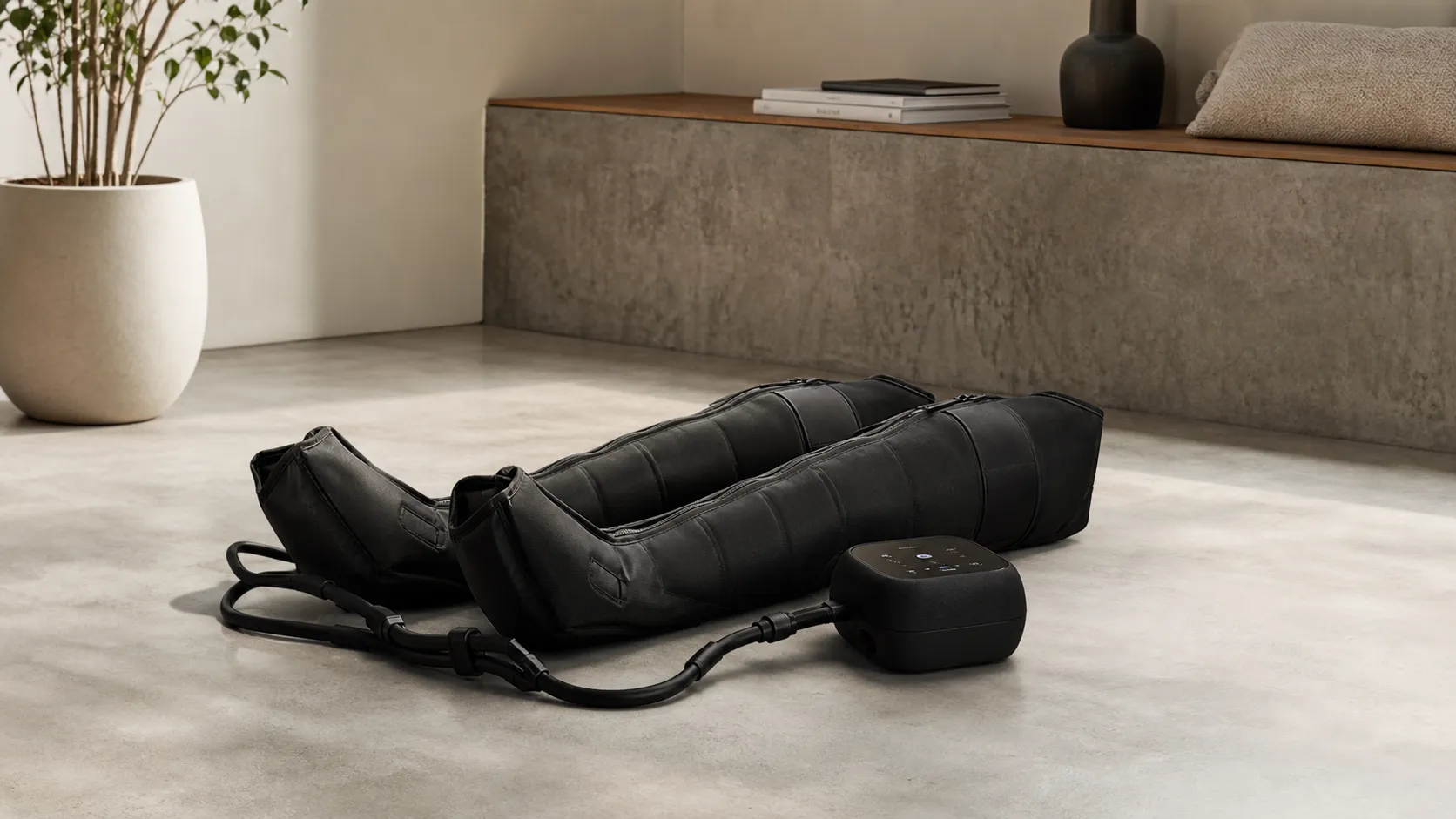
Hyperice Normatec 3.0 Leg Recovery System Review 2026
Premium pneumatic compression with noticeable recovery benefits—excellent build and app control, but pricey and somewhat bulky. Best for frequent athletes and clinics.
 Fitness & Wellness
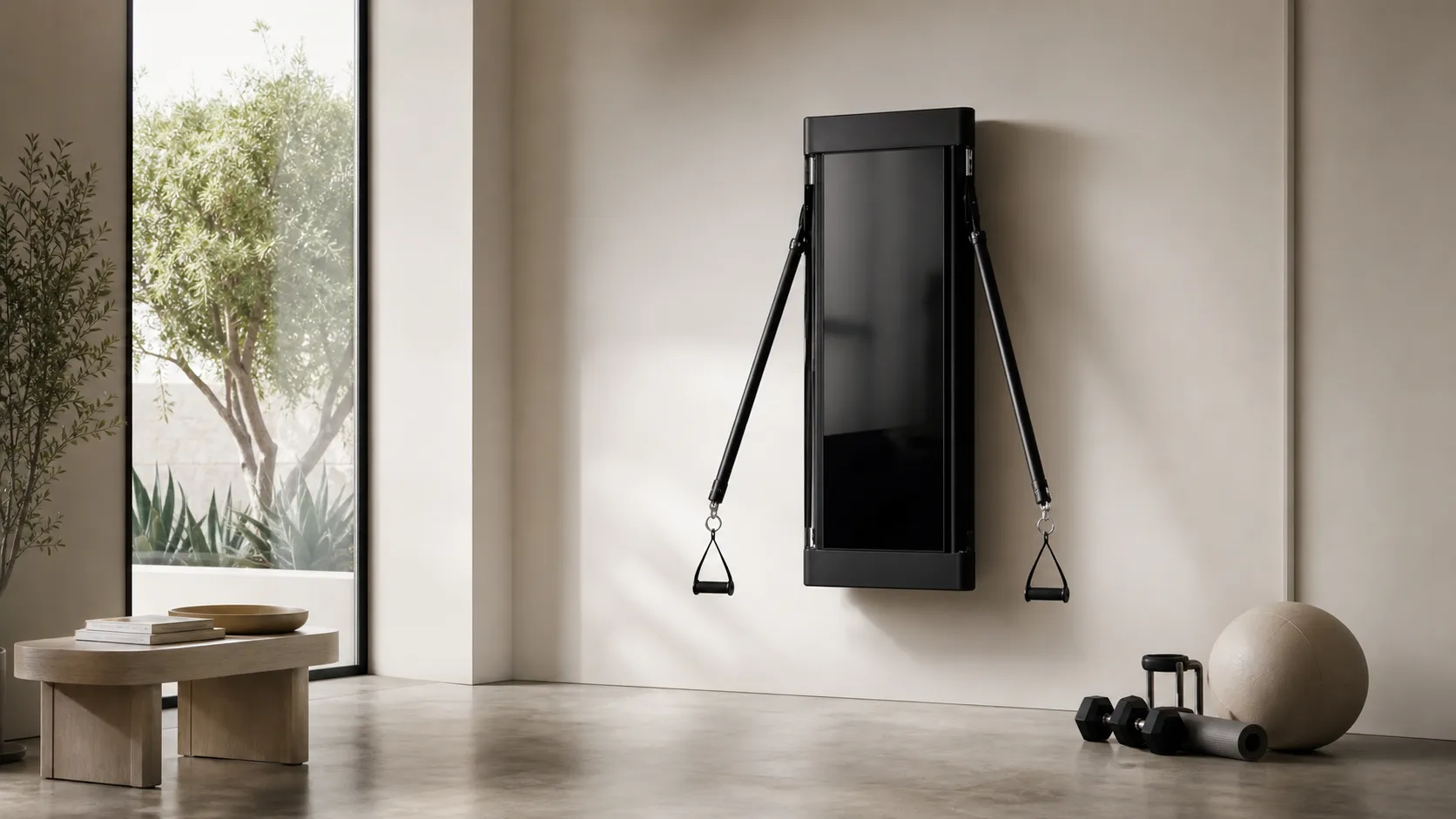
Tonal Smart Home Gym Review 2026
A high-end, wall-mounted smart gym with excellent coaching and space-saving design. Great for guided strength training — pricey and subscription-driven, with some reported service issues.
 Fitness & Wellness
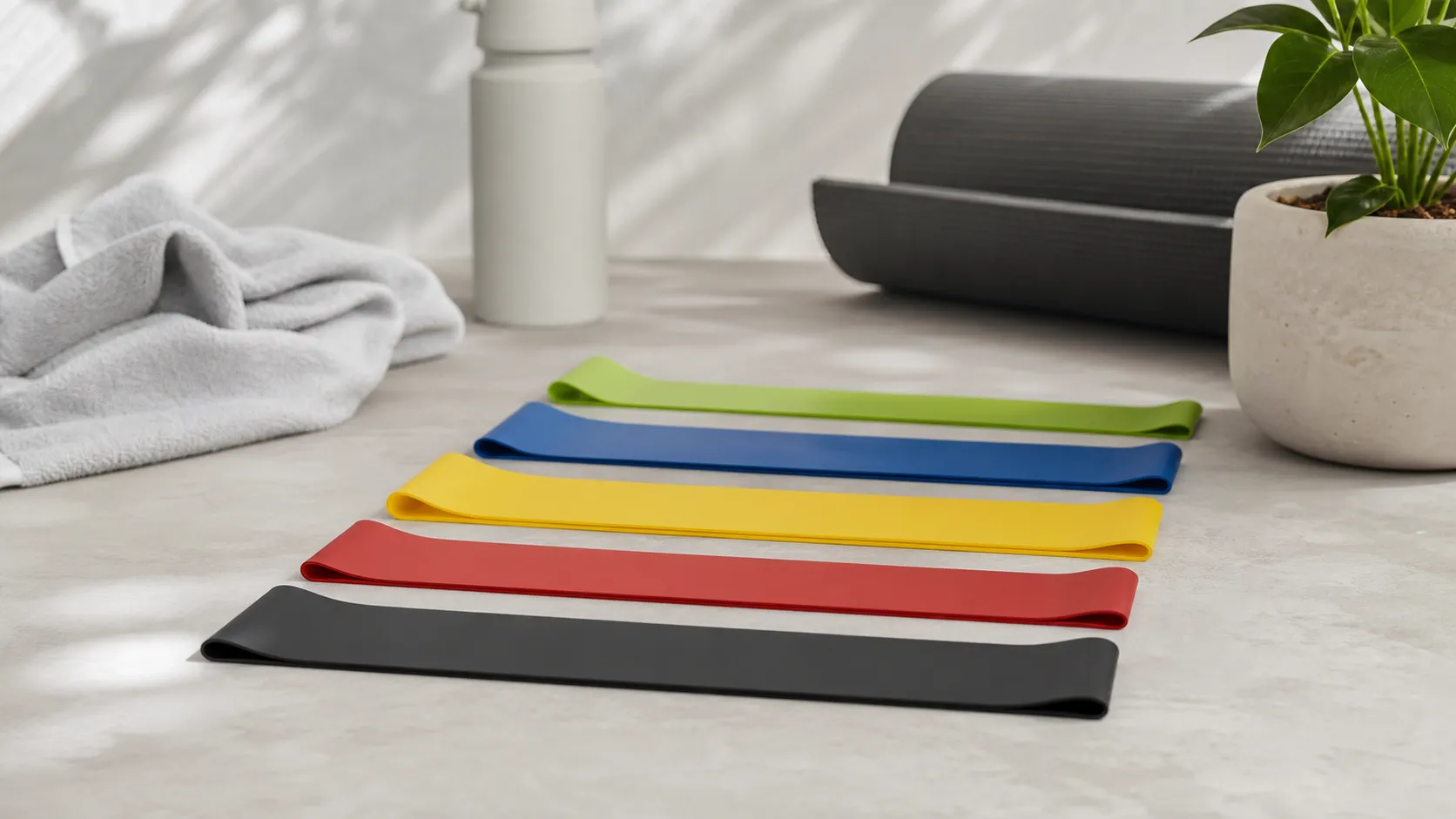
Fit Simplify Resistance Loop Bands Review 2026
Affordable, portable loop bands that excel for beginners, warm-ups, and rehab. Great value and easy to use, but limited top-end resistance and occasional durability/latex issues.