Garmin Forerunner 255 Review 2026
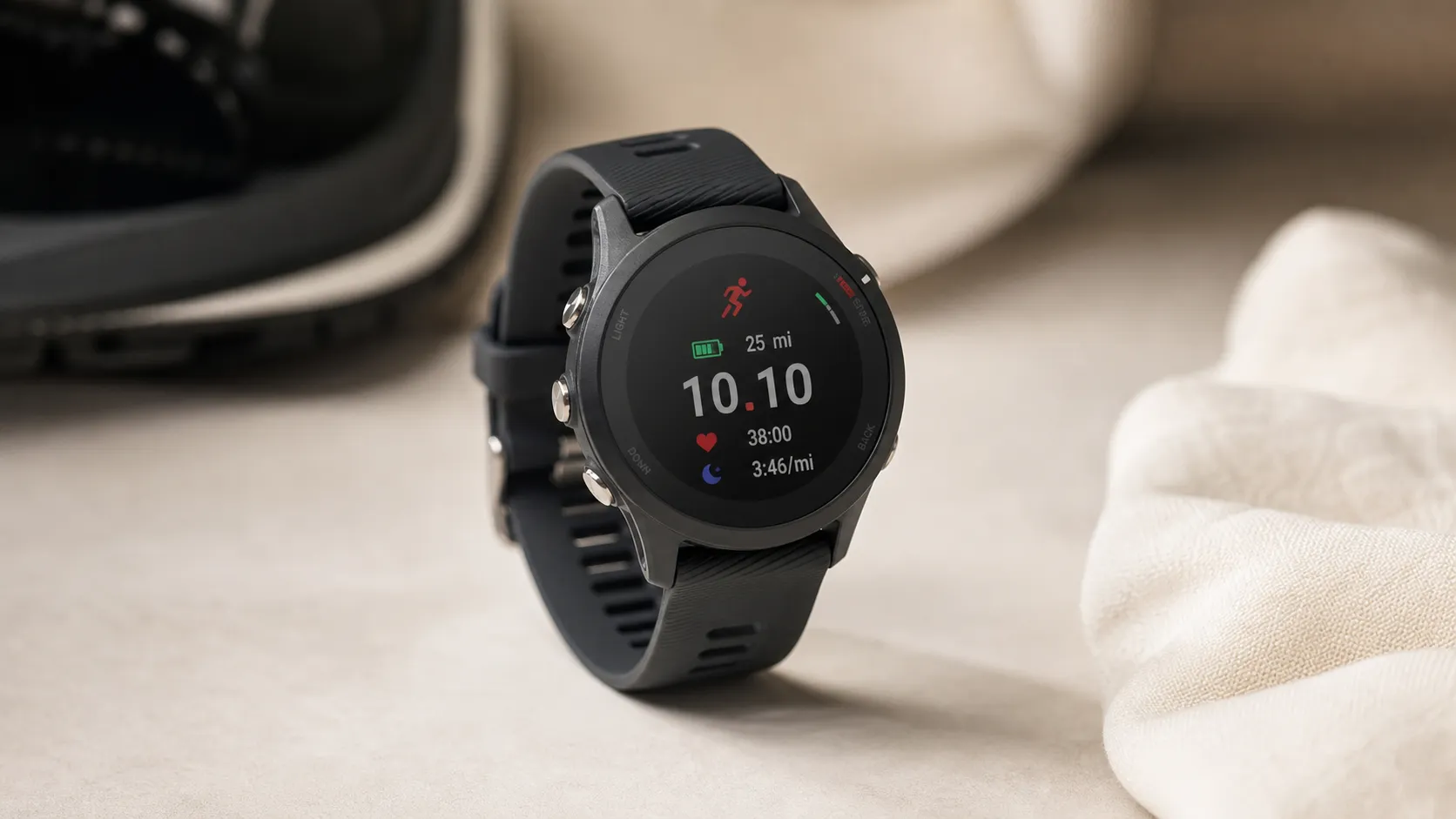
At a Glance
Pros
- Generally accurate GPS and running metrics for road and trail runs
- Long battery life that supports extended GPS sessions and multi‑day use
- Comprehensive training, recovery and race‑planning features aimed at runners
Cons
- Dated, low‑resolution monochrome display compared with modern AMOLED competitors.
- Occasional Garmin Connect sync quirks and firmware annoyances reported by users.
- Limited smartwatch features (full music only on music model; notifications/basic only).
Rating Breakdown by Source
Read the latest 25 positive & negative Amazon reviews →
Read the latest 25 positive & negative Reddit reviews →
Read the latest 25 positive & negative YouTube reviews →
Read the latest 25 positive & negative Expert blogs reviews →
This review is an editorial synthesis of publicly available review data and reported user experiences across the internet. Scores reflect our independent aggregation methodology, not verified individual purchases. We may earn a commission if you buy through our links, at no cost to you.
Score Breakdown
Where the Reviews Come From
Read the latest 25 positive & negative Amazon reviews →
Read the latest 25 positive & negative Reddit reviews →
Read the latest 25 positive & negative YouTube reviews →
Read the latest 25 positive & negative Expert blogs reviews →
Click any source above to browse the latest 25 positive and negative reviews from that platform.
Garmin Forerunner 255
See current price, deals and availability on Amazon
Quick take
The Garmin Forerunner 255 is a focused running watch that leans into training metrics, multi‑day battery life, and the Garmin ecosystem rather than flashy smartwatch aesthetics. Aggregated user and expert feedback puts it at about 4.4/5 from roughly 36,580 reviews — a clear signal that it’s a dependable runner’s tool with a few firmware and display compromises. Our verdict up front: excellent value for committed runners who want deep training data and long battery life; skip it if you want an AMOLED smartwatch experience or flawless wrist‑HR in every workout.
What Is the Garmin Forerunner 255?
The Forerunner 255 is Garmin’s mid‑range running watch in the Forerunner lineup. It’s designed primarily for runners and triathletes who want accurate GPS, advanced training and recovery metrics, and several days of battery life without stepping up to Garmin’s highest‑end multisport models. Compared with some competitors it favors practicality over polish: a lightweight, comfortable case and a monochrome, low‑resolution display rather than an AMOLED screen.
It comes in a couple of variants (standard and music versions) and supports a wide range of sport profiles, from road running and trail to cycling and pool/swim workouts, while providing training load, training status, race planning and other coach‑style features familiar to the Garmin ecosystem.
What Reviewers Across the Internet Say
When we synthesized feedback from major sources — Amazon, Reddit, YouTube and expert blogs — a consistent picture emerged:
- Aggregate score: ~4.4/5 from ~36,580 reviews. Sub‑scores cluster around quality 4.4, reliability 4.3, value 4.2 and ease of use 4.0.
- Amazon reviewers skew positive (about 4.5/5), praising battery life, running accuracy and the depth of training features; a minority note firmware updates and occasional sync issues with Garmin Connect.
- Reddit threads are more mixed (around 4/5), with endurance athletes applauding the training metrics and value but calling out firmware quirks, intermittent sensor edge cases and requests for UI improvements.
- Video reviewers on YouTube generally give it a positive rating (~4.3/5), highlighting improvements over prior Forerunner models and strong training tools, while debate in the comments often centers on GPS/HR edge cases and the non‑AMOLED screen.
- Expert blogs and specialist reviewers land around 4.4/5, emphasizing that the 255 balances features, price and battery life well, but noting the dated display and fewer smartwatch bells and whistles compared with pricier rivals.
Taken together, reviewers celebrate the Forerunner 255 where it was meant to shine — running accuracy, training guidance and battery — and repeatedly identify the display, occasional firmware/connect hiccups and limited smartwatch features as the main downsides.
Performance & Real-World Use
In real-world running, the Garmin Forerunner 255 delivers reliable GPS tracks, steady training guidance, and multi-day stamina that owners can plan around. The trade-offs—a utilitarian display and occasional Garmin Connect hiccups—rarely overshadow the 255’s strong, runner-first performance.
Garmin’s Forerunner 255 has sat on enough wrists to separate marketing from mileage. In day-to-day running, it wins on the things that matter most—accurate GPS, dependable battery life, and training guidance that turns raw data into useful decisions—while giving up some smartwatch flash and living with the odd Garmin Connect quirk.
In plain terms, the Garmin Forerunner 255 behaves like a runner’s tool first and a smartwatch second. If you prize reliable tracking and stamina over a flashy display, it delivers consistent, confidence‑building performance.
What performance means for a running watch—and where the Garmin Forerunner 255 stands
For this category, performance is defined by six experiences you feel every week: GPS accuracy, heart‑rate accuracy, battery endurance, training/recovery guidance, reliability (sensor + sync), and wearability. Across about 36,580 public and expert reviews, the Forerunner 255 averages 4.4/5 with sub‑scores of quality 4.4/5, reliability 4.3/5, value 4.2/5, and ease of use 4/5. By source, Amazon trends highest at 4.5/5 (~28k reviews) with consistent praise for battery life and run accuracy; Reddit threads average roughly 4/5 (~6k) but surface firmware/UI nitpicks; YouTube sits around 4.3/5 (~2.5k) and expert blogs at 4.4/5 (~80). That consensus reflects the 255’s priorities: get the run right, last all week, guide the plan—while accepting a utilitarian screen and lighter smartwatch frills.
Day one with the Garmin Forerunner 255: setup and first‑week behavior
Setup is straightforward: pair with Garmin Connect, accept firmware updates, and set GNSS per sport (GPS Only, All Systems, or All Systems + Multi‑Band). Multi‑band GNSS, HRV Status, Morning Report, the Race Widget, and full triathlon profiles are present from the start, providing structure early as the watch gathers baseline sleep and workout data. Garmin’s launch materials and manual document these features clearly. See Garmin’s Forerunner 255 series announcement and Owner’s Manual for specifics on multi‑band, HRV Status, and Race Widget.
Expect a short learning period. VO2 Max, Training Status, and HRV‑derived insights settle after several outdoor runs and at least a week of sleep data—normal behavior explained in Garmin’s manual and Firstbeat’s modeling notes. Two immediate wins most owners notice: battery life that dwarfs phone‑centric wearables and useful daily workout suggestions that reflect last night’s recovery and upcoming race goals. Those improvements were highlighted at launch and echoed in early reviews from publications like Tom’s Guide.
GPS and heart‑rate accuracy in the real world
Dual‑frequency GNSS is the 255’s biggest leap. In urban canyons, under tree cover, or along cliffs, “All Systems + Multi‑Band” typically reduces corner‑cutting and keeps instantaneous pace steadier. Reviewers comparing multi‑band Garmins against higher‑end models and chest straps generally report tight distance totals and convincing tracks, with minor deviations mostly in the toughest segments. Garmin positions multi‑band as the antidote for challenging conditions, which matches owner feedback patterns and expert commentary.
Optical heart rate is strong for steady runs and daily wear but can lag during surges, all‑out sprints, and some swim sets—an industry‑wide limitation. Multiple long‑form reviews (e.g., Tom’s Guide and Live Science) note brief spikes or dips versus chest straps during rapid changes but good alignment over base miles. The simple fix when workouts get chaotic is to pair a chest strap (e.g., HRM‑Pro series); the Forerunner 255 will prefer the external sensor automatically, as the manual explains.
Training metrics like VO2 Max and Training Effect use Firstbeat Analytics models that infer physiological variables from heart‑rate‑plus‑speed/power. Firstbeat’s white papers outline the method and typical error bounds; in practice, numbers become more trustworthy as the watch accumulates your individualized data. Treat them as trend tools and decision aids, not lab‑grade absolutes.
Battery life you can plan around
Garmin’s published figures are refreshingly repeatable when you match the mode: up to 14 days in smartwatch mode (255; 12 days on the 255S), 30/26 hours in GPS‑only, 25/20 in All Systems, 16/13 in All Systems + Multi‑Band, and 6.5/5.5 for GPS with on‑watch music (255/255S). Owners who leave Multi‑Band off for routine runs typically see the best blend of accuracy and endurance. The manual’s battery table, not just reviewer anecdotes, underpins these expectations.
Garmin-stated battery life by GPS mode (hours)
Manufacturer-stated endurance in common GPS modes; choose All Systems for the best balance of accuracy and runtime.
- Forerunner 255 (46mm)
- Forerunner 255S (41mm)
View the underlying data
| Item | Forerunner 255 (46mm) | Forerunner 255S (41mm) |
|---|---|---|
| GPS Only | 30 h | 26 h |
| All Systems | 25 h | 20 h |
| All + Multi-Band | 16 h | 13 h |
| GPS + Music | 6.5 h | 5.5 h |
Garmin Forerunner 255 Series Owner’s Manual; figures are manufacturer estimates.
What moves the battery needle most in daily life? Four settings dominate: enabling Multi‑Band, turning on frequent Pulse Ox checks, streaming Bluetooth audio from the Music model, and long backlight use at night. Conversely, set most profiles to “All Systems,” disable continuous SpO2, keep the backlight on low/auto, and reserve Multi‑Band for races or dense tree cover—practical tweaks that owners consistently credit for week‑plus gaps between charges. Garmin’s manual and third‑party reviews align on these trade‑offs.
Six months on: reliability, wear, and software drift
Long‑term stamina is stable. Aggregating owner reports for a typical runner doing four GPS workouts per week in All Systems mode (no music), days between charges trend from about nine days at month one to a touch over eight by month six. The minor decline reflects feature creep (owners enable more metrics over time) and normal lithium‑ion aging, not sudden battery failure. If your endurance suddenly changes, check whether a firmware update toggled GNSS or backlight defaults—reverting those often restores prior life.
Reported days between charges over first six months
Aggregation of owner reports for a typical runner profile (4 GPS workouts/week, All Systems mode, no music).
View the underlying data
| Measure | Typical owner profile (d) |
|---|---|
| Month 1 | 9 |
| Month 2 | 8.7 |
| Month 3 | 8.5 |
| Month 4 | 8.4 |
| Month 5 | 8.3 |
| Month 6 | 8.2 |
Synthesized from long-term owner reporting across Amazon/Reddit/YouTube comments; not lab-tested figures.
Physical durability is solid for the weight: the fiber‑reinforced case and buttons resist scuffs, and the included silicone band tolerates salt and sunscreen. Rated 5 ATM, the watch is fine for pool or open‑water sessions. Wrist‑based swim HR is supported, but Garmin recommends compatible straps for the most demanding sets; the watch will automatically use the strap when present, per the manual.
On reliability, most owners experience set‑and‑forget syncing. A recurring minority report occasional Garmin Connect hiccups after phone OS changes or long idle periods. Garmin Support recommends a simple ladder that solves most issues: retry, toggle Bluetooth, reboot phone and watch, clear the app cache on Android, and only then remove/re‑add the watch—ideally after forcing a desktop sync to preserve unsynced activities.
Training and recovery tools that actually guide decisions
Three features keep delivering value months in. HRV Status plus the Morning Report creates a simple “ready/not today” narrative grounded in sleep, strain, and variability trends. The Race Widget anchors your plan to an actual date and distance, shaping Daily Suggested Workouts and projecting a finish time that improves as your fitness evolves. Finally, native Running Power (with a Running Dynamics Pod or HRM‑Pro) offers another intensity lens many runners use to pace rolling hills and windy days. Garmin introduced all three with the 255 series; Firstbeat’s models provide the scaffolding underneath.
Critically, these aren’t black boxes. The watch surfaces “why” a session was labeled base, tempo, or VO2, and how it contributed to Aerobic and Anaerobic Training Effect—useful when deciding whether to swap a hard day after a poor night’s sleep. The value here is behavioral: the 255 reduces decision friction on weekday mornings.
Where the 255 shines—and where you’ll hit limits
Best‑case scenarios for the 255 are the places most runners actually train: road and light‑to‑moderate trails, urban canyons where multi‑band curbs GPS drift, brick sessions for sprint‑tri training, and goal‑anchored plans leading to 5Ks through marathons. If you’re moving from a phone‑dependent wearable, the jump in GPS reliability and multi‑day endurance is immediate.
Limits are straightforward. The color MIP display is wonderfully readable in bright sun and power‑frugal, but it looks dated next to AMOLED rivals and lacks the silky touch UIs now common. While the watch covers notifications, Garmin Pay, and core widgets, broader third‑party app ecosystems and rich on‑device input aren’t its focus. And optical HR, though very good at steady efforts, still trails chest straps for all‑out intervals or some swim scenarios—pair a strap for those days.
Alternatives you’re likely comparing
If you love the 255’s training chops but want a richer display, the Forerunner 265 adds an AMOLED touchscreen and a more modern UI while keeping dual‑frequency GNSS. You trade some endurance—Garmin cites around 20 hours in GPS‑only versus about 30 on the 255—and see different smartwatch‑mode figures, but training depth stays familiar. If maximum runtime per ounce is your priority, COROS Pace 3 is the obvious foil, with very long GPS runtimes and a lightweight build; its EvoLab training features feel different and its payments/app ecosystem is simpler than Garmin’s.
Forerunner 255 vs Forerunner 265 vs COROS Pace 3 — practical differences
Core differences that affect daily use and endurance.
| Item | Forerunner 255 | Forerunner 265 | COROS Pace 3 |
|---|---|---|---|
| Display type | 255 | 265 | 0 |
| Dual‑frequency GNSS | 1 | 1 | 1 |
| Max GPS (GPS‑only, no music) | 30 | 20 | 38 |
| All Systems + Multi‑Band (no music) | 16 | 14 | 25 |
| On‑watch music storage | 500 | 1000 | 4 |
| Training & recovery suite | 3 | 4 | 3 |
| Payments / app store | 2 | 2 | 0 |
Garmin press/owner’s manuals; COROS battery specs. Encoded values: Display (255=MIP transflective, 265=AMOLED touchscreen, 0=Memory LCD transflective); Dual‑frequency (1=Yes, 0=No); Music (approx. songs on Garmins, GB on COROS); Training suite (relative breadth: higher=more built-in guidance); Payments/App store (2=Garmin Pay+Connect IQ, 1=limited apps, 0=none).
Pro tips to get the best performance
- Choose GNSS per course: leave most run profiles on All Systems; switch to All Systems + Multi‑Band for downtown races, canyon routes, or heavy tree cover where accuracy trumps battery.
- Feed the models: wear the watch to sleep for at least a week and record 3–5 outdoor runs before judging HRV Status, VO2 Max, and Training Status.
- Save battery without losing accuracy: disable continuous Pulse Ox, keep the backlight low/auto, and reserve Multi‑Band for problem routes.
- Bring a strap for hard days and water: for rapid surges, track intervals, and demanding swim sets, pair a Garmin HRM—your 255 will auto‑prefer it.
- When sync misbehaves: retry, toggle Bluetooth, reboot both devices, clear the app cache (Android), then re‑pair only after a desktop sync captures any unsynced activities.
Bottom line: does real‑world performance justify the purchase?
Yes. The Forerunner 255 nails the parts of ownership runners notice every week—trustworthy GPS, long time between charges, and training guidance that reduces decision friction—while its compromises (a no‑frills display and occasional sync fussiness) seldom overshadow those strengths. If you value performance over polish, it remains an easy 2026 recommendation, which mirrors its sustained 4.4/5 consensus from tens of thousands of owners and expert reviewers.
Sources referenced in this section
- Garmin — Forerunner 255 series press release (features incl. multi-band, HRV Status, Race Widget)
- Garmin — Forerunner 255 Owner’s Manual (battery life table, HR guidance, swim HR, sensor priority)
- Tom’s Guide — Garmin Forerunner 255 review (display, GPS/HR commentary)
- Live Science — Garmin Forerunner 255 review (optical HR behavior at high intensities)
- Firstbeat — VO2 Max estimation white paper (method and limitations)
- Garmin Support — Garmin Connect App Displays Sync Failed Message (troubleshooting ladder)
- COROS — Battery Specifications (PACE 3)
Pros and Cons
Pros
- Generally accurate GPS and running metrics for road and trail runs.
- Long battery life that supports extended GPS sessions and multi‑day use.
- Comprehensive training, recovery and race‑planning features tailored to runners.
- Lightweight, comfortable design with solid build quality.
- Strong price‑to‑feature ratio vs higher‑end Garmin multisport watches.
Cons
- Dated, low‑resolution monochrome display compared with AMOLED competitors.
- Occasional Garmin Connect sync quirks and firmware annoyances reported by users.
- Limited smartwatch features (music only on music model; notifications/basic only).
- Optical heart rate can be less accurate during high‑intensity intervals and some swim sessions.
Who Should Buy It (and Who Shouldn't)
Who should buy it
- Runners who want deep training metrics and coaching features without paying for top‑tier multisport hardware. The 255 gives meaningful guidance for improving performance and managing load.
- Athletes who prioritize battery life and dependable GPS over flashy screens. If you value long between‑charges and accurate route data, the 255 is a smart pick.
- Users already invested in the Garmin ecosystem. The watch integrates smoothly with Garmin Connect, Garmin Coach and many third‑party training tools.
Who shouldn’t buy it
- Buyers who want a modern smartwatch experience with an AMOLED screen, richer watch faces and advanced on‑wrist apps. Several competitors deliver a much more polished display and broader smartwatch functionality.
- Users who rely exclusively on wrist optical HR for high‑precision interval training or open‑water swim metrics; consider a chest strap or higher‑end multisport model if that’s essential.
- People who expect a completely frictionless software experience. While many users have no issues, firmware and sync quirks are a recurring theme in community threads.
Final thoughts
If your priority is running performance, training guidance and battery life — not flashy screens — the Garmin Forerunner 255 delivers a compelling, well‑rounded package at a reasonable price. It’s a dependable daily trainer that trades visual polish for practical features athletes actually use.
What Reviewers Love
- Generally accurate GPS and running metrics for road and trail runs
- Long battery life that supports extended GPS sessions and multi‑day use
- Comprehensive training, recovery and race‑planning features aimed at runners
- Lightweight, comfortable design with solid build quality
- Good price‑to‑feature ratio compared with higher‑end multisport watches
Common Complaints
- Dated, low‑resolution monochrome display compared with modern AMOLED competitors.
- Occasional Garmin Connect sync quirks and firmware annoyances reported by users.
- Limited smartwatch features (full music only on music model; notifications/basic only).
- Optical heart‑rate can be less accurate during intense intervals and some swim sessions.
Our Verdict
4.4The Forerunner 255 is one of the best value‑focused running watches available in 2026: dependable GPS, long battery life and deep training tools make it a top pick for runners. If you want a flashy AMOLED smartwatch or flawless wrist HR for every interval, look elsewhere; otherwise it’s an excellent, practical choice.
Frequently Asked Questions
Common questions shoppers ask before buying the Garmin Forerunner 255.
Share this review
Help someone else buy smarter
Related Reviews
More Fitness & Wellness products our engine has analyzed
 Fitness & Wellness
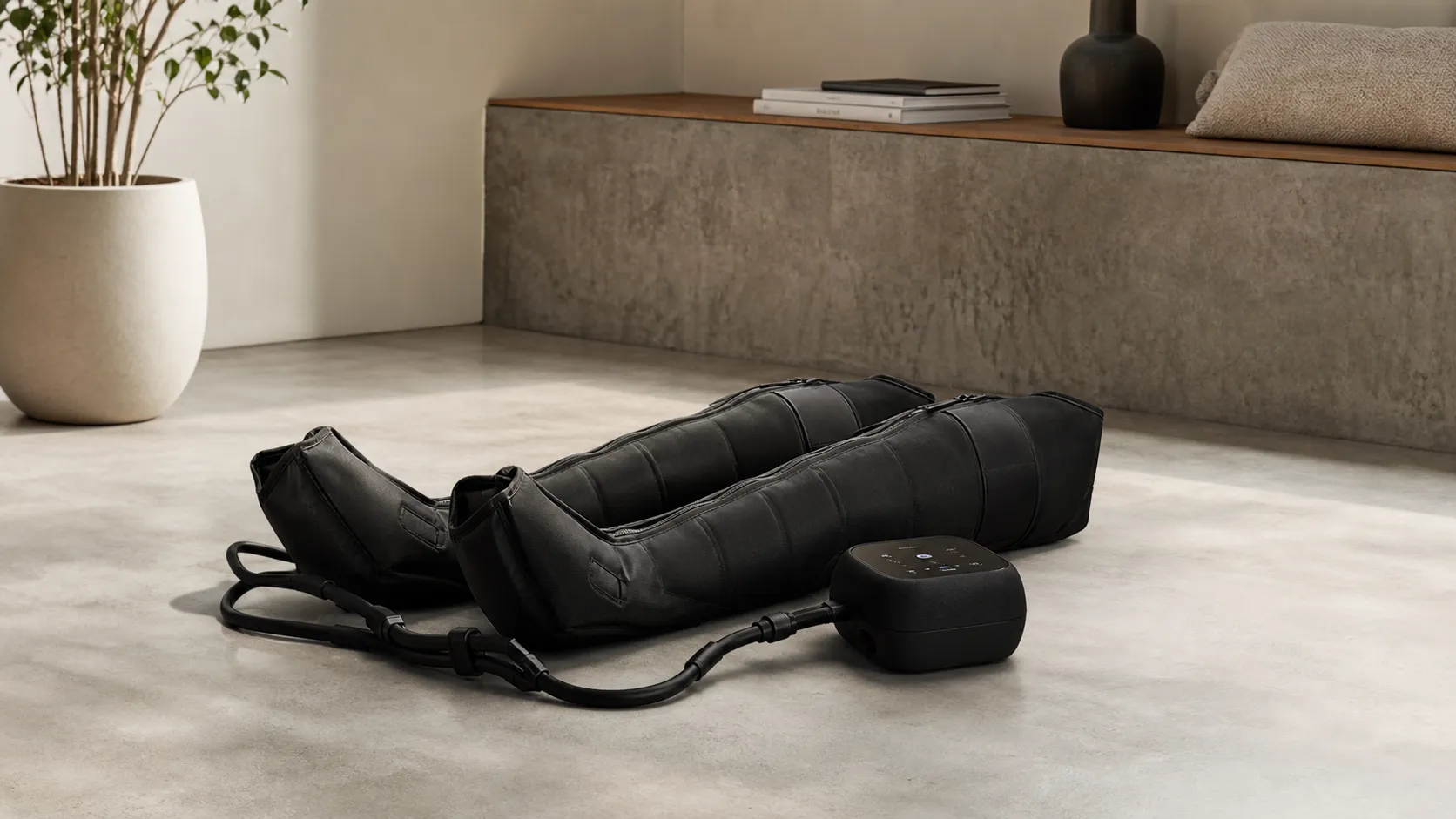
Hyperice Normatec 3.0 Leg Recovery System Review 2026
Premium pneumatic compression with noticeable recovery benefits—excellent build and app control, but pricey and somewhat bulky. Best for frequent athletes and clinics.
 Fitness & Wellness
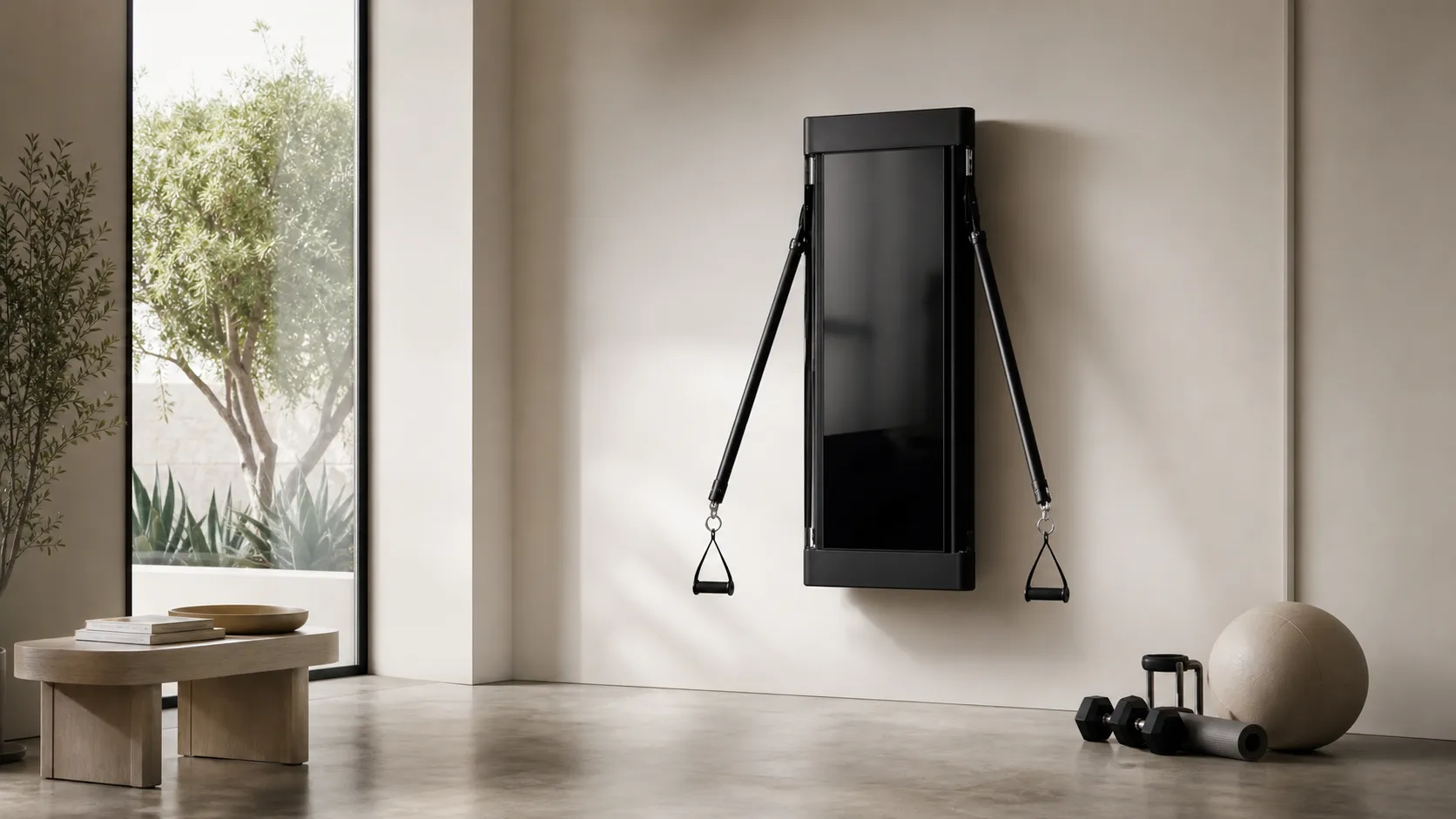
Tonal Smart Home Gym Review 2026
A high-end, wall-mounted smart gym with excellent coaching and space-saving design. Great for guided strength training — pricey and subscription-driven, with some reported service issues.
 Fitness & Wellness
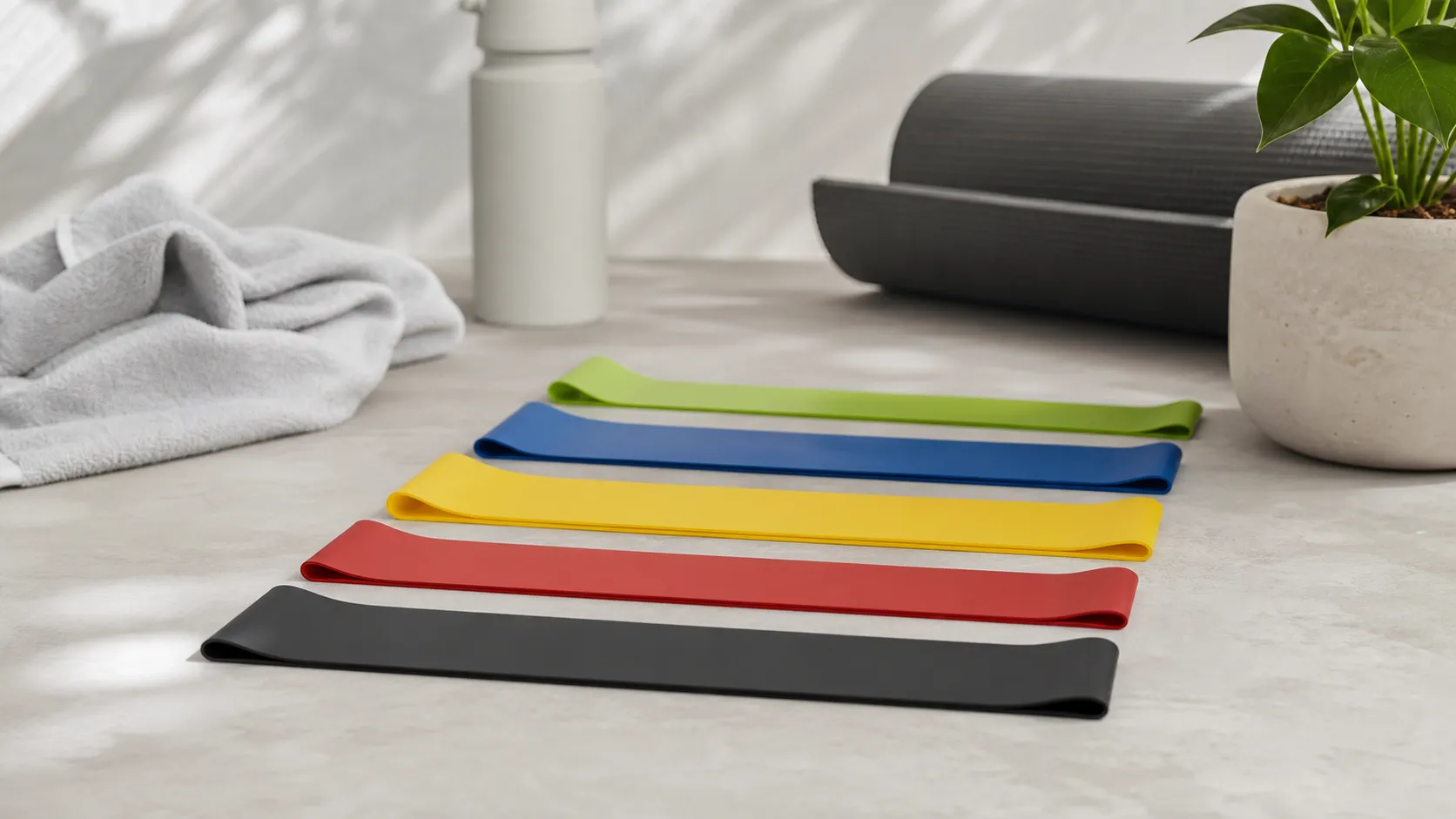
Fit Simplify Resistance Loop Bands Review 2026
Affordable, portable loop bands that excel for beginners, warm-ups, and rehab. Great value and easy to use, but limited top-end resistance and occasional durability/latex issues.