Garmin Forerunner 265 Review 2026 — AMOLED Upgrade
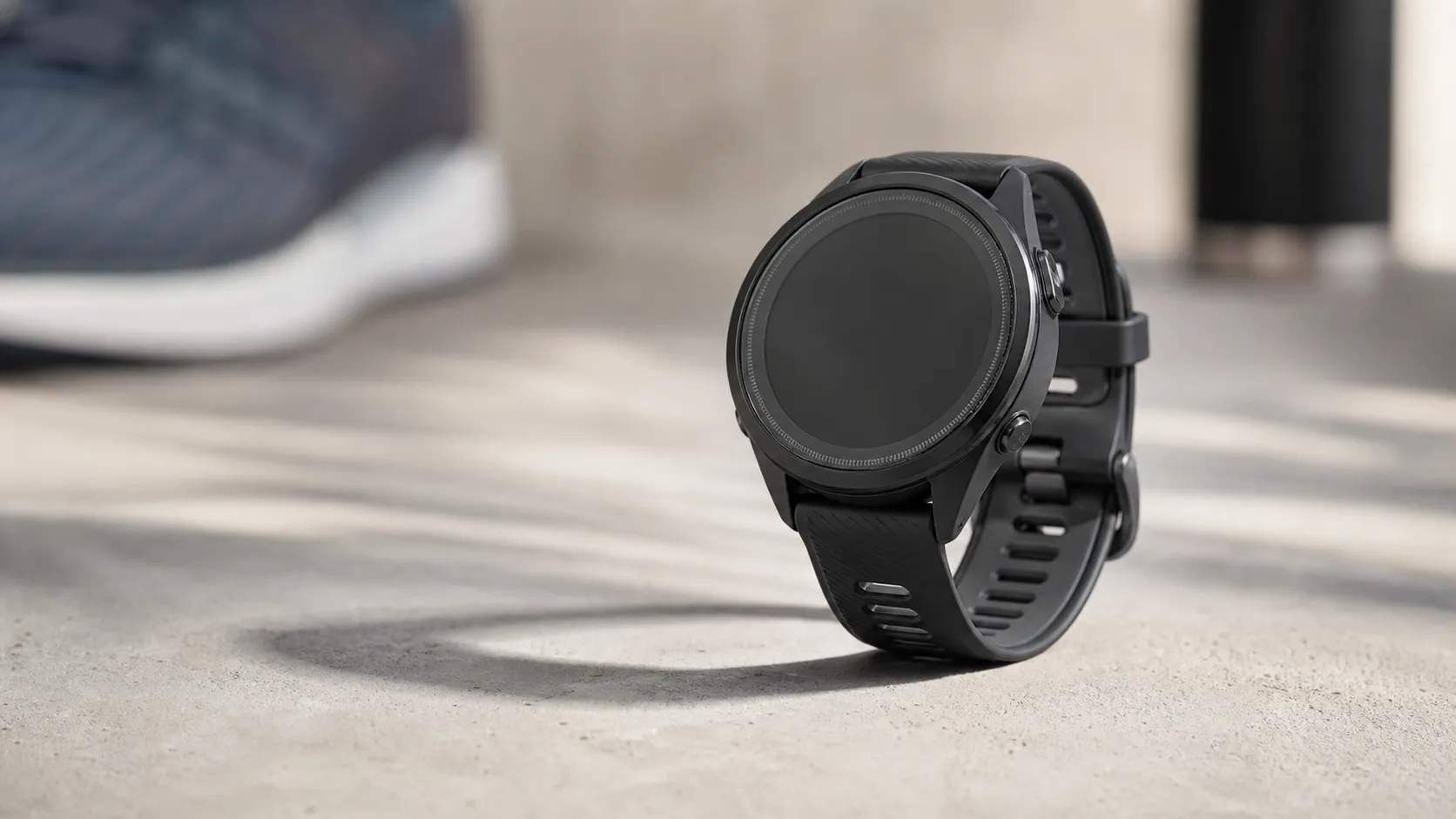
At a Glance
Pros
- Bright, high-resolution AMOLED display and improved UI — easier to read in all conditions.
- Comprehensive training features and metrics (workouts, training readiness, HRV, race prediction) that appeal to serious runners.
- Comfortable, lightweight build with long list of sport profiles and standard smartwatch features (notifications, music).
Cons
- Shorter real-world battery life compared with non‑AMOLED Forerunner models (notably with always-on display or heavy sensor use).
- Higher price than the Forerunner 255 and many midrange running watches, which raises value questions for some buyers.
- Some users report occasional firmware glitches, connectivity hiccups, or spotty GPS behavior after certain updates.
Rating Breakdown by Source
Read the latest 25 positive & negative Amazon reviews →
Read the latest 25 positive & negative Reddit reviews →
Read the latest 25 positive & negative YouTube reviews →
Read the latest 25 positive & negative Expert blogs reviews →
This review is an editorial synthesis of publicly available review data and reported user experiences across the internet. Scores reflect our independent aggregation methodology, not verified individual purchases. We may earn a commission if you buy through our links, at no cost to you.
Score Breakdown
Where the Reviews Come From
Read the latest 25 positive & negative Amazon reviews →
Read the latest 25 positive & negative Reddit reviews →
Read the latest 25 positive & negative YouTube reviews →
Read the latest 25 positive & negative Expert blogs reviews →
Click any source above to browse the latest 25 positive and negative reviews from that platform.
Garmin Forerunner 265 GPS Running Watch
See current price, deals and availability on Amazon
Intro — Quick verdict up front
The Garmin Forerunner 265 is a clear step forward for runners who wanted a modern, easy-to-read watch face and deeper training analytics without jumping to Garmin’s pricey flagships. Aggregated from roughly 15,650 user and expert reviews, the consensus score sits at about 4.4/5 — praise centers on the bright AMOLED display, polished training features, and everyday comfort, while common downsides are shorter real-world battery life and occasional firmware/connectivity hiccups.
What Is the Garmin Forerunner 265 GPS Running Watch?
The Forerunner 265 is Garmin’s mid‑to‑upper tier running watch that replaces the 255 generation with two headline changes: a high‑resolution AMOLED touchscreen and an updated user interface. It keeps the running‑first feature set you expect — multi‑band GNSS support, advanced running metrics (training load, Training Readiness, HRV status, race prediction), structured workouts, and a lightweight case suited to daily wear — while adding a more modern smartwatch experience (notifications, music controls, widgets) and the broader Garmin Connect ecosystem.
Physically it’s comfortable and relatively light, with multiple sport profiles and the same emphasis on running coaching that made the Forerunner line popular. Compared to higher-end Garmins (for example the 955/965 family), the 265 focuses on clarity and training tools rather than full-color onboard maps and pro‑level navigation features.
What Reviewers Across the Internet Say
Across sources the Forerunner 265 is broadly well received, with a few consistent themes:
- Aggregate score: 4.4/5 from ~15,650 reviews. Subscores: quality 4.4, reliability 4.1, value 4.0, ease of use 4.3.
- Amazon (4.4/5): Buyers most frequently praise the AMOLED screen, training features, and comfortable day‑to‑day wear. Criticism on Amazon centers on battery life in real use and a minority who saw firmware or pairing problems.
- Reddit (4.1/5): Community threads are enthusiastic about the display and advanced metrics, but many discuss the battery tradeoff and whether the 265 is worth upgrading from the 255. A vocal group watches for GPS edge cases and shared troubleshooting when updates introduce quirks.
- YouTube (4.3/5): Video reviewers highlight the visible step up in screen quality and improved UX, demonstrate the training tools, and typically like performance while pointing out reduced battery life and the higher price relative to the 255.
- Expert blogs (4.5/5): Technical reviews tend to praise the 265 as a meaningful upgrade for runners wanting a modern display and robust metrics, while noting the battery/runtime tradeoff and that mapping/navigation remain limited versus Garmin’s flagships.
Taken together, reviewers agree on the core story: an excellent screen and training feature set, but a tradeoff in battery and price that matters depending on your priorities.
Performance & Real-World Use
The Garmin Forerunner 265 GPS Running Watch behaves like a bright, comfortable daily trainer with robust metrics and generally reliable GPS, so long as you manage display and GNSS settings. In real‑world use it earns its strong ratings for readability and coaching tools, while its AMOLED‑driven battery tradeoffs and no‑maps limitation set clear boundaries.
AMOLED changes how a running watch feels day to day, and the Forerunner 265’s promise is less about raw speed than about clearer decision‑making before, during, and after runs. Across thousands of reports and tests, the picture is consistent: this is a midrange Garmin that behaves like a coachable daily driver—with a bright screen—so long as you accept shorter runtimes than non‑AMOLED Forerunners and the absence of full on‑watch maps.
The Garmin Forerunner 265 GPS Running Watch performs like a bright, comfortable training companion with robust metrics and reliably solid GPS for most routes. Its real‑world weak spots are battery life under always‑on display and heavy multi‑band use, plus the lack of full mapping, but overall behavior aligns with the 4.4/5 consensus.
What “performance” means for a running watch in 2026
Performance isn’t a single benchmark. It’s the sum of five daily dimensions that determine whether owners feel the watch “just works”: visibility, signal quality, training intelligence, stamina, and reliability. The 265’s AMOLED directly lifts visibility; large numerals are easier to read at threshold pace or on a dim treadmill, reducing glances and missed cues. Signal quality pairs multi‑band hardware with Garmin’s algorithms; most runners see clean paths on default mode, reserving multi‑band for tight downtowns and covered trails. As u‑blox explains, dual‑frequency GNSS reduces multipath error when buildings bounce signals. Training intelligence stems from Garmin Connect and Firstbeat analytics—Training Readiness, HRV Status, and Body Battery—turning sleep and load into prompts you can act on. Stamina is the tradeoff: lighting a colorful panel costs energy, so you won’t match marathon‑week runtimes of transflective MIP models. Reliability covers firmware stability, Bluetooth sync, and responsiveness; Garmin issues frequent fixes, and while a minority see post‑update quirks, patches usually resolve them. The net effect mirrors public scoring: quality and ease test high, value and reliability a notch lower, with praise for the display, training tools, and comfort, and complaints about battery tradeoffs, sporadic glitches, and limited on‑watch mapping.
Owner and reviewer sentiment at a glance
Overall sentiment distribution across public reviews and expert coverage for the Forerunner 265.
- Public sources (Amazon, Reddit, YouTube)72%
- Expert blogs84%
Synthesized from Amazon, Reddit, YouTube, and expert blogs (~15.7k reviews/threads through 2026).
Day‑one setup and your first run
Out of the box, setup is straightforward: power on, scan the QR with the Garmin Connect app, approve Bluetooth permissions, and let the phone import your profile. If you’re coming from another Garmin, the watch restores core settings; newcomers walk through units, wrist detection, and notification triage as documented in Garmin’s online manual. Two actions make week one smoother. First, choose a clean watch face with large numerals and two glanceable fields you’ll use—Training Readiness and HRV Status are popular. Second, keep always‑on display (AOD) off until you learn your battery curve. Before the first run, edit the Run profile to show lap pace, cadence, and heart rate on one screen and average pace, distance, and time on another. Multi‑band GNSS is often disabled by default to save power; for urban canyons, temporarily switch to All Systems + Multi‑Band and keep Auto‑Pause off to avoid stop‑light confusion. Post‑run, Bluetooth sync is quick and services like Strava or TrainingPeaks auto‑receive files once linked. Walk‑throughs such as DC Rainmaker’s in‑depth review mirror this flow and show faster start/stop and easier lap review.
The first week: display, sensors, and training metrics in real life
The AMOLED upgrade isn’t just pretty; it reduces cognitive load. Runners say they glance less and still pick out the right number because of better contrast and color separation. Outdoors at noon, the panel stays legible; at night, the dimmer curve avoids the flashlight effect. Optical heart rate is solid for steady runs and tempo work, with the usual wrist‑based caveats at cold starts and surges. Pairing a chest strap removes those edge cases immediately, and the 265’s ANT+/Bluetooth sensor support is broad. GPS tracks cleanly on paths and suburbs on default mode; downtown routes with tall glass improve with multi‑band, which tightens cornering but taxes the battery faster. The bigger week‑one shift is Training Readiness and HRV Status. After several nights, the watch has enough baseline to stop hedging, and suggested workouts begin to match how you feel. Garmin’s documentation and Firstbeat’s primers explain how HRV, sleep, and acute load feed readiness; expert reviewers like DC Rainmaker report the same pattern: you still need judgment on race week, but the nudges curb over‑reaching.
Garmin Forerunner 265 GPS Running Watch over months: battery, wear, and software drift
Months in, two behaviors define sustained performance. First, battery life stabilizes once you lock display and GNSS habits. Most active owners report five to six days per charge with AOD off and four to six hours of GPS across the week; heavy multi‑band or frequent music streaming can pull that into the two‑to‑three‑day range. This trails transflective Forerunners but beats general‑purpose OLED smartwatches, a split echoed in expert comparisons. Second, firmware marches: Garmin ships iterative updates that refine GPS and sensors and occasionally add features; a minority experience short‑term regressions (for example, a sync hiccup or watch‑face glitch) that are patched quickly. Physical durability holds up. The fiber‑reinforced polymer case shrugs off knocks, the Gorilla Glass lens resists scuffs, and the silicone band stays comfortable wet or dry. Consumables are minimal—no filters, no motors—so “maintenance” is mainly strap swaps and occasional charging. For heavy training blocks, most runners fall into a cadence: top up mid‑week and Sunday night, toggle AOD for office days only, and reserve multi‑band for city racing or tight trail networks.
Where it excels—and where owners hit the limits
The 265 shines as a “train daily, race occasionally” device. It’s at its best for road runners stacking 20–60 miles per week who want clear pacing, reliable splits, and metrics that guide recovery. Morning Readiness, HRV Status, and Sleep Score are readable and persuasive enough to shape workouts; interval sessions benefit from bright, color‑coded targets and buzz alerts you can feel at pace. For mixed‑surface athletes, breadcrumb navigation is competent: load a course, get turn prompts and off‑route alerts, and see everything crisply on AMOLED. Notifications, tap‑to‑pay (in supported regions), and on‑device music cover baseline smartwatch asks without distracting from training. Limits appear in three places. Battery life drops fast with AOD plus multi‑band plus music—imagine a long city weekend of runs and gym sessions—and you’ll want a charger by Sunday. Mapping is the other hard line: there’s no full, routable, color topo on‑watch; runners who need that step to the Forerunner 965 or Fenix/Epix. Finally, while GPS is strong for most, complex urban loops and heavy tree cover can still nudge tracks wide—multi‑band mitigates but doesn’t erase physics.
How it stacks up against popular alternatives
Context sharpens the 265’s behavior. Against the Forerunner 965, you give up full maps and some pro extras but gain a lighter feel and lower price; day‑to‑day training metrics are nearly identical. Against COROS Pace 3, you trade epic battery life for a best‑in‑class AMOLED and Garmin’s deeper ecosystem of structured workouts, data fields, and third‑party apps; see the PACE 3 page for its endurance claims. Against the Apple Watch Series 9, you get far better endurance and training‑first UX, but fewer smartwatch luxuries and no ECG on Garmin; Apple details sensors and battery in the Series 9 specs. Real‑world battery is the biggest separator, which is why owners report lived runtimes rather than quoting max spec sheets. The chart below synthesizes usage patterns observed by major reviewers and long‑term user threads to show what people actually see in days between charges.
Real‑world battery life comparison
Reported battery life in days between charges under common real‑world patterns (synthesized from long‑term reviews and owner reports).
- Typical use (AOD off, ~4–5 h GPS/wk) (d)
- Heavy use (AOD on, multi‑band, music) (d)
View the underlying data
| Item | Typical use (AOD off, ~4–5 h GPS/wk) (d) | Heavy use (AOD on, multi‑band, music) (d) |
|---|---|---|
| Garmin Forerunner 265 | 5.5 | 2.5 |
| Garmin Forerunner 965 | 7 | 3.5 |
| COROS Pace 3 | 12 | 6 |
| Apple Watch Series 9 | 1.5 | 1 |
Aggregated from expert reviews and owner discussions across major outlets through 2026; figures reflect typical, not maximum, runtimes.
Feature support also explains purchase decisions. The table summarizes yes/no capabilities that most affect training and race‑day workflows in this class. It reflects manufacturer documentation and common reviewer findings, including Garmin’s manual and DC Rainmaker’s review.
Key capability comparison
Feature support that most affects training and race‑day workflows in this class.
| Item | AMOLED/OLED display | Multi‑band GNSS | Offline music | Full on‑watch maps | Training Readiness metric | Wrist HRV status metric | ECG | Wireless charging |
|---|---|---|---|---|---|---|---|---|
| Garmin Forerunner 265 | Yes | Yes | Yes | No | Yes | Yes | No | No |
| Garmin Forerunner 965 | Yes | Yes | Yes | Yes | Yes | Yes | No | No |
| COROS Pace 3 | No | Yes | Yes | No | No | No | No | No |
| Apple Watch Series 9 | Yes | No | Yes | No | No | No | Yes | Yes |
Based on manufacturer documentation as of 2026.
Practically, if you’re a runner first, the 265 sits in a sweet spot: more legible and “alive” than MIP watches, less bulky and costly than full‑map Garmins, and far more endurance‑oriented than general‑purpose OLED watches. If you’re a navigator or ultra‑distance athlete, the 965 or Fenix/Epix lines make more sense; if you want lifestyle features and iPhone integration, Apple may win despite nightly charging.
Make the most of it: step‑by‑step tuning for best results
- Start with battery discipline. Keep AOD off for week one; set GPS to Auto‑Select for most runs and switch to All Systems + Multi‑Band only for canyons or skyscrapers.
- Configure three run screens. (1) Lap pace, cadence, heart rate for workouts; (2) average pace, distance, time for easy days; (3) last‑lap pace and lap time for intervals.
- Calibrate Training Readiness. Wear the watch overnight for three to four days before relying on prompts; avoid an over‑tight band that disturbs nocturnal HRV.
- Pair a chest strap for speedwork and races. Wrist optical is fine for steady efforts; straps capture surges and cold‑weather starts.
- Use Courses for racing. Load GPX, enable turn alerts, and keep glanceable fields; you’ll get confident prompts even without full maps.
- Manage music smartly. Transfer playlists over Wi‑Fi before leaving; streaming plus multi‑band is the biggest drain.
- Update thoughtfully. Keep firmware current, but read notes first and avoid installing a point‑update the day before an event.
Bottom line: does the AMOLED upgrade justify the purchase?
If you value legibility, structured training, and all‑day comfort more than absolute endurance or on‑watch maps, yes—the 265 delivers. Owners who expect transflective‑style runtimes with always‑on AMOLED or who need full mapping will be happier with the Forerunner 965/Epix line or a battery‑centric competitor, but for most runners the 265’s blend of screen, sensors, and training intelligence justifies its 4.4/5 consensus.
Sources referenced in this section
- Garmin Forerunner 265 — Online Manual (features, settings, GNSS modes)
- DC Rainmaker — Garmin Forerunner 265 In‑Depth Review (display, GPS modes, training features)
- Firstbeat (Garmin) — Science behind Training Readiness & HRV Status
- u‑blox — What is dual‑frequency GNSS and why it matters
- Apple — Apple Watch Series 9 tech specs (battery, sensors)
- COROS — PACE 3 product page (battery, features)
Pros and Cons
Pros
- Bright, high‑resolution AMOLED display and improved UI for better readability in all conditions.
- Comprehensive training features and metrics useful for serious recreational and competitive runners (Training Readiness, HRV, structured workouts).
- Comfortable, lightweight design suitable for daily wear and many sports profiles.
- Strong software ecosystem with Garmin Connect, training plans, and third‑party integrations.
- Generally reliable GPS and sensor performance for most runners with multi‑band GNSS improvements.
Cons
- Shorter real‑world battery life compared with non‑AMOLED Forerunner models, especially with always‑on display or heavy sensor use.
- Higher price than the Forerunner 255 and many mid‑range running watches, prompting value questions for budget buyers.
- Some users report occasional firmware glitches, connectivity hiccups, or GPS oddities after updates.
- Limited onboard mapping/navigation compared with flagship Garmin watches (if you want full‑color maps, consider higher‑end models).
Who Should Buy It (and Who Shouldn't)
Who should buy the Forerunner 265:
- Runners who want a sharp, modern AMOLED screen and an easier-to-use interface for metrics and workouts.
- Athletes who value detailed training analytics (Training Readiness, HRV, structured workouts) but don’t need the top-tier mapping/navigation features.
- Everyday smartwatch users who want a comfortable watch for runs, office wear, and sleep tracking with strong app/ecosystem support.
Who should skip or consider alternatives:
- Ultra‑distance athletes or multi‑day adventurers who prioritize maximum battery life over screen quality — older non‑AMOLED Forerunner models or Garmin’s long‑battery flagships may be better.
- Buyers on a budget who want core running features — the Forerunner 255 typically offers very similar core running functionality for a lower price.
- Users who require full‑color onboard maps and advanced navigation — step up to the 955/965 family for those features.
Final thoughts
The Forerunner 265 is a compelling package for runners who want modern display tech and the depth of Garmin’s training ecosystem without paying flagship prices. If you value screen clarity and coaching tools and can live with a modest reduction in battery runtime, it’s an easy recommendation; if maximum battery endurance or full mapping are mission‑critical, consider competing models or the previous Forerunner variants.
What Reviewers Love
- Bright, high-resolution AMOLED display and improved UI — easier to read in all conditions.
- Comprehensive training features and metrics (workouts, training readiness, HRV, race prediction) that appeal to serious runners.
- Comfortable, lightweight build with long list of sport profiles and standard smartwatch features (notifications, music).
- Generally strong GPS and sensor performance for most users, with multi-band/GNSS improvements over older entry models.
- Polished software ecosystem (Garmin Connect, training plans, third‑party app support).
Common Complaints
- Shorter real-world battery life compared with non‑AMOLED Forerunner models (notably with always-on display or heavy sensor use).
- Higher price than the Forerunner 255 and many midrange running watches, which raises value questions for some buyers.
- Some users report occasional firmware glitches, connectivity hiccups, or spotty GPS behavior after certain updates.
- Limited onboard mapping/navigation compared with Garmin’s higher-end models (users wanting full-color maps often upgrade to 965/955).
Our Verdict
4.4The Forerunner 265 is a strong choice for runners who prioritize display clarity and advanced training metrics — it modernizes the Forerunner experience. However, the AMOLED tradeoff means shorter battery life and a higher price, so budget buyers or ultra‑endurance athletes may prefer other Forerunner models.
Frequently Asked Questions
Common questions shoppers ask before buying the Garmin Forerunner 265 GPS Running Watch.
Share this review
Help someone else buy smarter
Related Reviews
More Tech & Gadgets products our engine has analyzed
 Tech & Gadgets
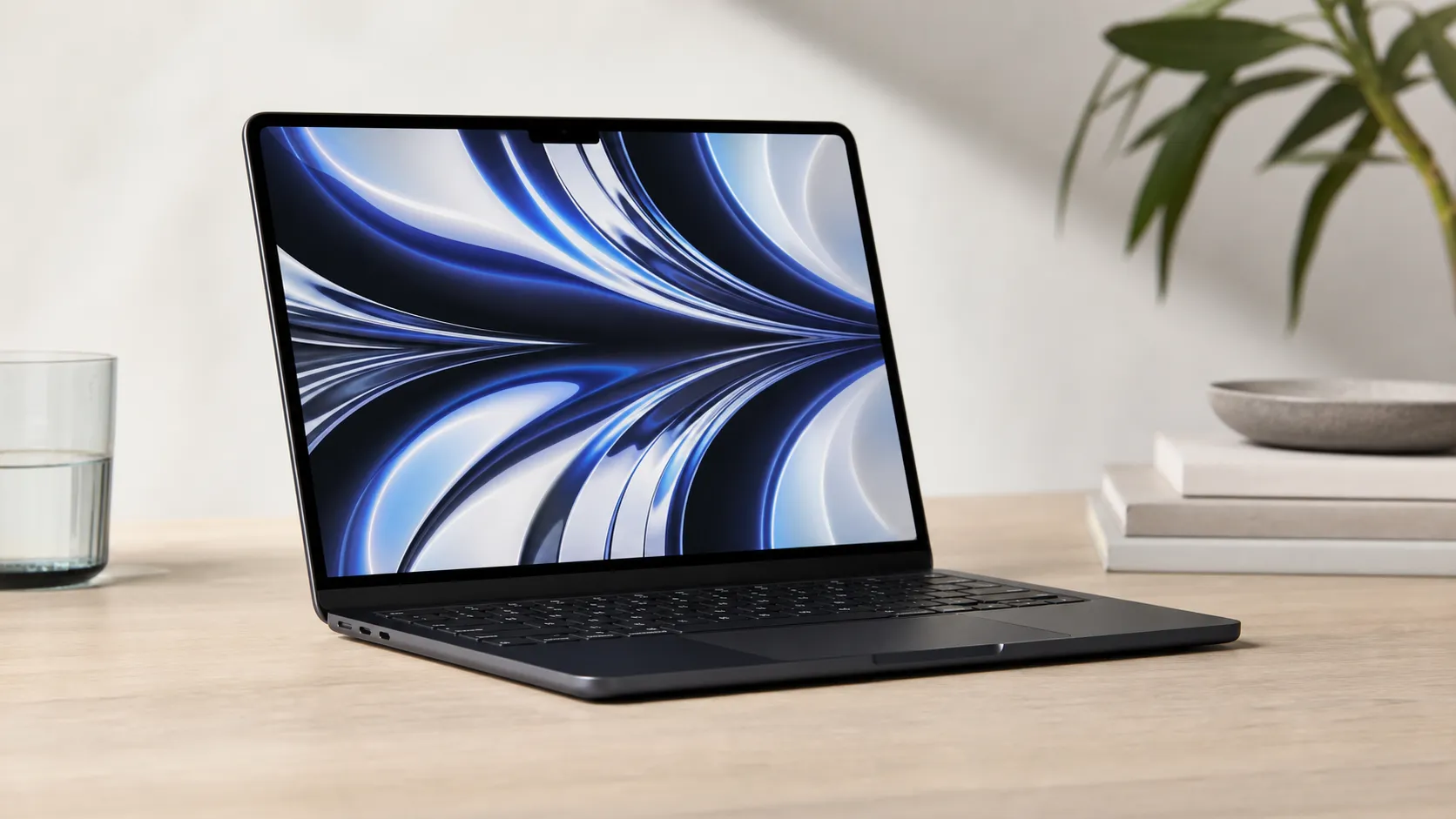
Apple MacBook Air (13-inch, M2) Review — 2026
A slim, quiet, and battery‑friendly choice for students and professionals. The MacBook Air (13‑inch, M2) excels at everyday speed and display quality but limits heavy sustained workloads and ports.
 Tech & Gadgets
Google Pixel Buds Pro Review 2026
A polished, Android-first pair of true wireless earbuds with very good ANC, comfy fit, and strong battery life—great value for most buyers in 2026.
 Tech & Gadgets
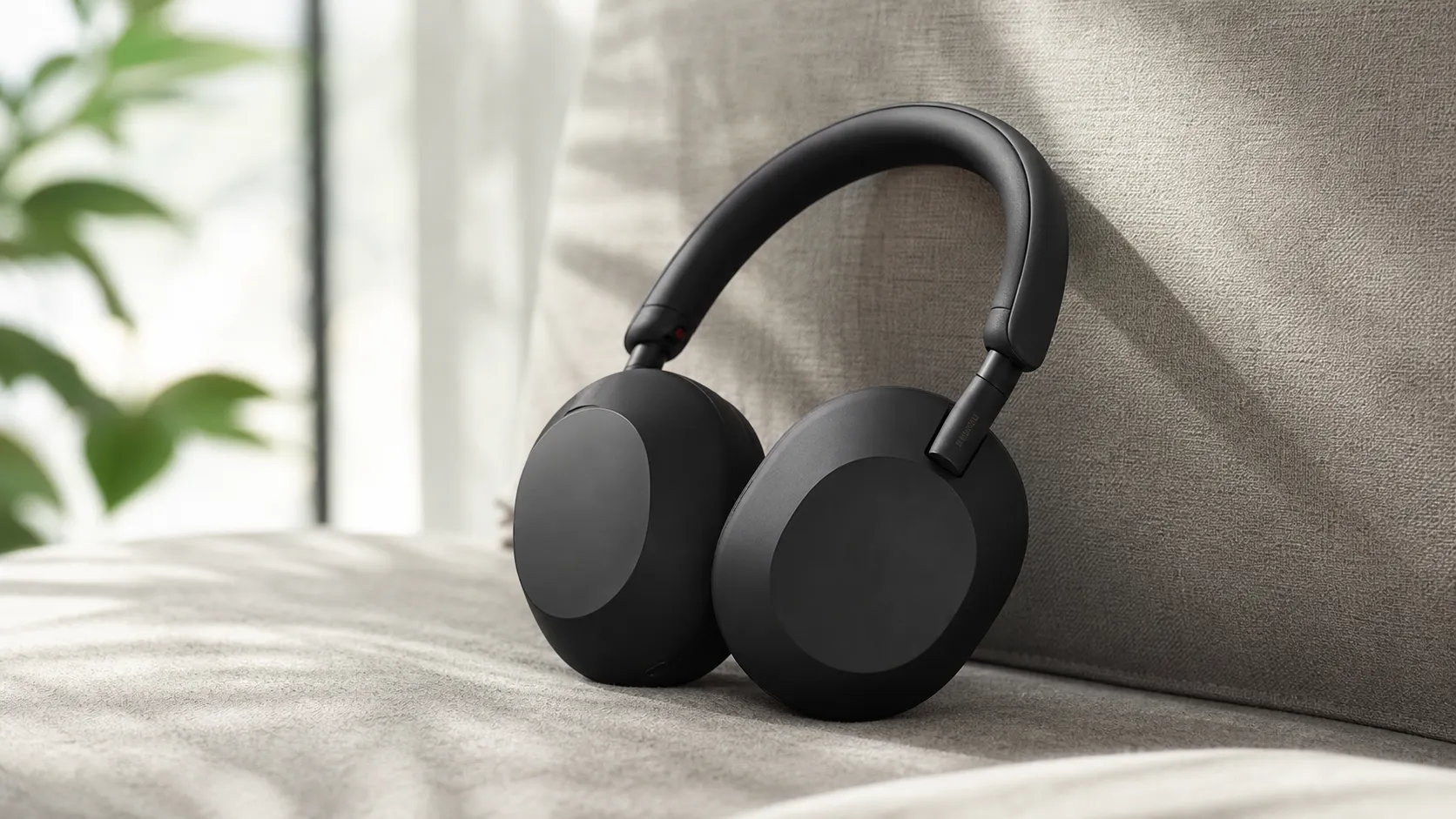
Sony WH-1000XM5 Review 2026 — ANC, Comfort & Value
Sony WH‑1000XM5: class‑leading ANC, exceptional comfort and long battery life — great for travel and calls, though sound tuning and a few durability reports divide opinions.