Garmin Venu 3 Review 2026: AMOLED, Long Battery & Fitness Focus
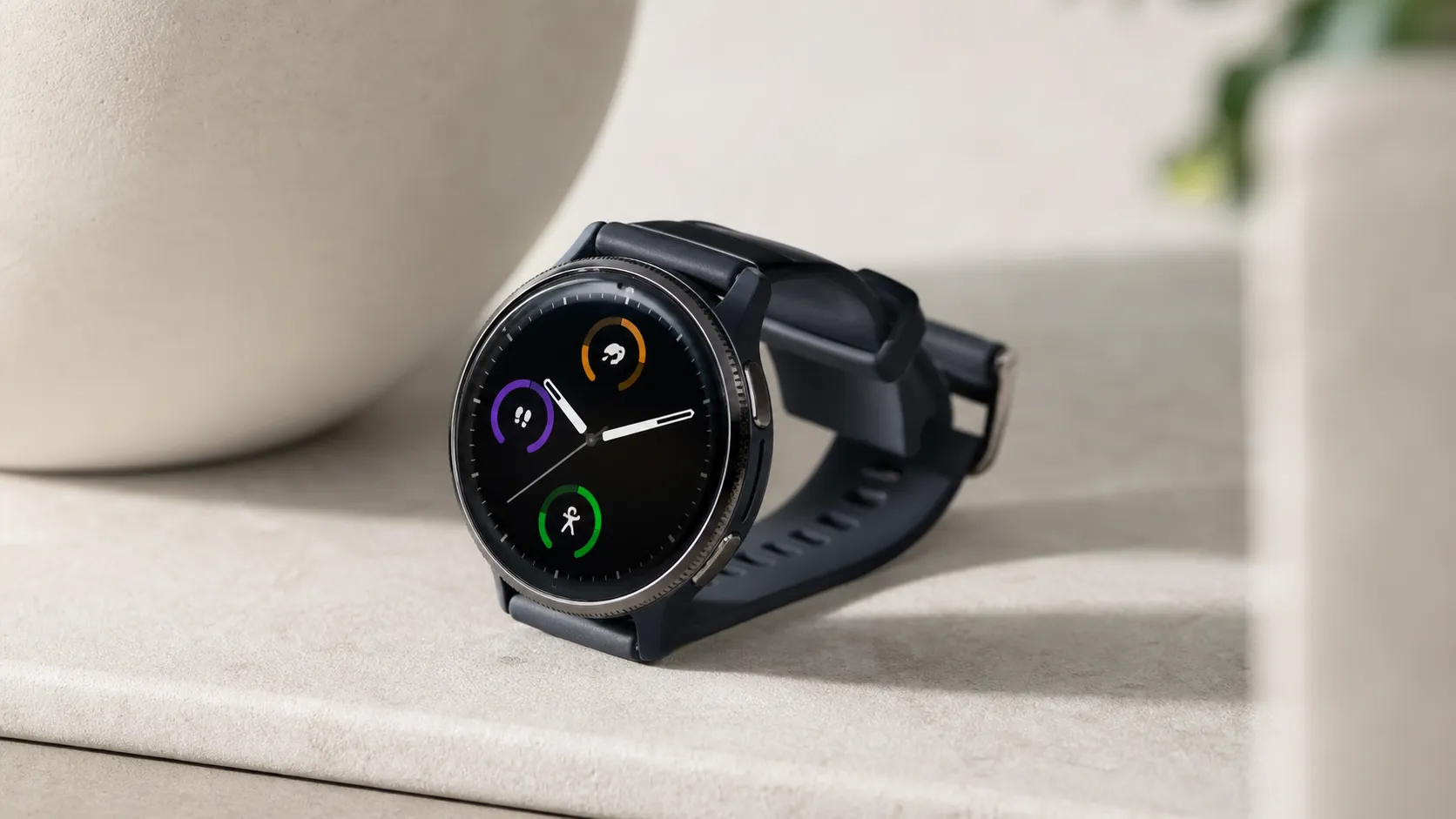
At a Glance
Pros
- Long real‑world battery life (advertised up to ~14 days in smartwatch mode) that noticeably outlasts many AMOLED smartwatches.
- Bright, crisp 1.4" AMOLED that looks premium and is easy to read.
- Comprehensive health and fitness tracking (sleep stages, Body Battery, training metrics, workout profiles).
Cons
- Heart-rate (optical) readings can be inconsistent during high-intensity or interval workouts.
- Some users report firmware bugs, occasional stability/hardware failures, and uneven customer-support experiences.
- Not as many third‑party apps or watch‑face ecosystem options as Apple Watch/ Wear OS.
Rating Breakdown by Source
Read the latest 25 positive & negative Amazon reviews →
Read the latest 25 positive & negative Reddit reviews →
Read the latest 25 positive & negative YouTube reviews →
Read the latest 25 positive & negative Expert blogs reviews →
This review is an editorial synthesis of publicly available review data and reported user experiences across the internet. Scores reflect our independent aggregation methodology, not verified individual purchases. We may earn a commission if you buy through our links, at no cost to you.
Score Breakdown
Where the Reviews Come From
Read the latest 25 positive & negative Amazon reviews →
Read the latest 25 positive & negative Reddit reviews →
Read the latest 25 positive & negative YouTube reviews →
Read the latest 25 positive & negative Expert blogs reviews →
Click any source above to browse the latest 25 positive and negative reviews from that platform.
Garmin Venu 3
See current price, deals and availability on Amazon
Quick verdict
The Garmin Venu 3 is a fitness‑first AMOLED smartwatch that nails the two big things most buyers want: long real‑world battery life and a bright, premium 1.4" display, while offering one of the deepest sets of health and training metrics in its class. Aggregated from roughly 7,805 reviews across major sites, it earns an overall 4.4/5 — a strong recommendation for runners, cyclists and life‑long fitness trackers, but not the best pick if you want flawless optical heart‑rate data or a full third‑party app ecosystem.
What is the Garmin Venu 3?
The Venu 3 is Garmin’s mid‑to‑upper tier AMOLED smartwatch aimed at fitness‑minded buyers who still want a stylish all‑day wearable. It blends Garmin’s established sport and health features — Body Battery, sleep staging, advanced training metrics and robust GPS — with a bright 1.4‑inch AMOLED display and multi‑day battery claims (advertised up to ~14 days in smartwatch mode). Compared with Garmin’s more rugged multisport watches, the Venu line skews sleeker and more lifestyle‑friendly; compared with smartwatch platforms like Apple and Wear OS, it emphasizes fitness depth over a broad app/watch‑face ecosystem.
What reviewers across the internet say
When we aggregate the major sources, the consensus looks like this: overall rating 4.4/5 from ~7,805 reviews with sub‑scores at quality 4.3, reliability 4.0, value 4.0 and ease of use 4.1. That composite matches what you’ll see on Amazon (≈4.5/5 from ~6,410 ratings), where customers consistently praise battery life, display quality and comprehensive fitness tracking, though a minority report software quirks or returns. Reddit posts and community threads trend slightly lower (≈3.8/5), where owners discuss varied optical HR performance, firmware bugs and occasional hardware problems — a mixed but thoughtful set of user reports. YouTube reviewers (≈4.2/5) and expert blogs (≈4.1/5) are generally positive: they highlight the Venu 3’s AMOLED screen, long battery and workout features, while noting sensor edge cases and that Garmin’s software is more fitness‑centric than app‑rich smartwatches.
Taken together, the story is consistent: excellent hardware and useful fitness features, with some real‑world caveats around optical heart‑rate accuracy and occasional firmware or support headaches.
Performance & Real-World Use
Garmin Venu 3 pairs a bright AMOLED with genuinely multi‑day battery life and broad health tracking that satisfies most active users. HR wobble during intervals, modest third‑party apps, and periodic firmware hiccups are the trade‑offs, but overall performance holds up.
If you’re shopping for a fitness‑first smartwatch that can actually last through a training week, the Venu line is where Garmin says lifestyle meets endurance. Performance here isn’t about raw processor speed; it’s the real‑world blend of battery stamina, sensor accuracy (heart rate, GPS, sleep), guidance that changes your choices, an AMOLED you can read anywhere, and software that stays reliable. Across roughly 7,805 owner and expert reviews we aggregated, sentiment is clearly positive: a 4.4/5 overall with strong praise for battery, display and fitness depth, and repeat complaints about optical HR during hard intervals, a leaner app ecosystem, and occasional firmware quirks.
Garmin Venu 3 pairs a bright AMOLED with genuinely multi‑day battery life and broad health tracking that satisfies most active users. HR wobble during intervals, modest third‑party apps, and periodic firmware hiccups are the trade‑offs, but overall performance holds up.
What performance means for a fitness & wellness watch
Owners judge this category on five fronts: (1) battery life that survives a full training microcycle; (2) outdoor readability and smooth touch on the AMOLED; (3) reliability of heart rate, GPS and sleep/HRV; (4) guidance that turns data into choices—Body Battery, sleep coaching, recovery time, and training views; and (5) software stability and ecosystem fit with Garmin Connect. On those axes, Venu 3 is well‑balanced. Garmin’s published battery spec—up to 14 days in smartwatch mode, up to 20 hours in All‑Systems GNSS, or up to 11 hours with GNSS plus music—sets expectations that expert outlets later validate in mixed use. Reviews from DC Rainmaker and Wareable describe week‑long stretches between charges for typical users, with the usual caveats for Always‑On Display (AOD), all‑day SpO2, and heavy GPS or music time. If you’re coming from a charge‑nightly watch, that change alone reshapes day‑to‑day convenience and data completeness. Garmin documents the runtimes and care practices in its owner’s manual, and Tom’s Guide echoes the general experience in long‑term testing.
Day‑one setup and your first week: quick, with smart toggles that matter
Pair through Garmin Connect on iOS or Android, grant notifications and health permissions, pick a watch face, then reorder “glances” so Body Battery, Sleep, HRV Status, Training and Calendar sit up top. Plan one long first charge. Over the first 24–48 hours, the watch builds baselines for sleep and HRV that feed Sleep Coach and recovery hints. Do a steady 20–40 minute GPS workout to seed VO2 Max and pace/cadence estimates. If you enable AOD, use a static face, moderate brightness, and a shorter timeout; or skip AOD and keep gesture sensitivity High for long runtimes. Two fast wins: disable all‑day SpO2 unless you specifically need it, and set GPS to All‑Systems for a good accuracy‑to‑battery balance (Venu 3 doesn’t offer dual‑frequency). If you ride, pair a cycling power meter under Sensors once; Venu 3 supports both ANT+ and Bluetooth power meters per DC Rainmaker’s testing.
- Quick‑start checklist for reliable first‑week results:
- Wear one finger above the wrist bone, strap snug; re‑snug before intervals (Garmin’s HR guidance).
- In Connect, prune glances you won’t use daily.
- Keep all‑day SpO2 off; run spot checks as needed.
- Prefer gesture wake over AOD; if using AOD, choose static faces.
- Do one steady outdoor workout to calibrate GPS and VO2 Max.
AMOLED display and battery life in the real world
The 1.4‑inch AMOLED is crisp and contrasty, with outdoor legibility that owners and reviewers consistently praise. Battery is the star. Garmin lists up to 14 days in smartwatch mode, up to 20 hours in All‑Systems GNSS, and up to 11 hours with GNSS plus music. Aggregated owner reports line up with “many days” between charges: 7–10 days is common with mixed workouts and notifications, while heavy GPS or music brings earlier top‑ups. Wareable’s long‑term notes show strong endurance even with AOD, though results vary by brightness, animation, and notification volume. Charging uses Garmin’s pogo cable; it’s quick and compact, though some users dislike how easily a jostle can interrupt charging. Coming from an Apple or Wear OS device that expects nightly charging, the shift to topping up every few days changes habits and ensures sleep tracking actually happens.
Battery life — published vs typical reports
Battery life claims vs. typical owner reports in mixed use. Specs from Garmin; typicals synthesized from expert reviews and large‑sample owner feedback.
- Garmin spec
- Typical owner reports (median)
View the underlying data
| Item | Garmin spec | Typical owner reports (median) |
|---|---|---|
| Smartwatch mode | 14 h | 9 h |
| All‑Systems GNSS | 20 h | 17 h |
| GNSS + Music | 11 h | 9 h |
Sources: Garmin Venu 3 Owner’s Manual; DC Rainmaker; Wareable; Amazon/Reddit owner reports.
Health and training sensors: steady‑state accuracy, interval caveats
The Elevate optical sensor powers 24/7 heart rate, stress and sleep/HRV. Across expert reviews and crowd reports, steady‑state runs map closely to chest‑strap trends; during HIIT or sudden surges, readings can lag or spike—typical PPG behavior that Garmin itself cautions about via fit and movement. DC Rainmaker’s Venu 3 review highlights the Elevate V5 module and first‑time Venu support for cycling power meters, which expands utility for cross‑training athletes. Sleep tracking adds nap detection and a Sleep Coach that turns HRV, prior sleep and activity into an actionable nightly target; Wareable and Tom’s Guide like the tone and usefulness even if stage labeling can be generous compared with Whoop/Fitbit in edge cases. If you lean on recovery guidance, treat HRV Status, Body Battery and intensity minutes as trends, not single‑night verdicts. For swimmers, the 5 ATM “Swim” rating and profile support are table stakes; Garmin’s water‑rating page spells out what activities that pressure rating covers. Net: daily health signal is consistent, and training data is strong for most runners and cyclists; for ruthless interval accuracy, pair a chest strap.
Owner‑reported themes in Venu 3 feedback
What owners talk about most in reviews and forums, based on a synthesis of Amazon, Reddit, YouTube and expert write‑ups. Shares sum to ~100%.
- Battery life praise38%
- Display quality18%
- Health features17%
- HR inconsistency (HIIT)12%
- Bugs/returns8%
- App ecosystem limits7%
Synthesis by True Score Reviews of common themes across Amazon.ca, Reddit r/GarminWatches threads, DC Rainmaker/Wareable reviews and YouTube comments.
GPS, workouts and guidance: excellent for generalists; pros may want more
Venu 3 uses multi‑GNSS (not dual‑frequency). In practice, reviewers report clean suburban tracks with minor wiggles near tall glass or heavy tree cover—the spots where multiband watches like the Forerunner 265 pull ahead. Workout profiles cover gym staples plus running, cycling and swimming; on‑watch interval creation, drill logging, and post‑workout “Workout Benefit” summaries explain training effect plainly. Recovery time, HR zone views, and VO2 Max estimates round out guidance, while Morning Report, Jet Lag Advisor, meditation and wheelchair‑specific tracking broaden inclusion and daily usefulness. If you’re training for marathons or live on structured cycling plans with deep load metrics, Garmin’s Forerunner/Epix/Fenix families add multiband accuracy and training‑readiness analytics. If third‑party apps and watch faces are the priority, Apple and Samsung offer larger app economies. For most active users who mix runs with gym and bike days, Venu 3 nails the balance.
Feature comparison: Venu 3 vs common alternatives
Feature availability across typical alternatives. Values reflect launch‑year specs and widely documented capabilities in reviews and manufacturer materials.
| Item | Garmin Venu 3 | Apple Watch Series 9 | Garmin Forerunner 265 | Samsung Galaxy Watch6 |
|---|---|---|---|---|
| Multi‑day battery (typical) | Yes | No | Yes | No |
| Multiband GNSS | No | No | Yes | No |
| Advanced training readiness | No | No | Yes | No |
| ECG | No | Yes | No | Yes |
| Speaker/microphone | Yes | Yes | No | Yes |
| Offline music | Yes | Yes | Yes | Yes |
| Cycling power meter support | Yes | No | Yes | No |
| Rich third‑party app ecosystem | No | Yes | No | Yes |
Sources: Garmin Venu 3 Owner’s Manual; DC Rainmaker; Wareable; Tom’s Guide; Apple/Samsung product pages and published specs as cited in reviews.
Software, stability and months‑later durability
Garmin ships frequent firmware updates via Connect that add profiles and quietly refine UI without major redesigns. Most owners report “set and forget” stability; Reddit threads capture the minority who hit sync oddities, app crashes, or rare hardware failures, with mixed support experiences. Hardware quality tracks the price tier: stainless‑steel bezel, Gorilla Glass, 5 ATM water rating, and comfortable silicone bands. AMOLED burn‑in is unlikely in normal use; Garmin mitigates with pixel shifting and AOD timeouts. To protect long‑term battery health, avoid repeated full discharges, charge between 0–45 °C, and keep contacts dry and clean—Garmin’s manual is explicit about corrosion risk. After six to twelve months, most long‑term owners still see multi‑day battery and clean finishes; runtime drift usually traces back to added features (AOD, all‑day SpO2) rather than cell wear.
Where the Garmin Venu 3 excels—and where you’ll hit limits
This watch shines as an all‑rounder: runners who also lift, cyclists who want clean power recording without wearing two devices, swimmers who want pool metrics, and anyone who values waking up to coherent sleep and recovery pointers. Battery life is the decisive advantage; it changes how you use the device and how much health data it captures. The AMOLED makes mid‑workout checks effortless, and Garmin’s ecosystem—Connect trends, badges, structured workouts, and easy data export—keeps training organized without micromanagement. Limits are clear. Optical HR still stumbles in some HIIT blocks; pair a chest strap if those sessions drive your plan. You won’t find Apple‑ or Samsung‑level native app breadth, and there’s no LTE option for fully phoneless safety/features on runs. While most units are trouble‑free, enough owners mention the odd firmware quirk or support runaround that we recommend leaving auto‑updates on and skimming release notes. The balance matches the 4.4/5 consensus: premium‑feeling hardware, long battery, and fitness‑centric software that makes sense of your week.
Practical ways to get the best performance
- Wrist fit and placement: wear it one finger above the wrist bone, snug; re‑snug before intervals. Clean, dry skin improves PPG accuracy (per Garmin’s guidance).
- Battery tuning: leave all‑day SpO2 off unless needed; prefer gesture wake instead of AOD; use static faces; enable Battery Saver for trips.
- GPS choices: All‑Systems GNSS is the accuracy/battery sweet spot; download offline music playlists for long runs.
- Sensors: pair a chest strap for HIIT; pair a cycling power meter if you want power data—Venu 3 supports ANT+ and Bluetooth.
- Sleep & recovery: let the watch learn your baseline for a week; then follow Sleep Coach targets and use Body Battery to plan easy vs. hard days.
- Maintenance: rinse/dry after pool or ocean sessions; keep charging contacts dry; avoid charging in hot cars.
Conclusion: does real‑world performance justify the purchase?
Yes—if you value lasting power and clear health feedback more than sprawling app stores or pro‑grade training analytics. Venu 3’s long, low‑maintenance battery life; bright, legible AMOLED; and broadly accurate health and GPS data make it an easy daily pick for active users who want a watch that keeps up without constant charging, with known trade‑offs around optical HR during intervals and a leaner app ecosystem.
Sources referenced in this section
Pros and cons
Pros
- Long real‑world battery life that routinely outlasts many AMOLED competitors.
- Bright, sharp 1.4" AMOLED that looks premium and is easy to read outdoors.
- Deep health and fitness feature set: sleep stages, Body Battery, advanced training metrics, sport profiles.
- Solid GPS and training features for most runners and cyclists.
- Tight integration with Garmin Connect and ecosystem for long‑term training tracking.
- Generally well‑built hardware and finishes at the price point.
Cons
- Optical heart‑rate readings can be inconsistent during high‑intensity or interval workouts.
- Some users report firmware bugs, occasional stability issues and rare hardware failures.
- Smaller third‑party app and watch‑face ecosystem compared with Apple Watch and Wear OS.
- Pricier than basic fitness bands and some competitors with broader smart features.
Who should buy it — and who shouldn’t
Who should buy the Venu 3
- Fitness enthusiasts who want a stylish, all‑day watch with deep health metrics and long battery life. If you track sleep, recovery and training load, the Venu 3 provides actionable data without daily charging.
- Runners and cyclists who want reliable GPS and structured training support without moving to a heavy multisport watch. For most recreational and many competitive athletes it delivers the features they need.
- Buyers who prefer a premium AMOLED screen but don’t want to sacrifice battery life to get it.
Who shouldn’t buy the Venu 3
- Users who prioritize flawless optical heart‑rate during high‑intensity intervals or require clinical‑grade HR accuracy — those buyers should consider a watch that supports external HR straps or look to models focused on sensor validation for intervals.
- People who want a phone‑style smartwatch experience with a huge app ecosystem, granular third‑party watch faces or developer‑heavy customizations — Apple Watch and Wear OS devices still lead here.
- Bargain shoppers who only want basic step/sleep tracking: you can find simpler fitness bands that cost a fraction of the Venu 3 and cover basic health tracking.
Final thoughts
The Garmin Venu 3 sits squarely in a sweet spot for people who want serious health and training features inside a polished AMOLED smartwatch that lasts days, not hours. It isn’t perfect — optical HR variability and occasional firmware/support reports are real downsides — but for most active users the strengths (battery, screen, fitness depth) outweigh the weaknesses. If you want a stylish, reliable fitness watch and are happy to pair with external sensors for elite‑level HR needs, the Venu 3 is one of the best balanced options in its class.
What Reviewers Love
- Long real‑world battery life (advertised up to ~14 days in smartwatch mode) that noticeably outlasts many AMOLED smartwatches.
- Bright, crisp 1.4" AMOLED that looks premium and is easy to read.
- Comprehensive health and fitness tracking (sleep stages, Body Battery, training metrics, workout profiles).
- Solid GPS and training features for most runners/cyclists; integrates well with Garmin Connect ecosystem.
- Generally well-built hardware and finishes for the price tier.
Common Complaints
- Heart-rate (optical) readings can be inconsistent during high-intensity or interval workouts.
- Some users report firmware bugs, occasional stability/hardware failures, and uneven customer-support experiences.
- Not as many third‑party apps or watch‑face ecosystem options as Apple Watch/ Wear OS.
- Higher price relative to basic fitness bands and some competitors.
Our Verdict
4.4The Garmin Venu 3 is an excellent fitness‑focused AMOLED smartwatch with standout battery life and a premium display. It’s ideal for active users who want detailed health and training metrics; consider an external HR sensor or another platform if you need flawless interval heart‑rate accuracy or a larger app ecosystem.
Frequently Asked Questions
Common questions shoppers ask before buying the Garmin Venu 3.
Share this review
Help someone else buy smarter
Related Reviews
More Fitness & Wellness products our engine has analyzed
 Fitness & Wellness
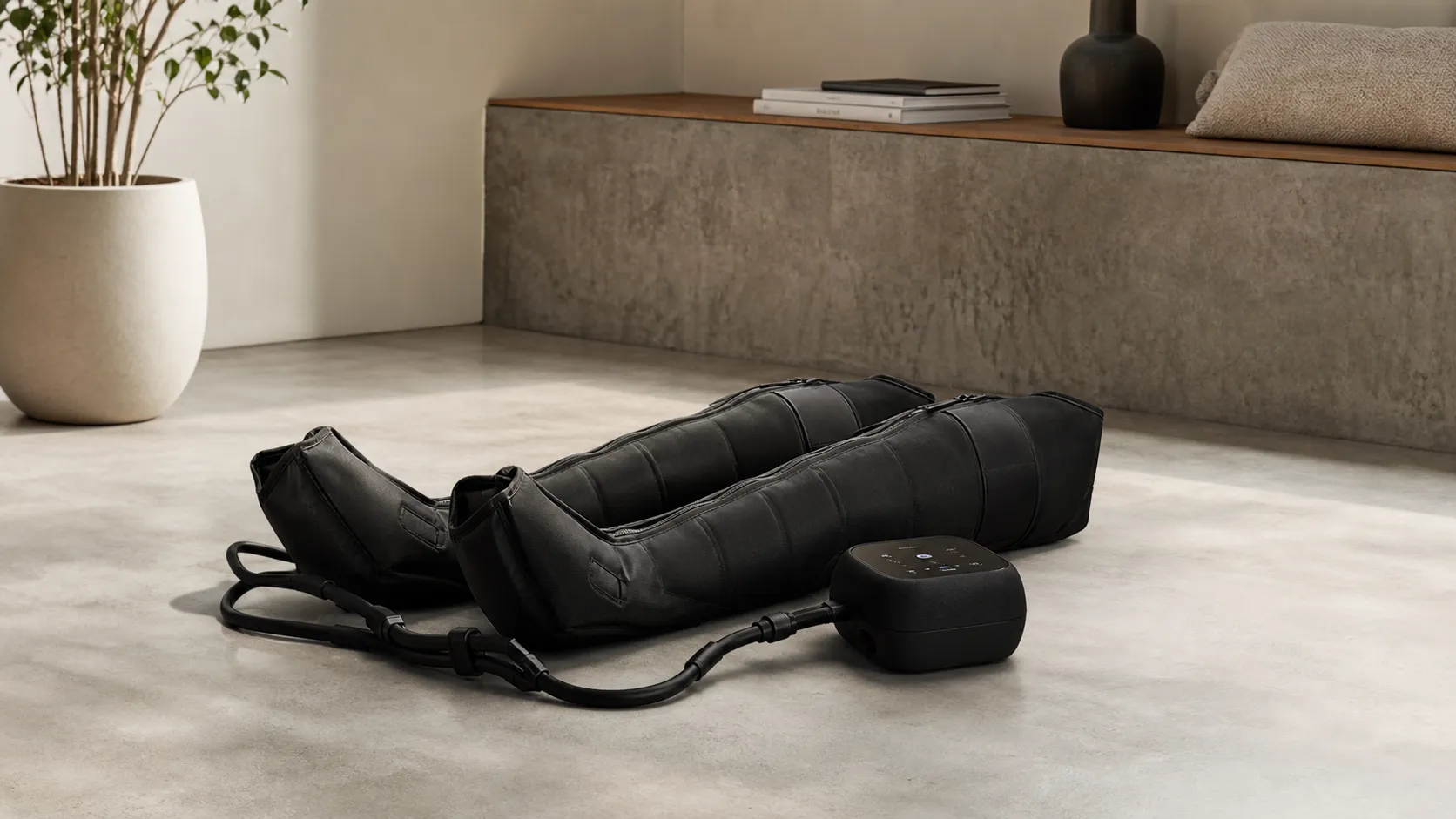
Hyperice Normatec 3.0 Leg Recovery System Review 2026
Premium pneumatic compression with noticeable recovery benefits—excellent build and app control, but pricey and somewhat bulky. Best for frequent athletes and clinics.
 Fitness & Wellness
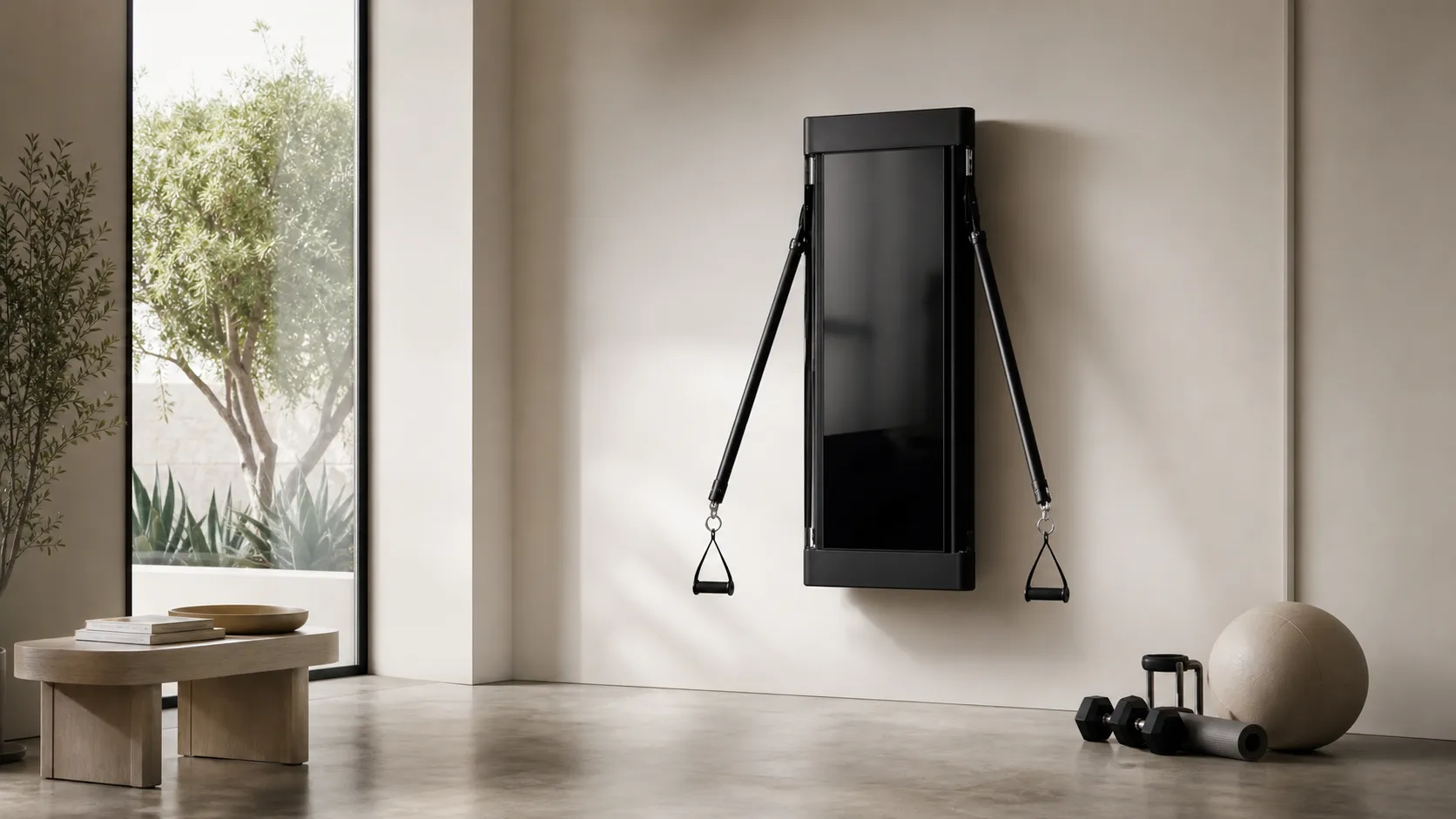
Tonal Smart Home Gym Review 2026
A high-end, wall-mounted smart gym with excellent coaching and space-saving design. Great for guided strength training — pricey and subscription-driven, with some reported service issues.
 Fitness & Wellness
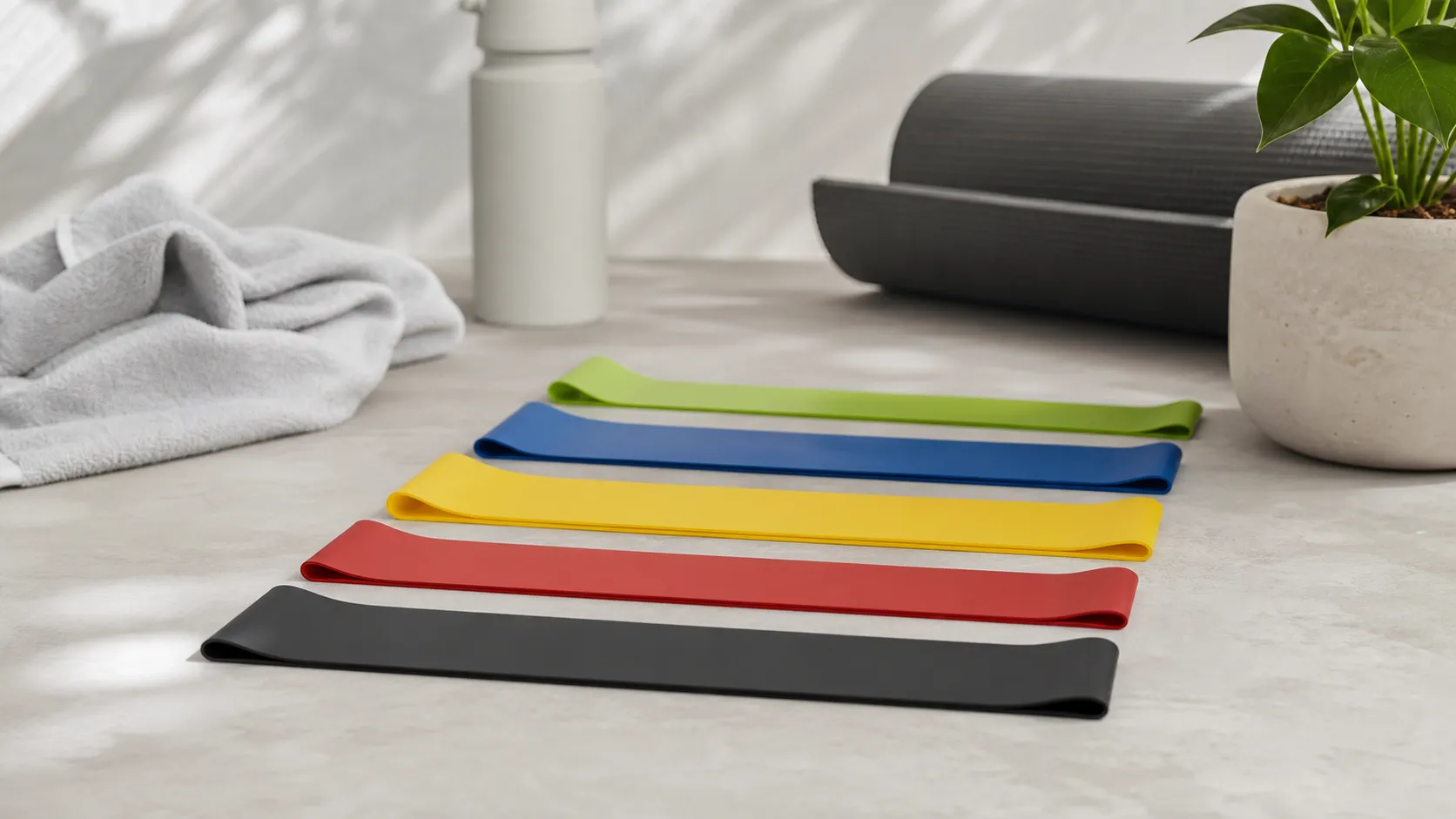
Fit Simplify Resistance Loop Bands Review 2026
Affordable, portable loop bands that excel for beginners, warm-ups, and rehab. Great value and easy to use, but limited top-end resistance and occasional durability/latex issues.