Greenies Original Dental Dog Treats Review 2026
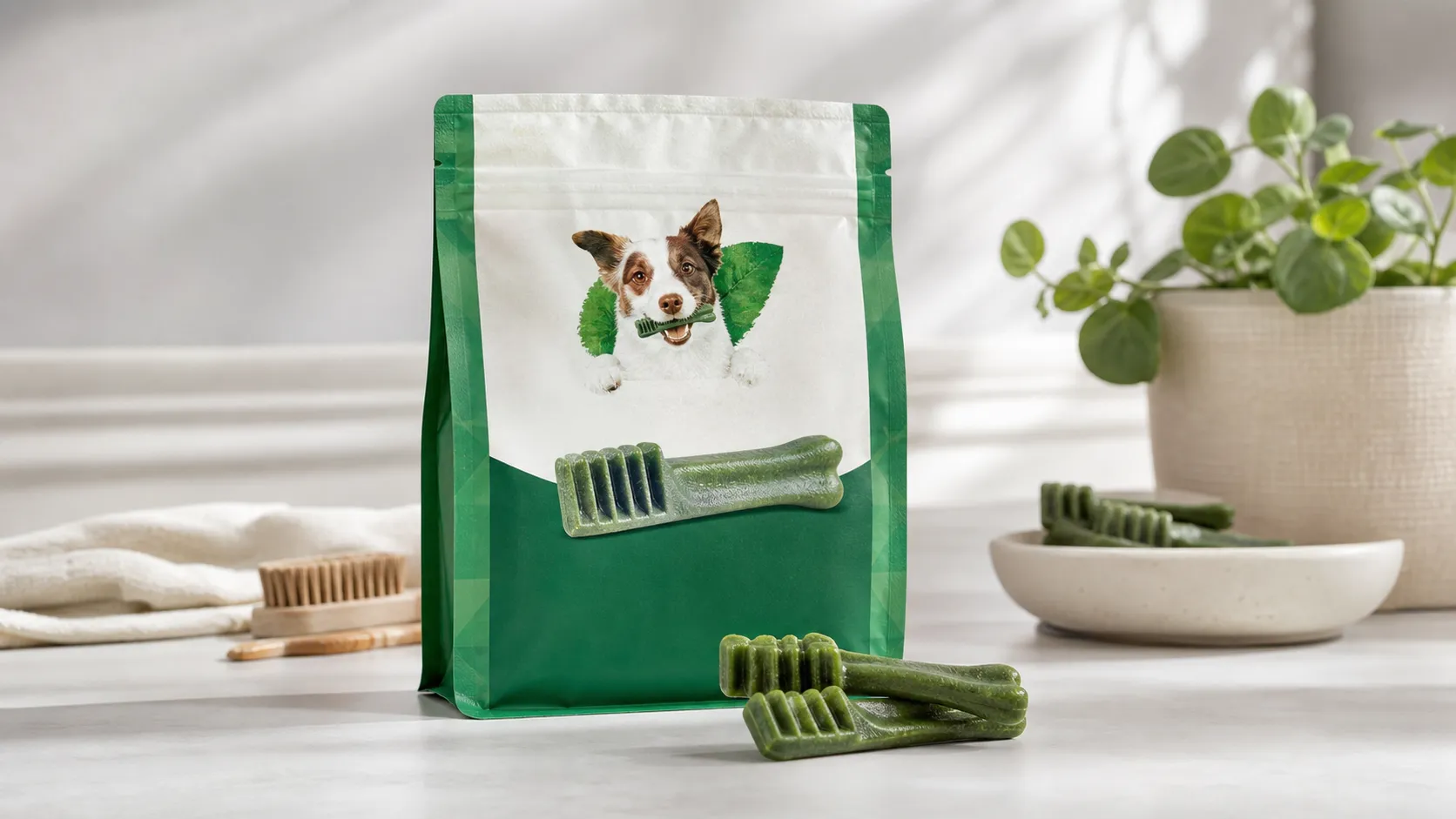
At a Glance
Pros
- Very palatable — most dogs readily eat them.
- Often improves bad breath and reduces visible plaque with regular use.
- Comes in multiple sizes to fit different breeds/weights.
Cons
- Reports of choking and gastrointestinal blockages — supervision and correct size selection are frequently recommended.
- Not ideal for aggressive chewers; pieces can be swallowed whole or break unevenly.
- Relatively high calorie content compared with some low-calorie dental options.
Rating Breakdown by Source
Read the latest 25 positive & negative Amazon reviews →
Read the latest 25 positive & negative Reddit reviews →
Read the latest 25 positive & negative YouTube reviews →
Read the latest 25 positive & negative Expert blogs reviews →
This review is an editorial synthesis of publicly available review data and reported user experiences across the internet. Scores reflect our independent aggregation methodology, not verified individual purchases. We may earn a commission if you buy through our links, at no cost to you.
Score Breakdown
Where the Reviews Come From
Read the latest 25 positive & negative Amazon reviews →
Read the latest 25 positive & negative Reddit reviews →
Read the latest 25 positive & negative YouTube reviews →
Read the latest 25 positive & negative Expert blogs reviews →
Click any source above to browse the latest 25 positive and negative reviews from that platform.
Greenies Original Dental Dog Treats
See current price, deals and availability on Amazon
Quick verdict
Greenies Original Dental Dog Treats are an easy, highly palatable dental chew that most dogs love and that many owners report helps freshen breath and reduce surface plaque. Aggregated across roughly 64,900 reviews the product earns a 4.4/5 average (quality 4.3, reliability 3.5, value 4, ease of use 4.7) — great for convenience and breath improvement, but owners and vets frequently advise careful size selection and supervision because of choking and GI concerns.
What Is the Greenies Original Dental Dog Treats?
Greenies Original are veterinary-formulated dental chews sold as single-use treats designed to clean teeth, freshen breath, and reduce plaque and tartar with daily or regular use. They come in multiple size categories to match between toy and large-breed dogs and are marketed as an easy alternative for owners who struggle with toothbrushing. The texture is soft enough that most dogs chew and consume them readily, yet firm enough (according to the brand) to scrub the tooth surfaces during chewing.
These treats are widely available at pet stores, online retailers, and many veterinary offices. Packaging usually lists the target weight ranges for each size and caloric information per treat, so owners can factor the snack into daily calorie intake.
What Reviewers Across the Internet Say
We synthesized major themes from Amazon, Reddit, YouTube, and expert blogs to present a balanced view.
-
Amazon (approx. 4.5/5) — Large-volume buyer reviews trend positive: most owners praise taste, immediate breath improvement, and the convenience of a treat that doubles as dental care. A minority report size mismatches or rare safety incidents, but the overall sentiment on Amazon is favorable.
-
Reddit (approx. 3.6/5) — Community threads are mixed: lots of enthusiastic endorsements by dog owners whose pets love Greenies, alongside frequent anecdotal reports of choking or gastrointestinal problems. Many Redditors recommend strict supervision, sizing up or down cautiously, or choosing vet-approved alternatives for dogs prone to gulping or aggressive chewing.
-
YouTube (approx. 4/5) — Video reviewers often demonstrate strong dog interest and show visible cleaning effects on surface plaque. Comment threads on video reviews skew toward practical debates about safety, correct size selection, and alternatives for heavy chewers.
-
Expert blogs and veterinary/dental write-ups (approx. 3.4/5) — Veterinary coverage usually recognizes Greenies' convenience and some evidence of breath and surface plaque benefit but highlights limited high-quality clinical studies proving deep tartar removal. These sources most strongly emphasize reported obstruction cases and advise owners to follow size recommendations, supervise use, and consult a vet when in doubt.
Across sources the consensus is: Greenies work for many dogs and are valued for ease and palatability, but safety concerns are nontrivial and should shape how you use them.
Performance & Real-World Use
Greenies Original Dental Dog Treats are easy to start, broadly effective for breath and visible plaque when fed daily and sized correctly, and widely tolerated by most dogs. Greenies Original Dental Dog Treats also carry real tradeoffs—calories add up fast and gulping or aggressive chewer dogs face a non‑zero obstruction risk—so the best results come with correct sizing, active supervision, and meal‑calorie offsets.
Dental chews promise cleaner teeth without a wrestling match, but owners judge them on more than marketing. In real homes, performance means three things: do dogs readily eat them (palatability), do they help breath and visible buildup when used as directed (effectiveness), and do they stay safe and affordable in daily routines (safety and calorie/cost control). Those are the levers that make Greenies a win—or a miss—over weeks and months.
Greenies Original Dental Dog Treats are easy to start, broadly effective for breath and visible plaque when fed daily and sized correctly, and widely tolerated by most dogs. Greenies Original Dental Dog Treats also carry real tradeoffs—calories add up, and gulper or aggressive‑chewer dogs face a non‑zero obstruction risk—so the best results come with correct sizing, active supervision, and meal‑calorie offsets.
What “performance” really means for dental chews
For dental treats, performance is the interplay of texture, time on tooth, and routine. The Veterinary Oral Health Council (VOHC) lists Greenies with seals for both plaque and tartar, indicating the product met VOHC testing standards for reducing these deposits when used as directed. VOHC is not a regulator; it certifies effectiveness based on submitted clinical data and updates its accepted list periodically, which is why many veterinarians use it as a buying shortcut. In day‑to‑day life, owners look for fresher breath within days to weeks, less yellowing on cheek teeth after a month of steady use, and—critically—no choking, vomiting, or constipation afterward. Texture matters because teeth must sink into the chew and drag along enamel; chews that are too hard can risk tooth fractures, while chews that are too soft or swallowed whole reduce cleaning time and raise obstruction risk. VOHC acceptance signals real potential benefit when the directions are followed; it doesn’t replace brushing as the gold standard or professional cleanings when indicated. (vohc.org)
Greenies Original Dental Dog Treats: day‑one setup and the first week
Getting started is straightforward: choose the labeled weight range (Teenie 5–15 lb, Petite 15–25 lb, Regular 25–50 lb, Large 50–100 lb), feed one chew daily, supervise, and verify your dog actually chews before swallowing. This comes directly from the brand’s feeding directions. Most dogs accept the flavor immediately; for cautious eaters, offer after a walk when appetite peaks and guide the first bites toward the molars. Many owners report breath improvement within several days, with visible plaque reduction showing up after 3–4 weeks of daily use. Greenies cites a 28‑day study with reductions in plaque and tartar and improved gum health versus dry food alone; treat this as manufacturer‑sponsored evidence that aligns with VOHC acceptance, not a substitute for brushing. In week one, scan stools and watch for large fragments—especially in small breeds and “food‑motivated” gulpers. If you see chunk‑swallowing, remove the treat and consider a different size or an alternative format. (greenies.com)
Sustained performance over months: what improves, what plateaus, and what to watch
With daily use, Greenies typically sustain fresher breath and help keep new plaque from hardening into tartar on the cheek teeth—precisely where chews work best. They remain an adjunct: brushing is still most effective, and professional dental care remains part of standard veterinary guidance. Over months, the main limiter is energy intake. A Regular is about 90 kcal; a Large is ~147 kcal. Treats should generally remain under 10% of daily calories; without meal offsets, that single chew can push many dogs past the guideline, especially small and medium sizes. The practical fix is simple: subtract the chew’s calories from that day’s food and reassess weight every few weeks. Dogs with GI sensitivity, prior obstruction, or a “grab and gulp” style may do better on slower‑eating formats or alternative VOHC‑accepted chews; match product to your dog’s anatomy and behavior. To show how quickly “little extras” add up over four weeks if you don’t offset meals, see the cumulative calorie chart below. (todaysveterinarypractice.com)
Cumulative monthly calories from daily Greenies
If you don’t offset meals, calories from a daily chew add up fast; line shows cumulative monthly calories by Greenies size.
- Teenie (kcal)
- Petite (kcal)
- Regular (kcal)
- Large (kcal)
View the underlying data
| Item | Teenie (kcal) | Petite (kcal) | Regular (kcal) | Large (kcal) |
|---|---|---|---|---|
| Week 1 | 182 | 392 | 630 | 1029 |
| Week 2 | 364 | 784 | 1260 | 2058 |
| Week 3 | 546 | 1176 | 1890 | 3087 |
| Week 4 | 728 | 1568 | 2520 | 4116 |
Computed from per‑chew calories (7 days/week).
Where Greenies perform best—and where owners hit limits
Where they shine:
- Convenience: one daily chew lowers the barrier when brushing isn’t happening, and consistency drives results.
- Palatability and compliance: most dogs eat them eagerly, ensuring tooth‑chew contact time.
- Evidence threshold: VOHC seals for plaque and tartar indicate effectiveness when used as directed.
Where limits show:
- Safety isn’t guaranteed. Case series document esophageal foreign bodies from dental treats (not brand‑specific), and clinicians stress sizing and supervision—especially for small breeds and enthusiastic gulpers. If your dog tries to swallow large pieces, remove the chew and change strategy.
- Calorie density: at ~26–147 kcal depending on size, daily chews can exceed the 10% treat guideline without meal offsets.
- Not ideal for aggressive, static chewers: clamping and fragmenting shortens contact time and raises swallow risk.
- “Highly soluble” isn’t a free pass: any chunk large enough can lodge or upset the GI tract. Supervise and choose the right format. (todaysveterinarypractice.com)
How it stacks up to common alternatives on what matters
Cross‑shopped options include OraVet, Whimzees Brushzees, and Virbac C.E.T. Veggiedent FR3SH. VOHC’s current dog list shows Greenies, Brushzees, and Veggiedent carrying seals for both plaque and tartar; OraVet carries a tartar claim with a different mechanism (delmopinol) that forms a barrier to slow calculus formation. On calories for a medium size, Greenies Regular is ~90 kcal, Brushzees Medium ~88 kcal, Veggiedent Medium ~75 kcal, and OraVet Medium ~80.5 kcal—close enough that all require meal offsets for average‑weight dogs. If you need plant‑based, Brushzees and Veggiedent are vegetarian formulations; Greenies and OraVet are not positioned that way. For gulpers, the softer, Z‑shaped Veggiedent can encourage longer chewing paths; for tartar‑barrier chemistry, OraVet is the differentiator. Use the table below for a quick scan of claims, sizes, and calories. (vohc.org)
Dental chews—at‑a‑glance comparison
Key differences among popular VOHC‑recognized dog dental chews (claims from VOHC; calories from manufacturer/retailer pages).
| Item | VOHC accepted | Plaque claim | Tartar claim | 4+ sizes | Calories per Medium chew (kcal) | Plant‑based |
|---|---|---|---|---|---|---|
| Greenies Original | 1 | 1 | 1 | 1 | 90 | 0 |
| Whimzees Brushzees | 1 | 1 | 1 | 1 | 88 | 1 |
| Virbac C.E.T. Veggiedent FR3SH | 1 | 1 | 1 | 1 | 75 | 1 |
| OraVet Dental Hygiene Chews | 1 | 0 | 1 | 1 | 80.5 | 0 |
VOHC Accepted Products (Apr 2026); Virbac, Chewy, and Today’s Veterinary Practice calorie tables.
Calorie math made simple (and why it matters)
Calorie control is the most overlooked part of long‑term performance. Keep treats under ~10% of daily calories; otherwise, even good oral‑care habits drift into weight gain. Roughly: Teenie ≈26 kcal, Petite ≈55–56 kcal, Regular ≈90–91 kcal, Large ≈145–147 kcal. For a 25‑lb dog, one Regular can be about a tenth of the day’s energy; for a 12‑lb dog, one Petite may exceed that. The fix: reduce day‑of meal portions by the chew’s calories and monitor body condition monthly. If your dog is on a veterinary diet or has GI sensitivities, ask your veterinarian to approve the chew and the offset plan. The bar chart below shows how size and calories scale across the range, reinforcing why offsets matter.
Greenies calories by size
Calories per chew across the Greenies size range (published nutrition figures; accessed Aug 1, 2026).
View the underlying data
| Measure | Calories per treat (kcal) |
|---|---|
| Teenie (5–15 lb) | 26 |
| Petite (15–25 lb) | 56 |
| Regular (25–50 lb) | 90 |
| Large (50–100 lb) | 147 |
Aggregated from Today’s Veterinary Practice 2024 calorie table and manufacturer/retailer listings.
In everyday feeding, you don’t need perfect math—just consistency. A simple note (e.g., “-90 kcal kibble on Greenies days”) keeps the routine balanced; if the budget is tight, consider smaller daily chews with your vet’s OK or alternate‑day use with brushing on off‑days. (todaysveterinarypractice.com)
Safety, sizing, and supervision: practical guardrails
Three habits separate smooth, long‑term use from emergency visits:
- Choose the labeled size for current weight and chewing style; when in doubt, size up. Stop if your dog tries to swallow large pieces and switch products or training.
- Supervise every session. Clinical literature and animal‑welfare guidance note any chew can obstruct if gulped; supervision lets you remove risky fragments and pace intake.
- Keep chews under 10% of daily calories and subtract equivalent meal calories; track weight monthly. VOHC recognition addresses dental effectiveness only; it does not certify safety for every dog, which is why veterinarians individualize recommendations. The FDA also reminds owners that choking and GI obstructions are recognized risks with treat materials in general, so active supervision and correct sizing are non‑negotiable. (todaysveterinarypractice.com)
Step‑by‑step routine to get the best real‑world results
- Set a baseline: before starting, lift the lip and photograph the upper cheek teeth; note a 1–9 body‑condition score.
- Pick the right bag: Teenie, Petite, Regular, or Large by current weight; if between sizes or a powerful chewer, err larger.
- Time it: offer one chew daily after exercise or the evening meal, when dogs settle and gnaw rather than sprint and swallow.
- Shape chewing: hold the first few chews so your dog “bites long” with the molars; remove if gulping starts and reassess product choice.
- Offset calories: subtract the chew’s calories from that day’s food (e.g., -90 kcal for a Regular).
- Re‑check at 4 weeks: compare tooth photos and smell; if improvement is modest, add brushing 3–4 times weekly—the gold standard in major dental guidelines.
- Keep the vet link: plan professional dental evaluations on your normal cadence; VOHC complements, not replaces, veterinary dentistry. (aaha.org)
Conclusion: does real‑world performance justify the purchase?
Across large‑scale owner reports and years on the VOHC roster, Greenies deliver on convenience, palatability, and everyday breath improvement, with credible evidence that—used correctly—they help control plaque and tartar. The caveats are clear: match size to your dog, supervise each session, and balance the calorie budget; for gulpers or dogs with GI history, consider a different VOHC‑accepted chew or emphasize brushing. If you’re seeking a simple, repeatable habit that nudges oral care in the right direction, Greenies fit well—especially for dogs that won’t tolerate brushing. If you need plant‑based formulas, slightly lower calories per medium chew, or a delmopinol‑based tartar approach, the alternatives above are strong. With those guardrails, most owners will find Greenies a worthwhile, sustainable addition to a broader oral‑health routine—useful, not a silver bullet. (vohc.org)
Sources referenced in this section
- Veterinary Oral Health Council – Accepted Products (Dogs) PDF, April 2026 update
- Today’s Veterinary Practice (Jan/Feb 2024): Treats and Chews—calorie table, 10% treat guideline, and VOHC scope
- Greenies feeding directions and sizing
- Greenies FAQ (AAFCO adherence; digestibility claim)
- Virbac C.E.T. Veggiedent FR3SH – calories by size
- Whimzees Brushzees – calories by size (Chewy Q&A)
- AAHA – Recommending home oral hygiene and products (brushing emphasis)
- JAVMA case series: Esophageal foreign body obstruction caused by a dental chew treat in dogs (2000–2006)
- FDA consumer education on choking/obstruction signs from pet treats
Pros and Cons
Pros
- Extremely palatable — high success rate getting dogs to accept them.
- Often improves bad breath and reduces visible surface plaque with regular use.
- Multiple sizes to suit a broad range of breeds and weights.
- Simple to use — good for owners who dislike or can’t consistently brush their dog’s teeth.
- Widely available in stores and online.
Cons
- Safety reports: choking and gastrointestinal blockage complaints appear frequently enough that supervision and correct sizing are strongly recommended.
- Not ideal for aggressive chewers — pieces can break irregularly or be swallowed whole.
- Higher calorie per treat compared with some low-calorie dental options; may affect weight management.
- Cost adds up for daily use in large-breed dogs.
- Clinical evidence for deep tartar removal and long-term periodontal prevention is limited.
Who Should Buy It (and Who Shouldn't)
Should buy if:
- You want a convenient, easy-to-administer dental product your dog is likely to enjoy.
- Your dog is a moderate chewer who chews treats rather than gulping them whole.
- You need an alternative to brushing that helps with bad breath and surface plaque between professional cleanings.
- You’re willing to supervise treat time and factor calories and cost into your dog’s routine.
Shouldn’t buy (or should use with caution) if:
- Your dog is an aggressive power chewer or tends to gulp treats — obstruction risk is higher.
- You cannot or will not supervise your dog while they eat chews.
- You require a low-calorie dental option for a weight-management plan; there are lower-calorie alternatives.
- You expect Greenies to replace routine veterinary dental care — they’re an adjunct, not a substitute for required professional treatment.
What Reviewers Love
- Very palatable — most dogs readily eat them.
- Often improves bad breath and reduces visible plaque with regular use.
- Comes in multiple sizes to fit different breeds/weights.
- Easy and convenient to give (good for owners who dislike brushing).
- Widely available online and in pet stores.
Common Complaints
- Reports of choking and gastrointestinal blockages — supervision and correct size selection are frequently recommended.
- Not ideal for aggressive chewers; pieces can be swallowed whole or break unevenly.
- Relatively high calorie content compared with some low-calorie dental options.
- Price per treat can be expensive if used daily for large dogs.
Our Verdict
4.4Greenies Original are an effective, easy-to-administer dental chew that most dogs love and that often improves breath and surface plaque. However, safety reports about choking and GI blockages mean you must choose the correct size and supervise every chew; use them as part of a broader dental plan rather than a stand-alone solution.
Frequently Asked Questions
Common questions shoppers ask before buying the Greenies Original Dental Dog Treats.
Share this review
Help someone else buy smarter
Related Reviews
More Pets products our engine has analyzed
 Pets
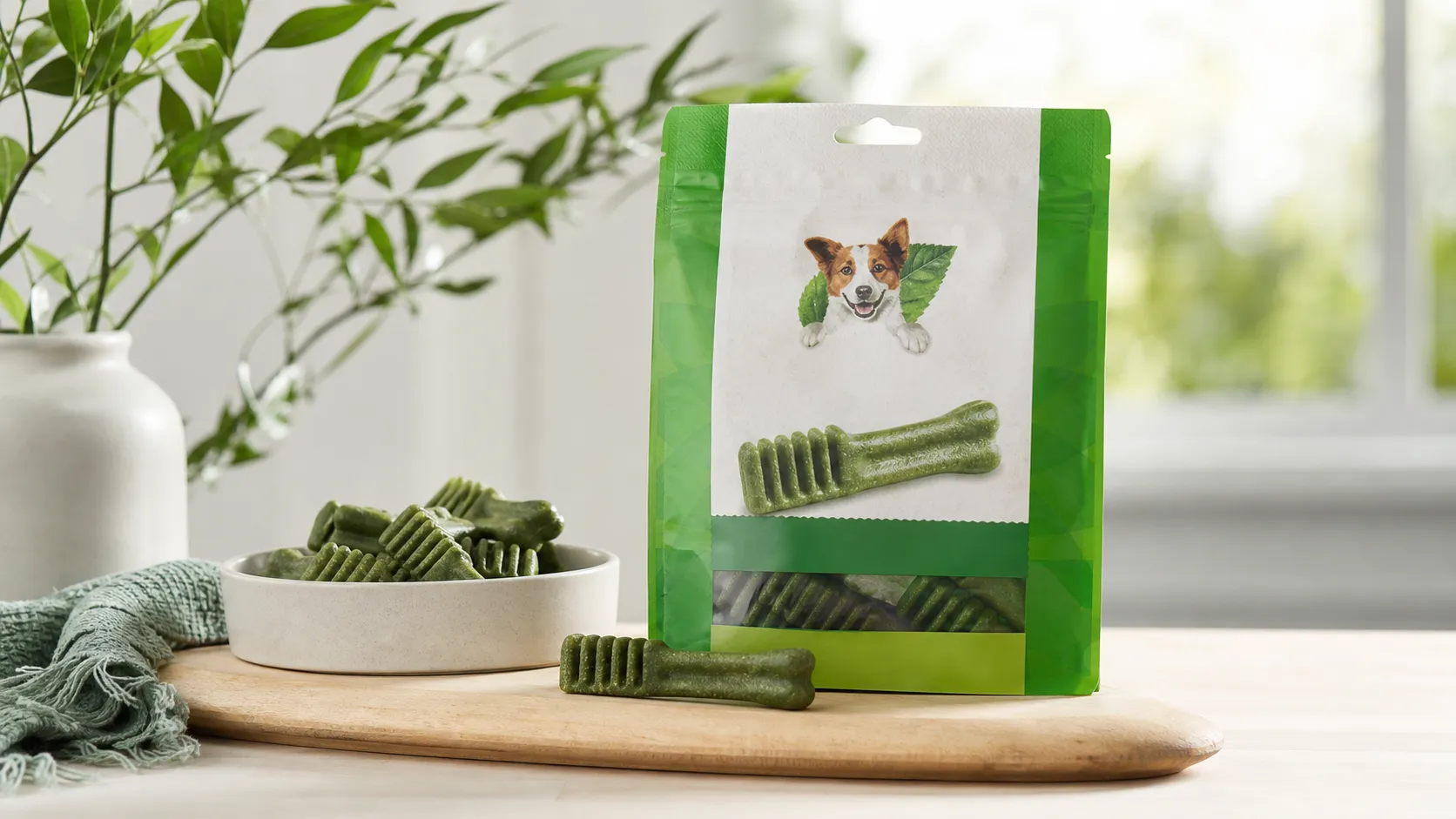
PetsGreenies Original Regular Dental Dog Treats Review 2026
A balanced look at Greenies Original Regular Dental Dog Treats: highly palatable and effective for fresher breath, but supervise and size-match due to rare choking risks.
 Pets
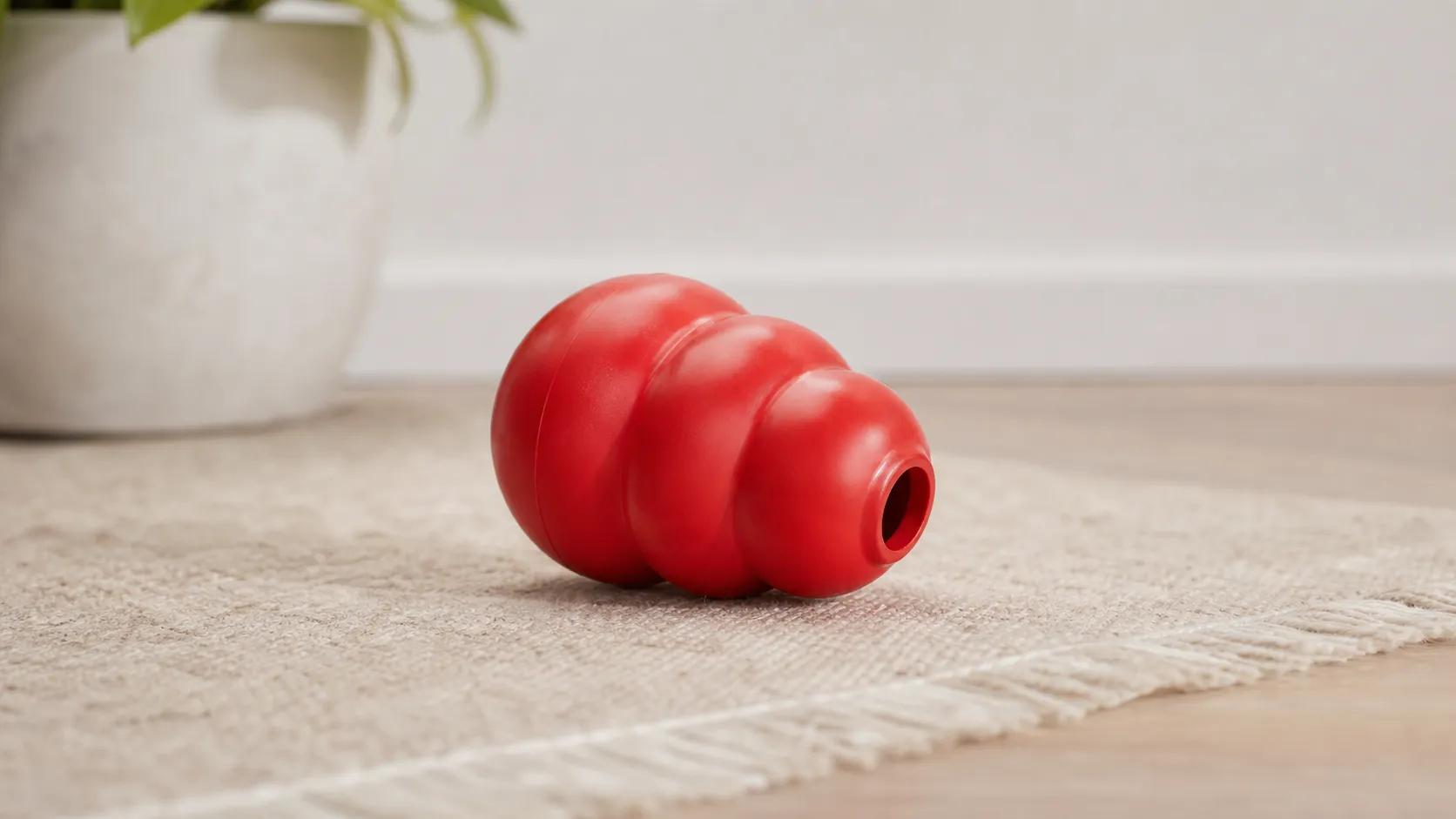
PetsKONG Classic Dog Toy - Large (Red) — 2026 Review
Durable, versatile and great for stuffing: the KONG Classic Dog Toy - Large (Red) scores 4.6/5 across ~28,700 reviews. Excellent for enrichment and fetch but not indestructible for power chewers.
 Pets
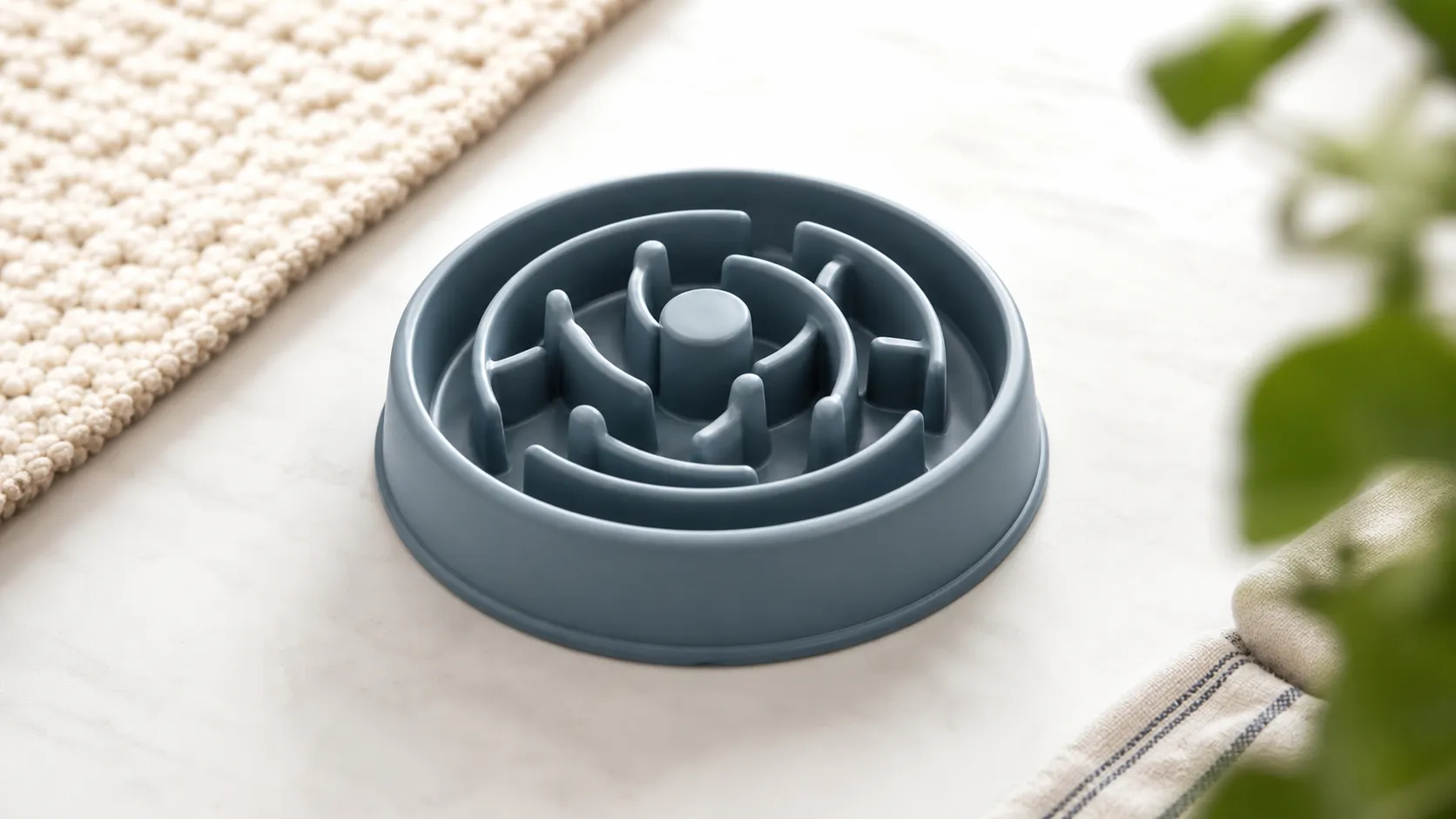
PetsOutward Hound Fun Feeder Review 2026
A budget-friendly slow feeder that reliably slows gulpers and adds mealtime enrichment. Great value but fiddly to clean and not for aggressive chewers.