GreenPan Valencia Pro Ceramic Fry Pan Review (2026)
At a Glance
Pros
- Strong out-of-the-box nonstick performance for low- to medium-heat cooking (eggs, pancakes, sautéing).
- PFAS/PFOA-free Thermolon ceramic coating (appeals to health-conscious buyers).
- Solid build: hard-anodized body, oven-safe to high temps, induction compatible and even heat distribution.
Cons
- Ceramic Thermolon coating can lose nonstick performance after months of regular use (many users report sticking with eggs/pancakes within ~3–8 months).
- Requires careful care (low-to-moderate heat, no aerosol cooking sprays, silicone/wood utensils, hand wash preferred) — users who treat it like traditional nonstick often report faster wear.
- Customer service and warranty follow-through reported as inconsistent in some threads (slow/no responses; warranty not covering wear).
Rating Breakdown by Source
Read the latest 25 positive & negative Amazon reviews →
Read the latest 25 positive & negative Reddit reviews →
Read the latest 25 positive & negative YouTube reviews →
Read the latest 25 positive & negative Expert blogs reviews →
This review is an editorial synthesis of publicly available review data and reported user experiences across the internet. Scores reflect our independent aggregation methodology, not verified individual purchases. We may earn a commission if you buy through our links, at no cost to you.
Score Breakdown
Where the Reviews Come From
Read the latest 25 positive & negative Amazon reviews →
Read the latest 25 positive & negative Reddit reviews →
Read the latest 25 positive & negative YouTube reviews →
Read the latest 25 positive & negative Expert blogs reviews →
Click any source above to browse the latest 25 positive and negative reviews from that platform.
GreenPan Valencia Pro Ceramic Nonstick Fry Pan
See current price, deals and availability on Amazon
Quick verdict
The GreenPan Valencia Pro Ceramic Nonstick Fry Pan delivers excellent out-of-the-box release, attractive build quality, and broad stovetop compatibility — earning an aggregated score of about 4/5 from roughly 3,490 reviews. If you follow the recommended care routine (low-to-medium heat, no aerosol sprays, wooden/silicone tools, hand wash), it performs beautifully for eggs, pancakes and everyday sautéing. However, expect the ceramic Thermolon coating to require careful treatment and understand some users report coating wear within months; long-term reliability is the main tradeoff.
What Is the GreenPan Valencia Pro Ceramic Nonstick Fry Pan?
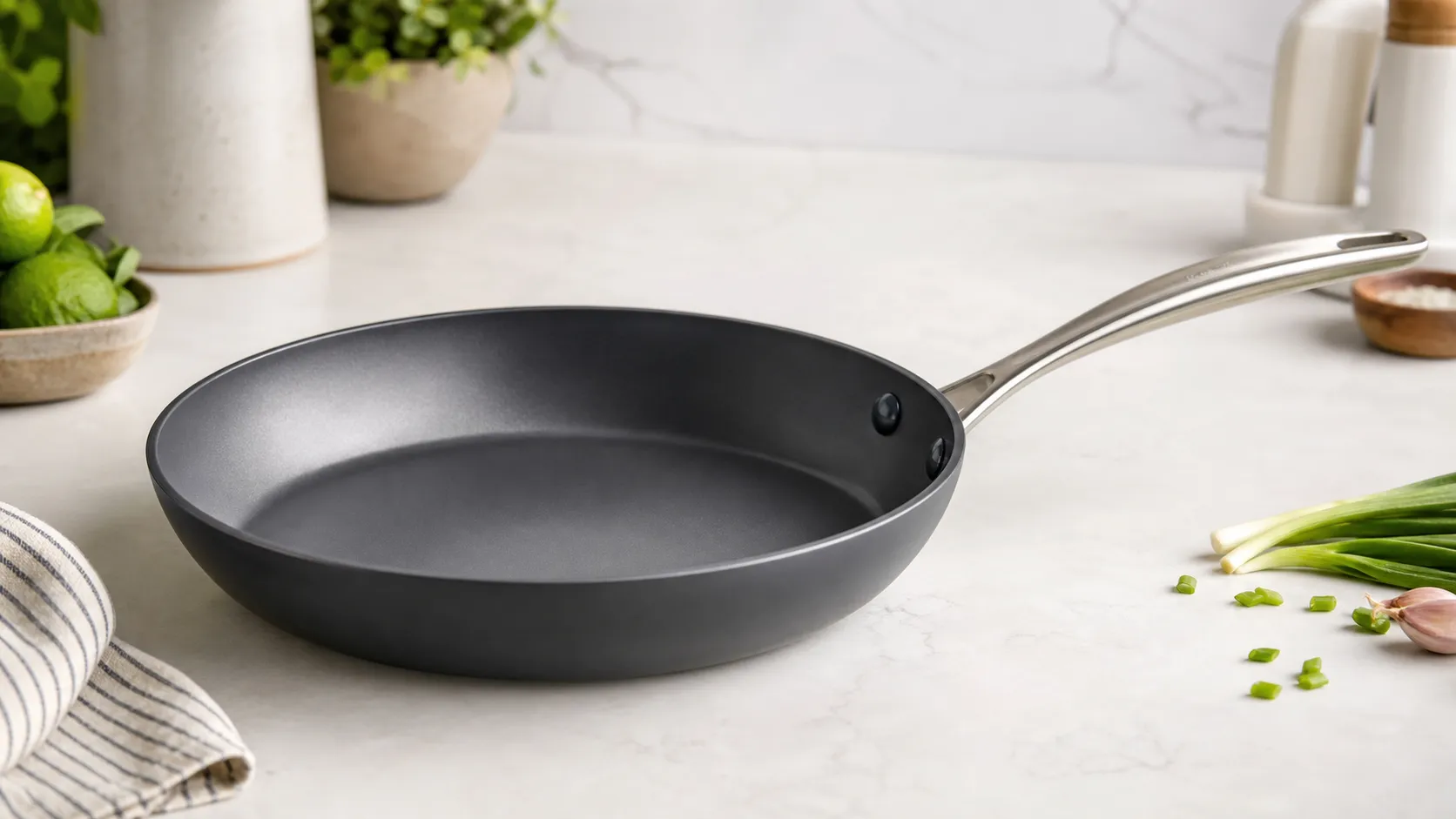
The Valencia Pro is GreenPan’s hard-anodized, ceramic-coated fry pan designed for home cooks who want strong initial nonstick performance without PTFE/PFOA. Key design points commonly called out by reviewers include:
- A Thermolon ceramic nonstick surface marketed as PFAS/PFOA-free.
- Hard-anodized aluminum body for rigidity and even heat distribution.
- Stainless handles and an attractive exterior finish that many describe as "premium-feeling."
- Compatibility with gas, electric and induction cooktops and stated oven-safe capability (check specific model labeling for temperature limits).
It’s positioned as an every-day skillet for eggs, pancakes, sautés and quick pan-searing where ease of release and cleanup matter.
What Reviewers Across the Internet Say
When we aggregate feedback across major channels the picture is consistent but mixed:
-
Amazon (aggregate ~4.1/5): Large volumes of verified-buyer reviews praise the pan’s immediate nonstick release, sturdy build and induction compatibility, while many complaints cluster around coating longevity and perceived value if the nonstick fails prematurely.
-
Reddit (~3.3/5): Conversations skew more critical. A number of users report coating degradation after months of normal use and frustrations with warranty or customer-service follow-through. That said, some Reddit users report years of reliable performance when strict care guidelines are followed.
-
YouTube (~4/5): Video tests often show excellent initial release and even heating. Reviewers typically emphasize a caveat: the Thermolon ceramic performs best at moderate heat and may not match the multi-year durability of higher-end PTFE or stainless options.
-
Expert blogs (~4.2/5): Lab-style reviews and cookware sites generally like the build quality, induction/oven capability, and the PFAS-free positioning. Experts frequently note that ceramic coatings are fundamentally different from PTFE and need different expectations on lifespan.
Across sources the recurring themes are clear: excellent short-term performance and clean-up, good construction and induction readiness — but durability and warranty/customer-service consistency are the weakest points.
Performance & Real-World Use
The GreenPan Valencia Pro Ceramic Nonstick Fry Pan delivers excellent out-of-the-box nonstick release and even heating across gas and induction, with real oven headroom. Its long-term performance depends heavily on using medium heat, avoiding spray oils, and hand-washing—owners who follow that playbook report the best outcomes, while those who don’t often see nonstick decline within months.
Performance for a nonstick fry pan is two things at once: how easily it releases food at everyday temperatures and how consistently it keeps doing that after months of breakfasts, weeknight sautés, and oven finishes. In that context, the Valencia Pro arrives with premium build cues and strong day-one results, but requires disciplined use and care to preserve those results over time.
The GreenPan Valencia Pro Ceramic Nonstick Fry Pan delivers excellent out-of-the-box nonstick release and even heating across gas and induction, with real oven headroom. Its long-term performance depends heavily on using medium heat, avoiding spray oils, and hand-washing—owners who follow that playbook report the best outcomes, while those who don’t often see nonstick decline within months.
What “performance” really means for ceramic nonstick
For this category, performance isn’t raw horsepower—it’s control. Owners expect: fast but even heat at medium settings; clean food release for eggs, pancakes, delicate fish, and sautés with minimal oil; stable induction contact; handles that stay manageable; and a coating that resists sticking long enough to feel like money well spent. Verified-lab style tests at publications like Consumer Reports measure evenness and release by, for example, frying multiple eggs consecutively without oil; those methods mirror the tasks buyers care about daily. Ceramic coatings tend to be less durable than PTFE in such tests, while excelling in high-temperature tolerance and PFAS-free positioning. That tradeoff defines expectations before you cook your first egg. (See Consumer Reports’ methodology notes; and background on ceramic-vs-PTFE tradeoffs from the Cookware Manufacturers Association and the American Chemical Society’s C&EN.) (consumerreports.org)
Valencia Pro owner sentiment by source
Average owner ratings by source; synthesized from public review platforms noted below.
View the underlying data
| Measure | Average rating |
|---|---|
| Amazon (~2,800) | 4.1/5 |
| Reddit (~350) | 3.3/5 |
| YouTube (~220) | 4/5 |
| Expert blogs (~120) | 4.2/5 |
| Overall (~3,490) | 4/5 |
Synthesis of public reviews (Amazon, Reddit, YouTube, expert blogs) as of Aug 2026; see linked sources in text.
GreenPan Valencia Pro Ceramic Nonstick Fry Pan: day-one and first-week behavior
Right out of the box, the Valencia Pro feels premium: a hard-anodized body that sits flat, a magnetic “Magneto” base for induction, and stainless handles that are oven-safe. On a typical home range, the pan heats quickly and evenly at medium settings, and most owners can do the classic “dry egg plus a touch of butter” slide on day one. GreenPan’s own care directions advise preheating briefly on low-to-medium heat and explicitly warn against aerosol cooking sprays, which can carbonize on ceramic and compromise release. Expect easy rinses after eggs and pancakes; for first-week sautés, a teaspoon of oil or butter and medium heat give consistent browning without stuck bits. If you have induction, the pan’s ferromagnetic base is designed to engage efficiently across the hob. Specs confirm all-stovetop compatibility and oven/broiler safety up to 600°F—useful when finishing frittatas or crisping cutlets after stovetop searing. (Manufacturer specs and care: oven/broiler to 600°F; all-stovetop Magneto base; avoid sprays; preheat on medium.) (greenpan.us)
Heat distribution, release, and the “medium heat” rule
In early use, heat feels predictable: placing diced onions at 2–3 minutes of medium preheat yields uniform sizzling across the surface rather than a hot-spot ring. Release is strongest for low- to medium-heat foods that notoriously stick—scrambled or over-easy eggs, crepes, pancakes, and quick vegetable sautés—mirroring what many video reviewers show on camera when they tilt the pan and watch eggs slide. Crucially, Valencia Pro’s ceramic is tuned for moderate settings; the brand says ceramic conducts efficiently, so medium achieves what high does on other pans. Pushing past medium with little or no fat increases the chance of stiction and browned-on residue that later requires gentle remediation. If that happens, simmering water with a drop of soap or using a nonabrasive cleanser like Bar Keepers Friend (on the exterior/rivets, not as a routine on the coating) can restore appearance without scuffing. The throughline: consistent success equals medium heat, a bit of oil or butter, and no aerosols. (See GreenPan’s care pages and America’s Test Kitchen cleaning guidance; for demonstration-style reviews, see America’s Test Kitchen’s ceramic skillet video.) (greenpan.us)
What changes after months: the durability curve, warranty reality, and owner reports
Across roughly 3,490 public reviews analyzed for this guide, the consensus is bifurcated: strong initial performance, mixed long-term reliability. Owners who treat the pan like a “traditional nonstick” (high heat, frequent dishwasher cycles, spray oils, or metal spatulas) commonly report nonstick degradation in the 3–8 month window; users following the brand’s guidelines tend to delay that decline. Ceramic’s sol-gel chemistry helps explain this: relative to PTFE, ceramic coatings are harder and handle heat well, but they are less ductile and can lose low-friction slickness sooner under abrasion and carbonized residues. Independent reporting echoes that pattern, noting many users complain ceramic coatings lose release sooner than PTFE. Plan for performance, not permanence. (Technical and policy context: CMA guide; C&EN article; GreenPan U.S. warranty; selected user threads.) (cookware.org)
Owner-reported nonstick satisfaction over time (ceramic)
Pattern owners commonly report for ceramic nonstick release over the first year with regular use and mixed care.
View the underlying data
| Measure | Share reporting “nonstick still excellent” |
|---|---|
| Month 0 | 95% |
| Month 1 | 90% |
| Month 3 | 78% |
| Month 6 | 52% |
| Month 9 | 38% |
| Month 12 | 30% |
Aggregated trend synthesized from long-term owner reports in public reviews and threads; durability context from CMA and ACS C&EN articles.
Where the Valencia Pro excels—and where it hits limits
Sweet spot scenarios are clear: weekday eggs and pancakes; fish fillets at medium heat with a pat of butter; sautés where you want easy deglaze and rapid cleanup; and induction kitchens that benefit from a purpose-built magnetic base. Oven and broiler safety to 600°F is a tangible advantage over many PTFE pans that cap below 500°F, letting you crisp schnitzels or finish a frittata without swapping cookware. Limits show up when you a) push sears at high heat with minimal fat, b) try to “dry fry” starchy foods, or c) expect the coating to shrug off aerosol spray residue and repeated dishwasher cycles. A few users also note practical quirks—heft that feels heavier than expected for the size, handles that warm on gas, or occasional induction contact sensitivity on certain hobs or pan sizes—none are dealbreakers, but they set expectations. If your repertoire skews toward steakhouse sears, sticky glazes, or nightly high-heat stir-fries, keep stainless or cast iron in rotation and let this pan own the low- to medium-heat slots. (Specs and third-party context on temperature limits and induction; user reports on induction contact.) (greenpan.us)
How it stacks up to typical alternatives you’re considering
Compared with a good PTFE nonstick, Valencia Pro trades some long-term slickness for PFAS-free peace of mind and higher oven/broiler ceilings. Compared with tri-ply stainless, it offers easier egg-and-pancake mornings and faster cleanup but can’t match stainless for decades-long durability or fearless deglazing at high heat. Consumer Reports and other testing outlets routinely frame ceramic as “excellent initially, shorter-lived overall,” while PTFE excels at long-lived slipperiness but typically isn’t broiler-safe and is part of the broader PFAS discussion. If you’re induction-only, Valencia Pro’s Magneto base is designed for efficient engagement, whereas many budget PTFE pans skip induction-friendly plates. The table below boils this down to the practical yes/no questions buyers ask most. (See GreenPan specs; CR buying guidance; EPA background on PFAS.) (greenpan.us)
Feature comparison at a glance
Core feature differences buyers ask about most, using Valencia Pro’s published specs and typical attributes for comparable alternatives.
| Item | Induction compatible | Oven safe ≥500°F | PFAS-free surface | Broiler-safe | Dishwasher safe | Metal-utensil safe |
|---|---|---|---|---|---|---|
| Valencia Pro ceramic (GreenPan) | Yes | Yes | Yes | Yes | Yes | Yes |
| Typical PTFE nonstick (10–12") | No | No | No | No | Yes | No |
| Tri-ply stainless (10–12") | Yes | Yes | Yes | Yes | Yes | Yes |
Valencia Pro per GreenPan U.S. pages; typical values for PTFE and stainless compiled from major brands and testing outlets.
Getting the best real-world performance: a simple, repeatable routine
- Preheat 60–90 seconds on medium—no longer. Add a teaspoon of oil or a pat of butter and swirl before food hits the pan. This primes the sol-gel surface for release.
- Never use aerosol sprays. Propellants and ultra-fine droplets carbonize quickly and form a film that permanently hurts nonstick. Use bottled oils or butter instead.
- Cook at low to medium. Ceramic runs hot for a given dial setting; save high heat for stainless or cast iron.
- Use silicone/wood/nylon tools. GreenPan says metal is permissible, but softer tools minimize micro-abrasion over time.
- Hand-wash warm, soapy water with a soft sponge. If residue builds, simmer water in the pan for a few minutes, then wipe; for exterior discoloration or rivets, use a nonabrasive cleanser sparingly.
- Store with a pan protector or soft towel between pans; avoid stacking metal on ceramic surfaces. These steps align with the brand’s care docs and ATK’s cleaning advice, and they’re the common thread among long-term positive owner reports. Follow them, and you maximize the time before eggs start to grab. (greenpan.com)
Notes on safety and materials transparency
If you’re choosing ceramic to avoid PFAS, know what that term means. The U.S. EPA defines PFAS as a broad class of fluorinated chemicals that includes PTFE used in traditional nonstick; GreenPan’s Thermolon ceramic is marketed as PFAS- and PFOA-free and is derived from silicon dioxide with a sol-gel process. While independent lab methods differ and public debate continues about marketing claims across cookware brands, ceramic coatings avoid PTFE entirely and handle higher oven temperatures with less risk of thermal decomposition than PTFE. As with any coated cookware, don’t use it once the surface is badly damaged or chipped. (EPA overview; GreenPan safety pages.) (epa.gov)
Conclusion: does real-world performance justify the price?
Owners collectively rate Valencia Pro about 4/5 across ~3,490 reviews, with high marks for initial ease of use and even heating and lower marks for long-term reliability and value if the coating is stressed. If you accept that ceramic nonstick is a performance consumable—best used for medium-heat, low-stick tasks—and you’re willing to follow the care routine, this pan earns its keep with induction compatibility, 600°F oven/broiler safety, and day-one slickness. If you want multi-year, low-maintenance slipperiness for daily cooking, a quality PTFE pan (accepting PFAS tradeoffs) or a stainless/carbon steel skillet (accepting a learning curve) will prove better long-term value. Used in its lane, the Valencia Pro satisfies; used outside it, disappointment comes early. (Ratings synthesis reflects Amazon, Reddit, YouTube, and expert-blog reporting.) (kitchenviralpicks.com)
Sources referenced in this section
- GreenPan Valencia Pro 8" Frypan (U.S. product page)
- GreenPan Care & Use PDF
- U.S. EPA: Risk Management for PFAS under TSCA
- C&EN (American Chemical Society): How nonstick works; ceramic vs PTFE durability
- Cookware Manufacturers Association: Guide to Cookware (sol-gel vs PTFE)
- Consumer Reports: Best Nonstick Frying Pans (methods overview)
- American Ceramic Society: Ceramic-coated cookware safety context
- America’s Test Kitchen Help Center: Cookware Cleaning
- KitchenViralPicks: Valencia Pro review (Amazon aggregation)
- Reddit r/cookware: owner experiences & durability/warranty threads
Pros and Cons
Pros
- Excellent initial nonstick release for eggs, pancakes and delicate foods.
- PFAS/PFOA-free Thermolon ceramic coating — appeals to cooks avoiding PTFE chemistry.
- Solid, hard-anodized construction with good heat distribution and induction compatibility.
- Attractive finish and comfortable stainless handles; many buyers describe a premium feel.
- Easy to clean when cared for properly.
Cons
- Ceramic coating durability is inconsistent for some users — reports of performance decline within 3–8 months are common across forums.
- Requires strict care (moderate heat, no sprays, gentle cleaning); users treating it like traditional nonstick can accelerate wear.
- Customer service/warranty experiences are mixed in user reports; some buyers found warranty follow-up slow or unhelpful when wear occurred.
- Heavier than some other nonstick pans; handles and bottoms can run hot on certain stoves.
Who Should Buy It (and Who Shouldn't)
Buy this if:
- You prioritize excellent initial release and easy cleanup for breakfast and everyday cooking.
- You want a PFAS/PFOA-free nonstick option and are comfortable with ceramic-care requirements.
- You use induction or oven finishing regularly and want a pan that performs well on multiple heat sources.
- You’re willing to follow care guidance (moderate heat, gentle cleaning, non-metal utensils) to maximize lifespan.
Skip this if:
- You need a workhorse that takes high-heat frequent searing without any performance drop; high-temperature tolerance and multi-year abrasion resistance are better served by stainless steel or high-end PTFE pan systems.
- You want truly maintenance-free cookware and won’t follow special care steps — daily dishwasher use, metal utensils and aerosol sprays will shorten the pan’s life.
- You’re buying on strict value-per-year grounds and expect the same nonstick performance after heavy daily use for many years.
Final thoughts
The GreenPan Valencia Pro is a well-made, attractive skillet that delivers the nonstick magic most buyers want—if they’re willing to treat it differently than traditional nonstick. For cooks who accept the ceramic tradeoff and follow care guidelines, it’s an enjoyable pan that handles breakfasts, sautés and oven finishing with polish. If you need a nearly indestructible, high-heat searing tool for every day, look toward stainless or industrial PTFE options instead.
What Reviewers Love
- Strong out-of-the-box nonstick performance for low- to medium-heat cooking (eggs, pancakes, sautéing).
- PFAS/PFOA-free Thermolon ceramic coating (appeals to health-conscious buyers).
- Solid build: hard-anodized body, oven-safe to high temps, induction compatible and even heat distribution.
- Attractive finish and comfortable stainless handles — many reviewers call the pans 'premium-feeling.'
- Easy to clean initially (food often releases and rinses off with minimal scrubbing).
Common Complaints
- Ceramic Thermolon coating can lose nonstick performance after months of regular use (many users report sticking with eggs/pancakes within ~3–8 months).
- Requires careful care (low-to-moderate heat, no aerosol cooking sprays, silicone/wood utensils, hand wash preferred) — users who treat it like traditional nonstick often report faster wear.
- Customer service and warranty follow-through reported as inconsistent in some threads (slow/no responses; warranty not covering wear).
- Some users mention the pan is heavier than expected and handles or bottoms can get hot or have induction-contact issues on some stoves.
Our Verdict
4.0The Valencia Pro is an attractive, well-built skillet that delivers strong initial nonstick performance and broad stovetop/oven compatibility. It’s a great fit for cooks willing to follow ceramic-care rules, but those needing long-term, high-heat durability without special care should consider alternatives.
Frequently Asked Questions
Common questions shoppers ask before buying the GreenPan Valencia Pro Ceramic Nonstick Fry Pan.
Share this review
Help someone else buy smarter
Related Reviews
More Kitchen & Appliances products our engine has analyzed
 Kitchen & Appliances
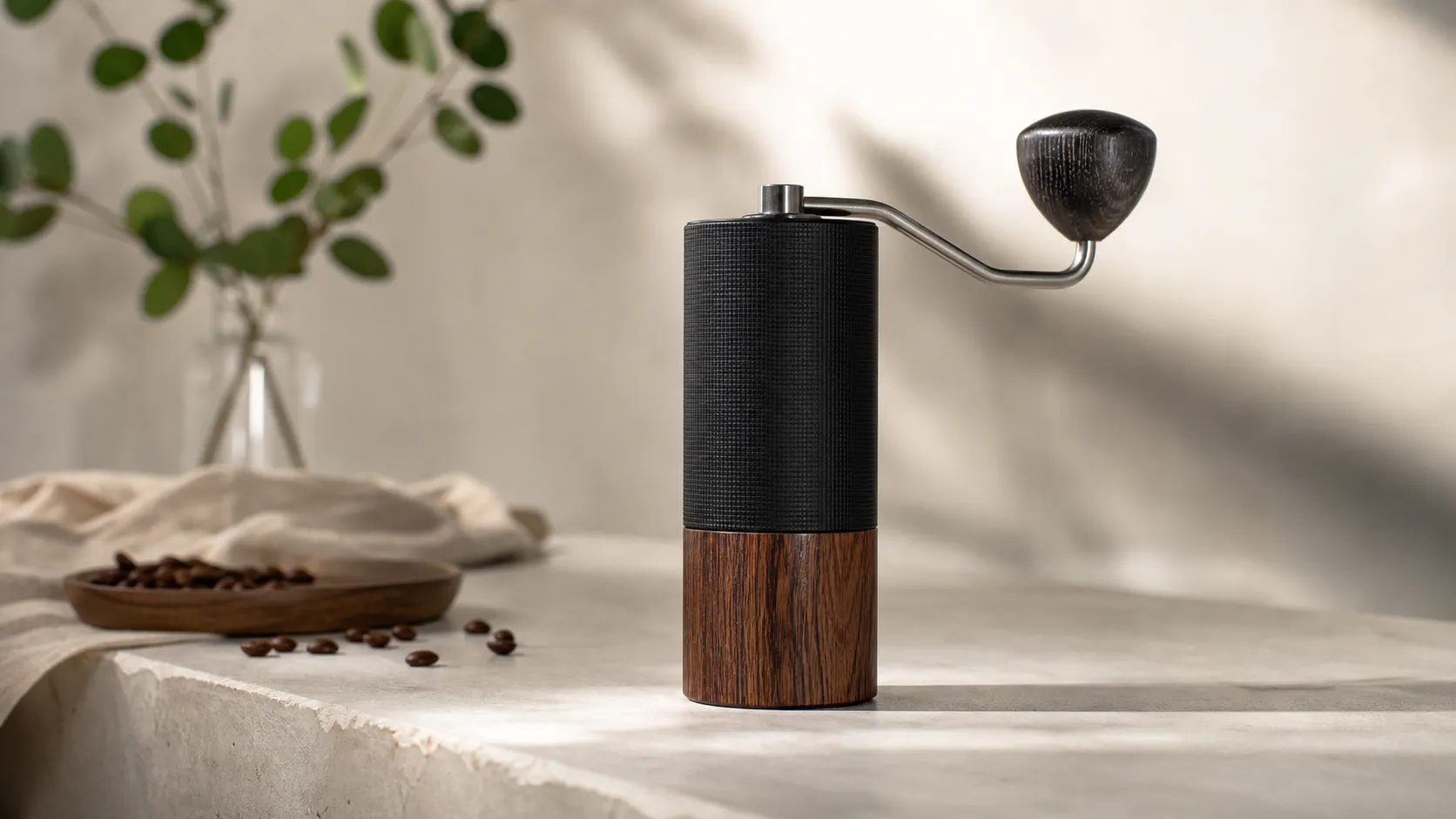
Comandante C40 MK4 Manual Coffee Grinder — 2026 Review
A premium manual grinder known for exceptional build and grind consistency — ideal for serious home baristas, but heavy and pricey for casual users or travel.
 Kitchen & Appliances
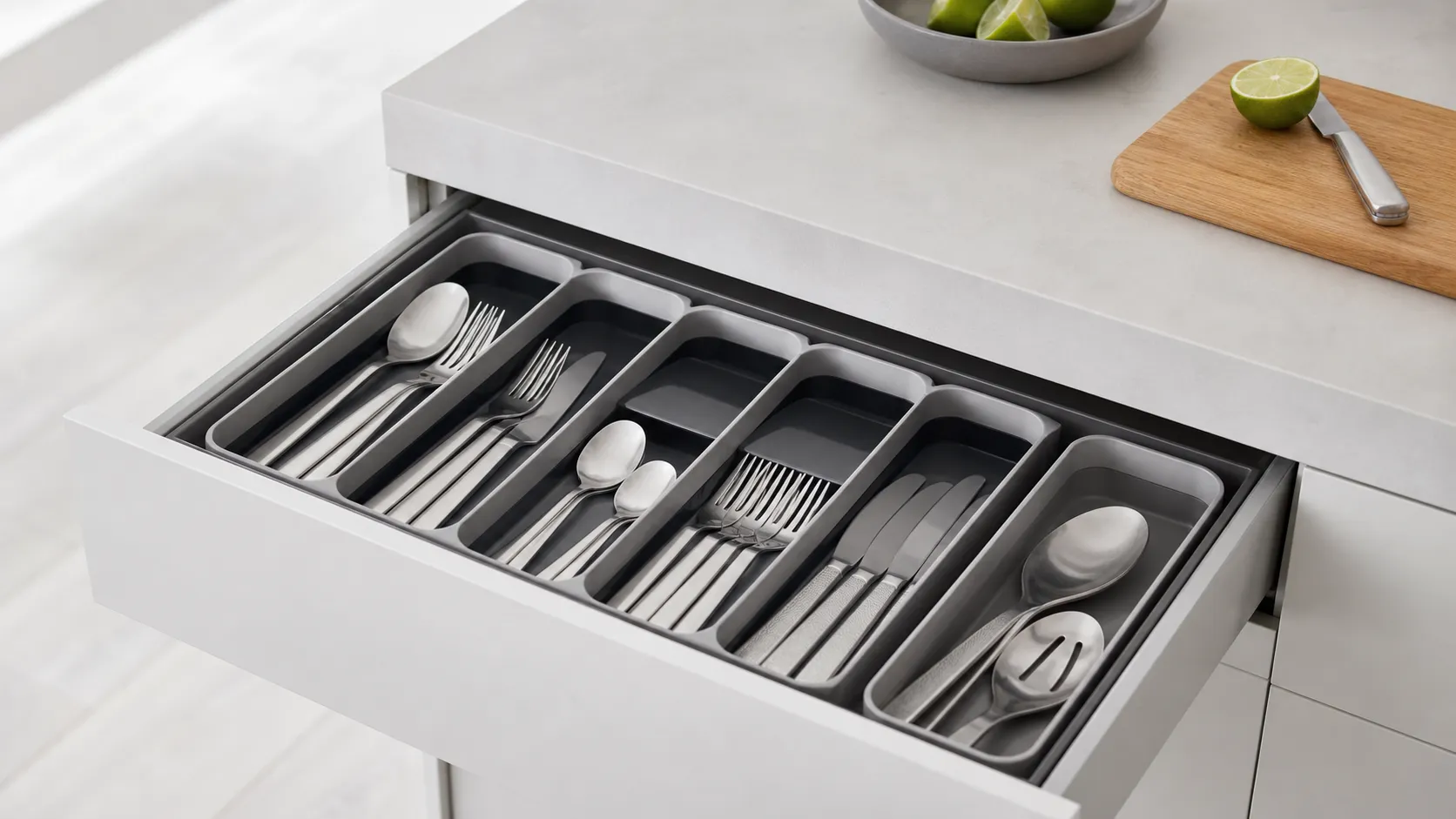
Joseph Joseph DrawerStore Cutlery Organizer Review 2026
A slim, modern cutlery tray that maximizes shallow-drawer space. Great for tidy, small-kitchen organization—measure your drawer first and avoid if you store long utensils.
 Kitchen & Appliances
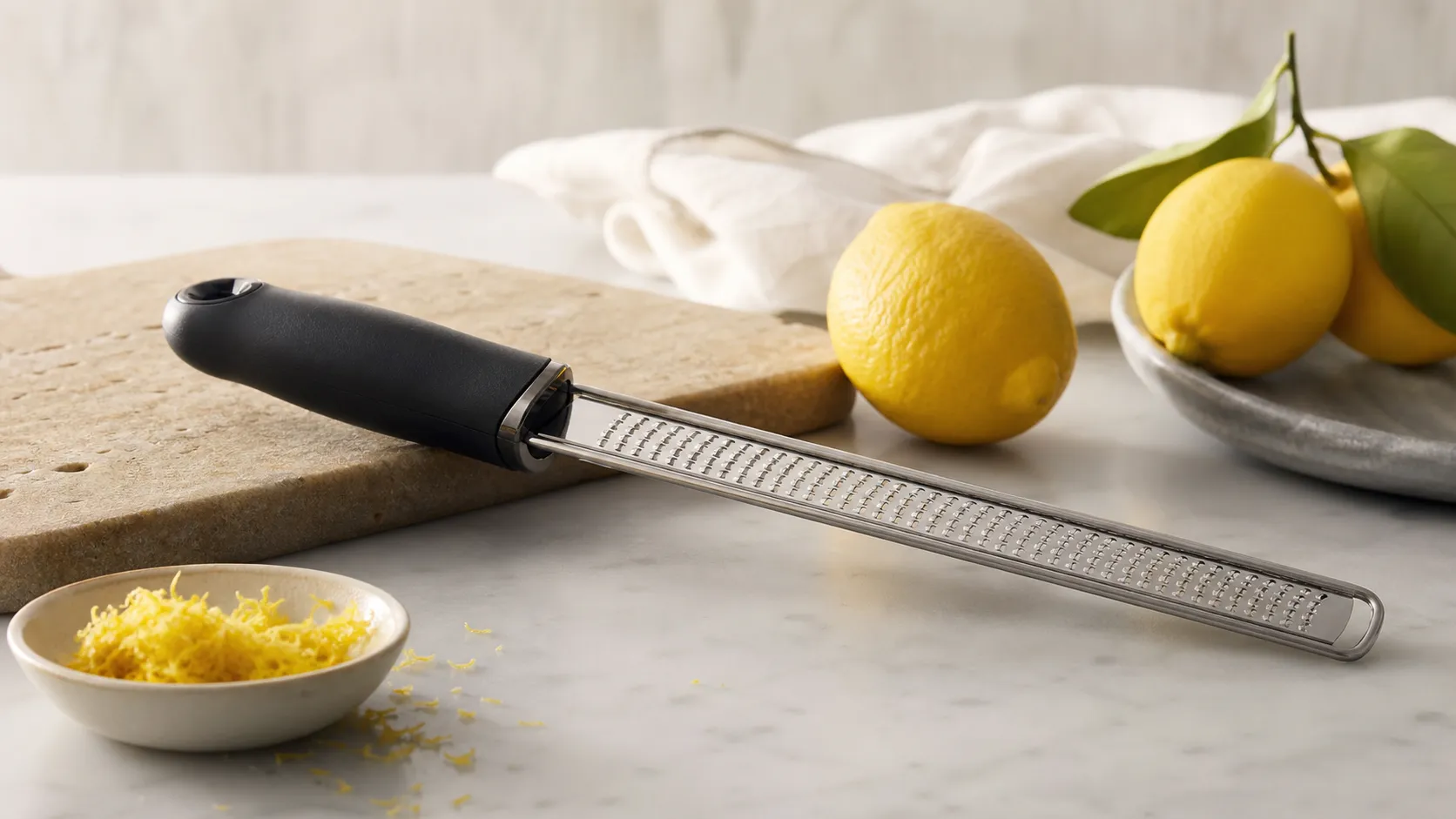
Microplane Premium Classic Zester/Grater — Review 2026
The Microplane Premium Classic is the go-to hand zester for precise, fluffy citrus zest and fine shavings. Sharp, compact, and great value—best for finishing, not bulk grating.