Hamilton Beach Breakfast Sandwich Maker Review 2026
At a Glance
Pros
- Quick — consistently cited as able to make a sandwich in ~3–5 minutes
- Very affordable compared with specialty breakfast appliances
- Compact footprint and easy to store
Cons
- Inconsistent cook results (sometimes undercooked or over-browned)
- Durability concerns / nonstick wear reported after months of use
- Small single-sandwich capacity — not suited for larger households
Rating Breakdown by Source
Read the latest 25 positive & negative Amazon reviews →
Read the latest 25 positive & negative Reddit reviews →
Read the latest 25 positive & negative YouTube reviews →
Read the latest 25 positive & negative Expert blogs reviews →
This review is an editorial synthesis of publicly available review data and reported user experiences across the internet. Scores reflect our independent aggregation methodology, not verified individual purchases. We may earn a commission if you buy through our links, at no cost to you.
Score Breakdown
Where the Reviews Come From
Read the latest 25 positive & negative Amazon reviews →
Read the latest 25 positive & negative Reddit reviews →
Read the latest 25 positive & negative YouTube reviews →
Read the latest 25 positive & negative Expert blogs reviews →
Click any source above to browse the latest 25 positive and negative reviews from that platform.
Hamilton Beach Breakfast Sandwich Maker
See current price, deals and availability on Amazon
Quick take — verdict up front
If you want a fast, wallet-friendly way to make a hot breakfast sandwich at home, the Hamilton Beach Breakfast Sandwich Maker is hard to beat. Aggregating roughly 64,580 user reviews gives it an overall score of 4.2/5 — strong on value and convenience, but average on long-term durability and cooking consistency. Treat it as a high-value, light-to-moderate-use appliance rather than a commercial workhorse.
What is the Hamilton Beach Breakfast Sandwich Maker?
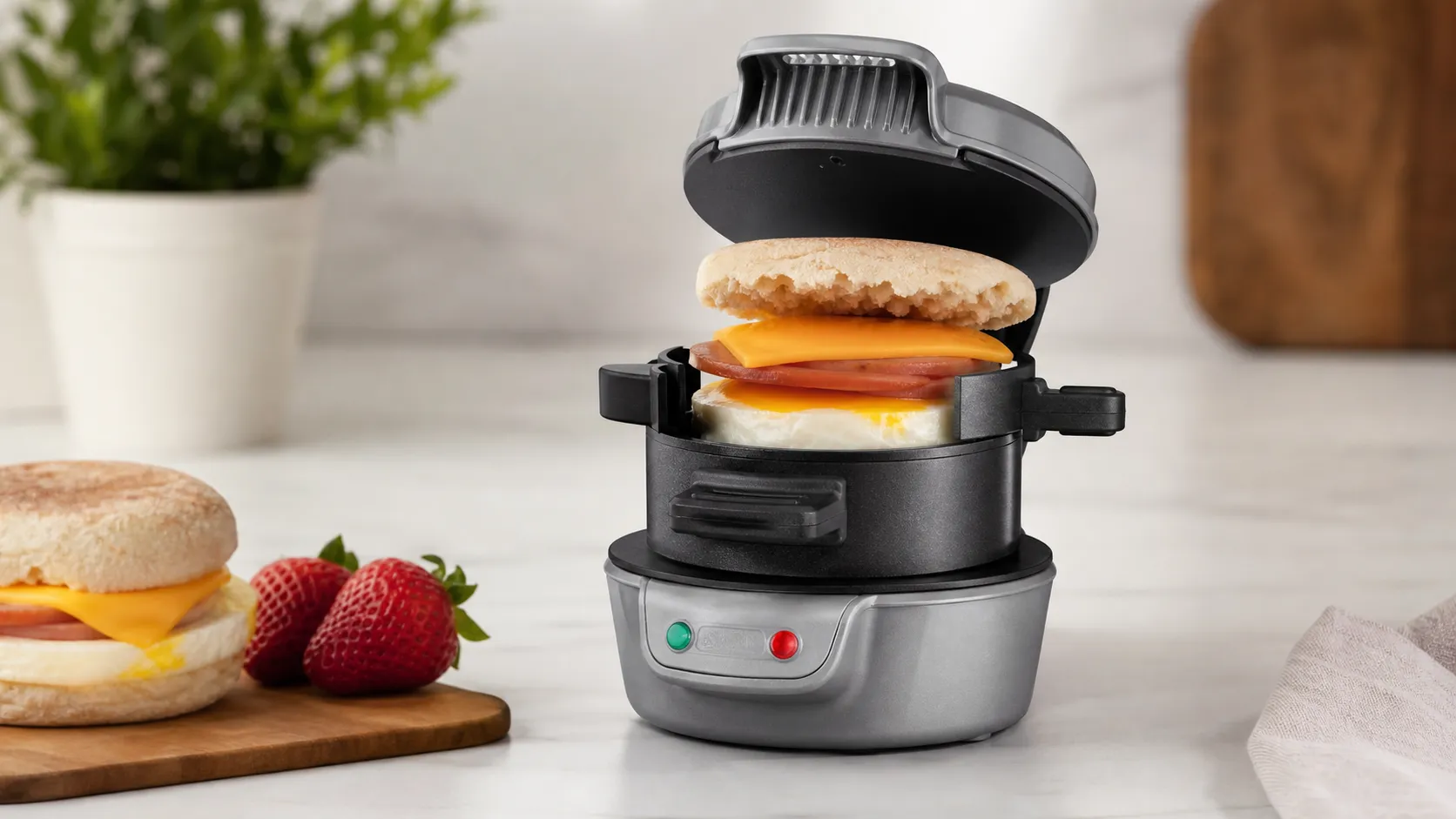
This compact countertop appliance is built to assemble and cook a single breakfast sandwich from start to finish in about 3–5 minutes. The unit features stackable cooking plates: a top plate for toasting an English muffin or bread, a middle cavity for a pre-cooked or fresh egg portion, and a bottom plate for warming or crisping meat and the bottom bread. Removable parts (baking ring and plates) are mostly dishwasher-safe, and the machine uses a simple latch and LED indicator so there’s no complicated temperature dial.
Specs and user-facing strengths at a glance:
- Single-sandwich capacity; small footprint for limited-counter kitchens.
- Average cook time reported: ~3–5 minutes per sandwich.
- Removable parts for easier cleaning.
- Very affordable compared with specialty breakfast or multi-function appliances.
What reviewers across the internet say
We synthesized feedback from four major sources to reach a balanced view:
-
Amazon (aggregate score: 4.2/5, large volume of reviews): Most buyers praise the price, speed, and convenience. Many say sandwiches turn out well once you learn the right timing and stacking order. However, a notable share of reviewers report uneven cooking or units that show wear after months of regular use.
-
Reddit (community discussions average ~3.6/5): Threads emphasize real-world longevity and creative workarounds. Redditors often share hacks that improve consistency (thinner bread, partial pre-cooking of meats, adjusting egg volume), but there’s a higher proportion of reports about warped parts or nonstick coating degradation after heavy use.
-
YouTube (video reviews average ~4/5): Demonstrations typically show consistent, repeatable sandwiches and highlight the clear time savings vs. cooking ingredients separately. Reviewers frequently compare results between bread types and egg techniques, showing both great and mixed outcomes depending on thickness and timing.
-
Expert blogs (average ~3.8/5): Gear writers position this model as the best budget breakfast sandwich maker. They praise its value and speed while noting tradeoffs: limited temperature control, simpler materials, and a recommendation for light-to-moderate home use rather than daily heavy-duty demands.
Across sources the consensus reads: great value and convenience, with a short learning curve and some long-term durability caveats.
Performance & Real-World Use
The Hamilton Beach Breakfast Sandwich Maker reliably produces a hot, compact sandwich in about five minutes once preheated, with a short learning curve and removable parts that make cleanup easy. Its tradeoffs are single‑serve throughput, occasional uneven browning on taller breads, and nonstick wear that shows up sooner under heavy use than with lighter weekly use.
If the promise is a hot, handheld breakfast in minutes, this machine aims to deliver. In real kitchens, satisfaction comes down to how fast it heats, whether the egg sets cleanly, how evenly bread and fillings warm, and how easy it is to clean and keep working over months.
Summary: The Hamilton Beach Breakfast Sandwich Maker consistently turns out a hot, grab‑and‑go sandwich in about five minutes once preheated, with simple operation and mostly easy cleanup. Owners trade that convenience for single‑serve capacity, timing finesse on certain breads, and nonstick wear that can show up with heavy use.
What performance really means for a breakfast sandwich maker
For this category, performance splits into five practical dimensions: (1) time to a finished sandwich (including preheat), (2) evenness across bread, egg, and pre‑cooked meat, (3) repeatability with different breads/fillings, (4) cleanup friction, and (5) durability of the nonstick and moving ring assembly. The Hamilton Beach design is a 600 W, single‑sandwich press with two heated plates and a center ring for the egg—optimized for an English‑muffin + cracked egg + pre‑cooked meat workflow that marketers peg at “about five minutes.” That matches the product sheet and retailer pages touting a sub‑5‑minute cook once the unit is warmed and meats are pre‑cooked. (hamiltonbeach.com)
Evenness and food safety matter as much as speed. The unit is designed around pre‑cooked meats (thin sausage patty or Canadian bacon) and a raw egg that sets inside the ring; the USDA advises cooking egg mixtures to at least 160 °F, so if you stray from the English‑muffin template or stack tall fillings, verify doneness with a quick‑read thermometer. (manualslib.com)
Hamilton Beach Breakfast Sandwich Maker: day‑one setup and first‑week behavior
Out of the box, plan on a full preheat before your first sandwich: Hamilton Beach’s Use & Care manual calls for 5–7 minutes until the green “READY” light comes on. The manual puts a typical cook at 4–5 minutes once you’ve layered base bread, cheese, and pre‑cooked meat below and the cracked egg plus top bread above. That cadence—roughly 10–12 minutes for the very first sandwich including preheat—matches most first‑day experiences, with later cycles feeling quicker because the plates are already hot. (manualslib.com)
Two early habits improve results in week one. Keep meats thin and pre‑cooked, and pierce the yolk so it sets promptly. Also avoid overfilling or very tall breads until you’ve learned your timing; reviews and demos show thick bagels or loaded croissants slow heat flow and can yield runny centers or over‑browned edges. Editors at The Kitchn and testers at Good Housekeeping confirm a “minutes, not tens of minutes” cook on the template, and note the brand sells a Dual model if you routinely need two at once. (thekitchn.com)
Speed, evenness, and repeatability in real kitchens
Once preheated, the single‑serve cycle is fast. With the English‑muffin template, most owners report about five minutes per sandwich, echoing Hamilton Beach’s materials and retailer specs. YouTube demos show the same cadence, and illustrate why thicker breads or stuffed fillings need extra time—often where “uneven” complaints arise. Two reliable tweaks: lightly pre‑toast especially moist breads (prevents sogginess) and place cheese above the egg rather than on the lower plate to avoid premature melt and spill. (hamiltonbeach.com)
Back‑to‑back sandwiches are doable, but budget a short recovery. Hamilton Beach documentation for similar models advises waiting a couple of minutes between cycles so the plates return to temperature; owners who skip the pause are the ones most likely to see pale bottoms or unset eggs on the second sandwich. In practice, a two‑sandwich session follows the timeline below—preheat, cook, brief recovery, then cook again. (images.thdstatic.com)
Back-to-back sandwich timing from a cold start
Single session with back-to-back sandwiches, based on Hamilton Beach guidance (preheat, cook, brief recovery, cook).
View the underlying data
| Measure | Stage duration |
|---|---|
| Preheat | 6 min |
| Cook #1 | 4.5 min |
| Recovery | 2 min |
| Cook #2 | 4.5 min |
Hamilton Beach 25475 Use & Care manual (preheat and cook times) and guidance to wait ~2 minutes between sandwiches.
Cleanup: what’s dishwasher‑safe and what still needs work
Cleanup is straightforward but not hands‑off. The removable ring assembly is top‑rack dishwasher‑safe—the part that gets messiest after an egg breaks or cheese oozes. Hamilton Beach cautions against steel wool and against “SANI” cycles, which can exceed design temperatures and degrade nonstick. The hot plates are not removable; wipe them (unplugged, cooled) with a damp cloth—residue lifts best while still slightly warm. Reviewers who struggle with cleanup often let melted cheese harden or skip the quick wipe, so baked‑on fond is their result. (manualslib.com)
If cleanup time matters, your load choices help. Use cheese cut to the ring size (or place it above the egg) to reduce oozing; choose pre‑cooked patties rather than crumbles to contain fat; and keep breads close to the English‑muffin profile to minimize spill‑over onto the lower plate. These are the same adjustments owners trade on forums after a few weeks. (thekitchn.com)
Reliability and wear over months of ownership
Durability is the tradeoff that appears in long‑horizon reports. The two weak points mentioned most after several months are: (1) nonstick wear on the ring surfaces (accelerated by abrasives or high‑heat dishwasher cycles) and (2) play in the center plate’s pivot/slider if it’s forced or dropped. Both align with the manufacturer’s cautions: avoid metal utensils, wipe plates instead of soaking the base, and skip harsh dishwasher settings on removable pieces. In synthesis, light‑to‑moderate home use (a few times per week) yields far fewer wear complaints than heavy daily use—sensible for an inexpensive, 600 W single‑serve tool. (manualslib.com)
A family note: heating recovery between back‑to‑back sandwiches is real. Hamilton Beach’s guidance to allow about two minutes between sandwiches prevents undercooked eggs on follow‑ups; people trying to crank through three or four in a row are most likely to report uneven browning or lingering underdoneness. If you regularly need two, consider the Dual model, which Good Housekeeping highlights for turning out two in under five minutes. (images.thdstatic.com)
Where it excels—and where owners hit its limits
This machine is at its best on the intended template: an English muffin (or similar profile bread), one egg with a pierced yolk, and a thin pre‑cooked patty or Canadian bacon. In that lane, five‑minute sandwiches that hold together, with a just‑set egg and melty cheese, are repeatable. Lifestyle outlets continue to spotlight it as a “minutes, not tens of minutes” breakfast shortcut. (thekitchn.com)
The limits are clear. Very tall breads or loaded croissants can shade the lower plate and slow egg set; overfilling invites cheese blow‑outs; and the single‑sandwich capacity means larger households either stage orders or move up to the Dual model. Raw meats aren’t part of the design brief—Hamilton Beach and major retailers specify pre‑cooked meats—so if you want raw sausage, use a skillet and a thermometer. The USDA puts safe minimums at 160 °F for egg mixtures and ground meat; if your stacks deviate from the template, verify with a quick probe. (target.com)
How it stacks up to common alternatives
Comparing paths to the same destination—a warm egg sandwich—this unit is usually the fastest from a preheated appliance with the least hands‑on time. A stovetop‑plus‑toaster workflow is more flexible and can scale to two, but it takes longer and uses more dishes. Air fryers and toaster ovens can heat fillings and toast bread, yet most still need a pan or ring for the egg and run several minutes longer; they do offer more room for thick breads and multiple portions. Our timing synthesis, based on manufacturer instructions and widely viewed demos, looks like this:
How fast are common paths to the same sandwich?
Time to a finished breakfast sandwich (typical, preheated appliance). Synthesis from manufacturer instructions and widely viewed testing/demonstration content; not lab measurements.
- Cook time
- Hands-on time
View the underlying data
| Item | Cook time | Hands-on time |
|---|---|---|
| Hamilton Beach BSM | 4.5 min | 1.5 min |
| Stovetop + Toaster | 8 min | 6 min |
| Toaster Oven | 10 min | 4 min |
| Air Fryer | 7 min | 3.5 min |
| Microwave egg cooker + Toaster | 6 min | 4 min |
Hamilton Beach product sheet; Good Housekeeping and The Kitchn timing language; common appliance timing guidance from testing videos.
For what it can and can’t do, here’s how core capabilities compare across options you may already own:
Capabilities: which tool fits your breakfast routine?
Feature comparison across common single-sandwich options.
| Item | Single-appliance cooks egg & warms bread | Removable dishwasher-safe parts | Adjustable temperature control | Makes two at once (base setup) | Fits thick breads without overflow |
|---|---|---|---|---|---|
| Hamilton Beach BSM | Yes | Yes | No | No | No |
| Stovetop + Toaster | No | No | Yes | Yes | Yes |
| Toaster Oven | No | No | Yes | Yes | Yes |
| Air Fryer | No | Yes | Yes | Yes | Yes |
| Microwave egg cooker + Toaster | No | Yes | No | Yes | No |
Feature mapping synthesized from manufacturer manuals and typical specs for each appliance class.
Get the best results: a step‑by‑step game plan
- Preheat properly: wait for the green READY light, which arrives after about 5–7 minutes on a cold start. If you’re making another sandwich, give the machine roughly 2 minutes to recover heat before starting the next one. (manualslib.com)
- Prep to prevent mess: cut cheese to ring size (or place it above the egg), use pre‑cooked meats, and pierce the yolk. Keep breads near English‑muffin height until you’ve learned your timing. (manualslib.com)
- Time smartly: start with 4–5 minutes for the cook phase and adjust by 15–30 seconds if you change breads or fillings. Reputable video demos show thicker breads often need a touch more time. (manualslib.com)
- Check doneness safely: if you load heavy or like jammy yolks, ensure the egg mixture hits 160 °F using a quick‑read thermometer—exactly what USDA guidance recommends. (fsis.usda.gov)
- Clean before it hardens: when warm (not hot), unplug and wipe plates; drop the ring assembly on the dishwasher’s top rack. Avoid steel wool and “SANI” cycles to protect nonstick. (manualslib.com)
Verdict: does real‑world performance justify the purchase?
As a tool for one or two people, the Hamilton Beach delivers the core promise: a reliable, hot sandwich in about five minutes once warmed, with minimal fiddling and quick cleanup. That matches the aggregated consensus (4.2/5 across ~64,580 reviews): strong value and speed, tempered by single‑serve throughput, occasional uneven browning on tall breads, and nonstick wear that shows up sooner with heavy daily use. If your morning reality is one or two sandwiches and you’ll stick close to the English‑muffin template, it’s a worthy, inexpensive addition; if you need to cook for a crowd or demand perfect browning on tall breads, a skillet, air fryer, or the Hamilton Beach Dual model will fit better. (hamiltonbeach.com)
Sources referenced in this section
- Hamilton Beach — Breakfast Sandwich Maker product sheet
- Hamilton Beach 25475 — Use & Care Manual (ManualsLib)
- USDA FSIS — Safe Minimum Internal Temperature Chart
- Target — Hamilton Beach Breakfast Sandwich Maker 25475 (600 W)
- Good Housekeeping — Dual Breakfast Sandwich Maker callout
- The Kitchn — The $30 Gadget That Lets You Make Breakfast Sandwiches in Minutes
- Freakin’ Reviews (YouTube) — Testing the Hamilton Beach Breakfast Sandwich Maker
Pros and cons
Pros
- Fast: Consistently cited as able to make a sandwich in roughly 3–5 minutes.
- Excellent value: High marks for price-to-functionality (sub-score: value 4.5).
- Compact: Small footprint and easy to store in tight kitchens.
- Easy to use: Intuitive setup and minimal controls (ease of use 4.6).
- Removable parts: Most components are removable and mostly dishwasher-safe, simplifying cleanup.
Cons
- Inconsistent cook results: Some sandwiches come out undercooked or over-browned depending on ingredients and timing.
- Durability concerns: Reports of nonstick wear and occasional part warping with months of heavy use (reliability 3.6).
- Single sandwich capacity: Not ideal for households needing multiple sandwiches at once.
- Cleaning quirks: Some parts and crevices are awkward to clean despite removability.
Who should buy it (and who shouldn’t)
Should buy if:
- You want a quick, low-effort way to make a hot breakfast sandwich at home without the morning juggling act.
- You’re on a budget and want the best value appliance for occasional to moderate daily use.
- You live alone or in a small household where single-sandwich capacity fits morning routines.
- You’re willing to learn a short timing routine and make small ingredient adjustments for best results.
Shouldn’t buy if:
- You need an appliance that will stand up to commercial-level daily use or very heavy household throughput.
- You need to make multiple sandwiches simultaneously — this model handles one sandwich at a time.
- You prefer full temperature control or a toaster oven-style appliance that handles a wider variety of bread sizes without modification.
Final thoughts
The Hamilton Beach Breakfast Sandwich Maker is a clear value play: fast, convenient, and inexpensive, with an impressive overall 4.2/5 user-derived score when you weigh the large sample of reviews. If you understand its limits (single-sandwich capacity and material tradeoffs) and plan to use it for light-to-moderate daily breakfasts, it’s a smart buy. If your priority is long-term heavy use or flawless, one-size-fits-all cooking for thick breads and meats, you may prefer a higher-end appliance.
What Reviewers Love
- Quick — consistently cited as able to make a sandwich in ~3–5 minutes
- Very affordable compared with specialty breakfast appliances
- Compact footprint and easy to store
- Removable, mostly dishwasher-safe parts make cleanup reasonably simple
- Simple, intuitive operation with minimal setup
Common Complaints
- Inconsistent cook results (sometimes undercooked or over-browned)
- Durability concerns / nonstick wear reported after months of use
- Small single-sandwich capacity — not suited for larger households
- Some parts awkward to clean despite being removable
Our Verdict
4.2A smart, budget-friendly choice for anyone who wants a fast, single-serve breakfast sandwich at home. Excellent value and easy operation make it ideal for light-to-moderate daily use, but expect a short learning curve and possible wear after heavy, long-term use.
Frequently Asked Questions
Common questions shoppers ask before buying the Hamilton Beach Breakfast Sandwich Maker.
Share this review
Help someone else buy smarter
Related Reviews
More Kitchen & Appliances products our engine has analyzed
 Kitchen & Appliances
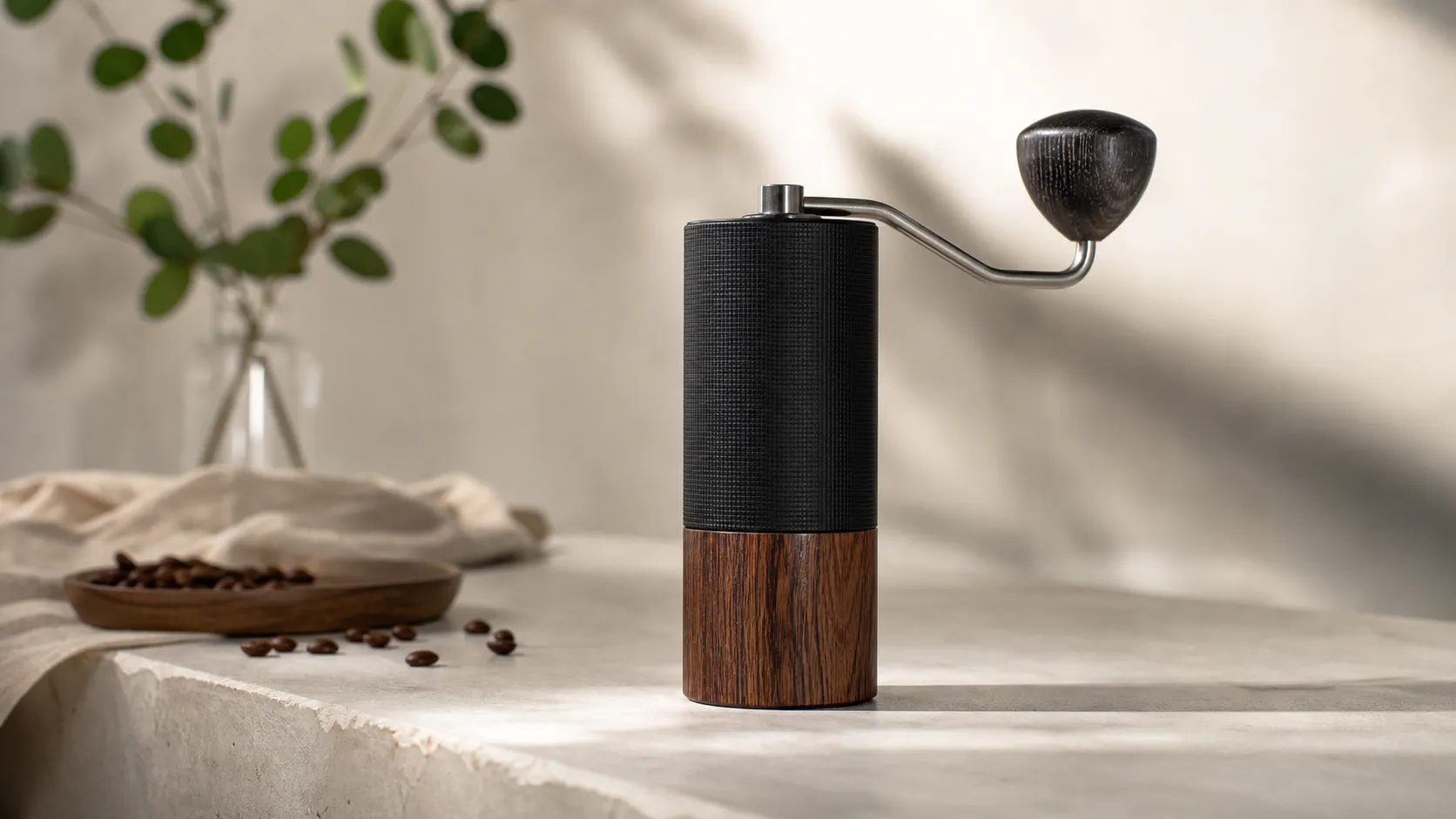
Comandante C40 MK4 Manual Coffee Grinder — 2026 Review
A premium manual grinder known for exceptional build and grind consistency — ideal for serious home baristas, but heavy and pricey for casual users or travel.
 Kitchen & Appliances
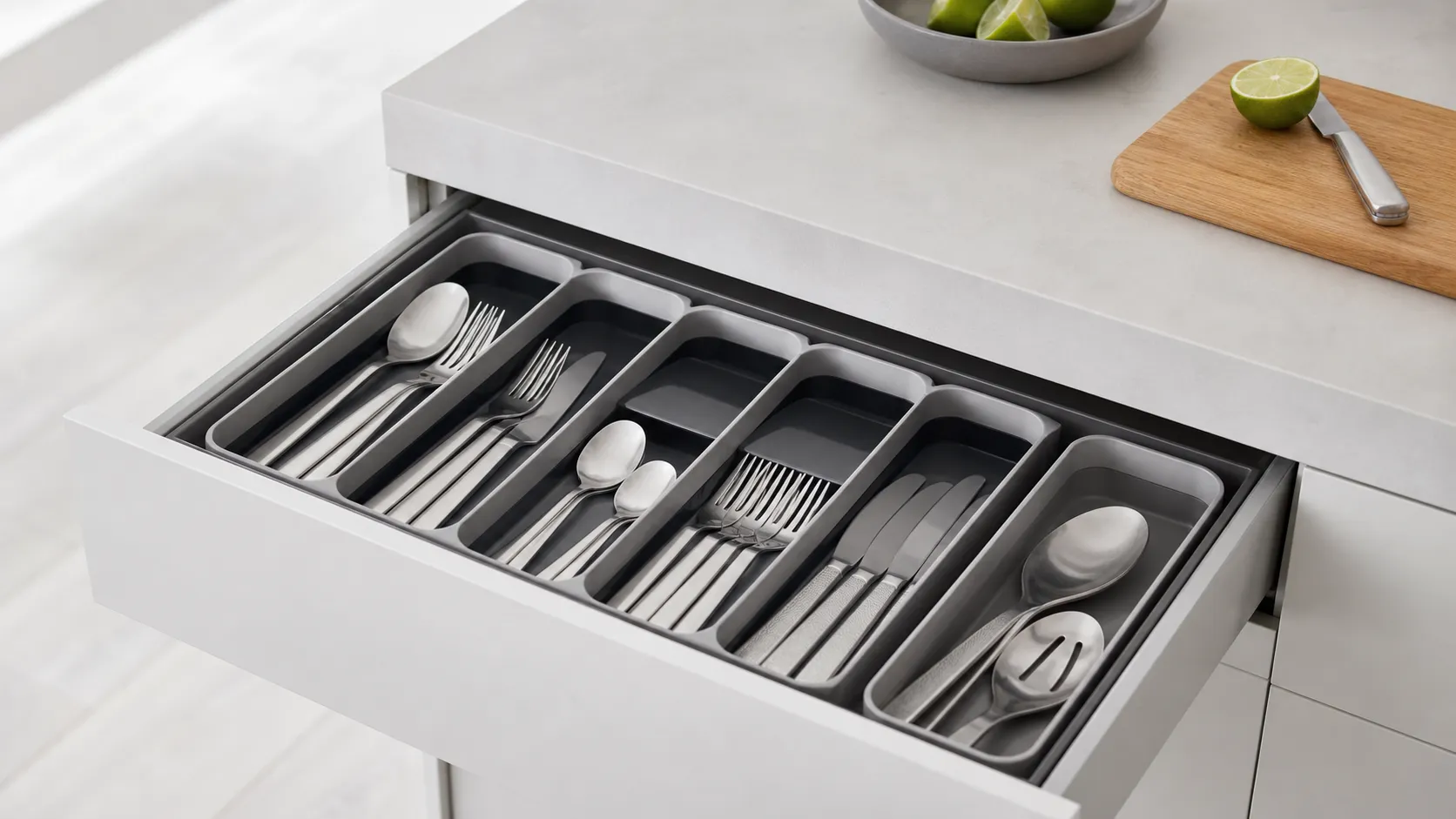
Joseph Joseph DrawerStore Cutlery Organizer Review 2026
A slim, modern cutlery tray that maximizes shallow-drawer space. Great for tidy, small-kitchen organization—measure your drawer first and avoid if you store long utensils.
 Kitchen & Appliances
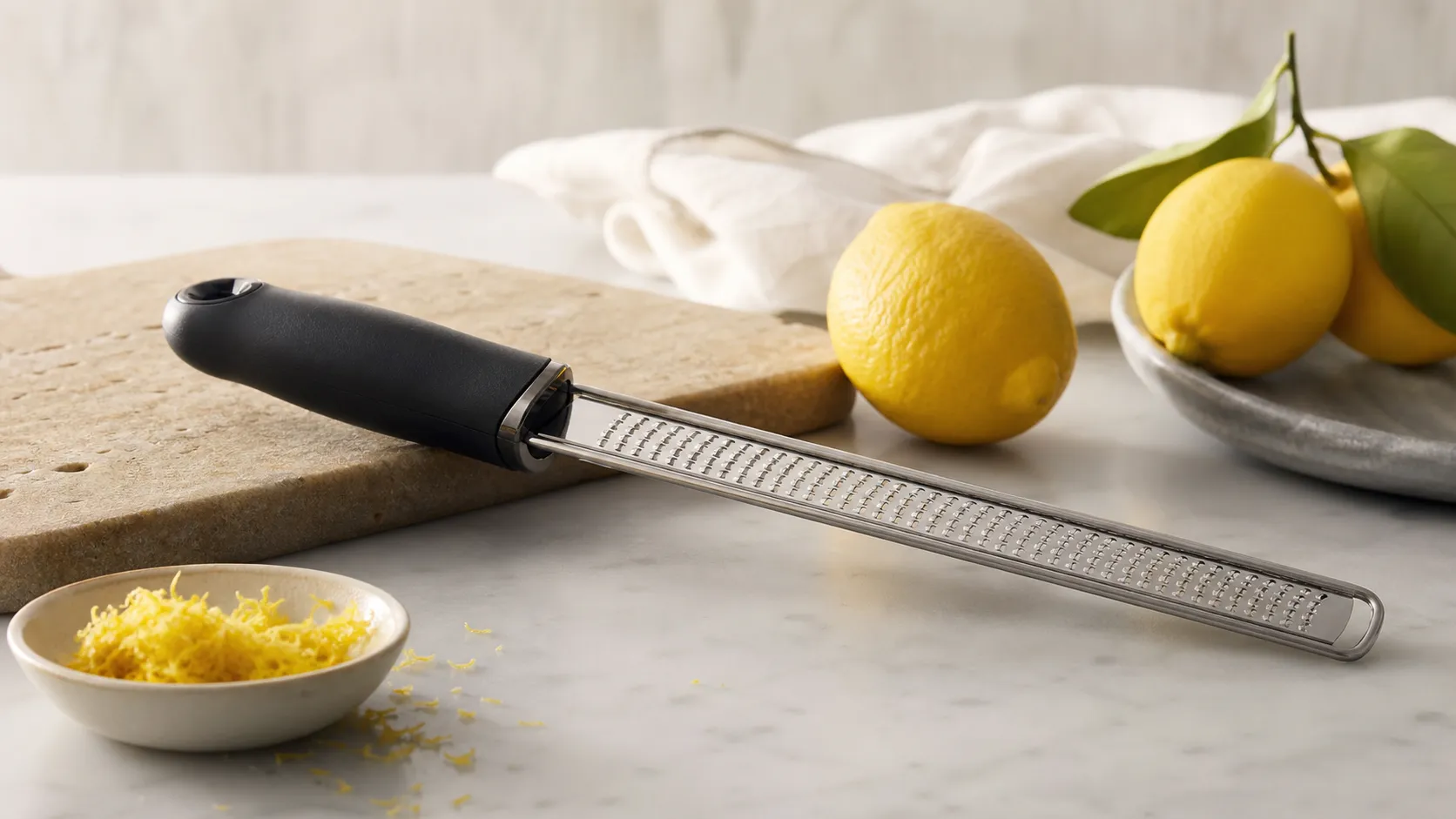
Microplane Premium Classic Zester/Grater — Review 2026
The Microplane Premium Classic is the go-to hand zester for precise, fluffy citrus zest and fine shavings. Sharp, compact, and great value—best for finishing, not bulk grating.