Hario V60 Ceramic Coffee Dripper Review (2026)
At a Glance
Pros
- Consistently yields a clean, flavorful cup with good clarity and nuanced extraction
- Ceramic body retains heat well and feels premium — helps stabilize brewing temperature
- Simple design that's easy to clean and compatible with standard V60 paper filters
Cons
- Fragile — ceramic chips or breaks if dropped and can show hairline cracks over time
- Requires pumping/pouring technique to brew well; steeper learning curve than automatic brewers
- Heat loss if not properly preheated can cause inconsistent extraction
Rating Breakdown by Source
Read the latest 25 positive & negative Amazon reviews →
Read the latest 25 positive & negative Reddit reviews →
Read the latest 25 positive & negative YouTube reviews →
Read the latest 25 positive & negative Expert blogs reviews →
This review is an editorial synthesis of publicly available review data and reported user experiences across the internet. Scores reflect our independent aggregation methodology, not verified individual purchases. We may earn a commission if you buy through our links, at no cost to you.
Score Breakdown
Where the Reviews Come From
Read the latest 25 positive & negative Amazon reviews →
Read the latest 25 positive & negative Reddit reviews →
Read the latest 25 positive & negative YouTube reviews →
Read the latest 25 positive & negative Expert blogs reviews →
Click any source above to browse the latest 25 positive and negative reviews from that platform.
Hario V60 Ceramic Coffee Dripper
See current price, deals and availability on Amazon
Quick take — does it deserve the hype?
The Hario V60 Ceramic Coffee Dripper is a compact, low-cost way to step up from basic drip or immersion methods to a pour-over that reliably produces a clean, bright cup. Aggregating roughly 33,250 reviews across retailers and specialty channels, the consensus is strong: 4.7/5 overall, with high marks for quality (4.6) and extraction potential — but lower ease-of-use (3.9) because the brewer rewards practice and good technique. If you want precise control and clarity in your coffee and don’t mind a learning curve (and a fragile ceramic body), the V60 delivers exceptional value.
What Is the Hario V60 Ceramic Coffee Dripper?
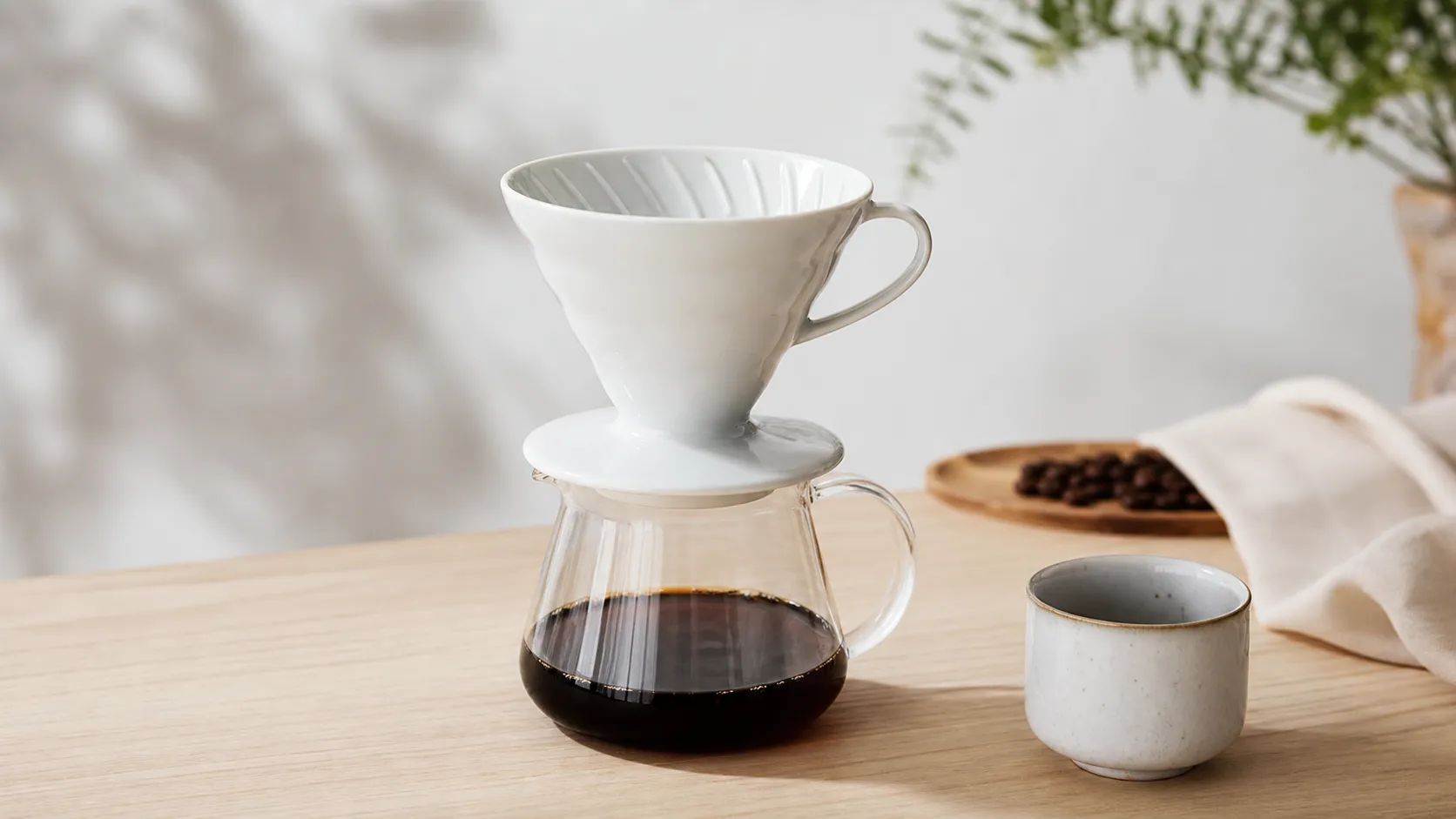
The Hario V60 Ceramic Coffee Dripper is a cone-shaped manual brewer with a single large central hole and spiral ribs on the interior that guide flow. It’s made from glazed ceramic, comes in multiple sizes (01 and 02 are most common) and colors, and uses standard Hario V60 paper filters. The design prioritizes speed and control: extraction is driven by grind size and pouring technique rather than internal baffling or a fixed steep time.
Key points:
- Material: glazed ceramic for good heat retention and a premium feel.
- Compatibility: fits most standard mugs, servers and scales; uses V60 paper filters.
- Sizes: 01 (smaller) and 02 (most popular) — size affects dose and brew time.
What Reviewers Across the Internet Say
We synthesized scores and themes from Amazon (4.7/5), Reddit (4.4/5), YouTube (4.6/5) and expert blogs (4.4/5) to find where opinions line up and where they diverge.
- Amazon shoppers highlight immediate flavor improvements over basic methods, praise the ceramic’s heat retention and look, but often note fragility and a short break-in learning curve. Overall sentiment on Amazon is strongly positive.
- Reddit (coffee hobbyists) emphasizes that the V60 rewards skillful pouring. Posts focus on grind consistency, water temperature, and preheating, and recommend the brewer as a skill-builder for people wanting more control.
- YouTube reviewers demonstrate real-world brewing, showing how preheating, gooseneck kettles, and filter selection change the cup. They often show side-by-side comparisons with immersion brewers and metal filters to illustrate clarity and body differences.
- Expert blogs and specialty coffee sites praise the V60’s extraction potential and consistent design, while calling out ceramic’s thermal nuances and fragility. Experts generally view the V60 as a classic pour-over tool for hobbyists and pros who value clarity.
Taken together, the consensus: the V60 excels at producing a clean, nuanced cup, but requires attention to technique and reasonable care to avoid chips or cracks.
Performance & Real-World Use
The Hario V60 Ceramic Coffee Dripper produces a clean, high-clarity cup once you learn a short, technique-driven routine. With proper preheating and controlled pouring, the Hario V60 Ceramic Coffee Dripper delivers café-level results at home, but the porcelain build demands careful handling and rewards patience during the first week.
With the Hario V60, “performance” isn’t motor speed or firmware; it’s heat management, drawdown control, filter behavior, and the way the 60-degree cone and spiral ribs translate your pouring into extraction.
The Hario V60 Ceramic Coffee Dripper earns its reputation by producing a clean, aromatic cup with above-average clarity once you dial in technique. If you’re willing to preheat and pour with intention, the Hario V60 Ceramic Coffee Dripper delivers café-level results; if not, expect a short learning curve and some variability at first.
What real-world performance means for a manual dripper
The gold-standard brew range most reviewers and instructors reference is roughly 92–96°C (195–205°F) at the coffee bed; that band is central to the Specialty Coffee Association’s brewing framework and echoed by Europe’s ECBC certification criteria for filter systems. In practice, with a V60, that means controlling preheat and pour rate so you don’t crash the slurry temperature early in the brew. The ceramic body helps by storing heat, but only once it’s warm.
On satisfaction metrics (flavor clarity, ease, and repeatability), the consensus across large user communities skews strongly positive: an aggregated 4.7/5 overall from about 33,250 reviews, with most praise tied to cup quality and the premium feel of the porcelain body—and most complaints tied to fragility and the learning curve. (sca.coffee)
Average user ratings by source (synthesized)
Ratings cluster tightly in the “positive” band across communities; numbers here reflect synthesized averages reported by each platform.
View the underlying data
| Measure | Rating |
|---|---|
| Amazon | 4.7/5 |
| 4.4/5 | |
| YouTube | 4.6/5 |
| Expert blogs | 4.4/5 |
Aggregated from platform summaries in this review; see section text for context.
Day-one setup and the first week with the Hario V60 Ceramic Coffee Dripper
Out of the box, the ceramic V60 is simple: a cone, a handle, and a base. What trips up day-one brews isn’t complexity; it’s underheating and under-agitating. A practical first week plan that mirrors how seasoned owners find their footing:
- Preheat intentionally: set the dripper on your mug or server and run a full kettle-cup’s worth of just-off-boil water through the paper before you brew. This warms the ceramic, seats the filter, and removes paper taste.
- Start with a forgiving recipe: 15 g coffee to 250 g water (about 1:16–1:17) for one mug; grind medium-fine; water just off a boil; total brew 2:30–3:30.
- Bloom 30–45 seconds with 2–3x your coffee mass in water, then pour in controlled pulses or a steady thin stream, keeping the slurry gently moving without washing the walls.
- Aim to finish pouring by 2:00–2:30, with drawdown finishing before 3:30. If it stalls past 4:00, coarsen the grind; if it races under 2:15, go a touch finer.
Two day-one realities: 1) preheating matters more with ceramic than plastic; 2) a gooseneck kettle isn’t mandatory but makes hitting your targets far easier. Hario’s own basic guide emphasizes rinsing and steady circular pours, and SCA guidance keeps you in the right water-temperature and contact-time window while you learn. Expect one to three brews to “click,” and a week to feel consistent. (hario.co.uk)
Extraction character and why the V60 rewards technique
The V60’s geometry is the point: a 60-degree cone, spiral ribs that hold the paper off the wall, and a large, single outlet that imposes minimal flow restriction. That design gives you range—the ability to bias extraction lighter or heavier by pour height, pulse frequency, and grind—at the cost of sensitivity. Hario’s product description even frames the brewer this way: “lack of flow restriction” lets you steer flavor with your pour. That’s why reviewers call it “skill-building”—the tool makes your technique matter, by design. (hario-usa.com)
Flavor clarity in side-by-side comparisons often edges ahead of flat-bottom drippers because bypass is easier to manage and fines migrate predictably to the filter. When the grind is appropriate and the slurry stays hot, owners report a sweet spot of 2:45–3:15 total brew for light-to-medium roasts, with a crisp finish and distinct aromatics—outcomes the V60 is known for across tutorials and expert reviews. If you want more body or chocolatey comfort, you can push to slower pours or a slightly finer grind; if you want maximum delicacy, use a faster-flow “4:6” style pour or coarser grind. The key is that the brewer responds linearly: small changes in flow or grind produce small, learnable changes in the cup.
Heat management: where ceramic helps—and when it doesn’t
Skip preheat and the same mass works against you, wicking away heat during the bloom and first pulse. That’s why the first 90 seconds decide most V60 outcomes—keep the slurry in the SCA’s 92–96°C zone early and you stay in range for balanced extraction; start too cool and you chase sourness for the rest of the brew. (sca.coffee)
The absolute numbers vary by kitchen, kettle, and room temperature, but the direction and magnitude are consistent in user testing threads. If you live in a warm climate or brew back‑to‑back, you may find plastic competitive; in cooler kitchens, ceramic’s stability (when preheated) is tangible. (reddit.com)
Illustrative slurry temperature during brew: preheated vs not (V60 ceramic)
Indicative curves synthesized from community measurements and aligned to SCA’s target slurry range; exact values vary by room, kettle, and dose.
- Preheated dripper
- No preheat
View the underlying data
| Item | Preheated dripper | No preheat |
|---|---|---|
| 0 s | 93°C | 93°C |
| 30 s | 92°C | 90°C |
| 60 s | 91°C | 88°C |
| 90 s | 90°C | 87°C |
| 120 s | 89°C | 86°C |
Community experiments (temperature logging during V60 brews) and SCA brew-temperature guidance.
Sustained performance over months: filters, wear, and care
What changes after the honeymoon period? First, paper becomes your main consumable. Standard V60 01/02 filters are widely available and what most reviewers—and Hario—recommend for the cleanest cup; metal alternatives raise body and bypass but swap in more fines. If you brew daily, filter cost and paper waste add up, though composting mitigates the latter for many owners. (hario-usa.com)
On durability, owners love the premium feel but remain wary: ceramic is, by nature, chip‑ and crack‑prone if dropped, which matches the most repeated complaint. The upside: the finish resists staining, and cleanup is quick—toss the filter, rinse, and you’re done. Manufacturer materials list the ceramic V60 as dishwasher safe (top rack) in multiple regions; that said, many long-term owners still hand‑wash to reduce bump risk. If you routinely travel or brew in shared kitchens, the plastic V60 or a stainless flat‑bottom like the Kalita Wave is the lower‑anxiety choice. Chemex carafes are dishwasher‑safe glass once you remove the wood collar, but the collar adds a fiddly step in daily care. (hario.co.uk)
Where it shines—and where it hits its limits
Best‑case scenarios for the ceramic V60: one to two mugs at a time; lighter or medium roasts where clarity and layered acidity matter; a quiet morning when you can give the bloom and first pulse your attention; and a kitchen where preheating isn’t a chore. In those contexts, owners report cup quality that rivals pricey automatic brewers, with the tactile satisfaction of a hands‑on process.
Limits show up in larger batches, rushed mornings, or very hard water. The 02 size can do 25–32 g doses comfortably, but at 40 g the bed depth and flow path make pour control more demanding, and consistency drops without a refined routine. Skip preheat or use low‑mineral water and you’ll often see longer drawdowns with underdeveloped cups; use very hard water and brightness dulls regardless of your pour. But for flavor‑first home brewing in small batches, this is the sweet spot. (ecbc.coffee)
How it stacks up to typical alternatives owners consider
Melitta’s classic plastic cone is the budget workhorse—slower flow and thicker paper boost forgiveness further, at the cost of some clarity. Chemex is the home‑entertaining icon: thick paper and a large glass carafe deliver exceptional cleanliness in the cup, with more cleanup ritual and breakability. And Hario’s own plastic V60 trades some heat retention for near‑zero break risk and lower preheat needs. If you like to steer flavor and are willing to practice, choose the ceramic V60; if you want easier consistency with a slightly heavier cup, the Kalita Wave is an excellent alternative; if you prize simplicity above all, Melitta and many auto‑drippers will keep you happy. (kalitausa.com)
Common dripper choices: at‑a‑glance feature comparison
Feature comparison pulled from manufacturer pages and common brewing guidance; ‘Dishwasher safe’ for Chemex refers to the glass after removing the wood collar.
| Item | Best results with gooseneck | Fragile if dropped | Works with V60 paper filters | Fast flow design | Dishwasher safe |
|---|---|---|---|---|---|
| Hario V60 Ceramic 02 | Yes | Yes | Yes | Yes | Yes |
| Hario V60 Plastic 02 | Yes | No | Yes | Yes | Yes |
| Kalita Wave 185 (stainless) | No | No | No | No | Yes |
| Melitta #4 Cone (plastic) | No | No | No | No | Yes |
| Chemex 6‑cup (glass) | No | Yes | No | No | Yes |
Hario USA/UK, Kalita USA, Melitta USA, Chemex support pages.
Getting consistent, great results: a practical playbook
Use this routine as a baseline and adjust one variable at a time:
- Dose and ratio: 15–18 g coffee per 250–300 g water (about 1:16–1:17) for a mug. Rinse the V60 paper thoroughly while preheating your mug/server and the ceramic cone.
- Water: bring to a boil and start brewing as it settles; aim to keep slurry temperature near the SCA zone by avoiding long pauses early on. If your drawdowns are too fast, grind finer or tighten your pour circles; if too slow, coarsen slightly or raise your pour height for more agitation.
- Pouring: bloom 30–45 seconds with 2–3x the dose in water, stir or swirl just enough to wet all grounds. Then either pulse in 2–3 additions to your target or pour a steady, thin stream, keeping the bed gently moving.
- Time and feedback: target 2:30–3:30 total. Sour/thin? Increase contact time (slower pour, finer grind) or nudge temperature up. Bitter/flat? Decrease contact time or lower effective brew temperature by letting the kettle settle a bit longer before you start.
Rinse, repeat, and log what changed. Hario’s brew guide and the SCA’s control chart concepts help you diagnose off‑flavors quickly and converge on your preferred profile. (hario.co.uk)
The bottom line: does real-world performance justify the purchase?
Yes—if you value flavor clarity and don’t mind learning a repeatable routine, the ceramic V60 is a top‑tier manual brewer that grows with your skills. The aggregated review data, long‑term owner reports, and the way the design aligns with accepted brewing principles all support the same conclusion: preheat, pour with intention, and the V60 rewards you with consistent, nuanced cups that rival far pricier setups—just handle the porcelain with care.
Sources referenced in this section
- Specialty Coffee Association — Coffee Standards overview
- ECBC — Certification Standards (temperature band and criteria)
- Hario USA — V60 Ceramic Coffee Dripper 02 product page
- Hario UK — Basic V60 Brew Guide
- Kalita USA — Kalita Wave 185 Stainless Dripper (dishwasher safe)
- Chemex — Classic Series Product Support (dishwasher guidance)
- Melitta USA — 1-Cup Pour-Over Brew Cone (dishwasher safe)
- SCA — Coffee Brewing Control Chart (reference)
Pros and Cons
Pros
- Consistently yields a very clean, flavorful cup with excellent clarity and nuanced extraction.
- Ceramic body retains heat well and feels premium, helping stabilize brew temperature when preheated.
- Simple, durable design that is easy to clean and compatible with widely available V60 paper filters.
- Widely available in multiple sizes and colors; excellent value compared with many specialty brewers.
- Compact and pairs perfectly with scales and gooseneck kettles for precise brewing.
Cons
- Fragile: ceramic can chip or break if dropped and may develop hairline cracks over time.
- Technique-dependent: requires practice with pour rate, grind, and preheating to get consistent results.
- Lower ease-of-use score — not ideal for users who want a set-and-forget automatic brewer.
- Paper filters add ongoing cost and produce waste compared with some metal filters.
Who Should Buy It (and Who Shouldn't)
Who should buy it
- Coffee hobbyists and competent home brewers who want more clarity and control than immersion or automatic drip provide.
- People who already own a gooseneck kettle and scale — the V60 rewards those tools and techniques.
- Buyers who value a premium look, heat retention, and compact size for daily use.
- Anyone looking for an affordable path into manual pour-over brewing with a large online community and many guides.
Who shouldn’t buy it
- People who prioritize durability over performance (e.g., travelers or busy kitchens where dropping is likely) should consider metal or plastic alternatives.
- Anyone who wants an entirely foolproof, hands-off brew — the V60 requires attention to technique and timing.
- Buyers who strongly dislike the ongoing cost or waste of paper filters — consider a reusable metal filter or a different brewer.
Final tips before you buy
- Preheat the dripper and server to reduce heat loss and stabilize extraction.
- Use a gooseneck kettle and a scale — precise pouring and dosing matter more here than with many other brewers.
- Start with a conservative recipe and adjust grind and pour speed slowly; track total brew time to help diagnose problems.
- Treat the ceramic with care: don’t expose it to rapid temperature swings and handle gently when washing.
What Reviewers Love
- Consistently yields a clean, flavorful cup with good clarity and nuanced extraction
- Ceramic body retains heat well and feels premium — helps stabilize brewing temperature
- Simple design that's easy to clean and compatible with standard V60 paper filters
- Widely available in multiple sizes/colors and affordable compared with many specialty brewers
- Portable for home use (compact) and pairs well with scales and gooseneck kettles for precise brewing
Common Complaints
- Fragile — ceramic chips or breaks if dropped and can show hairline cracks over time
- Requires pumping/pouring technique to brew well; steeper learning curve than automatic brewers
- Heat loss if not properly preheated can cause inconsistent extraction
- Paper filters (recommended) add ongoing cost and produce waste compared with metal filters
Our Verdict
4.7The Hario V60 Ceramic Coffee Dripper is a classic pour-over that delivers clean, detailed coffee at a modest price. It’s ideal for hobbyists who value control and clarity but isn’t the best choice for someone seeking a rugged, foolproof brewer.
Frequently Asked Questions
Common questions shoppers ask before buying the Hario V60 Ceramic Coffee Dripper.
Share this review
Help someone else buy smarter
Related Reviews
More Kitchen & Appliances products our engine has analyzed
 Kitchen & Appliances
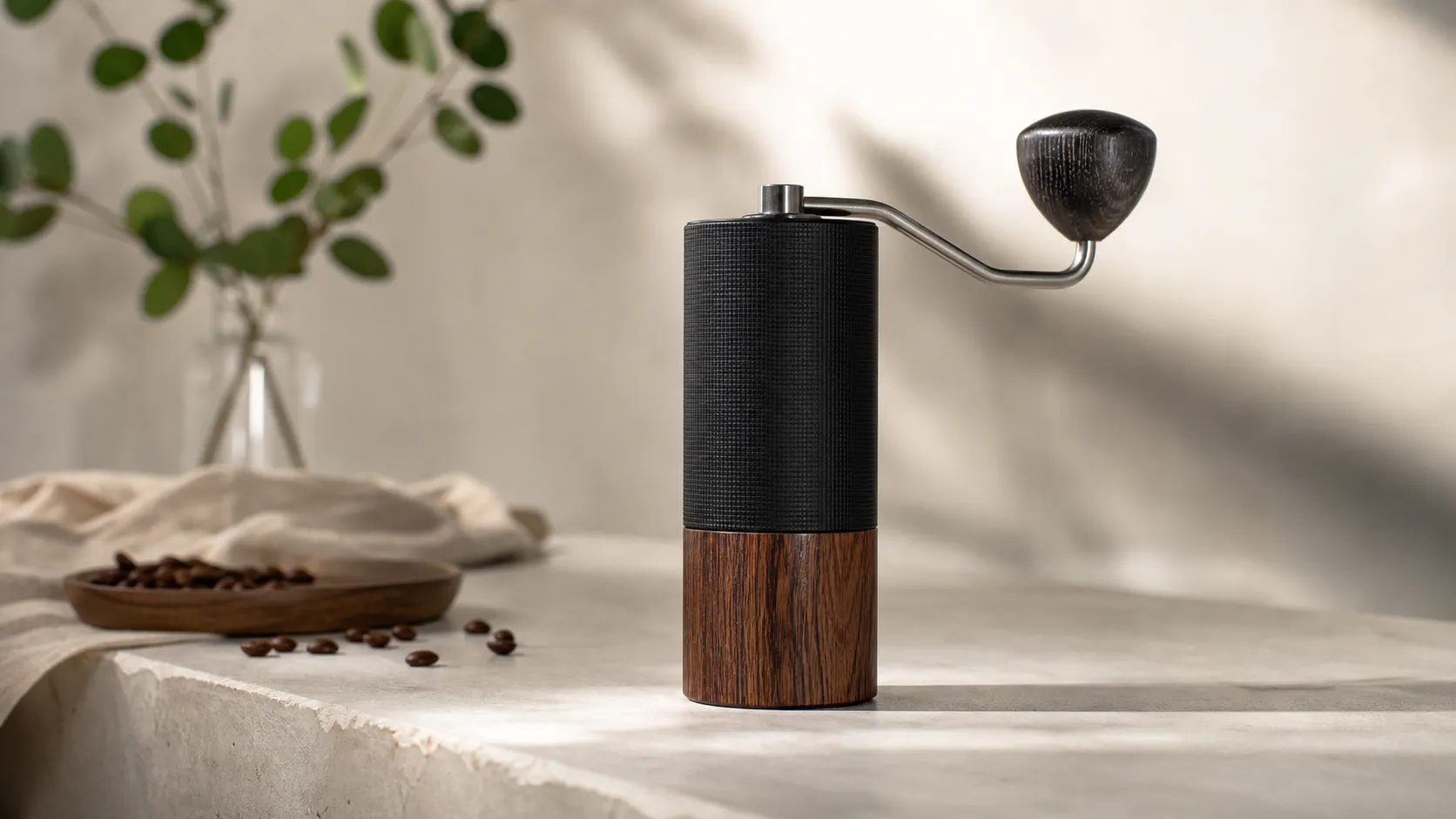
Comandante C40 MK4 Manual Coffee Grinder — 2026 Review
A premium manual grinder known for exceptional build and grind consistency — ideal for serious home baristas, but heavy and pricey for casual users or travel.
 Kitchen & Appliances
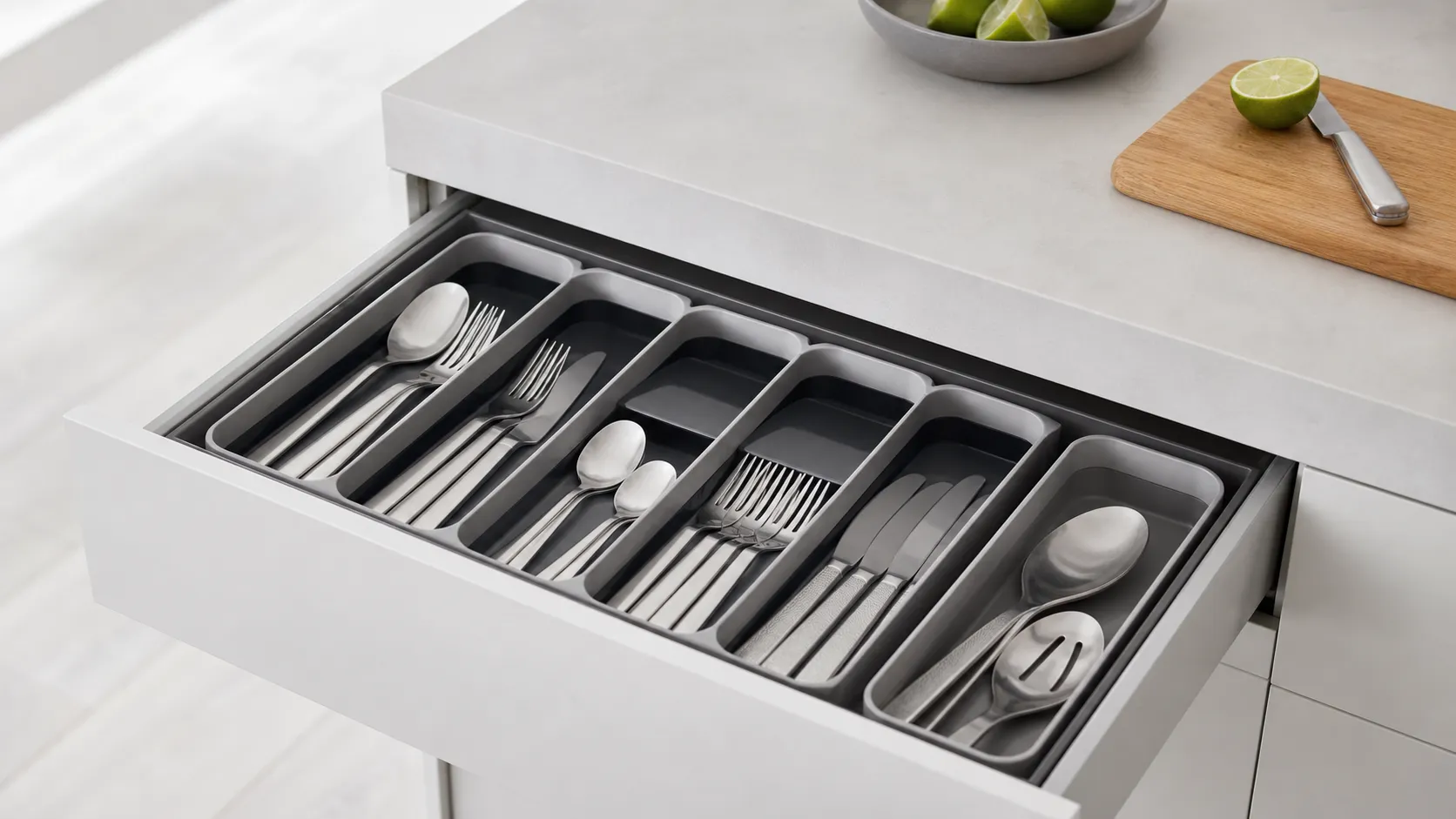
Joseph Joseph DrawerStore Cutlery Organizer Review 2026
A slim, modern cutlery tray that maximizes shallow-drawer space. Great for tidy, small-kitchen organization—measure your drawer first and avoid if you store long utensils.
 Kitchen & Appliances
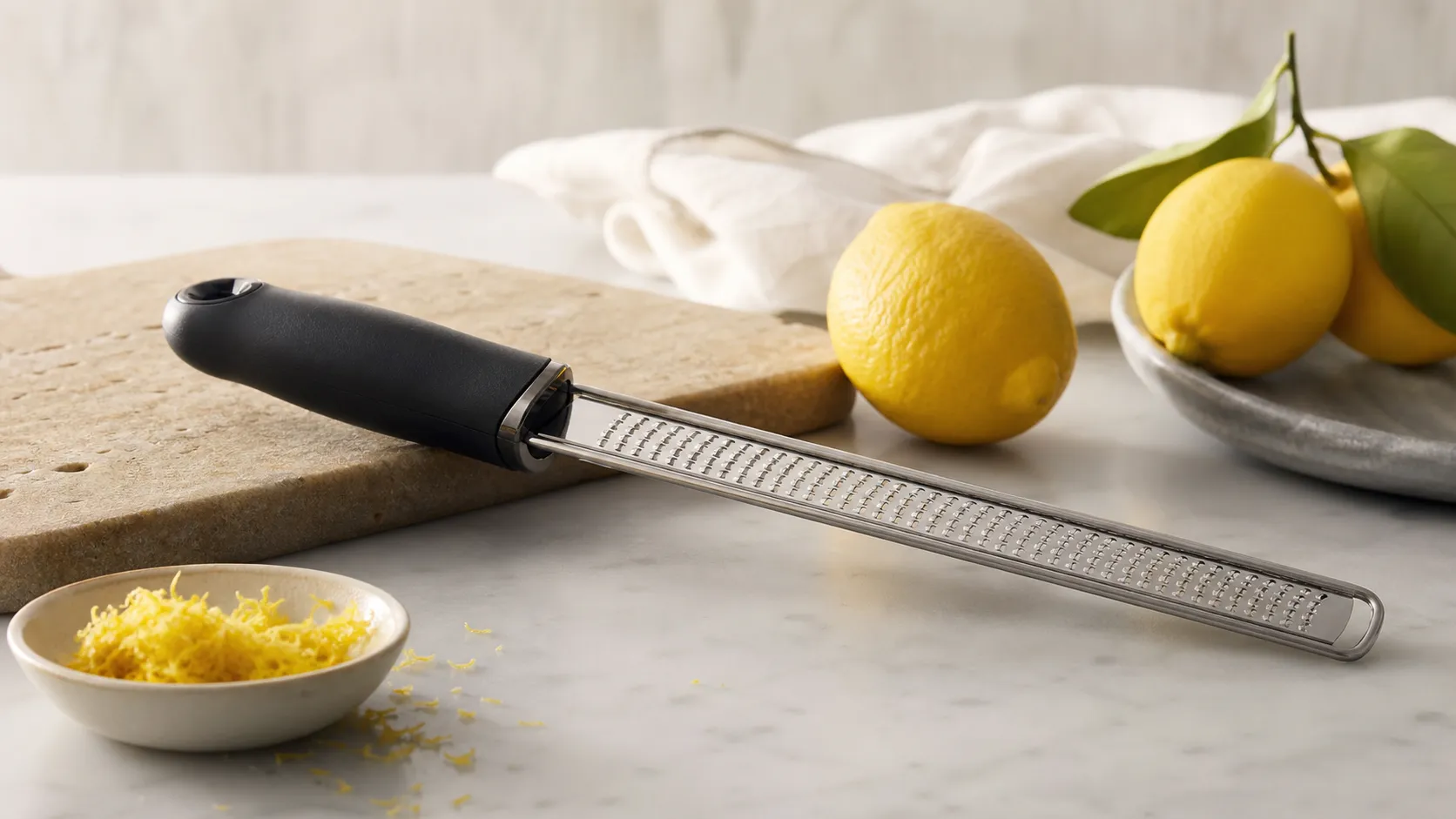
Microplane Premium Classic Zester/Grater — Review 2026
The Microplane Premium Classic is the go-to hand zester for precise, fluffy citrus zest and fine shavings. Sharp, compact, and great value—best for finishing, not bulk grating.