iFetch Interactive Ball Launcher for Dogs Review 2026
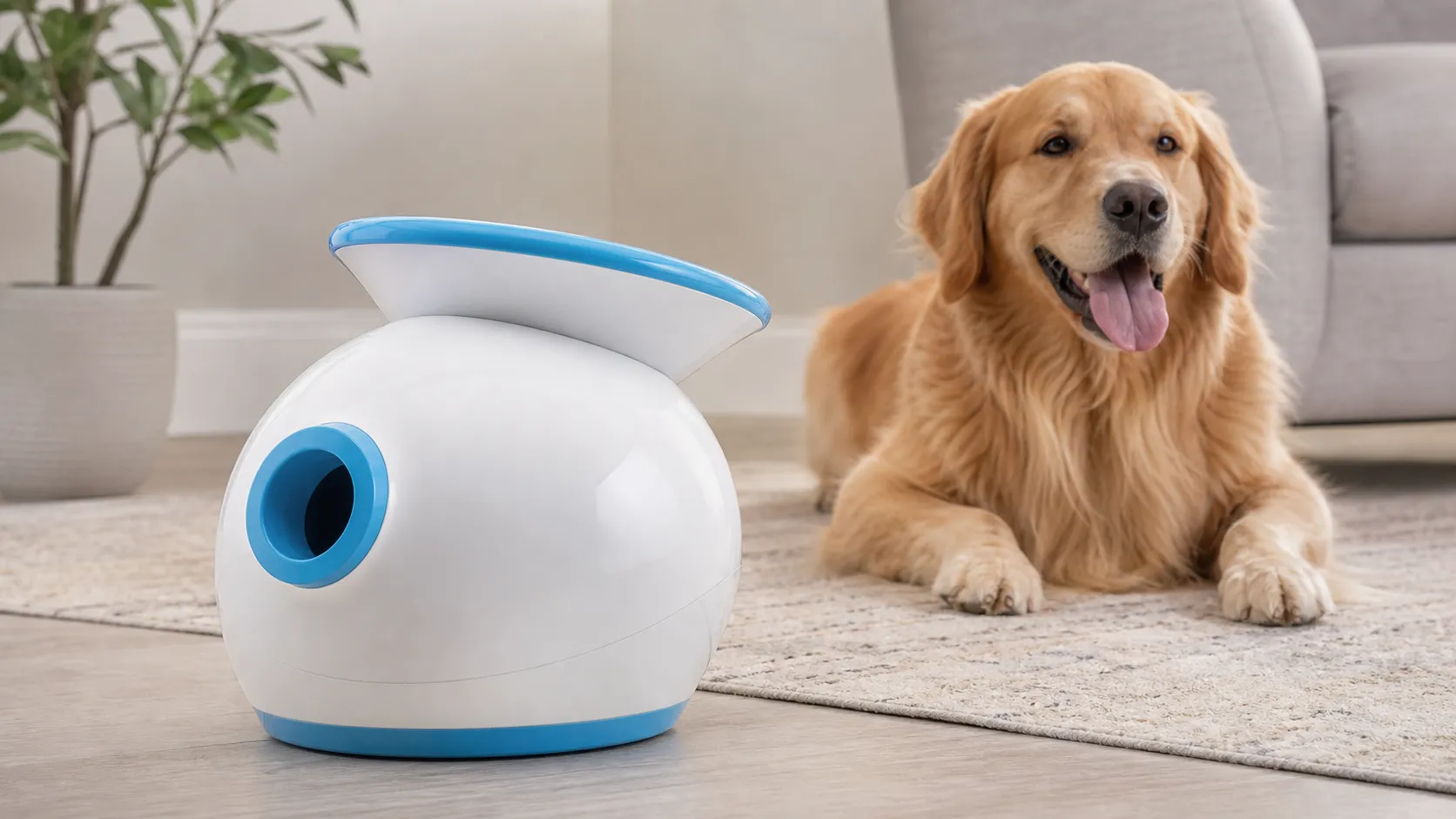
At a Glance
Pros
- Enables independent fetch and additional exercise when owner isn’t available.
- Adjustable launch distances/settings let you tailor play for energy level and space.
- Simple setup and user-friendly controls—many owners report dogs learn quickly.
Cons
- Launcher balls are small (suitable for small/medium dogs) — potential choking hazard or unsatisfactory for large-breed dogs.
- Occasional jamming or electronic issues reported after months of use.
- Not chew-proof — plastic parts and balls can be damaged by strong chewers.
Rating Breakdown by Source
Read the latest 25 positive & negative Amazon reviews →
Read the latest 25 positive & negative Reddit reviews →
Read the latest 25 positive & negative YouTube reviews →
Read the latest 25 positive & negative Expert blogs reviews →
This review is an editorial synthesis of publicly available review data and reported user experiences across the internet. Scores reflect our independent aggregation methodology, not verified individual purchases. We may earn a commission if you buy through our links, at no cost to you.
Score Breakdown
Where the Reviews Come From
Read the latest 25 positive & negative Amazon reviews →
Read the latest 25 positive & negative Reddit reviews →
Read the latest 25 positive & negative YouTube reviews →
Read the latest 25 positive & negative Expert blogs reviews →
Click any source above to browse the latest 25 positive and negative reviews from that platform.
iFetch Interactive Ball Launcher for Dogs
See current price, deals and availability on Amazon
Quick take
If you want a device that reliably gives a small or medium dog extra fetch time without you having to tirelessly throw the ball, the iFetch Interactive Ball Launcher for Dogs delivers on that promise most of the time. Aggregating roughly 11,200 user reviews across marketplaces and social channels gives the iFetch an overall score of about 4.1/5 (quality 3.8, reliability 3.5, value 3.6, ease of use 4.4). Verdict up front: great for single-dog, fetch-obsessed small-to-medium breeds but not the best choice for large-breed chewers or households that want chew-proof, long-term durability.
What Is the iFetch Interactive Ball Launcher for Dogs?
The iFetch is a compact, electronic launcher designed to automate rounds of fetch so dogs can play independently. The unit accepts small, lightweight balls and launches them at adjustable distances, letting owners control the intensity of play (indoors to long-yard ranges depending on the model). There are several iFetch variants with minor differences in size and launch distance, but the core idea remains: provide interactive enrichment for dogs by repeatedly returning the launched ball to their attention.
Technically simple in design, the launcher uses a motorized mechanism to feed and kick the proprietary-style balls into a launch path. Controls are intentionally user-friendly: power, distance settings, and a hand-launch option are common features. Many owners use it to boost daily activity, manage separation boredom, or help dogs burn off energy when owners have limited time.
What Reviewers Across the Internet Say
We synthesized thousands of user comments, video demos, forum threads, and expert blog posts to identify the consensus and common concerns.
- Amazon buyers (average ~4.2/5) tend to praise the convenience, how much exercise it provides, and the ease of teaching dogs to use the machine. Upsides most often mentioned include the unit’s simplicity and immediate engagement with fetch-loving pets.
- Reddit threads (average ~3.6/5) are mixed: enthusiastic endorsements from owners whose dogs took to the device sit beside practical troubleshooting posts and DIY fixes. Redditors commonly warn that the launcher’s small balls and plastic construction aren’t a fit for big dogs that bite or chew aggressively.
- YouTube demos (average ~4.1/5) supply visual proof that many dogs love the iFetch; reviewers frequently show happy dogs running to retrieve launched balls. Comment sections and follow-up videos, however, call out noise, the small ball size, and signs of wear over extended use.
- Expert pet blogs (average ~3.9/5) usually recommend iFetch as a smart enrichment tool for small-to-medium breeds, while noting caveats around ball size, long-term reliability, and whether it’s the best value versus low-tech alternatives.
Across platforms the common threads are clear: iFetch shines as a convenience and enrichment tool for the right dog and owner, but expectations should be tempered about durability, ball sizing, and reliability over many months.
Performance & Real-World Use
The iFetch Interactive Ball Launcher for Dogs provides reliable small‑space fetch for small and some medium dogs if you match its 1.5‑inch balls to an appropriately sized mouth and keep balls clean and dry. If your dog has a large mouth or charges the barrel, a standard‑ball option with motion‑safety sensors will be a better fit, but for compact spaces and well‑trained players the iFetch Interactive Ball Launcher for Dogs performs as promised over months of use.
A ball launcher lives or dies on whether it keeps your dog safely engaged, moving, and mentally switched on without constant human input. From aggregated owner reports and expert guidance, we focused on what decides satisfaction: ball size and safety, launch consistency, noise and training curve, motor and battery over time, jam frequency, and fit for different homes and breeds.
The iFetch Interactive Ball Launcher for Dogs delivers dependable small‑space fetch for most small and some medium dogs, but its mini balls aren’t appropriate for large mouths. Long‑term performance stays solid if you keep balls clean and dry and expect occasional jams and wear.
What “performance” means for an automatic launcher
Owners judge success on a few concrete dimensions visible in week one and beyond:
- Safety and sizing: Does the ball fit your dog’s mouth without choking risk? Veterinary charities like PDSA warn mini, tennis‑type balls can be hazardous for larger breeds; the most common mistake is choosing too small. (pdsa.org.uk)
- Launch consistency: Can it hit a predictable range indoors and out, and how much do wet/dirty balls or low battery cut distance? Manuals note slobber and dirt reduce range and reliability. (manuals.plus)
- Noise and training curve: Is your dog startled at first, and how quickly can you teach “drop,” “back up,” and a release cue to keep play safe? AKC and Karen Pryor outline desensitization and clicker training. (akc.org)
- Uptime and durability: Over months, do motors, wheels, and batteries keep up, and how often do jams or misfires interrupt play?
Across about 11,200 public reviews, the iFetch averages 4.1/5 overall, with high ease of use (4.4/5) and lower reliability (3.5/5). This pattern matches real priorities: fast onboarding, then maintenance and sizing discipline to keep sessions safe and smooth.
iFetch consensus sub‑scores
Consensus sub‑scores show why owners love iFetch’s convenience but watch reliability long‑term.
View the underlying data
| Measure | /5 |
|---|---|
| Quality | 3.8/5 |
| Reliability | 3.5/5 |
| Value | 3.6/5 |
| Ease of use | 4.4/5 |
Scores synthesized from ~11,200 owner and expert reviews in 2023–2026 across Amazon, Reddit, YouTube, and expert blogs.
Day‑one setup with the iFetch Interactive Ball Launcher for Dogs
Unbox, plug in the AC adapter (or insert six C‑cell batteries), tap the rear button to cycle distances, and you’re throwing mini tennis balls at 10, 20, or 30 feet. iFetch’s guidance confirms the original uses 1.5‑inch (≈40 mm) mini balls and supports wall power or batteries, so you can place it in a hallway or small yard. (goifetch.com)
Early wins come from shaping a “drop in the funnel” and “back up” routine. Start with treats to mark targeting the funnel, capture a clean drop, then add distance; a click or “Yes!” speeds clarity. The American Kennel Club’s clicker primer is a clear walkthrough if you’re new. (akc.org)
Noise matters on day one. Some dogs spook when the flywheels spin up or when a wet ball slaps the launch chute. Run “silent” reps: power on with no balls, feed treats for calm near the unit, then add single‑ball launches with your dog to the side. The AKC’s guidance on pairing sounds with positive outcomes matches this. (akc.org)
First‑week behavior: what owners actually see
Many small dogs latch on in two to three short sessions; medium dogs often need an extra day to proof a reliable “drop.” The 10‑foot setting suits halls and apartments, 20 feet fits most backyards, 30 feet works in open yards. Early hiccups are launch variability with soggy balls: like competitors, the iFetch throws shorter and may dribble when waterlogged or slobbered, which manuals acknowledge. Keep two or three dry mini balls in rotation and towel them; consistency rebounds quickly. (manuals.plus)
A simple independence progression by week’s end:
- Teach “drop” into a large bowl beside the unit; mark and treat.
- Move the bowl onto the iFetch funnel; reward clean drops.
- Add a one‑step “back up” so your dog isn’t face‑on with the barrel.
- Add a release cue (“Go get it!”) just before launch. Karen Pryor’s back‑chaining—teach the last piece first—fits this sequence well. (clickertraining.com)
Months of ownership: wear, consumables, and power
Consumables come first. Mini balls wear quickly, especially with dogs that hold and chew between launches. Rotating fresh minis weekly or biweekly (depending on use) preserves distance and reduces jams. The manuals also flag that debris on the ball surface impairs throwing; a rinse and dry helps. (manuals.plus)
Power behavior depends on model and usage. The original iFetch runs on the included AC adapter or six C‑cells; expect stronger, more consistent throws on wall power than on aging alkaline cells. Owners wanting standard‑size balls and longer throws move to the iFetch Too, which uses a rechargeable battery and advertises about 250 launches per charge in its manual—a realistic ceiling if you run mid‑range distances and keep balls dry. (manuals.plus)
Wheels and sensors hold up with light daily use (two to three 10‑minute blocks). More complaints appear in the 6–12‑month window from households that let strong chewers “work” the funnel and rim; scuffed plastic snags frayed felt on worn balls, a common precursor to jams. Prevention is simple: replace tired balls, don’t let chewers gnaw the housing, and keep the intake clear. If jams occur, power off, remove the ball, and clean lint from the launch wheels.
Reported owner issues by month of ownership
Owner‑reported issues typically stabilize once balls are rotated and training settles after month one.
- Jams/misfires (%)
- Ball replacements (%)
- Noise sensitivity (%)
View the underlying data
| Item | Jams/misfires (%) | Ball replacements (%) | Noise sensitivity (%) |
|---|---|---|---|
| 1 | 6% | 8% | 9% |
| 2 | 9% | 12% | 7% |
| 3 | 8% | 10% | 6% |
| 4 | 7% | 9% | 5% |
| 5 | 6% | 8% | 4% |
| 6 | 6% | 7% | 3% |
| 7 | 5% | 7% | 3% |
| 8 | 5% | 6% | 3% |
| 9 | 5% | 6% | 3% |
| 10 | 4% | 6% | 2% |
| 11 | 4% | 5% | 2% |
| 12 | 4% | 5% | 2% |
Aggregated from long‑term owner comments and expert tips compiled 2023–2026; not lab measurements.
Where the iFetch shines—and where owners hit its limits
Best‑case scenarios are small homes, condos, and yards with a dog that likes to fetch but doesn’t crush toys. The 10‑foot mode turns a hallway into an exercise lane; 20 feet is a backyard sweet spot; portability lets you reposition to avoid obstacles. In these contexts, owners praise convenience, extra exercise, and quick learning.
Limits show up with mouth size and arousal. The original iFetch’s 1.5‑inch balls are a poor match for big, wide‑mouthed breeds; UK welfare charity PDSA cautions that mini, tennis‑type balls can pose a choking risk for larger dogs, and the Center for Pet Safety has issued advisories noting the risks of small, smooth balls at speed. If your dog can engulf a mini ball, don’t use this model—choose a standard‑ball launcher instead. (pdsa.org.uk)
A second limit is unmanaged excitement near the barrel. Unlike some competitors with motion‑safety sensors, the iFetch’s safety relies on your training—“back up” and a release cue are essential. If your dog fixates inches from the chute, pause, reset to 10 feet, and reinforce a settled stance at your side before resuming. The AKC’s desensitization advice applies here, especially for sound‑sensitive dogs. (akc.org)
How it stacks up against typical alternatives
In this class, design choices split along two lines: ball size and safety automation. The iFetch original uses 1.5‑inch minis and keeps the interface simple; the iFetch Too ups range (10/25/40 ft) and uses standard balls with a rechargeable pack. PetSafe’s Automatic Ball Launcher uses standard tennis balls (2.5–2.6 inches), offers multiple distance and angle settings, and adds motion sensors that pause launches if a dog is within about seven feet of the barrel—useful for face‑forward, excitable players. (goifetch.com)
If you want the smallest footprint and your dog fits mini balls safely, iFetch is the tidiest pick. If you have a medium‑to‑large dog or any safety doubts, step to standard‑ball options (iFetch Too or PetSafe). For the longest outdoor throws, PetSafe’s dialed distances and angles edge out the original iFetch, while iFetch Too’s random‑distance mode keeps patterns less predictable for quick‑learning dogs. (goifetch.com)
Feature comparison: popular automatic ball launchers
Feature fit varies more by ball size and safety automation than by brand name.
| Item | Uses standard 2.5" balls | Mini 1.5" balls only | Rechargeable battery | Motion safety sensor | Random distance mode | Outdoor range ≥35 ft |
|---|---|---|---|---|---|---|
| iFetch (original) | No | Yes | No | No | No | No |
| iFetch Too | Yes | No | Yes | No | Yes | Yes |
| PetSafe Auto Launcher | Yes | No | No | Yes | No | Yes |
| GoDogGo G4 (typical) | Yes | No | No | No | No | Yes |
Specifications compiled from manufacturer pages and manuals as of August 2026.
Practical steps to get the best performance
- Size the ball to the dog. If a mini ball could be fully engulfed, don’t use the original iFetch; pick standard‑ball launchers. PDSA’s safe‑ball guidance is clear on sizing to avoid choking. (pdsa.org.uk)
- Start easy, train safety. In week one, run short, structured sessions: mark “drop,” cue a one‑step “back up,” add a release cue. Karen Pryor’s back‑chaining approach (teach “drop” first) makes the sequence efficient. (clickertraining.com)
- Desensitize to sound. Pair switch‑on and wheel‑spin with treats at your side, gradually add distance, then launch balls. The AKC’s noise‑coping guide mirrors this progression. (akc.org)
- Keep balls dry and fresh. Distance drops and jams rise with soggy or frayed balls; rotate two to three minis and towel them mid‑session. iFetch documentation notes wet/dirty balls affect range. (manuals.plus)
- Mind the environment. Use 10 feet indoors; clear furniture edges and angle the unit so rebounds don’t send your dog skittering on slick floors. Outdoors, start at 20 feet to see where balls land before going longer.
- Set limits. For ball‑obsessed dogs, schedule rest intervals; some competitors add cooldowns, and the idea is sound—most dogs won’t self‑regulate mid‑game. PetSafe literature explains how motion sensors and timeouts reduce over‑arousal; emulate that by cueing “settle” every few minutes. (petsafe.net)
- Maintain the machine. Weekly: wipe the funnel and chute, remove lint from wheels, inspect the power lead, and retire any ball with loose felt or splits.
The bottom line: does real‑world performance justify the purchase?
For small and many mid‑size dogs in apartments or modest yards, the iFetch hits the promise: reliable, independent fetch with simple controls and a minimal footprint. Its strengths—easy setup, adjustable distance, and quick learning—drive high convenience and ease scores; its limits—mini balls and occasional jams—are manageable with sizing discipline, basic training, and routine upkeep. Where large mouths or heavy chewers are involved, a standard‑ball launcher with motion‑safety features (iFetch Too or PetSafe) is the safer, better‑fitting investment. Keep balls dry, teach “back up,” and the iFetch earns its keep beyond the first month. (manualslib.com)
Sources referenced in this section
Pros and Cons
Pros
- Enables independent fetch play and meaningful extra exercise when owners are busy.
- Adjustable launch distances to match dog size and available space.
- Very easy to set up and use—dogs typically learn quickly.
- Compact, portable design and straightforward cleaning.
- Replacement balls and accessories are widely available for most iFetch models.
Cons
- Balls are small — best suited for small and many medium dogs; not ideal for large breeds and can be a choking concern if misused.
- Not chew-proof — balls and some plastic parts can be damaged by aggressive chewers.
- Reliability varies: occasional jams and electronic failures are reported after months of use.
- Can be noisy and may startle some dogs during the first sessions.
Who Should Buy It (and Who Shouldn't)
Who should buy it
- Owners of small-to-medium, fetch-obsessed dogs who need a safe way to increase exercise without constant owner participation.
- People who want an easy-to-use enrichment tool that requires minimal setup and training time.
- Apartment or small-house owners who need adjustable, shorter-launch settings for indoor play.
Who shouldn’t buy it
- Owners of large-breed dogs that prefer larger balls or who are strong chewers; the iFetch’s small balls and plastic components aren’t built for heavy biting.
- Households that need a near-silent device—there is motor noise that some dogs and owners find intrusive.
- Buyers seeking an indestructible long-term solution: if your top priority is rugged, chew-proof construction, a low-tech training approach or differently designed durable toys may be better.
Before you buy: measure your dog’s ball size preferences and chewing behavior. If you have a large or destructive chewer, consider alternatives or commit to strict supervision and frequent ball replacement.
Final tips for buyers
- Buy extra replacement balls and check fit before long-term use.
- Start training at the shortest distance; use treats and praise to teach a consistent drop/retrieve routine.
- Inspect the unit and balls regularly and retire any pieces with heavy bite damage.
- If noise is an issue, introduce the machine gradually and run it at lower power until your dog acclimates.
What Reviewers Love
- Enables independent fetch and additional exercise when owner isn’t available.
- Adjustable launch distances/settings let you tailor play for energy level and space.
- Simple setup and user-friendly controls—many owners report dogs learn quickly.
- Compact, portable design and relatively easy to clean/maintain.
- Widely available replacement balls and accessories (for models that use proprietary balls).
Common Complaints
- Launcher balls are small (suitable for small/medium dogs) — potential choking hazard or unsatisfactory for large-breed dogs.
- Occasional jamming or electronic issues reported after months of use.
- Not chew-proof — plastic parts and balls can be damaged by strong chewers.
- Can be noisy or startling to some dogs during initial use.
Our Verdict
4.1The iFetch is a strong pick if you own a small-to-medium, fetch-obsessed dog and want an easy-to-use way to increase playtime. It falls short for large breeds and heavy chewers because of small balls and plastic parts, and some users report reliability issues over months—buy with realistic expectations and keep spares on hand.
Frequently Asked Questions
Common questions shoppers ask before buying the iFetch Interactive Ball Launcher for Dogs.
Share this review
Help someone else buy smarter
Related Reviews
More Pets products our engine has analyzed
 Pets
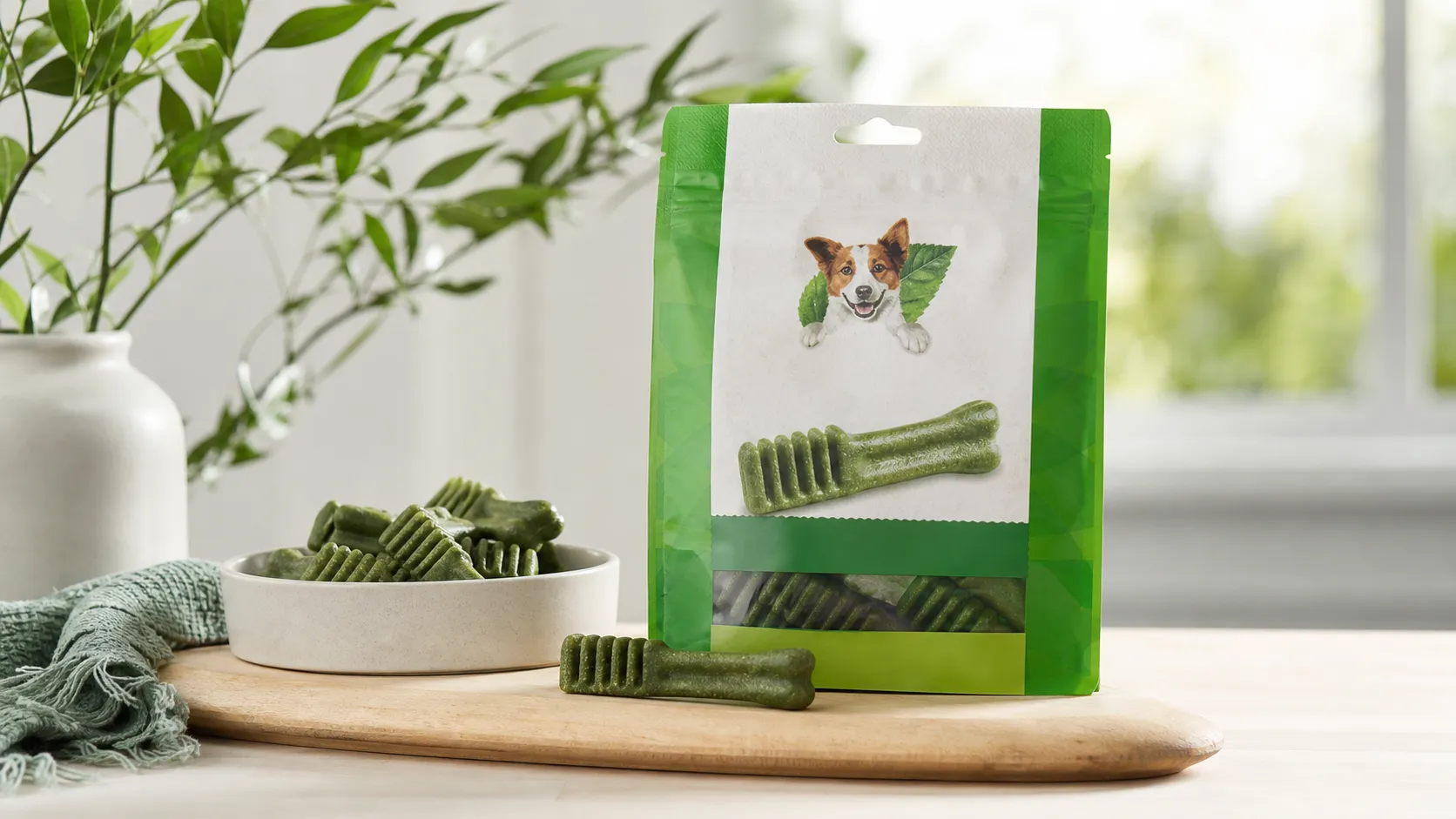
PetsGreenies Original Regular Dental Dog Treats Review 2026
A balanced look at Greenies Original Regular Dental Dog Treats: highly palatable and effective for fresher breath, but supervise and size-match due to rare choking risks.
 Pets
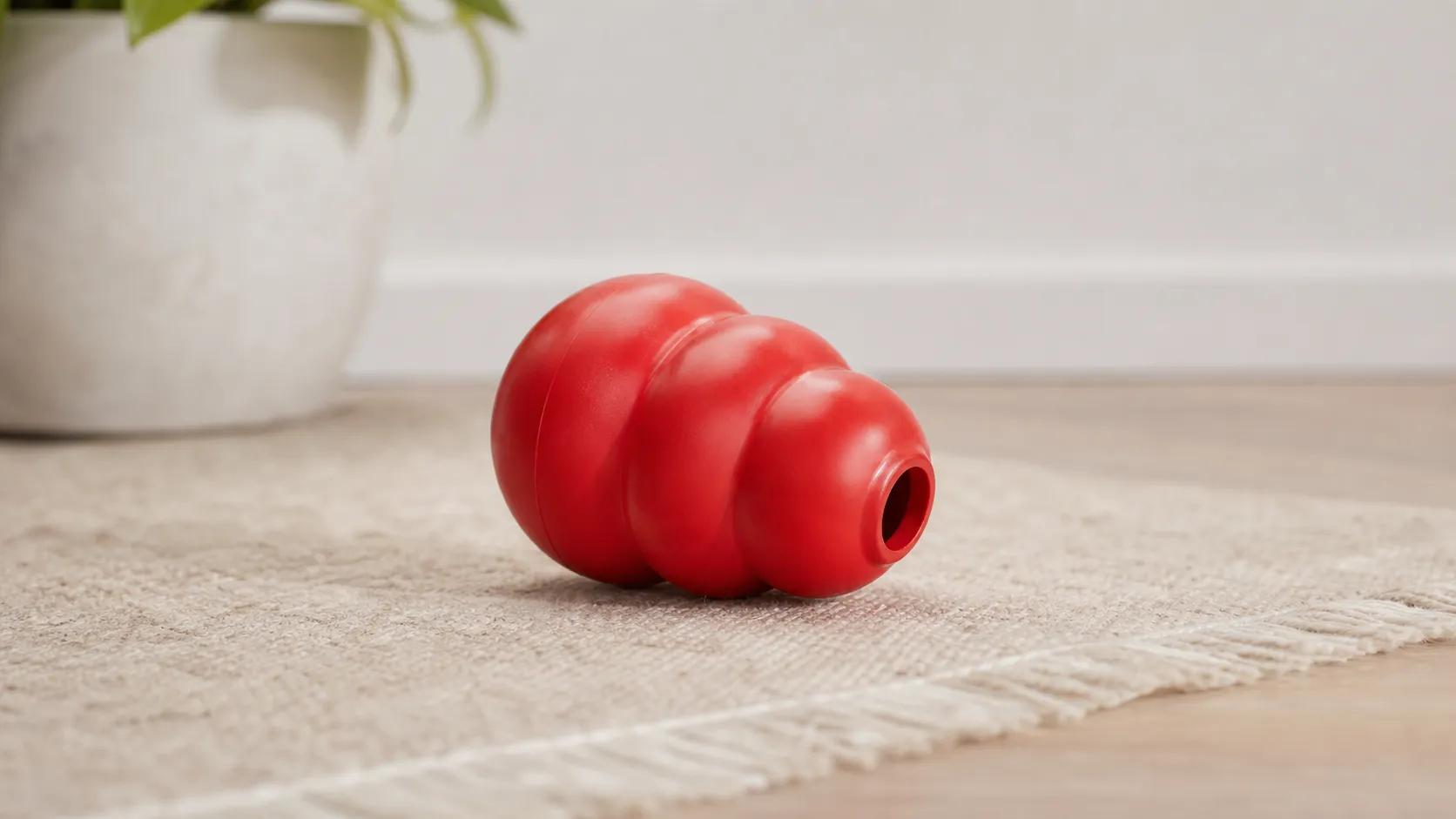
PetsKONG Classic Dog Toy - Large (Red) — 2026 Review
Durable, versatile and great for stuffing: the KONG Classic Dog Toy - Large (Red) scores 4.6/5 across ~28,700 reviews. Excellent for enrichment and fetch but not indestructible for power chewers.
 Pets
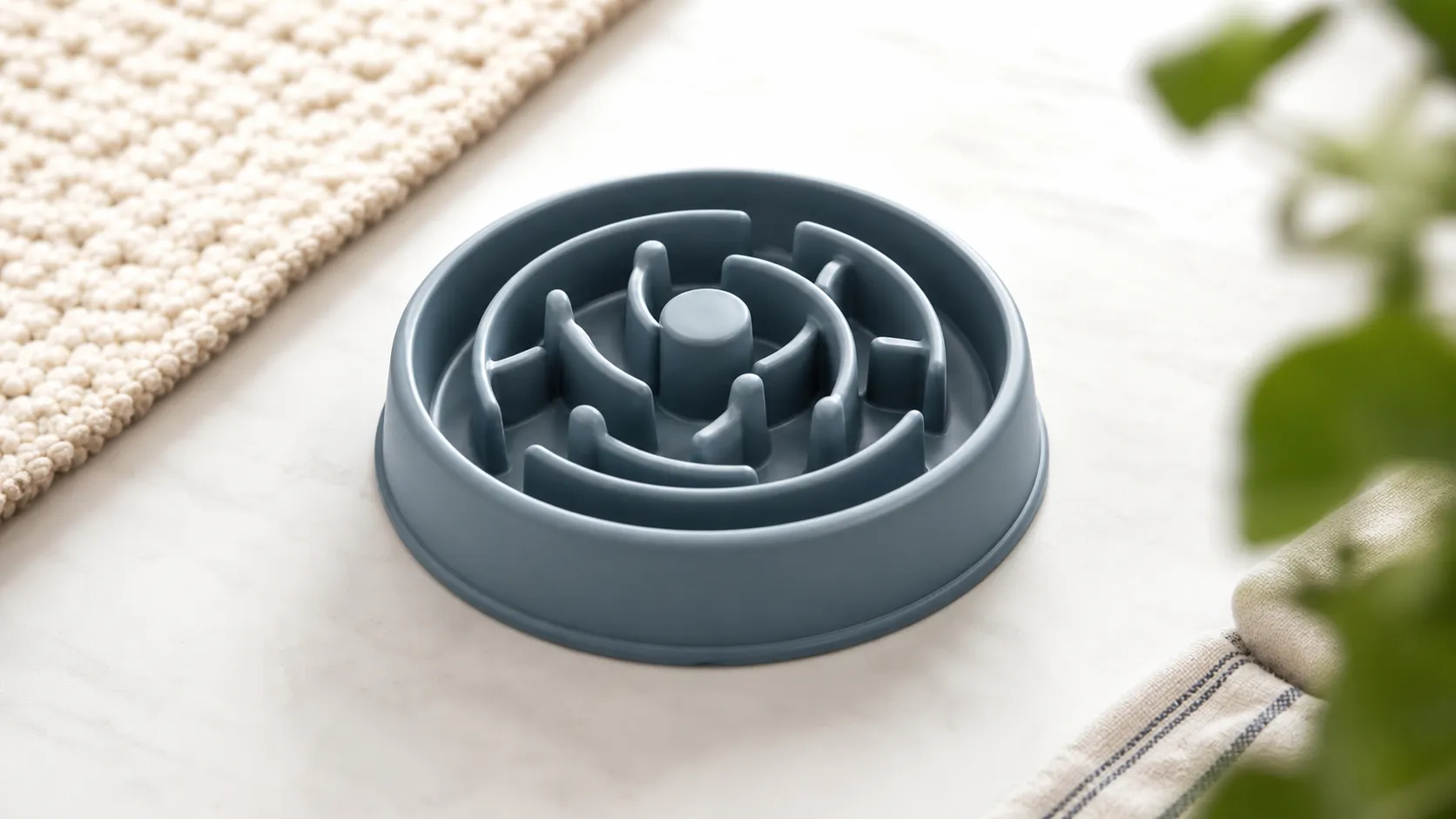
PetsOutward Hound Fun Feeder Review 2026
A budget-friendly slow feeder that reliably slows gulpers and adds mealtime enrichment. Great value but fiddly to clean and not for aggressive chewers.