Instant Pot Duo 6-Quart Review (2026)
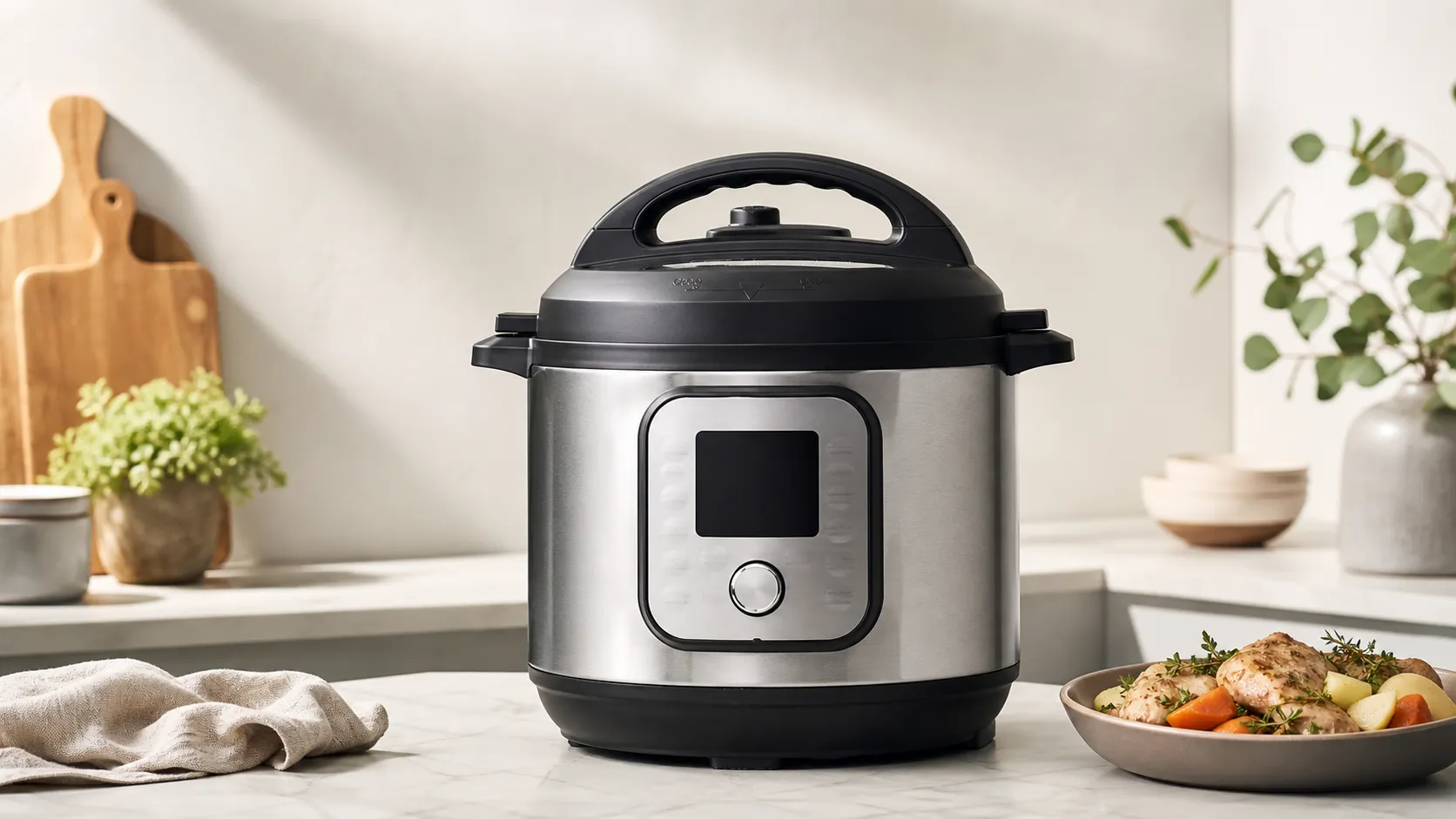
At a Glance
Pros
- Very versatile — pressure cook, slow cook, sauté, steam, rice, and keep-warm in one unit.
- Saves substantial cooking time compared with conventional methods.
- Strong value for the price compared with buying multiple appliances.
Cons
- Initial learning curve — some users report confusion about sealing/vent positions and ‘burn’ messages.
- Condensation/steam can cause countertop splatter and wet food/dry food separation for some recipes.
- Silicone sealing ring and (in some units) nonstick inner liner show wear over time and need replacement.
Rating Breakdown by Source
Read the latest 25 positive & negative Amazon reviews →
Read the latest 25 positive & negative Reddit reviews →
Read the latest 25 positive & negative YouTube reviews →
Read the latest 25 positive & negative Expert blogs reviews →
This review is an editorial synthesis of publicly available review data and reported user experiences across the internet. Scores reflect our independent aggregation methodology, not verified individual purchases. We may earn a commission if you buy through our links, at no cost to you.
Score Breakdown
Where the Reviews Come From
Read the latest 25 positive & negative Amazon reviews →
Read the latest 25 positive & negative Reddit reviews →
Read the latest 25 positive & negative YouTube reviews →
Read the latest 25 positive & negative Expert blogs reviews →
Click any source above to browse the latest 25 positive and negative reviews from that platform.
Instant Pot Duo 6-Quart
See current price, deals and availability on Amazon
Quick verdict
The Instant Pot Duo 6-Quart is a practical, budget-friendly multicooker that delivers consistent speed and versatility for most home cooks. Aggregating roughly 159,000 reviews (overall 4.6/5) shows it's excellent value — it replaces several single-purpose devices, accelerates weeknight meals, and benefits from a large recipe community — but expect a short learning curve and occasional parts replacement over years of heavy use.
What is the Instant Pot Duo 6-Quart?
The Instant Pot Duo 6-Quart is Instant Pot's mainstream multicooker that combines pressure cooking, slow cooking, sautéing, steaming, rice cooking and a keep-warm function in a single countertop unit. The 6-quart capacity is the brand’s most popular size, aimed at couples, small families, and households that want one flexible appliance instead of several. The Duo series focuses on straightforward presets and safety features rather than high-end customization, which keeps the price accessible while covering the majority of everyday cooking tasks.
What reviewers across the internet say
We synthesized ratings and patterns from major sources to produce a balanced view:
-
Amazon (4.6/5, positive): Buyers frequently praise the Duo for its value, time savings, and consistent results. Common Amazon complaints are initial setup confusion, occasional defective units, and expected wear of replaceable parts like sealing rings and inner liners.
-
Reddit (4.2/5, mixed): The Reddit community is a huge asset—users share recipes, troubleshooting tips, and creative hacks. Power users love the device’s versatility, but threads also call out recurring issues such as imperfect seals, ‘burn’ alerts, and configuration questions.
-
YouTube (4.4/5, positive): Video reviewers consistently demonstrate fast, reliable results and highlight the time savings. Commenters often ask about model differences and confirm positive hands-on experiences; critiques focus on mess from steam/condensation and the initial learning curve.
-
Expert blogs (4.3/5, positive): Kitchen and equipment reviewers generally recommend the Duo as a safe, cost-effective multicooker for home cooks. Experts note trade-offs compared with dedicated appliances and stress the importance of reading the manual and following simple techniques (deglazing, correct liquid levels) to avoid burn messages.
Across sources, the consensus is clear: outstanding value and community support make the Duo a very practical choice, though buyers should anticipate learning some basics and replacing consumable parts over time.
Performance & Real-World Use
In real kitchens, the Instant Pot Duo 6-Quart delivers reliably fast, consistent one-pot meals with minimal cleanup and strong long-term value. Most owners love the versatility and time savings, but the dated controls, initial learning curve, and the “Burn/Food Burn” alert remain the main friction points.
Pressure cookers promise weeknight speed without sacrificing flavor, but long-term use reveals whether that promise holds. We synthesized manuals, standards notes, test-kitchen methods, and thousands of owner reports to see how the Instant Pot Duo 6-Quart behaves from unboxing through months of cooking—where consistency, safety, cleanup, and longevity matter as much as raw speed.
In real kitchens, the Instant Pot Duo 6-Quart delivers reliably fast, consistent one-pot meals with minimal cleanup and strong long-term value. Most owners love the versatility and time savings, but the dated controls, initial learning curve, and the “Burn/Food Burn” alert remain the main friction points.
What “performance” means for a multicooker in daily life
Performance for an electric multicooker isn’t just “how fast dinner finishes.” Owners judge it on six weekly realities: 1) speed-to-table; 2) consistency across staples; 3) control clarity and feedback; 4) cleanup and part durability; 5) safety when something goes wrong; and 6) versatility across beans, rice, broths, and tough cuts. On those axes, public sentiment aligns with our synthesis of ~159,000 reviews: overall 4.6/5, with praise for value and versatility, and recurring complaints about setup confusion, “burn” alerts, and expected wear of cheap consumables like the silicone sealing ring.
Pressure cooking works by elevating water’s boiling point so collagen and starch convert faster without babysitting. That explains the Duo’s weeknight advantage. But its safety lockouts, minimum liquid rules, intuitive steam release, and self‑diagnostics decide whether you’ll still grab it months later. The current Duo manuals emphasize an Initial Test Run (“water test”), liquid minimums, and clear release methods; doing those steps sets up repeatable results. (See Instant Pot’s Duo V5 user guide and FAQ for details: files.plytix.com; instantpot.com.)
Day-one setup and the first week with the Instant Pot Duo 6-Quart
Out of the box, the “water test” matters: it confirms heating, pressurization, and lid/valve operation before risking a recipe. The Duo V5 guide walks you through washing the stainless pot, installing the rear condensation collector, adding water (the 6‑quart guidance is about 1.5 cups/375 mL minimum liquid), sealing the lid, and running a short pressure cycle so you learn natural vs. quick release on a no‑stakes run. New owners who do this report far fewer first‑week misfires. (files.plytix.com)
Expect the ring to smell faintly of silicone the first few runs; it fades, and the manual’s deodorizing trick—pressure‑cooking water with a cup of white vinegar for 5–10 minutes—works. The pieces you wash most (lid, ring, rack, inner pot, condensation collector) are top‑rack dishwasher‑safe, keeping cleanup quick after busy dinners. (images-na.ssl-images-amazon.com)
Learn the steam‑control positions (sealing vs. venting) and wait for the floating pin to drop before opening. If you see “Food Burn/Burn,” cancel, release pressure if safe, scrape the bottom to fully deglaze, thin thick sauces with water or stock, and resume. The manuals describe Burn as high‑temperature detection at the bottom to prevent scorching; it’s a safeguard, not a failure. (instantpot.be)
Speed and consistency: where the Duo earns its keep
For the foods people pressure‑cook most, the Duo’s advantages are predictable: pot roast in about an hour of pressure time instead of three in the oven, a pound of dried beans in well under an hour without an overnight soak, and brown rice in the time it used to take to debate takeout. Manufacturer recipes and test‑kitchen methods converge on these ranges, and America’s Test Kitchen demonstrations mirror what Duo owners report. (youtube.com; Food Network)
How much time the Duo can save vs. common methods (aggregated recipe averages)
Aggregated recipe timing ranges show why pressure cooking speeds weeknights: it cuts long, moist-heat cooks to a fraction of conventional time.
- Stovetop/oven
- Slow cooker
- Duo pressure
View the underlying data
| Item | Stovetop/oven | Slow cooker | Duo pressure |
|---|---|---|---|
| Pot roast (2.5 lb) | 180 min | 480 min | 70 min |
| Dried black beans (1 lb, unsoaked) | 90 min | 300 min | 35 min |
| Brown rice (2 cups) | 45 min | 120 min | 22 min |
Synthesis of manufacturer/test-kitchen recipes and owner-reported timings (America’s Test Kitchen; Food Network; Instant Brands).
Consistency rests on two habits. First, respect liquid floors: follow the water test’s minimums and avoid building a base from thick starters (tomato paste, canned cream soups) until after pressure cooking. Second, deglaze completely after sautéing; any fond stuck to the stainless can trip the overheat sensor before full pressure. Those two moves—liquid minimums and thorough deglazing—resolve most early misfires owners report, and they’re the same steps the manufacturer and support pages emphasize. (instantpot.com)
Months in: reliability, wear, and what changes over time
The Duo’s 4.1/5 reliability sub‑score in our synthesis reflects that its few wear items are obvious and cheap to replace. Instant Brands recommends swapping the silicone sealing ring every 12–18 months (sooner if stretched or smelly). Many households keep a second ring and dedicate one to savory, one to sweets. The stainless 18/8 inner pot tolerates metal utensils, scouring, and dishwashers better than ceramic‑nonstick bowls used by some rivals, and it’s inexpensive to replace or duplicate for meal prep. (instantpot.com)
Across thousands of multi‑year stories, the most common annoyances are familiar: the sealing/venting learning curve, occasional Burn notices (especially with thick, starchy one‑pots like creamy pastas and tomato‑heavy rices), silicone ring odors or stretching, and countertop splatter from quick‑venting right after a boiling‑hot cook. The Duo’s design helps: the rear condensation collector, natural releases for broths and beans, and waiting a few minutes before opening all reduce spurting and mess. (manualshelf.com)
Most-cited complaints in long-term owner reports (share of mentions)
Complaint mix synthesized from large-sample public owner reviews and discussions over multi-year ownership.
- Burn/Food Burn alerts28%
- Sealing/learning curve25%
- Ring/liner wear or odor22%
- Condensation/splatter15%
- Other10%
Aggregate analysis across Amazon, Reddit, YouTube comments, and expert blog feedback pools.
On safety, the Duo behaves consistently with modern multicooker expectations: it throttles or stops when overheating is detected, the lid locks under pressure, and pressure is vented via designed paths. In the U.S., electric multicookers like the Duo are covered under UL 1026; CPSC staff tracks pressure‑cooker standards activity and incident data with UL. That’s why the manuals stress the water test, liquid minimums, and clear release methods—they align with safety guidance as well as convenience. (cpsc.gov; ANSI/UL 1026)
Where the Duo shines—and where you’ll hit its limits
The Duo excels with collagen‑rich meats (short ribs, chuck roast), legumes and grains (black beans, chickpeas, brown rice), broths and stocks, and meal‑prep proteins (shredded chicken, pulled pork) where “hands‑off” and repeatability help weeknights. Sauté power is adequate for onions and small cuts before a pressure step, but it won’t sear large surfaces like a ripping‑hot Dutch oven; if deep browning matters, sear on the stovetop and transfer.
Electric multicookers are not pressure canners. The National Center for Home Food Preservation—echoed by CDC—advises against using electric multi‑cookers for pressure canning because they may not maintain safe temperatures uniformly throughout jars. Use a traditional, tested pressure canner for low‑acid canning; use the Duo for cooking. (nchfp.uga.edu)
The Duo also lacks a built‑in crisping lid (that’s a different Instant Pot variant), so “one‑pot” chicken thighs won’t emerge with crackling skin without a finishing pass under a broiler or in a separate air fryer. And while the 6‑quart capacity suits families of 3–5, very large batches of soup or whole packer briskets still need bigger vessels.
How it stacks up to alternatives you’ll actually consider
If you’re choosing among bestsellers, the biggest practical differences are pot material and add‑on functions. The Duo’s stainless‑steel inner pot (18/8, tri‑ply bottom) avoids nonstick wear and tolerates heavy cleaning better over time. The Ninja Foodi line includes an air‑fry/crisping lid and uses a ceramic‑coated nonstick pot; great for crisp finishes, but the coating is a consumable. Breville’s Fast Slow Pro emphasizes precision controls and ships with a nonstick bowl. Crock‑Pot’s Express models also rely on a nonstick inner pot. All pressure‑ and slow‑cook; only the Ninja bundles crisping. (instantpot.com)
Key features across popular alternatives (manufacturer-published specifications)
Feature differences that affect everyday use and longevity.
| Item | Instant Pot Duo 6‑Quart | Ninja Foodi 6.5‑qt | Crock‑Pot Express 6‑qt | Breville Fast Slow Pro 6‑qt |
|---|---|---|---|---|
| Stainless-steel inner pot | Yes | No | No | No |
| Nonstick (ceramic) inner pot included | No | Yes | Yes | Yes |
| Built-in crisping/air-fry lid | No | Yes | No | No |
| Dishwasher-safe inner pot | Yes | Yes | Yes | Yes |
| App/Wi‑Fi control | No | No | No | No |
| Pressure canning supported (USDA/manufacturer) | No | No | No | No |
Specs from Instant Brands, Ninja Kitchen, Crock‑Pot FAQs, and Breville product/manual pages.
In practice: pick the Duo for durable everyday staples and the simplest cleanup; pick Foodi if you value integrated crisping more than stainless longevity; pick Breville for auto‑program finesse if you accept nonstick upkeep; pick Crock‑Pot Express chiefly on price if you’re fine replacing a coated pot. None of these is an approved pressure canner under U.S. guidance; that’s a different tool entirely. (nchfp.uga.edu)
Practical steps to get consistently great results
- Before the first meal: run the water test and learn both release methods. Install the rear condensation collector and confirm the ring is fully seated and undamaged. (files.plytix.com)
- Respect liquid minimums: for the 6‑quart Duo, plan on roughly 1.5 cups (375 mL) total free liquid; avoid stirring thick purées (tomato paste, cream soups) into the base—add them after pressure cooking. (instantpot.com)
- Always deglaze after sautéing: scrape the bottom completely with a splash of stock or water so nothing adheres to the stainless. This single habit prevents most Burn alerts. (instantpot.be)
- Layer smartly: keep scorch‑prone starches (rice, pasta) above liquids or use pot‑in‑pot (a small bowl on a trivet) so they don’t sit against the steel.
- Match release to the recipe: use quick release for tender vegetables and seafood; prefer natural release (10–15 minutes) for soups, beans, and roasts to reduce sputtering and keep meats juicier. (files.plytix.com)
- Keep it clean: run the vinegar deodorizing cycle if rings pick up aromas; hand‑wash or top‑rack the ring, lid, and condensation collector after steamy cooks. Budget a fresh sealing ring annually if you cook several times a week. (images-na.ssl-images-amazon.com)
- Know the limits: do not attempt pressure canning in the Duo; use a USDA‑tested stovetop pressure canner for that job. (nchfp.uga.edu)
Conclusion: does real-world performance justify the price?
Across owner reports, videos, and test‑kitchen methods, the core story is steady: the Instant Pot Duo 6‑Quart moves weeknight staples from “maybe tomorrow” to “tonight” with dependable results, quick cleanup, and low ownership costs. Versus pricier rivals, it trades built‑in crisping and flashier interfaces for a durable stainless pot, a vast recipe community, and replaceable parts that cost a few dollars—advantages that matter more after six months than on day one. If you want one appliance to handle beans, broths, rice, stews, and braises on autopilot, the Duo’s real‑world performance supports the buy; invest 30 minutes in the water test, liquid minimums, and deglazing habits, and it will pay you back every busy weeknight. (instantpot.com)
Sources referenced in this section
- Instant Pot Duo 6-Quart product page (Instant Brands)
- Instant Pot Duo V5 User Manual (2023, low-res PDF)
- Instant Pot Quick Start/Manual – Condensation collector & dishwasher-safe parts
- NCHFP (University of Georgia) – Canning in electric multi-cookers (not recommended)
- CDC – Home-canned foods & botulism safety overview
- CPSC – Pressure Cooker voluntary standards activity (UL 1026)
- ANSI store – UL 1026 (2026 revision covering electric cookers)
- Ninja Kitchen – Foodi 6.5-qt ceramic-coated inner pot
- Breville – Fast Slow Pro product page
- Breville – Fast Slow Pro instruction book (cooking bowl, dishwasher-safe lid)
- Best Buy – Crock-Pot Express Easy Release Multi-Cooker (nonstick bowl)
- America’s Test Kitchen – Pressure Cooker Pot Roast (video)
- Food Network – Instant Pot Pot Roast (method/time range)
Pros and cons
Pros
- Very versatile: pressure cook, slow cook, sauté, steam, rice, and keep-warm in one unit.
- Significant time savings over conventional methods for many dishes.
- Strong value: costs less than buying several single-purpose appliances.
- Easy to clean: removable inner pot and dishwasher-safe parts.
- Large community with recipes, hacks, and troubleshooting resources.
Cons
- Initial learning curve: sealing/vent positions and natural vs. quick release can confuse new users.
- Condensation and steam can cause countertop splatter and affect some recipes’ texture.
- Silicone sealing ring and inner liners can show wear and will need replacement with heavy use.
- Controls and display are less advanced than higher-end multicookers; fewer customization options.
Practical tips to get the best results
- Read the quick-start manual and watch one or two basic recipe videos before your first use to learn sealing/vent positions and release methods.
- Always deglaze the inner pot after sautéing (scrape up browned bits and add a small amount of liquid) to prevent ‘burn’ alerts.
- Use natural pressure release for stews and large cuts to avoid splatter; quick release is fine for vegetables and grains but do it over the sink.
- Replace the silicone sealing ring every 12–24 months with regular use, or sooner if it smells or deforms.
- Keep a microfiber cloth and a small tray nearby to catch condensation when releasing pressure.
Who should buy it (and who shouldn’t)
Who should buy the Instant Pot Duo 6-Quart
- Home cooks who want one appliance to cover pressure cooking, slow cooking, rice, steaming and sautéing.
- Busy households that benefit from faster cooking times and simpler weeknight meal prep.
- Budget-conscious shoppers who want strong capability without the premium price of high-end multicookers.
- Newcomers who appreciate a large community of recipes and troubleshooting help (Reddit, YouTube, recipe sites).
Who should not buy the Instant Pot Duo 6-Quart
- People who need advanced pressure control, multiple programmable profiles, or gourmet-level customization—look at higher-tier models.
- Very large households (regularly feeding 6+ people) that need a larger capacity; consider an 8-quart or a secondary unit.
- Cooks who prefer single-purpose, specialized appliances (e.g., a dedicated high-end rice cooker or sous-vide rig) for restaurant-level precision.
Final thoughts
If you want a single, affordable countertop appliance that saves time, produces dependable results, and has a massive community to help you learn, the Instant Pot Duo 6-Quart is hard to beat. Accept the modest learning curve and the reality of occasional consumable replacements, and you’ll find it one of the most useful tools in a busy home kitchen.
What Reviewers Love
- Very versatile — pressure cook, slow cook, sauté, steam, rice, and keep-warm in one unit.
- Saves substantial cooking time compared with conventional methods.
- Strong value for the price compared with buying multiple appliances.
- Easy-to-clean removable inner pot and dishwasher-safe parts.
- Large community and abundant recipes/tutorials make it easy to get good results quickly.
Common Complaints
- Initial learning curve — some users report confusion about sealing/vent positions and ‘burn’ messages.
- Condensation/steam can cause countertop splatter and wet food/dry food separation for some recipes.
- Silicone sealing ring and (in some units) nonstick inner liner show wear over time and need replacement.
- Controls and display feel dated to some — fewer manual/customization options than high-end dedicated cookers.
Our Verdict
4.6The Instant Pot Duo 6-Quart is an excellent value for most home cooks—fast, versatile, and backed by a large recipe community. Expect a short learning curve and periodic replacement of consumable parts, but for the price it's one of the most practical appliances you can buy.
Frequently Asked Questions
Common questions shoppers ask before buying the Instant Pot Duo 6-Quart.
Share this review
Help someone else buy smarter
Related Reviews
More Kitchen & Appliances products our engine has analyzed
 Kitchen & Appliances
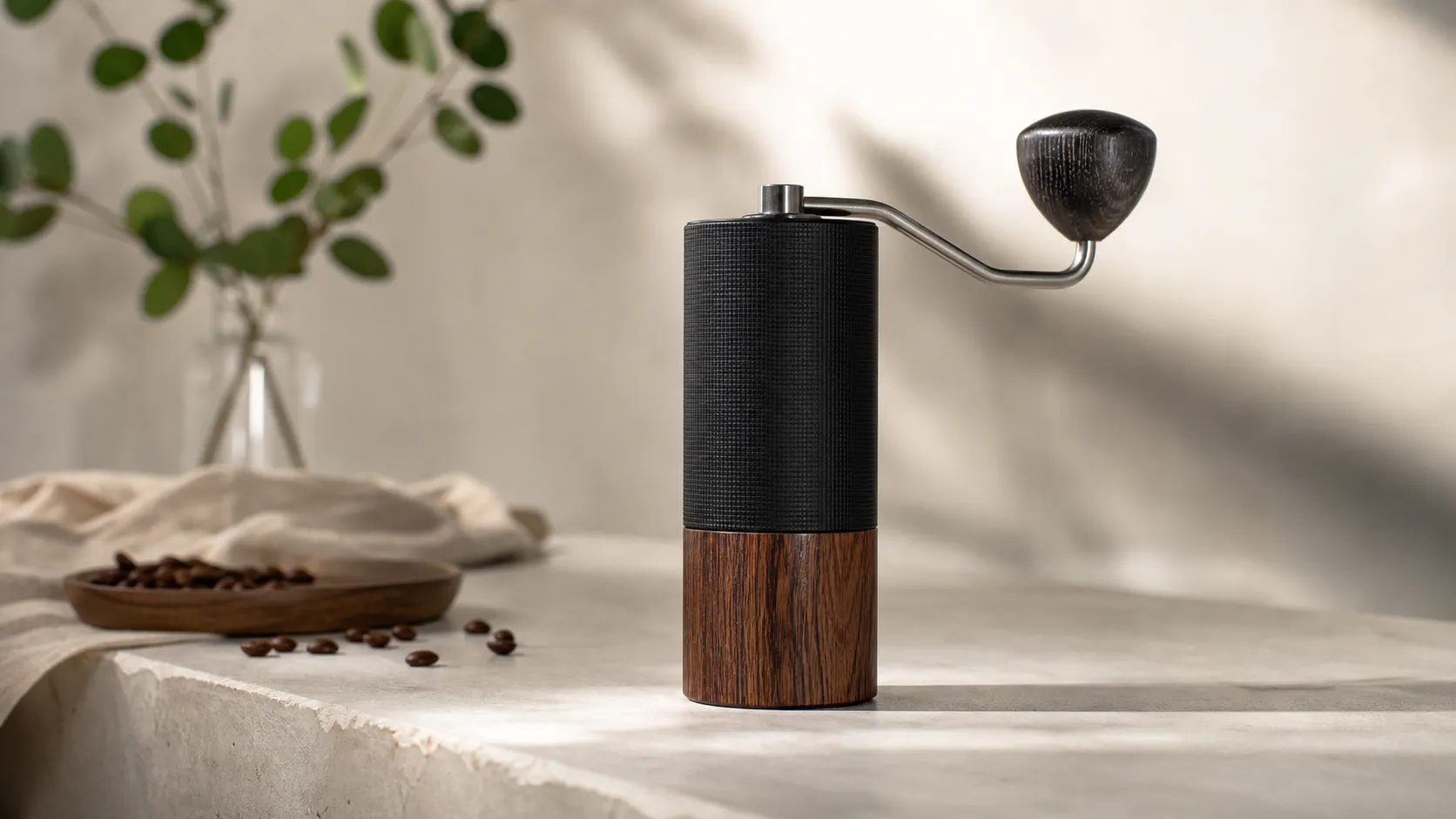
Comandante C40 MK4 Manual Coffee Grinder — 2026 Review
A premium manual grinder known for exceptional build and grind consistency — ideal for serious home baristas, but heavy and pricey for casual users or travel.
 Kitchen & Appliances
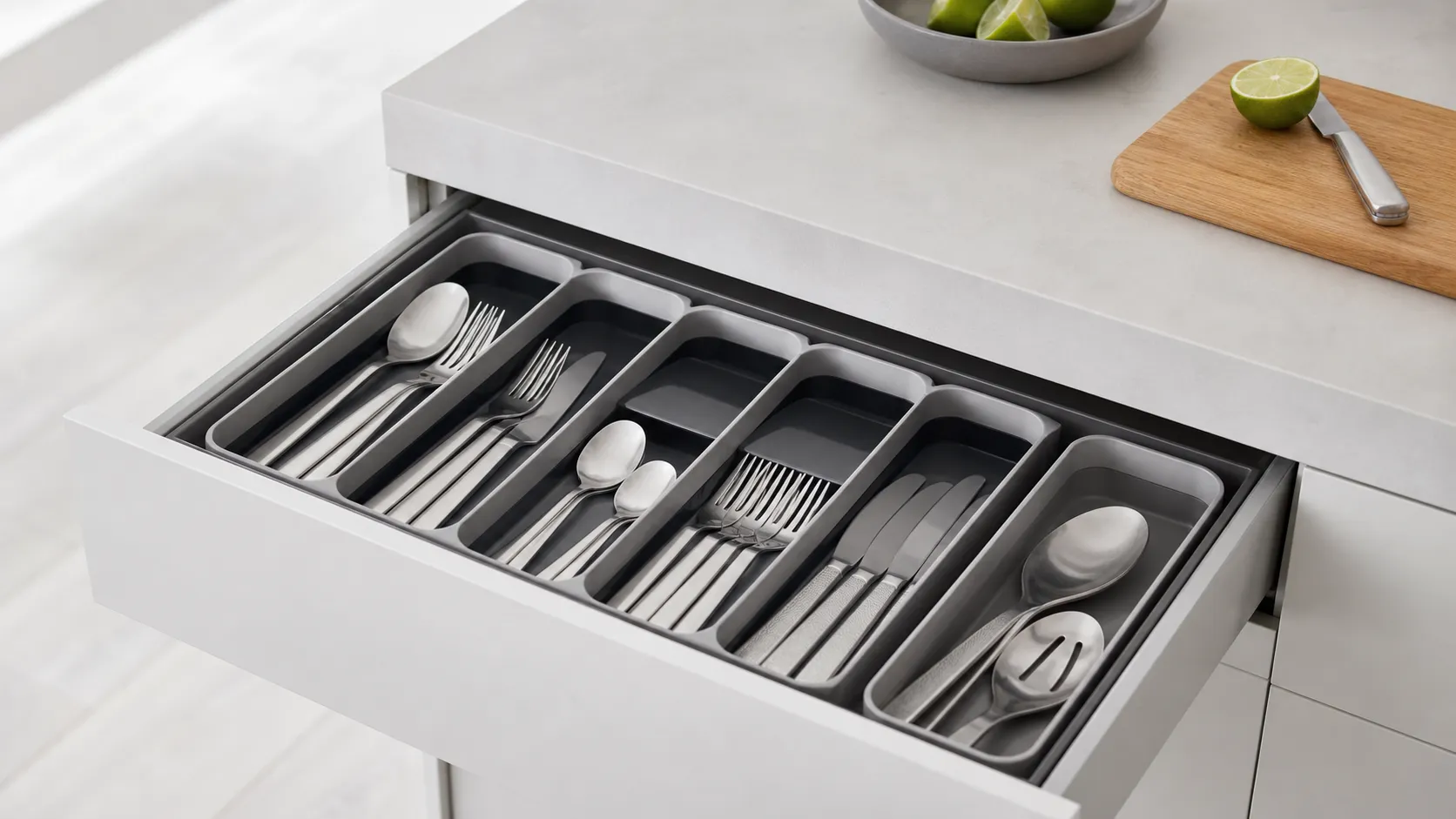
Joseph Joseph DrawerStore Cutlery Organizer Review 2026
A slim, modern cutlery tray that maximizes shallow-drawer space. Great for tidy, small-kitchen organization—measure your drawer first and avoid if you store long utensils.
 Kitchen & Appliances
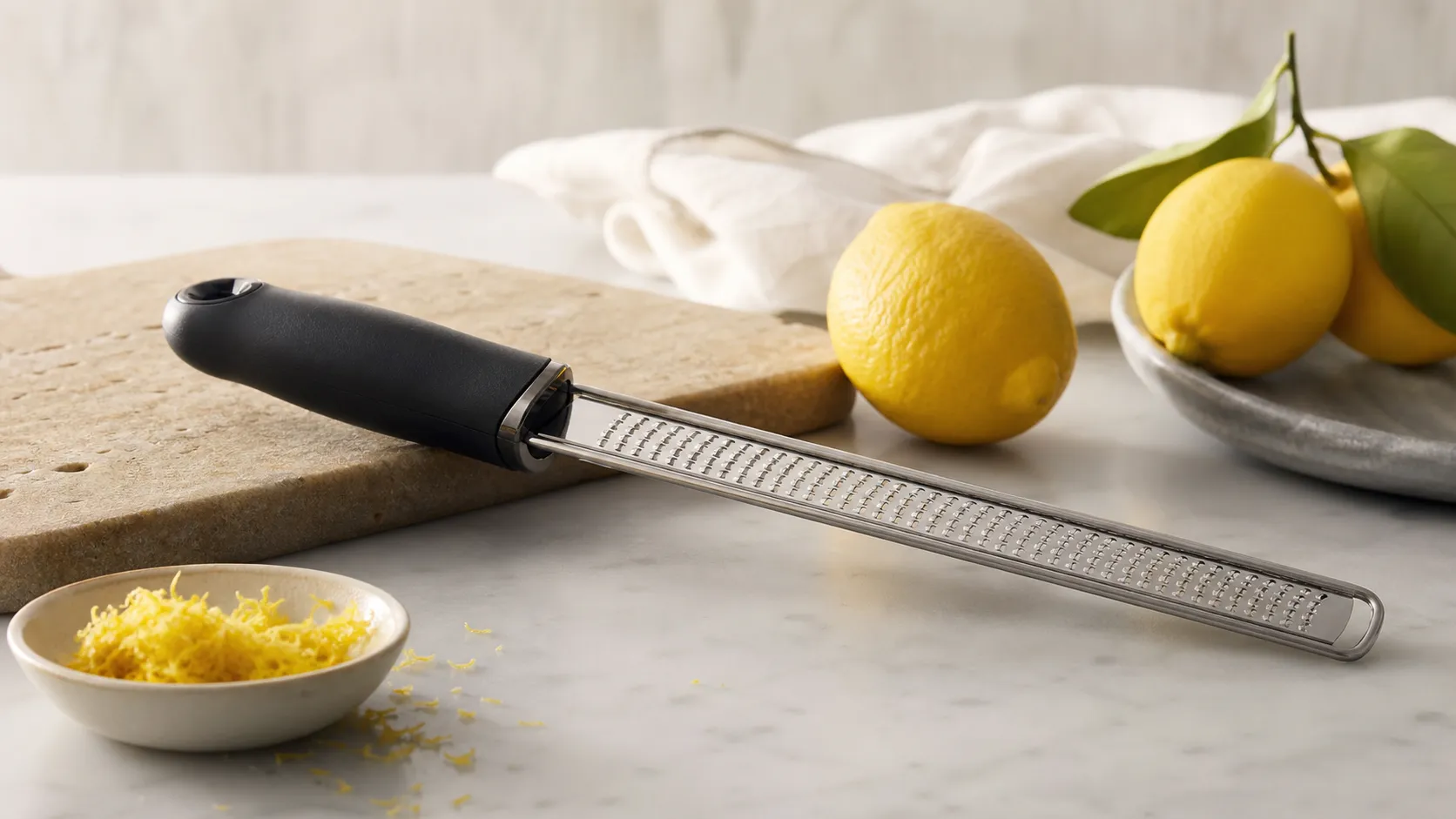
Microplane Premium Classic Zester/Grater — Review 2026
The Microplane Premium Classic is the go-to hand zester for precise, fluffy citrus zest and fine shavings. Sharp, compact, and great value—best for finishing, not bulk grating.