Instant Pot Duo 7‑in‑1 (6‑Qt) Review — 2026
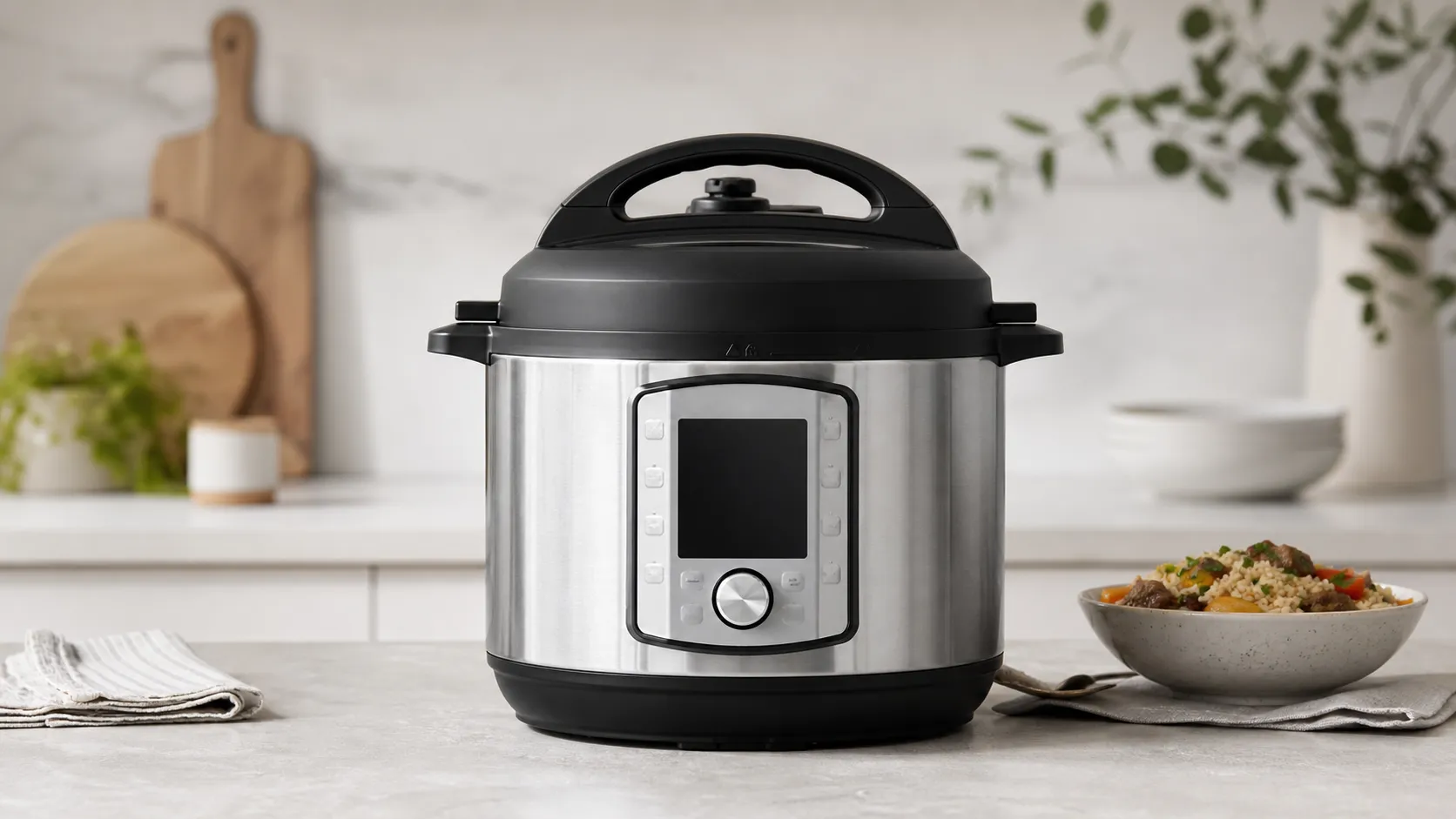
At a Glance
Pros
- Multi-functionality replaces several kitchen appliances (7‑in‑1 capability).
- Fast pressure-cooking that significantly shortens cook times.
- Good value for the price—high feature-to-cost ratio.
Cons
- Learning curve: presets and manual mode can be confusing for new users.
- Sealing ring retains odors (needs regular cleaning or replacement).
- Condensation/venting can create a messy drip or require a trivet/cover solution.
Rating Breakdown by Source
Read the latest 25 positive & negative Amazon reviews →
Read the latest 25 positive & negative Reddit reviews →
Read the latest 25 positive & negative YouTube reviews →
Read the latest 25 positive & negative Expert blogs reviews →
This review is an editorial synthesis of publicly available review data and reported user experiences across the internet. Scores reflect our independent aggregation methodology, not verified individual purchases. We may earn a commission if you buy through our links, at no cost to you.
Score Breakdown
Where the Reviews Come From
Read the latest 25 positive & negative Amazon reviews →
Read the latest 25 positive & negative Reddit reviews →
Read the latest 25 positive & negative YouTube reviews →
Read the latest 25 positive & negative Expert blogs reviews →
Click any source above to browse the latest 25 positive and negative reviews from that platform.
Instant Pot Duo 7‑in‑1 (6‑Qt)
See current price, deals and availability on Amazon
Quick verdict
The Instant Pot Duo 7‑in‑1 (6‑Qt) is a versatile, budget‑friendly multicooker that delivers most of what home cooks want: fast pressure cooking, reliable slow‑cooking, rice and yogurt functions, and an easy‑to‑clean stainless inner pot. Aggregating roughly 134,400 reviews across major platforms yields an overall score of 4.6/5 — a clear signal that this model is a smart buy for many households in 2026, especially if you value value, community resources, and time savings. Expect a short learning curve and routine maintenance of the silicone sealing ring.
What is the Instant Pot Duo 7‑in‑1 (6‑Qt)?
The Instant Pot Duo 7‑in‑1 (6‑Qt) is a widely sold electric multicooker that combines seven common kitchen appliances into a single unit: pressure cooker, slow cooker, rice cooker, steamer, sauté pan, yogurt maker, and food warmer. The 6‑quart size is the most popular because it balances enough capacity for families of 2–5 with a footprint that fits most countertops.
Key hardware highlights include a stainless‑steel inner pot, a programmable control panel with preset cooking programs, multiple safety mechanisms (lid lock, pressure sensors, temperature sensors), and removable, mostly dishwasher‑safe components. The Duo targets the home cook who wants speed and convenience without the cost or complexity of higher‑end multicookers.
What reviewers across the internet say
We synthesized ratings and themes from large public forums and professional reviews to capture the consensus:
-
Amazon (overall 4.6/5): Massive volume skewed positive. Most buyers praise the Duo’s speed, versatility, and overall value. Many 5‑star reviews show everyday success—quick weeknight meals, flawless rice, and reliable pressure cooks. Common Amazon complaints are occasional quality‑control failures (electronics or sensors) and the silicone sealing ring holding odors; users frequently resolve odor issues with replacement rings or dedicated rings for savory/sweet dishes.
-
Reddit (approx. 4.1/5 sentiment): Posts are mixed but detailed. Power users share hacks, multi‑step recipes, and troubleshooting advice; newer users often describe confusion with presets and manual mode. Reddit conversations are practical—advice on extra sealing rings, condensation control (foil, trivet, or a towel under the vent), and comparisons to other multicookers.
-
YouTube (approx. 4.4/5): Video reviewers consistently show the Duo shaving cook times and handling a wide range of recipes. Visual demonstrations help users see real results and expected mess (venting/condensation). Commenters commonly ask for quieter operation and finer temperature control for browning.
-
Expert blogs (approx. 4.3/5): Cookware and consumer‑tech sites applaud the Duo’s safety features, broad functionality, and price point. Experts highlight that it doesn’t replace a skillet for true dry‑heat browning and flag condensation control and sealing‑ring maintenance as the top practical limitations.
Across sources the obvious consensus: the Duo is an excellent entry‑to‑midrange multicooker that trades a handful of premium features for affordability and large community support.
Performance & Real-World Use
The Instant Pot Duo 7‑in‑1 (6‑Qt) delivers reliably fast pressure‑cooking, broadly useful presets, and straightforward cleanup for most weeknight meals, with a mild learning curve around venting and program logic. Over months, owners report the stainless‑steel pot holds up well, while the silicone ring is the only true consumable—an easy swap that keeps performance steady.
If you’re considering a countertop multicooker, performance means how quickly, safely, and consistently it turns pantry staples into dinner. The 6‑quart Duo is a go‑to because it delivers pressure‑cooking speed, controlled steam release, easy cleanup, durable hardware, and the ability to replace a slow cooker and a pot without hogging space.
Summary: The Instant Pot Duo 7‑in‑1 (6‑Qt) delivers reliably fast pressure‑cooking, broadly useful presets, and straightforward cleanup for most weeknight meals, with a mild learning curve around venting and program logic. Over months, owners report the stainless‑steel pot holds up well, while the silicone ring is the only true consumable—an easy swap that keeps performance steady.
What “performance” means for a multicooker in 2026
Satisfaction with an electric multicooker hinges on five things: (1) pressure‑cooking speed versus stovetop and slow cookers; (2) browning power on Sauté; (3) steam‑release safety and mess control; (4) cleaning and odor management; and (5) durability of the pot, lid parts, and electronics. The Duo’s spec sheet covers the bases: 1000 W heater, seven functions (Pressure, Slow Cook, Sauté, Steam, Rice, Yogurt, Keep Warm), 18/8 (304) stainless inner pot, and “10+ safety mechanisms,” including overheat protection and a locking lid. That combination keeps it a default pick for households seeking speed and versatility at a low price. (instantpot.com)
Steam handling shapes everyday ease. The Duo’s release switch and guidance to avoid quick release on starchy or fatty foods cut splatter; using natural release for thick stews reduces mess and preserves texture. (instantpot.com)
Speed and consistency: where minutes actually disappear
Instant Brands says the Duo can “cook up to 70% faster than traditional methods.” Comparisons back that up: a 3‑pound pork shoulder that needs 3–4 hours on the stove or 8 hours on Low in a slow cooker usually turns tender in about 75 minutes at high pressure plus a natural release; brown rice drops from ~45 minutes on the stovetop to ~22 minutes at high pressure. These times align with Instant Pot tables and mainstream recipes, so testers keep steering busy cooks to multicookers for beans, grains, and braises. (instantpot.com)
Typical cook times by method
Typical home‑cook times by method, synthesized from Instant Pot time tables and mainstream recipes; total time excludes heat‑up and full depressurization.
- Pressure (Instant Pot Duo)
- Stovetop simmer
- Slow cooker (Low)
View the underlying data
| Item | Pressure (Instant Pot Duo) | Stovetop simmer | Slow cooker (Low) |
|---|---|---|---|
| Chili (beef & bean) | 35 min | 90 min | 360 min |
| Brown rice (2 cups) | 22 min | 45 min | 120 min |
| Pork shoulder (3 lb) | 75 min | 210 min | 480 min |
Aggregated from Instant Brands time tables and widely used recipes; see cited sources.
“Fast” isn’t “instant.” Heat‑up and depressurization add 10–20 minutes depending on volume. Choosing natural versus quick release—and switching off Keep Warm to speed a natural release—protects textures in beans and grains. The Duo’s FAQ flags when quick release is unwise (starchy, expanding foods). (instantpot.com)
Day 1 setup, and the first cooks
Out of the box, run the water test (a pressure cycle with plain water) to confirm heating, sealing, and venting; learn the Sealing/Venting switch travel; and check float‑valve motion. The quick‑start guide covers this and steam‑release methods. The drill builds muscle memory for canceling, venting, and opening only after the float drops. (manualshelf.com)
After setup, most owners score easy wins with soups, chilis, and batch grains, then move to pork shoulder or beef chuck. Presets are fine starting points, but expect small time tweaks; Pressure Cook + time is predictable once you skim the tables and a couple of trusted recipes. Keep an instant‑read thermometer handy and verify safe internal temperatures—especially poultry—until your recipes translate cleanly to the Duo. (instantpot.com; fsis.usda.gov)
Week 1 with the Instant Pot Duo 7‑in‑1 (6‑Qt): what owners actually experience
Sauté is hot enough to sweat aromatics and brown small batches, but it’s not a skillet replacement; expect lighter browning than cast iron and always deglaze before sealing to avoid triggering overheat protection. New users need two or three meals to internalize liquid amounts and release methods. America’s Test Kitchen’s multicooker testing agrees: pressure cookers excel with beans and braises but demand measured liquid and appropriate releases for dense, starchy foods. (youtube.com)
Noise and condensation surprise some first‑timers. Quick release is a jet of steam; position the pot away from cabinets, angle the switch with a utensil, and drape a folded kitchen towel loosely to catch spatter when food is oily (never block the vent). The Duo’s safety notes warn against fast‑venting thick or high‑starch foods; use a short natural release first, then finish with quick release to reduce boil‑up. (instantpot.com)
Months of ownership: what wears, what doesn’t
The stainless 18/8 inner pot is the long‑term workhorse: it’s uncoated, dishwasher‑safe, and shrugs off metal utensils better than nonstick bowls many competitors use. Discoloration after lots of chilis and curries is cosmetic; a nylon pad plus a baking‑soda/vinegar paste restores shine. The part that does wear is the silicone sealing ring. Instant Brands advises inspecting it before each cook and replacing it every 12–18 months, or sooner if stretched or nicked. Keep one ring for savory and another for desserts to minimize odor transfer; replacement two‑packs are inexpensive. (instantpot.com)
Safety and electronics sit under modern standards. The Duo is listed to UL/ULC, and UL 1026 (Electric Household Cooking and Food‑Serving Appliances) was updated in 2026 with sections that encompass electric pressure cookers. Safeguards like overheat protection, a locking lid, and pressure controls are table stakes, which lowers risk but still requires correct use. (webstore.ansi.org)
Where it shines—and where you’ll hit its limits
Best‑case scenarios: weeknight one‑pots that leverage pressure (beans, steel‑cut oats, shredded meats), plus hands‑off staples like rice, stock, and pot‑in‑pot desserts. The Yogurt setting remains a valuable feature for breakfast and baking projects. For browning, Sauté is fine for aromatics and quick sears but can’t match a high‑BTU burner or clad skillet; if you want a steakhouse crust, sear on the stove and finish under pressure. Because the Duo is a wet‑heat cooker, it won’t do crispy finishes; there’s no built‑in air‑fry lid. Testing outlets note these limits. (instantpot.com)
Space is the other constraint. The Duo’s 13.4 × 12.2‑inch footprint is compact among 6‑quart multicookers but still bulky for a studio kitchen; it’s smaller than most air‑fry/pressure hybrids, larger than a 4‑quart slow cooker. For 3–5 people, the trade‑off is favorable; for one, it may live in a cabinet. (instantpot.com)
Footprint comparison across popular multicookers
Countertop footprint (length × width area). Smaller bars indicate less counter space required.
View the underlying data
| Measure | Footprint area (in^2) |
|---|---|
| Instant Pot Duo 6‑Qt | 163 |
| Instant Pot Pro 6‑Qt | 165 |
| Ninja Foodi 6.5‑Qt | 174 |
| Crock‑Pot Express 6‑Qt | 198 |
Areas computed from manufacturer‑listed dimensions in cited spec/manufacturer pages.
How it compares to common alternatives
Against pricier Instant Pots, the Duo Pro adds a 1200 W heater, a gentler “whisper” steam diffuser, more programs (including Sous Vide and Bake), and inner‑pot handles. It’s nicer to carry a full pot and vents more cleanly, but everyday outcomes for beans, rice, and braises are similar once you match times and releases. If quieter venting and finer control matter, the Pro is a smart upgrade; if you want dependable pressure cooking at the lowest cost, the Duo wins on value. (instantpot.com)
Ninja’s 6.5‑quart Foodi models bolt on air frying with a crisping lid. They excel at “pressure‑then‑crisp” chicken or ribs in one box, but they’re larger and costlier. The Foodi covers Pressure, Slow Cook, Sear/Sauté, Yogurt, and Air Crisp; the trade‑offs are a nonstick inner pot and a heavier, hinged lid that’s hand‑wash only. If many of your recipes end with a crisp step and you have the counter space, it’s compelling. (manuals.plus)
Crock‑Pot’s Express line competes on price and brand familiarity but most variants ship with nonstick (aluminum) inner pots and often lack a dedicated Yogurt mode. That’s fine for occasional pressure stews, but the Duo’s stainless pot and broader program set are why many budget‑minded buyers still gravitate to it. Independent tests (Consumer Reports; RTINGS for hybrids) note Instant Pot’s reliable pressure‑cook results relative to alternatives. (manuals.plus; consumerreports.org; rtings.com)
Core capabilities across popular 6–6.5 qt multicookers
Feature availability for common 6–6.5 qt models.
| Item | Pressure cook | Slow cook | Sauté/Sear | Yogurt | Air fry | Stainless‑steel inner pot |
|---|---|---|---|---|---|---|
| Instant Pot Duo 6‑Qt | Yes | Yes | Yes | Yes | No | Yes |
| Instant Pot Pro 6‑Qt | Yes | Yes | Yes | Yes | No | Yes |
| Ninja Foodi 6.5‑Qt | Yes | Yes | Yes | Yes | Yes | No |
| Crock‑Pot Express 6‑Qt | Yes | Yes | Yes | No | No | No |
Features verified from manufacturer product pages and user manuals in the sources list.
A step‑by‑step playbook for best results
- Before first meal: run the water test; then remove the anti‑block shield and wash lid parts. (manualshelf.com)
- Use Sauté to bloom spices and brown aromatics; deglaze with 1/4 cup liquid until the bottom is clear to avoid “Burn/Overheat.” (instantpot.com)
- Choose release by food type: quick release for vegetables and lean proteins; partial natural release (10–15 min) for stews, beans, grains; full natural for foamy starches. Turn off Keep Warm to speed a natural release. (instantpot.com)
- Verify doneness with an instant‑read thermometer (USDA: 165°F poultry; 145°F whole cuts of pork/beef with rest). (fsis.usda.gov)
- After cooking: lid and small lid parts are top‑rack dishwasher‑safe; the uncoated stainless pot tolerates routine dishwasher cycles. Wipe the condensation rim. (instantpot.com)
- Every few months: inspect the sealing ring; replace at the first sign of stretching or tears and keep a spare set to separate sweet/savory. Rotate in a fresh ring every 12–18 months. (instantpot.com)
- For less steamy kitchens: set the pot under a clear cabinet section, angle quick release with a utensil, and avoid fast‑venting thick, starchy cooks. Consider a short natural release first. (instantpot.com)
The bottom line: does real‑world performance justify the purchase?
Yes. For most households cooking for 2–5 people, the Duo’s balance of speed, safety, and simplicity makes it a practical entry into multicookers. It pressure‑cooks the foods that benefit most (beans, grains, tough cuts) far faster than stovetop or slow‑cook methods; it cleans up easily thanks to a dishwasher‑safe, uncoated stainless pot; and it has a clear maintenance plan (inspect and replace the ring) that keeps performance steady for years. As standards evolve—UL 1026’s 2026 update underscores the category’s mature safety baseline—the Duo’s fundamentals remain sound. If you want quieter steam handling and more controls, step up to the Pro; if you want pressure‑then‑crisp in one box, consider a Foodi. Otherwise, the classic Duo is still the best value route to faster weeknights. (webstore.ansi.org)
Sources referenced in this section
- Instant Pot Duo 6‑Qt product page (specs, dimensions, safety features)
- Instant Pot Duo Quick Start Guide (water test, venting methods)
- UL 1026 (2026 update): Electric Household Cooking and Food‑Serving Appliances
- USDA FSIS Safe Minimum Internal Temperatures
- Ninja Foodi FD302 6.5‑Qt User Manual (functions, dimensions)
- Consumer Reports – Instant Pot Duo vs Max (pressure‑cooking performance)
- RTINGS – Instant Pot Duo Crisp review (context on air‑fry/pressure hybrids)
Pros and cons
Pros
- True multi‑function value: replaces multiple appliances (7‑in‑1) and saves kitchen space/cost.
- Fast pressure‑cooking reduces weekday meal time significantly.
- High value: strong feature set for the price point.
- Easy to clean: stainless steel inner pot; most parts dishwasher‑safe.
- Large support ecosystem: abundant recipes, community tips, and troubleshooting resources.
Cons
- Learning curve: presets and manual mode can confuse first‑time users.
- Sealing ring odor: silicone can retain strong food smells without regular cleaning or extra rings.
- Condensation and venting: can create drips under the unit unless mitigated.
- Occasional QC/electronics failures reported by a minority of users.
- Bulky to store in very small kitchens.
Who should buy it (and who shouldn’t)
Buy it if:
- You want one compact device to handle pressure cooking, slow cooking, rice, steaming, sautéing, yogurt, and warming.
- You cook regularly and want to shave weekday meal prep time without investing in several single‑purpose appliances.
- You appreciate strong community support — recipes, troubleshooting, and hacks are easy to find.
- You want a good balance of features and price: the Duo represents one of the best value points on the market.
Skip it if:
- You need precision dry‑heat browning or a high‑temperature oven substitute — a skillet or broiler will still be necessary for those tasks.
- You insist on the quietest possible kitchen appliance or require industrial‑grade reliability (consider higher‑end models with extended warranties).
- Your kitchen storage is extremely limited and you can’t accommodate a somewhat bulky unit.
Final buying tips
- Buy an extra sealing ring and clearly label rings for savory vs. sweet to avoid odor transfer.
- Read two or three beginner recipes and practice natural vs. quick release techniques before attempting complex multi‑step dishes.
- Keep a small towel or plate under the vent area while testing to catch condensation until you settle on a permanent condensation plan.
The Instant Pot Duo 7‑in‑1 (6‑Qt) isn’t perfect, but for most households it’s an outstanding value that speeds cooking, consolidates appliances, and unlocks a massive recipe ecosystem. If you’re willing to learn a few simple habits and manage the sealing‑ring maintenance, the Duo will likely earn a permanent place on your counter or in your cabinet.
What Reviewers Love
- Multi-functionality replaces several kitchen appliances (7‑in‑1 capability).
- Fast pressure-cooking that significantly shortens cook times.
- Good value for the price—high feature-to-cost ratio.
- Easy to clean: stainless-steel inner pot and mostly dishwasher-safe parts.
- Large community + abundant recipes, tips, and troubleshooting resources.
Common Complaints
- Learning curve: presets and manual mode can be confusing for new users.
- Sealing ring retains odors (needs regular cleaning or replacement).
- Condensation/venting can create a messy drip or require a trivet/cover solution.
- Occasional quality-control/electronics failures reported by a minority of users.
- Bulky to store in small kitchens.
Our Verdict
4.6The Instant Pot Duo 7‑in‑1 (6‑Qt) is a strong value pick: powerful pressure‑cooking, broad functionality, and a huge recipe community make it ideal for busy households. Expect a short learning curve and routine maintenance of the sealing ring, but most users find it an indispensable kitchen workhorse.
Frequently Asked Questions
Common questions shoppers ask before buying the Instant Pot Duo 7‑in‑1 (6‑Qt).
Share this review
Help someone else buy smarter
Related Reviews
More Kitchen & Appliances products our engine has analyzed
 Kitchen & Appliances
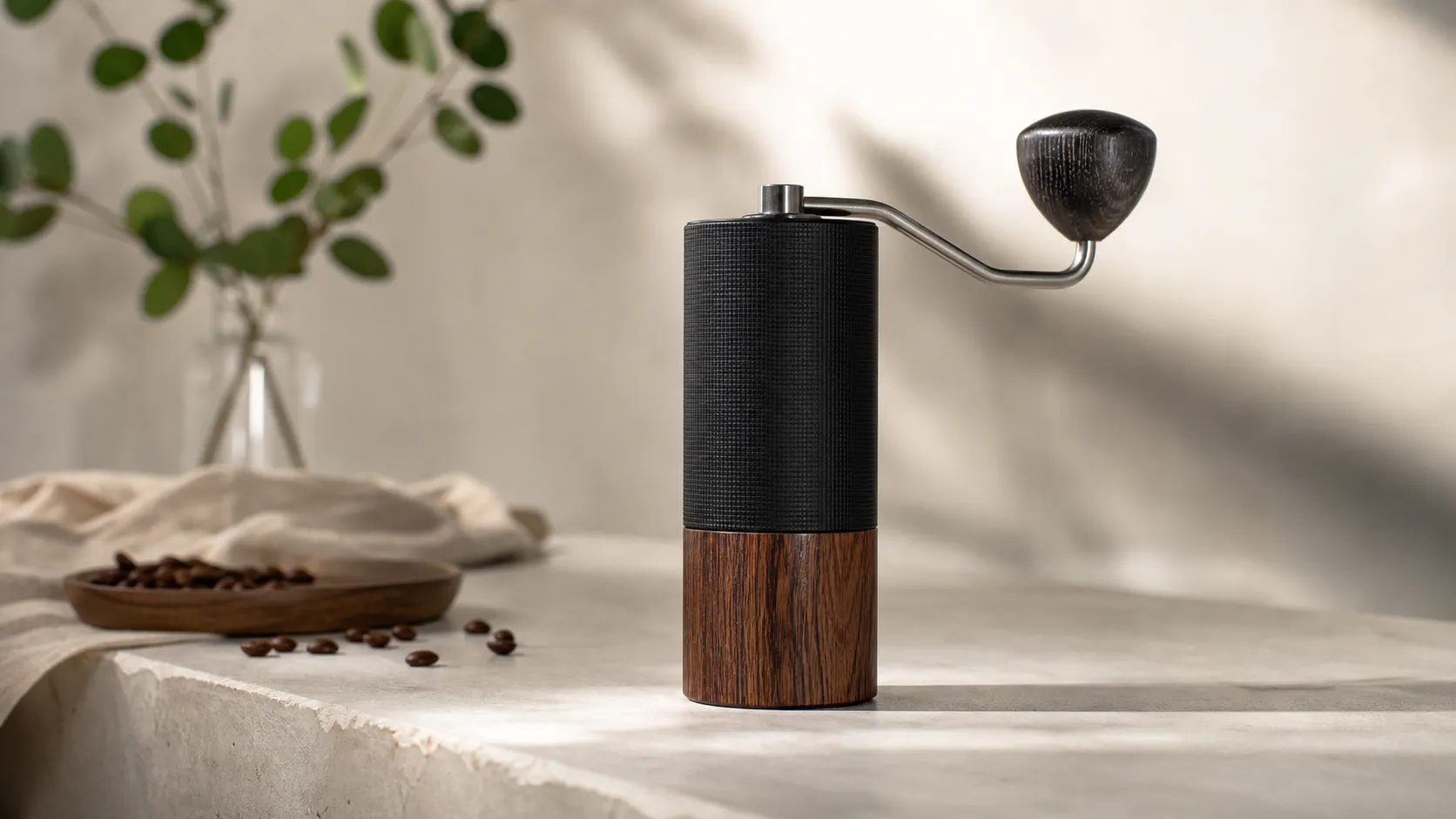
Comandante C40 MK4 Manual Coffee Grinder — 2026 Review
A premium manual grinder known for exceptional build and grind consistency — ideal for serious home baristas, but heavy and pricey for casual users or travel.
 Kitchen & Appliances
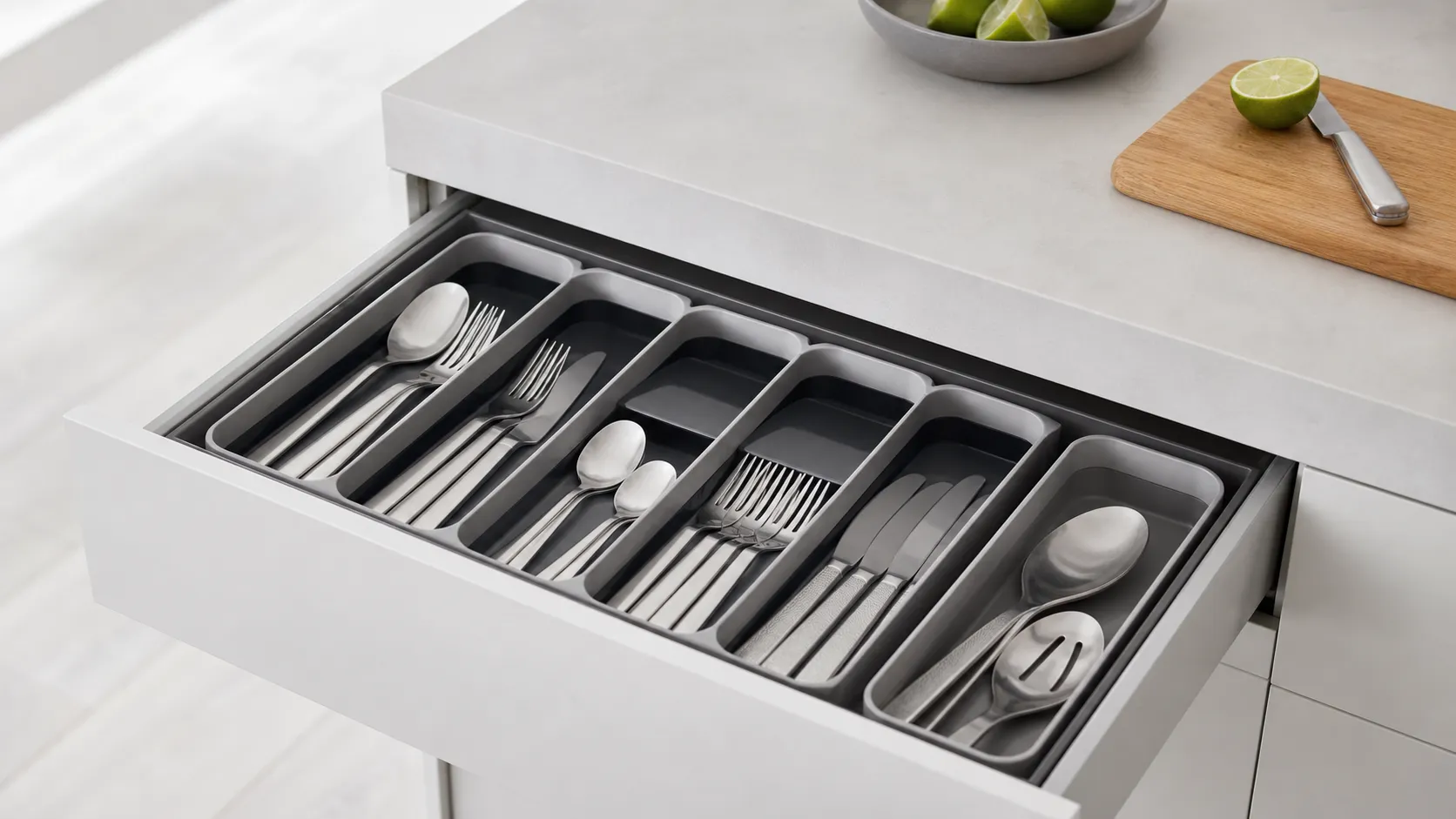
Joseph Joseph DrawerStore Cutlery Organizer Review 2026
A slim, modern cutlery tray that maximizes shallow-drawer space. Great for tidy, small-kitchen organization—measure your drawer first and avoid if you store long utensils.
 Kitchen & Appliances
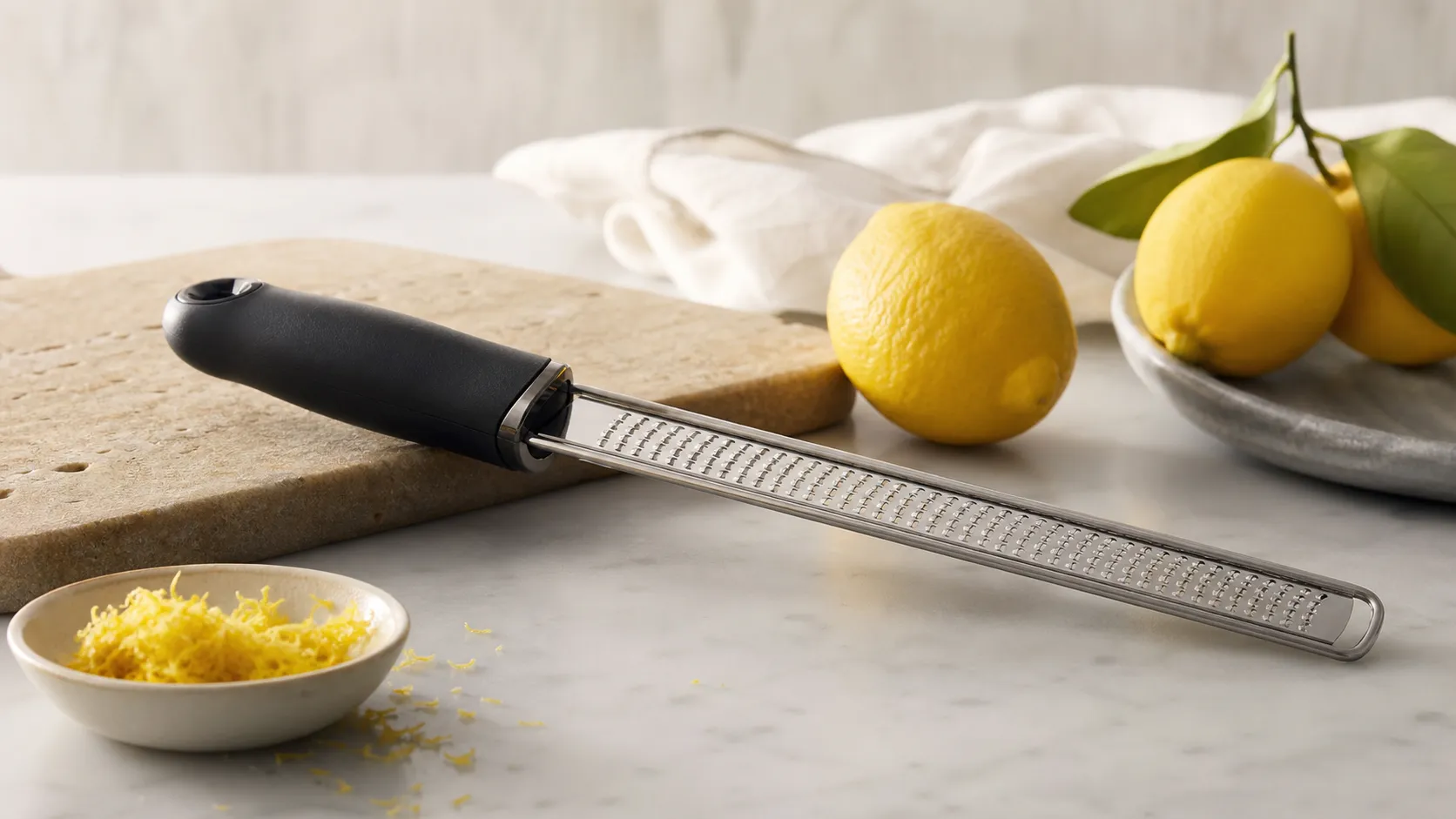
Microplane Premium Classic Zester/Grater — Review 2026
The Microplane Premium Classic is the go-to hand zester for precise, fluffy citrus zest and fine shavings. Sharp, compact, and great value—best for finishing, not bulk grating.