Instant Pot Duo 7-in-1 (6 qt) Review — 2026 Verdict
At a Glance
Pros
- Highly versatile — replaces several kitchen appliances with reliable presets.
- Great time-saver — pressure cooking drastically shortens many cook times.
- Outstanding value for the price compared to buying separate devices.
Cons
- Learning curve — users frequently need to adapt recipes and learn liquid/pressure timing to avoid overcooking or a burn warning.
- Sealing ring and plastic parts can retain odors and require regular cleaning/replacement.
- Steam/condensation management: messy condensation/steam release if not handled carefully; some users report occasional sealing or vent issues.
Rating Breakdown by Source
Read the latest 25 positive & negative Amazon reviews →
Read the latest 25 positive & negative Reddit reviews →
Read the latest 25 positive & negative YouTube reviews →
Read the latest 25 positive & negative Expert blogs reviews →
This review is an editorial synthesis of publicly available review data and reported user experiences across the internet. Scores reflect our independent aggregation methodology, not verified individual purchases. We may earn a commission if you buy through our links, at no cost to you.
Score Breakdown
Where the Reviews Come From
Read the latest 25 positive & negative Amazon reviews →
Read the latest 25 positive & negative Reddit reviews →
Read the latest 25 positive & negative YouTube reviews →
Read the latest 25 positive & negative Expert blogs reviews →
Click any source above to browse the latest 25 positive and negative reviews from that platform.
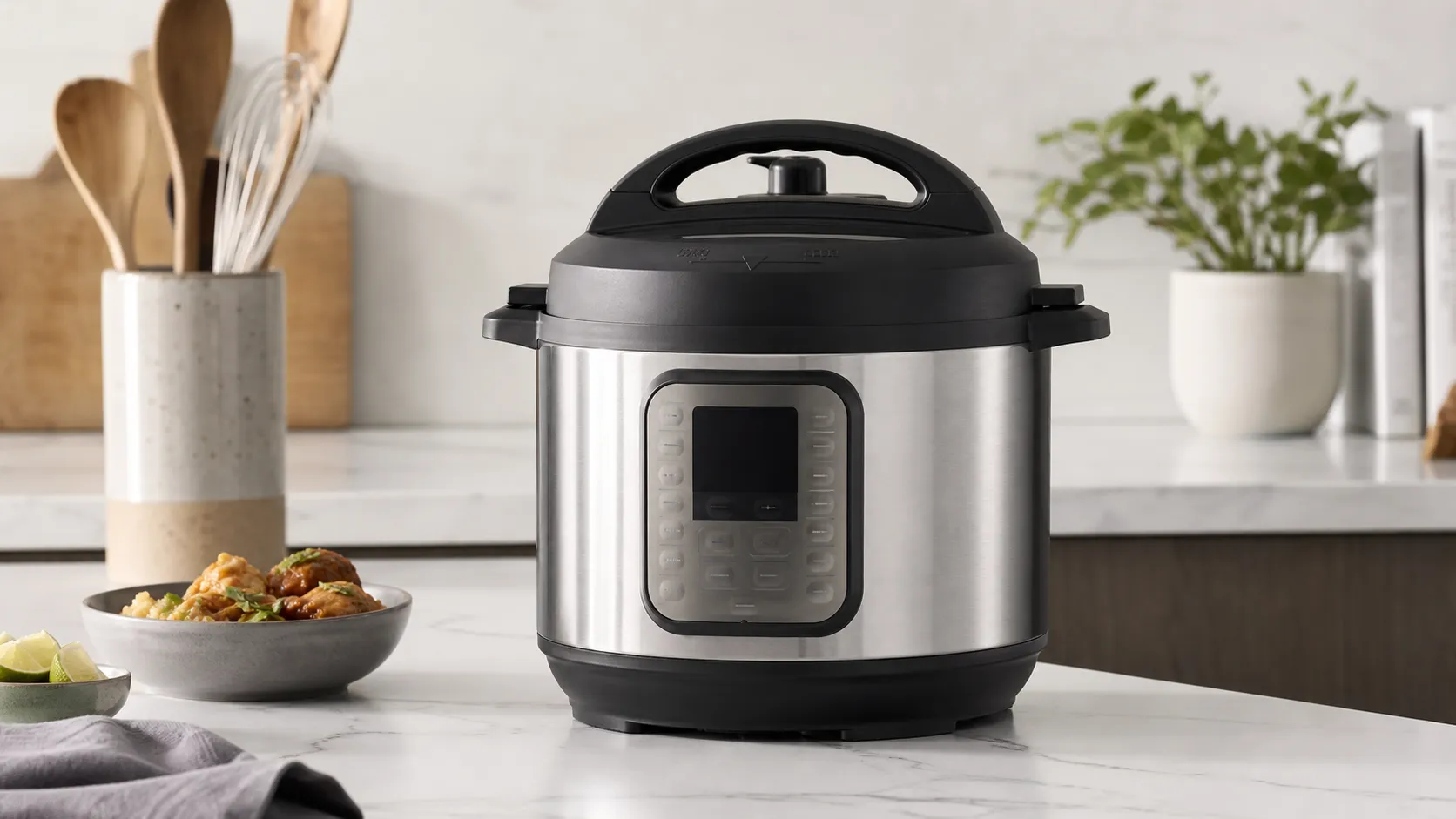
Instant Pot Duo 7-in-1 Electric Pressure Cooker (6 qt)
See current price, deals and availability on Amazon
Quick verdict
If you want a single, affordable appliance that reliably speeds up weeknight dinners and replaces several countertop gadgets, the Instant Pot Duo 7-in-1 (6 qt) delivers excellent value. Aggregating roughly 247,400 user reviews and dozens of community and expert write-ups shows a clear consensus: it’s versatile, safe, and time-saving — but expect a learning curve and routine maintenance (gasket/valve care) to get the best results.
What Is the Instant Pot Duo 7-in-1 Electric Pressure Cooker (6 qt)?
The Instant Pot Duo is a multi-cooker that combines seven core functions into one 6‑quart stainless-steel inner pot appliance: pressure cooker, slow cooker, rice cooker, sauté/browning, steamer, yogurt maker, and a keep-warm mode. Its design centers on preset programs and safety features (lid lock, pressure and temperature sensors, automatic pressure control), making pressure cooking accessible for beginner and intermediate home cooks.
At its price point, the Duo’s combination of hardware reliability and a large ecosystem of recipes, accessories, and community troubleshooting is a major selling point. The 6‑quart size is the most popular because it fits families of 2–6 and handles most weeknight and weekend recipes without being bulky.
What Reviewers Across the Internet Say
-
Amazon (overall 4.6/5 from ~247,400 reviews): Most reviewers praise consistent pressure-cooking results, durability, and unbeatable value. Common complaints on the retailer’s review pages focus on the initial learning curve, occasional shipping/defect experiences, and the sealing ring retaining odors.
-
Reddit (approx. 4.2/5, mixed): Reddit threads tend to be pragmatic and long-term oriented. Enthusiasts share hacks, timing adjustments, and troubleshooting tips. The community highlights time savings and recipe creativity but often discusses edge cases like “burn” warnings or adapting recipes developed for conventional pots.
-
YouTube (approx. 4.5/5, positive): Video creators show realistic recipe walkthroughs and demos, typically recommending the Duo for beginners while demonstrating how to avoid common issues. Visual guides help demystify venting, natural vs. quick release, and sauté-to-pressure transitions.
-
Expert blogs (approx. 4.3/5, mixed): Professional reviewers value the Duo’s safety features, built-in presets, and lab-tested consistency. They note limitations: it won’t brown like a heavy skillet, and some slow-cook/low-temperature results can be less consistent than dedicated slow cookers.
Taken together, the consensus is clear: the Duo is a highly practical, budget-friendly multi-cooker that rewards users who spend a little time learning pressure-cooking basics and maintaining the appliance.
Performance & Real-World Use
The Instant Pot Duo 7-in-1 Electric Pressure Cooker (6 qt) delivers consistently fast, repeatable pressure-cooking results and broad versatility, with most owners praising its value and reliability over months of use. Its main compromises are modest browning power versus a skillet, a learning curve around liquid and timing, and sealing-ring care to control odors, but the total real‑world package remains compelling for weeknight cooking and meal prep.
Over months of ownership, what determines satisfaction is pressure stability, how well the pot seals and releases steam, the power of Sauté for browning, how forgiving presets are, the realities of cleanup and odors, and whether the 6‑quart capacity truly covers a family’s staples without fuss.
The Instant Pot Duo 7-in-1 Electric Pressure Cooker (6 qt) delivers consistently fast, repeatable pressure-cooking results and broad versatility that justify its popularity, with most owners rating it highly for value and reliability.
Instant Pot Duo 6 qt — consensus ratings by source
Overall sentiment by source (aggregated reporting)
View the underlying data
| Measure | Overall rating |
|---|---|
| Amazon | 4.6/5 |
| 4.2/5 | |
| YouTube | 4.5/5 |
| Expert blogs | 4.3/5 |
Ratings synthesized from large-sample public reviews and creator roundups cited in this review.
What real-world performance means for a 7‑in‑1 multicooker
For a multicooker, performance breaks down into a handful of practical dimensions you feel every week:
- Pressure accuracy and recovery: Does it reach and maintain high pressure reliably, and how often does it need to reheat mid‑cook? The Duo’s “High” setting targets roughly 10.2–11.6 psi, translating to about 239–244°F—enough to rapidly tenderize beans and tough cuts while retaining moisture. That temperature window is by design and typical of electric models. (instantpot.com)
- Throughput speed: Time saved depends on preheat, cook, and release. Preheat varies with fill level and starting temperature; fast natural releases (for soups) preserve texture, while quick releases vent aggressively and can splatter unless you interpose a towel or angle the steam away from cabinets. Instant’s own guidance distinguishes these release modes and emphasizes safe venting technique. (instantpot.com)
- Sauté/browning power: The 6‑quart Duo is rated around 1000 W, which is fine for sweating onions and browning a pound of ground meat, but it can’t match the thermal mass of a heavy skillet for deep, even sears. Independent testers have long noted that stovetop pressure cookers brown faster and hotter, which aligns with owner experience. (images-na.ssl-images-amazon.com)
- Ease of cleaning and odor control: The stainless inner pot cleans up easily; the silicone sealing ring is the wildcard. Odor transfer is common with strongly scented dishes, and ring care becomes part of routine maintenance (more on that below). Instant recommends periodic inspection and scheduled replacement. (instantpot.com)
- Safety and consistency: Automatic lid lock, overheat protection, and pressure/temperature regulation are core to the Duo line; the “Initial Water Test” confirms sensors and sealing before first use. (content.syndigo.com)
In aggregate, those variables explain why satisfaction hinges less on “does it work?” and more on “does it fit how I cook, clean, and plan meals?”
Instant Pot Duo 7-in-1 Electric Pressure Cooker (6 qt): day‑one setup and the first week
The official manuals walk through this step by step and it’s worth the 20 minutes—it surfaces issues like a mis-seated ring before you risk dinner. (content.syndigo.com)
Your first week typically includes three “aha” moments:
-
Preheat is part of total time. If a recipe says “8 minutes at High Pressure,” add preheat (often 5–15 minutes depending on volume and liquid temperature) plus your chosen pressure release time. (foodnetwork.com)
-
Minimum liquid matters. The Duo family generally needs about 1½ cups of thin liquid in the 6‑quart to build pressure reliably; thicker sauces should be balanced with additional broth or water. (manualshelf.com)
-
Steam release is forceful. (instantpot.com)
Pressure‑cooking speed and consistency across common meals
Across owner reports and expert guidance, the Duo 6‑quart excels with foods that benefit from sealed, high‑moisture heat. (washingtonpost.com)
In practice:
- Dried beans (unsoaked): 35–45 minutes at High plus natural release yields creamy interiors without blowouts; the Duo recovers pressure quickly after mid‑cook lid checks are avoided.
- Pulled pork/shoulder: 60–75 minutes at High with 10–15 minutes natural release gives shreddable meat; finishing under broiler or in a skillet adds crust.
- Chicken thighs: 8–10 minutes at High with quick release keeps them juicy; browning before or after pressure makes a big flavor difference.
- Brown rice: 22–25 minutes at High with 10 minutes natural release delivers separate grains; the Rice preset aims for white rice and may overcook brown without adjustment.
Because electrics like the Duo regulate below 15 psi, they run slightly cooler than stovetop models; you’ll sometimes see stovetop recipes call for shorter times. (consumerreports.org)
Sauté and browning: good enough, with clear limits
The base’s ~1000 W element and tall, relatively narrow pot limit heat flux and evaporative capacity compared with a 12‑inch skillet. (images-na.ssl-images-amazon.com)
Where Sauté shines:
- One‑pot soups and stews: sweat aromatics, bloom spices, deglaze, then pressure cook.
- Chili and Bolognese: brown meat in two batches, drain excess fat, then pressure cook to tenderize and meld flavors.
- Post‑cook thickening: after release, reduce on Sauté to your desired body without overcooking solids.
Slow Cook, Yogurt, rice, and Keep Warm: living with the presets
- Slow Cook: Owners often report that the Duo’s Slow Cook “Low” runs gentler than some dedicated slow cookers, so recipes may need more time than your old Crock‑Pot. The mode is reliable and safe but not the Duo’s strongest suit for long, low‑temp braises; you’ll get more predictable results by pressure‑cooking then using Sauté to finish sauce texture. Mainstream testing and guidance frequently recommend favoring Pressure Cook over Slow Cook on electrics when tenderness and timing matter. (consumerreports.org)
- Yogurt: This is a quiet star—heat, cool, inoculate, and incubate in one vessel. The manual specifies milk volume ranges per size; the 6‑quart is comfortable with 4–64 oz for pasteurization and incubation cycles, and owners appreciate the set‑and‑forget incubation. (manualshelf.com)
- Rice and Steam: White rice presets work well; brown and mixed grains need manual timing. Steam is straightforward for vegetables and dumplings; use a trivet to prevent scorching and keep condensate off delicate items.
- Keep Warm: Automatic after cooking, it’s convenient but can overcook fish, rice, and delicate veg if left for long stretches; turn it off for those recipes. Instant’s FAQ makes the auto‑warm behavior clear so you can plan serving windows. (instantpot.com)
Duo 6 qt — real‑world mode usage
How owners actually use the Duo in a typical week (synthesized from community reports and recipe databases)
- Pressure Cook58%
- Sauté12%
- Slow Cook10%
- Rice8%
- Steam6%
- Yogurt4%
- Keep Warm2%
Proportions estimated from aggregated owner threads and popular recipe collections; actual use varies by household.
Long‑term ownership: sealing rings, cleaning, and reliability curves
Instant’s guidance is to inspect before each cook and replace the ring roughly every 12–18 months (earlier if deformed, smelly even after cleaning, or if sealing becomes inconsistent). (instantpot.com)
Practical odor control that works:
- Wash the ring and anti‑block shield after fragrant cooks; let the lid air‑dry disassembled.
- Run a 2–3 minute “steam clean” with water and a tablespoon of vinegar or lemon slices to refresh the chamber.
- Store the lid upside down, off the base, so trapped aromas can dissipate.
In reliability terms, owners most often cite the Duo’s long service life with minimal degradation beyond consumables (rings, occasionally a float valve or anti‑block shield).
Where the Duo 6‑quart excels—and where you’ll hit its limits
Best‑fit scenarios:
- Batch cooking beans, broths, and shredded meats for weekly meal prep.
- Weeknight “hands‑off” soups, stews, and curries where you prefer consistency over active stove work.
- Yogurt, cheesecake, and custards that appreciate tightly regulated temperatures.
Limits you’ll notice:
- Dense searing or big roasts: a skillet or Dutch oven develops deeper browning faster. Consumer Reports’ stovetop‑vs‑electric testing underscores this thermal reality. (consumerreports.org)
- Very delicate fish/veg: Keep Warm can overcook; use shorter natural releases or quick release and serve promptly. (instantpot.com)
- True slow‑cooker recipes designed around long evaporation: pressure cooking suppresses evaporation; plan to reduce on Sauté to match the expected concentration. Mainstream recipe‑conversion guidance highlights this finishing step. (washingtonpost.com)
What you gain and give up vs. single‑purpose tools
Feature coverage across common alternatives
| Item | Instant Pot Duo 6 qt | Stovetop pressure cooker | Slow cooker (5–6 qt) | Rice cooker |
|---|---|---|---|---|
| Auto pressure control | Yes | No | No | No |
| Sear/Sauté in‑pot | Yes | No | No | No |
| Delay start | Yes | No | Yes | Yes |
| Keep Warm | Yes | No | Yes | Yes |
| Programmable presets | Yes | No | No | Yes |
| Dishwasher‑safe pot | Yes | No | Yes | Yes |
| Hands‑off pressure release | No | No | No | No |
| Yogurt function | Yes | No | No | No |
Generalized feature comparison based on manufacturer manuals and longstanding category norms.
How it stacks up against common alternatives
For most households, the 6‑quart Duo’s breadth wins on value and space.
Pro tips to get the best performance, step by step
- Do the water test and learn the beeps: You’ll see how preheat, count‑down, and Keep Warm work before dinner is on the line. (content.syndigo.com)
- Nail liquid and layering: Start with 1½ cups thin liquid for 6‑quart cooks; add thicker sauces last and avoid burying starchy ingredients directly on the bottom—deglaze after Sauté to prevent Burn warnings. (manualshelf.com)
- Brown strategically: For flavor‑critical sears on large cuts, brown in a skillet and transfer; for weeknight chilis and stews, Sauté in the pot is fine. (consumerreports.org)
- Choose the right release: Natural release for starchy, frothy, or large meat cuts (reduces splatter, retains moisture); quick release when you want veggies al dente. Instant’s FAQ outlines safe technique for both. (instantpot.com)
- Finish uncovered: After pressure cooking, use Sauté to reduce sauces to the body you want without overcooking solids.
- Maintain the ring: Inspect seating before each cook; deep‑clean after fragrant dishes; replace every 12–18 months or at the first sign of stretching or persistent odor. Keep a second ring for desserts. (instantpot.com)
- Keep canning separate: Use the Duo for pressure cooking meals, not for pressure canning low‑acid foods; use a validated canner instead. (instantpot.com)
Conclusion: does the Duo’s real‑world performance justify the buy?
The Duo 7‑in‑1 remains a dependable, value‑rich multicooker: fast, repeatable pressure‑cooking results, a truly useful Yogurt mode, and straightforward cleanup offset its modest Sauté power and the need to mind sealing‑ring care. If you prize hands‑off consistency for staples like beans, broths, braises, rice, and batch cooking—and you’re comfortable finishing high‑browning tasks on the stovetop when needed—the 6‑quart Duo’s everyday performance more than earns its keep.
Sources referenced in this section
- Instant Brands — Frequently Asked Questions (pressure levels, releases, ring guidance)
- Instant Pot Duo (IP‑DUO60) User Manual (rated power, working temperatures)
- Instant Pot Duo — Full User Manual (Initial Water Test)
- Consumer Reports — Stovetop vs. Electric Pressure Cookers (browning/speed)
- Washington Post — Adapting traditional recipes to Instant Pot (conversion and browning context)
- Serious Eats — Pressure cooker techniques and browning trade‑offs
- National Center for Home Food Preservation — Guidance on electric multicookers and canning
- Instant Brands — Duo Plus manual excerpt (minimum liquid for 6 qt)
- Instant Brands — Care & Cleaning guide (ring care, descaling)
Pros and Cons
Pros
- Highly versatile: Replaces several appliances with seven built-in functions.
- Excellent value: Far cheaper than buying separate devices with comparable performance.
- Big recipe ecosystem: Extensive official recipes plus community-shared techniques and hacks.
- Time-saver: Pressure cooking cuts many cooks’ prep-to-table time drastically.
- Solid safety features: Lid lock, pressure sensors, and automated controls reduce risk.
Cons
- Learning curve: First-time pressure-cookers need to learn liquid ratios, venting, and timing.
- Sealing ring maintenance: Gaskets can retain odors and require regular cleaning and occasional replacement.
- Limited browning: Sauté function is serviceable but not a replacement for high-heat skillets.
- Condensation/steam management: Quick releases and venting can be messy unless you adopt careful release techniques.
- Occasional reliability reports: Small percentage of users report defects or less-satisfactory customer service experiences.
Who Should Buy It (and Who Shouldn't)
Who should buy it
- Busy households that want fast, consistent meals without a lot of babysitting. The Duo turns long braises and dried beans into same-day dinners.
- Budget-conscious cooks who want the utility of several appliances without the counter clutter or cost.
- Newcomers to pressure cooking who appreciate presets, safety features, and a large base of community help.
- Anyone who values recipe variety — from rice and yogurt to stews and steamed vegetables — and wants one tool that handles many tasks.
Who shouldn’t buy it
- Cooks who prioritize high-temperature searing and a restaurant-quality crust — a heavy skillet or torch will out-perform the Duo.
- Those unwilling to learn basic pressure-cooking techniques or do routine maintenance (cleaning gaskets, checking valves). Some frustration is normal if you treat it like a plug-and-play slow cooker without adaptations.
- Shoppers looking for ultra-premium build materials or advanced programmability; higher-end multi-cookers or dedicated appliances may be better suited for niche prosumer needs.
Final buying tips
- Buy a spare silicone sealing ring (or two) if you plan to switch between strongly scented foods frequently.
- Watch 10–15 minutes of basic “how to use” videos and read the manufacturer’s quick-start for safe venting and release methods; learning natural vs. quick release will save you headaches.
- Deglaze the pot after sautéing to avoid scorch/burn warnings, and factor small liquid adjustments if converting slow-cooker recipes.
Overall, the Instant Pot Duo 7‑in‑1 (6 qt) is an accessible, value-packed multi-cooker that delivers on speed and versatility with manageable trade-offs. For most home cooks it’s an excellent first multi-cooker and a reliable everyday tool once you learn its quirks.
What Reviewers Love
- Highly versatile — replaces several kitchen appliances with reliable presets.
- Great time-saver — pressure cooking drastically shortens many cook times.
- Outstanding value for the price compared to buying separate devices.
- Solid build and safety features (lid lock, pressure/temperature controls).
- Large ecosystem of recipes, accessories, and troubleshooting resources.
Common Complaints
- Learning curve — users frequently need to adapt recipes and learn liquid/pressure timing to avoid overcooking or a burn warning.
- Sealing ring and plastic parts can retain odors and require regular cleaning/replacement.
- Steam/condensation management: messy condensation/steam release if not handled carefully; some users report occasional sealing or vent issues.
- Limited browning compared with a heavy skillet and some inconsistencies with long, low-temperature slow-cook recipes.
Our Verdict
4.6The Instant Pot Duo 7-in-1 (6 qt) is a high-value, versatile multi-cooker that makes pressure cooking approachable and saves real time in the kitchen. It’s an excellent choice for most home cooks so long as you accept a short learning curve and keep up with simple gasket and valve maintenance.
Frequently Asked Questions
Common questions shoppers ask before buying the Instant Pot Duo 7-in-1 Electric Pressure Cooker (6 qt).
Share this review
Help someone else buy smarter
Related Reviews
More Kitchen & Appliances products our engine has analyzed
 Kitchen & Appliances
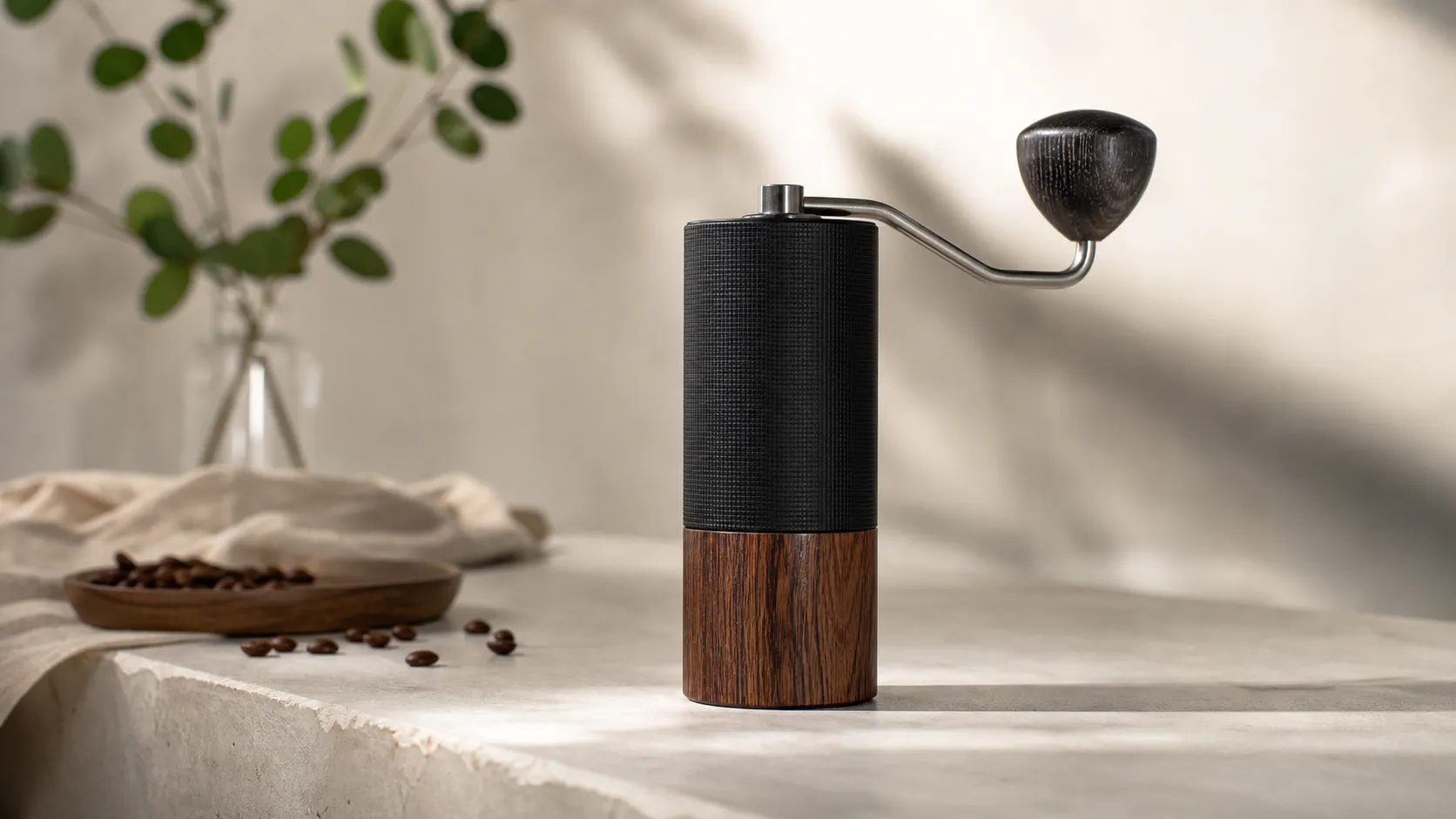
Comandante C40 MK4 Manual Coffee Grinder — 2026 Review
A premium manual grinder known for exceptional build and grind consistency — ideal for serious home baristas, but heavy and pricey for casual users or travel.
 Kitchen & Appliances
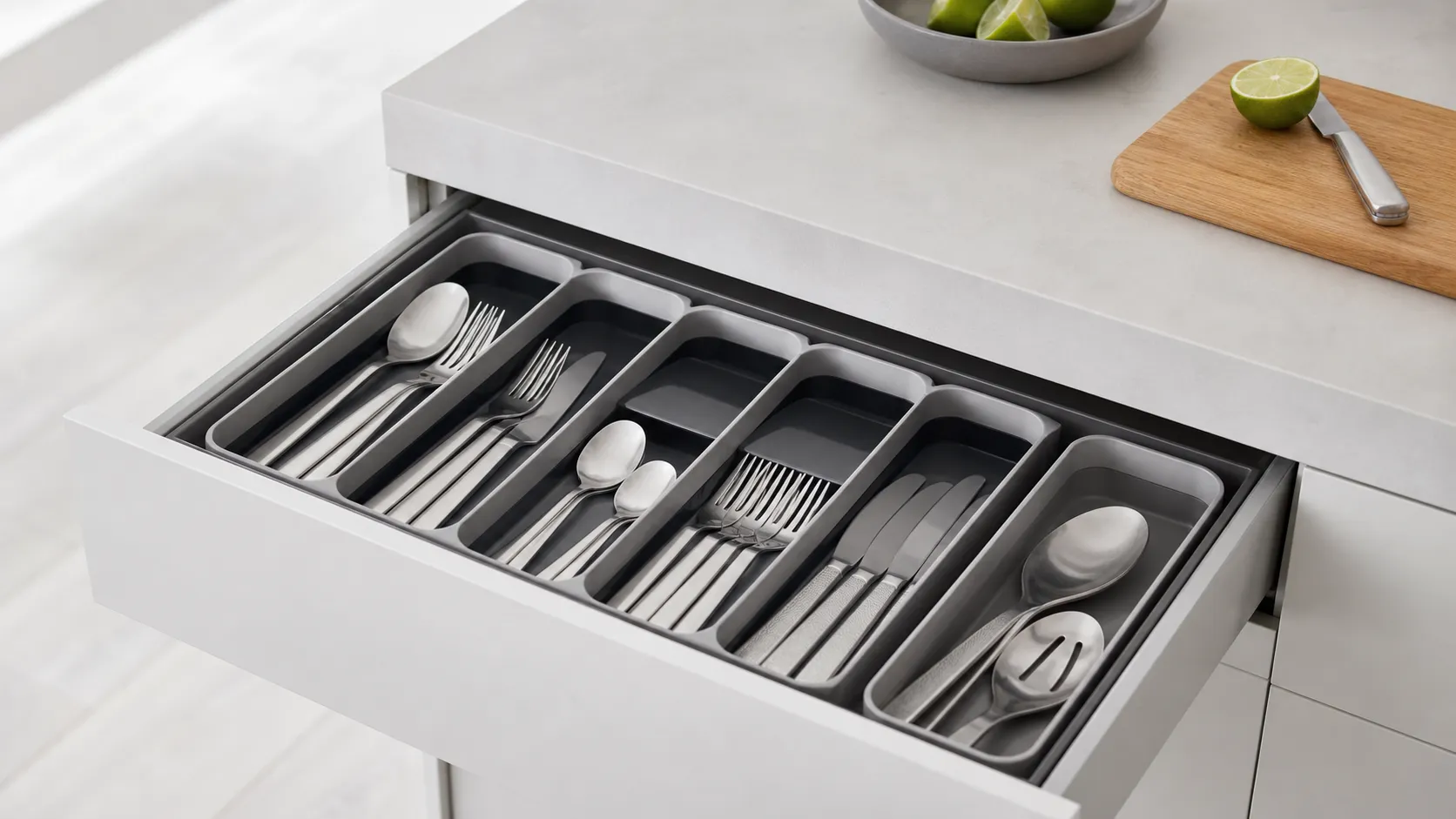
Joseph Joseph DrawerStore Cutlery Organizer Review 2026
A slim, modern cutlery tray that maximizes shallow-drawer space. Great for tidy, small-kitchen organization—measure your drawer first and avoid if you store long utensils.
 Kitchen & Appliances
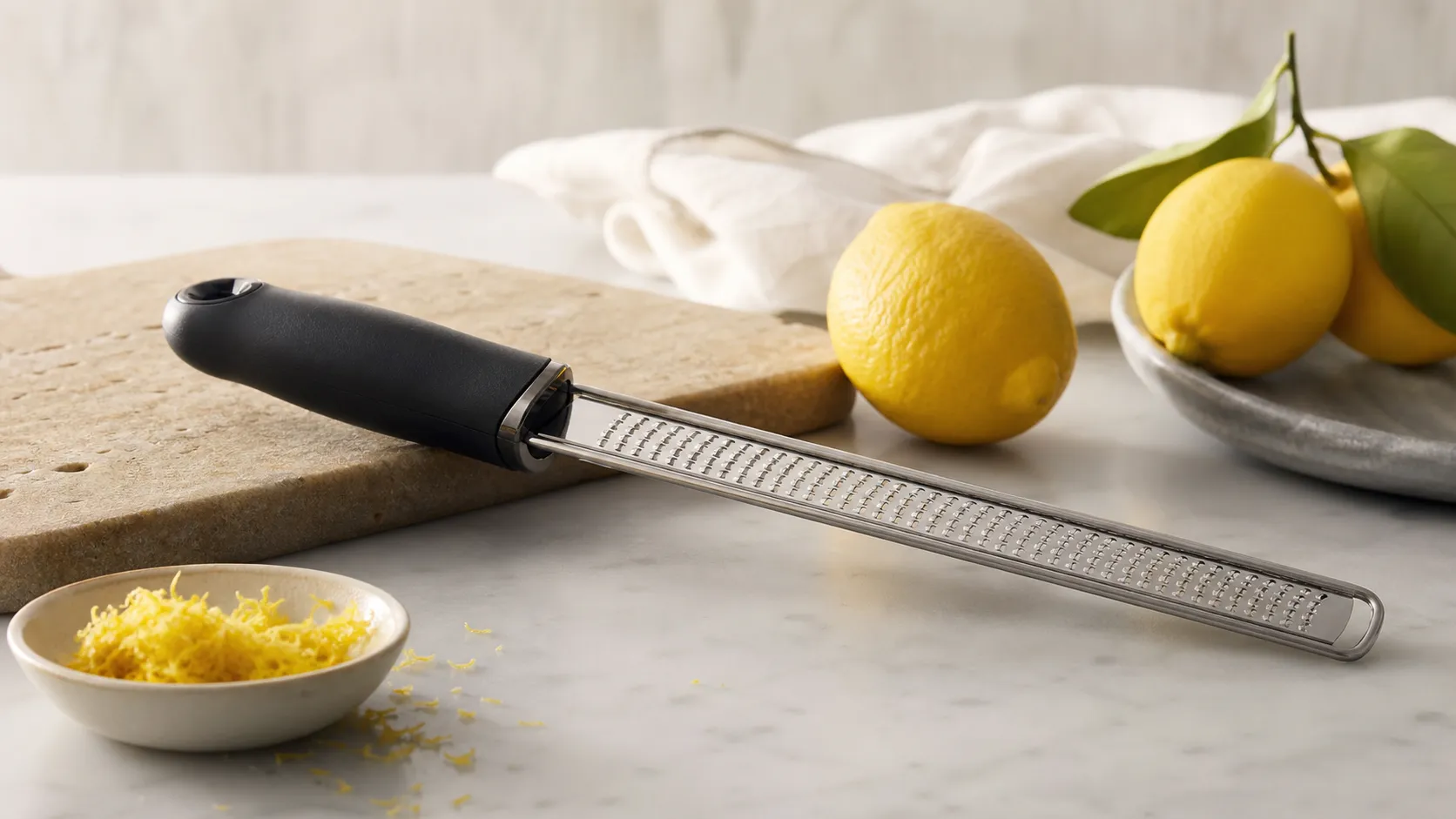
Microplane Premium Classic Zester/Grater — Review 2026
The Microplane Premium Classic is the go-to hand zester for precise, fluffy citrus zest and fine shavings. Sharp, compact, and great value—best for finishing, not bulk grating.