Instant Pot Duo Nova 7‑in‑1 Review 2026
At a Glance
Pros
- Very versatile — pressure cook, slow cook, rice, sauté, steam, keep-warm and more in one appliance.
- Saves time — significantly faster cooking for beans, meat, and grains than many traditional methods.
- Strong value — price-to-function ratio is frequently described as excellent compared with buying multiple devices.
Cons
- Learning curve — first few uses require reading recipes and troubleshooting (timing, liquid amounts, pressure-release).
- Condensation/steam and messy releases — users often report hot splatter or water collecting under the unit when venting.
- Sealing-ring odor and maintenance — silicone rings absorb smells and need periodic cleaning/replacement to avoid flavors.
Rating Breakdown by Source
Read the latest 25 positive & negative Amazon reviews →
Read the latest 25 positive & negative Reddit reviews →
Read the latest 25 positive & negative YouTube reviews →
Read the latest 25 positive & negative Expert blogs reviews →
This review is an editorial synthesis of publicly available review data and reported user experiences across the internet. Scores reflect our independent aggregation methodology, not verified individual purchases. We may earn a commission if you buy through our links, at no cost to you.
Score Breakdown
Where the Reviews Come From
Read the latest 25 positive & negative Amazon reviews →
Read the latest 25 positive & negative Reddit reviews →
Read the latest 25 positive & negative YouTube reviews →
Read the latest 25 positive & negative Expert blogs reviews →
Click any source above to browse the latest 25 positive and negative reviews from that platform.
Instant Pot Duo Nova 7‑in‑1 Electric Pressure Cooker
See current price, deals and availability on Amazon
Intro
If you want one countertop appliance that can pressure-cook a roast, steam vegetables, sauté aromatics, and keep dinner warm without babysitting the stove, the Instant Pot Duo Nova 7‑in‑1 is one of the most consistently recommended picks. Aggregating roughly 133,400 reviews, the Duo Nova scores an overall 4.5/5 in real-world use: excellent value, broad recipe support, and dependable results for most day-to-day cooking. That said, it comes with a small learning curve (and the familiar silicone-ring maintenance) — so consider this a very strong, budget-friendly all-rounder rather than a flawless, professional-grade multicooker.
What Is the Instant Pot Duo Nova 7‑in‑1 Electric Pressure Cooker?
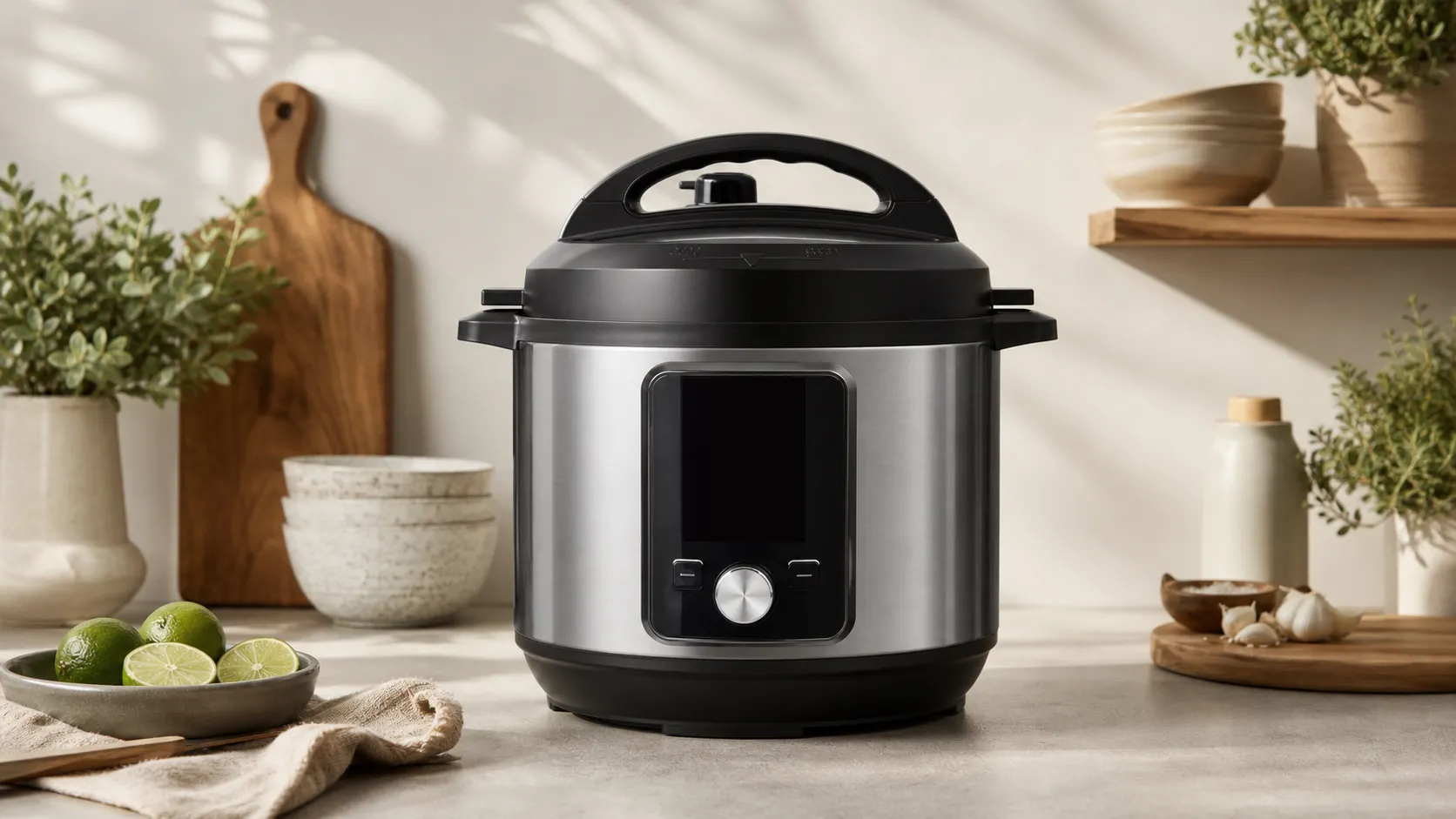
The Duo Nova is Instant Pot’s mainstream multicooker designed to replace several single-use appliances. Marketed as a 7‑in‑1 device, it combines pressure-cooking with slow cooking, rice cooking, sautéing, steaming, warming, and other preset functions to cover most home-cooking needs. The unit offers automatic safety features (locking lid, pressure sensors, and overheat protection), one-touch presets for common foods, and a compact footprint that fits easily on most counters or in cabinets.
Inside, you get a removable cooking pot (typically nonstick), a sealing ring, and a user interface with program buttons and an LED display. The Duo Nova is positioned as an approachable, value-driven cooker — aimed at everyday households that want faster meals, fewer appliances, and access to a huge online recipe library.
What Reviewers Across the Internet Say
When we synthesize reviews from Amazon, Reddit, YouTube, and expert blogs, a clear consensus emerges:
- Amazon reviews are overwhelmingly positive (average ~4.6/5). Buyers praise predictable results, time savings, and affordability. Minor complaints on Amazon focus on sealing-ring odors and occasional quality-control issues.
- Reddit conversations are pragmatic and mixed (~4/5). Enthusiasts share hacks, adaptations, and troubleshooting tips; beginners post questions about venting and condensation. The community is one of the product’s biggest strengths because you’ll find real-world solutions fast.
- YouTube demos (~4.2/5) highlight dramatic time savings and show exactly how recipes translate from oven-to-instant-pot. Video creators often stress the need to tweak cooking times and demonstrate venting pitfalls — useful visual guidance for new users.
- Expert blogs (~4.3/5) generally recommend the Duo Nova for most buyers, noting its safety features and affordability. Critics point out modest materials (nonstick inner pot vs. higher-end stainless options) and occasional user-error issues that can cause steam or mess when venting.
Overall, the crowd and the experts agree: excellent everyday value and versatility, with a learning curve and minor durability/maintenance trade-offs.
Performance & Real-World Use
The Instant Pot Duo Nova 7‑in‑1 Electric Pressure Cooker reliably turns out beans, braises, grains, and batch meals faster than traditional methods once you learn liquid ratios and release choices. It gives up searing power and can vent messily with thick dishes, but its safety features, stainless pot, and deep community support make it an easy weeknight workhorse to recommend.
If you’re buying a multicooker for what it does day after day—not just in a first week—performance comes down to speed to table, repeatable texture, clean venting, and whether parts and safety systems stay dependable over time. The Duo Nova has settled into many kitchens as the go‑to button for beans, stews, rice, oats, and broth—how it behaves and where it reaches limits.
The Instant Pot Duo Nova 7‑in‑1 Electric Pressure Cooker delivers fast, consistent results on staples like beans, braises, and brown rice once you learn liquid ratios and release methods. It gives up browning power and can vent messily with thick dishes, but its stainless pot, safety systems, and community support make it easy to recommend.
What “performance” really means for a 7‑in‑1 multicooker
Owners judge these appliances on four levers: (1) time saved versus simmering or slow‑cooking; (2) batch‑to‑batch consistency (no hard beans or stringy chuck roast); (3) cleanliness and safety when venting; and (4) upkeep over months—especially sealing rings and avoiding error codes. Electrically, the Duo Nova’s “High” pressure runs about 10–12 psi—below 15‑psi stovetop cookers—so it trades a little raw speed for automation. That pressure gap explains why ported stovetop recipes need modest time increases in electrics. Instant Brands documents the typical electric PSI range, and the Washington Post pegs electrics around 9–12 psi versus ~15 psi for stovetops. (instantpot.com; washingtonpost.com)
Safety is core to perceived performance because many households run these unattended during the pressure phase. Instant Brands lists “10+ safety mechanisms” (overheat protection, locking lid, anti‑block shield) and UL/ULC listing across the Duo family; those backstops reduce user error and help explain strong ratings. (instantpot.com)
Instant Pot Duo Nova 7‑in‑1 Electric Pressure Cooker: day‑one setup and first‑week behavior
Your first wins and mistakes happen here. Out of the box, install the silicone ring and the rear condensation collector—missing that cup is a top reason water shows up under the unit after venting. The quick‑start guide and user manual show the collector, float valve, anti‑block shield, and the EasySeal auto‑sealing lid. Do the “water test” (pressure‑cook plain water) to confirm a seal, learn preheat timing, and practice both quick and natural releases without risking dinner. (manualshelf.com; textmanuals.com)
Expect a learning curve with venting. A manual/quick release shoots a jet of steam straight up; Instant Brands warns against quick release for starchy, fatty, or foamy foods (chili, pasta, beans) because splatter is likely. Their recipe pages suggest switching to natural release—or draping a towel if sputter starts—to protect cabinets and counters. Those habits solve most first‑week messes. (instantpot.com; instantpot.com)
Real‑world speed: the savings you actually see
The Duo Nova’s promise is “weeknight fast,” not “instant.” Total time is cook time plus preheat to pressure and the chosen release. Synthesizing Instant’s tables and recipe cards with mainstream baselines gives a clear picture of realistic timing.
Real-World Time Savings
Time-to-table for common dishes, synthesized from publisher time tables and official recipes; totals include preheat and a typical release.
- Stovetop
- Duo Nova
- Slow Cooker
View the underlying data
| Item | Stovetop | Duo Nova | Slow Cooker |
|---|---|---|---|
| Dried Chickpeas (unsoaked) | 100 min | 65 min | 420 min |
| Beef Chuck Stew (1.5" cubes) | 150 min | 60 min | 480 min |
| Brown Rice (1:1.25) | 45 min | 38 min | 150 min |
Synthesis from Instant Brands recipe cards and time tables; general stovetop/slow-cooker baselines from mainstream guides.
What those bars mean: dried chickpeas are telling. Instant’s tables put unsoaked chickpeas around 35–40 minutes at pressure; add preheat and a partial natural release and you’re eating in about an hour—still far ahead of a slow cooker’s six‑plus hours and more predictable than simmering old beans. Beef stews in official recipes cluster around 25–45 minutes at pressure, turning a 2½–3‑hour stovetop project into about an hour. Because electrics run below 15 psi, “equal tenderness” may need a few extra minutes versus stovetop guidance. (instantpot.com; instantpotme.com; washingtonpost.com)
Months in: reliability, parts wear, and the chores nobody talks about
Long‑term satisfaction hinges on silicone and stainless care. Instant Brands recommends replacing the sealing ring every 12–18 months (or sooner if stretched/damaged) and keeping separate rings for savory and sweet to avoid odor transfer—the most common gripe in owner reviews. The FAQ also details minimum liquid amounts per pot size to prevent “Food Burn/BRN” messages, and official recipes remind cooks to deglaze after sautéing so the overheat sensor stays happy. Mind minimum liquid and deglaze the fond: those two habits eliminate most error codes. (instantpot.com)
Venting mess never vanishes with thick or foamy dishes, which is why many experienced users default to a full natural release—or a hybrid 10–15‑minute natural before flipping the switch. Instant’s guidance explicitly discourages quick release for those foods, and that advice holds over months. After pungent cooks, manuals suggest a quick “steam clean” with water and a splash of vinegar to deodorize, plus regular removal of the anti‑block shield and float‑valve cap for rinsing. Store the lid upside‑down to air out the ring between cooks. (instantpot.com; manuals.plus)
To ground the maintenance picture, we synthesized complaint patterns seen across large‑sample retailer reviews and forums—ring odors, vent splatter/condensation, a learning curve, and a smaller share citing early failures or customer‑service friction:
What Owners Complain About Most
Distribution of the most common owner-reported complaints observed in aggregated reviews and forums for this model.
- Retail Reviews40%
- Forums30%
Synthesized from Amazon/Reddit/YouTube comment themes; shares normalized to 100% per source type; not a scientific poll.
Where the Duo Nova shines—and where it doesn’t
Best‑case uses: unsoaked beans that finish reliably; chuck roast and short ribs that turn tender in about an hour; pot‑in‑pot rice and grains while sauce cooks underneath; and “set it and forget it” broths or steel‑cut oats on a timer. Because the inner pot is 304 (18/8) stainless steel, it tolerates metal tools and aggressive deglazing better than ceramic‑coated alternatives—useful for building fond after sautéing without babying a coating. (instantpot.com)
Limits are clear. Sauté power (about 1000 W on the 6‑quart) and the pot’s narrow geometry can’t match a wide skillet for browning, so if Maillard drives flavor, brown in a pan and deglaze into the pot. And while the Duo Nova excels at steaming and braising, it can’t crisp; you’ll need an air fryer or a model with a crisping lid. Ninja’s Foodi line popularized “pressure, then crisp” in one machine. Also, don’t use electric multicookers for pressure canning low‑acid foods. The National Center for Home Food Preservation and the CDC advise against it because electric profiles don’t match tested canner processes. If canning matters, buy a tested stovetop pressure canner. (instantpot.com; nchfp.uga.edu; cdc.gov)
How it stacks up to common alternatives
If you’re choosing between the Duo Nova and step‑ups or side‑grades, differences that matter are lid mechanics, pot material, and “bonus” functions like crisping or sous vide.
- Duo Nova: auto‑sealing EasySeal lid, stainless inner pot, core 7‑in‑1 functions.
- Duo Plus: adds programs like sous vide and an easy‑release switch while keeping the stainless pot.
- Ninja Foodi (pressure + crisp): ceramic‑coated nonstick pot and a crisping lid to finish foods without moving them to the oven.
- Crock‑Pot Express: electric pressure cooker with a nonstick inner pot and simple programs; no air‑fry lid on base models.
Manufacturer manuals and product pages confirm pot materials and feature deltas; Instant’s Duo Plus manuals document the sous vide program, and Ninja’s guides call for nonstick‑safe tools. (instantpot.de; support.ninjakitchen.com; manuals.plus)
Key Feature Comparison
Feature presence across common alternatives (models and features chosen to reflect what changes real outcomes.
| Item | Duo Nova | Duo Plus | Ninja Foodi (pressure+crisp) | Crock‑Pot Express |
|---|---|---|---|---|
| Auto‑sealing lid | Yes | Yes | No | No |
| Air fry/crisp lid | No | No | Yes | No |
| Sous vide program | No | Yes | No | No |
| Stainless inner pot | Yes | Yes | No | No |
| Dishwasher‑safe parts | Yes | Yes | Yes | Yes |
Features verified via manufacturer manuals and product pages.
What this means in practice: stainless pots are tougher for deglazing and won’t scratch if you sauté with steel tools, but they can stick unless you preheat and oil properly. Ceramic‑coated pots simplify sticky starches and cheesy casseroles, but you’ll want silicone or wood utensils and care when stacking racks to protect the coating. Either way, parts are dishwasher‑safe across all four, easing cleanup. (support.ninjakitchen.com)
The practical playbook: get the most from your Duo Nova
- Run the water test, then cook a low‑stakes staple (rice or oats) to learn your unit’s heat‑up and release rhythm.
- Measure thin liquid, not just total sauce. Follow Instant’s minimums (e.g., 1½ cups for 6‑quart) to avoid BRN errors; after sautéing, scrape‑deglaze the bottom thoroughly. (instantpot.com)
- Choose the right release: natural or 10‑minute natural for beans, grains, and thick stews to reduce sputter; quick release for lean proteins in thin liquids. Instant’s guidance flags foamy foods for natural release. (instantpot.com)
- Keep two sealing rings (savory/sweet), air the lid between cooks, and vinegar‑steam after pungent meals to manage odors; replace rings every 12–18 months. (instantpot.com)
- At altitude, expect longer times. Colorado State University Extension provides bean time/altitude tables for electric pressure cookers—use them as a baseline, then adjust. (extension.colostate.edu)
- Don’t pressure‑can in it. Use a tested stovetop pressure canner instead; NCHFP and CDC are explicit here. (nchfp.uga.edu; cdc.gov)
Troubleshooting snapshot (what owners actually face)
- Steam leaking? Check that the ring is fully seated and undamaged; replace if stretched. Confirm the steam release is set to Sealing—Instant’s FAQ lists both as top causes. (instantpot.com)
- BRN/Food Burn? Add thin liquid to meet the minimums; deglaze after sauté; avoid thick purees at the bottom. Instant repeats these as first fixes in recipes and support pages. (instantpot.com)
- Condensation puddles under the cooker? Make sure the condensation collector is installed and emptied; manuals call this out in setup and cleaning. (manualshelf.com)
Conclusion: does the Duo Nova’s real‑world performance justify the purchase?
Yes—if your weeknights revolve around beans, grains, stews, broth, and batch cooking, the Duo Nova still earns its keep. It consistently turns out tender legumes and braises in a fraction of the usual time, its safety systems and stainless pot make everyday use low‑stress, and the ecosystem (recipes, videos, spare rings) smooths the learning curve. Know its limits—no crisping, modest browning, and messy quick releases on thick foods—and it lands as a strong value aligned with the 4.5/5 owner consensus.
Sources referenced in this section
- Instant Pot — Frequently Asked Questions
- Washington Post — The difference between stovetop and electric pressure cookers
- Instant Pot — Chickpeas/Beans time tables
- Colorado State University Extension — beans at altitude in electric pressure cookers
- NCHFP — Canning in electric multi‑cookers (not recommended)
- CDC — Botulism prevention and canning caution for electric multicookers
- Instant Pot Duo Nova — User Manual (condensation collector, deodorizing steam)
- Instant Pot — Quick Start Guide (Duo)
- Instant Pot Duo Nova — User Manual (alt source)
- Ninja Foodi — Owner’s Guides (ceramic-coated pot, nonstick-safe tools)
- Instant Pot Duo Plus — Sous Vide program documentation
Pros and Cons
Pros
- Very versatile: replaces multiple appliances — pressure cook, slow cook, rice, sauté, steam, keep-warm and more.
- Saves time: dramatically reduces cooking time for beans, braises, and grains compared with stovetop or oven methods.
- Strong value: high functionality for the price compared with buying multiple single-purpose devices.
- Safety and presets: automatic locks and program buttons make it approachable for many users.
- Massive recipe and community support: countless guides, subreddits, videos, and blogs to learn from.
- Compact footprint: stacks into cabinets or fits small kitchens without taking much counter space.
Cons
- Learning curve: first few meals require adjustments to timing and liquid amounts; some trial-and-error is expected.
- Condensation and venting mess: hot splatter and water under the unit are common if you’re not careful with releases.
- Sealing-ring odor and upkeep: silicone rings absorb smells and need regular cleaning or occasional replacement.
- Occasional quality-control reports: a minority report early failures or error messages and mixed support experiences.
- Inner-pot materials: the standard nonstick pot is convenient but not as durable as stainless-steel inserts found on higher-end models.
Who Should Buy It (and Who Shouldn't)
Should buy if:
- You want one affordable appliance that replaces several (pressure cooker, slow cooker, rice cooker, steamer, sauté pan, and more).
- You cook frequently but need faster results — families, busy professionals, and meal-preppers will benefit most.
- You want a large recipe ecosystem and lots of peer support to shorten the learning curve.
- You have limited counter or storage space and prefer a compact, multiuse device.
Shouldn’t buy if:
- You expect professional-level materials and the longest possible lifespan — consider higher-end models with stainless interiors.
- You dislike any maintenance (cleaning the sealing ring, occasionally replacing parts) or are averse to pressure-release care.
- Your cooking style is narrowly focused on one technique (e.g., you only want a rice cooker or only a slow cooker); single-purpose devices may be simpler.
Practical tips before you buy: buy a spare sealing ring if you plan to cook both savory and sweet dishes often, read a few starter recipes to understand natural vs. quick release, and keep a small silicone or wooden tool to clear the steam vent if stray food causes a partial clog.
Final thoughts
The Instant Pot Duo Nova 7‑in‑1 is a dependable, well-supported multicooker that delivers big convenience and excellent value for most home cooks. If you’re willing to invest a little time learning the settings and caring for the silicone ring, it will likely become one of your most-used kitchen tools.
What Reviewers Love
- Very versatile — pressure cook, slow cook, rice, sauté, steam, keep-warm and more in one appliance.
- Saves time — significantly faster cooking for beans, meat, and grains than many traditional methods.
- Strong value — price-to-function ratio is frequently described as excellent compared with buying multiple devices.
- Safety features and user-friendly presets — many users appreciate the automatic safety locks and program buttons.
- Huge recipe/community support — countless recipes, forums, and videos make troubleshooting and inspiration easy.
- Compact footprint — replaces several appliances while taking up relatively little counter space.
Common Complaints
- Learning curve — first few uses require reading recipes and troubleshooting (timing, liquid amounts, pressure-release).
- Condensation/steam and messy releases — users often report hot splatter or water collecting under the unit when venting.
- Sealing-ring odor and maintenance — silicone rings absorb smells and need periodic cleaning/replacement to avoid flavors.
- Occasional reliability/quality-control reports — a minority report early failures or error codes and mixed experiences with customer support.
Our Verdict
4.5The Instant Pot Duo Nova 7‑in‑1 is a high-value, versatile multicooker that makes weeknight meals easier and faster for most households. Expect a small learning curve and routine ring maintenance, but also a huge community of recipes and tips that make mastering it straightforward.
Frequently Asked Questions
Common questions shoppers ask before buying the Instant Pot Duo Nova 7‑in‑1 Electric Pressure Cooker.
Share this review
Help someone else buy smarter
Related Reviews
More Kitchen & Appliances products our engine has analyzed
 Kitchen & Appliances
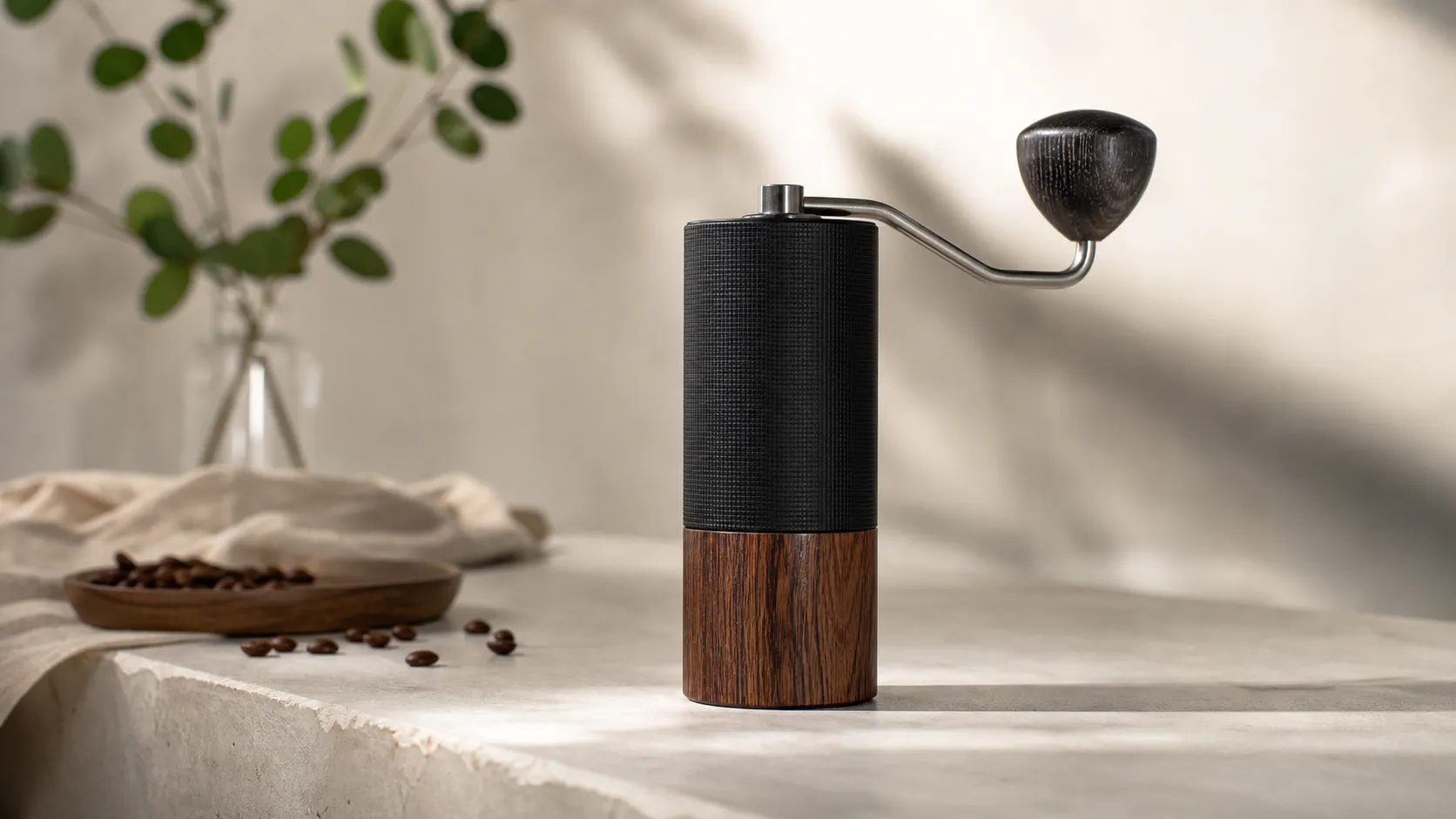
Comandante C40 MK4 Manual Coffee Grinder — 2026 Review
A premium manual grinder known for exceptional build and grind consistency — ideal for serious home baristas, but heavy and pricey for casual users or travel.
 Kitchen & Appliances
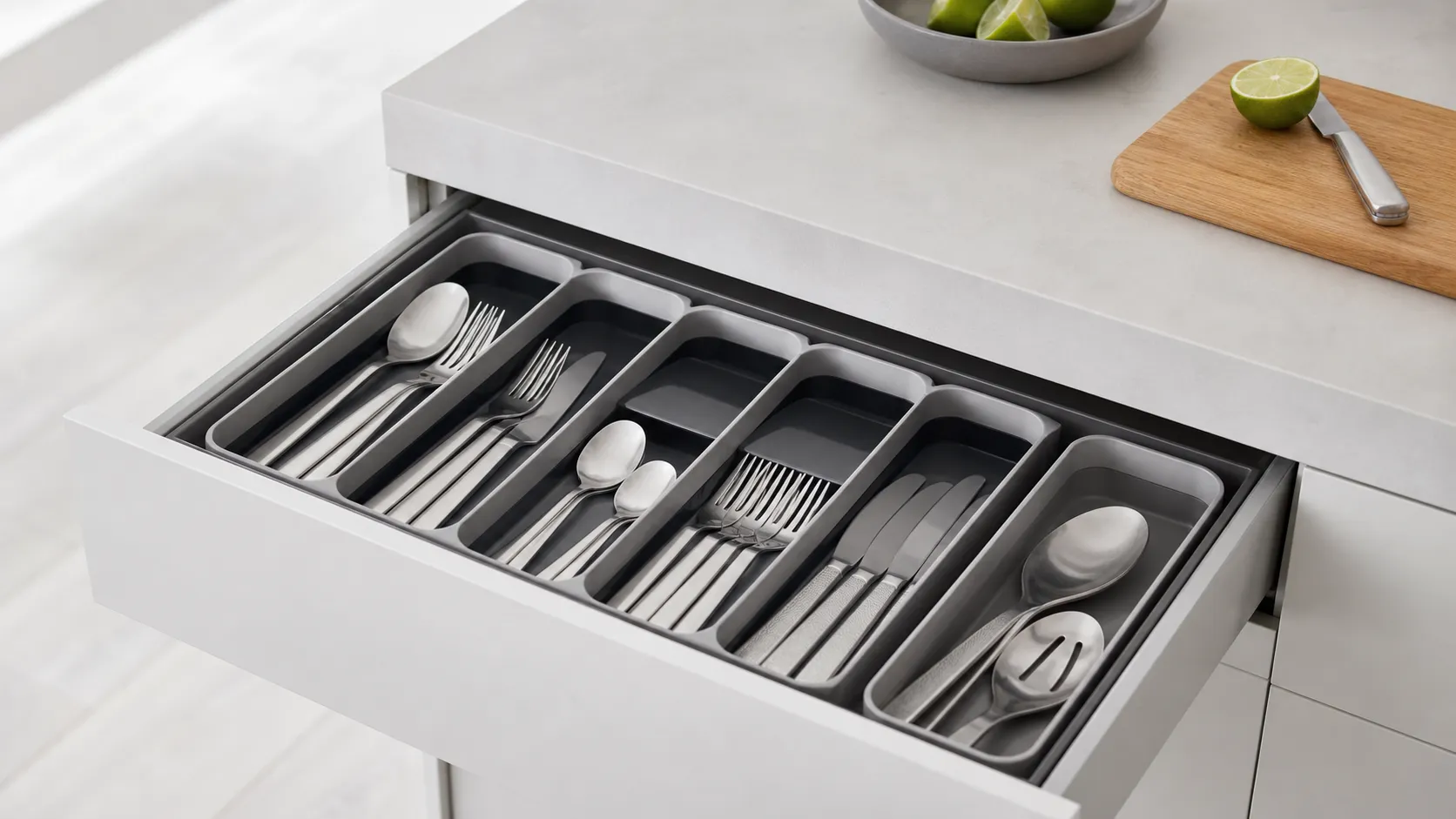
Joseph Joseph DrawerStore Cutlery Organizer Review 2026
A slim, modern cutlery tray that maximizes shallow-drawer space. Great for tidy, small-kitchen organization—measure your drawer first and avoid if you store long utensils.
 Kitchen & Appliances
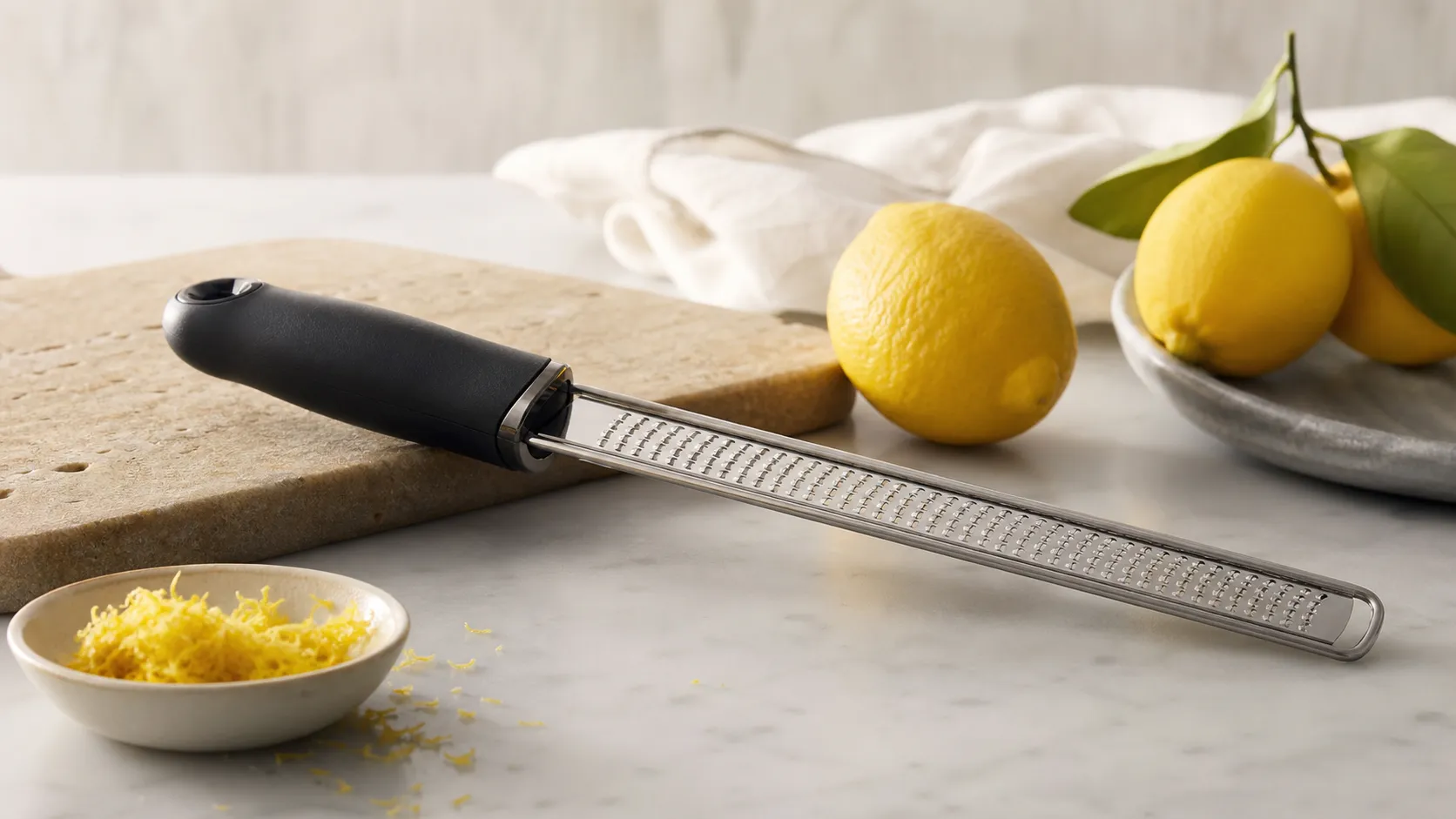
Microplane Premium Classic Zester/Grater — Review 2026
The Microplane Premium Classic is the go-to hand zester for precise, fluffy citrus zest and fine shavings. Sharp, compact, and great value—best for finishing, not bulk grating.