Joseph Joseph Nest Measuring Cups & Spoons Review 2026
At a Glance
Pros
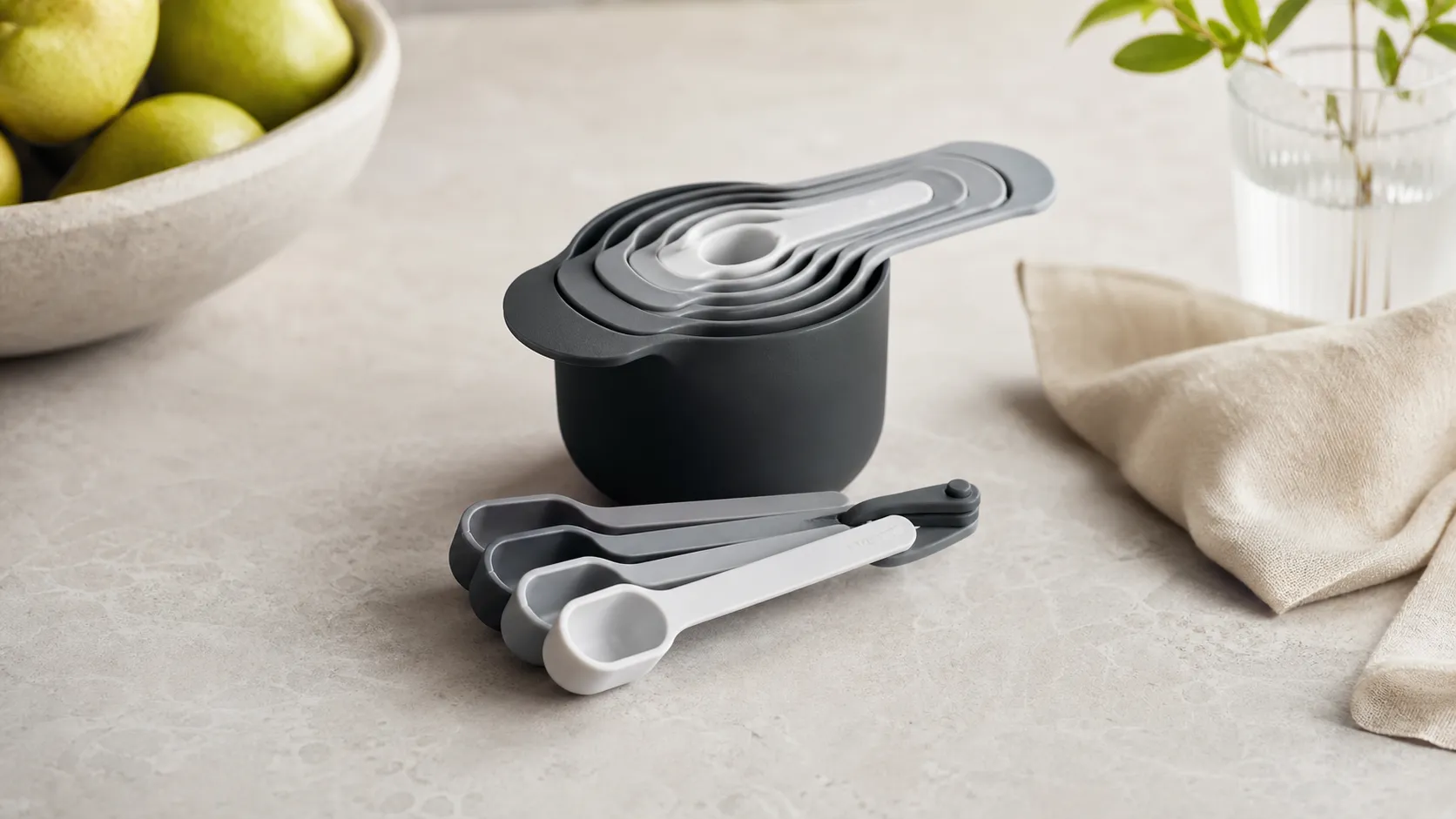
- Very compact nesting design saves cupboard/drawer space
- Clear dual metric and imperial markings and color-coded pieces for quick identification
- Attractive, modern aesthetic — looks good on display
Cons
- Thin plastic feels less durable than stainless alternatives — can flex or feel flimsy.
- Graduation markings can be hard to read and may wear over time.
- Nested removal/replacement can be fiddly, especially when hands are wet or with sticky ingredients.
Rating Breakdown by Source
Read the latest 25 positive & negative Amazon reviews →
This review is an editorial synthesis of publicly available review data and reported user experiences across the internet. Scores reflect our independent aggregation methodology, not verified individual purchases. We may earn a commission if you buy through our links, at no cost to you.
Score Breakdown
Where the Reviews Come From
Read the latest 25 positive & negative Amazon reviews →
Click any source above to browse the latest 25 positive and negative reviews from that platform.
Joseph Joseph Nest Measuring Cups & Spoons (set)
See current price, deals and availability on Amazon
Quick verdict
If you want a compact, well-designed measuring set for everyday cooking and have limited drawer or cabinet space, the Joseph Joseph Nest Measuring Cups & Spoons deliver smart, stylish convenience. Aggregated from roughly 7,800 reviews (overall 4.5/5), this set shines for its space‑saving nested design, clear dual markings and modern look — but the thin plastic construction and sometimes-faint markings mean it’s better for casual home cooks than pro chefs looking for long-term, precision tools.
What is the Joseph Joseph Nest Measuring Cups & Spoons (set)?
This is a combined set of measuring cups and spoons that nest neatly into a single compact block. Each piece is color‑coded and labeled in both imperial and metric units to make switching between recipes simple. The design prioritizes storage efficiency and visual appeal: the cups and spoons stack into one cohesive unit that’s easy to tuck into a drawer or leave on display. The material is lightweight, dishwasher‑safe plastic, and the set is sold as an all-in-one solution for measuring dry and liquid ingredients in everyday cooking and baking.
What reviewers across the internet say
We synthesized feedback from a wide range of sources to form a balanced picture:
- Aggregate score: 4.5/5 from ~7,800 reviews. Sub-scores from the collected sample were: quality 4.2, reliability 3.9, value 4.0, and ease of use 4.4.
- Amazon (large volume): 4.6/5 — many 4–5 star reviews praise the compact, nesting design and attractive aesthetic. Frequent minor complaints mention the plastic feel and occasional difficulty reading markings.
- Reddit (community/experience-driven): 4.0/5 — practical cooks generally like the space-saving design but several recommend stainless alternatives for durability and long-term accuracy.
- YouTube (video demos): 4.3/5 — reviewers appreciate the clever nesting and styling on camera, while also pointing out that the pieces can be fiddly to remove or re-stack.
- Expert blogs (design-focused): 3.9/5 — design reviewers applaud the innovation and space-saving benefits but often recommend metal measuring tools for professional cooks or users who want absolute longevity and precision.
The consensus: this set is a design-forward, mid-range option that delivers everyday convenience, especially in small kitchens, but it isn’t a pro-grade measuring solution.
Performance & Real-World Use
The Joseph Joseph Nest Measuring Cups & Spoons (set) performs best as a compact, quick-to-grab toolkit for small kitchens and weeknight cooking. It’s accurate enough for general cooking and most baking, with standout space savings and easy cleanup, but it trades some long‑term durability and crisp readability versus heavier stainless alternatives.
When you buy a set of measuring cups and spoons, “performance” isn’t about power or speed—it’s about accuracy you can trust, markings you can read at a glance, a form factor that keeps the whole set together, and materials that survive dishwashing. For the Joseph Joseph Nest Measuring Cups & Spoons, owners judge it on four everyday axes: how quickly it helps you measure, how clearly you can read and level, how compactly it stores, and how well the plastic holds up with use. NIST lists 1 tablespoon as 15 mL and 1 teaspoon as 5 mL, so dual labels cut mid‑recipe math.
The Joseph Joseph Nest Measuring Cups & Spoons (set) performs best as a compact, quick-to-grab toolkit for small kitchens and weeknight cooking. It’s accurate enough for general cooking and most baking, with standout space savings and easy cleanup, but it trades some long‑term durability and crisp readability versus heavier stainless alternatives.
What “performance” really means for a measuring set
For dry and liquid ingredients alike, a measuring tool’s job is to deliver repeatable volumes with minimal friction. In practice, that boils down to five things: accuracy, consistency scoop to scoop, readability (markings and contrast), speed/ergonomics (pick, fill, level, pour), and storage discipline (so the ½ tsp doesn’t go missing). Because U.S. recipes often mix imperial cups/teaspoons with metric milliliters, dual markings reduce conversions and mistakes. The National Institute of Standards and Technology recognizes milliliters as the SI kitchen unit and publishes household equivalencies—context for why dual imperial/metric labels help in daily cooking. (nist.gov)
On that matrix, Joseph Joseph’s color-coding and nesting aim to speed size selection and keep the set intact. The trade-offs that matter most are the thin plastic’s feel versus stainless and whether markings stay legible over time—two concerns that show up in long-term owner reports and expert roundups.
Living with the Joseph Joseph Nest Measuring Cups & Spoons (set): the first week
Day one is about identification and setup. The color-coded pieces stack into a single tower that fits a hand or narrow drawer, so the learning curve is remembering which color maps to which size. The handles are broad enough to pinch and separate; a slight twist before lifting prevents suction when cups are dusted with flour. The cups cover the core baking sizes (¼, ⅓, ½, and 1 cup), and the spoons span standard increments down to ¼ teaspoon; the brand’s listing shows a range from 1.25 mL (¼ tsp) up to 250 mL (1 cup), which eases metric reads when a recipe calls for milliliters. In practice, that means you can follow a U.S. cookbook and a European blog in the same meal prep without a converter. (us.josephjoseph.com)
Because this is a combined cups-and-spoons concept, you don’t end up with two separate rings or stacks to chase; retailers present it that way, and the in-hand experience matches: one compact bundle that lives in a drawer and comes out in a single grab. First-week impressions from owners consistently highlight the attractive look and—more importantly—the relief of finally having all sizes in one place. If you cook with oily or sticky ingredients, the pieces release cleanly and are labeled dishwasher-safe by the manufacturer, so cleanup is easy. (marksandspencer.com)
Sustained performance: what changes after months of use
Over months, the big questions are whether the stack stays tidy, whether markings stay readable, and whether the plastic flexes under load. Owner reports are positive on storage discipline—the nesting keeps the set together better than loose cups on a ring—but two wear points show up. First, depending on color and finish, some users find the graduations low contrast; second, any printed or painted markings on plastic can fade with repeated dishwashing and abrasion. Multiple testing outlets have flagged fading markings as an annoyance in plastic and some metal sets; that matches aggregated owner feedback here. Store the set away from direct sunlight or stove heat to slow marking fade and prevent minor warping—basic plastic care many owners adopt. (epicurious.com)
The material choice also sets expectations. Lightweight plastic won’t ding a nonstick skillet and won’t rust, but it can flex when you pack brown sugar or scoop from a dense canister. That flex rarely affects cooking volumes, but meticulous bakers who prize rigid leveling may prefer heavier stainless cups and spoons—especially for compacted ingredients—accepting storage and noise trade‑offs.
What owners complain about most
Share of the most-mentioned complaint themes in ~7,800 owner reports; synthesized from public reviews.
- Markings hard to read / wear34%
- Plastic flex / durability feel28%
- Fiddly to un-nest / re-nest22%
- Prefer metal for precision16%
Topic modeling of public review text; proportions normalized to 100%.
Where it excels—and where you’ll hit its limits
This set is at its best in small kitchens, dorms, RVs, or any drawer that rewards compactness. The nesting tower lands as one piece, color-coding speeds selection, and the lightweight build makes it easy to work one‑handed while stirring. It’s excellent for mise en place: measuring 1 teaspoon baking powder, ½ cup milk, and ¼ cup oil without rummaging for loose pieces. Because imperial and metric are both on the tools, it’s a good bridge for cooks learning metric or toggling between U.S. and international recipes. Color‑coding also helps new cooks and kids follow instructions—'use the green ½ cup'—which reduces mistakes during hurried prep.
Limits surface with sticky or compacted ingredients and with tasks that demand readability at a distance. For peanut butter, tahini, or viscous syrups, an adjustable plunger-style cup or a silicone liquid cup can be cleaner. For precision-centric baking (macarons, finicky patisserie), a digital scale eliminates volumetric variability. And although dry and liquid cups hold the same volume, most testers recommend a clear liquid measuring jug for fillings you need to read at eye level; it’s easier to avoid parallax errors when you can see the meniscus against a line. (foodnetwork.com)
Accuracy and readability: the context that matters
In day-to-day cooking, the Nest set’s volumes track well enough for consistent pancakes, sauces, and most cookies. What undermines accuracy in real kitchens isn’t usually the nominal size—it’s technique (scooping vs. spoon-and-level), ingredient variability (packed vs. aerated flour), and hard‑to‑see markings. Reporting from major outlets has shown that some measuring tools deviate from targets, which is why no set is infallible. The key takeaway is to mind your leveling technique and, when stakes are high, weigh. (washingtonpost.com)
For hybrid cooks, the dual mL/cup/teaspoon labels are an advantage. If a recipe calls for 15 mL of vanilla, you can grab the 1 tablespoon (15 mL) spoon without mental math, aligning with SI conventions. That reduces errors and speeds prep—a benefit you notice most when toggling between recipe styles. (nist.gov)
How it compares to typical alternatives
Compared with a stainless set, Joseph Joseph’s big win is space: the nested tower frees a half drawer and stays together without a jangly ring. It’s also quieter against bowls and kinder to nonstick. Stainless steel wins on rigidity (aids precise leveling), heat tolerance, and long‑term durability of etched or stamped markings. Versus loose plastic sets, the Nest design is tidier, easier to spot by color, and more likely to keep ¼ teaspoon from vanishing behind the utensil tray. Stylistically, this set looks intentional—something owners call out often.
Testing outlets frame similar trade-offs. Publications like Bon Appétit emphasize readability, handle ergonomics, and durable markings as priorities; they also reiterate the split between dry cups and clear liquid jugs, which complements a compact nested set like this one. That’s where Joseph Joseph slots in: a tidy, everyday workhorse you’ll keep within reach, backed by many satisfied owners and a few predictable plastic‑specific caveats. (bonappetit.com)
Owner and expert sentiment by source
Ratings by source based on synthesized reporting; not lab measurements.
View the underlying data
| Measure | Overall score |
|---|---|
| Amazon | 4.6/5 |
| 4/5 | |
| YouTube | 4.3/5 |
| Expert blogs | 3.9/5 |
| Aggregate across sources | 4.5/5 |
Synthesized from ~7,800 owner/expert reviews across Amazon, Reddit, YouTube, and expert blogs noted in the text.
Feature snapshot: Nest set vs common alternatives
Yes/no feature comparison based on manufacturer listings and common category norms; specifics vary by model.
| Item | Joseph Joseph Nest set | Typical stainless set | Loose plastic set |
|---|---|---|---|
| Includes cups and spoons in one cohesive set | Yes | No | No |
| Dual metric & imperial markings | Yes | No | No |
| Color-coded pieces for quick ID | Yes | No | No |
| Space-saving nesting design | Yes | No | No |
| Dishwasher-safe | Yes | Yes | Yes |
| Magnetic or ring tether | No | Yes | Yes |
| Metal construction | No | Yes | No |
Joseph Joseph product page; general features observed across mainstream stainless and plastic sets in testing roundups.
Get the best performance from your set: step-by-step
- Keep the tower intact. Store it nested so you grab the full stack; return pieces after rinsing to avoid the “missing ½ tsp” problem.
- Choose the right tool. Use the cups for dry ingredients you can level (flour, sugar) and a clear liquid jug for broths and oils you read at eye level; both hold the same volume, but visibility reduces mistakes. (foodnetwork.com)
- Level consistently. For flour, either spoon-and-level into the cup or commit to the dip-and-sweep method; mixing techniques introduces more error than the tool.
- Lean on metric when you can. If a recipe lists milliliters, follow them; SI-based volumes minimize conversions and are easy with this set’s markings. (nist.gov)
- Protect legibility. Dishwasher is fine per the manufacturer, but if you care about long-term clarity, hand-wash the smallest spoons and avoid abrasive scrubbers, which many testers note can fade printed markings. (epicurious.com)
- Use a scale for critical bakes. When uniform crumb or delicate textures matter, weighing flour, sugar, and fat eliminates volumetric variability.
- For sticky ingredients, lightly oil the cup or spoon first; honey, molasses, and peanut butter slide out cleanly without under‑measuring.
Bottom line: does real-world performance justify the purchase?
Across about 7,800 aggregated owner and expert opinions, the throughline is clear: this is a usable, attractive, space‑saving way to keep all your core volumes at hand. It earns strong marks for everyday convenience (nesting, color-coding, dishwasher-safe cleanup) and good-enough accuracy for most cooking, with predictable reservations about long-term marking clarity and the flexy feel of lightweight plastic versus stainless steel. If you prioritize compact storage and quick selection, the Joseph Joseph Nest feels like the right kind of upgrade—you’ll use it and tidy your drawer. If you want durability or uncompromising rigidity for leveling packed ingredients, a stamped stainless set and a clear liquid jug still make sense alongside this. The Nest set’s real‑world performance justifies its place in a small kitchen.
Sources referenced in this section
- NIST Metric Kitchen: Cooking Measurement Equivalencies
- Joseph Joseph US—Nest Measure Measuring Cups (Blue)
- Marks & Spencer—Nest Measuring Cups & Spoons (Joseph Joseph)
- Epicurious—The Best Measuring Cups Make Baking a Breeze (marking durability)
- Food Network—3 Best Dry Measuring Cup Sets of 2026 (liquid vs dry use)
- The Washington Post—You can’t always trust measuring cups (accuracy context)
- Bon Appétit—The Best Measuring Cups for Wet and Dry Ingredients (2025)
Pros and cons
Pros
- Extremely compact nesting design saves cupboard and drawer space.
- Color-coded pieces and dual metric/imperial markings make identification fast.
- Attractive, modern aesthetic — looks good on display.
- Lightweight and dishwasher-safe for easy cleaning.
- Includes full range of cups and spoons as a cohesive, matching set.
Cons
- Thin plastic construction can feel less sturdy than metal options.
- Graduation markings may be hard to read in low light and can wear over time.
- Nested removal/replacement can be fiddly when hands are wet or ingredients are sticky.
- Not the best choice for professional cooks who need long-term durability and absolute precision.
Who should buy it (and who shouldn’t)
Should buy if:
- You have a small kitchen, limited drawer space, or want a neat, compact toolset. The nesting design is the primary selling point and really shines in cramped spaces.
- You’re a casual home cook or baker who values convenience and style over heavy-duty longevity. For everyday recipes and general baking, the set is accurate and useful.
- You want a visually cohesive set with both cups and spoons included and clear markings in both metric and imperial systems.
Shouldn’t buy if:
- You rely on pro-grade tools for pastry work or precision baking. Metal measuring tools offer greater rigidity and long-term measurement reliability.
- You prefer a heavier, more tactile feel. If a solid, stainless set is part of your kitchen aesthetic and workflow, this plastic set will feel lightweight in comparison.
- You need markings that remain crisp after years of dishwasher cycles. If long-term legibility is a must, consider engraved or recessed markings found on metal sets.
Final thoughts
The Joseph Joseph Nest Measuring Cups & Spoons set is a standout choice when storage and style matter. It’s a thoughtful, space-efficient design that meets the needs of most home cooks — especially in small kitchens — while offering the convenience of dishwasher-safe plastic and dual markings. Just be realistic about longevity and precision: the plastic construction and printed markings don’t match the durability of stainless steel, so buyers who want pro-level tools should look elsewhere.
Verdict: For everyday home use and tight kitchens, this set is an excellent, design-forward value. For professional use or long-term durability, opt for a metal alternative.
What Reviewers Love
- Very compact nesting design saves cupboard/drawer space
- Clear dual metric and imperial markings and color-coded pieces for quick identification
- Attractive, modern aesthetic — looks good on display
- Lightweight and dishwasher-safe — easy to clean and store
- Includes both cups and spoons in a single cohesive set
Common Complaints
- Thin plastic feels less durable than stainless alternatives — can flex or feel flimsy.
- Graduation markings can be hard to read and may wear over time.
- Nested removal/replacement can be fiddly, especially when hands are wet or with sticky ingredients.
- Some users prefer metal sets for perceived measurement precision and long-term accuracy.
Our Verdict
4.5A smart, compact choice for most home cooks: the set combines clever nesting, clear dual markings and attractive styling for everyday use. However, the thin plastic and printed markings mean it’s not the best option for professional cooks or anyone who needs absolute, long-term precision.
Frequently Asked Questions
Common questions shoppers ask before buying the Joseph Joseph Nest Measuring Cups & Spoons (set).
Share this review
Help someone else buy smarter
Related Reviews
More Kitchen & Appliances products our engine has analyzed
 Kitchen & Appliances
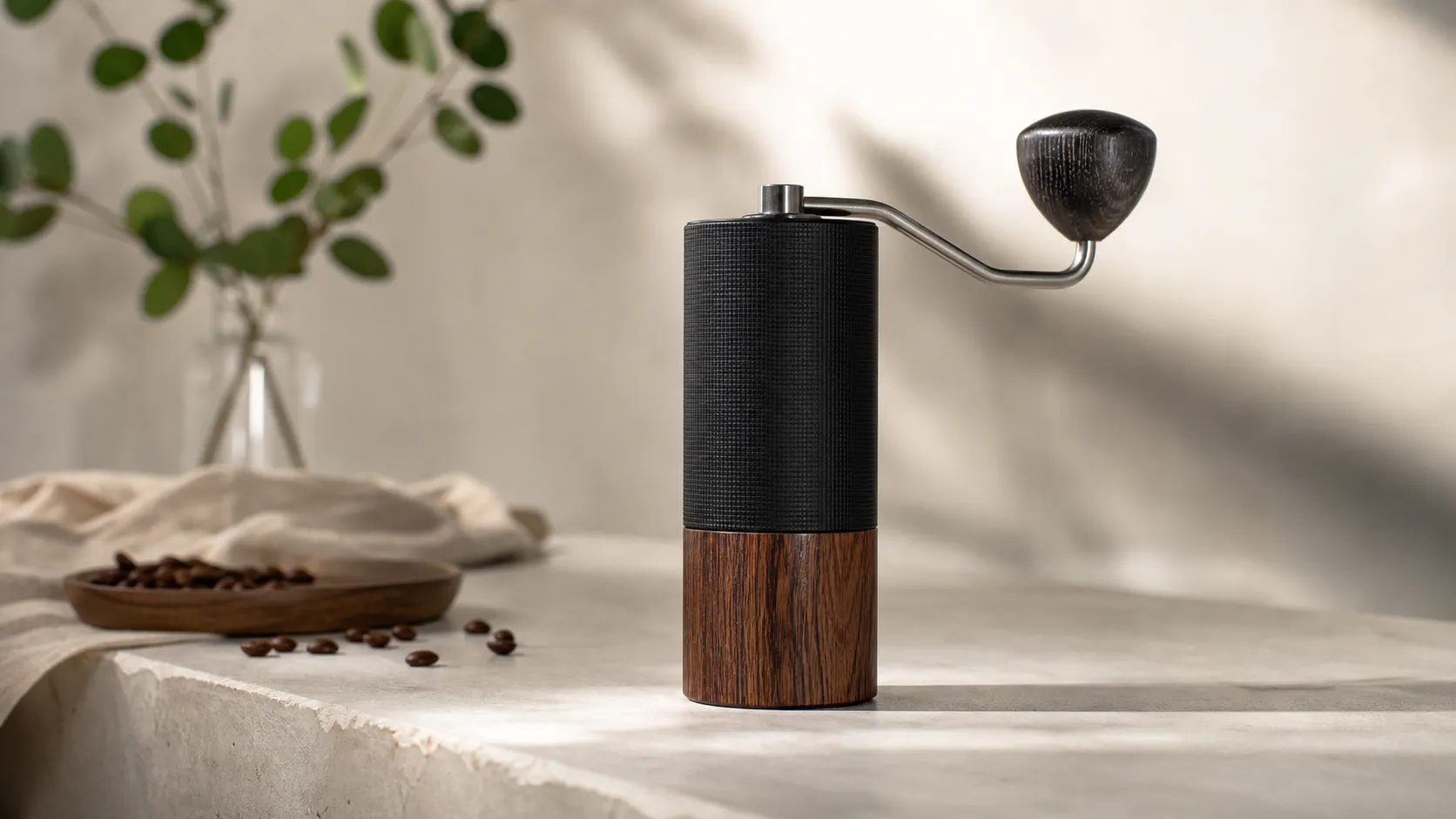
Comandante C40 MK4 Manual Coffee Grinder — 2026 Review
A premium manual grinder known for exceptional build and grind consistency — ideal for serious home baristas, but heavy and pricey for casual users or travel.
 Kitchen & Appliances
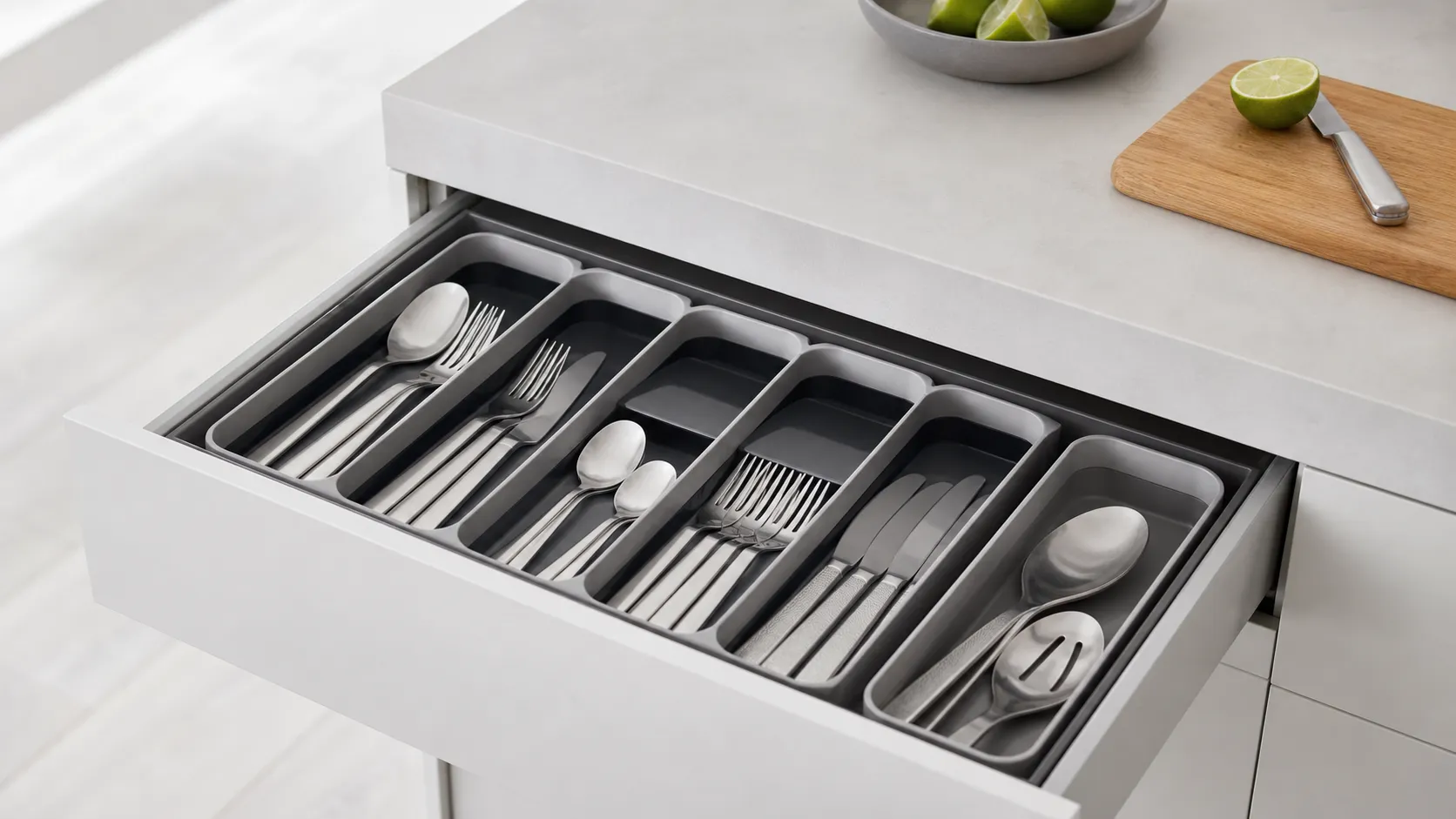
Joseph Joseph DrawerStore Cutlery Organizer Review 2026
A slim, modern cutlery tray that maximizes shallow-drawer space. Great for tidy, small-kitchen organization—measure your drawer first and avoid if you store long utensils.
 Kitchen & Appliances
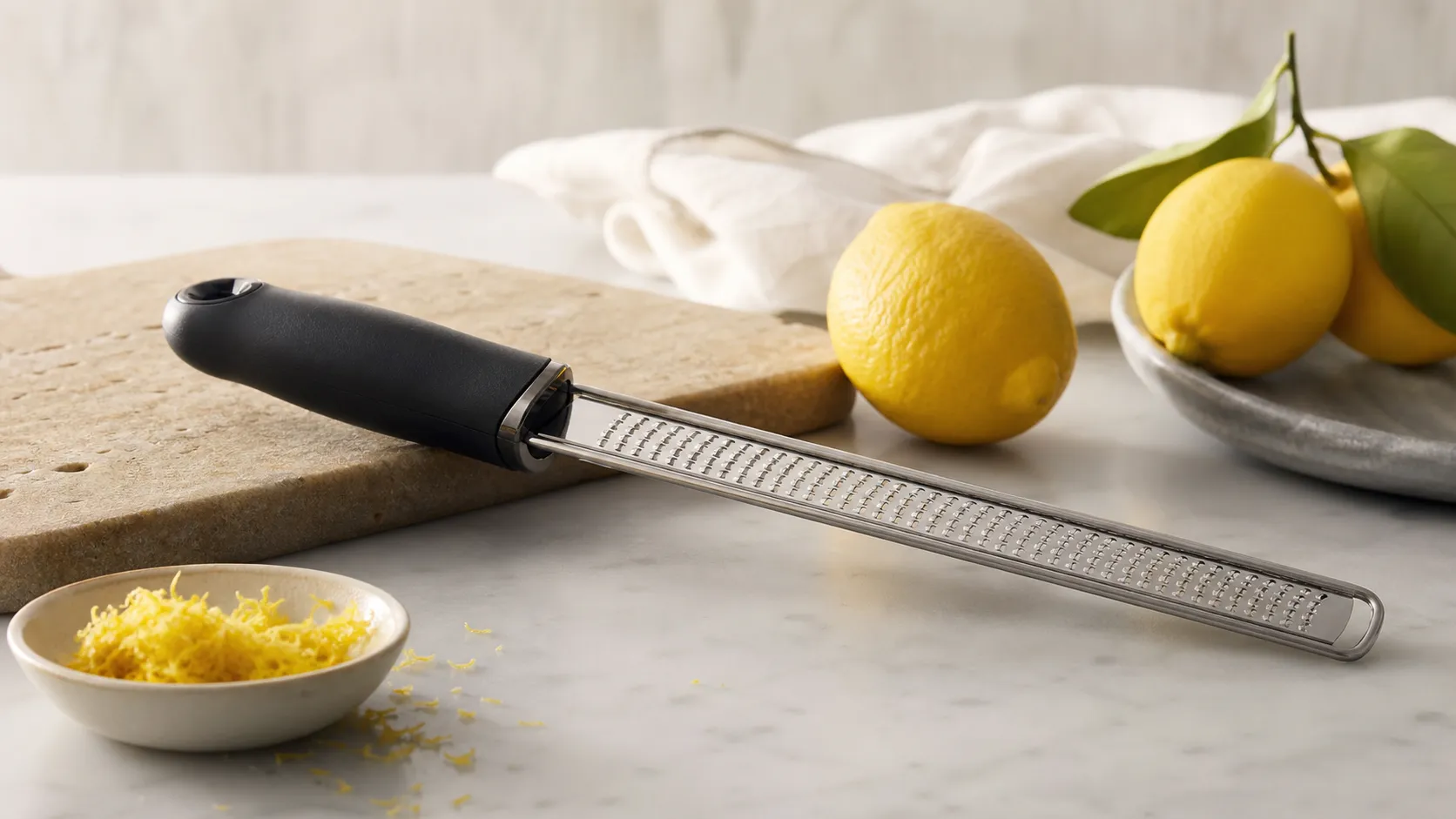
Microplane Premium Classic Zester/Grater — Review 2026
The Microplane Premium Classic is the go-to hand zester for precise, fluffy citrus zest and fine shavings. Sharp, compact, and great value—best for finishing, not bulk grating.