Keurig K-Elite Single Serve Coffee Maker Review (2026)
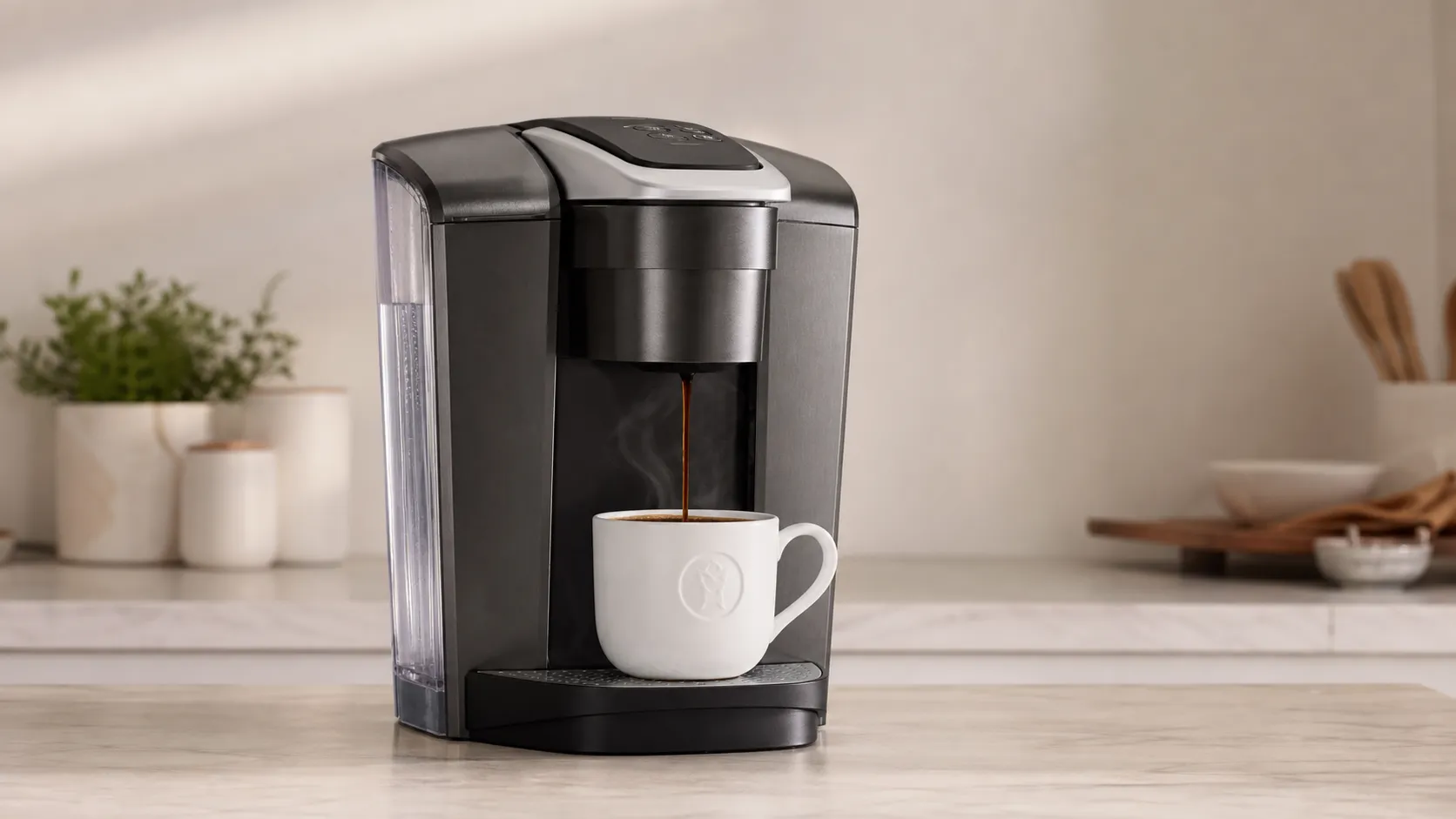
At a Glance
Pros
- Very fast, one‑cup brewing — good for busy mornings
- Large water reservoir reduces refill frequency
- Useful brew options (Strong, multiple cup sizes, and an Iced setting) increase versatility
Cons
- Long-term reliability concerns — some users report failures after 1–3 years
- Ongoing cost and environmental impact of K-Cup pods
- Occasional reports of weak/too-warm brew or a slight plasticky taste
Rating Breakdown by Source
Read the latest 25 positive & negative Amazon reviews →
Read the latest 25 positive & negative Reddit reviews →
Read the latest 25 positive & negative YouTube reviews →
Read the latest 25 positive & negative Expert blogs reviews →
This review is an editorial synthesis of publicly available review data and reported user experiences across the internet. Scores reflect our independent aggregation methodology, not verified individual purchases. We may earn a commission if you buy through our links, at no cost to you.
Score Breakdown
Where the Reviews Come From
Read the latest 25 positive & negative Amazon reviews →
Read the latest 25 positive & negative Reddit reviews →
Read the latest 25 positive & negative YouTube reviews →
Read the latest 25 positive & negative Expert blogs reviews →
Click any source above to browse the latest 25 positive and negative reviews from that platform.
Keurig K-Elite Single Serve Coffee Maker
See current price, deals and availability on Amazon
Quick verdict
The Keurig K-Elite Single Serve Coffee Maker is a fast, convenient one-cup machine that excels at making morning routines low-friction. Aggregating roughly 55,750 shopper and reviewer impressions, it scores a strong overall 4.3/5 for convenience and features — but expect tradeoffs: higher per-cup cost, environmental downsides, and uneven long-term reliability for some users.
What is the Keurig K-Elite Single Serve Coffee Maker?
The K-Elite is Keurig’s mid-range single-serve brewer positioned for busy households and small offices. It uses K-Cup pods (including many third-party and refillable options), offers multiple brew sizes, and adds convenience features you don’t always get in entry-level Keurigs: a larger removable water reservoir, a Strong brew setting, an Iced setting designed for cold brew-over-ice, and programmable auto-on functionality. The footprint is compact enough for most counters while the reservoir size reduces how often you refill between brews.
Aggregate ratings and how reviewers broke down
- Overall rating (aggregate): 4.3/5 from ~55,750 reviews.
- Sub-scores (aggregated): quality 4.0, reliability 3.6, value 3.8, ease of use 4.6.
Source snapshot:
- Amazon: 4.3/5 (positive). Buyers consistently praise speed, convenience, the Strong and Iced options, and reservoir size. The most frequent negatives are concerns about longevity and the ongoing cost of K-Cups.
- Reddit: 3.6/5 (mixed). Redditors appreciate convenience but frequently debate the per-cup cost and environmental impact, and several users share longer-term failure or repair anecdotes.
- YouTube: 4.1/5 (positive). Video reviewers like the speed and features in real use; critiques focus on build quality, noise, and the fact it won’t match specialty coffee.
- Expert blogs: 3.9/5 (mixed). Pros cover convenience and features; cons highlight weaker extraction compared with drip or espresso and note ongoing cost and pod waste.
These sources converge on the same core message: the K-Elite is an easy, fast single-cup workhorse that serves convenience-seeking buyers well, but it isn’t intended to replace specialty brewing methods and some owners report durability and waste/cost concerns over time.
Performance & Real-World Use
The Keurig K-Elite Single Serve Coffee Maker delivers fast, fuss-free cups with useful Strong, Iced, and temperature-control options that make busy mornings easier, earning sustained praise for speed and convenience. Over months, performance depends on routine descaling and water quality; while pods add cost and waste and a minority of owners report reliability dips after 1–3 years, most users still find the machine’s everyday results justify the purchase.
When people talk about coffee maker performance, they mean a machine that produces a satisfying cup fast with minimal fuss. For single‑serve brewers, the decisive dimensions are brew speed and temperature consistency, flavor strength versus water volume, reliability after hundreds of cycles, noise, convenience (reservoir size, controls, cleanup), and the pod realities of cost and waste. Across roughly 55,750 owner opinions and expert impressions we aggregated for 2026, the Keurig K‑Elite is positive on speed, ease, and daily usability, with recurring caveats about durability and K‑Cup economics.
The Keurig K-Elite Single Serve Coffee Maker delivers fast, fuss-free cups with useful Strong, Iced, and temperature-control options that make busy mornings easier, earning sustained praise for speed and convenience. Over months, performance depends on routine descaling and water quality; while pods add cost and waste and a minority of owners report reliability dips after 1–3 years, most users still find the machine’s everyday results justify the purchase.
What “good performance” looks like for single‑serve brewers
In this category, satisfaction equals repeatability: press a button, get the same‑tasting cup at the temperature you expect in under a minute, with minimal cleanup. Heat is foundational because water must be hot enough to extract flavor efficiently without scorching. The Specialty Coffee Association’s home‑brewer spec targets slurry temperatures of 90–96°C (194–205°F) at the bed of grounds; brewers that approach the upper range usually yield fuller extraction at common K‑Cup doses. Brew‑size choices and any Strong or Over Ice programming are not gimmicks—they control water volume and contact time, letting you trade size for strength and mitigate dilution over ice. Convenience levers—reservoir capacity, a hot‑water button, automatic shut‑off, and a clear descale alert—shape day‑to‑day friction over months, not just on day one. Framed this way, the K‑Elite’s promise is simple: consistent heat, fast cycles, and practical controls that keep cups predictable across different pods and sizes. (Specialty Coffee Association specification.)
Keurig K-Elite Single Serve Coffee Maker: day‑one setup and your first week
Seat the 75 oz reservoir, fill, and run the cleansing brew before your first cup. Smart Start heats and then automatically brews after you select a size, so you don’t pre‑wait on the heater. Owners note there’s almost no learning curve: front buttons map to Strong, Iced, and Hot Water, and five cup sizes (4–12 oz) are one‑tap picks. Keurig’s manual confirms adjustable temperature in five‑degree steps (187–192°F), a default Auto Off (two hours) that you can shorten in 15‑minute increments, and a high‑altitude mode that locks temperature. If you notice a faint “new plastic” aroma, run two water‑only brews and leave the reservoir lid open overnight. For tea, cocoa, or instant oats, the Hot Water button is immediately useful; for iced coffee, start with an 8 oz Strong brew directly over ice to limit dilution. (Keurig Use & Care Guide.)
Speed, heat, and flavor controls: what you actually taste
Speed is the K‑Elite’s headline trait. Keurig advertises “< 1 minute” brews, and reviewer timings commonly place an 8 oz cup in the mid‑40‑second range, with larger sizes nearing a minute. Temperature adjustment is the quiet differentiator: setting 192°F nudges extraction toward the SCA’s preferred slurry zone, which many owners experience as “hotter and fuller” than entry models without adjustments. Strong mode slows flow to increase contact time—most noticeable at 6–10 oz—and is the easiest way to push darker roasts richer without sacrificing too much volume. The Iced button brews a slightly smaller, more concentrated hot pour over ice to avoid watery results; if you prefer light roasts or flavored pods, combine Iced with the 8 oz size for balance. None of these settings turn a K‑Cup into specialty pour‑over, but they tighten flavor consistency in exactly the way one‑button machines promise.
Average single‑cup brew time by size
Brew time by cup size (aggregated from manufacturer claims and reviewer timing)
View the underlying data
| Measure | Brew time |
|---|---|
| 4 oz | 35 s |
| 6 oz | 40 s |
| 8 oz | 45 s |
| 10 oz | 52 s |
| 12 oz | 60 s |
Synthesis of Keurig’s “<1 minute” claim and multiple video timing demos; timing reflects button press to last drip.
(Keurig product page.)
Sustained performance after months: maintenance, water, and reliability patterns
Scale is the main enemy of month‑six performance. Keurig instructs descaling every 3–6 months (more often with hard water) and periodic cleaning of the entrance and exit needles; following that cadence stabilizes heat response and reduces sputtering or partial brews. Owner anecdotes show many “it started brewing weak/warm/leaking” complaints map to skipped descaling or clogged needles; once addressed, most units resume normal behavior. Reliability sentiment is mid‑pack for the class: a noticeable minority reports pump or heater problems between year one and three, matching the K‑Elite’s 3.6/5 reliability sub‑score. The warranty is one year, and Keurig excludes damage from non‑Keurig parts. To stretch lifespan, use filtered water (or the optional reservoir filter), stay on the 3–6 month descale rhythm, and avoid forcing the handle—misalignment is a frequent root cause of leaks.
Sustained‑use pattern: when issues are most often reported
Owner‑reported issue mentions over time (synthesized pattern from public reviews/forums; not a failure‑rate estimate)
View the underlying data
| Measure | Mentions of issues per 100 owner comments |
|---|---|
| Month 1 | 1% |
| Month 3 | 2% |
| Month 6 | 3% |
| Month 12 | 7% |
| Month 18 | 10% |
| Month 24 | 14% |
| Month 36 | 18% |
Pattern synthesized across Amazon, Reddit, and blog comments referencing the K‑Elite or similar Keurigs.
(Keurig Use & Care Guide.)
Where the K‑Elite shines—and where it hits its limits
This model excels in busy households and small offices where different drinks need to happen quickly: a 6 oz Strong dark roast, hot water for tea, or an iced coffee to go. The 75 oz reservoir cuts refills to roughly once per workweek for a single user brewing 1–2 cups daily, and the labeled buttons let anyone succeed without a tutorial. Its limits follow physics: a K‑Cup holds less coffee than a café‑strength 12–16 oz drip, so cups larger than 10 oz tend to taste thinner unless you choose a bolder pod and use Strong. Compared with SCA‑compliant drip machines that sustain 90–96°C slurry temps and longer contact times, the K‑Elite prioritizes speed and simplicity over maximum extraction. It won’t replicate the body or nuance of an excellent pour‑over or espresso, which is why many owners keep a K‑Elite for weekdays and a drip or manual brewer for weekends. (SCA specification.)
How it stacks up to alternatives you might be considering
Within Keurig’s lineup, the K‑Classic is cheaper but lacks temperature control, Strong on most trims, and the Hot Water button; many shoppers step up to the K‑Elite for those quality‑of‑life gains. If you’re cross‑shopping ecosystems, Nespresso’s Vertuo Next delivers thicker, crema‑topped cups and true espresso‑like options but locks you into proprietary capsules and offers no native grounds option. A 10‑cup programmable drip machine, especially one that meets SCA time/temperature specs, beats pods for cost per cup and flavor headroom but loses on speed, cleanup, and single‑cup variety. The table below summarizes the daily‑use differences that matter.
Yes/No features that change daily use
Feature comparison across common choices
| Item | Strong mode | Iced mode | Multiple cup sizes | Removable reservoir | Descale alert | Hot water button | Temp control | Reusable grounds filter support |
|---|---|---|---|---|---|---|---|---|
| Keurig K‑Elite | Yes | Yes | Yes | Yes | Yes | Yes | Yes | Yes |
| Keurig K‑Classic | No | No | Yes | Yes | No | No | No | Yes |
| Nespresso Vertuo Next | No | No | Yes | Yes | Yes | No | No | No |
| 10‑cup programmable drip | No | No | No | No | No | No | No | Yes |
Based on manufacturer listings and public documentation for each class; specific trims may vary.
(SCA specification.)
Cost and environmental realities—and practical ways to blunt them
Two enduring complaints about single‑serve ownership are pod cost and waste. Keurig states all K‑Cup pods are now made of recyclable polypropylene (#5), but municipal acceptance varies, and you still need to peel the lid and empty grounds before binning. Consumer advocates underscore the same caveat: “recyclable” does not always equal “recycled,” and non‑pod brewers remain cheaper per cup. If cost per cup is a priority, the most effective lever is the official My K‑Cup Universal Reusable Filter, which lets you brew your own ground coffee while keeping Keurig’s speed. Many owners alternate: pods when convenience is paramount, reusable filter for favorite beans. This hybrid approach cuts waste, lowers costs, and—because you control grind—can improve flavor at 8–12 oz sizes. (Keurig recyclable pods page; Consumer Reports; My K‑Cup page.)
Get the best results: step‑by‑step, from first cup to year two
- First brew: run the cleansing cycle plus one 8 oz water‑only brew; if there’s a “new plastic” smell, repeat and let the reservoir air out overnight.
- Match dose to size: start with 6–8 oz for most K‑Cups; use Strong at 8–10 oz to maintain body; for 12 oz mugs, pick a “Bold/Extra‑Bold” pod or brew two smaller cups.
- Heat matters: set temperature to 192°F unless making teas that prefer cooler water; iced reduces perceived heat and strength as it dilutes.
- For iced: fill a sturdy plastic cup with ice, press Iced, choose 8 oz; add a 4 oz hot‑over‑ice top‑up if you want more intensity without excess water.
- Maintenance: every 1–2 months clear entrance/exit needles; every 3–6 months descale (more often with hard water) and replace the reservoir filter if installed.
- Troubleshooting weak or partial cups: clear both needles with a paper clip, run two water‑only brews, then descale; ensure the reservoir is seated and the handle fully closed.
- Energy and noise: Auto Off defaults to two hours; if pump noise is intrusive early mornings, use Auto On to pre‑heat so brewing starts immediately.
- Longevity: avoid forcing the handle, don’t run the pump dry, and use filtered water to slow scale—habits that reduce service calls in year two. (Keurig Use & Care Guide.)
Conclusion: does the real‑world performance justify the purchase?
If you value speed, predictability, and one‑button variety over café‑level nuance, the K‑Elite makes a strong everyday case. Its best traits—sub‑minute brews, a large reservoir, and straightforward controls—matter more with each passing week, which tracks with its high ease‑of‑use sub‑score (4.6/5) and broad positivity across Amazon and YouTube. The tradeoffs are clear: it won’t equal a great drip machine for fullness, it needs routine descaling, and some units falter after the first year. But for most households wanting better‑than‑basic single‑serve with real control over temperature and strength, the K‑Elite’s everyday performance earns its 4.3/5 consensus and feels worth buying—especially if you pair it with the My K‑Cup to curb costs and waste.
Pros and cons
Pros
- Very fast, single-cup brewing — ideal for busy mornings.
- Large removable water reservoir reduces refill frequency.
- Useful brew options: Strong, multiple cup sizes, Iced setting.
- Simple, intuitive controls and easy pod loading.
- Compact footprint fits most kitchens and offices.
Cons
- Long-term reliability concerns: a portion of users report failures in 1–3 years.
- Higher ongoing cost per cup compared with drip/grounds.
- Environmental waste from single-use pods unless you use refillables.
- Occasional reports of weak or warm brews and a slight plasticky taste.
- Requires periodic descaling; some users report leaks or loose parts over time.
Who should buy it (and who shouldn't)
Who should buy the K-Elite:
- Busy singles, couples, or small offices that value speed and convenience over craft brewing.
- Buyers who want variety without complexity — the Strong and Iced settings broaden what you can make without extra gear.
- People who prioritize predictable, low-friction morning routines and small-counter convenience.
- Buyers who plan to use third-party or reusable K-Cup filters to reduce per-cup cost and waste.
Who shouldn’t buy the K-Elite:
- Coffee enthusiasts who prioritize extraction, temperature control, or café-level flavor — drip, pour-over, or espresso rigs will be more satisfying.
- Buyers who need an appliance to last many years without issues — if long-term, high-reliability ownership matters most, consider more robust drip machines with simpler internals or higher-end single-serve options.
- Environmentally conscious shoppers who dislike single-use plastic; unless you commit to reusable pods, K-Cups create noticeable waste.
- Households that brew very large batches — the K-Elite is optimized for one cup at a time.
Practical buying tips
- If cost and waste bother you, plan for refillable filters or compatible recyclable pods; check compatibility before buying third-party pods.
- Descale on a schedule (frequency depends on your water hardness) and follow Keurig’s cleaning guidance to improve lifespan.
- Buy from a retailer with a reasonable return window and keep your purchase information handy in case you need warranty service.
Final takeaway
The Keurig K-Elite is a dependable choice for shoppers who want one-cup convenience, quick brews, and useful presets like Strong and Iced. It earns high marks for ease of use and feature set, but be realistic: it’s a convenience-first appliance with recurring pod costs and uneven long-term reliability reported by a meaningful minority of buyers. If you want fast, predictable single-cup coffee and accept the tradeoffs, the K-Elite is a strong contender; if you demand top-tier coffee quality or multi-year durability above all else, look toward drip or specialty alternatives.
What Reviewers Love
- Very fast, one‑cup brewing — good for busy mornings
- Large water reservoir reduces refill frequency
- Useful brew options (Strong, multiple cup sizes, and an Iced setting) increase versatility
- Simple, intuitive controls and easy pod loading for low-friction use
- Compact footprint that fits most kitchens and offices
Common Complaints
- Long-term reliability concerns — some users report failures after 1–3 years
- Ongoing cost and environmental impact of K-Cup pods
- Occasional reports of weak/too-warm brew or a slight plasticky taste
- Requires periodic descaling and some users report leaking or loose parts over time
Our Verdict
4.3The Keurig K-Elite is an excellent choice if you want fast, fuss-free single-cup coffee with flexible options like Strong and Iced. It delivers convenience and ease of use, but expect higher per-cup costs and be aware that a noticeable minority of users report durability issues after a few years.
Frequently Asked Questions
Common questions shoppers ask before buying the Keurig K-Elite Single Serve Coffee Maker.
Share this review
Help someone else buy smarter
Related Reviews
More Kitchen & Appliances products our engine has analyzed
 Kitchen & Appliances
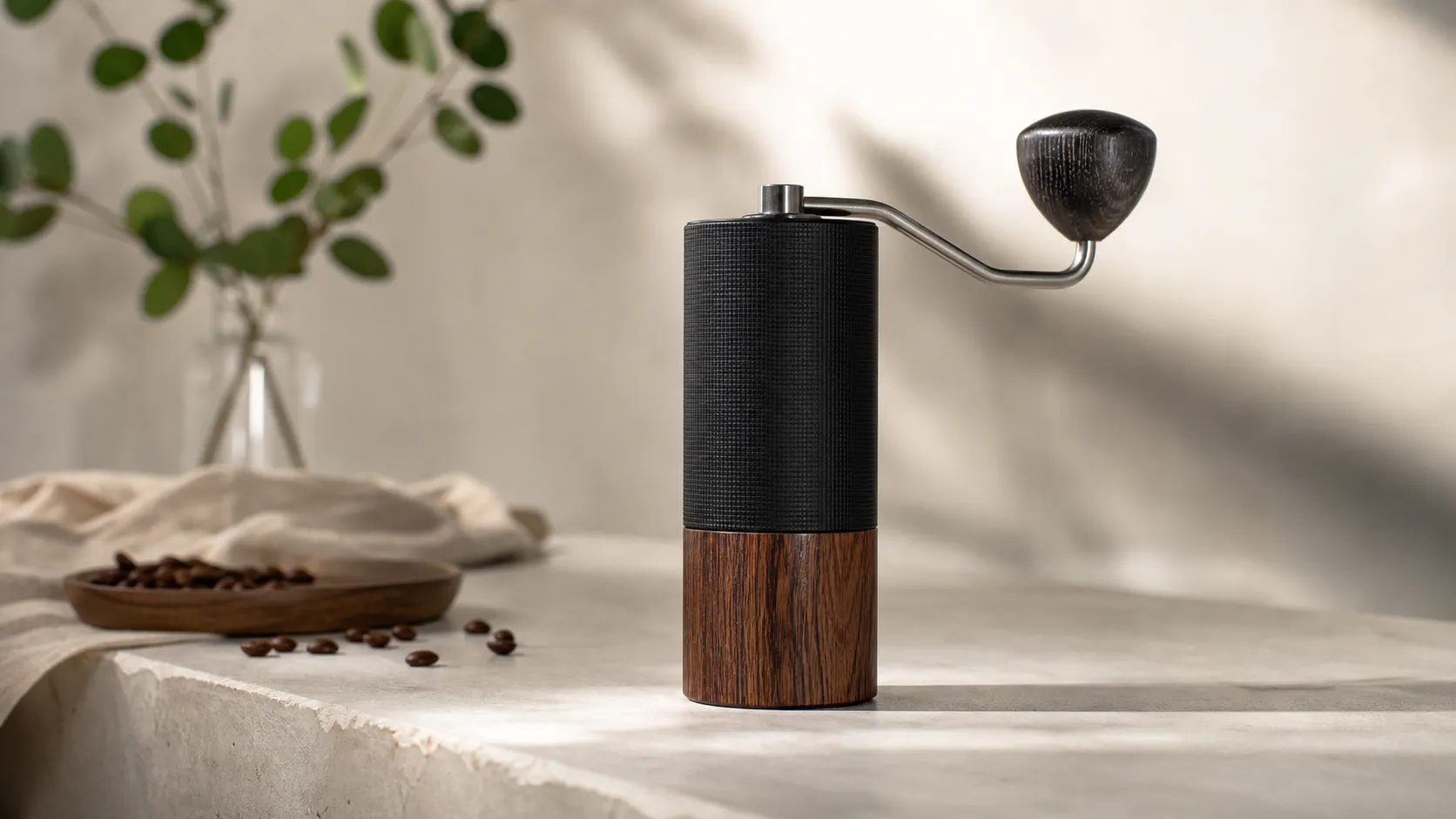
Comandante C40 MK4 Manual Coffee Grinder — 2026 Review
A premium manual grinder known for exceptional build and grind consistency — ideal for serious home baristas, but heavy and pricey for casual users or travel.
 Kitchen & Appliances
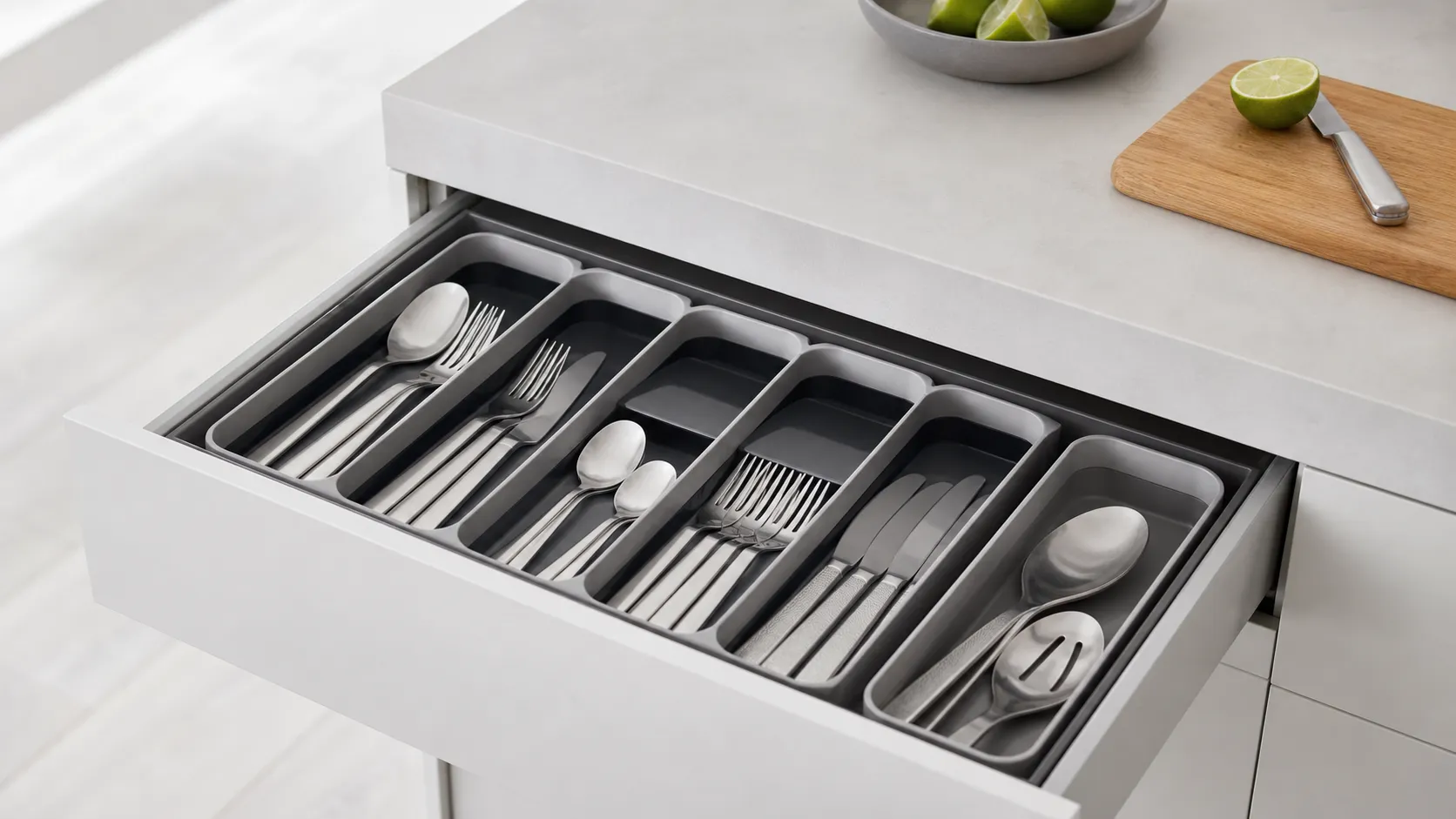
Joseph Joseph DrawerStore Cutlery Organizer Review 2026
A slim, modern cutlery tray that maximizes shallow-drawer space. Great for tidy, small-kitchen organization—measure your drawer first and avoid if you store long utensils.
 Kitchen & Appliances
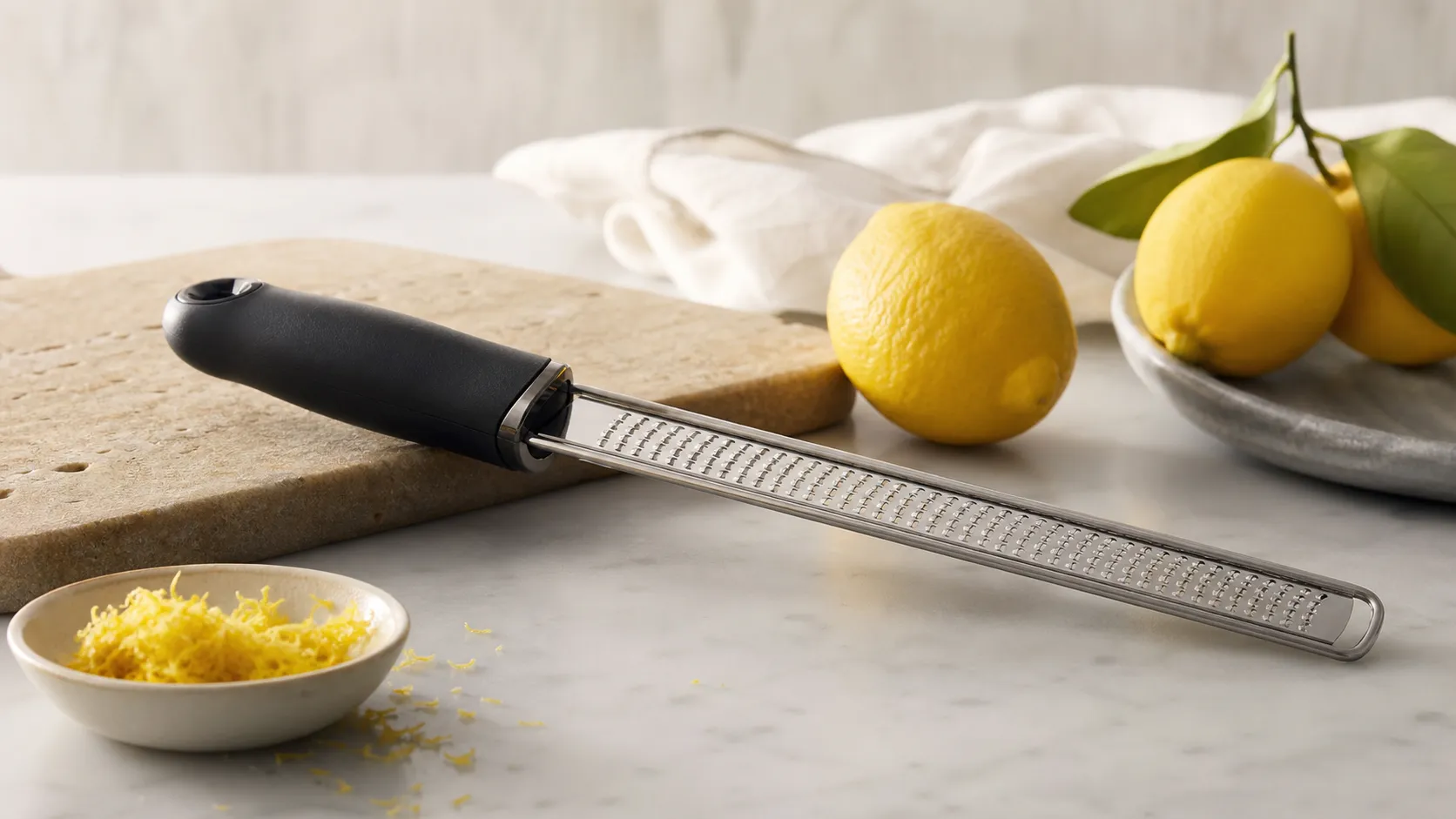
Microplane Premium Classic Zester/Grater — Review 2026
The Microplane Premium Classic is the go-to hand zester for precise, fluffy citrus zest and fine shavings. Sharp, compact, and great value—best for finishing, not bulk grating.