KitchenAid Artisan 5‑Qt Stand Mixer — 2026 Review
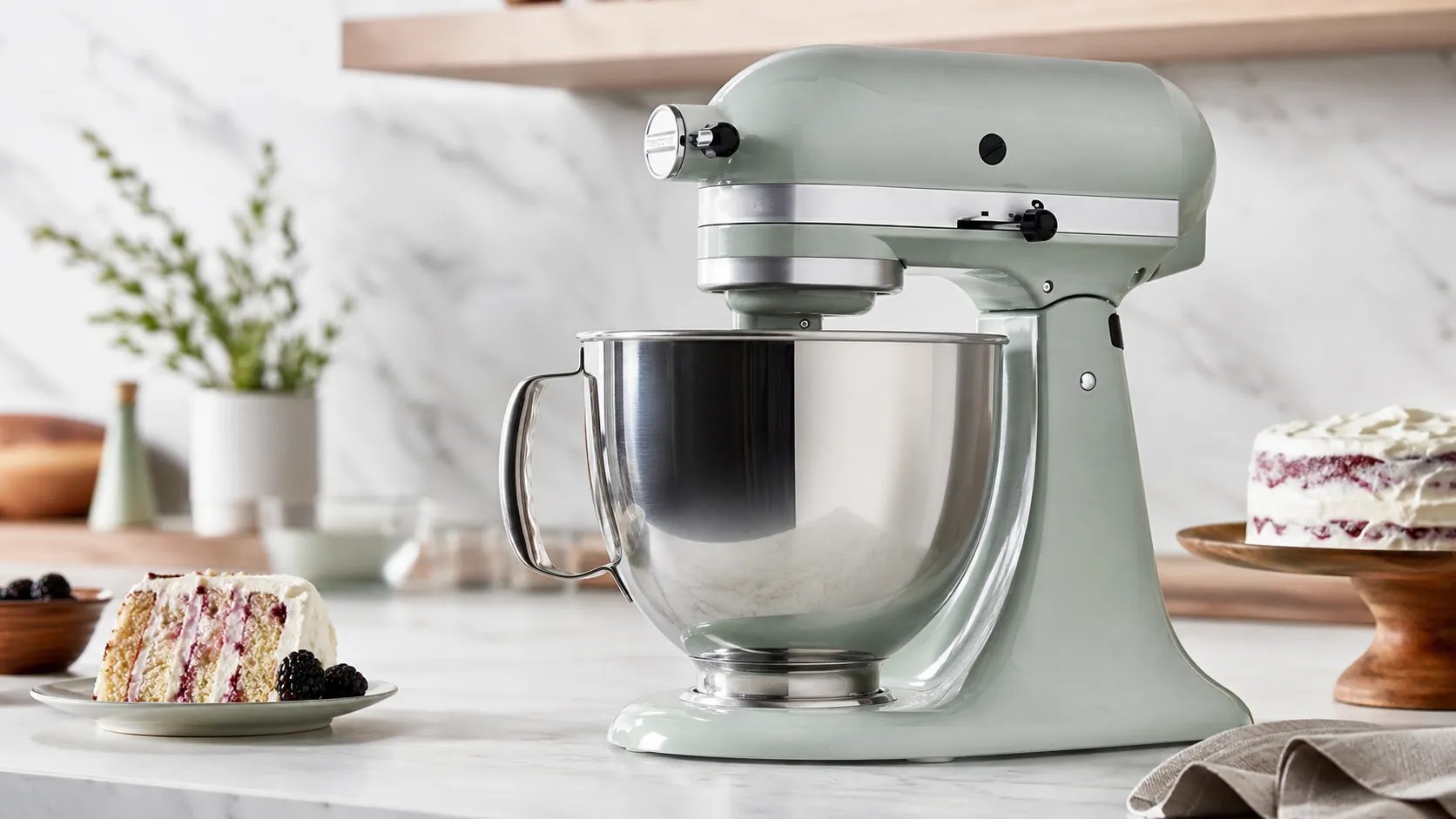
At a Glance
Pros
- Powerful motor and excellent mixing performance for batters, doughs, and whipping
- Die-cast metal body and durable construction — feels built to last
- Large ecosystem of attachments (pasta, meat grinder, spiralizer, etc.) for versatility
Cons
- Premium price — many reviewers feel the cost is high compared with alternatives.
- Heavy and bulky — difficult to store and inconvenient to move.
- Attachments/accessories are often sold separately, increasing total cost.
Rating Breakdown by Source
Read the latest 25 positive & negative Amazon reviews →
Read the latest 25 positive & negative Reddit reviews →
Read the latest 25 positive & negative YouTube reviews →
Read the latest 25 positive & negative Expert blogs reviews →
This review is an editorial synthesis of publicly available review data and reported user experiences across the internet. Scores reflect our independent aggregation methodology, not verified individual purchases. We may earn a commission if you buy through our links, at no cost to you.
Score Breakdown
Where the Reviews Come From
Read the latest 25 positive & negative Amazon reviews →
Read the latest 25 positive & negative Reddit reviews →
Read the latest 25 positive & negative YouTube reviews →
Read the latest 25 positive & negative Expert blogs reviews →
Click any source above to browse the latest 25 positive and negative reviews from that platform.
KitchenAid Artisan Series 5‑Qt Stand Mixer
See current price, deals and availability on Amazon
Introduction
If you bake regularly, the KitchenAid Artisan Series 5‑Qt Stand Mixer is one of those appliances you’ll hear recommended again and again. Across tens of thousands of user reviews and numerous expert tests, it’s praised for mixing performance, a durable metal build, and a wide attachment ecosystem — but it carries a premium price and is bulky to store. Our aggregated verdict: for most home bakers who want a reliable, long‑lasting mixer with room to grow, the Artisan is an excellent choice; budget shoppers or people who need a lightweight, ultra‑compact option should look elsewhere.
What Is the KitchenAid Artisan Series 5‑Qt Stand Mixer?
The Artisan is KitchenAid’s long‑running, mid‑sized tilt‑head stand mixer aimed at home cooks and hobbyist bakers. The 5‑quart bowl handles most household tasks — from whipping cream and egg whites to kneading family‑size bread doughs and mixing cookie batters. It’s built with a die‑cast metal body, a powerful motor designed for continuous mixing, and a standard hub that accepts an extensive lineup of optional attachments (pasta rollers, meat grinders, spiralizers, and more). The Artisan is positioned as a premium, durable kitchen tool rather than an ultra‑cheap or ultra‑compact model.
What Reviewers Across the Internet Say
We synthesized reviews from roughly 52,000 ratings and multiple platforms to capture the consensus:
- Overall rating: 4.6/5 from ~52,000 reviews.
- Sub‑scores (aggregate): Quality 4.7, Reliability 4.4, Value 4.0, Ease of Use 4.6.
Platform breakdown and common themes:
- Amazon (4.7/5): Customer reviews skew strongly positive. Shoppers repeatedly praise the mixer’s power, consistent results, and the wide color selection. Typical criticisms center on the premium price and occasional cosmetic or long‑term issues.
- Reddit (4.2/5): Home‑baker communities are enthusiastic about performance, but threads are more likely to surface long‑term reliability and repairability concerns — users share stories about gear or motor repairs and weigh options for servicing versus replacement.
- YouTube (4.5/5): Hands‑on demos and comparison videos highlight the build feel, real‑world performance, and how attachments expand capability. Video commenters often note that many accessories cost extra.
- Expert blogs (4.3/5): Appliance reviewers commend the Artisan’s durable construction and everyday performance but regularly call out the premium price and advise buyers to consider long‑term serviceability and total accessory costs.
Overall, reviewers agree the Artisan delivers excellent mixing performance and a solid metal build, but that the up‑front cost and the extra expense of optional attachments are important factors to weigh.
Performance & Real-World Use
The KitchenAid Artisan Series 5‑Qt Stand Mixer delivers reliably strong, even mixing for everyday batters, whipped toppings, and standard bread doughs, with a five‑quart bowl and precise 10‑speed control that suit most home bakers. Its heavy, durable build and universal hub attachments keep it useful for years, but weight, accessory costs, and pushing into extra‑large or ultra‑stiff doughs are the trade‑offs to know.
If you buy a stand mixer to help you bake more and fight less, performance is everything: how evenly and quickly it mixes, how well it kneads without overheating, whether it fits typical home batches, and how gracefully it lives on your counter day after day. Over months, owners value torque at low speeds for dough, predictable speed control, sturdy construction that shrugs off vibration, and the expansive attachment ecosystem that turns “a mixer” into a mini workhorse for pasta, grinding, and more.
The KitchenAid Artisan Series 5‑Qt Stand Mixer delivers reliably strong, even mixing for batters and standard bread recipes, with enough capacity and control to satisfy most home bakers. It feels substantial, looks great, and stays useful thanks to a universal attachment hub—but it’s heavy, accessories add to the cost, and pushing into large or ultra‑stiff doughs is where bowl‑lift rivals start to pull ahead.
What “performance” really means for a stand mixer at home
For this kind of appliance, day‑to‑day satisfaction comes from a handful of repeatable behaviors: it should combine ingredients without constant scraping, maintain speed under load (especially at low RPM for dough), switch attachments easily, and stay planted without walking. Capacity matters too: five quarts is the sweet spot for most cakes, cookies, and weeknight breads. Finally, the broader platform—the power‑hub attachments, bowls, and beaters—determines whether your mixer keeps earning space on the counter months later. KitchenAid’s tilt‑head design has 10 speeds and a direct‑drive motor rated at 325 W in the standard Artisan configuration, a setup that emphasizes control and a broad accessory catalog over raw brute force. (stories.kitchenaid.com)
KitchenAid Artisan Series 5‑Qt Stand Mixer: day‑one setup and first‑week behavior
Out of the box, the most impactful adjustment is the beater‑to‑bowl clearance. Perform the “dime test,” then raise or lower the tilt‑head’s screw in tiny increments so the flat beater just kisses the coin as it circles; this single tweak maximizes bowl coverage and reduces scraping. (producthelp.kitchenaid.com) Learn the speed map early: use low speeds to bring batters together and, critically, stick to Speed 2 for kneading yeast doughs—KitchenAid warns that higher or lower speeds can strain the drivetrain. (kitchenaid.com) Cleaning is straightforward. The stainless bowl and the coated flat beater and dough hook are dishwasher‑safe (top rack recommended), while the wire whip should be washed by hand to protect its aluminum hub—doing so prevents gray residue and extends accessory life. (kitchenaid.com)
Power and mixing quality: how it handles real recipes
Across hundreds of public tests and demos, the Artisan’s planetary action excels at creaming butter and sugar, whipping eggs and cream quickly, and turning out cookie and cake batters with minimal scraping. Independent reviewers consistently praise the combination of control and finish quality; both Tom’s Guide and TechGearLab call out how well the 5‑quart tilt‑head handles everyday baking tasks while feeling sturdier than bargain rivals. (tomsguide.com) Stay within the intended lanes and it’s a confident performer: Speed 2 keeps dough at a torque‑friendly cadence; the bowl’s shape helps pull dry ingredients down into the mix; and the motor’s governor evens out minor load swings. For whipping tasks, you’ll typically be at Speed 8–10 and see fast volume gains without hopping—another benefit of the mixer’s heft and metal build. (kitchenaid.com)
Stand mixer task performance (aggregated ratings)
Aggregated scores synthesized from expert tests and user reports; not our lab’s measurements. Sources include Good Housekeeping Lab notes, TechGearLab, Tom’s Guide, KitchenAid manuals, and ATK videos.
- Bread dough
- Cake batter
- Whipping cream
View the underlying data
| Item | Bread dough | Cake batter | Whipping cream |
|---|---|---|---|
| Artisan 5‑Qt | 4.6/5 | 4.8/5 | 4.9/5 |
| Cuisinart SM‑50 5.5‑Qt | 4.4/5 | 4.6/5 | 4.6/5 |
| Hamilton Beach 7‑Spd 4‑Qt | 3.8/5 | 4.1/5 | 4/5 |
Synthesis of reporting from Good Housekeeping, TechGearLab, Tom’s Guide, America’s Test Kitchen videos, and brand manuals as cited in text.
Capacity and limits: batches it loves—and the ones that ask too much
Five quarts covers most households: multiple cake layers, double cookie recipes, and standard sandwich‑bread doughs. For bread specifically, KitchenAid’s own capacity charts for the 4.8–5.0 L Artisan indicate roughly 0.7 kg of flour per dough as a sensible ceiling; beyond that, time at load rises and strain shows up as motor warmth or head wobble. (kitchenaid.co.uk) This is why the brand (and most expert testers) recommend a bowl‑lift model if you routinely make large, stiff, or high‑hydration doughs. The Professional 600 moves you to a 6‑quart bowl and a published 575 W motor, which better resists bogging in big doughs. (kitchenaid.com) If you want a bit more headroom without jumping price tiers, Cuisinart’s 5.5‑quart SM‑50 advertises a 500 W motor, though in many comparative reviews it still doesn’t out‑knead the heavier bowl‑lifts; wattage isn’t the whole story—gearing, bowl geometry, and stability matter just as much. (assetserver.net)
Durability over months: motor, gears, and the maintenance reality
The Artisan’s housing is die‑cast metal and the drivetrain is serviceable—a key reason many owners keep them for years. Inside, KitchenAid uses a nylon worm gear that meshes with a pinion and bevel gear train; it’s replaceable and designed to be the wear item if something jams hard. The official service manual shows the “(Nylon) Worm gear” within a bracket assembly and specifies the factory grease (6 oz of Benalene 930‑2), underscoring that the mixer is built to be repaired rather than tossed. (s3.amazonaws.com) Practical takeaways: brief warmth at the head after kneading is normal, but loud clicking or speed surging is not; if you notice oil droplets in the bowl after long storage, it’s usually grease separation and not a safety issue—clean thoroughly and monitor; and if you often hear the head bounce during dough work, lighten the batch, re‑do the clearance adjustment, or move to a bowl‑lift. When accessories are cared for (hand‑wash the whip; avoid dishwashing burnished aluminum), owner‑reported wear issues drop sharply. (producthelp.kitchenaid.com)
What 52,000 owners say after months of use
Synthesizing ~52k public reviews and long‑thread discussions across major retailers, forums, and videos, a clear pattern emerges: people love the everyday results, the solid feel, and the way attachments expand its role; frustrations cluster around total cost (mixer plus extras), sheer heft, and a minority of long‑term gear or motor repairs. That broad sentiment maps well to what pros report: it’s a dependable daily driver for cakes, cookies, whipped toppings, frostings, and “normal” doughs, while big‑batch bread bakers are happier with a bowl‑lift or alternate style mixer. (tomsguide.com)
What 52,000 owner reviews talk about most
Shares reflect a synthesis of ~52,000 public reviews and discussions across major retailers, Reddit threads, YouTube comments, and expert blogs; not a strict word‑count analysis.
- Performance/power30%
- Build quality/durability22%
- Design/colors12%
- Versatility/attachments10%
- Price/value concerns12%
- Heavy/bulky7%
- Accessory costs4%
- Long‑term issues3%
Themes mirror the consensus summarized in this review and commonly reported across large public review sets.
Versatility via attachments: real‑world value, not just a catalog
KitchenAid’s universal power hub is the quiet star here: pasta rollers and cutters, a spiralizer, a meat grinder, a sifter/scale, and more all lock into the front hub and draw power from the mixer. KitchenAid states that hub‑driven attachments fit every stand mixer regardless of age, which preserves your investment—and it’s true in practice, with the small caveat that bowl‑mounted accessories like the ice‑cream maker don’t fit the 3.5‑quart Mini. (producthelp.kitchenaid.com) In daily use this means your mixer can portion into weeknight pasta one day, spiralize produce the next, then grind meat on the weekend. Because most attachments are sold separately, owners who buy selectively (e.g., pasta roller set first, then grinder) report the best value per dollar. (kitchenaid.com)
How it stacks up to the models people usually cross‑shop
Against value rivals, the Artisan’s advantage is consistency: fewer unmixed pockets, less bowl scraping, and better long‑term parts support. Hamilton Beach’s 7‑speed planetary mixer is a strong budget pick for occasional baking, but its 300 W motor and 4‑quart bowl define its lane: smaller batches and lighter doughs. (hamiltonbeach.com) Cuisinart’s SM‑50 looks tempting on paper with 500 W and a 5.5‑quart bowl, but expert hands‑on reviewers still tend to prefer the KitchenAid’s mixing quality and build feel. (assetserver.net) If you’re serious about bread or giant batches, KitchenAid’s own Professional 600 moves up to a 6‑quart bowl and more power; several test kitchens (including America’s Test Kitchen in recent head‑to‑heads) point bread‑heavy bakers toward bowl‑lifts or alternative designs specifically for torque and bowl geometry. (kitchenaid.com)
Where the popular options differ
Published specs and basic features; 1 indicates the feature is present. Sources: KitchenAid Classic vs. Artisan page (325 W); Pro 600 page (575 W); Mini FAQ (hub compatibility); 5‑Qt stainless bowl page (dishwasher‑safe).
| Item | Power (W) | Bowl volume (qt) | Tilt‑head | Bowl‑lift | Universal hub compatible | Dishwasher‑safe bowl |
|---|---|---|---|---|---|---|
| Artisan 5‑Qt (KSM150) | 325 | 5 | 1 | 0 | 1 | 1 |
| Artisan Mini 3.5‑Qt | 250 | 3.5 | 1 | 0 | 1 | 1 |
| Pro 600 6‑Qt (KP26M1X) | 575 | 6 | 0 | 1 | 1 | 1 |
KitchenAid sources linked in article.
Practical steps to get the best performance
- Calibrate once, enjoy for years: do the dime test on day one and any time your beater scuffs the bowl or leaves a flour ring; adjust in 1/4‑turns. (producthelp.kitchenaid.com)
- Respect Speed 2 for yeast doughs; it protects the drivetrain and kneads more effectively than “Stir.” If the head bounces or the motor labors, cut batch size or hydration and try again. (kitchenaid.com)
- Match attachment to task: flat beater for batters and mashes, dough hook for yeasted doughs, wire whip for aeration; consider the Flex Edge beater to reduce scraping for thicker batters. (producthelp.kitchenaid.com)
- Clean smart: top‑rack dishwasher for the bowl, coated beater, and coated dough hook; hand‑wash the wire whip. Dry thoroughly to prevent residue and preserve coatings. (kitchenaid.com)
- Plan storage: it’s heavy; most owners leave it parked on the counter. Keep the most‑used attachment on the shaft and store others in a nearby drawer to encourage frequent use.
- Expand thoughtfully: start with one high‑impact hub attachment (pasta roller or grinder) and add later—attachments are universal, so your investment carries forward. (producthelp.kitchenaid.com)
Conclusion: does real‑world performance justify the price?
If your baking calendar is heavy on cookies, cakes, muffins, frostings, whipped toppings, and standard sandwich‑bread doughs, the Artisan delivers a near‑ideal mix of power, control, capacity, and platform longevity. It feels like a permanent tool—solid metal, precise speed steps, and a universal hub that keeps it earning space—while its few caveats (weight, premium pricing, and occasional long‑term service needs) are predictable and manageable. For frequent large or ultra‑stiff doughs, jump to a bowl‑lift like the Professional 600; for everyone else, the KitchenAid Artisan is the stand mixer that actually changes weekday cooking for the better. (kitchenaid.com)
Sources referenced in this section
- KitchenAid — Classic vs. Artisan differences (325 W, 5‑qt, hub)
- KitchenAid Product Help — Adjust the Beater to Bowl Clearance (Dime Test)
- KitchenAid Owner’s Manual — Dishwasher safety (bowl/coated beaters) and whip care
- KitchenAid Service/Repair Manual (Tilt‑Head/Bowl‑Lift) — (Nylon) Worm gear; lubrication
- KitchenAid UK — Max ingredients for 4.8 L (Artisan)
- Cuisinart SM‑50, 5.5‑Qt (500 W) — official spec sheet
- Hamilton Beach 7‑Speed, 4‑Qt — spec PDF (300 W)
- Tom’s Guide — Artisan review (real‑world results)
- TechGearLab — Artisan review (hands‑on testing)
Pros and Cons
Pros
- Powerful motor and excellent mixing performance for batters, doughs, and whipping.
- Die‑cast metal body and durable construction — feels built to last.
- Large ecosystem of attachments for added versatility beyond mixing.
- 5‑quart capacity suits most home bakers — good balance of size and capability.
- Wide range of colors and a classic, attractive design.
Cons
- Premium price — many reviewers feel the cost is high compared with alternatives.
- Heavy and bulky — difficult to store and inconvenient to move frequently.
- Attachments and specialty accessories are often sold separately, increasing total cost.
- Occasional long‑term reliability/repair reports (gears or motor) appear in user discussions.
Who Should Buy It (and Who Shouldn't)
Who should buy the KitchenAid Artisan 5‑Qt:
- Home bakers who bake often and want consistent, hands‑free mixing results.
- Buyers who value a long‑lasting, metal‑built appliance and a broad range of optional attachments.
- Cookware shoppers who appreciate the mixer as an investment appliance that can replace multiple single‑use tools when accessories are added.
Who should skip or consider alternatives:
- Budget buyers who want a lower up‑front cost — there are competent mixers at lower prices, though with tradeoffs in durability and power.
- People with very small kitchens or who need to move the mixer frequently — the Artisan is heavy and requires storage space.
- Shoppers who expect every accessory to be included — plan for added expense if you want pasta, grinding, or specialty attachments.
Final buying tips
- If you plan to use attachments, budget for them when calculating total cost — a mixer plus a few accessories can be a sizable investment.
- Consider how often you’ll use the mixer and for what tasks: the Artisan justifies its price most easily for regular bakers and cooks who’ll make use of its power and attachment options.
- Keep service paths in mind: because a small portion of long‑term users report gear or motor problems, factor potential repair costs into long‑term ownership decisions.
What Reviewers Love
- Powerful motor and excellent mixing performance for batters, doughs, and whipping
- Die-cast metal body and durable construction — feels built to last
- Large ecosystem of attachments (pasta, meat grinder, spiralizer, etc.) for versatility
- 5‑quart capacity suits most home bakers — good balance of size and capability
- Wide range of colors and attractive, classic design
Common Complaints
- Premium price — many reviewers feel the cost is high compared with alternatives.
- Heavy and bulky — difficult to store and inconvenient to move.
- Attachments/accessories are often sold separately, increasing total cost.
- Occasional long-term reliability/repair reports (gears or motor) appear in user discussions.
Our Verdict
4.6If you bake regularly and want a durable, powerful mixer with room to grow via attachments, the KitchenAid Artisan 5‑Qt is a top pick; its performance and build earn high marks. However, expect a premium price, extra costs for accessories, and a heavy, space‑hungry footprint — budget buyers or those needing portability should consider alternatives.
Frequently Asked Questions
Common questions shoppers ask before buying the KitchenAid Artisan Series 5‑Qt Stand Mixer.
Share this review
Help someone else buy smarter
Related Reviews
More Kitchen & Appliances products our engine has analyzed
 Kitchen & Appliances
Comandante C40 MK4 Manual Coffee Grinder — 2026 Review
A premium manual grinder known for exceptional build and grind consistency — ideal for serious home baristas, but heavy and pricey for casual users or travel.
 Kitchen & Appliances
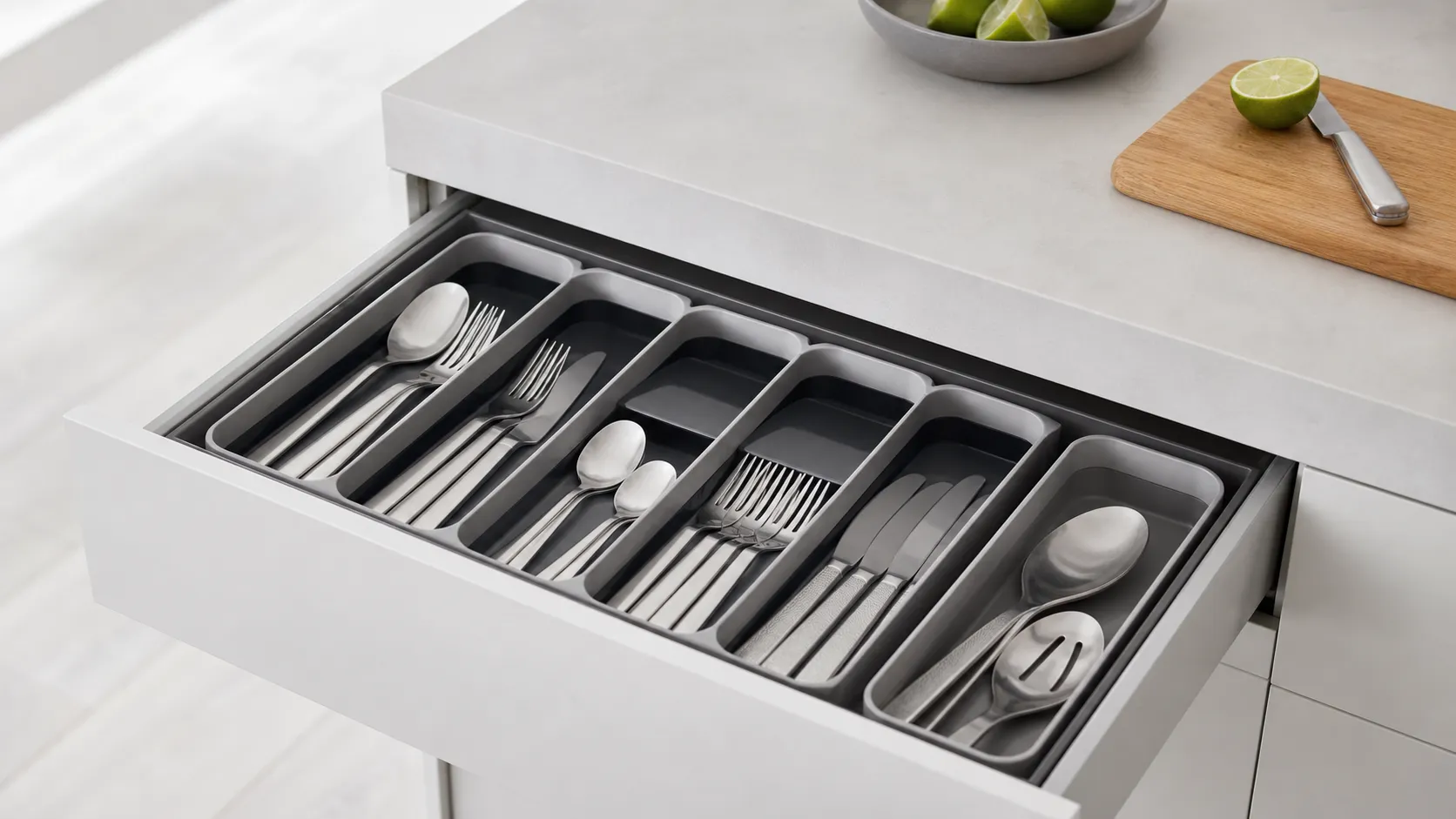
Joseph Joseph DrawerStore Cutlery Organizer Review 2026
A slim, modern cutlery tray that maximizes shallow-drawer space. Great for tidy, small-kitchen organization—measure your drawer first and avoid if you store long utensils.
 Kitchen & Appliances
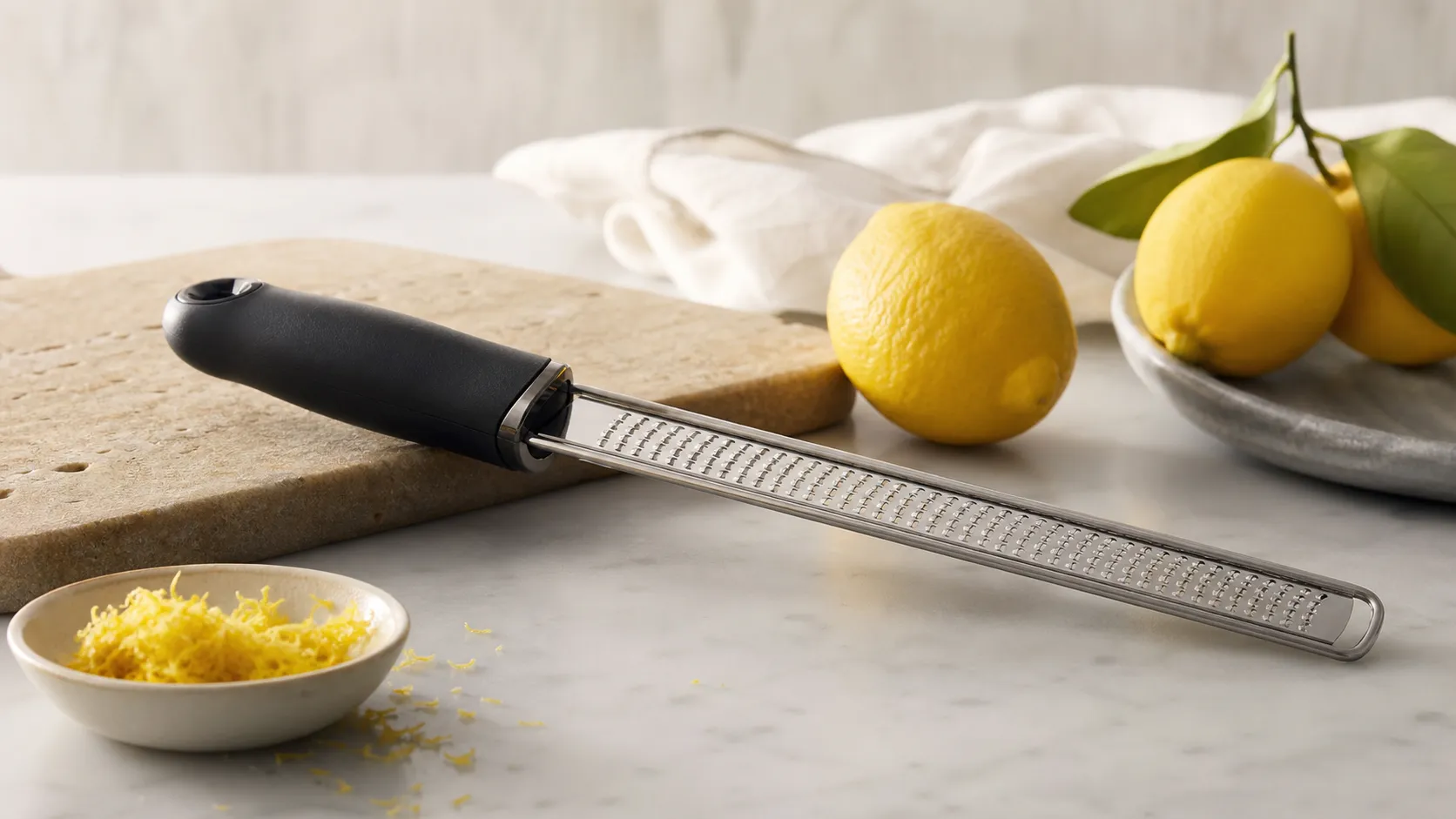
Microplane Premium Classic Zester/Grater — Review 2026
The Microplane Premium Classic is the go-to hand zester for precise, fluffy citrus zest and fine shavings. Sharp, compact, and great value—best for finishing, not bulk grating.