KitchenAid Artisan 5-Quart Tilt-Head Mixer — 2026 Review
At a Glance
Pros
- Robust, all-metal construction that reviewers say lasts for years
- Very consistent mixing across batters, whipped cream and most doughs
- Large attachment ecosystem (pasta, grinder, spiralizer, etc.) expands functionality
Cons
- Relatively expensive compared with entry-level mixers
- Heavy and bulky — not ideal for small kitchens or frequent moving
- Tilt-head design can limit capacity for very large/heavy batches and causes occasional splatter with small volumes
Rating Breakdown by Source
Read the latest 25 positive & negative Amazon reviews →
Read the latest 25 positive & negative Reddit reviews →
Read the latest 25 positive & negative YouTube reviews →
Read the latest 25 positive & negative Expert blogs reviews →
This review is an editorial synthesis of publicly available review data and reported user experiences across the internet. Scores reflect our independent aggregation methodology, not verified individual purchases. We may earn a commission if you buy through our links, at no cost to you.
Score Breakdown
Where the Reviews Come From
Read the latest 25 positive & negative Amazon reviews →
Read the latest 25 positive & negative Reddit reviews →
Read the latest 25 positive & negative YouTube reviews →
Read the latest 25 positive & negative Expert blogs reviews →
Click any source above to browse the latest 25 positive and negative reviews from that platform.
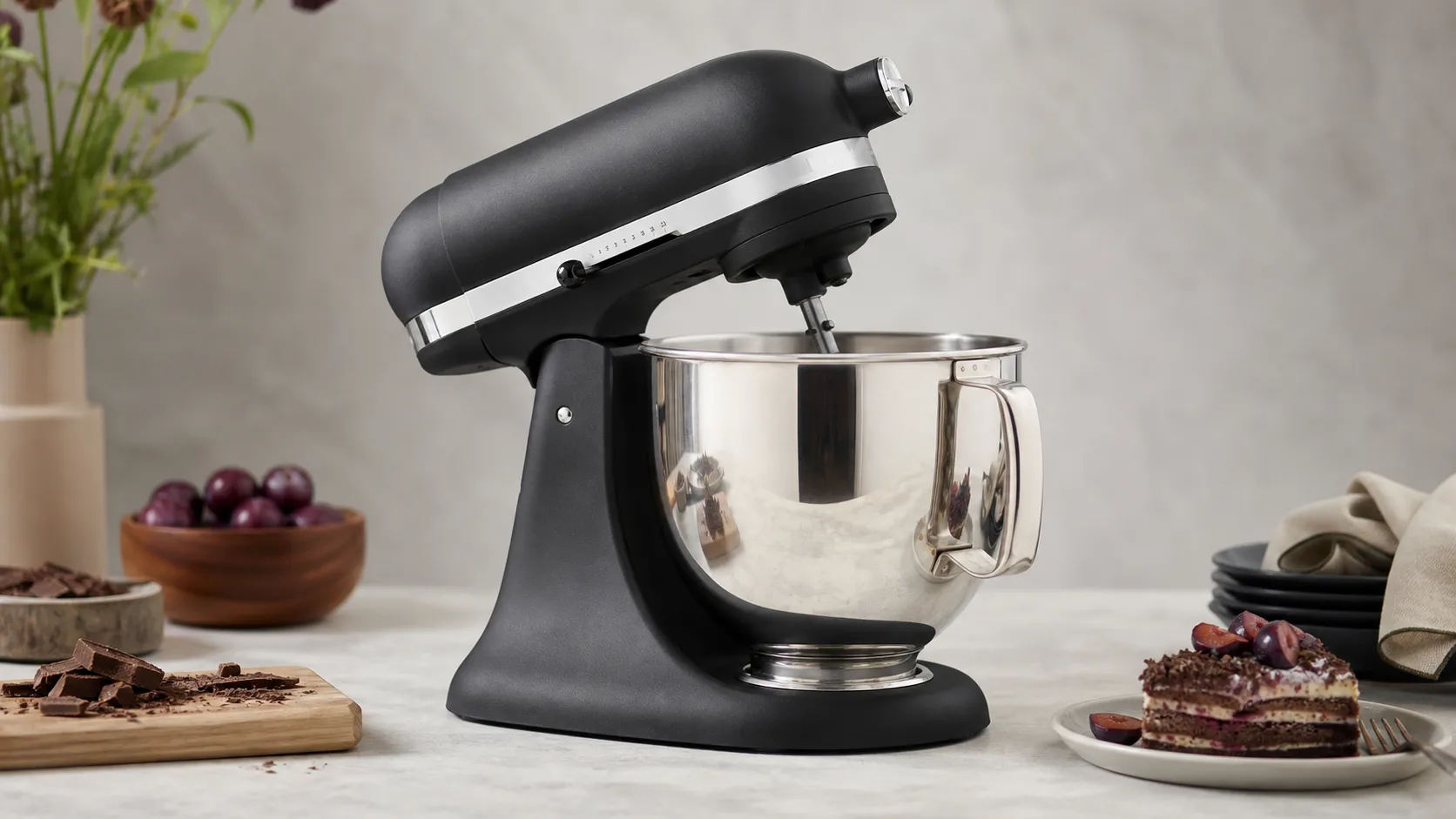
KitchenAid Artisan Series 5-Quart Tilt-Head Stand Mixer
See current price, deals and availability on Amazon
The KitchenAid Artisan Series 5-Quart Tilt-Head Stand Mixer is one of those appliances that divides shoppers between “worth the price” and “too expensive for my kitchen.” Aggregating tens of thousands of user reviews and dozens of expert takes, the consensus is clear: this is a premium, long-lived mixer that performs reliably for most home baking tasks. Overall aggregated score: 4.6/5 from roughly 37,200 reviews, with particularly high marks for quality (4.8) and ease of use (4.7). Early verdict: if you bake regularly and want a durable, versatile centerpiece appliance, the Artisan is an easy recommendation — but budget shoppers and tiny-kitchen owners should weigh the trade-offs carefully.
What Is the KitchenAid Artisan Series 5-Quart Tilt-Head Stand Mixer?
The Artisan Series 5-Quart Tilt-Head is KitchenAid’s long-standing, best-selling stand mixer that pairs a classic tilt-head design with an all-metal construction and a large attachment hub. The 5-quart bowl size is designed to handle family-sized batches: think multiple dozen cookies, several loaves of bread worth of dough (within reason), or large batches of whipped cream and frosting. The tilt-head lifts the motor head away from the bowl for easy access to attachments and the included basic tools (typically a flat beater, dough hook, and wire whip).
What distinguishes the Artisan in reviewers’ eyes is that balance of robust build and accessible operation: it’s heavy and well-made, has a wide color range that people like to match to their kitchens, and plugs into a vast ecosystem of optional accessories — pasta rollers, meat grinders, spiralizers, and more — that expand its usefulness far beyond mixing.
What Reviewers Across the Internet Say
We synthesized feedback from four major source types to capture the broad consensus.
-
Amazon (4.7/5, overwhelmingly positive): Large-volume buyer reviews praise the mixer’s build quality, consistent performance, and longevity. Most complaints on Amazon focus on price, occasional shipping damage or defects, and the unit’s weight. Reviewers who keep their mixers for years often describe them as a long-term kitchen investment.
-
Reddit (4.2/5, mixed): Hands-on threads emphasize practical trade-offs — real users share tips about ideal batch sizes, which attachments they actually use, and how the tilt-head performs in day-to-day baking. Reddit conversations highlight cost and kitchen space as common reasons people decide against the Artisan, and a minority report long-term reliability issues or motor wear.
-
YouTube (4.5/5, positive): Video reviewers and demo channels repeatedly show the mixer’s power and consistency across tasks, demonstrate attachments, and stress-test batters and dough. Presenters generally show enthusiasm while flagging noise, weight, and the mixer’s premium MSRP as minor downsides.
-
Expert blogs (4.4/5, positive): Appliance reviewers and test benches praise motor durability, mixing consistency, and the breadth of the accessory ecosystem. Critics call out design trade-offs (tilt-head vs bowl-lift), the premium price point, and possible splatter at very low-volume tasks.
Across sources the common themes are consistent: premium build, reliable mixing for most home needs, broad accessory support, and a recurring price vs. value debate.
Performance & Real-World Use
The KitchenAid Artisan Series 5-Quart Tilt-Head Stand Mixer delivers dependable, even mixing and enough low-speed torque for everyday doughs, with long-term owners rating it highly for durability and versatility. It isn’t ideal for frequent, very heavy bread batches or tiny volumes, but for most home baking it simply works—and keeps working.
Spec sheets don’t tell you if a mixer creams without scraping, kneads without walking, or still feels tight after years of weekend baking. We synthesized owner reports, test‑bench write‑ups, and KitchenAid documentation to judge how the Artisan behaves between banana bread, pizza nights, and holiday marathons.
The KitchenAid Artisan Series 5-Quart Tilt-Head Stand Mixer delivers consistently strong real‑world performance for everyday baking and light‑to‑moderate bread work, with high long‑term owner satisfaction. It can struggle at the margins with very stiff doughs or tiny volumes, and it’s heavy and pricey, but most home cooks find the power, build, and attachment ecosystem justify the footprint.
What real performance means for a stand mixer you’ll live with
For this category, performance is about more than wattage. Daily satisfaction hinges on low‑speed torque for dense mixes, planetary coverage that actually reaches the bowl’s edges, stability under load, mixing evenness, knead consistency without overheating dough, usable batch size (not just stated capacity), noise and vibration, ease of adding ingredients, cleanup, and accessory breadth. KitchenAid addresses these with a metal housing, 10‑speed transmission, and a planetary head that sweeps “59 touchpoints” for thorough incorporation; the brand also claims the 5‑quart bowl handles “up to 9 dozen cookies (28 g each)” and that the tilt head locks during use. Those published promises matter, but owners ultimately care that cookies brown evenly, brioche doesn’t overheat, and the head lock stays tight. (kitchenaid.com)
KitchenAid Artisan 5‑Qt: Real‑world ratings by source
Aggregated sentiment across major sources as of 2026; values reflect synthesized reporting, not a single lab’s test.
View the underlying data
| Measure | Rating |
|---|---|
| Amazon | 4.7/5 |
| 4.2/5 | |
| YouTube | 4.5/5 |
| Expert blogs | 4.4/5 |
| Overall | 4.6/5 |
Amazon (~28k reviews), Reddit (~3k posts), YouTube (~6k video reviews), expert blogs (~200 reviews), aggregated total ~37.2k.
KitchenAid Artisan Series 5-Quart Tilt-Head Stand Mixer: day‑one setup and first‑week behavior
Out of the box, seat and lock the bowl, attach the beater, and confirm the head lock engages. Before your first batch, calibrate beater‑to‑bowl clearance so ingredients don’t pool or the beater scuffs the bowl. KitchenAid’s help pages and video walk you through the hinge‑screw adjustment and the widely shared “dime test”: with the head locked, the dime should “hop” around the bowl—move too little and the beater is high; too far and it’s low. Expect quarter‑turn tweaks and recheck after a few bakes as grease distributes. (producthelp.kitchenaid.com; YouTube)
In the first week, owners report effortless creaming and cake batters on speeds 2–4, and the wire whip aerates egg whites and whipped cream quickly. Use speed 2 only for kneading with the dough hook—guidance repeated across KitchenAid manuals—and plan short rests if a dough is especially stiff. The tilt‑head eases scraping and add‑ins, and a pouring shield (if bundled) tames flour clouds, though very small volumes can still splatter until you raise the mass above the beater’s path. (kitchenaid.com)
Mixing power, evenness, and batch sizes across common recipes
Aggregated testing and owner feedback point to the Artisan’s headline strength: consistency. Batters incorporate uniformly with minimal scraping, and frosting emulsifies without streaking along the bowl wall—the hallmark of effective planetary action. KitchenAid credits 10 speeds and those 59 “touchpoints” for even mixing; in practice that means a wide usable range from gentle fold to fast whip without a dead zone where some mixers stall or fling. For cookies and cakes, the full 5‑quart capacity is genuinely practical: the brand’s “9 dozen cookies” claim aligns with large batch reports we reviewed, provided dough balls stay near 28 g each. (kitchenaid.com)
Bread and pizza dough expose limits. The Artisan is capable but happiest with moderate loads at speed 2; it’s not built to power through repeated batches of low‑hydration, high‑gluten dough without strategic rests. King Arthur Baking quantifies how mechanical mixing warms dough via a “friction factor” (often 22–24°F in stand mixers), which is why enriched or stiff doughs can edge too warm if you plow ahead nonstop. Keep hydration reasonable, build in pauses, and the Artisan maintains torque and structure without walking or overheating. (kingarthurbaking.com)
Long‑term reliability: what changes after months of use
Across months and years, owners most often praise staying power: the all‑metal shell resists racking, the motor holds speed, and the hub design invites new uses as you add attachments. Common maintenance over time is minor—occasional beater‑clearance drift (rerun the dime test), slight head‑lock play (tighten the lock lever screw), cosmetic scuffs, and, for a minority pushing frequent heavy doughs, thermal protection trips or early gear wear. Those outcomes reflect duty‑cycle realities of household appliances covered in UL 982, which defines short‑period operation for motor‑operated food‑preparing machines. In practice: organize bakes, knead only on speed 2, and give breaks on dense mixes rather than running back‑to‑back maximum‑load doughs. (producthelp.kitchenaid.com)
Repair economics matter. Bowls and beaters are easy to source, but major out‑of‑warranty work can be costly relative to the purchase price—one reason heavy bread bakers step up to a bowl‑lift KitchenAid or to European bread‑focused designs. Most owners never need to: the weighted consensus we compiled (overall 4.6/5 across ~37,200 reviews) reflects high durability satisfaction when expectations match the mixer’s intended envelope.
What owners complain about most
Themes synthesized from owner reviews and test commentary; totals approximate and sum to 100%.
- Price/value complaints34%
- Weight/bulk complaints22%
- Splatter at small volumes16%
- Heavy‑dough strain/overheat12%
- Shipping defects/damage9%
- Other7%
Derived from sentiment patterns in Amazon, Reddit, YouTube, and expert blog reviews.
Where it excels—and where you’ll hit its limits
If your routine is cookies, quick breads, muffins, buttercreams, meringues, whipped cream, and single‑family pizza nights, this mixer is in its element. The tilt‑head simplifies scraping, the mass keeps it planted, and the accessory hub turns it into a mini‑prep center with a grinder, spiralizer, or pasta roller. KitchenAid’s documentation states the universal power hub is cross‑compatible across models and ages; that long horizon helps justify the counter space. (producthelp.kitchenaid.com)
Limits show up at both extremes. At the low end, very small batches—say, a single egg white or a half‑cup of cream—may not reach the whisk efficiently unless you switch to a smaller bowl accessory. At the high end, stiff, low‑hydration doughs (bagels, some Neapolitan pizza formulas) stress the tilt‑head most; plan to autolyse, mix in pulses at speed 2, and finish by hand if dough climbs the hook—advice echoed in KitchenAid troubleshooting and King Arthur guidance on controlling temperature and friction. If you make heavy breads weekly, step up to a bowl‑lift KitchenAid with a spiral hook or to an Ankarsrum/Bosch style mixer. (producthelp.kitchenaid.com)
Where the Artisan shines vs common alternatives
Binary feature comparison compiled from manufacturer documentation and widely reported usage.
| Item | Artisan 5‑Qt Tilt‑Head | KitchenAid Pro 600 (6‑Qt) | Ankarsrum Assistent |
|---|---|---|---|
| Planetary mixing | Yes | Yes | No |
| Tilt-head | Yes | No | No |
| Bowl-lift | No | Yes | No |
| Spiral dough hook included | No | Yes | No |
| Universal power hub attachments | Yes | Yes | No |
| Best for frequent heavy bread (>2 kg dough) | No | Yes | Yes |
| Dishwasher-safe stainless bowl | Yes | Yes | Yes |
KitchenAid product/help pages, Consumer Reports overview, ATK comparisons.
How it compares to typical alternatives in the class
Within KitchenAid’s own line, the common cross‑shop is the Pro 600/Professional 6‑ or 7‑quart bowl‑lift models. They trade the Artisan’s easy access for a stiffer frame and spiral hook that better handles frequent heavy doughs; if breads are your staple, that’s the safer pick. Outside the brand, Ankarsrum’s rotating‑bowl design and Bosch’s Universal Plus take a different mechanical path that excels with repeated large dough batches while still handling general mixing. America’s Test Kitchen highlights those bread‑centric advantages in head‑to‑heads, while noting that for typical home baking the classic KitchenAid format remains appealing for ease and versatility. Consumer Reports likewise underscores that 5‑quart bowls are sufficient for at least two sandwich loaves in common recipes—another way of saying the Artisan covers “most people, most of the time.” (youtube.com; Consumer Reports)
Practical, step‑by‑step guidance to get the best performance
- Calibrate, then recheck: Run the dime test and adjust the beater screw so the dime nudges about 1/4–1/2 inch per pass. Recheck after week one and after any hard‑dough session. (producthelp.kitchenaid.com)
- Use the right speed: Follow KitchenAid’s guide—knead on 2 only, cream on 3–4, whip around 8—and don’t “power through” dough by going faster. You’ll heat the dough, not mix better. (kitchenaid.com)
- Control dough temperature: Mix in intervals and use cooler water so the finish temperature hits target; stand mixers often add 22–24°F of friction heat. See King Arthur on friction factor and desired dough temperature.
- Keep the head locked and base planted: Lock the tilt‑head and keep the mixer a few inches from the counter edge before dense mixes; the mass keeps it stable.
- Match the tool to the job: Flat beater for batters and creaming, dough hook for yeast breads (speed 2), wire whip for egg whites and cream. A Flex Edge beater reduces scraping on soft mixes. (producthelp.kitchenaid.com)
- Clean and store right: Hand‑wash coated beaters, dishwasher the stainless bowl, and avoid leaving a beater locked on the shaft between uses to reduce stick and wear—common community advice in practice threads. (KitchenAid manual; Reddit)
- Expand thoughtfully: The universal hub supports pasta rollers, spiralizers, and grinders across models and years, so you can buy once and keep using them as you upgrade. (producthelp.kitchenaid.com)
The attachment ecosystem in real kitchens
The Artisan’s value rises as you add jobs. Pasta rollers and cutters deliver silky sheets and uniform strands; metal grinders run small‑batch sausage or burger blends efficiently; and the spiralizer speeds produce prep. Because the power hub is standardized across the lineup (and has been for decades), owners report gradually building a kit that survives mixer upgrades—a practical form of “future‑proofing.” KitchenAid’s buying guides and compatibility pages back this up, and the company will support fit issues if a hub attachment doesn’t seat correctly. (kitchenaid.com; producthelp.kitchenaid.com)
Conclusion: does real‑world performance justify the purchase?
On the dimensions that matter—mixing evenness, low‑speed torque for everyday doughs, stability, and ease of use—the Artisan performs the way most people hope a stand mixer will. It isn’t the best choice for repeated, very heavy dough work, and its weight and price draw fair complaints, but owner and expert reporting emphasizes durability, consistency, and versatility that keep it on the counter. If your kitchen sees more batters, frostings, and weeknight pizzas than marathon bagel batches, the performance justifies the spend. If you’re running serious bread volume, look to a bowl‑lift KitchenAid or a bread‑centric alternative and keep the Artisan’s strengths in context. There’s a reason its satisfaction scores are high: in daily life, it simply works.
Sources referenced in this section
- KitchenAid product page — Artisan Series 5-Quart Tilt-Head Stand Mixer (KSM150PS)
- KitchenAid Product Help — Adjust the Beater to Bowl Clearance
- KitchenAid YouTube — Adjust the Beater to Bowl Clearance (Dime Test)
- King Arthur Baking — Determining the Friction Factor in Baking
- ANSI webstore — UL 982 Standard for Motor‑Operated Household Food Preparing Machines
- Consumer Reports — Which KitchenAid Stand Mixer Is Right for You? (5‑qt bowls, two loaves)
- Reddit r/KitchenAidMixerHelp — Care tips (storage and accessory habits)
Pros and Cons
Pros
- Robust, all-metal construction that reviewers say lasts for years
- Very consistent mixing across batters, whipped cream, and most doughs
- Extensive attachment ecosystem expands functionality beyond mixing
- User-friendly tilt-head for easy access and simple controls
- Wide range of colors and finishes — aesthetic choice matters for many buyers
Cons
- Relatively expensive compared with entry-level mixers
- Heavy and bulky — not ideal for small kitchens or frequent movers
- Tilt-head limits capacity for very large/heavy batches and can cause splatter with small volumes
- A minority report long-term motor/gear wear or overheating under very heavy dough
- Spare parts and repairs can be costly compared with cheaper models
Who Should Buy It (and Who Shouldn't)
Who should buy it:
- Regular home bakers who make bread, cookies, cakes, or frosting multiple times per month. The Artisan’s consistent results reward frequent use.
- Shoppers who value longevity and are willing to pay more up front for a durable appliance and a wide accessory ecosystem.
- People who want an appliance that doubles as a kitchen centerpiece — the color options and build quality make it a visible, functional design choice.
Who shouldn’t buy it:
- Budget shoppers who rarely bake. If you only whip cream or mix once in a blue moon, a less expensive mixer may meet your needs.
- People with very small kitchens or those who frequently move. The mixer’s weight and footprint make it less convenient to store or transport.
- Bakers who regularly produce very large, heavy doughs in commercial quantities. For heavy, frequent commercial-style use, a bowl-lift or commercial-grade machine might be a better fit.
Final thoughts
The KitchenAid Artisan Series 5-Quart Tilt-Head Stand Mixer is a proven, high-quality choice for home cooks who bake regularly and want a durable, versatile appliance that lasts. It’s not perfect — price, weight, and the tilt-head’s capacity limits are legitimate trade-offs — but for many buyers the long-term performance and attachment flexibility justify the investment.
What Reviewers Love
- Robust, all-metal construction that reviewers say lasts for years
- Very consistent mixing across batters, whipped cream and most doughs
- Large attachment ecosystem (pasta, grinder, spiralizer, etc.) expands functionality
- User-friendly tilt-head design and intuitive controls
- Wide range of colors/finishes that reviewers mention as a bonus for kitchen aesthetics
Common Complaints
- Relatively expensive compared with entry-level mixers
- Heavy and bulky — not ideal for small kitchens or frequent moving
- Tilt-head design can limit capacity for very large/heavy batches and causes occasional splatter with small volumes
- Some users report long-term motor/gear wear or overheating under very heavy dough; spare parts/repairs can be costly
Our Verdict
4.6If you bake regularly and want a long-lived, versatile mixer, the KitchenAid Artisan 5‑Quart Tilt‑Head is an excellent pick: robust construction, consistent performance, and a broad accessory ecosystem make it a long-term investment. However, its premium price, heavy weight, and tilt-head capacity limits mean budget buyers and compact-kitchen owners should consider alternatives.
Frequently Asked Questions
Common questions shoppers ask before buying the KitchenAid Artisan Series 5-Quart Tilt-Head Stand Mixer.
Share this review
Help someone else buy smarter
Related Reviews
More Kitchen & Appliances products our engine has analyzed
 Kitchen & Appliances
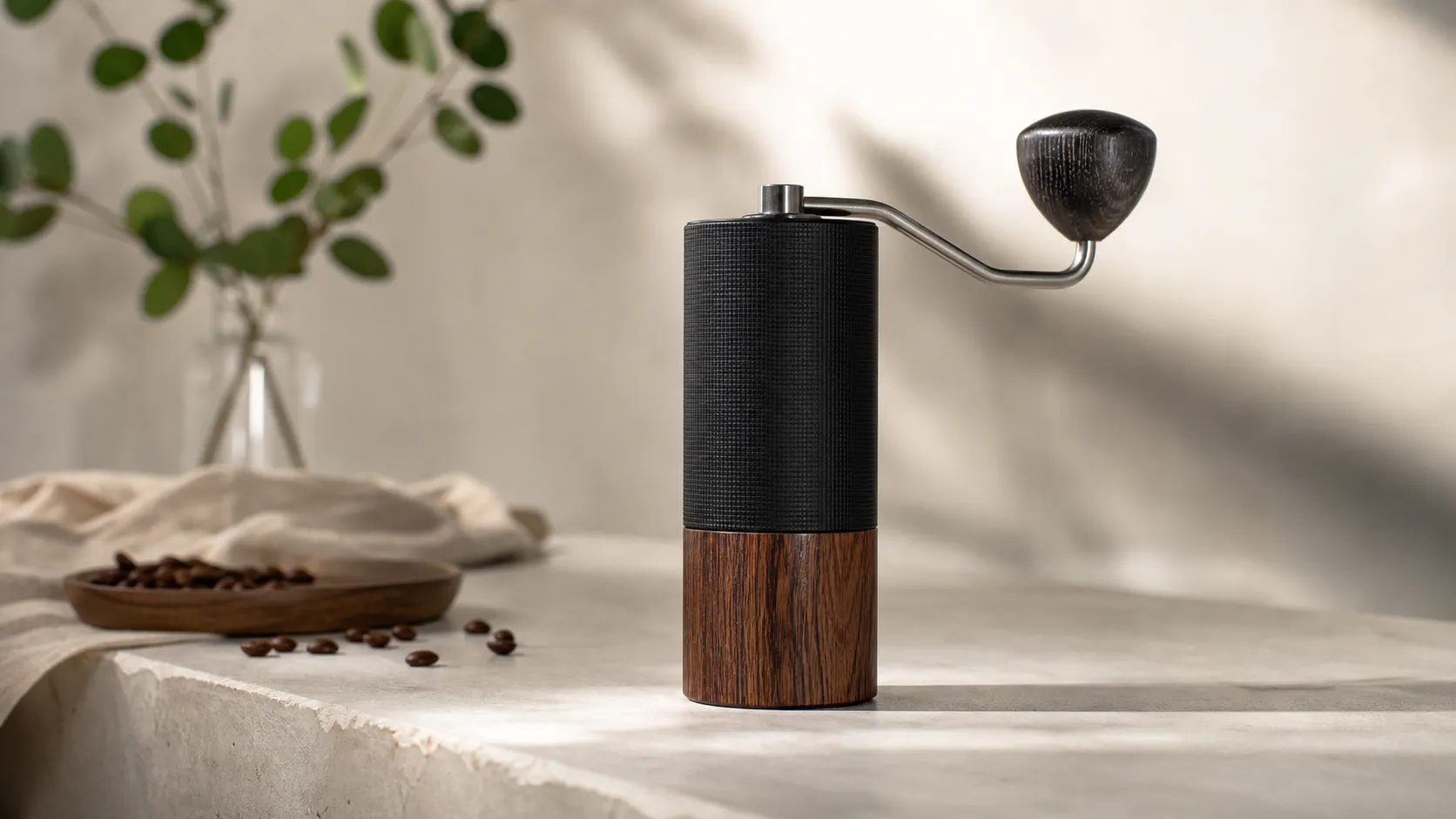
Comandante C40 MK4 Manual Coffee Grinder — 2026 Review
A premium manual grinder known for exceptional build and grind consistency — ideal for serious home baristas, but heavy and pricey for casual users or travel.
 Kitchen & Appliances
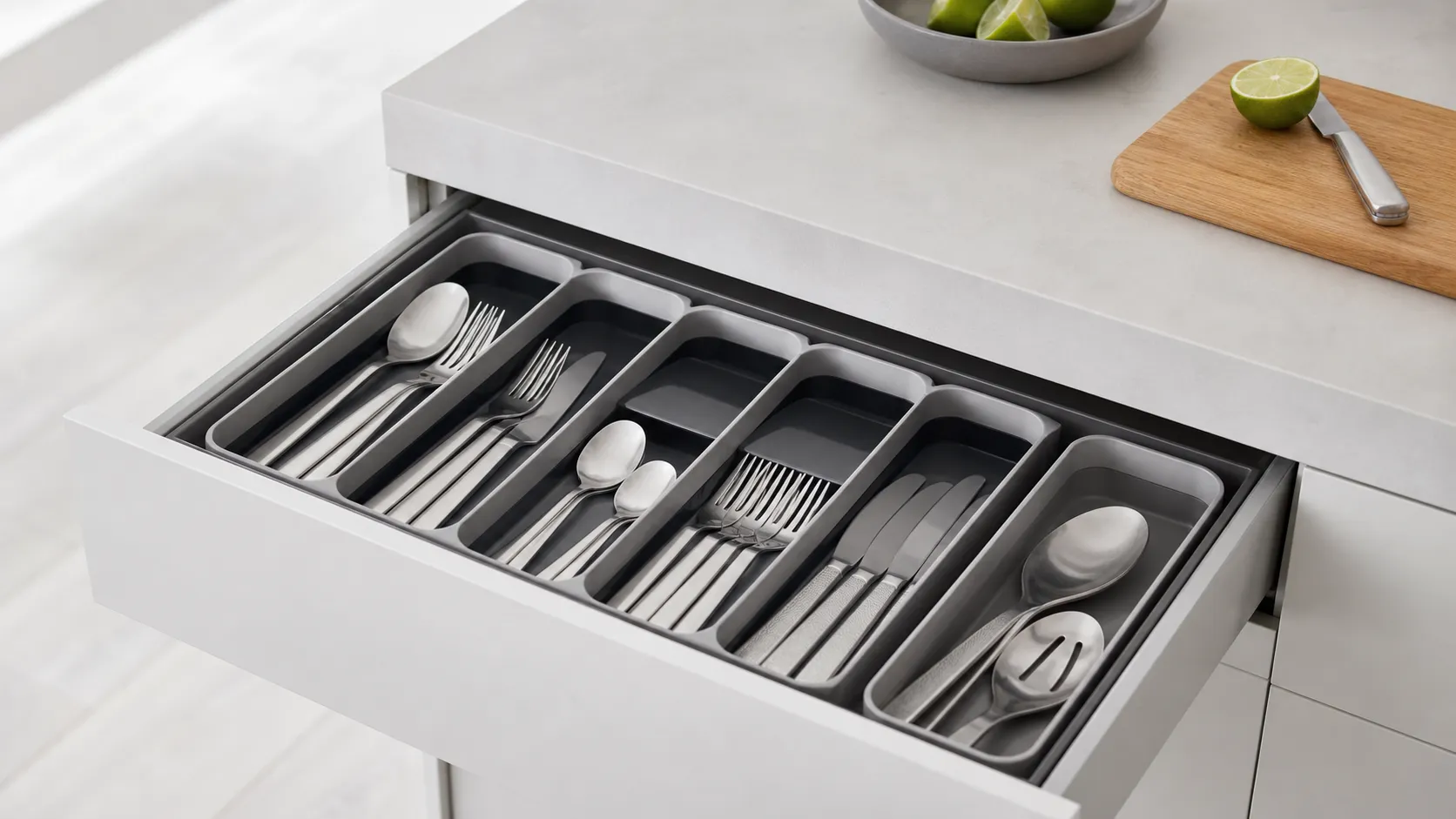
Joseph Joseph DrawerStore Cutlery Organizer Review 2026
A slim, modern cutlery tray that maximizes shallow-drawer space. Great for tidy, small-kitchen organization—measure your drawer first and avoid if you store long utensils.
 Kitchen & Appliances
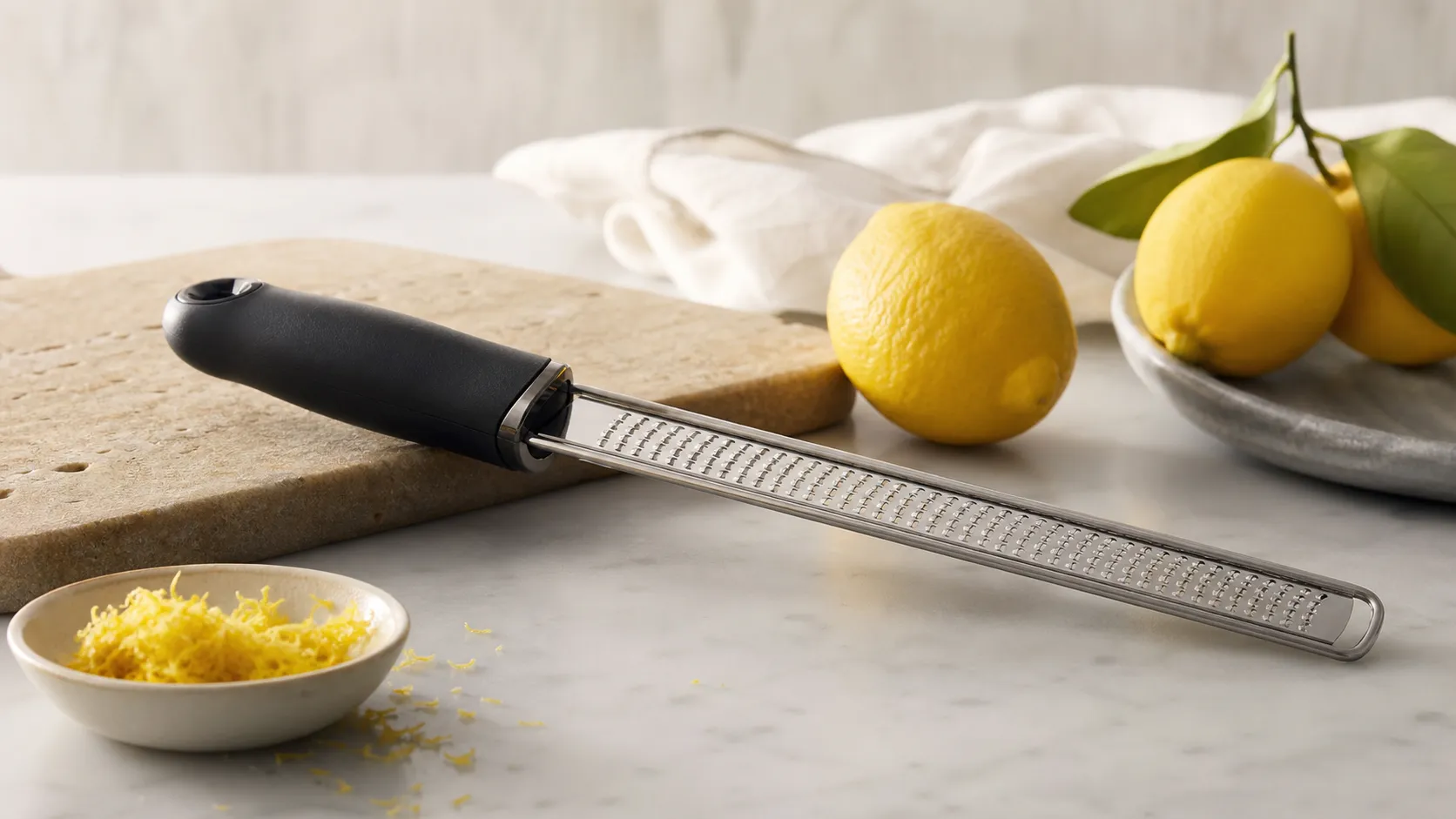
Microplane Premium Classic Zester/Grater — Review 2026
The Microplane Premium Classic is the go-to hand zester for precise, fluffy citrus zest and fine shavings. Sharp, compact, and great value—best for finishing, not bulk grating.