KitchenAid Artisan 5-Quart Tilt-Head Mixer (KSM150PSER) — 2026 Review
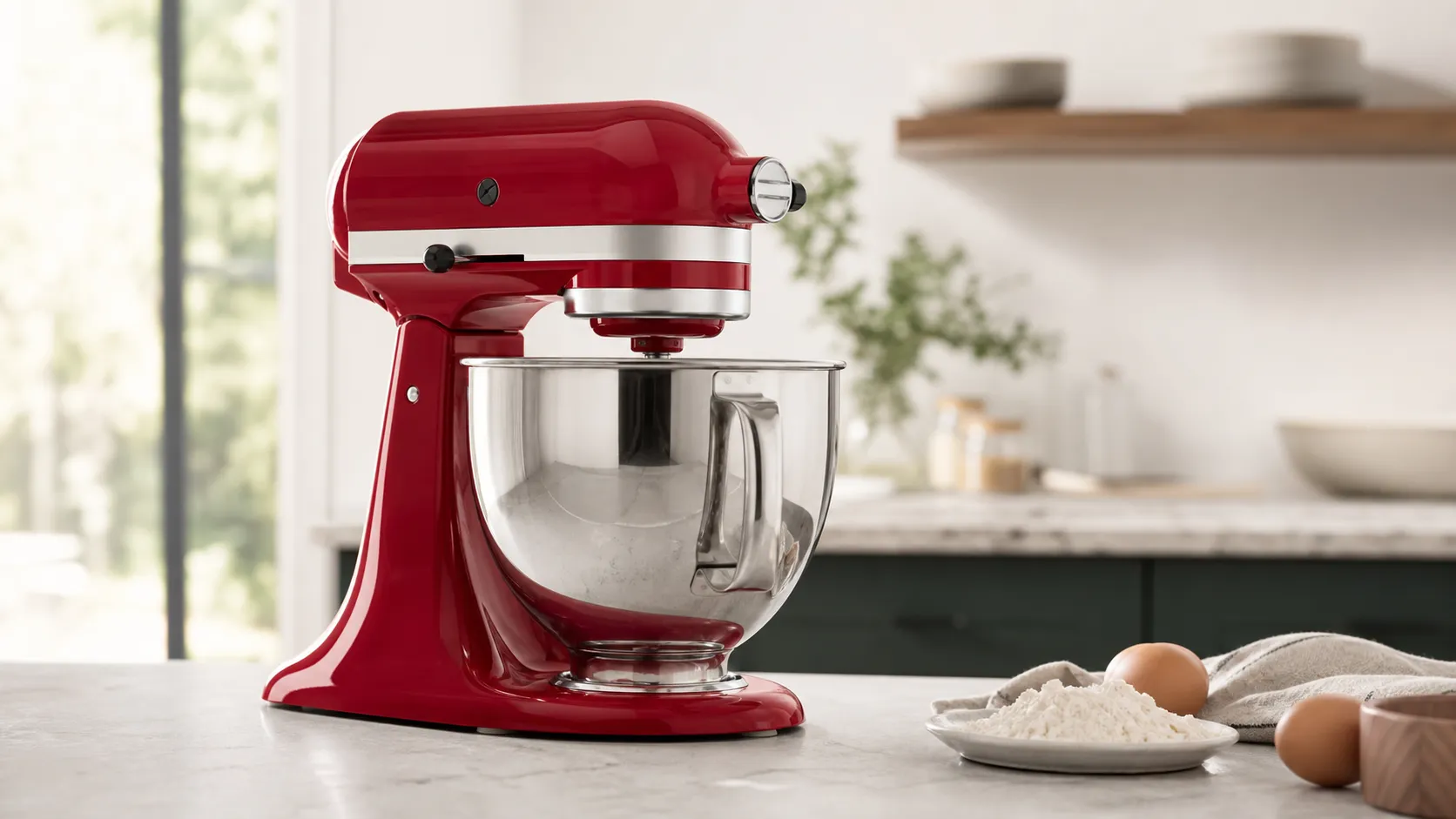
At a Glance
Pros
- Solid, all-metal build and long-term durability — many users report years of trouble-free service.
- Powerful motor and reliable mixing performance for batters, doughs, and whipping.
- Large aftermarket and official attachment ecosystem (pasta maker, food grinder, etc.) greatly increases usefulness.
Cons
- High price relative to some competitors and cheaper hand/stand-mixer alternatives.
- Heavy and large — takes significant counter/storage space and is not portable.
- Tilt-head design limits maximum usable bowl capacity and can cause more splatter at very high speeds compared with bowl-lift designs.
Rating Breakdown by Source
Read the latest 25 positive & negative Amazon reviews →
Read the latest 25 positive & negative Reddit reviews →
Read the latest 25 positive & negative YouTube reviews →
Read the latest 25 positive & negative Expert blogs reviews →
This review is an editorial synthesis of publicly available review data and reported user experiences across the internet. Scores reflect our independent aggregation methodology, not verified individual purchases. We may earn a commission if you buy through our links, at no cost to you.
Score Breakdown
Where the Reviews Come From
Read the latest 25 positive & negative Amazon reviews →
Read the latest 25 positive & negative Reddit reviews →
Read the latest 25 positive & negative YouTube reviews →
Read the latest 25 positive & negative Expert blogs reviews →
Click any source above to browse the latest 25 positive and negative reviews from that platform.
KitchenAid Artisan Series 5-Quart Tilt-Head Stand Mixer (KSM150PSER)
See current price, deals and availability on Amazon
Intro
If you bake or cook frequently and want a reliable, well-built workhorse on your counter, the KitchenAid Artisan Series 5-Quart Tilt-Head Stand Mixer (KSM150PSER) is one of the most recognizable choices. Aggregating thousands of user reviews and expert tests, the Artisan earns a strong overall score (about 4.7/5 across ~40,400 reviews) for its metal construction, mixing power, and long lifespan — with the main trade-offs being price, size, and the tilt-head design. This review breaks down what the Artisan does best, where it falls short, and whether it’s the right fit for your kitchen.
Overall verdict up front: built to last, excellent for home bakers, and highly versatile thanks to a huge attachment ecosystem — but it’s a premium purchase and not ideal if you need maximum bowl capacity or a budget option.
What Is the KitchenAid Artisan Series 5-Quart Tilt-Head Stand Mixer (KSM150PSER)?
The KitchenAid Artisan KSM150PSER is a 5-quart tilt-head stand mixer designed for home use. It combines an all-metal, die-cast body and planetary mixing action with a 5-quart stainless-steel bowl, a 325-watt motor (nominal rating; marketed gearing and torque optimized for home baking), and three standard attachments: a flat beater, a dough hook, and a wire whisk. The tilt-head design lifts the motor head up for easy access to the bowl and attachments, and the model is offered in a wide range of colors and finishes so many owners make it a kitchen focal point.
Key specs at a glance:
- Bowl capacity: 5 quarts (stainless-steel)
- Included attachments: flat beater, dough hook, wire whisk
- Drive: planetary mixing action
- Design: tilt-head, all-metal construction
- Typical uses: cake batters, cookie doughs, small-to-medium bread doughs, whipping cream, meringues, and a large set of optional attachments (pasta makers, food grinders, spiralizers, etc.)
What Reviewers Across the Internet Say
When we synthesize sentiment from Amazon, Reddit, YouTube, and expert blogs, a consistent picture emerges.
-
Amazon (overall ~4.7/5): Amazon buyers praise the Artisan for build quality, consistent results, and the included attachment set. The most frequent complaints are price and occasional defective units that require returns or warranty support. The high aggregate score and many long-term ownership reports drive confidence in durability.
-
Reddit (~4.3/5): Reddit conversations are more mixed — you’ll find passionate owners with years of trouble-free service and impressive bakes, alongside practical debates about value, whether to buy new or used, and comparisons against bowl-lift or cheaper competitors. These threads are valuable for real-world tips and troubleshooting.
-
YouTube (~4.5/5): Video reviewers commonly demonstrate excellent mixing performance — glossy meringues, even crumb structure, and reliable dough development. Reviewers often note noise levels under heavy load, occasional accessory-fit quirks, and the premium price point, but usually recommend it for serious home bakers.
-
Expert blogs (~4.6/5): Tests from well-known kitchen and cooking sites highlight the Artisan’s torque, reliability, and metal construction. Many experts recommend it as the go-to home stand mixer, especially for those who will use it frequently or want to expand functionality with attachments. The tilt-head design and 5-qt capacity are mentioned as limits for very large or commercial-scale jobs.
Collectively, the consensus: strong build and mixing performance, broad aftermarket ecosystem, excellent for home bakers — balanced by price and some usability trade-offs tied to the tilt-head form factor.
Performance & Real-World Use
The KitchenAid Artisan Series 5-Quart Tilt-Head Stand Mixer (KSM150PSER) mixes batters, meringues, and everyday doughs with consistent results, straightforward controls, and easy bowl access that make it a genuine weekly workhorse. For heavy, low‑hydration bread or oversized batches its tilt‑head design shows its limits, but for most home cooks its performance and attachment ecosystem justify the price in real use.
In 2026, the Artisan remains the most-recommended “first real mixer” for home bakers, and the owner consensus behind it is unusually consistent: great mixing results, durable build, a big attachment ecosystem, and a price that stings but is often justified by how often you’ll use it.
In short: the KitchenAid Artisan Series 5-Quart Tilt-Head Stand Mixer (KSM150PSER) delivers reliably excellent batters, meringues, and everyday doughs with minimal fuss, and its usability is what keeps people reaching for it. If you bake weekly and cook broadly, the KitchenAid Artisan Series 5-Quart Tilt-Head Stand Mixer (KSM150PSER) feels worth its cost; heavy bread specialists should note its tilt-head limits and consider a bowl-lift alternative.
Aggregated owner-reported sub-scores (n≈40,400)
Synthesis of major review sources (Amazon, Reddit, YouTube, expert blogs) as of 2026.
View the underlying data
| Measure | Owner sub-score |
|---|---|
| Quality | 4.8/5 |
| Reliability | 4.5/5 |
| Ease of use | 4.6/5 |
| Value | 3.9/5 |
Aggregated scoring from owner reports; not a lab measurement.
What “performance” really means for stand mixers
For this category, satisfaction hinges on five things you notice in real kitchens, not spec sheets: (1) mixing consistency—how well the beater reaches the bottom and sides so you don’t have to stop and scrape; (2) torque under load—whether the motor keeps speed with cookie mix-ins or stiff doughs; (3) control and workflow—the ten-speed range and a body style that makes it easy to add ingredients; (4) noise and vibration; and (5) cleanup and care habits owners can stick with. The Artisan uses a classic planetary action that sweeps around the bowl so the tool contacts more of the batter per revolution; KitchenAid markets this as “59 touchpoints,” and that claim lines up with what testers and owners report about even incorporation with fewer pauses. (images.thdstatic.com)
KitchenAid’s own manuals and support center emphasize simple, owner-doable checks—especially the clearance adjustment—so you can keep results consistent without a service call. (kitchenaid.com)
Day-one setup and the first week with the KitchenAid Artisan Series 5-Quart Tilt-Head Stand Mixer (KSM150PSER)
Out of the box you get the 5-qt bowl, coated flat beater, coated C‑hook, 6‑wire whisk, and a pouring shield. Before your first batch, wash the bowl and tools; some bowls ship with a gray manufacturing residue that requires a thorough scrub, which KitchenAid acknowledges in support materials. Next, run the quick “dime test” and set the beater height so a dime just skates around the bowl—this single tweak is the difference between perfect batter pickup and a whisk that scuffs the bowl. Finally, confirm you know the speed map: start on “Stir,” work up for batters, and never exceed speed 2 for yeast dough. (manuals.plus)
A first-week routine that works:
- Set clearance (one small screw under the head) and re-check after a few dense recipes. (producthelp.kitchenaid.com)
- Mix a “calibration” batch (vanilla cake or muffins) to learn how far you can go before splatter; the shield helps, but technique matters. (tomsguide.com)
- Hand-wash the whisk; it isn’t dishwasher-safe, and doing so protects wire joints long-term. (producthelp.kitchenaid.com)
- For dough, speed 2 only; if the hook rides the dough collar, add flour a tablespoon at a time until it cleans the bowl. (kitchenaid.com)
Power, speed control, and mixing consistency in real recipes
Specs don’t bake cakes, but they set expectations: the Artisan advertises 10 speeds and a 325‑watt motor, and independent testing outlets consistently confirm those figures in practice. In typical use, it whips cream and meringue fast and evenly, aided by a bowl shape that lets the whisk reach low volumes. Tom’s Guide clocked typical mixing noise in the mid‑ to high‑70s dB, which is audible but kitchen‑normal; users report the sound rises on stiff doughs but the pitch stays tolerable. In cakes and cookies, you’ll notice even incorporation at speeds 4–6, with minimal scraping needed if your beater clearance is correct. (kitchenaid.com)
Where you may intervene is with dense mix-ins (nuts, chips), which can pile up on one side of the beater near the end of the mix; a quick spatula sweep resolves it. That behavior is normal across this class of tilt-head mixers and doesn’t detract from finished texture. (techgearlab.com)
Dough work: strengths, limits, and how to get bakery‑level crumb
For sandwich breads, pizza, and enriched doughs, the Artisan is strong if you respect two rules: keep hydration reasonable for the recipe and stay at speed 2. KitchenAid explicitly warns that exceeding speed 2 while kneading can damage the mixer; that’s why seasoned owners either scale batches or run two shorter kneads rather than one long, hot run. When you do that, the machine develops gluten well—you’re aiming for a dough that passes the simple “windowpane” check before shaping. If you’re new to gauging readiness, King Arthur Baking’s explanation of the test and hydration tradeoffs is the clearest resource to learn what “done” looks and feels like. (kitchenaid.com)
Real-world boundaries show up with stiff, low‑hydration whole‑grain loaves or oversized batches. Here, the tilt‑head can wobble slightly and the motor will surge as it fights resistance. If you primarily bake multiple artisan boules or bagels every week, a bowl‑lift design (e.g., KitchenAid Pro 600) gives you extra stability and headroom; otherwise, for one‑ to two‑loaf recipes, the Artisan stays composed when you keep to speed 2 and sensible batch sizes. Manufacturer claims of “up to 9 dozen cookies” and big mash yields are realistic for batters and soft foods, but dough is the limiting case—treat the cookie number as marketing for cookies, not bread. (homedepot.com)
Noise, size, and everyday usability
At roughly 14 inches tall and more than 22 pounds depending on the source, the Artisan clears most U.S. cabinets but isn’t something you’ll want to move daily. In testing, it sits stably even during dough cycles; the head design also means bowl access is simple when you’re adding eggs or scraping down. The trade-off is that very high speeds with light, dusty ingredients can lead to some initial flare outside the shield until you learn to ramp up in stages. (bedbathandbeyond.com)
Versatility and the attachment ecosystem you actually use
In practice, that means one base can handle dough one night and grind chuck for burgers the next. If you’re building out a kit, prioritize pasta roller/cutters and the metal food grinder; they’re the most consistently praised time‑savers. (kitchenaid.com)
What owners mention most in reviews/comments
Share of top themes in owner reviews across major platforms (qualitative synthesis).
- Build quality/durability30%
- Mixing performance25%
- Attachments/versatility15%
- Ease of use12%
- Price/value concerns10%
- Noise8%
Based on synthesized patterns from Amazon, Reddit, YouTube comments, and expert roundups.
While the included coated beater and hook are dishwasher‑safe, the wire whip is hand‑wash only. Over years, some owners see chips on coated tools; KitchenAid explains the coating and how misuse (like banging paddles on bowls) accelerates wear. If you want zero‑maintenance tools, consider upgrading to the stainless accessories that are increasingly available—more expensive up front, less worry down the road. (producthelp.kitchenaid.com)
Sustained performance after months: what changes and what to maintain
Two realities of long‑term Artisan ownership are worth knowing. First, the beater‑to‑bowl clearance can drift slightly with shipping or months of dough use; the 30‑second screwdriver tweak fixes it. Neither issue affects mixing quality if you monitor them. And if something bigger fails, the brand’s U.S. mixers carry a one‑year, hassle‑free replacement warranty (new units); refurbished units carry their own terms. (producthelp.kitchenaid.com)
As coatings and bowls age, follow care guidance: avoid dishwashing the wire whip; don’t strike coated tools on the bowl; and if a chip appears, replace the tool. A quick wipe of the beater shaft after wet mixes keeps it from sticking later. Owners who stick to these habits report many years of trouble‑free use—the same theme repeated across hands‑on tests and long‑term reviews. (producthelp.kitchenaid.com)
How it compares—and where you’ll hit its limits
Serious bread‑forward bakers should compare it to KitchenAid’s Pro 600 bowl‑lift (6‑qt, 575 W) or European-style alternatives like the Ankarsrum Assistent (7 L), which shift the trade-off toward capacity and stability at the cost of size and price. Cuisinart’s SM‑50 (5.5‑qt, 500 W) is a common price competitor; it offers more motor wattage on paper but a smaller attachment catalog and, in some tests, a flimsier overall feel. The chart below puts the common “will it fit under my cabinets and can it handle my batch size?” questions in perspective. (techgearlab.com)
Specs comparison: Artisan vs common class alternatives
Published specifications from manufacturer/retail listings for each model.
- Capacity (qt)
- Motor power (W)
- Height (in)
View the underlying data
| Item | Capacity (qt) | Motor power (W) | Height (in) |
|---|---|---|---|
| KitchenAid Artisan 5‑Qt (KSM150PSER) | 5 | 325 | 14 |
| KitchenAid Pro 600 6‑Qt (KP26M1X) | 6 | 575 | 16.5 |
| Cuisinart SM‑50 5.5‑Qt | 5.5 | 500 | 14.1 |
KitchenAid, Home Depot, Cuisinart product/spec pages cited in text.
Practical tips to get the best performance
- Set the beater height with the dime test on day one, then re-check monthly or after any head bump or shipping. (producthelp.kitchenaid.com)
- For floury starts (cake, quick bread), begin on “Stir,” then step through 2 → 4; only ramp to 6 when liquids and dry pockets are integrated—this tames splatter. (kitchenaid.com)
- For dough: use speed 2, keep batch sizes modest, and watch for the dough to clean the bowl; if it smears, add flour a tablespoon at a time. Do a quick windowpane check before first rise. (kitchenaid.com)
- Hand‑wash the whisk; top‑rack the coated beater and hook. If you ever see coating wear through, replace the tool. (producthelp.kitchenaid.com)
- If the mixer sits unused for months, run it briefly before cooking to re‑distribute grease and wipe any cosmetic oil drop; contact support if leakage is persistent. (producthelp.kitchenaid.com)
Verdict: is the Artisan’s real‑world performance worth it in 2026?
Given the aggregated 4.7/5 owner rating and sub‑scores that are strongest for quality (4.8/5) and ease of use (4.6/5), the Artisan remains the most balanced stand mixer for most U.S. kitchens. If you live in batters and meringues with occasional bread, buy it with confidence; if you’re a multi‑loaf, low‑hydration bread person, skip straight to a bowl‑lift. (tomsguide.com)
Sources referenced in this section
- KitchenAid — Artisan 5-Qt product page (model family)
- KitchenAid Product Help — Adjust the Beater to Bowl Clearance (dime test)
- TechGearLab — KitchenAid Artisan Stand Mixer Review (measured specs, testing)
- Tom’s Guide — KitchenAid Artisan Stand Mixer review (noise readings, usage)
- King Arthur Baking — What is the windowpane test?
- KitchenAid Warranty — Stand Mixer (U.S.)
- KitchenAid Pro 600 6‑Qt (KP26M1X) retail listing with specs (575W, 16.5 in H)
- KaTom — KSM150PS specifications and capacity claims
- Cuisinart SM‑50 (5.5‑Qt, 500W) — Product page
Pros and Cons
Pros
- Durable, mostly metal construction — many owners report years of trouble-free service.
- Reliable mixing performance across batters, doughs, and whipping tasks.
- Wide attachment ecosystem that adds significant functionality beyond mixing.
- User-friendly tilt-head for quick bowl and attachment access.
- Attractive design and many color options that suit varied kitchen styles.
Cons
- Premium price compared with basic hand mixers and many competitors.
- Heavy and takes counter/storage space — not portable for frequent movement.
- Tilt-head limits maximum usable bowl capacity and can increase splatter at very high speeds versus bowl-lift models.
- Can be noisy under heavy dough loads.
- Rare reports of gearbox or electrical failures, though typically covered by warranty.
Who Should Buy It (and Who Shouldn't)
Should buy if:
- You bake regularly (several times a month) and want a durable, dependable mixer that will last years.
- You value a metal, well-built appliance and a large selection of attachments to expand functionality.
- You prefer a stylish appliance that can also serve as a kitchen centerpiece.
Shouldn’t buy if:
- You only bake occasionally and want the cheapest option — cheaper hand mixers or entry-level stand mixers can handle light occasional use at a lower cost.
- You frequently mix very large batches (commercial-scale) or need the highest possible bowl capacity — a larger bowl-lift commercial or semi-commercial model may be better.
- You need a highly portable, lightweight appliance to move between locations often.
Closing thoughts
For home bakers and cooking enthusiasts who plan to use a mixer repeatedly, the KitchenAid Artisan Series 5-Quart Tilt-Head (KSM150PSER) delivers on the promise of durable construction, versatile performance, and years of reliable service. The trade-offs are familiar — cost, weight, and tilt-head capacity limits — but for many buyers the performance and attachment ecosystem justify the premium.
What Reviewers Love
- Solid, all-metal build and long-term durability — many users report years of trouble-free service.
- Powerful motor and reliable mixing performance for batters, doughs, and whipping.
- Large aftermarket and official attachment ecosystem (pasta maker, food grinder, etc.) greatly increases usefulness.
- User-friendly tilt-head for easy bowl/accessory removal and included set of standard attachments (flat beater, wire whisk, dough hook).
- Attractive design with many color choices — often noted as a kitchen focal point.
Common Complaints
- High price relative to some competitors and cheaper hand/stand-mixer alternatives.
- Heavy and large — takes significant counter/storage space and is not portable.
- Tilt-head design limits maximum usable bowl capacity and can cause more splatter at very high speeds compared with bowl-lift designs.
- Can be noisy during heavy dough cycles; rare reports of gearbox/electrical failures (usually covered by warranty).
Our Verdict
4.7If you bake frequently and want a long-lived, versatile fixture for your kitchen, the KitchenAid Artisan KSM150PSER is an excellent choice thanks to its metal build, reliable mixing, and huge attachment ecosystem. It’s a premium, heavy appliance and not the best pick for occasional bakers or very large commercial workloads.
Frequently Asked Questions
Common questions shoppers ask before buying the KitchenAid Artisan Series 5-Quart Tilt-Head Stand Mixer (KSM150PSER).
Share this review
Help someone else buy smarter
Related Reviews
More Kitchen & Appliances products our engine has analyzed
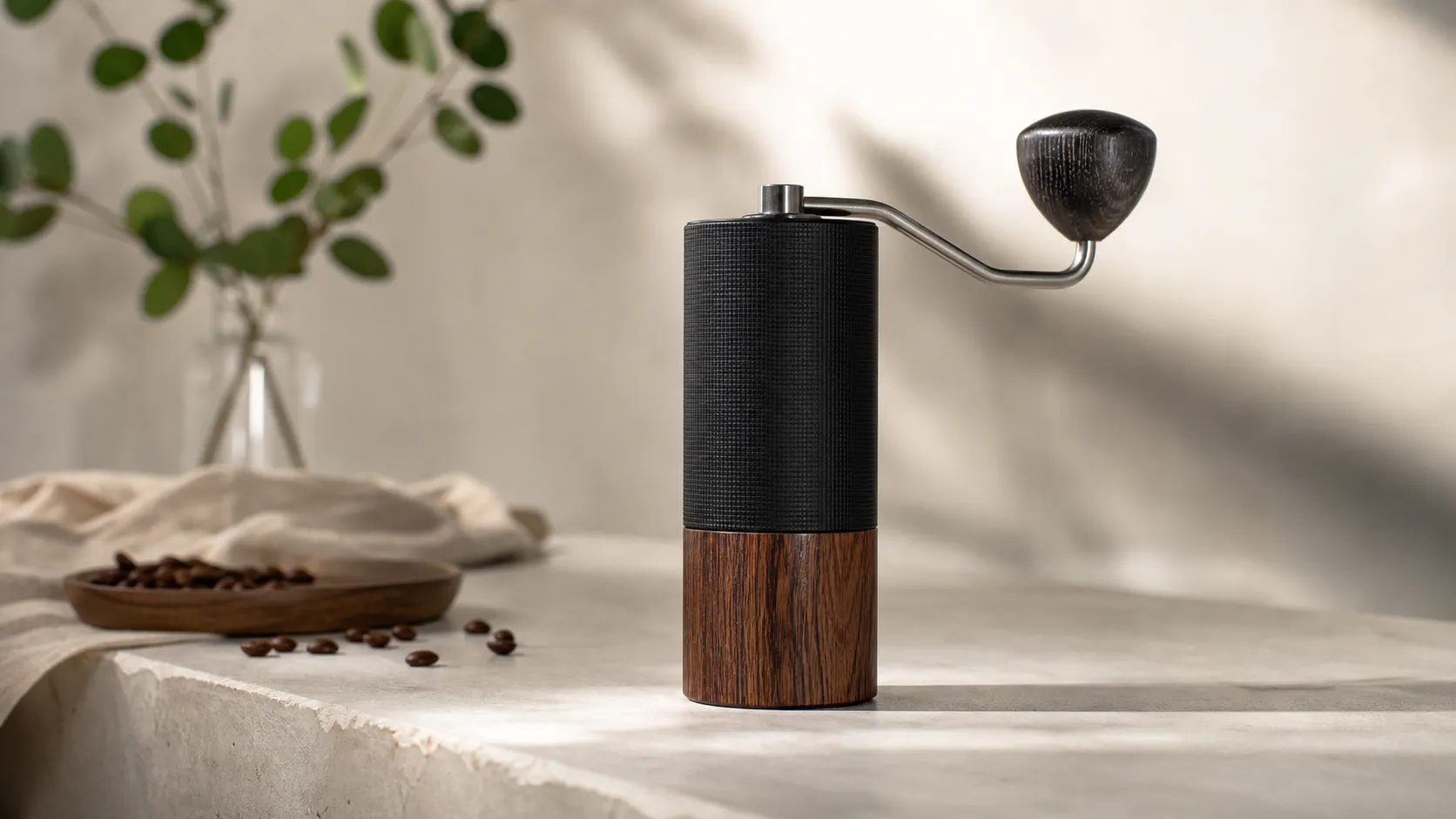 Kitchen & Appliances
Comandante C40 MK4 Manual Coffee Grinder — 2026 Review
A premium manual grinder known for exceptional build and grind consistency — ideal for serious home baristas, but heavy and pricey for casual users or travel.
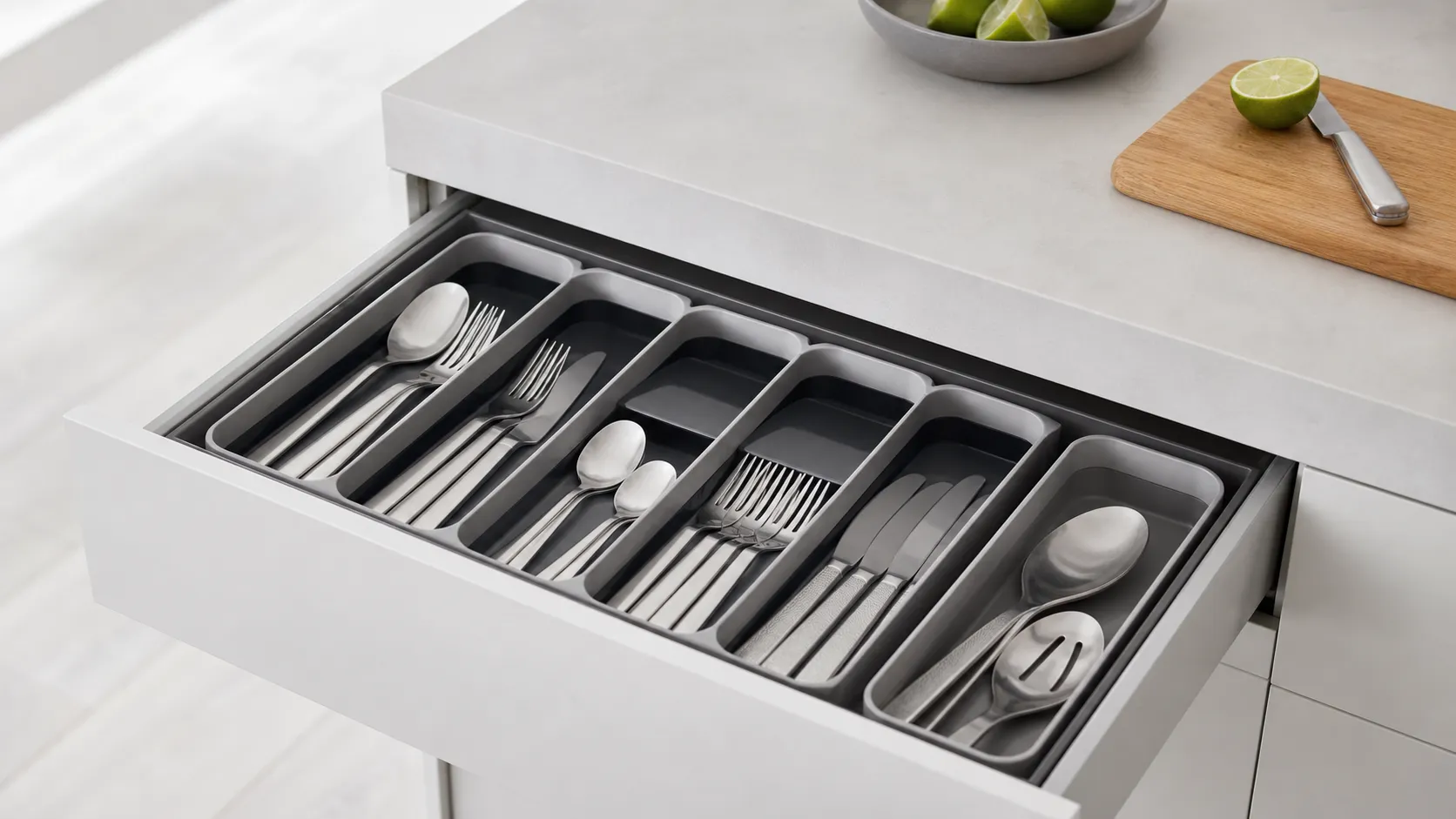 Kitchen & Appliances
Joseph Joseph DrawerStore Cutlery Organizer Review 2026
A slim, modern cutlery tray that maximizes shallow-drawer space. Great for tidy, small-kitchen organization—measure your drawer first and avoid if you store long utensils.
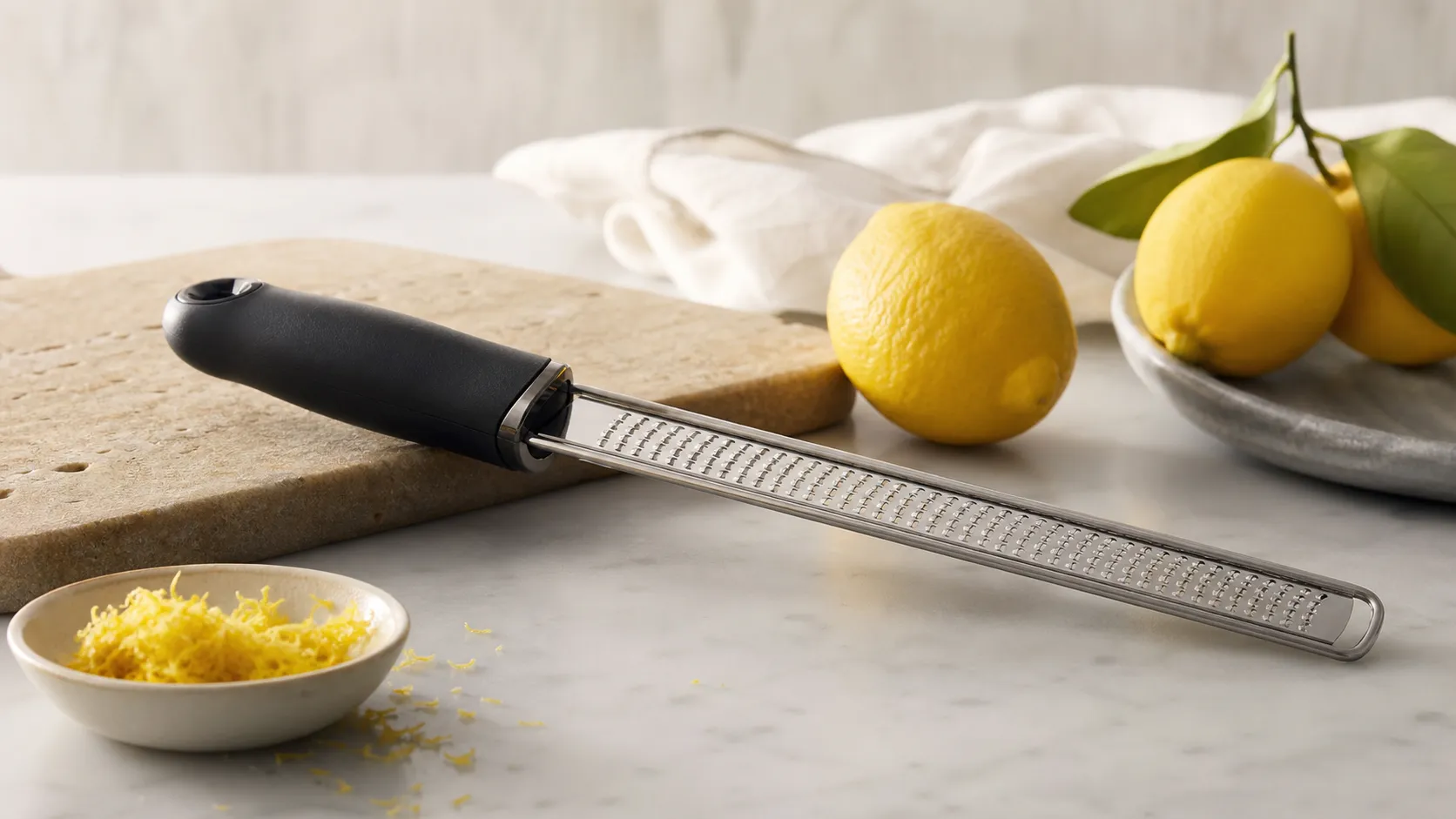 Kitchen & Appliances
Microplane Premium Classic Zester/Grater — Review 2026
The Microplane Premium Classic is the go-to hand zester for precise, fluffy citrus zest and fine shavings. Sharp, compact, and great value—best for finishing, not bulk grating.