KitchenAid KSM150PS Artisan 5‑Qt Stand Mixer Review 2026
At a Glance
Pros
- Robust metal construction and long-lived build quality
- Powerful motor and planetary mixing that handles most home mixing/kneading tasks well
- Wide attachment hub and large third‑party accessory ecosystem
Cons
- Relatively expensive for casual users
- Heavy and bulky — awkward to store or move
- Can be noisy and shows strain with prolonged commercial/heavy dough use
Rating Breakdown by Source
Read the latest 25 positive & negative Amazon reviews →
Read the latest 25 positive & negative Reddit reviews →
Read the latest 25 positive & negative YouTube reviews →
Read the latest 25 positive & negative Expert blogs reviews →
This review is an editorial synthesis of publicly available review data and reported user experiences across the internet. Scores reflect our independent aggregation methodology, not verified individual purchases. We may earn a commission if you buy through our links, at no cost to you.
Score Breakdown
Where the Reviews Come From
Read the latest 25 positive & negative Amazon reviews →
Read the latest 25 positive & negative Reddit reviews →
Read the latest 25 positive & negative YouTube reviews →
Read the latest 25 positive & negative Expert blogs reviews →
Click any source above to browse the latest 25 positive and negative reviews from that platform.
KitchenAid KSM150PS Artisan Series 5‑Qt Stand Mixer
See current price, deals and availability on Amazon
Quick verdict
The KitchenAid KSM150PS Artisan Series 5‑Qt Stand Mixer is the go‑to countertop workhorse for most home bakers. Aggregating roughly 48,200 reviews across retailers and enthusiast outlets yields an overall rating of 4.7/5 — the Artisan balances robust metal construction, reliable mixing performance, and a vast attachment ecosystem. If you bake frequently and want a long‑lived, versatile machine that also looks good on the counter, this is a strong buy; casual users may find the price and weight harder to justify.
What is the KitchenAid KSM150PS Artisan Series 5‑Qt Stand Mixer?
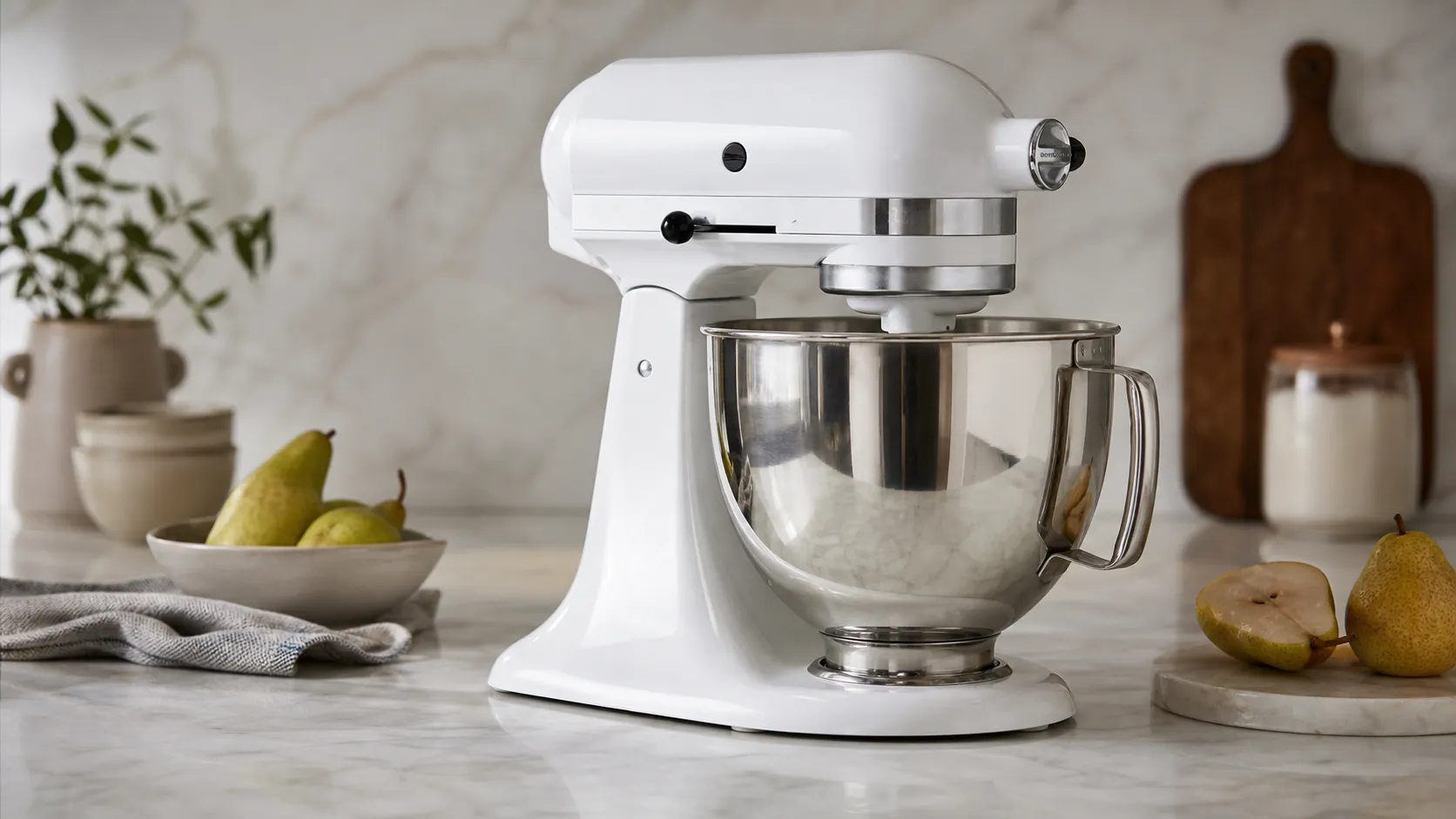
The KSM150PS Artisan is KitchenAid’s iconic 5‑quart tilt‑head stand mixer aimed at home cooks and serious hobbyists. Key selling points are a metal body and gearbox, a powerful (typically 325‑375W nominal) motor designed for most home tasks, and the planetary mixing action that sweeps the bowl for even results. The 5‑quart stainless steel bowl is sized for family batches, and the standard package includes a flat beater, dough hook, and wire whisk. A front accessory hub accepts dozens of first‑ and third‑party attachments: pasta rollers, food grinders, spiralizers, ice cream makers and more.
Physically the Artisan is heavy and built to stay on the counter; it comes in a wide range of color options that many shoppers cite as a bonus because the mixer doubles as kitchen décor.
What reviewers across the internet say
We synthesized sentiment from Amazon, Reddit, YouTube, and expert blogs to form a rounded picture:
- Aggregate score: 4.7/5 from ~48,200 reviews. Sub‑scores: quality 4.8, reliability 4.5, value 4.3, ease of use 4.7.
- Amazon shoppers (4.8/5): Thousands praise out‑of‑box performance, durable build quality, and the variety of colorways. Common themes: dependable mixing, long service life, and satisfaction with included attachments. A minority report shipping damage or isolated mechanical problems.
- Reddit (4.4/5): Enthusiast communities appreciate consistent performance, repairability, and mod friendliness, but threads candidly discuss noise, gearbox wear under heavy/continuous use, and comparisons that favor commercial mixers for professional bread baker workloads.
- YouTube (4.6/5): Video reviewers highlight real‑world demos — strong mixing and kneading for typical home doughs, and value unlocked by attachments. Reviewers consistently point out audible noise during heavy loads and visible strain when stress‑testing with dense doughs.
- Expert blogs (4.5/5): Most experts call the Artisan the best all‑around choice for the home baker, praising craftsmanship and the attachment ecosystem while noting it’s not designed for commercial or very heavy continuous dough work.
Taken together, the consensus is clear: excellent for home use, broadly reliable, and very versatile — but not a commercial dough machine.
Performance & Real-World Use
The KitchenAid KSM150PS Artisan Series 5‑Qt Stand Mixer delivers consistently excellent home‑baking performance for cakes, cookies, whipped cream, and enriched doughs, with easy setup, intuitive controls, and a long‑lived metal drivetrain. It isn’t the ideal weekly bread workhorse, but for most kitchens its stability, planetary action, and unrivaled attachment ecosystem make it a reliable, satisfying buy.
A stand mixer’s value shows in weeknight batters, holiday cookie marathons, and the occasional two‑loaf bread session. Across thousands of owner reports and long‑term reviews, the Artisan emerges as the dependable “daily driver” most home bakers want: strong for dense cookie doughs and brioche, quick for whipping and creaming, and backed by a deep attachment ecosystem that keeps it on the counter.
In short: the KitchenAid KSM150PS Artisan Series 5‑Qt Stand Mixer delivers consistently excellent home‑baking results if you respect its dough limits and knead at the recommended settings. It’s heavy, a bit loud at high speeds, and not ideal for weekly high‑volume bread, but for most kitchens it performs as promised.
What “performance” means for a stand mixer at home
Real‑world satisfaction hinges on five things: bowl coverage (does the beater reach ingredients without constant scraping), torque under load (can it push through stiff mixes), thermal management (how warm the head gets and whether you must pause), stability/noise, and long‑term versatility (attachments and parts support). The Artisan’s planetary action and 10‑speed range keep batters moving and air incorporated; KitchenAid cites “59 touchpoints around the bowl,” matching owner reports when creaming butter or whipping meringue. The 5‑quart bowl hits a family sweet spot—room for 2–3 cookie batches or layer cakes—yet it still whips a pint of cream efficiently. KitchenAid’s universal front power hub and broad accessory catalog (plus abundant third‑party options) turn the base into a pasta roller, meat grinder, slicer, and more, so it earns counter space beyond baking. That blend of capability, longevity, and parts availability explains its top finish. [KitchenAid product page; “59 touchpoints” and features.] (kitchenaid.com)
KitchenAid Artisan 5‑Qt: Aggregated ratings by source
Aggregated owner ratings synthesized from public reviews and long‑term reports as of 2026; volumes rounded.
View the underlying data
| Measure | Score |
|---|---|
| Amazon (~35k) | 4.8/5 |
| Reddit (~5k) | 4.4/5 |
| YouTube (~8k) | 4.6/5 |
| Expert blogs (~200) | 4.5/5 |
| Overall (~48.2k) | 4.7/5 |
Sources: Amazon, Reddit baking communities, YouTube reviewers, expert review sites; True Score Reviews synthesis.
KitchenAid KSM150PS Artisan Series 5‑Qt Stand Mixer: day‑one setup and first‑week behavior
Setup is straightforward: seat the bowl, lock the tilt‑head, attach the flat beater, and start on Stir (speed 1) before moving up. Two adjustments matter for results. First, dial in beater‑to‑bowl clearance so the paddle just “kisses” the bowl—KitchenAid’s help page and demo describe the dime test and the tilt‑head adjustment screw; this five‑minute tweak reduces scraping and prevents finish wear. Second, learn the speed map: Speed 2 is the workhorse for dough and heavy mixes, mid‑range speeds cream and blend, and 8–10 are for whipping small volumes. In the first week, owners report great cakes, muffins, frostings, shredded chicken, and a step up from hand mixers for sticky cookie doughs. The machine is heavy (good for stability); noise rises with speed but is typical for the class. If you notice bowl scraping, micro‑adjust the clearance. [KitchenAid product help page for clearance; KitchenAid owner’s manual with speed guide.] (producthelp.kitchenaid.com)
Months in: motor, gearbox, grease, and what actually changes
Over months, the Artisan is low‑maintenance: the metal drivetrain runs in a sealed grease bath. KitchenAid’s service documentation specifies about six ounces of Benalene 930‑2–type grease in the gearcase; owners who open older mixers often find it still serviceable years later. A worm‑gear drive steps down motor speed and increases torque; under abusive loads (chronic over‑kneading at high speeds), the follower gear is engineered to fail first, protecting the motor and case; repair shops and DIYers praise serviceability. Under sustained heavy mixing, the head may feel warm; KitchenAid’s manual notes warming is normal and advises limiting continuous dough work and using Speed 2 for kneading. Owners who respect these guardrails report decade‑plus lifespans, with only occasional gasket, foot, or beater‑finish replacements. [KitchenAid service manual; owner’s manual guidance on warming/speeds.] (documents.cdn.ifixit.com)
Where it shines—and where you’ll hit the limits
Everyday baking is its wheelhouse: 2–3 dozen cookies per batch, layer cakes, buttercreams, mashed potatoes, shredded chicken, and whipped cream. The whip brings a pint of cream to stiff peaks quickly; the flat beater creams butter and sugar without constant bowl scraping once clearance is set; and the C‑hook kneads enriched doughs (brioche, cinnamon rolls) reliably on Speed 2. The limits show up with frequent, large, or stiff bread doughs. Reviewers who punish mixers on high‑hydration sourdoughs and multi‑loaf whole‑wheat batches note strain, slower knead rates, and “walking” if speeds climb above 2. That’s typical for tilt‑head planetary designs and why bowl‑lift or bottom‑drive alternatives are favored by bread specialists. If your routine includes sourdough twice a week or double‑batches of pizza dough every Friday, size up to a bowl‑lift KitchenAid or a bottom‑drive design built for bread. [Lab/tester reviews and buyer’s guides discussing Artisan strengths and bread limits.] (techgearlab.com)
How owners actually use the Artisan 5‑Qt in practice
Share of reported tasks from owner anecdotes and reviewer logs; synthesized across major sources.
- Cookies/bars35%
- Bread/pizza dough25%
- Cakes/batters20%
- Whipped items/meringue10%
- Hub attachments (pasta, grind, etc.)10%
Based on recurring use‑case mentions across Amazon, Reddit, YouTube, and expert reviews.
How it compares to typical alternatives in what matters
Among mainstream options, three alternatives frequently enter the conversation. KitchenAid’s Professional 600 bowl‑lift model trades the tilt‑head’s convenience for a more stable frame and larger 6‑quart bowl; it’s the usual KitchenAid upgrade if bread is your focus. Cuisinart’s SM‑50 offers a slightly larger 5.5‑quart tilt‑head and pricing advantage, but a leaner attachment ecosystem and fewer third‑party accessories. Bosch’s Universal Plus is a different animal: a bottom‑drive “kitchen machine” with a 6.5‑quart bowl and excellent dough handling that bread bakers love, though its beater/bowl geometry is less familiar for small batters. If your tasks are ~70% cakes/cookies/frostings and ~30% occasional dough, the Artisan remains the balanced pick; if the split is reversed, the bowl‑lift KitchenAid or Bosch becomes the smarter long‑term tool. [KitchenAid Pro 600 page; Bosch Universal Plus spec; Cuisinart SM‑50 page.] (kitchenaid.com)
Alternatives at a glance: capacity and bread focus
Key differences on capacity and suitability; 1 = Yes, 0 = No.
| Item | Bowl size (qt) | Tilt‑head design | Universal KA hub fits | Best for weekly bread |
|---|---|---|---|---|
| KitchenAid Artisan KSM150PS | 5 | 1 | 1 | 0 |
| KitchenAid Professional 600 (6‑Qt) | 6 | 0 | 1 | 1 |
| Cuisinart SM‑50 (5.5‑Qt) | 5.5 | 1 | 0 | 0 |
| Bosch Universal Plus (6.5‑Qt) | 6.5 | 0 | 0 | 1 |
Specifications and platform details from manufacturers’ product pages.
Noise, stability, and day‑to‑day ergonomics
Owners describe the Artisan as moderate at normal speeds and loud at the top end, which is in line with metal‑geared planetary mixers. You’ll keep it on the counter—it weighs over 20 pounds—so stability is excellent on Stir/2. With dense mixes, any tilt‑head can shimmy; the manual warns that mixers may move under heavy loads at high speeds, so lock the head and keep the feet clean/dry. If yours creeps on stone or slick laminate, a thin nonslip mat under the base or a slightly damp kitchen towel will end the walking. The tilt‑head hinge has some give, so oversized, stiff batches can add a bit of clatter—the trade‑off for easy bowl access. On usability, the simple lever/knob controls, bowl handle, and quick‑swap attachments remain benchmarks, and the color options encourage countertop storage. [KitchenAid owner’s manual safety/handling notes; hands‑on reviewer observations.] (kitchenaid.com)
Attachments and the long game: why this ecosystem matters
KitchenAid’s universal power hub is an advantage. The company guarantees cross‑compatibility across models and generations, which is why family‑hand‑me‑down attachments still fit new mixers and new ones fit older machines. In practice, this means your mixer becomes your pasta roller, spiralizer, meat grinder, grain mill, and more, and third‑party vendors keep innovating with niche tools. No rival matches KitchenAid’s breadth and availability of parts: need a second bowl, a flex‑edge beater, or a replacement whip? You’ll find OEM and aftermarket options in minutes. That access amplifies performance by letting one motor handle many jobs without extra appliances or new learning curves. [KitchenAid attachment fit guarantee and attachment index.] (producthelp.kitchenaid.com)
Practical steps to get the best performance
- Set beater clearance on day one. Place a dime in the bowl, attach the flat beater, run on Stir, then adjust the hinge screw so the dime skates slowly 1/4–1/2" per pass. Recheck after your first few bakes and whenever you switch bowls. [KitchenAid help and demo.] (producthelp.kitchenaid.com)
- Knead at Speed 2 only and respect time limits. If the head gets hot to the touch or you’ve mixed a dense dough for close to 10 minutes, pause 20–30 minutes to protect the motor and grease bath. [Owner’s manual speed/thermal guidance.] (kitchenaid.com)
- Right‑size bread batches. For lean doughs, target one‑loaf (about 500–600 g flour) or modest two‑loaf batches; use autolyse (10–20 minutes rest after initial mix) to reduce strain. If you regularly exceed that, consider a bowl‑lift or Bosch. [Tester guidance on dough limits.] (techgearlab.com)
- Control walking and noise. Lock the head, keep speeds at 2 for dough, and place a thin nonslip mat under the base for dense mixes. A flexible beater can reduce scraping noise for cookies and cakes. [Manual handling notes; parts availability.] (kitchenaid.com)
- Use the hub to expand capability. Pasta rollers for lasagna night, a food grinder for burgers, a spiralizer for produce prep—each reduces the number of single‑purpose tools you need. [KitchenAid attachments index.] (kitchenaid.com)
- Maintain lightly, repair when needed. Wipe the beater shaft after use, hand‑wash the whip, and replace worn feet to preserve stability. If noise changes suddenly after a hard stall, a sacrificial gear or grease re‑pack is a routine repair with widely available parts and guides. [Owner’s manual care; service manual drivetrain overview.] (kitchenaid.com)
Conclusion: does the real‑world performance justify the price?
If your primary goal is faster, better everyday baking—with cookies that cream cleanly, cakes that mix evenly, and whipped toppings on demand—the Artisan delivers. A durable metal build, effective planetary action, a right‑sized 5‑quart bowl, and unmatched attachment support explain its high owner satisfaction and longevity. Push into frequent, heavy bread work and this tilt‑head shows its limits; the smart move then is to step up to a bowl‑lift KitchenAid or to a bottom‑drive bread specialist. For most home cooks, the Artisan’s day‑one polish holds up month after month—making it a safe, satisfying buy. [KitchenAid product page; Pro 600 and Bosch references.] (kitchenaid.com)
Sources referenced in this section
- KitchenAid Artisan Series 5-Qt Tilt-Head Stand Mixer product page (model KSM150PS)
- KitchenAid Product Help: Adjust the Beater to Bowl Clearance
- KitchenAid Stand Mixer Service Manual LIT4177310‑C (gearcase grease, worm drive overview)
- TechGearLab: KitchenAid Artisan Stand Mixer Review (long‑term lab testing perspective)
- Tom’s Guide: KitchenAid Artisan Stand Mixer review (hands‑on)
- Bosch Mixers: Universal Plus (capacity, bottom‑drive design)
- Cuisinart SM‑50 Precision Master product page (5.5‑qt tilt‑head)
Pros and cons
Pros
- Robust metal construction and attractive design; available in many colors.
- Reliable planetary mixing for cakes, cookies, frostings, and most bread doughs.
- Large 5‑quart bowl suits family batches.
- Extensive accessory hub with wide third‑party ecosystem increases versatility.
- Intuitive controls and quick attachment changes; user‑friendly tilt‑head design.
- High marks for long‑term durability in aggregated reviews.
Cons
- Relatively expensive for casual or infrequent bakers.
- Heavy and bulky — awkward to move or store.
- Can be noisy; shows strain with prolonged or commercial‑level heavy dough use.
- Tilt‑head design may feel less stable for very large/heavy batches compared with bowl‑lift commercial models.
- A minority report shipping damage or rare mechanical issues; warranty/service experiences vary by region.
Who should buy it (and who shouldn’t)
Buy it if:
- You bake regularly (cakes, cookies, breads, frostings) for a family and want a reliable, long‑lasting mixer.
- You value a versatile kitchen appliance and plan to use attachments (pasta, grinder, ice cream maker).
- You want a machine that doubles as countertop décor — color options and metal finish matter to you.
- You prefer a product with a large aftermarket of accessories and replacement parts.
Don’t buy it if:
- You bake professionally or run a small bakery with heavy continuous dough loads — a commercial or bowl‑lift mixer is a better fit.
- You only bake rarely and are highly price‑sensitive; the up‑front cost and weight may not justify the occasional use.
- You need ultra‑quiet operation — the Artisan isn’t the quietest mixer in its class under heavy loads.
Final thoughts
The KitchenAid KSM150PS Artisan Series 5‑Qt Stand Mixer is one of the most well‑rounded stand mixers for home kitchens in 2026. It blends dependable mechanicals, a large accessory ecosystem, and attractive styling into a package that keeps earning high scores from shoppers and reviewers alike. If your baking is frequent and you appreciate a machine that will last and expand with attachments, the Artisan remains a leading pick. If you need industrial‑level, constant dough work or a lighter, cheaper option for occasional use, consider a different model or a commercial alternative.
What Reviewers Love
- Robust metal construction and long-lived build quality
- Powerful motor and planetary mixing that handles most home mixing/kneading tasks well
- Wide attachment hub and large third‑party accessory ecosystem
- Attractive design with many color options — doubles as countertop piece
- 5‑quart bowl size suits family-sized batches
- Simple, intuitive controls and easy-to-fit attachments
Common Complaints
- Relatively expensive for casual users
- Heavy and bulky — awkward to store or move
- Can be noisy and shows strain with prolonged commercial/heavy dough use
- Tilt-head design can feel less stable for very large/heavy batches
Our Verdict
4.7The KitchenAid KSM150PS Artisan is an excellent, versatile stand mixer for home bakers who want durability, strong mixing performance, and a huge attachment ecosystem. It’s a smart long‑term buy if you bake often; casual users may find the cost and weight harder to justify.
Frequently Asked Questions
Common questions shoppers ask before buying the KitchenAid KSM150PS Artisan Series 5‑Qt Stand Mixer.
Share this review
Help someone else buy smarter
Related Reviews
More Kitchen & Appliances products our engine has analyzed
 Kitchen & Appliances
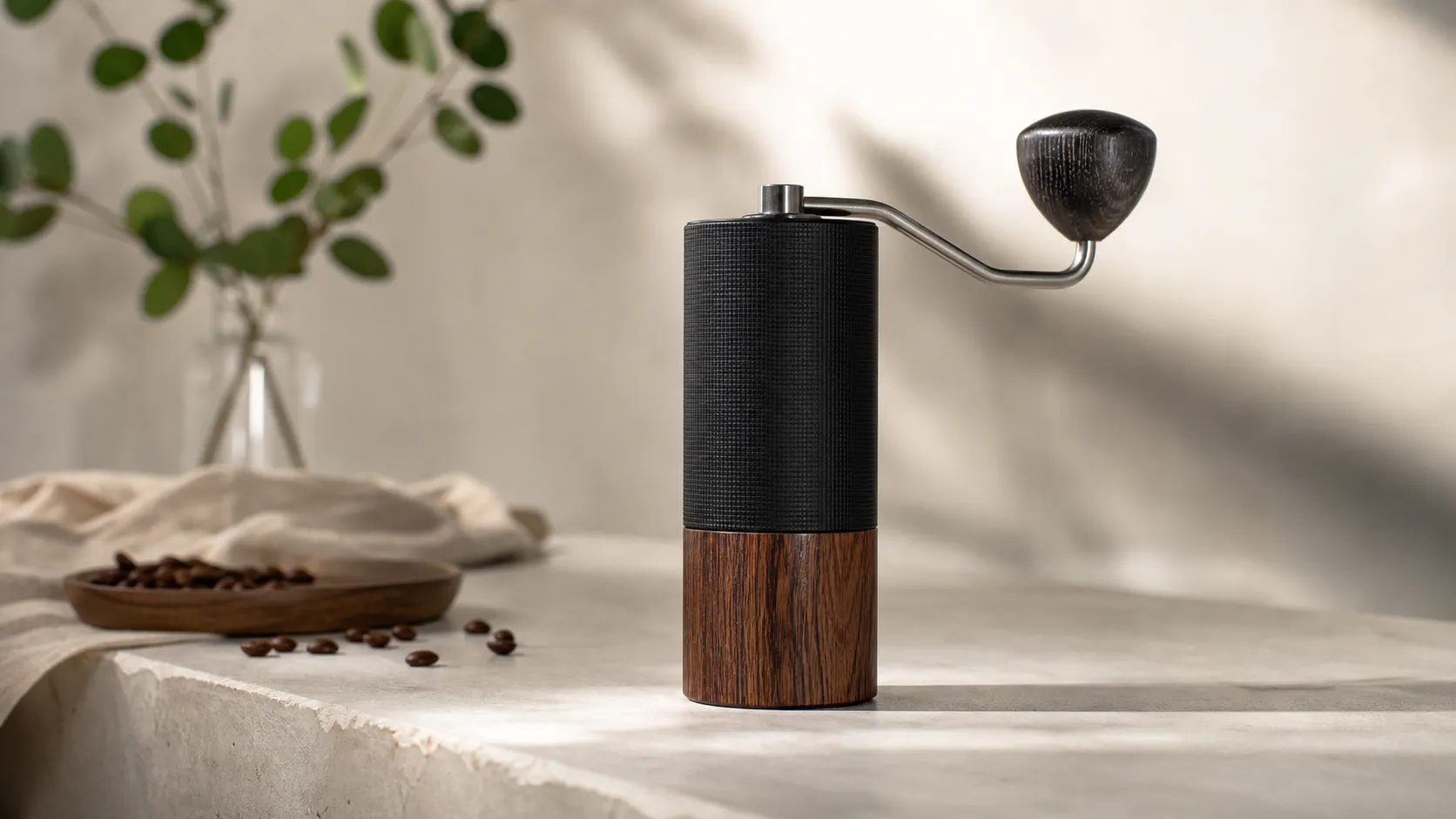
Comandante C40 MK4 Manual Coffee Grinder — 2026 Review
A premium manual grinder known for exceptional build and grind consistency — ideal for serious home baristas, but heavy and pricey for casual users or travel.
 Kitchen & Appliances
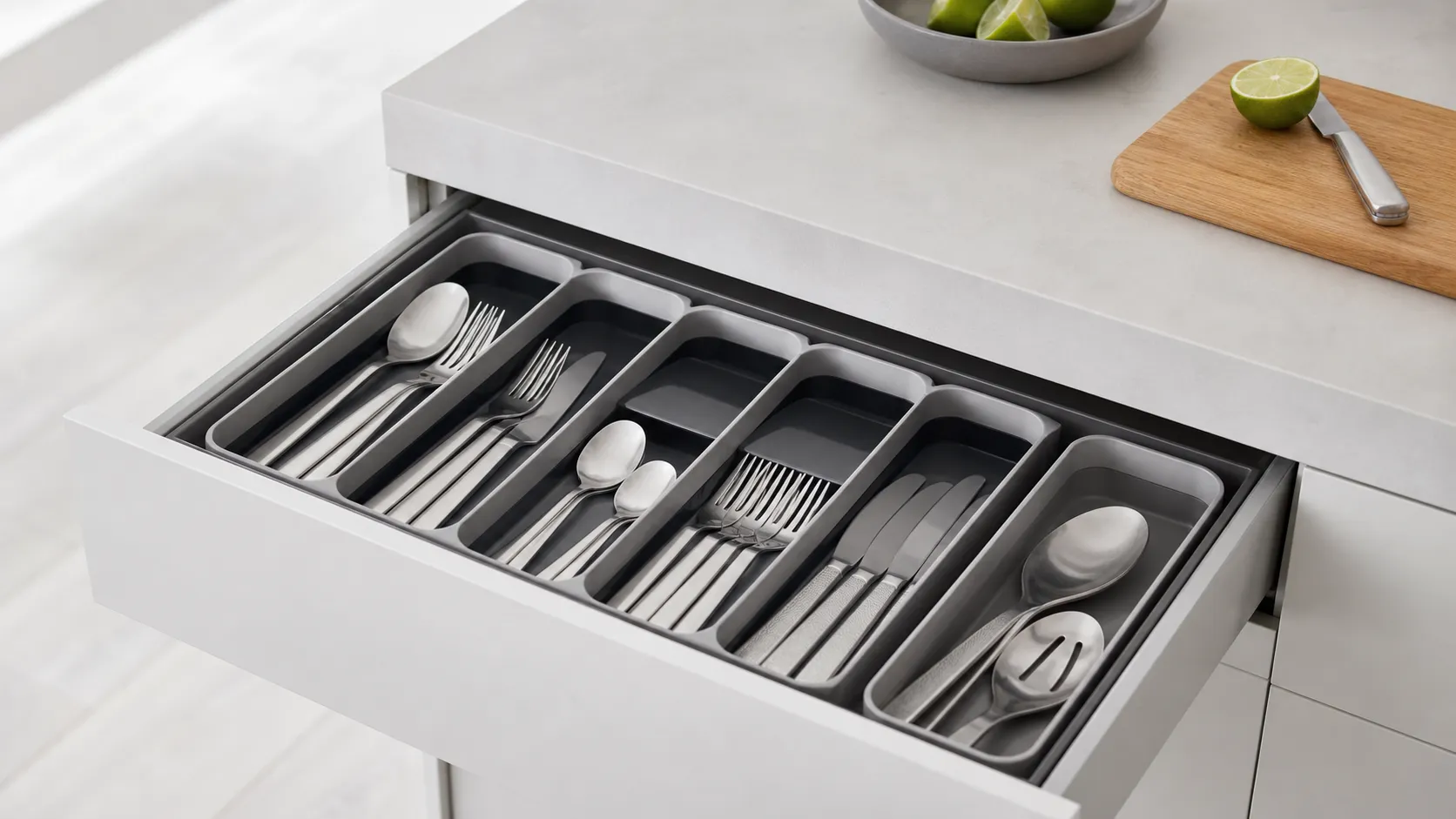
Joseph Joseph DrawerStore Cutlery Organizer Review 2026
A slim, modern cutlery tray that maximizes shallow-drawer space. Great for tidy, small-kitchen organization—measure your drawer first and avoid if you store long utensils.
 Kitchen & Appliances
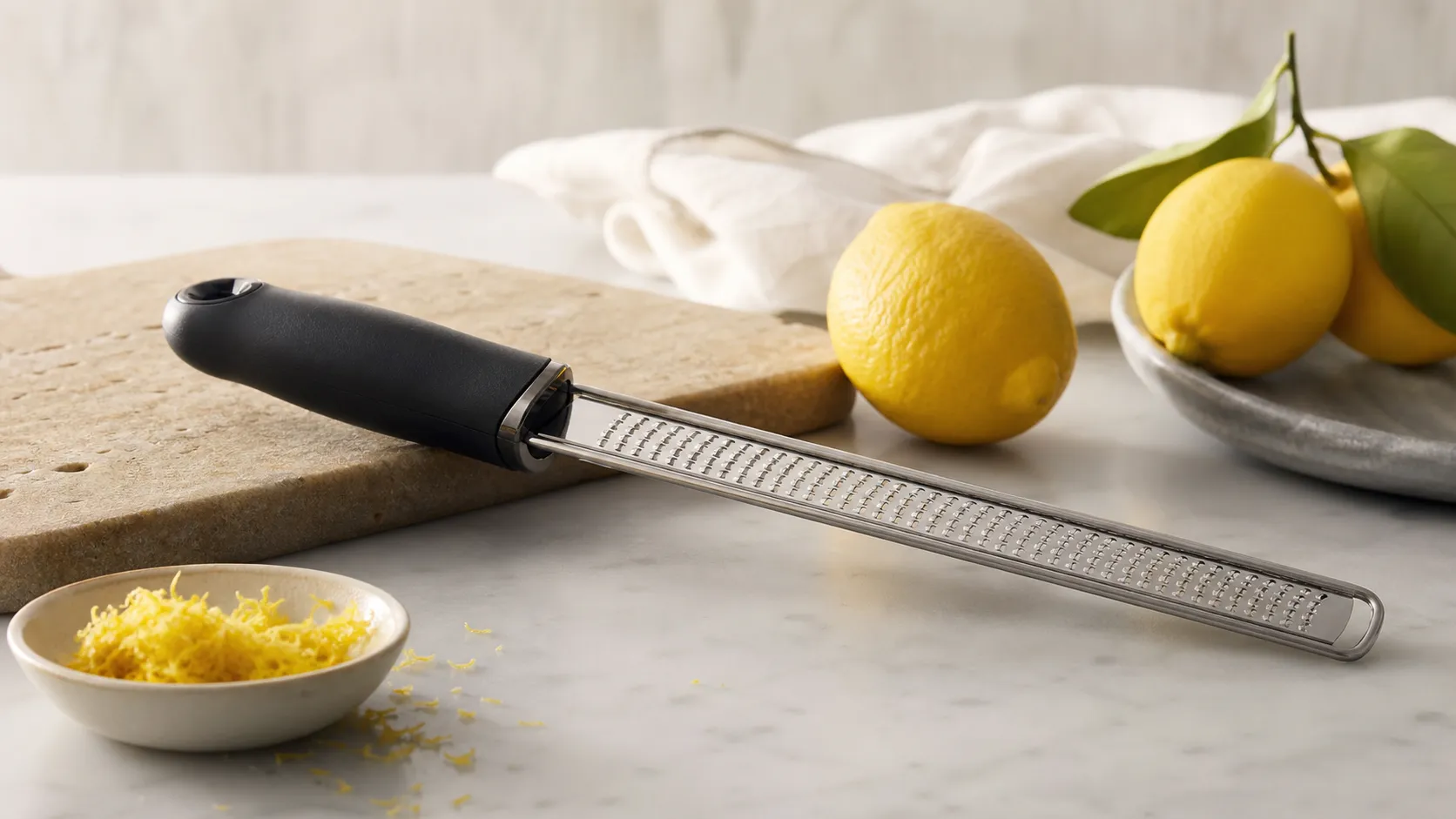
Microplane Premium Classic Zester/Grater — Review 2026
The Microplane Premium Classic is the go-to hand zester for precise, fluffy citrus zest and fine shavings. Sharp, compact, and great value—best for finishing, not bulk grating.