KitchenAid KSM150PSER Artisan 5‑Qt Stand Mixer Review 2026
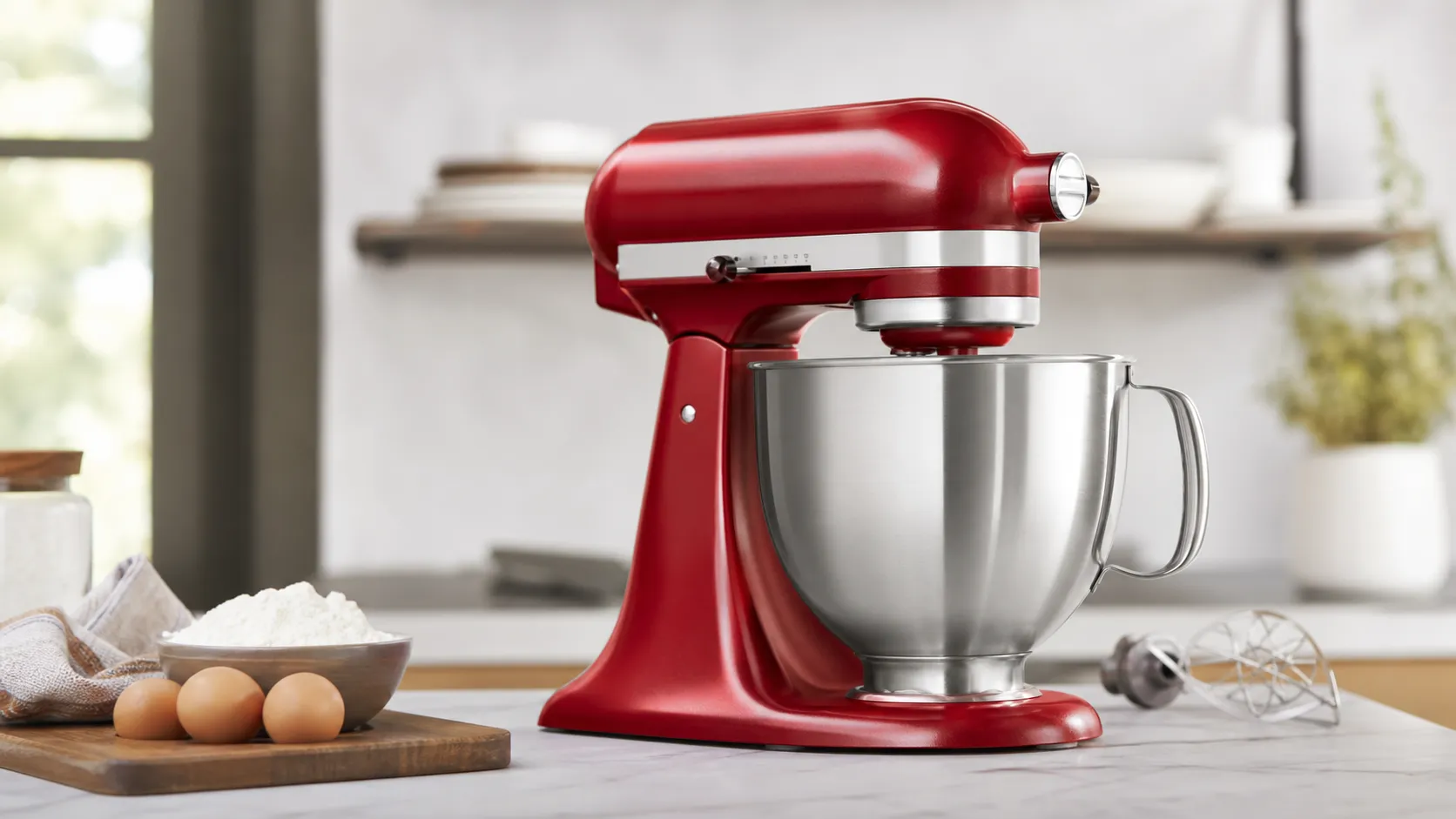
At a Glance
Pros
- Solid perceived build quality and iconic, attractive design (many colors available).
- Versatile — power hub supports many attachments (pasta, grinder, spiralizer, ice-cream maker, etc.).
- Good performance for whipping, cakes, cookies, and moderate doughs; consistent mixing action.
Cons
- Can struggle with very stiff/heavy bread doughs — users warn against prolonged high-load kneading.
- Tilt-head design limits very large batches and can make some add-ins awkward to add while mixing.
- Occasional quality-control / DOA reports and some users cite slow or frustrating customer-service experiences.
Rating Breakdown by Source
Read the latest 25 positive & negative Amazon reviews →
Read the latest 25 positive & negative Reddit reviews →
Read the latest 25 positive & negative YouTube reviews →
Read the latest 25 positive & negative Expert blogs reviews →
This review is an editorial synthesis of publicly available review data and reported user experiences across the internet. Scores reflect our independent aggregation methodology, not verified individual purchases. We may earn a commission if you buy through our links, at no cost to you.
Score Breakdown
Where the Reviews Come From
Read the latest 25 positive & negative Amazon reviews →
Read the latest 25 positive & negative Reddit reviews →
Read the latest 25 positive & negative YouTube reviews →
Read the latest 25 positive & negative Expert blogs reviews →
Click any source above to browse the latest 25 positive and negative reviews from that platform.
KitchenAid KSM150PSER Artisan Series 5‑Qt Stand Mixer
See current price, deals and availability on Amazon
The KitchenAid KSM150PSER Artisan Series 5‑Qt stand mixer feels like the appliance everyone talks about for a reason: it balances everyday power, a huge attachment ecosystem, and an iconic look that sits proudly on the counter. Our aggregated look across nearly 28,000 reviews finds it excellent for home bakers who want a reliable, versatile machine for cakes, frostings, cookies and moderate doughs — with a few caveats for heavy, professional bread work. Overall verdict up front: a top consumer pick for most home kitchens, but not the best choice if your primary task is frequent, heavy commercial-style kneading.
What Is the KitchenAid KSM150PSER Artisan Series 5‑Qt Stand Mixer?
The KSM150PSER Artisan is KitchenAid’s popular 5‑quart tilt‑head stand mixer aimed at home cooks and hobby bakers. It combines a medium‑capacity metal bowl, a tilt‑head design for easy access, and KitchenAid’s power hub for attachments ranging from pasta rollers to food grinders and ice‑cream makers. It’s produced in a wide range of colors and finishes, which helps explain part of the passionate fanbase.
Key things this model delivers:
- A 5‑quart stainless steel bowl that handles most household batches (cakes, cookies, frostings, and moderate doughs).
- Tilt‑head access for easy attachment changes and bowl removal.
- A multi‑purpose power hub that accepts many official and third‑party attachments, expanding the machine beyond mixing.
- Simple speed controls and user‑friendly ergonomics like a comfortable bowl handle and sturdy base.
What Reviewers Across the Internet Say
We synthesized reviews from major public sources to build a consensus picture:
- Aggregate rating: 4.6/5 from ~27,920 reviews. Sub-scores in our synthesis: quality 4.6, reliability 4.2, value 4.1, ease of use 4.7.
- Amazon reviewers skew very positive (around 4.7/5) — buyers praise the mixer’s appearance, everyday performance, and the wide ecosystem of attachments; many long‑term owners report durable service over years.
- Reddit threads are broadly supportive (roughly a 4/5 impression) but offer practical caveats: motor limits when tackling very heavy bread doughs, occasional DOA or quality‑control reports, and advice that bowl‑lift models tend to fare better with large, heavy batches.
- YouTube reviewers (average ~4.3/5) highlight how the Artisan handles whipping, creaming, and moderate kneading in real kitchens; they frequently note its noise level and that the tilt‑head can be a limitation for oversized or dense jobs.
- Expert blogs and review sites (approx. 4.5/5 consensus) often call the Artisan a top consumer pick for home bakers, praising its versatility and attachment ecosystem while noting it isn’t the best pick for heavy professional bread production.
Taken together, reviewers celebrate the Artisan’s day‑to‑day reliability, looks, and flexibility — and consistently warn about overworking the motor on very stiff doughs or using it like a light commercial machine.
Performance & Real-World Use
In real-world use, the KitchenAid KSM150PSER Artisan 5‑Qt Stand Mixer is a dependable, user-friendly workhorse for cakes, cookies, whipping, and moderate doughs; most owners report years of service with minimal fuss. Its limits emerge with very stiff breads and oversized batches, where a bowl‑lift KitchenAid is the safer bet.
KitchenAid’s Artisan 5‑Qt KSM150PSER is the stand mixer most home cooks picture when they imagine holiday cookies, Sunday cakes, or a first foray into fresh pasta. To keep the promise of this review’s title, we focus on how it behaves in real kitchens over weeks and months: setup friction, everyday mixing, dough limits, cleanup quirks, attachment ecosystem, and how it stacks up to common alternatives. Across large-volume owner reports, Amazon buyers are the most enthusiastic, Reddit threads are more cautious about heavy doughs, and YouTube demos spotlight usability and noise.
Summary: In real-world use, the KitchenAid KSM150PSER Artisan 5‑Qt Stand Mixer is a dependable, user-friendly workhorse for cakes, cookies, whipping, and moderate doughs; most owners report years of service with minimal fuss. Its limits emerge with very stiff breads and oversized batches, where a bowl‑lift KitchenAid is the safer bet.
What “performance” means for a home stand mixer
For a countertop mixer, performance is a blend of torque you can actually use at low/medium speeds, consistent bowl coverage (so you don’t scrape constantly), control over splash and add‑ins, thermal resilience for 5–10 minute mixes, and cleanup that doesn’t sabotage weeknight momentum. The Artisan’s 10‑speed transmission, planetary mixing, and 5‑quart bowl aim squarely at that sweet spot: enough torque for everyday batters plus reach around the bowl to minimize streaks. KitchenAid’s documentation highlights planetary action and “59 touchpoints” around the bowl—a design goal that explains why batters and whipped cream come together evenly with fewer pauses for scraping. (kitchenaid.com)
Owner‑reported sub‑scores: KitchenAid Artisan 5‑Qt KSM150PSER
Synthesis of owner‑reported sub‑scores for the KSM150PSER (2020–2026 window).
View the underlying data
| Measure | Score |
|---|---|
| Quality | 4.6/5 |
| Reliability | 4.2/5 |
| Value | 4.1/5 |
| Ease of use | 4.7/5 |
Aggregated from ~27,920 public reviews and expert roundups; see sources list.
KitchenAid KSM150PSER: day‑one setup and your first week
Out of the box, the most important step is setting the beater‑to‑bowl clearance. Attach the flat beater, place a dime in the bowl, lock the head, then turn the visible adjustment screw to nudge the beater down (clockwise) or up (counter‑clockwise) until the dime “walks” slightly with each pass—not stuck, not skating. This two‑minute adjustment lets the tool reach ingredients at the bottom without scuffing the bowl. KitchenAid shows the process in its help pages and manuals. (producthelp.kitchenaid.com)
Speed behavior is simple. The “Soft Start” ramps up to prevent flour puffs, and Speed 2 is the required setting for dense mixtures. For yeast breads specifically, KitchenAid’s guidance is emphatic—knead only on Speed 2. Going higher strains the motor; going lower stalls momentum and keeps windings hot longer. Internalize “Speed 2 for dough” and you’ve avoided the most common early‑owner mistake. (kitchenaid.com)
Plan a quick shakedown in week one: a simple cake batter (flat beater, Speeds 2–4), whipped cream (wire whip, Speeds 6–8), and a single loaf of sandwich bread or pizza dough (C‑hook, Speed 2). These cover everyday tasks and surface any clearance or technique corrections immediately. KitchenAid’s usage guides reinforce which accessory and speed pairs to use. (kitchenaid.com)
Mixing behavior explained: why the Artisan feels “effortless” on batters
Planetary motion means the tool spins one way while the drive orbit counters in the other, sweeping ingredients across the bowl’s sidewalls and center. Coupled with the 5‑qt bowl and 10‑speed control, that’s why creaming butter and sugar, emulsifying oil in cake batters, and whipping egg whites feel low‑effort—air incorporation is even and bottom streaks are rare when clearance is set. KitchenAid’s product pages repeatedly describe the planetary design and bowl touchpoints; established reviewers echo the consistent, even mixing. (kitchenaid.com)
Noise is a mechanical hum under load rather than a high‑pitch whine. Editorial testing tends to call it noticeable but fine for countertop use; The Kitchn’s long‑term impressions align, emphasizing ease of use and results over quietness. (thekitchn.com)
Dough and the “Speed 2 only” rule: the most important boundary
Most owners hit limits with heavy, stiff doughs—low‑hydration boules or multiple loaves in one go. KitchenAid’s own guidance is unambiguous: knead on Speed 2 only. The Artisan reliably handles a moderate, single‑loaf formula at that setting, but prolonged high‑load kneads can fatigue the tilt‑head lock and heat the gearcase. The support pages and speed charts exist to prevent that premature wear. (producthelp.kitchenaid.com)
Capacity claims offer a reality check: the Artisan’s “Flour Power” spec is about 9 cups, and KitchenAid’s examples cite up to 9 dozen cookies—figures aligned with batter‑like workloads, not brick‑stiff doughs. If your routine is two boules at a time or high‑protein flours at low hydration, a bowl‑lift model like the Professional 600 is built for dense mixtures and larger batches. (s1.img-b.com)
Everyday tasks over months: how the Artisan holds up
In the lane most people use it—cakes, cookies, frostings, whipped cream, and occasional pizza or sandwich bread—the KSM150PSER is easy to live with: minimal scraping once clearance is set, convenient tilt‑head access for eggs or flour, and predictable results on Speeds 2–6. The included coated beater and dough hook are top‑rack dishwasher‑safe; the wire whip should be hand‑washed to avoid discoloration. KitchenAid’s cleaning guides spell out which parts can go in the dishwasher. (kitchenaid.com)
On wear and tear: the mixer is serviceable, with common parts and accessories widely available—one reason it ages well in home kitchens. If you overload with dough or the clearance drifts, performance can be restored with basic adjustments and, if needed, parts replacement. A minority of owners encounter early defects (paint chips, DOA motors, or a head that won’t lock tightly). KitchenAid backs new U.S. stand mixers with a one‑year, hassle‑free replacement warranty; it’s reassuring, though some users report slow turnaround during peak seasons. (kitchenaid.com)
Where the Artisan excels—and where it doesn’t
Best‑case scenarios:
- Cakes and cookies: Flat beater on Speeds 2–6; planetary action limits dead zones for even crumb and clean bowl walls.
- Whipped cream/egg whites: Wire whip on Speeds 6–8; fast, stable aeration in the 5‑qt bowl.
- Pasta/spiralizing/grinding: The front power hub turns the mixer into a compact prep center. All hub attachments fit all full‑size KitchenAid stand mixers, which is where long‑term value shows up. (kitchenaid.com)
Edge cases to avoid:
- Double‑loaf, low‑hydration bread in one batch: risks tilt‑head chatter and gearbox heat. Use a bowl‑lift or split the batch. (stories.kitchenaid.com)
- Heavy mix‑ins at high speed (nuts, chocolate chunks): pause and fold at lower speeds to prevent fling‑out and motor strain; KitchenAid’s speed guidance favors slow‑to‑medium additions. (kitchenaid.com)
What owners complain about most (share of negatives)
Negative-comment themes we saw most often in owner reports; percentages approximate.
- Heavy bread/pizza dough strain45%
- Tilt‑head capacity/add‑in awkwardness20%
- QC/DOA or beater/finish issues15%
- Noise level comments10%
- Customer‑service delays10%
Synthesized from recurring themes across Amazon, Reddit, and YouTube comments noted in our review window.
How it compares to typical alternatives
In the real world, the Artisan’s closest cross‑shop is KitchenAid’s own Professional 600 (6‑qt bowl‑lift) and a value competitor like the Cuisinart SM‑50 (5.5‑qt tilt‑head). The Pro 600 brings a 575‑W motor, spiral dough hook, and a bowl‑lift frame that keeps the bowl locked under load—better for dense doughs and back‑to‑back batches. The Cuisinart SM‑50 ups bowl volume and wattage on paper but doesn’t match KitchenAid’s attachment ecosystem or parts depth. Manufacturer pages confirm these spec deltas. (kitchenaid.com)
Expert testing lands where owners do: the Artisan is a top pick for most home bakers because it balances ease, reliability, and versatility, even if it’s not the heavy‑kneading champ. The Kitchn’s hands‑on review calls out strong everyday performance and attachment flexibility; Consumer Reports’ mixer guidance places KitchenAid 5‑qt designs high among tested models while steering frequent bread bakers toward higher‑capacity bowl‑lift machines. (thekitchn.com)
KSM150PSER vs common alternatives (at‑a‑glance)
Published specifications and guidance from manufacturer pages and manuals.
| Item | Bowl (qt) | Motor (W) | Design (0=tilt,1=bowl‑lift) | Weight (lb) | Bread/dough guidance (0=moderate,1=dense batches,2=lighter) |
|---|---|---|---|---|---|
| KitchenAid Artisan KSM150PSER | 5 | 325 | 0 | 26.1 | 0 |
| KitchenAid Professional 600 (KP26M1X) | 6 | 575 | 1 | 28 | 1 |
| Cuisinart SM‑50 | 5.5 | 500 | 0 | 22.5 | 2 |
KitchenAid KSM150 spec sheet and product page; KitchenAid Pro 600 product page; Cuisinart SM‑50 product page.
Practical steps to get the best performance
- Calibrate once, then check quarterly: Do the dime‑test clearance adjustment when new, after any move, and every few months. A tiny turn on the screw can restore perfect reach. (producthelp.kitchenaid.com)
- Respect Speed 2 for dough: Mix to a shaggy mass on 1–2, then knead on 2 only. If the head bounces or the motor labors, stop and split the batch. (producthelp.kitchenaid.com)
- Batch smartly: Keep bread at one loaf per run unless you’re working with wetter doughs. For cookies, aim for single to 1.5× recipes; the “9 dozen” example assumes classic drop cookies, not heavy mix‑ins. (taappliance.com)
- Use the right tool: Flat beater for batters and mashing; dough hook for yeast doughs; wire whip for aeration. Consider the Flex Edge beater to reduce scraping on sticky batters. KitchenAid’s accessory guides map tools to tasks. (producthelp.kitchenaid.com)
- Add‑ins at low speed: Sprinkle chips or nuts on Speed 1–2 near the end to prevent fling‑out and over‑mixing. KitchenAid’s “how‑to” emphasizes starting slow for wet/dry additions. (kitchenaid.com)
- Clean for longevity: Top‑rack dishwasher is fine for coated beaters and bowls; hand‑wash the wire whip and any uncoated aluminum tools to avoid gray residue. (kitchenaid.com)
- Exploit the hub: Pasta rollers, grinders, spiralizers, and more all fit the Artisan; it’s one power base for many prep tasks and extends value beyond baking. (kitchenaid.com)
- Register for support: New mixers in the U.S. carry a one‑year hassle‑free replacement warranty—register your serial number and keep proof of purchase for faster service. (kitchenaid.com)
Real‑world verdict: does performance justify the price?
Across roughly 27,900 aggregated owner impressions, the Artisan 5‑Qt sits at a strong 4.6/5 overall, with high marks for ease of use and everyday results. Our synthesis of expert reviews and manufacturer guidance explains why: the planetary action and bowl geometry deliver consistent mixes, the 10‑speed control is predictable, and the universal hub extends the machine’s utility well beyond baking. If your routine includes frequent, stiff bread doughs or very large batches, step up to a bowl‑lift; otherwise, the KSM150PSER’s real‑world performance easily justifies the investment for most home cooks.
Sources referenced in this section
- KitchenAid — Stand mixer speed guide (knead on Speed 2)
- KitchenAid Product Help — Making Bread (Speed 2 only)
- KitchenAid — Artisan Series spec sheet (Flour Power 9 cups)
- KitchenAid — Stand mixer comparison (dense doughs → bowl‑lift)
- Cuisinart — SM‑50 stand mixer product page (5.5‑qt, 500W)
- The Kitchn — Long‑term tested review of Artisan 5‑Qt
- Consumer Reports — Which KitchenAid stand mixer is right for you?
Pros and Cons
Pros
- Iconic, attractive design with many color choices that suit most kitchens.
- Strong day‑to‑day performance for whipping, cakes, cookies, frostings and moderate doughs.
- Extensive attachment ecosystem — turns a mixer into several other appliances.
- User‑friendly tilt‑head, comfortable bowl handle, and straightforward controls.
- Wide availability of replacement parts and a large community for tips, recipes and troubleshooting.
Cons
- Not ideal for frequent, heavy commercial or very stiff bread kneading; motor can be stressed with prolonged high loads.
- Tilt‑head design limits large batches and can make adding big mix‑ins awkward while running.
- Occasional quality‑control/DOA reports; some owners report slow or frustrating customer service experiences.
- Value score varies depending on whether you need the extra torque of a bowl‑lift model.
Who Should Buy It (and Who Shouldn't)
Should buy if:
- You’re a home baker who frequently makes cakes, cookies, frostings, whipped creams, and moderate doughs.
- You value a stylish, durable kitchen appliance available in many colors.
- You want expandability through attachments like pasta rollers, grinders or ice‑cream makers and prefer a single machine that can do many jobs.
- You want a tested consumer favorite with broad community support, lots of recipes and replacement parts available.
Shouldn’t buy if:
- You bake bread professionally or routinely mix very large, stiff dough batches — a bowl‑lift model or a commercial mixer with higher torque will serve you better.
- You need ultra‑quiet operation; while not excessively loud, it produces normal motor noise at high speeds.
- You’re buying strictly on price — some users feel the long‑term value is diluted if you never use attachments or only need basic hand‑mixing.
Final thoughts
The KitchenAid KSM150PSER Artisan 5‑Qt stand mixer remains a top recommendation for home bakers who want reliability, aesthetics, and the flexibility of a broad attachment ecosystem. It's a solid, people‑friendly workhorse for everyday baking tasks, but if your primary focus is heavy, commercial‑style bread baking you should consider a higher‑torque bowl‑lift or commercial alternative.
What Reviewers Love
- Solid perceived build quality and iconic, attractive design (many colors available).
- Versatile — power hub supports many attachments (pasta, grinder, spiralizer, ice-cream maker, etc.).
- Good performance for whipping, cakes, cookies, and moderate doughs; consistent mixing action.
- User-friendly: comfortable bowl handle, tilt-head access, and straightforward controls.
- Wide availability of replacement parts, accessories, and strong aftermarket/community support.
Common Complaints
- Can struggle with very stiff/heavy bread doughs — users warn against prolonged high-load kneading.
- Tilt-head design limits very large batches and can make some add-ins awkward to add while mixing.
- Occasional quality-control / DOA reports and some users cite slow or frustrating customer-service experiences.
Our Verdict
4.6A highly recommended home stand mixer for most bakers — the Artisan excels at whipping, cakes, cookies and moderate doughs and offers unmatched attachment versatility. If you regularly mix heavy, commercial‑style bread, choose a higher‑torque bowl‑lift or commercial model instead.
Frequently Asked Questions
Common questions shoppers ask before buying the KitchenAid KSM150PSER Artisan Series 5‑Qt Stand Mixer.
Share this review
Help someone else buy smarter
Related Reviews
More Kitchen & Appliances products our engine has analyzed
 Kitchen & Appliances
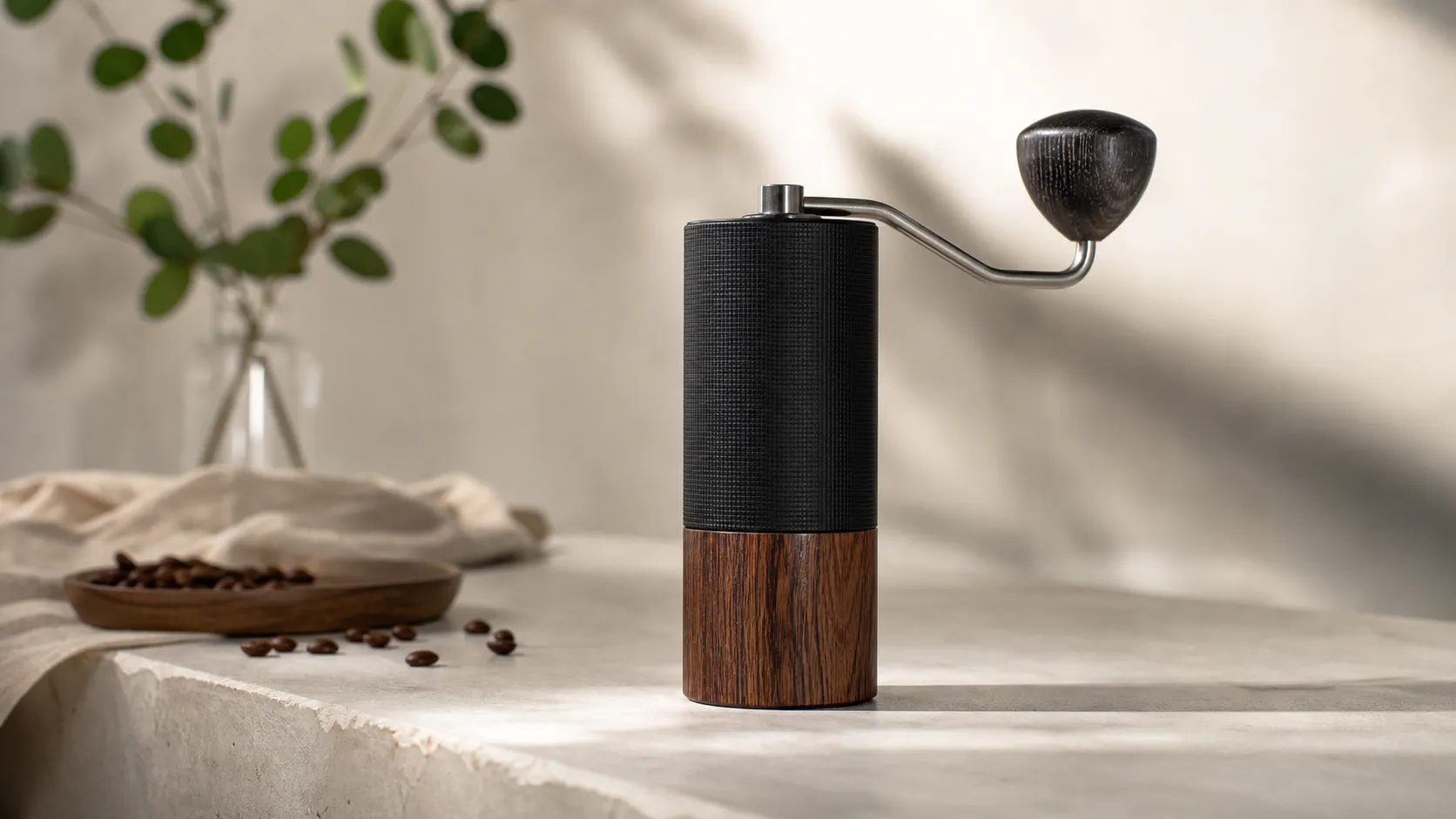
Comandante C40 MK4 Manual Coffee Grinder — 2026 Review
A premium manual grinder known for exceptional build and grind consistency — ideal for serious home baristas, but heavy and pricey for casual users or travel.
 Kitchen & Appliances
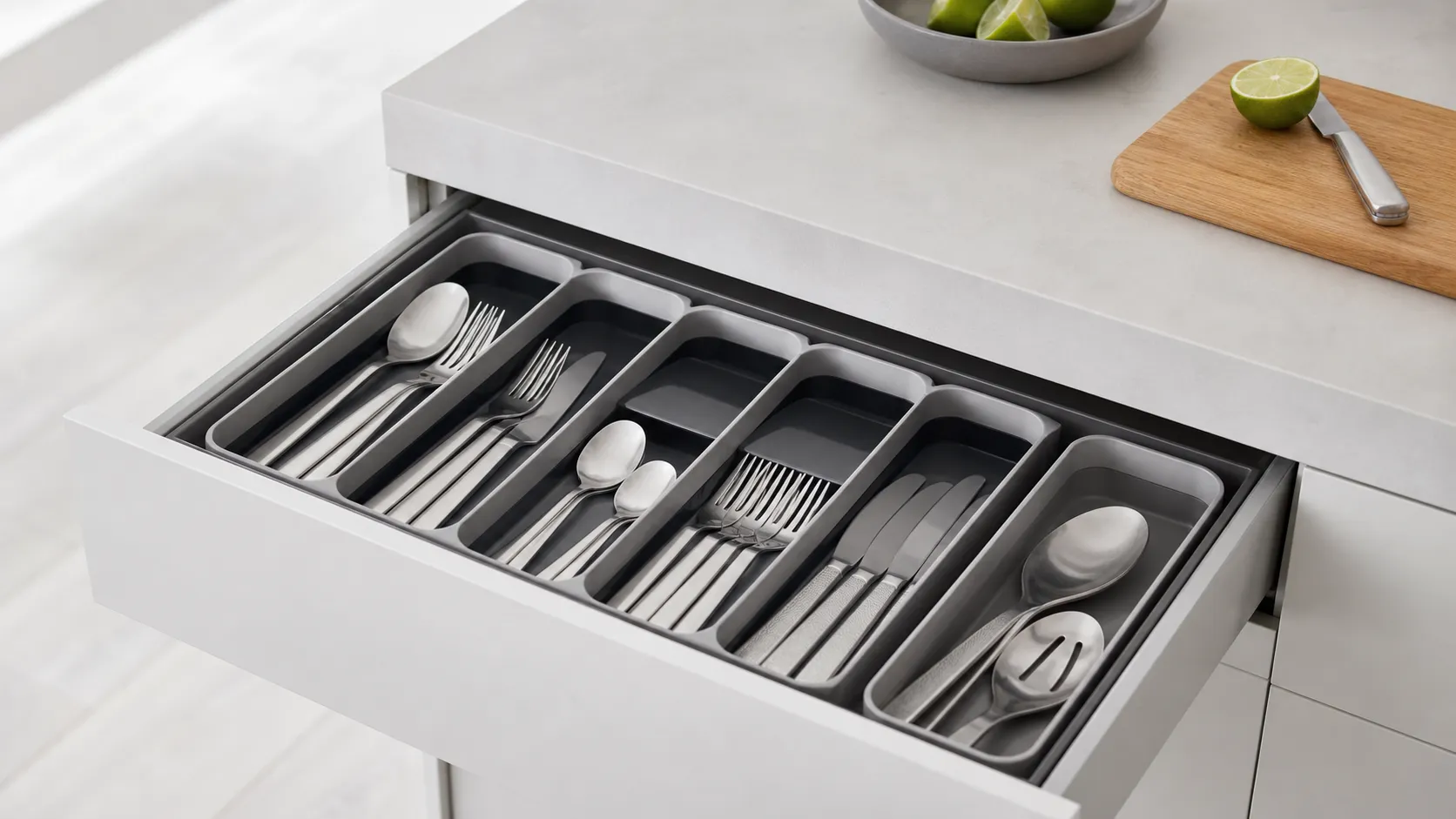
Joseph Joseph DrawerStore Cutlery Organizer Review 2026
A slim, modern cutlery tray that maximizes shallow-drawer space. Great for tidy, small-kitchen organization—measure your drawer first and avoid if you store long utensils.
 Kitchen & Appliances
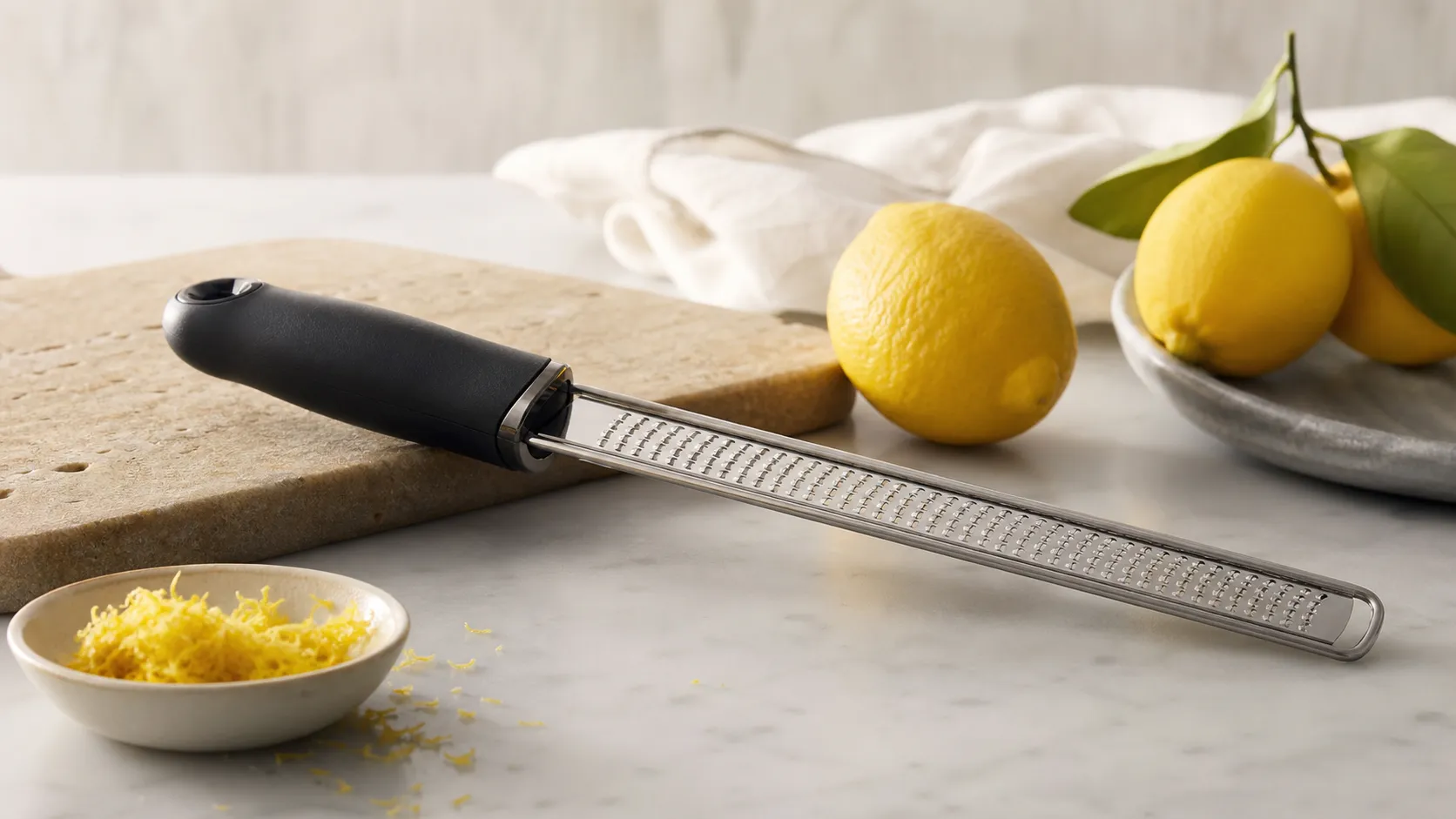
Microplane Premium Classic Zester/Grater — Review 2026
The Microplane Premium Classic is the go-to hand zester for precise, fluffy citrus zest and fine shavings. Sharp, compact, and great value—best for finishing, not bulk grating.