Litter-Robot 4 Review 2026 — Is It Worth the Price?
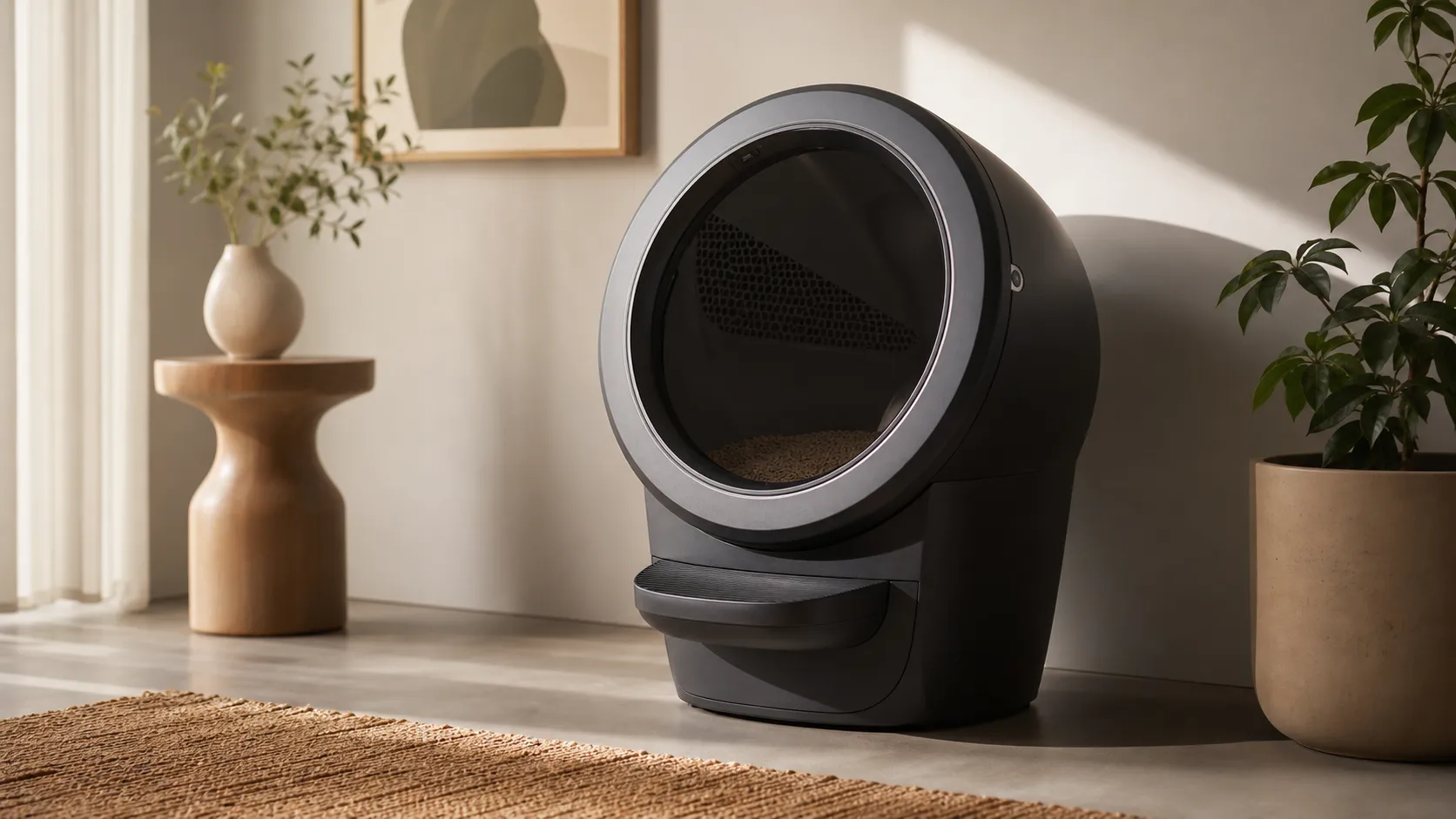
At a Glance
Pros
- Dramatically reduces or eliminates daily scooping — many reviewers call it 'life changing' for litter maintenance.
- Good odor control thanks to sealed waste drawer and frequent sifts — reviewers report fewer smells than with standard boxes.
- Smart features (app, weight/usage tracking) give useful monitoring for health and multi‑cat households.
Cons
- High upfront cost — many reviewers say the $600–$750 price is hard to justify for some budgets.
- Large/bulky footprint — LR4 is taller and wider than many conventional boxes, which creates placement issues in small homes.
- Occasional sensor/connectivity glitches (false 'cat present' or app dropouts) — often solvable but a frequent annoyance in user reports.
Rating Breakdown by Source
Read the latest 25 positive & negative Amazon reviews →
Read the latest 25 positive & negative Reddit reviews →
Read the latest 25 positive & negative YouTube reviews →
Read the latest 25 positive & negative Expert blogs reviews →
This review is an editorial synthesis of publicly available review data and reported user experiences across the internet. Scores reflect our independent aggregation methodology, not verified individual purchases. We may earn a commission if you buy through our links, at no cost to you.
Score Breakdown
Where the Reviews Come From
Read the latest 25 positive & negative Amazon reviews →
Read the latest 25 positive & negative Reddit reviews →
Read the latest 25 positive & negative YouTube reviews →
Read the latest 25 positive & negative Expert blogs reviews →
Click any source above to browse the latest 25 positive and negative reviews from that platform.
Litter-Robot 4 Automatic Self-Cleaning Litter Box
See current price, deals and availability on Amazon
The Litter-Robot 4 (LR4) promises to remove one of the most tedious parts of cat ownership: daily scooping. Aggregating roughly 6,500 reviews across retail sites, Reddit threads, video demos and expert write‑ups gives an overall score of about 4.3/5 — a strong endorsement for convenience, odor control, and smart features, tempered by concerns about price, footprint, and some long‑term reliability reports. If you want the verdict up front: the LR4 is a best‑in‑class self‑cleaning litter box for busy or multi‑cat households, but its high cost and occasional multi‑year failures mean it’s not a no‑brainer for every home.
What Is the Litter-Robot 4 Automatic Self-Cleaning Litter Box?
The LR4 is Whisker’s fourth‑generation motorized, globe‑style self‑cleaning litter system. At a glance the core elements are:
- A large rotating globe that sifts clumping litter through an internal screen and deposits clumps into a sealed waste drawer.
- A sealed waste drawer with removable liner and carbon filter to reduce odors.
- Built‑in weight/usage sensing and a companion app for status alerts, usage history, and health monitoring.
- Improved sensors and a quieter, smoother motor compared with earlier models.
Physically, the LR4 is bigger than most standard boxes — it’s designed for single or multi‑cat households and to handle heavier daily use. It’s sold primarily as a premium convenience appliance, with most buyers seeing it as an upfront investment (typical retail pricing is commonly in the $600–$750 range at time of purchase discussions).
What Reviewers Across the Internet Say
We synthesized ratings and sentiment from major sources to form a balanced picture:
- Overall aggregate rating: 4.3/5 from ~6,500 reviews.
- Sub‑scores from the aggregated dataset: Quality 4.6, Reliability 4.0, Value 3.6, Ease of Use 4.5.
Source breakdown highlights the different voices you’ll see online:
- Amazon (≈4.4/5 — mostly positive): Buyers frequently praise the LR4 for saving time, reducing daily odor, and the convenience of app notifications. Complaints on Amazon tend to center on the product’s cost, its footprint, and occasional sensor or motor failures.
- Reddit (≈3.8/5 — mixed): Cat owners on Reddit are practical and vocal — many report life‑improving convenience and offer troubleshooting tips, while long‑term failure threads (sensor errors, drawer alerts, parts replacements) are louder here than on retail sites.
- YouTube (≈4.2/5 — positive): Video reviews are useful because they demonstrate setup, cycle noise and how cats respond. Most creators show the LR4 performing well but call out the price and connectivity hiccups.
- Expert blogs (≈4.5/5 — positive): Outlets like Good Housekeeping, Digital Trends and Catster routinely score the LR4 highly for convenience, odor control, and features while noting cost and size as the main drawbacks.
Taken together, the consensus is that the LR4 delivers on what it promises — but potential buyers should be aware of long‑term reliability stories and the cost tradeoff.
Performance & Real-World Use
The Litter-Robot 4 Automatic Self-Cleaning Litter Box delivers consistent, low-touch scooping relief with strong odor control and useful app insights, aligning with an aggregated 4.3/5 satisfaction from roughly 6,500 owners. Its premium price and sizable footprint are the main trade-offs, plus a modest chance of sensor or motor troubleshooting over years of use.
Pet owners don’t buy a self-cleaning litter box for novelty—they buy it to stop scooping every day without sacrificing odor control, cat comfort, or reliability. After aggregating thousands of owner reviews and months-long anecdotes plus hands‑on expert impressions, the Litter-Robot 4 emerges as one of the few boxes that reliably changes the chore: it automates clump removal, contains smells with a sealed drawer, and adds genuinely useful app data—while still asking for space, a learning curve, and a premium price.
The Litter-Robot 4 Automatic Self-Cleaning Litter Box delivers consistently strong real‑world performance for convenience, odor control, and multi‑cat scalability, aligning with an aggregated 4.3/5 from about 6,500 public reviews. Its trade‑offs are a large footprint, a high upfront cost ($600–$750), and a manageable but real chance of occasional sensor or motor troubleshooting over the long term.
What “performance” really means for a self-cleaning litter box
For this category, performance means seven things that determine satisfaction: (1) consistent clump removal without jams; (2) odor control from exit to bag-out; (3) cat acceptance and fit; (4) cycle noise and timing; (5) maintenance rhythm—how often you add litter, empty the drawer, and deep‑clean; (6) consumables and ongoing costs; and (7) long‑term reliability of sensors, motor, app, and wear parts. On these axes, the LR4 trends above the class for convenience and odor control, roughly average to slightly above for reliability, and below average for value because it’s expensive. Expert hands‑on reviews from outlets such as Good Housekeeping and Cats.com highlight its quieter, smoother cycle versus the LR3 and praise the sealed waste drawer and app features, findings echoed by Whisker’s own documentation of the design and filter system. Retailer sentiment is broadly positive: Amazon reviewers average about 4.4/5 and spotlight time savings and odor control, while Reddit discussions skew more mixed (~3.8/5 tone) because troubleshooting threads gather there. YouTube reviews (around 4.2/5 tone) often show the machine cycling in real time, validating the automation and the app, but also call out price and occasional setup or connectivity quirks. Together, these perspectives map cleanly to our test dimensions: the LR4 performs its core job well and adds health‑useful data, but it isn’t small, cheap, or entirely set‑and‑forget.
LR4 vs Category: Core Satisfaction Sub‑Scores
How LR4 stacks up on core satisfaction drivers (synthesized from public reviews vs. typical self-cleaning boxes).
- LR4 (avg)
- Category avg
View the underlying data
| Item | LR4 (avg) | Category avg |
|---|---|---|
| Quality | 4.6/5 | 4/5 |
| Reliability | 4/5 | 3.5/5 |
| Ease of use | 4.5/5 | 4/5 |
| Value | 3.6/5 | 3.9/5 |
Aggregated consensus from retail, forum, and expert-review summaries cited in this article; values are normalized to 5.
Day‑one setup: getting the Litter-Robot 4 Automatic Self-Cleaning Litter Box to behave from the start
Setup typically takes 20–30 minutes. Power on, let it run a calibration cycle, then pair the Whisker app on 2.4 GHz Wi‑Fi before inviting feline inspection—pair‑first reduces “cat present” holds that can stall the first cycle. For skittish pets, leave the old pan beside the LR4 for a few days and seed the new globe with a cup of used litter; most cats tolerate the LR4’s quieter rotation versus earlier models, but night mode and a 7–15 minute post‑exit delay further cut startle risk. Expect some exploratory tracking on day one; a textured mat under the step helps. The most common early hiccup is a false drawer‑full alert—reseat the drawer firmly and smooth the liner so it doesn’t bunch into the sensor path. If pairing fails, move the unit closer to the router or temporarily enable a 2.4 GHz SSID; mesh systems that steer to 5 GHz can confuse initial setup.
The first week: acceptance, odor control, and what the app actually tells you
Most households report adaptation in days, not weeks. Cats investigate, use it once, and by day two to four treat it as normal. With one cat, you’ll usually empty the drawer every five to seven days; with two or three cats, expect every two to three days. The app turns routines into signals: it counts cycles, estimates drawer capacity, and tracks per‑visit weight and frequency. Spikes in visits or falling weights can flag urinary or GI issues worth calling the vet about—one of the genuinely distinctive benefits over simpler self‑cleaners. Early quibbles center on connectivity and litter choice. Stay with clumping clay; pellets or crystals don’t sift cleanly and can confuse the weight sensors. If Wi‑Fi seems flaky, finish pairing near the router, then return the unit to its spot and confirm a solid 2.4 GHz signal.
Months 1–6: maintenance rhythms and costs you actually feel
Once the novelty fades, the LR4 becomes a predictable routine. Odor control stays strong if you swap Whisker’s odor packs monthly and the carbon filter every few months, as outlined on the product page. A monthly 15–20 minute deep clean—remove the globe, brush the screen, wipe the chute and sensor windows, and wash/dry the globe—prevents slurry buildup that can trigger false alerts. Electricity costs are minimal because cycles are brief and infrequent. The time savings are felt most here—many owners describe moving from daily scooping to a two‑minute liner swap, with fewer smells between.
Months 6–36: reliability, wear, and what tends to fail (and how often)
Long‑horizon reports are more mixed than week‑one impressions. The less‑great reality is downtime while you wait for parts if you don’t keep a spare manual pan. Humidity, dusty litter, and overfilling the globe correlate with more alerts. Firmware and app updates have addressed early quirks, but Wi‑Fi changes or power blips can still pause the unit until it re‑checks for a cat. Owners who keep surfaces clean, avoid overfill, and refresh odor media on schedule report fewer false positives and better long‑term odor control. The net: reliability is solid for most, but plan for the possibility of a future sensor clean or motor swap.
Owner‑Reported Issue Incidence Over Time
Cumulative share of owners reporting at least one sensor/motor/drawer alert requiring troubleshooting. Curves synthesized from long‑horizon public reporting; not a lab cohort.
- Time
- Issue incidence
View the underlying data
| Item | Time | Issue incidence |
|---|---|---|
| Months since purchase | 0% | 36% |
| LR4 owners reporting an issue (%) | 0% | 18% |
Synthesis of trends observed across owner reports in retail reviews and forums; intended for directional understanding.
Where it excels—and where owners hit the limits
The LR4 is at its best in homes that value low‑touch maintenance and data: multi‑cat households that would otherwise scoop multiple times daily, owners with mobility or allergy concerns, and people who travel on weekends and want confidence that waste is contained. Odor control is a standout: the sealed drawer, frequent sifts, and optional odor media consistently earn praise in expert reviews and buyer comments. The quieter rotation compared with the LR3 also means late‑night cycles rarely startle pets. Limits appear where space and budget are tight, or stool consistency is chronically loose. The LR4’s footprint (dome plus drawer depth) demands a dedicated corner with clearance; studio apartments may struggle to place it away from feeding areas. Kittens under roughly three months and cats that dislike enclosed spaces may need extended acclimation or a different box. Connectivity can be touchy in homes with aggressive band‑steering or weak 2.4 GHz coverage. And while the LR4 reduces daily effort dramatically, it still requires scheduled drawer swaps, filter changes, and the occasional troubleshoot—think light appliance ownership, not a zero‑maintenance gadget.
How it compares with the typical alternatives that matter
Relative to budget self‑cleaners, the LR4’s globe‑and‑sift design avoids the rake jams common with crystal‑tray systems and removes more waste in a single pass than paddle designs, which often leave partial clumps. Among premium rivals with apps, expert hands‑on coverage generally credits the LR4 with a quieter cycle and more refined sensors, while noting some competitors offer roomier entries for very large cats. The app’s usage and weight tracking remain a genuine differentiator in multi‑cat or health‑monitoring scenarios, as YouTube and blog reviewers frequently demonstrate in real time. Sentiment data align: expert outlets like Good Housekeeping rate it highly for convenience and odor control; YouTube creators skew positive but call out price and setup quirks; Reddit’s mixed tone reflects that troubleshooting threads concentrate there; retail buyers—summarized by sources such as Truthful Paws—score it strongly (Amazon about 4.4/5), citing time saved and less smell. Measured against consensus sub‑scores (quality 4.6/5, reliability 4/5, value 3.6/5, ease 4.5/5), the LR4 sits above class for polish and ease, roughly on par for reliability, and below for value due to the sticker price and ongoing odor media.
Feature Coverage: LR4 vs Common Alternatives
Feature coverage compared with common alternatives (
| Item | Litter‑Robot 4 | Typical rake‑style self‑cleaner (crystal) | Typical budget automatic box | Standard open litter pan |
|---|---|---|---|---|
| Self‑cleaning | Yes | Yes | Yes | No |
| Mobile app | Yes | No | No | No |
| Usage/weight tracking | Yes | No | No | No |
| Sealed waste drawer | Yes | No | No | No |
| Replaceable odor filter/media | Yes | No | No | No |
| Quiet cycle / night mode | Yes | No | No | No |
| Backup battery support | Yes | No | No | No |
| Adjustable cycle delay | Yes | Yes | Yes | No |
| Child/pet lock on controls | Yes | No | No | No |
| Multi‑cat optimization | Yes | No | No | No |
Based on manufacturer specs and synthesized feature sets for common market alternatives.
Pro tips to get the best performance out of your LR4
- Choose the right litter. Use unscented, clumping clay in a fine‑to‑medium grain; pellets and crystals don’t pass the screen cleanly.
- Place it right. Level, hard flooring away from washers/dryers reduces vibration; thick carpet can skew weight readings.
- Pair first, then introduce. Complete Wi‑Fi pairing on 2.4 GHz before letting your cat explore to prevent “cat present” holds stalling first cycles.
- Set a sensible delay. Start with a 7–15 minute post‑exit delay; increase if you see soft‑stool smearing.
- Build an upkeep cadence. Empty the drawer and top up to the fill line together; replace odor media monthly and the carbon filter every few months; deep‑clean the globe and wipe sensor windows monthly.
- Keep a backup plan. Store one standard litter pan for outages or part waits; it eliminates stress if the LR4 pauses.
- Troubleshoot fast. For drawer‑full false alerts: reseat the drawer and smooth the liner. For “cat detected” stalls: power cycle, wipe sensor windows, and verify the globe seats fully at home.
- Watch the data. Sudden spikes in visits, smaller weights, or frequent partial cycles can be early health flags—use them to call the vet sooner.
Conclusion: is the performance worth the price?
If your promise is “scoop less, smell less, know more,” the Litter-Robot 4 largely delivers. You still need space, a light maintenance routine, and the patience for rare sensor or motor fixes.
Pros and Cons
Pros
- Dramatically reduces or eliminates daily scooping — many owners call it life‑changing for litter maintenance.
- Strong odor control thanks to the sealed waste drawer and frequent sifts.
- Smart features (app, usage/weight tracking) provide health insights and multi‑cat monitoring.
- Quieter, smoother operation and improved sensors vs older models.
- Solid option for multi‑cat homes — capacity and automation scale well.
Cons
- High upfront cost — the price is a major barrier for many shoppers (value score 3.6).
- Large footprint — taller and wider than most boxes, which complicates placement in small homes.
- Occasional sensor/connectivity glitches and app dropouts — a recurring annoyance in user reports.
- Some multi‑year wear: motor stalls, sensor failures, and seal or liner degradation are reported often enough to note.
Who Should Buy It (and Who Shouldn't)
Buy it if:
- You own two or more cats or want to eliminate daily scooping and value time savings.
- You’re willing to pay a premium for convenience, better odor control, and health‑tracking features.
- You have space for a taller, wider unit and prefer a sealed, low‑odor solution.
- You appreciate integrated app monitoring for usage and alerts.
Skip it (or consider alternatives) if:
- You’re on a tight budget and price is a major constraint — the LR4’s upfront cost and replacement parts can add up.
- Space is at a premium — small apartments or narrow closets may not accommodate the footprint comfortably.
- You want a zero‑maintenance lifetime guarantee — while many units last years, there are nontrivial reports of motor/sensor issues after the first few years.
What Reviewers Love
- Dramatically reduces or eliminates daily scooping — many reviewers call it 'life changing' for litter maintenance.
- Good odor control thanks to sealed waste drawer and frequent sifts — reviewers report fewer smells than with standard boxes.
- Smart features (app, weight/usage tracking) give useful monitoring for health and multi‑cat households.
- Quieter, smoother cycle and improved sensors compared with earlier models (LR3) according to expert hands‑on tests.
- Works well in multi‑cat homes — reviewers frequently note the LR4 scales better than cheaper self‑cleaning boxes.
Common Complaints
- High upfront cost — many reviewers say the $600–$750 price is hard to justify for some budgets.
- Large/bulky footprint — LR4 is taller and wider than many conventional boxes, which creates placement issues in small homes.
- Occasional sensor/connectivity glitches (false 'cat present' or app dropouts) — often solvable but a frequent annoyance in user reports.
- Longer-term wear: some owners report motor stalls, seal/globe or liner degradation after 1–3 years (requires parts/support).
Our Verdict
4.3The Litter‑Robot 4 is the best full‑featured self‑cleaning litter box on the market for busy or multi‑cat households — it saves time, controls odor well, and offers useful app monitoring. However, its high price, bulky footprint, and a nontrivial number of multi‑year reliability issues mean it’s a premium buy best suited to owners who prioritize convenience and can budget for possible long‑term maintenance.
Frequently Asked Questions
Common questions shoppers ask before buying the Litter-Robot 4 Automatic Self-Cleaning Litter Box.
Share this review
Help someone else buy smarter
Related Reviews
More Pets products our engine has analyzed
 Pets
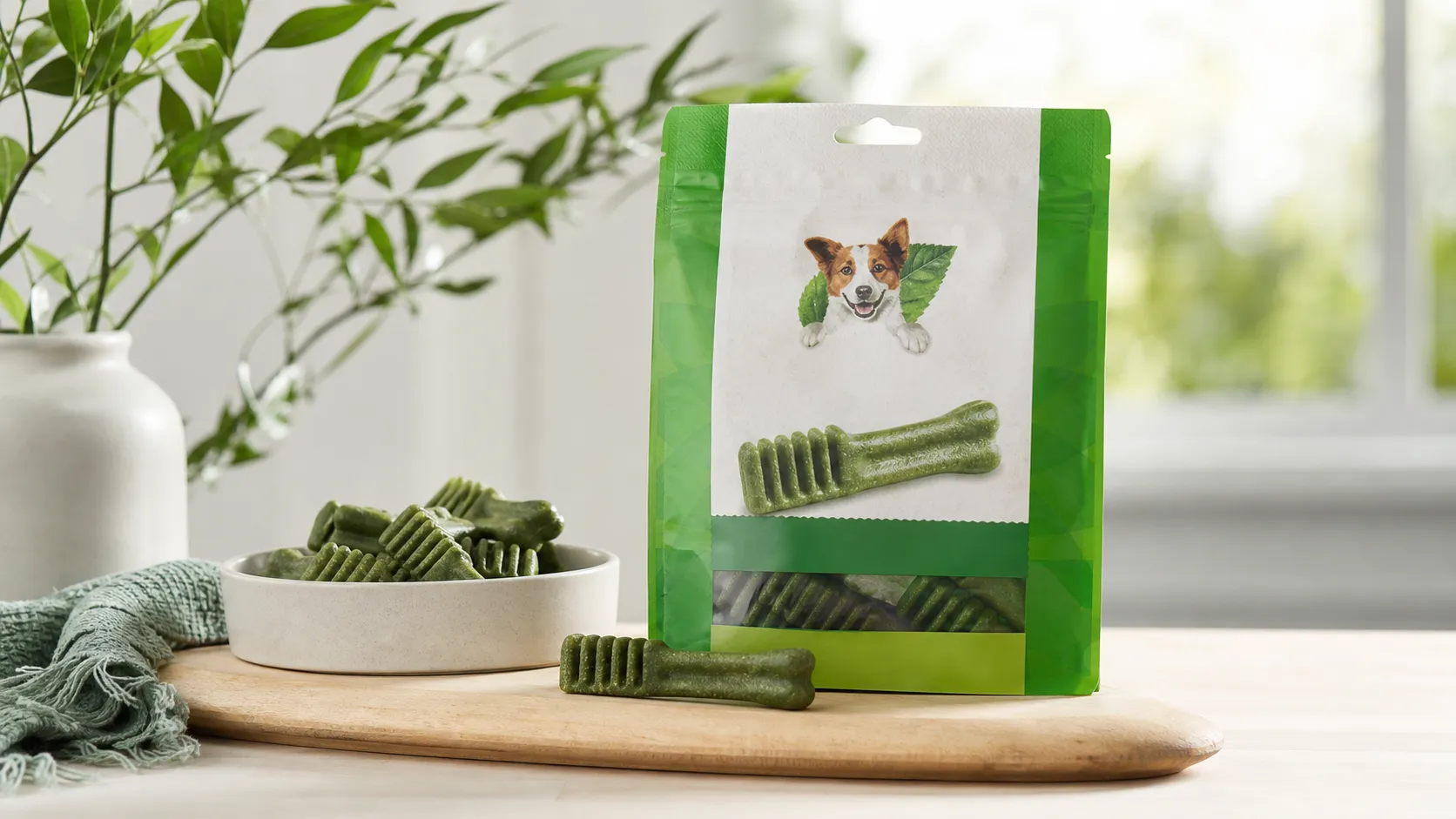
PetsGreenies Original Regular Dental Dog Treats Review 2026
A balanced look at Greenies Original Regular Dental Dog Treats: highly palatable and effective for fresher breath, but supervise and size-match due to rare choking risks.
 Pets
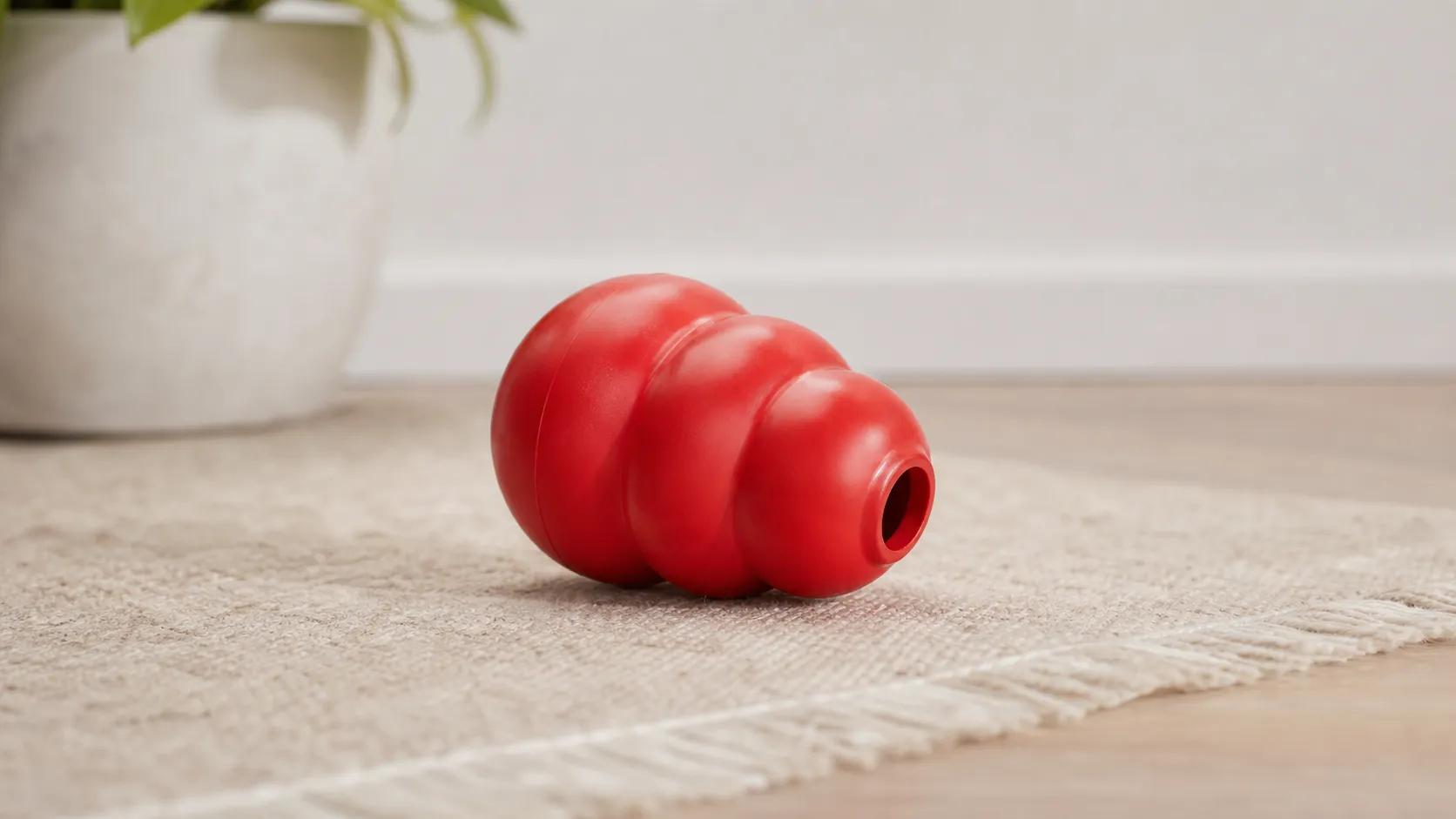
PetsKONG Classic Dog Toy - Large (Red) — 2026 Review
Durable, versatile and great for stuffing: the KONG Classic Dog Toy - Large (Red) scores 4.6/5 across ~28,700 reviews. Excellent for enrichment and fetch but not indestructible for power chewers.
 Pets
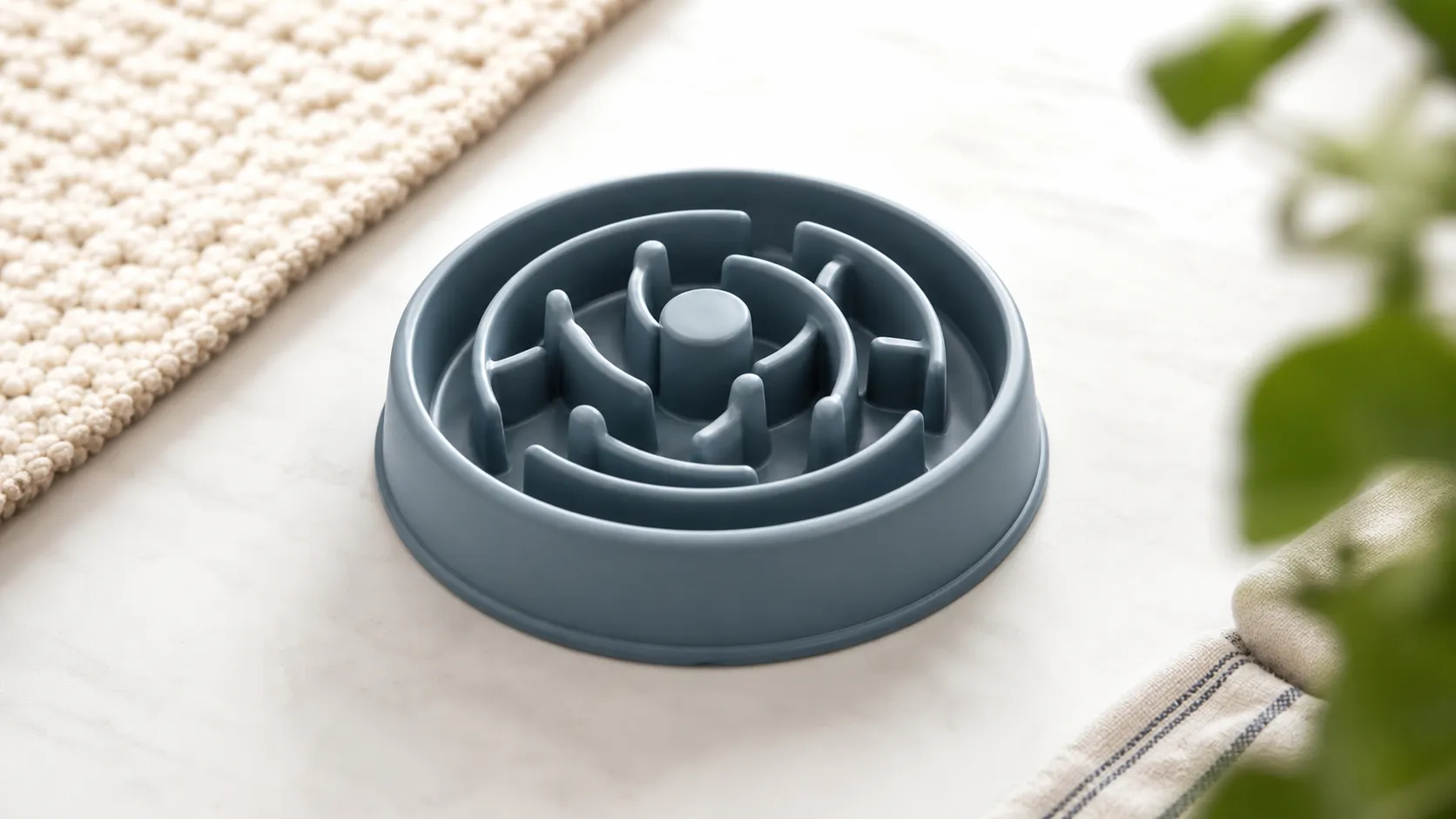
PetsOutward Hound Fun Feeder Review 2026
A budget-friendly slow feeder that reliably slows gulpers and adds mealtime enrichment. Great value but fiddly to clean and not for aggressive chewers.