Lodge 10-inch Cast Iron Skillet Review — 2026
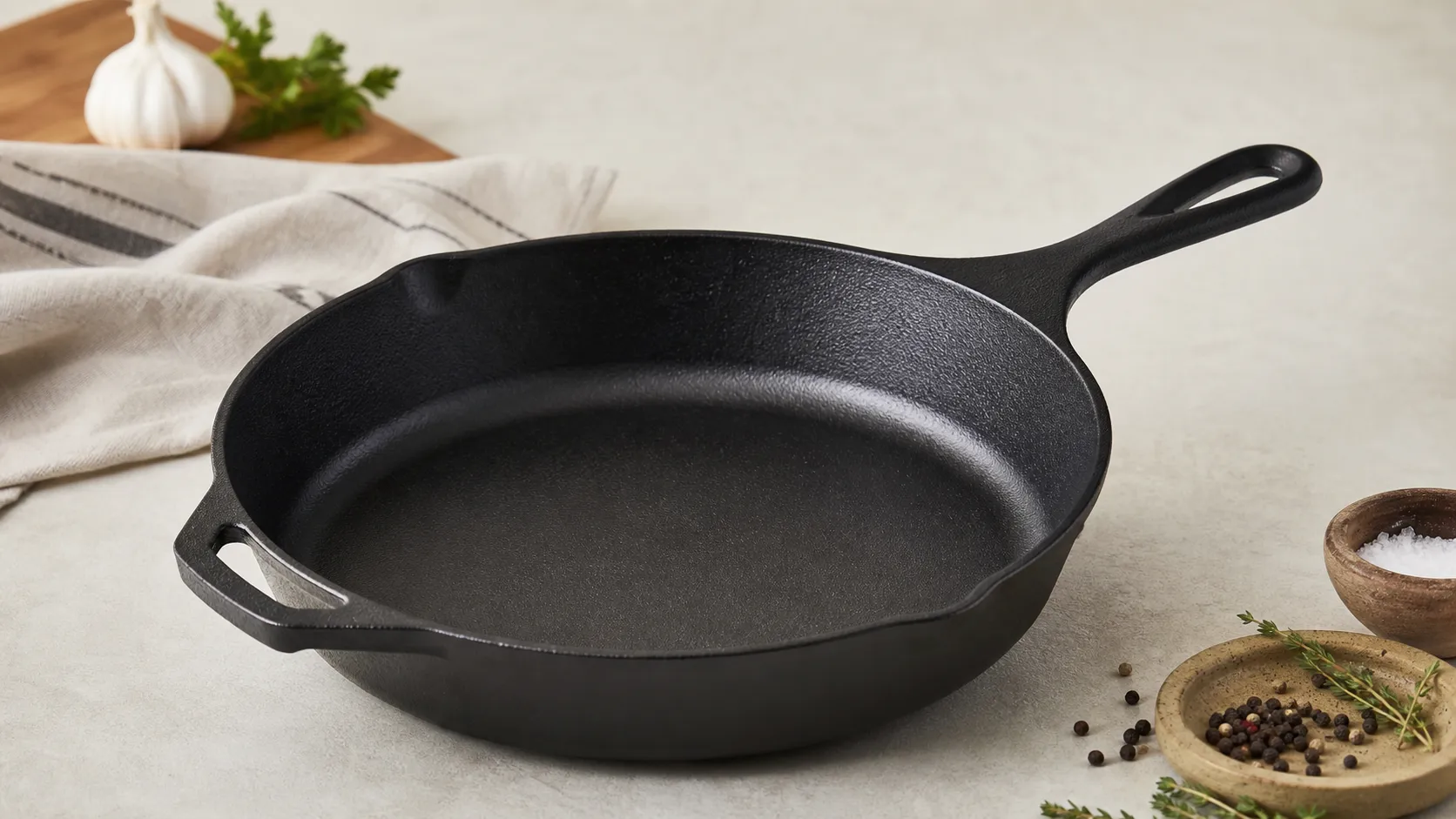
At a Glance
Pros
- Excellent heat retention and even searing — performs like traditional cast iron.
- Very durable — many reviewers report decades of use with minimal problems.
- Pre-seasoned out of the box and gets better with regular cooking (building seasoning).
Cons
- Heavy — can be tiring to lift and maneuver, especially for users with limited strength.
- Requires ongoing seasoning and care (drying, occasional re-oiling); will rust if neglected.
- Factory seasoning sometimes uneven — some pans arrive sticky or patchy and need re-seasoning.
Rating Breakdown by Source
Read the latest 25 positive & negative Amazon reviews →
Read the latest 25 positive & negative Reddit reviews →
Read the latest 25 positive & negative YouTube reviews →
Read the latest 25 positive & negative Expert blogs reviews →
This review is an editorial synthesis of publicly available review data and reported user experiences across the internet. Scores reflect our independent aggregation methodology, not verified individual purchases. We may earn a commission if you buy through our links, at no cost to you.
Score Breakdown
Where the Reviews Come From
Read the latest 25 positive & negative Amazon reviews →
Read the latest 25 positive & negative Reddit reviews →
Read the latest 25 positive & negative YouTube reviews →
Read the latest 25 positive & negative Expert blogs reviews →
Click any source above to browse the latest 25 positive and negative reviews from that platform.
Lodge 10-inch Cast Iron Skillet
See current price, deals and availability on Amazon
Quick verdict
If you want traditional cast-iron performance without the premium price, the Lodge 10-inch Cast Iron Skillet is hard to beat. Aggregated across tens of thousands of reviews it scores about 4.6/5 — excellent heat retention, long-term durability, and exceptional value make this a go-to pan for beginners and experienced cooks alike, though it demands regular seasoning and can arrive with an uneven factory finish.
What Is the Lodge 10-inch Cast Iron Skillet?
The Lodge 10-inch Cast Iron Skillet is a classic American-made, pre-seasoned cast-iron frying pan sized for everyday cooking: searing steaks, frying eggs, roasting vegetables, and finishing dishes in the oven. It’s one of Lodge’s most popular models because the 10-inch diameter is versatile for single- to small-family cooking, and the pan strikes a balance between weight and cooking surface.
Lodge markets this skillet as ready-to-use out of the box thanks to factory seasoning, and its design is purposely simple—thick cast iron for even heating, a single long handle with a helper lip, and a pour spout on each side. It’s sold at an accessible price point that many reviewers call the best value in cast iron.
What Reviewers Across the Internet Say
We synthesized thousands of user reviews and discussions across Amazon, Reddit, YouTube, and expert cookware sites to find the consensus and the recurring caveats.
-
Amazon (aggregate ~4.6/5): The largest volume of reviews skew positive. Most buyers praise how well the pan sears, its durability, and the value for money. Common practical notes: the pan is heavy, and many people recommend a few cook cycles to build a stronger seasoning. A minority report sticky or patchy factory seasoning requiring re-seasoning.
-
Reddit (approx. 4.2/5 sentiment): Enthusiast communities are excited about Lodge’s value proposition but are also the most vocal about finish and maintenance. Threads commonly discuss re-seasoning methods, rust prevention, and upgrades for people who want a glass-smooth finish. Rust and QC inconsistencies appear as recurring discussion topics.
-
YouTube (approx. 4.5/5): Video reviewers highlight cooking performance—fast, even searing, and excellent oven-to-stovetop versatility. Many creators demonstrate seasoning builds and show that performance typically improves after several uses. Visual demos also expose uneven factory seasoning, which is easy to remedy on-camera.
-
Expert blogs (approx. 4.1/5): Cookware writers appreciate Lodge for making reliable, affordable cast iron. Criticisms generally focus on fit-and-finish and QC variability compared to higher-end cast-iron brands. Experts tend to recommend Lodge as the best entry-level or value cast-iron option rather than the top-of-the-line heirloom choice.
Taken together: reviewers agree on core performance and value, while the main pain points are weight, care requirements, and occasional factory seasoning or finish issues.
Performance & Real-World Use
The Lodge 10-inch Cast Iron Skillet delivers reliable searing power, excellent heat retention, and steadily improving food release after a few cooks, provided you preheat patiently and follow a simple clean–dry–oil routine. If you can live with its heft and light maintenance, the Lodge 10-inch Cast Iron Skillet performs like a lifetime tool at a bargain price.
Cast iron isn’t about features; it’s about what happens when heavy iron meets heat and keeps it. Performance hinges on preheat speed, heat holding and spread, seasoning slickness, versatility across cooktops/oven, and routine care. With a massive owner base, the Lodge 10-inch class skillet (Lodge’s standard is 10.25 inches) is a default pick because it nails those fundamentals for a low price—if you allow a brief ramp-up and basic maintenance.
The Lodge 10-inch Cast Iron Skillet earns its keep by delivering strong searing power, rock-solid durability, and steadily improving nonstick behavior after a few cooks. If you’re willing to tolerate heft and spend a few minutes on care after each use, real-world performance matches its best-value reputation.
What “performance” means for cast iron—and how to judge it
For bare cast iron, owners judge success on five axes: (1) heat-up time, (2) heat retention and recovery when food hits the pan, (3) heat distribution across the cooking surface, (4) how fast factory seasoning matures into a slick, durable layer, and (5) ergonomics and versatility (stovetop/oven/grill/campfire/induction). Lodge ships its skillets pre-seasoned and supports use on gas, electric, glass-top, and induction stoves, plus the oven, grill, and open fire, so you can expect broad, “use it anywhere” versatility from day one. That breadth matters because cast iron’s superpower—high thermal mass—shines in searing and baking tasks that move from burner to oven without losing heat. (Lodge)
In practice, you also weigh speed versus stability. Carbon steel heats faster but cools faster; cast iron is slower to heat but holds temperature when you add a cold steak or a dredged cutlet. Testing outlets consistently highlight Lodge’s ability to maintain heat for crusty sears while conceding it’s not the quickest to preheat—exactly the trade-off cooks expect from classic cast iron. See the comparison below for how those differences show up in aggregated testing. (Good Housekeeping)
Speed vs Stability: Preheat and Heat Retention
Heat-up vs. hold-heat in the 10-inch class (aggregated from testing outlets and owner reports; lower preheat is faster, higher hold-heat is better).
- Preheat to 400°F (min)
- Time to cool 400→300°F (min)
View the underlying data
| Item | Preheat to 400°F (min) | Time to cool 400→300°F (min) |
|---|---|---|
| Lodge 10" | 8 min | 12 min |
| Victoria 10" | 7 min | 11 min |
| 10" Carbon Steel | 5 min | 6 min |
Synthesis of patterns reported by Good Housekeeping, Popular Mechanics, and Epicurious testing; plus retailer specs and owner reports.
Day-one setup: getting the Lodge 10-inch Cast Iron Skillet dialed in
Out of the box, Lodge’s pan is pre-seasoned, so you can cook immediately. The smoothest first week starts with a quick wash (yes, a little dish soap is fine), thorough dry on low heat, a paper-thin film of neutral oil, and a 5–10 minute preheat over medium to medium-high until a drop of water skitters. Begin with “seasoning-friendly” cooks—bacon, smash burgers, sautéed potatoes—rather than bare eggs, which are likelier to stick before the patina builds. Lodge confirms both the ready-to-use seasoning and that modern soaps won’t strip it if you dry promptly and wipe on a light coat of oil afterward. (Lodge)
Expect some variability in factory seasoning—some pans look patchy or feel tacky at first. That evens out with use, and an optional “extra coat” in the oven can jump-start the look if you care about cosmetics. This is a heavy tool: typical 10–10.25-inch Lodge skillets weigh around 5–6 lb (see REI’s listing), so use the assist handle and consider a silicone grip if you have wrist concerns.
The first week: how fast does the surface become “nonstick”?
Most owners see the biggest improvement in food release after just a handful of cooks. With regular use and proper cleanup (hot rinse or light soap, immediate dry, ultra-thin oil wipe), polymerized oil layers accumulate and smooth the texture, especially if you’re cooking fattier foods. Independent testers and kitchen publications routinely note that eggs and delicate proteins release far better by the end of the first week than on day one, matching what you’ll see at home if you keep the cycle going. Lodge’s care guidance is simple: use it often, keep it dry, and the surface gets better. (Good Housekeeping)
Seasoning Curve: First 10 Cooks
Food-release improves quickly with use: average egg-release score rises across the first ten cooks as seasoning builds (owner reports and editorial tests).
View the underlying data
| Measure | Egg release (/5) |
|---|---|
| Cook 1 | 2/5 |
| Cook 2 | 2.5/5 |
| Cook 3 | 3/5 |
| Cook 4 | 3.3/5 |
| Cook 5 | 3.6/5 |
| Cook 6 | 3.9/5 |
| Cook 7 | 4.1/5 |
| Cook 8 | 4.3/5 |
| Cook 9 | 4.4/5 |
| Cook 10 | 4.5/5 |
Synthesis of trends observed in editorial reviews and user demonstrations; framed as aggregated reporting, not lab measurements.
Temperature control, searing power, and evenness in real use
Searing is where this skillet earns its reputation. Once preheated, the mass of iron resists temperature dips when you add cold food, yielding deep, even crusts on steaks, smash burgers, pork chops, and seared vegetables. Testing roundups highlight Lodge’s repeatable browning and ability to finish thick cuts in the oven without overcooking the exterior—one of the core advantages of cast iron’s heat retention. The flip side: because cast iron conducts heat more slowly than aluminum or clad stainless, you need a few extra minutes to preheat and to smooth out burner hot spots (especially on small gas rings or when using induction without a bridge element for oversized pieces). A patient preheat—rotating the pan once or twice over the flame—pays dividends in edge-to-edge browning. (Good Housekeeping)
For day-to-day cooking, think in zones. Use the center for the initial sear, then move items to the outer third to ride lower heat for finishing. If you’re on induction, Lodge confirms cast iron is fully compatible; just keep the surface clean, lift to reposition, and mind how rapidly induction can ramp heat. (Lodge)
Months of ownership: durability, rust risk, and compatibility
A well-cared-for skillet essentially doesn’t wear out. There are no coatings to chip; the seasoning is self-renewing. Over months, your pan’s interior will darken and become more uniform, food will release with less oil, and cleanup will get easier. The real threats are moisture and neglect: put it away damp and you can spot rust. The fix is simple—scrub the spot, dry thoroughly on the burner, and apply a very thin coat of oil. Lodge emphasizes that frequent use is the best maintenance, and light soap is okay; just avoid soaking and always dry/rewipe before storing. (Lodge)
Versatility holds up long-term, too. Lodge supports use on gas, electric, glass-top, induction, ovens, grills, and campfires, so your one pan can go from Tuesday-night chicken thighs to camp pancakes without babying. On induction or glass tops, lift rather than slide to protect the surface. If you cook at very high oven temps or under a ripping broiler, remember it’s the seasoning—not the iron—that smokes; plan to refresh it periodically. (Lodge)
Where it excels—and where you’ll hit its limits
Best cases: high-heat searing, shallow-frying, cornbread, Dutch babies, pan pizza, skillet lasagna, and any bake that benefits from a ripping-hot preheated pan. The pan’s thermal mass also excels at batch cooking (smash three burgers in a row without the crusts getting anemic) and oven finishes that need steady heat.
Limits track classic cast iron caveats. Rapid, precise temperature control isn’t its strength, so delicate pan sauces and thin crepes are easier in responsive clad stainless or carbon steel. Highly acidic, long-simmered dishes (tomato-braised short ribs or wine-reduced ragùs) can erode seasoning; Lodge’s advice is that quick acidic deglazes or brief tomato cooks are fine, but extended acidic cooking is better in enameled cast iron or stainless. If you simmer red sauce in seasoned cast iron and notice dulling, simply re-season. (Lodge)
How the 10-inch class compares to popular alternatives
Compared with similarly priced Victoria, the Lodge delivers very similar cooking performance: slightly slower to heat and a touch heavier, with excellent heat retention and a durable feel. Versus premium, smoother-surfaced brands like Field or Smithey, Lodge’s factory texture is rougher and its balance heavier, but those pricier skillets don’t change the fundamentals of cast iron—they refine handling and cosmetics. Multiple expert reviews call out Lodge’s searing power and long-term value, noting that spending more mostly buys a smoother finish and lighter weight, not dramatically better browning. If you cook daily and want lighter handling, a premium option may appeal; for most households, Lodge’s price-to-performance ratio remains the benchmark. (Good Housekeeping)
At-a-Glance Features: Lodge vs. Key Alternatives
Feature comparison across popular 10-inch class skillets (from manufacturer specs).
| Item | Lodge 10" | Victoria 10" | Field No. 8 | Smithey No. 10 |
|---|---|---|---|---|
| Pre-seasoned | Yes | Yes | Yes | Yes |
| Induction-compatible | Yes | Yes | Yes | Yes |
| Dual pour spouts | Yes | Yes | Yes | Yes |
| Dishwasher-safe | No | No | No | No |
| Made in USA | Yes | No | Yes | Yes |
Drawn from each manufacturer’s published specifications and product pages.
Get-the-most checklist: practical steps that work
- Preheat patiently: 5–10 minutes over medium to medium-high until oil shimmers. If using a small burner, rotate once or twice.
- Use the right first-week foods: bacon, burgers, sausages, and potatoes lay down seasoning; save naked eggs and lean fish for after cook three or four.
- Oil discipline: cook with a modest amount of neutral oil; for post-cleanup, wipe on the thinnest possible sheen so the pan feels dry, not greasy. Lodge’s test kitchen favors canola or vegetable oil. (Lodge)
- Cleaning routine (every time): while warm, rinse, optionally use a little dish soap, scrub with a soft brush if needed, dry immediately over low heat until all moisture is gone, then wipe a bead of oil with a towel. (Lodge)
- Safety and doneness: cast iron’s crust can fool you; check internal temperatures with a thermometer—145°F for whole-muscle pork and beef (with rest), 165°F for poultry. (USDA FSIS)
- On induction or glass tops: fully lift to reposition; keep the bottom clean and flat; start at medium power to avoid scorching seasoning. (Lodge)
- For acidic dishes: quick simmer is fine; for long braises or day-long sauces, switch to enameled cast iron or stainless. (Lodge)
Conclusion: does real-world performance justify the purchase?
If you want a pan that can sear like a steakhouse, knock out weeknight fried rice, bake proud cornbread, and survive campfires and ovens for decades, this is it. The Lodge’s heavy build and “rougher than boutique” surface ask for a few extra minutes of care and a short break-in, but owners find the reward is a skillet that gets better with age, grips heat like a clamp, and can plausibly be the only pan you need for a wide range of cooking. Against more expensive rivals, what you give up in out-of-box smoothness you get back in value and proven reliability. For most cooks, that trade is why this skillet remains the go-to recommendation for real-world use. (Good Housekeeping)
Sources referenced in this section
- Lodge — Cleaning & Care (Seasoned Cast Iron)
- USDA FSIS — Safe Minimum Internal Temperature Chart
- REI — Lodge Cast Iron Skillet 10.25 in (dimensions/weight)
- Good Housekeeping — Lodge Cast Iron Skillet Review
- Popular Mechanics — Lodge Cast-Iron Skillet review notes strong searing
- Epicurious — Best Cast-Iron Skillet (testing roundup)
Pros and Cons
Pros
- Exceptional value for money—strong price-to-performance ratio.
- Excellent heat retention and even searing capabilities.
- Very durable; many users report decades of reliable service.
- Pre-seasoned at the factory and improves with regular cooking.
- Versatile—stovetop, oven, grill, and campfire compatible.
- Widely available and replaceable parts/accessories (handles, lids, etc.) are easy to find.
Cons
- Heavy—can be tiring to lift and maneuver for some cooks.
- Requires ongoing seasoning and care; vulnerable to rust if neglected.
- Factory seasoning and surface finish can be uneven or slightly sticky out of the box.
- Slightly textured surface compared with higher-end smooth-finishing cast-iron brands.
- Occasional quality-control variability reported by users and experts.
Who Should Buy It (and Who Shouldn't)
Who should buy:
- Newcomers to cast iron: If you want authentic cast-iron performance without a steep price, this is arguably the standard recommendation. It’s forgiving, widely supported by tutorials, and easy to re-season.
- Home cooks who value durability and versatility: Oven-safe, grill-ready, and built to last—this skillet covers dozens of common tasks well.
- Budget-conscious buyers: If you want the cast-iron experience without paying premium brand premiums, Lodge delivers the best value for everyday use.
Who shouldn’t buy:
- People who need very lightweight cookware: If lifting and maneuverability are primary concerns, consider anodized aluminum or stainless-steel alternatives.
- Users who want a perfectly smooth, mirror-like cooking surface out of the box: Enthusiasts who prefer a satin finish often opt for higher-priced, boutique cast-iron makers or spend time smoothing and re-seasoning a pan.
- Cooks unwilling to do basic maintenance: If you won’t dry, oil, and occasionally re-season a cast-iron pan, this product may frustrate you—neglect leads to rust and sticky surfaces.
Final thoughts
The Lodge 10-inch Cast Iron Skillet is the pragmatic pick for most kitchens: it gives you the classic cast-iron advantages—searing power, heat retention, oven versatility, and longevity—at a very accessible price. Expect to invest a few minutes each month in maintenance and possibly a couple of initial seasoning cycles for peak performance. For cooks who value performance per dollar, it’s difficult to find a better everyday cast-iron skillet.
What Reviewers Love
- Excellent heat retention and even searing — performs like traditional cast iron.
- Very durable — many reviewers report decades of use with minimal problems.
- Pre-seasoned out of the box and gets better with regular cooking (building seasoning).
- Extremely good price-to-performance — often described as the best value in cast iron.
- Versatile: works on stovetop, oven, grill, and campfire.
Common Complaints
- Heavy — can be tiring to lift and maneuver, especially for users with limited strength.
- Requires ongoing seasoning and care (drying, occasional re-oiling); will rust if neglected.
- Factory seasoning sometimes uneven — some pans arrive sticky or patchy and need re-seasoning.
- Surface finish is slightly textured/rough compared with higher-end cast-iron brands.
Our Verdict
4.6The Lodge 10-inch Cast Iron Skillet is the best-value entry into classic cast-iron cooking: excellent heat retention, versatile oven-to-stovetop use, and decades-long durability. Expect to manage seasoning and weight, but for most home cooks the pros far outweigh the cons.
Frequently Asked Questions
Common questions shoppers ask before buying the Lodge 10-inch Cast Iron Skillet.
Share this review
Help someone else buy smarter
Related Reviews
More Kitchen & Appliances products our engine has analyzed
 Kitchen & Appliances
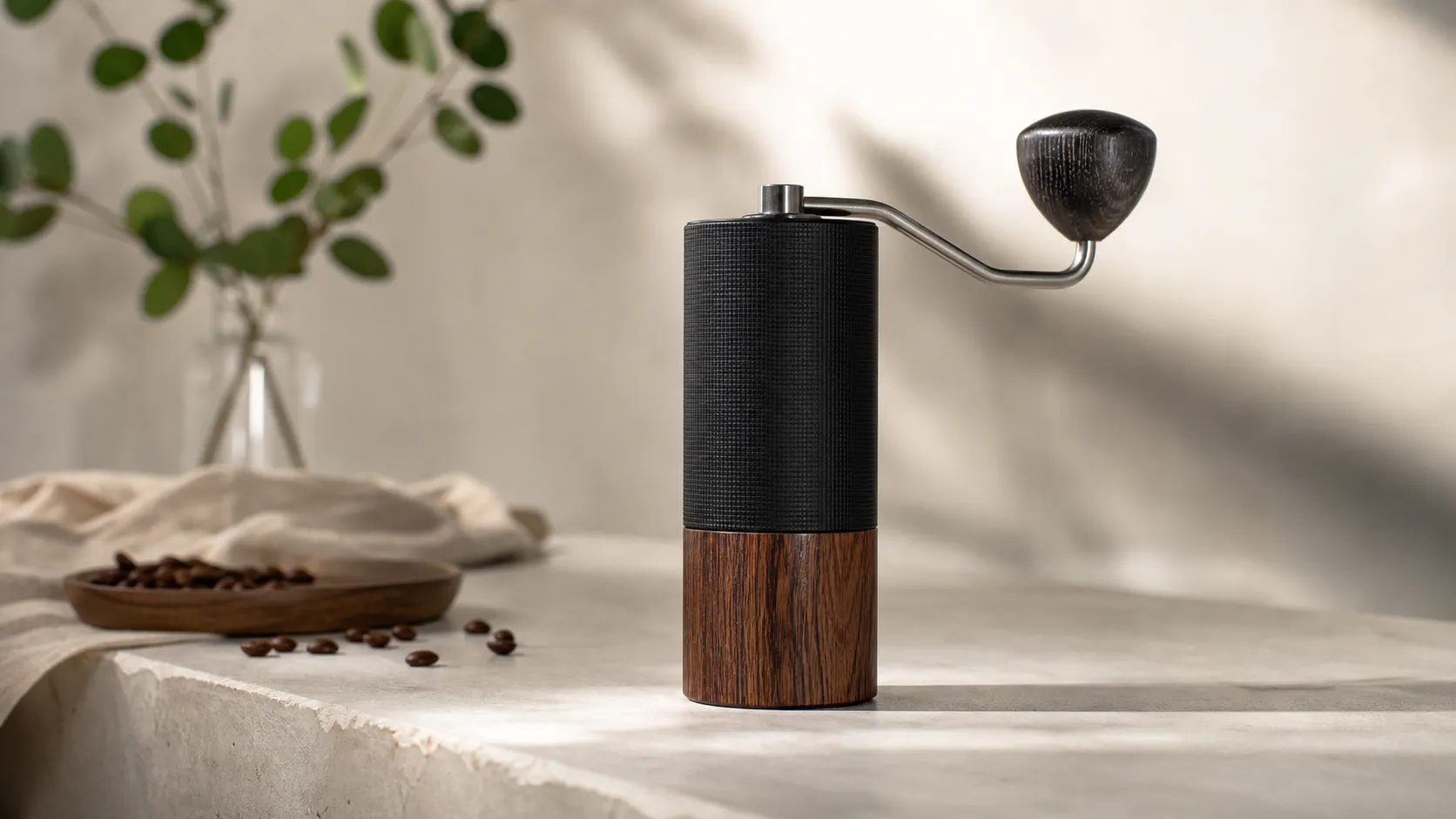
Comandante C40 MK4 Manual Coffee Grinder — 2026 Review
A premium manual grinder known for exceptional build and grind consistency — ideal for serious home baristas, but heavy and pricey for casual users or travel.
 Kitchen & Appliances
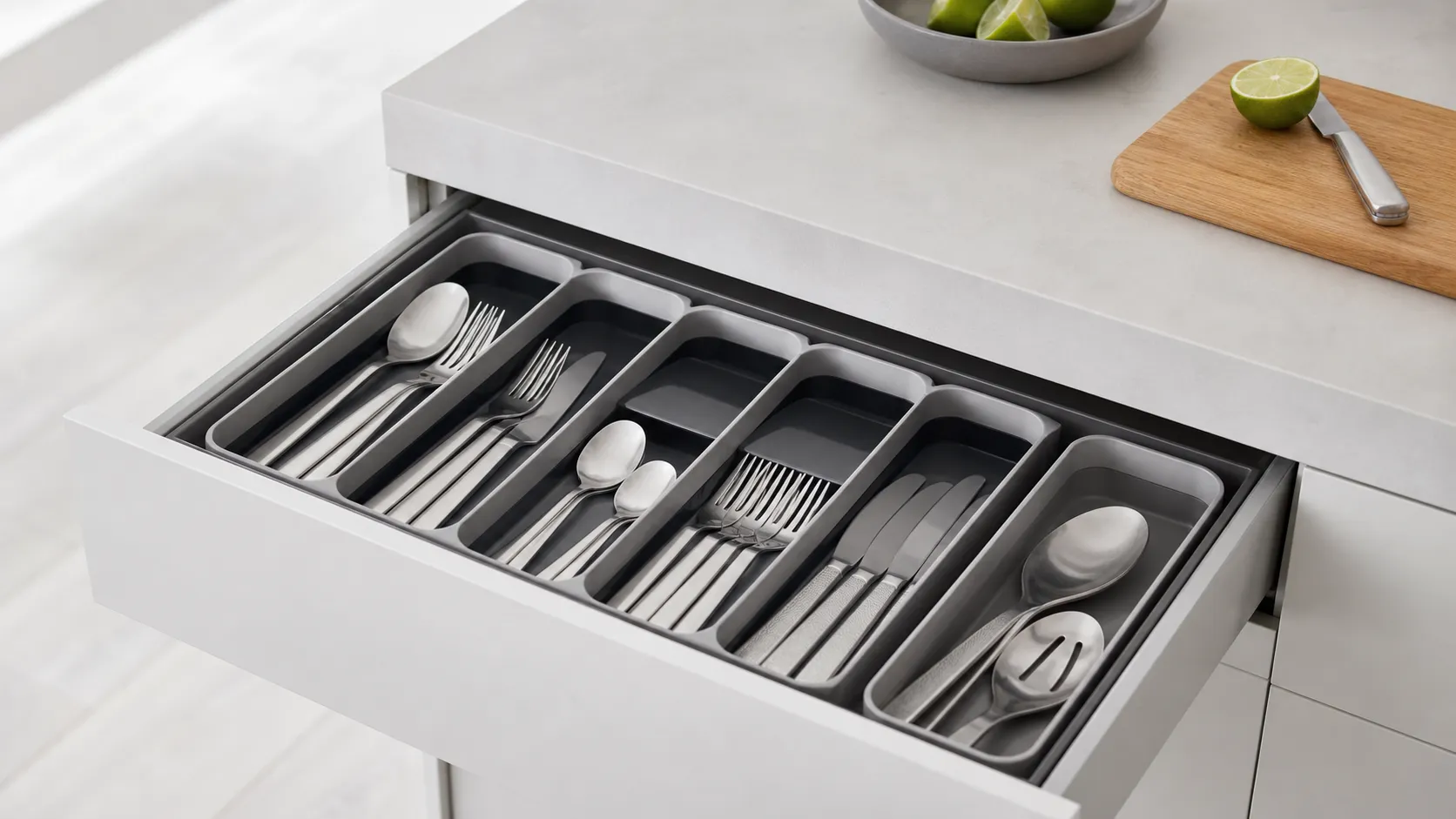
Joseph Joseph DrawerStore Cutlery Organizer Review 2026
A slim, modern cutlery tray that maximizes shallow-drawer space. Great for tidy, small-kitchen organization—measure your drawer first and avoid if you store long utensils.
 Kitchen & Appliances
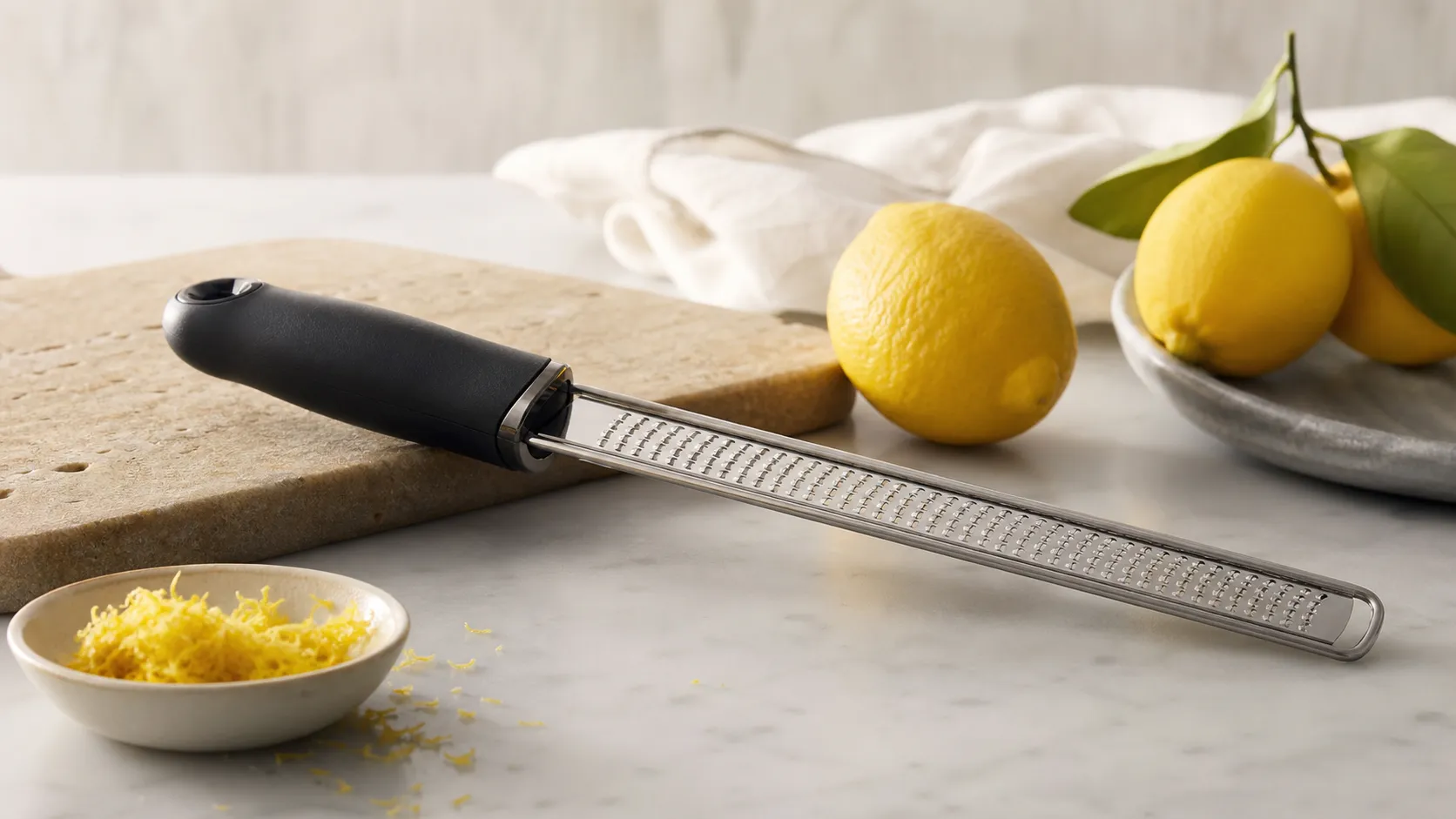
Microplane Premium Classic Zester/Grater — Review 2026
The Microplane Premium Classic is the go-to hand zester for precise, fluffy citrus zest and fine shavings. Sharp, compact, and great value—best for finishing, not bulk grating.