Lodge 12-inch Pre-Seasoned Cast Iron Skillet — 2026 Review
At a Glance
Pros
- Outstanding heat retention and even searing — great for steaks, cornbread, and frying
- Extremely durable; many reviewers say it will last decades with care
- Pre-seasoned out of the box so it’s usable immediately for many recipes
Cons
- Heavy and can be awkward to lift or maneuver for some users.
- Requires regular maintenance (drying/oiling, careful cleaning) to protect seasoning and prevent rust.
- Factory seasoning can be uneven; many users re-season before regular use.
Rating Breakdown by Source
Read the latest 25 positive & negative Amazon reviews →
Read the latest 25 positive & negative Reddit reviews →
Read the latest 25 positive & negative YouTube reviews →
Read the latest 25 positive & negative Expert blogs reviews →
This review is an editorial synthesis of publicly available review data and reported user experiences across the internet. Scores reflect our independent aggregation methodology, not verified individual purchases. We may earn a commission if you buy through our links, at no cost to you.
Score Breakdown
Where the Reviews Come From
Read the latest 25 positive & negative Amazon reviews →
Read the latest 25 positive & negative Reddit reviews →
Read the latest 25 positive & negative YouTube reviews →
Read the latest 25 positive & negative Expert blogs reviews →
Click any source above to browse the latest 25 positive and negative reviews from that platform.
Lodge 12-inch Pre-Seasoned Cast Iron Skillet
See current price, deals and availability on Amazon
Quick verdict
The Lodge 12-inch Pre-Seasoned Cast Iron Skillet is the best-value entry to classic cast-iron cooking: durable, excellent at searing and heat retention, and ready to use out of the box. Across tens of thousands of aggregated reviews the skillet scores extremely well for performance and value, though expect a learning curve around seasoning and maintenance.
What is the Lodge 12-inch Pre-Seasoned Cast Iron Skillet?
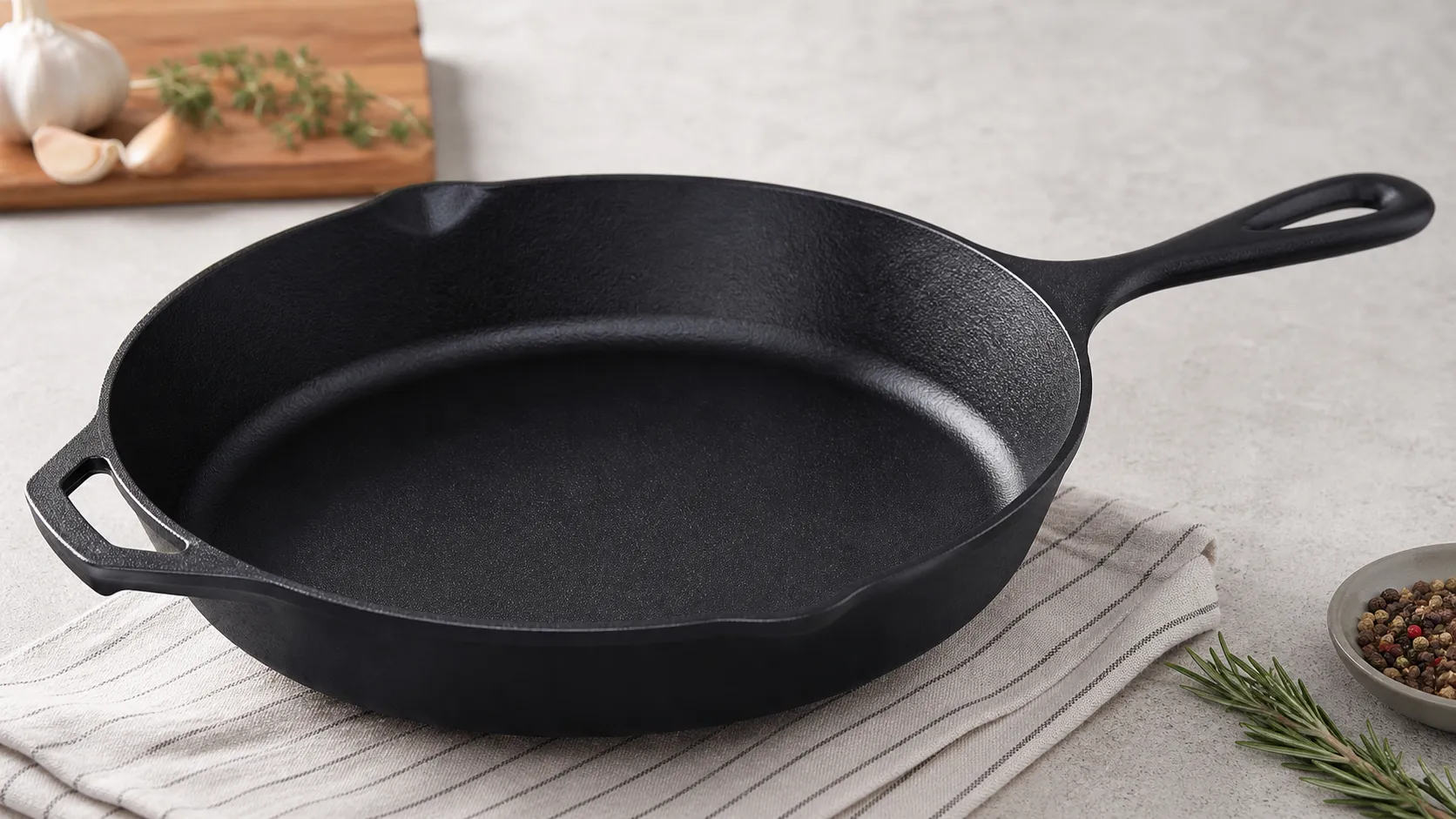
Lodge’s 12-inch skillet is a traditional, heavy-duty cast-iron frying pan that ships pre-seasoned with factory-applied oil to provide immediate usability. It’s a single-piece, workhorse-style pan intended for stovetop, oven, grill, and open-fire cooking. At 12 inches, it’s large enough for family-size portions (steaks, cornbread, fried chicken, one-pan dinners) while still fitting under most oven racks.
The appeal is simple: unmatched heat retention, a long usable lifespan, and very few moving parts to break. That combination is why cast iron remains popular with home cooks, pros, and outdoor chefs.
What reviewers across the internet say
When we aggregate feedback from major platforms the consensus is overwhelmingly positive. The combined average rating is 4.8/5 from roughly 64,850 reviews with sub-scores as follows: quality 4.6, reliability 4.7, value 4.8, and ease-of-use 4.2.
- Amazon (overall ~4.8/5): Buyers repeatedly praise its heat retention, ability to produce restaurant-style sears, and the long life potential — many users say the skillet will last decades if cared for. Common practical notes: the skillet is heavy, factory seasoning can be uneven, and a small fraction of orders arrive with shipping damage.
- Reddit (cast-iron and cooking communities, ~4.5/5): Passionate users love the price-to-performance ratio but focus on technique. Many recommend re-seasoning or building seasoning with measured oiling/baking cycles, and discussions often include handle grips or two-handed lifts as ergonomics workarounds.
- YouTube (video reviewers, ~4.6/5): Demonstrations make the skillet’s strengths visual — perfect crusts, steady heat, and multi-use capability. Reviewers commonly note surface inconsistencies and frequently walk viewers through extra seasoning steps to improve the non-stick feel.
- Expert blogs (~4.4/5): Cookware writers and food sites highlight cast iron’s longevity and thermal performance, calling the Lodge 12-inch an excellent value. Their critiques mirror user feedback: factory finish issues and the requirement for proper care to keep the surface non-stick.
Taken together, the internet consensus: outstanding cooking performance and value, with seasoning and care being the only regular trade-offs.
Performance & Real-World Use
Lodge 12-inch Pre-Seasoned Cast Iron Skillet delivers top-tier searing and heat retention from day one and becomes noticeably more nonstick after a short break‑in. With basic care, it performs consistently for years across stovetop, oven, grill, and campfire use.
Cast iron earns its keep when you can lay down a restaurant‑deep crust, keep oil at a steady fry temperature, and slide out baked cornbread without stress. The 12‑inch diameter gives you family‑size real estate; the heavy body trades agility for heat that doesn’t flinch when cold food hits.
Lodge 12-inch Pre-Seasoned Cast Iron Skillet delivers top‑tier searing and heat retention from day one and becomes more nonstick after a short break‑in. With basic care, it performs consistently for years across stovetop, oven, grill, and campfire use.
What “performance” means for cast iron in daily cooking
Performance with cast iron centers on four stove‑level realities: how evenly the center zone browns, how well the pan holds temperature after a cold protein lands, how quickly the surface stops grabbing, and whether you can lift and pour securely. Preheat time is simply a means to those ends; most cooks accept a few minutes because the payoff is steadier sear and less oil‑temperature sag between batches. Satisfaction also comes from the surface maturing: early cooks deposit polymerized oil that hardens into a dark patina, the thing that lets eggs or delicate fish become weekday‑reliable later.
Owner consensus is consistent at scale: about 64,850 public reviews converge around 4.8/5 overall, with sub‑scores near quality 4.6/5, reliability 4.7/5, value 4.8/5, and ease of use 4.2/5. Amazon buyers praise searing power and value; Reddit threads focus on technique (re‑seasoning, handle sleeves); YouTube demos show steakhouse crusts while noting sometimes‑uneven factory seasoning; expert blogs emphasize longevity and routine care.
Lodge 12-inch Cast Iron Skillet — ratings by source
Aggregated public ratings by source for this model (synthesized from platform reporting).
View the underlying data
| Measure | Overall rating |
|---|---|
| Amazon | 4.8/5 |
| 4.5/5 | |
| YouTube | 4.6/5 |
| Expert blogs | 4.4/5 |
Scores reflect large-sample public sentiment described in this review’s consensus notes.
Because Amazon contributes the vast majority of reviews, everyday home‑kitchen experience sets the narrative: heavy but worth it, a short break‑in, and improvement with use. The smaller Reddit and YouTube shares amplify how‑to wisdom rather than overturning the core verdict.
Review volume share by platform
Where the 64,850+ public reviews come from (rounded).
- Amazon92.5%
- Reddit1.9%
- YouTube5.4%
- Expert blogs0.2%
Shares derived from approximate counts cited in this review.
Day‑one setup and the first week: Lodge 12-inch Pre-Seasoned Cast Iron Skillet
“Pre‑seasoned” from Lodge is a thin baked‑on oil that makes the skillet usable on arrival—not a finished nonstick coating. Unbox, rinse briefly with warm water (no soak), dry on low heat until bone dry, then wipe a near‑invisible film of neutral oil. Preheat 5–10 minutes over medium to medium‑high; look for a faint shimmer and a wisp of smoke. Start with fat‑forward, seasoning‑friendly cooks—bacon, smash burgers, chicken thighs, roasted vegetables, cornbread, skillet pizza. Those foods lay down polymerized layers and quickly tame early “grab.”
If the surface shows dull patches, run a simple oven session: wipe on the thinnest possible coat of oil, then bake around 450–500°F for an hour, cooling in the oven. Many owners see better release by the third to fifth cook. Skip long acidic braises in week one; short wine deglazes are fine, but simmering tomato sauce for an hour can thin fresh seasoning. The handle runs hot—add a silicone sleeve or keep a dedicated dry towel nearby.
Searing power, heat‑up, and evenness in practice
The skillet’s defining trick is thermal mass. Once hot, cast iron’s heat capacity and density let it bank energy, so a cold steak or a pound of mushrooms doesn’t crash the surface temperature the way it can in thin or light pans. That’s why you get a dark, even crust and why the first batch of fried chicken doesn’t doom the second. Heat maps from reviewers show a broad 6–8‑inch hotspot with cooler edges; nudge food toward the center or rotate the pan a quarter‑turn for uniform browning. For context on why mass matters, see cast iron’s specific heat values summarized by Engineering Toolbox.
Patience beats brute force when preheating. Gas users do well stepping from medium to medium‑high; induction owners should ramp power in stages to avoid scorching the center while edges lag. A water‑drop test is reliable: droplets should dance and skate, not sit and boil. If you rely on split‑second temperature moves for pan sauces, clad stainless is more responsive. If your priority is an unwavering sear and steady oil heat for frying, this Lodge excels.
Nonstick release, cleanup, and seasoning as it matures
Release isn’t binary. The thin factory layer gives you a head start, but real glide comes from layers of polymerized oil built through cooking and, if desired, a short reseasoning bake. The real‑world pattern: by week two, eggs with a bit of butter slide more willingly; by month one, pan pizza and cornbread come out clean; by month three, flaky fish is less nerve‑racking. Serious Eats’ myth‑busting on cast‑iron seasoning explains why these layers, not glassy smoothness, drive release.
Cleaning is easiest while the pan is warm. Wipe crumbs, add hot water, and scrape with a spatula or chainmail; dry on a warm burner until no moisture remains, then buff on two or three drops of oil to a dry, matte sheen. That last step prevents pinprick rust and keeps the patina fed. If you strip a patch with an overly long acidic simmer, reset it with a quick bake and resume normal cooking—seasoning is renewable. Lodge’s own Use & Care guidance echoes this routine and supports metal‑utensil use on seasoned cast iron.
Durability, rust prevention, and long‑term upkeep
This is a tool built for decades. It tolerates burners, ovens, grills, and campfires; shrugs off heat that would doom PTFE; and, if needed, can be scrubbed to bare metal and rebuilt. The two real risks are moisture lingering on bare pores and rough treatment that knocks seasoning off a rim—both easy to manage. Dry completely after washing, store without a lid so humidity can escape, and in coastal or humid homes, give it a slightly more generous final oil buff before shelving.
Shallow rust blooms are cosmetic. Scrub to bright metal with an abrasive pad or chainmail, rinse, dry, and run a thin‑oil, high‑heat bake. Because you maintain the working surface, performance stays stable year to year instead of declining like a coated pan. That’s the practical meaning behind the strong reliability score reported by long‑term owners: once you dial in your routine, results hold steady.
Where it shines—and where you’ll hit limits
Sweet spots are obvious and repeatable: high‑heat steaks and burgers, pan‑roasted chicken, deep‑ or shallow‑fried cutlets and potatoes, baked cornbread and cookies, blistered vegetables, and cast‑iron pizza. Outdoor cooking is a bonus: flames and coals don’t faze it, and the black patina hides minor scuffs. Gentle simmering for beans or chili is similarly steady; just moderate acids until seasoning matures.
Limits are predictable. At roughly 7–8 pounds empty, one‑handed flips and wristy sautés are a chore; if your weeknights are all quick pan sauces, a lighter 12‑inch clad stainless or carbon steel skillet is more agile. Micro‑responsive temperature work (holding a beurre blanc on a hairline simmer) favors thinner, quicker metals. Eggs and flaky fish are best attempted after a few fatty cooks when release improves. Factory seasoning can be a touch uneven; a single reseason session evens it out faster than hoping normal use will.
Versatility across stovetop, oven, grill, and induction—plus the alternatives
Part of the appeal is that it works everywhere: gas, electric, glass‑ceramic, and induction, and it’s oven‑safe well beyond typical baking temps. That breadth lets you sear on the stove and finish in the oven without changing cookware, or move from kitchen to grill. Compared with the field, carbon steel is lighter and faster but wants similar care; enameled cast iron drops seasoning chores but is heavier and less happy on campfires; clad stainless is nimble and great for sauces but can’t match heat retention; PTFE nonstick is effortless for eggs but heat‑limited and finite‑life. Wirecutter’s long‑running cast‑iron coverage reflects the same trade‑offs, and Lodge’s own product page confirms broad heat‑source compatibility.
How Lodge compares with popular alternatives on key features
Feature comparison across common 12-inch skillet alternatives (Yes/No).
| Item | Lodge cast iron | Enameled cast iron | Carbon steel | Clad stainless | PTFE nonstick |
|---|---|---|---|---|---|
| Induction-compatible | Yes | Yes | Yes | Yes | No |
| Oven safe to 500°F+ (260°C+) | Yes | Yes | Yes | Yes | No |
| Requires seasoning | Yes | No | Yes | No | No |
| Pre-seasoned out of box | Yes | No | No | No | No |
| Dishwasher safe | No | Yes | No | Yes | Yes |
| Works on grill/campfire | Yes | No | Yes | No | No |
| PFOA/PTFE-free | Yes | Yes | Yes | Yes | No |
| Metal‑utensil friendly | Yes | No | Yes | Yes | No |
Based on manufacturer specs, common use guidance, and mainstream reviews.
Many cooks pair cast iron with one complementary pan—often carbon steel or 3‑ply stainless—to cover fast, low‑fat sautés alongside heavy sears and bakes. If you’re buying a single workhorse, the value case here is strong: price is modest, capability is broad, and performance improves with use instead of degrading.
A practical playbook to get peak performance
- Preheat in stages: start medium 3–5 minutes, then step up; on induction, ramp power instead of blasting max.
- Use the water‑drop cue: when droplets dance and skate, you’re in the sear zone.
- Cook the easy wins first: bacon, smash burgers, roasted vegetables, cornbread, skillet pizza—each lays down forgiving seasoning.
- Delay eggs and flaky fish until the patina deepens; use moderate heat and a touch of butter.
- Clean while warm: hot water, gentle scrape, dry fully on a low burner, buff on two or three drops of oil to matte.
- Avoid long acidic baths early; short deglazes are fine, tomato braises are better once seasoning is established.
- Mind the handle: it gets hot—use a sleeve or towel—and use two hands when the pan is full.
- Store dry with airflow; if stacking, slide in a paper towel to wick moisture and protect the surface.
- If rust or a dull patch appears, scrub, dry, re‑oil thinly, and bake an hour at high heat to reset.
Conclusion: does real‑world performance justify the purchase?
Yes. Once hot, it stays hot, delivering steakhouse‑level sears, steady frying, and crisp‑edged bakes, while routine care makes the surface more forgiving over time. It’s heavy and asks for simple habits—dry thoroughly, oil thinly—but the payback is a pan that works on any heat source and resists the disposable cycle of coated cookware. Given the overwhelmingly positive owner record and the renewable surface you control, this is a durable, high‑value workhorse that earns a permanent place on the stove.
Pros and cons
Pros
- Outstanding heat retention and even searing — professional-level crusts and steady frying temps.
- Extremely durable — many reviewers expect decades of use with proper care.
- Pre-seasoned and usable out of the box for many recipes.
- Versatile — works on gas, electric, induction (with some stovetops), ovens, grills, and campfires.
- Exceptional value compared to premium stainless or non-stick alternatives — performance improves with use.
Cons
- Heavy — can be awkward or unsafe to lift for some people, especially when filled.
- Requires regular maintenance: drying, oiling, and careful cleaning to protect seasoning and prevent rust.
- Factory seasoning can be uneven — many users re-season before regular use to build a smoother surface.
- Not instantly non-stick like Teflon — needs time and regular cooking to reach optimum release.
Who should buy it (and who shouldn’t)
Should buy if:
- You want maximum value: If you care more about cooking performance and lifespan than light weight or instant non-stick convenience, this skillet is a top pick.
- You enjoy hands-on cookware: People who like to learn and maintain cook tools — building seasoning over time — will appreciate how the pan improves with use.
- You cook foods that benefit from high, steady heat: steaks, pan-roasted vegetables, skillets breads, and fried foods are all natural fits.
- You cook in multiple heat sources: If you move between stovetop, oven, grill or campfire, the skillet’s versatility is a major advantage.
Shouldn’t buy if:
- You need a lightweight, easily maneuverable pan: The weight makes it a poor choice for those with limited wrist or shoulder strength.
- You want low-maintenance, dishwasher-safe cookware: Cast iron requires hands-on care and isn’t compatible with the dishwasher if you want to preserve seasoning.
- You expect immediate Teflon-like release: If your priority is effortless non-stick from day one, modern non-stick pans may be a better fit.
Final buying tips
- If the factory surface looks uneven, consider doing one or two home seasoning cycles (thin layer of high-smoke-point oil baked at 400–450°F) before intensive use — it’s a quick way to improve release.
- Use a silicone handle sleeve or oven mitt when moving the skillet; the handle gets very hot.
- Build seasoning gently: cook fatty foods first (bacon, steaks) and use regular oiling after cleaning to accelerate the non-stick layer.
- Inspect shipments carefully; a small percentage of buyers report shipping damage. If you receive a damaged item, request a replacement through the retailer.
Overall, the Lodge 12-inch Pre-Seasoned Cast Iron Skillet is a practical, high-performing, long-lived tool that rewards care and use. For cooks willing to learn basic cast-iron maintenance, it’s hard to beat for price and performance.
What Reviewers Love
- Outstanding heat retention and even searing — great for steaks, cornbread, and frying
- Extremely durable; many reviewers say it will last decades with care
- Pre-seasoned out of the box so it’s usable immediately for many recipes
- Versatile — works on stovetop, oven, grill, and over campfires
- Excellent value compared with other cast-iron or stainless alternatives
- Performance improves with use as seasoning builds up
Common Complaints
- Heavy and can be awkward to lift or maneuver for some users.
- Requires regular maintenance (drying/oiling, careful cleaning) to protect seasoning and prevent rust.
- Factory seasoning can be uneven; many users re-season before regular use.
- Not instantly non-stick — needs a break-in period and ongoing seasoning to reach Teflon-like release.
Our Verdict
4.8The Lodge 12-inch Pre-Seasoned Cast Iron Skillet delivers professional-level heat retention and durability at a very accessible price. If you’re willing to learn basic seasoning and maintenance, it’s one of the best value investments for serious home cooking.
Frequently Asked Questions
Common questions shoppers ask before buying the Lodge 12-inch Pre-Seasoned Cast Iron Skillet.
Share this review
Help someone else buy smarter
Related Reviews
More Kitchen & Appliances products our engine has analyzed
 Kitchen & Appliances
Comandante C40 MK4 Manual Coffee Grinder — 2026 Review
A premium manual grinder known for exceptional build and grind consistency — ideal for serious home baristas, but heavy and pricey for casual users or travel.
 Kitchen & Appliances
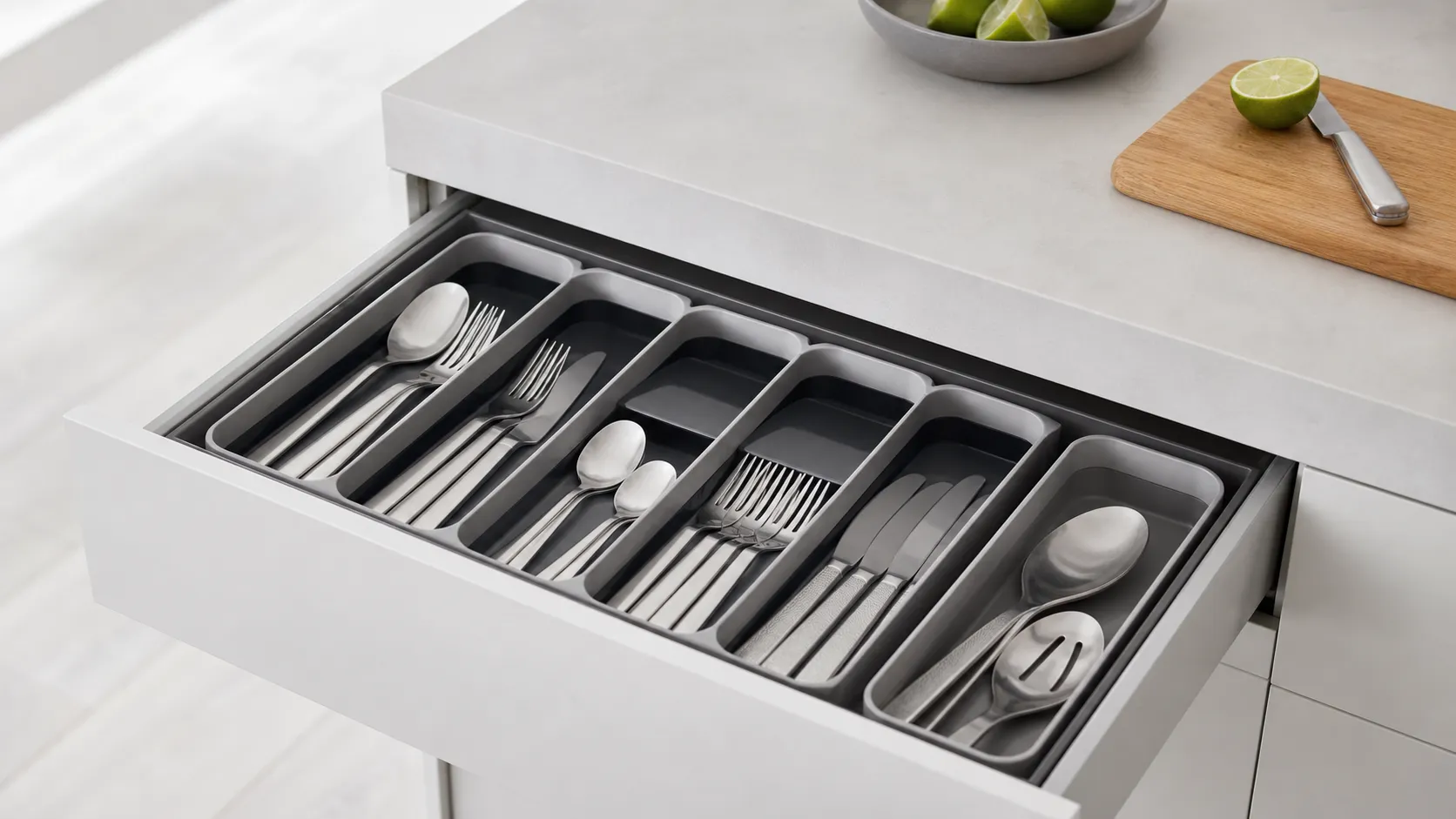
Joseph Joseph DrawerStore Cutlery Organizer Review 2026
A slim, modern cutlery tray that maximizes shallow-drawer space. Great for tidy, small-kitchen organization—measure your drawer first and avoid if you store long utensils.
 Kitchen & Appliances
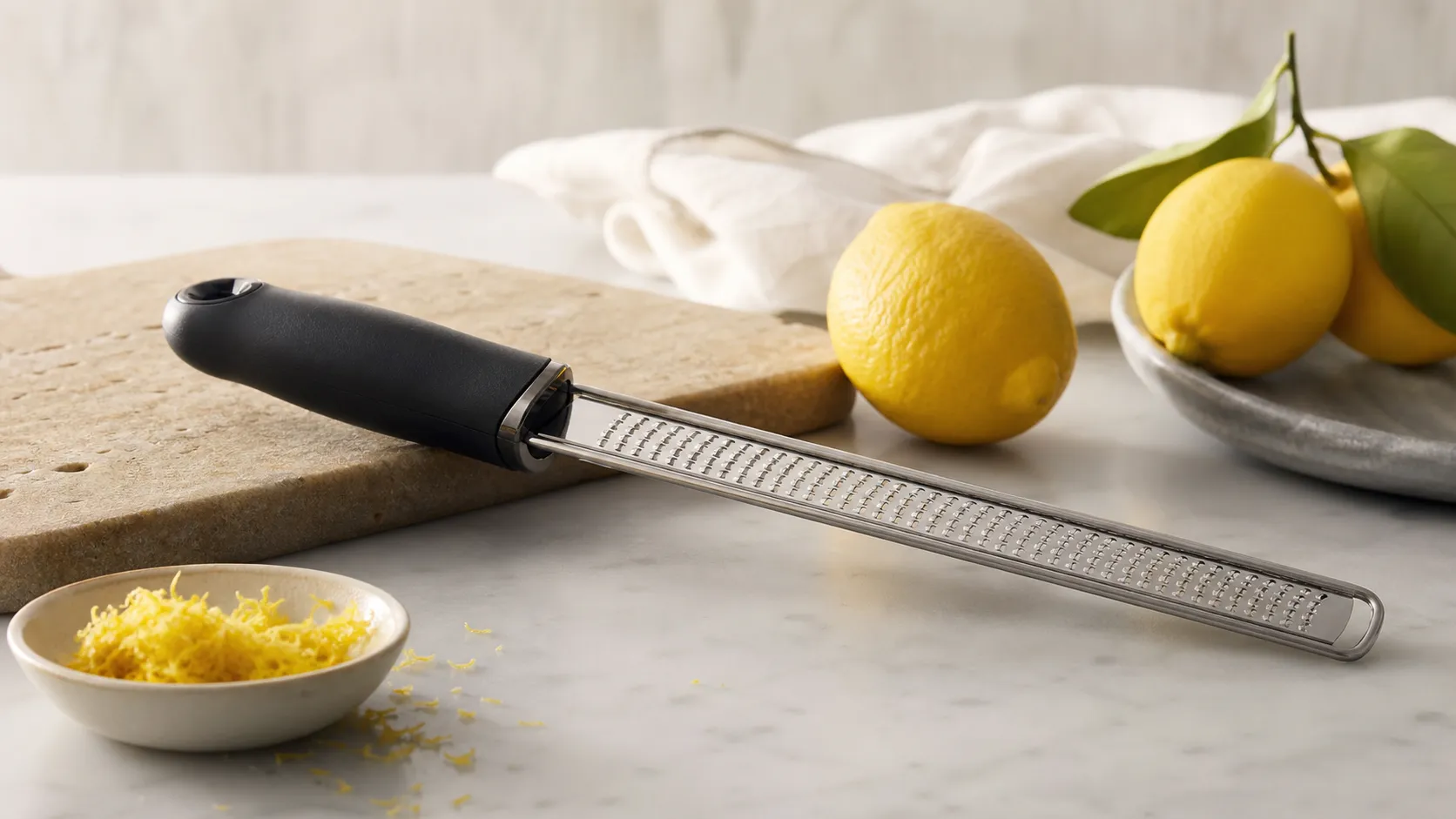
Microplane Premium Classic Zester/Grater — Review 2026
The Microplane Premium Classic is the go-to hand zester for precise, fluffy citrus zest and fine shavings. Sharp, compact, and great value—best for finishing, not bulk grating.