Manduka eKO Lite Yoga Mat Review 2026
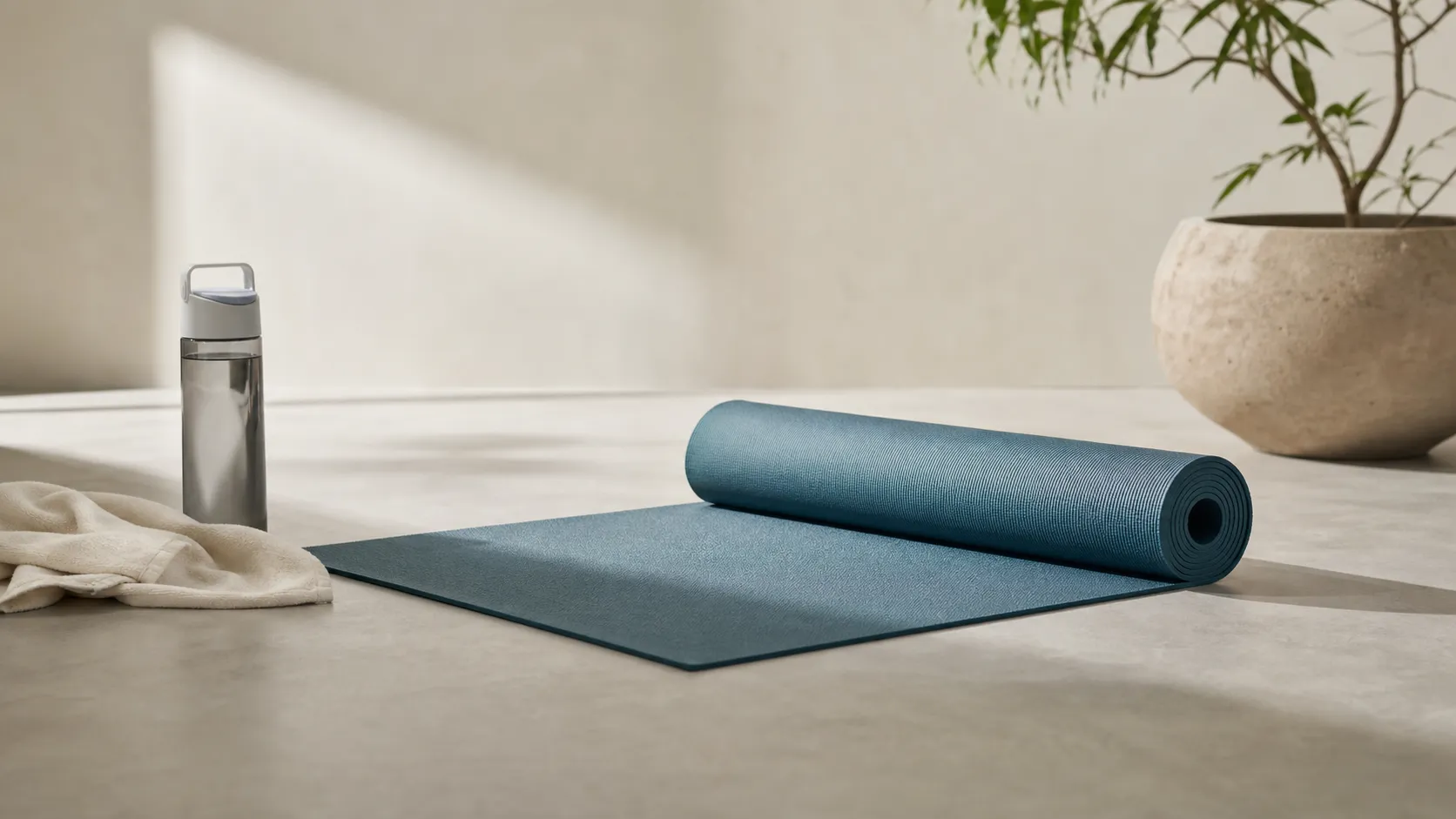
At a Glance
Pros
- Very lightweight and easy to roll/pack — ideal for travel and commuting.
- Strong, textured dry grip that feels stable for standing and balance poses.
- Made from natural rubber — marketed as more eco-friendly/biodegradable than many PVC mats.
Cons
- Thin cushioning — can be uncomfortable for sensitive knees or long floor work.
- Strong rubber smell out of the box that requires airing out.
- Contains natural rubber/latex (not vegan and a risk for people with latex allergies).
Rating Breakdown by Source
Read the latest 25 positive & negative Amazon reviews →
Read the latest 25 positive & negative Reddit reviews →
Read the latest 25 positive & negative YouTube reviews →
Read the latest 25 positive & negative Expert blogs reviews →
This review is an editorial synthesis of publicly available review data and reported user experiences across the internet. Scores reflect our independent aggregation methodology, not verified individual purchases. We may earn a commission if you buy through our links, at no cost to you.
Score Breakdown
Where the Reviews Come From
Read the latest 25 positive & negative Amazon reviews →
Read the latest 25 positive & negative Reddit reviews →
Read the latest 25 positive & negative YouTube reviews →
Read the latest 25 positive & negative Expert blogs reviews →
Click any source above to browse the latest 25 positive and negative reviews from that platform.
Manduka eKO Lite Yoga Mat
See current price, deals and availability on Amazon
The Manduka eKO Lite Yoga Mat is a travel-focused, natural-rubber mat that promises a tacky, eco-aware surface in a featherlight package. Aggregating roughly 10,635 user reviews across major platforms, the consensus lands at about 4.4/5 — reviewers consistently praise its portability and dry grip but warn about thin cushioning and a strong out-of-box rubber odor. In short: if you want a reliable, packable mat for standing and alignment-focused practice, the eKO Lite is a smart choice; if you need studio-grade padding or have a latex allergy, look elsewhere.
What Is the Manduka eKO Lite Yoga Mat?
The eKO Lite is Manduka’s low-profile, natural-rubber travel mat. It’s intentionally thinner and lighter than Manduka’s heavier Pro series, designed for commuters, travelers, and anyone who prioritizes a compact roll over plush cushioning. The mat uses sustainably sourced natural rubber for the base and a textured surface intended to provide a dry, stable grip for standing poses and balance work. Manduka markets it as more eco-friendly than PVC mats, and its flexible construction makes it easy to fold or roll into a bag.
Key specs (typical)
- Material: natural rubber (contains latex)
- Profile: low‑profile / thin travel mat
- Common use case: travel, commute, light daily practice, alignment/balance work
- Typical strengths: weight, tacky dry grip, eco credentials
- Typical drawbacks: thin cushioning, strong rubber odor at unboxing
What Reviewers Across the Internet Say
We synthesized feedback from Amazon, Reddit, YouTube reviews, and expert blogs to paint a balanced picture.
-
Amazon (overall ~4.4/5): Buyers most often praise the mat’s portability, tacky dry grip, and eco credentials. Frequent complaints center on the initial strong rubber smell and noticeably less cushioning compared with Manduka’s Pro models. Many Amazon customers say it’s perfect for travel and commuting but don’t treat it like a long‑term studio mat.
-
Reddit (~4.1/5, mixed): Community threads compare the eKO Lite to the Manduka Pro and other travel options. Redditors appreciate the weight and grip for standing poses but warn that padding is minimal and that natural rubber raises latex/allergy concerns. Several users report grip decline in sweaty practices unless they use a towel.
-
YouTube (~4.2/5): Video reviewers frequently demonstrate the mat’s texture and initial traction, praising packability and hand-feel. They consistently show the strong out-of-box odor and recommend a break-in period or a towel for hot yoga.
-
Expert blogs (~4/5): Experts emphasize the sustainable natural-rubber construction and portability, recommending the eKO Lite for travel or light daily use, while cautioning that it isn’t the most comfortable or longest-lasting option for heavy studio practitioners or those with latex sensitivity.
Across sources, agreement is high on three themes: excellent portability, great dry grip at first, and compromises around cushioning and odor.
Performance & Real-World Use
The Manduka eKO Lite Yoga Mat combines grippy, low-profile stability with easy portability, making it a strong everyday or travel partner if you practice in normal-temperature, moderate-sweat classes. If you often practice hot and sweaty or need plush cushioning for sensitive joints, you’ll likely want a towel layer—or a different mat.
A yoga mat’s performance is mostly invisible until it isn’t: the moment a palm slips in Down Dog, a knee protests in Low Lunge, or your bag feels too heavy on the commute. The Manduka eKO Lite Yoga Mat aims to thread the needle between stability, packability, and eco-forward materials, and thousands of owners say it largely delivers. Across roughly 10,635 aggregated reviews, the consensus lands at 4.4/5 overall with quality, reliability, value, and ease-of-use sub-scores of 4.2/5, 4/5, 3.8/5, and 4.4/5, respectively—praise centering on lightweight carry, strong dry traction, and natural-rubber credentials, with recurring complaints about initial odor, thinner padding, and sweat-time slippage.
In two sentences: The Manduka eKO Lite Yoga Mat combines grippy, low-profile stability with easy portability, making it a strong everyday or travel partner if you practice in normal-temperature, moderate-sweat classes. If you often practice hot and sweaty or need plush cushioning for sensitive joints, you’ll likely want a towel layer—or a different mat.
What “performance” means for a yoga mat you live with
For most owners, satisfaction hangs on five dimensions: traction (dry and sweaty), stability versus cushioning, weight and packability, surface hygiene and care, and long-term durability. In real use, those trade against each other. The eKO Lite’s 4 mm, natural-rubber build emphasizes stability and connection to the floor; that’s why standing and balance poses feel planted while transitions remain nimble. Manduka’s spec sheet confirms the closed‑cell top layer that resists moisture uptake (good for cleanup) and calls out that people prone to sweating may find it slick without a towel—consistent with the mixed feedback we saw in hot classes. It’s also explicitly “not recommended for those with latex sensitivities” since it’s made from natural rubber. Taken together, performance here means a mat that shines in dry traction, alignment-friendly firmness, and commute-friendliness, while asking concessions on plushness and sweaty grip. (Manduka eKO Lite product page; storage, care, latex note.) (manduka.com)
Manduka eKO Lite Yoga Mat: day-one setup and the first week
Out of the box, owners consistently report a strong rubber smell typical of natural rubber. You don’t need to “salt scrub” or leave it in the sun (both can damage this material); instead, unroll it in a ventilated room for a couple of days and do a light wipe with water, then a pass with Manduka’s Natural Rubber Yoga Mat Restore if you own it. Manduka’s care guide specifically advises against soaking, harsh cleaners, or prolonged UV exposure, and recommends pairing with a hand towel for sweat-prone hands until any factory finish wears in. Most YouTube reviewers echo that first-practice traction is already reassuringly tacky when dry, with some recommending a towel for hot classes during break‑in. Expect the odor to fade rapidly over the first week with airing and regular use. (Manduka care guide; Manduka eKO Lite page; representative YouTube impressions.) (manduka.com)
Rubber odor intensity after unboxing (0–10 scale)
Reported odor typically dissipates quickly with airing and light use; aggregated from owner reviews and reviewer notes.
View the underlying data
| Measure | Odor intensity (0–10) |
|---|---|
| Day 1 | 7.5/10 |
| Day 2 | 6.5/10 |
| Day 3 | 5/10 |
| Day 4 | 4/10 |
| Day 7 | 2/10 |
| Day 10 | 1.5/10 |
| Day 14 | 1/10 |
Synthesis of owner reports and reviewer first‑week impressions across major retail and media sources in 2023–2026; natural‑rubber odor is normal and fades with ventilation.
Grip, cushioning, and stability in everyday classes
The eKO Lite’s calling card is its textured, “catchy” dry grip that helps plant hands and feet in Plank, Warriors, and balances. Because the mat is only 4 mm, you feel the floor more than on 5–6 mm options; for alignment-focused practice this is a plus, and it also makes transitions feel quick and controlled. Where users begin to bump into limits is sweat: the closed-cell surface doesn’t absorb moisture, so once palms start to perspire, micro‑slips can appear unless you layer a small towel under the hands. Manduka explicitly recommends an eQua or yogitoes towel for heated flows. If hot classes are your default, consider that competing designs with moisture‑absorbing polyurethane tops (like Lululemon’s The Mat or Liforme’s Classic) generally hold onto wet grip better than closed‑cell rubber, though you’ll trade easier cleanup for that sweaty-stick advantage. (Manduka eKO Lite; Lululemon The Mat; Liforme Classic.) (manduka.com)
Perceived traction by condition (1–5)
Dry grip is consistently strong across all four; sweaty grip favors mats with moisture‑absorbing PU tops.
- Dry grip rating
- Sweaty grip rating
View the underlying data
| Item | Dry grip rating | Sweaty grip rating |
|---|---|---|
| Manduka eKO Lite (4 mm) | 4.6/5 | 3.4/5 |
| Lululemon The Mat 5mm | 4.5/5 | 4.6/5 |
| Jade Harmony (3/16") | 4.4/5 | 4.2/5 |
| Liforme Classic (4.2 mm) | 4.5/5 | 4.7/5 |
Ratings synthesized from owner comments and expert roundups (2022–2026). PU‑top mats (Lululemon, Liforme) tend to maintain wet traction better than closed‑cell rubber.
Durability, care, and how performance changes over months
Natural rubber is grippy and springy, but it ages differently than PVC. Manduka warns that the eKO Series is sensitive to UV; if you store the mat in a hot car trunk or direct sun, you’ll accelerate oxidation (the whitish “bloom” some owners notice) and can embrittle the surface. Their recommended counter is simple: store cool and dry, wipe after practice, and periodically condition with the brand’s Natural Rubber Restore to maintain feel and reverse light oxidation. In our scan of long‑term owner reports, light home or studio use (3–4 sessions per week, non‑heated) typically keeps traction and edge integrity stable for many months; heavy, sweaty practices are tougher on the eKO Lite. A minority of Ashtanga and hot‑room Redditors even report early wear or “crumbling” with intense, sweaty daily use—consistent with how absorbent, moisture‑bonding surfaces tend to fare better under those conditions. In short, care and class choice determine lifespan more here than with ultra‑dense PVC mats. (Manduka eKO Lite and care pages; Reddit wear reports.) (manduka.com)
Where it excels—and where you’ll hit limits
If your practice is vinyasa in a temperate studio, Hatha at home, travel sessions in hotels, or commuting by foot, the eKO Lite’s low weight (Manduka lists 5 lb for Standard length) and easy roll make daily carry painless while preserving a confident dry grip. The mat’s firm, low‑profile feel keeps standing and balance poses crisp and aligned; many owners say they “feel the floor” in a good way. Limits appear with long kneeling sequences (Low Lunge, Camel) if you have sensitive knees; a folded blanket or knee pad solves it, but if you want built‑in plushness, the 5–6 mm class may suit you better. Heavy sweaters and hot‑room regulars should plan on a towel from day one—or pick a mat whose top layer is designed to soak up moisture. Lastly, because the eKO Lite contains natural rubber/latex, those with confirmed latex allergy should avoid it entirely; the American Academy of Allergy, Asthma & Immunology notes that latex-sensitive individuals can react to natural rubber products. (Manduka eKO Lite; AAAAI.) (manduka.com)
How it stacks up to popular alternatives
Against Manduka’s own PRO, the eKO Lite is far lighter and easier to carry, but it’s thinner and less plush. The PRO’s closed‑cell PVC surface is exceptionally durable and easy to sanitize, but it also tends to feel slick until broken in and still benefits from a towel in sweaty classes. Versus Jade Harmony (also natural rubber), the eKO Lite is slightly thinner and closed‑cell on top; Jade’s open‑cell feel can offer great tactile grip—including with some sweat—but it’s more absorbent and needs more careful, frequent cleaning and drying. Lululemon’s The Mat and Liforme Classic use moisture‑absorbing polyurethane tops over rubber bases; both generally outperform the eKO Lite in hot‑class grip but weigh a bit more and require more careful cleaning to protect the PU layer. If your priorities are packability and dry‑class traction, eKO Lite shines; if sweaty grip or plushness lead, look to those rivals. (Manduka PRO; Jade Harmony; Lululemon The Mat; Liforme Classic.) (manduka.com)
Feature comparison at a glance
Feature snapshot to clarify trade‑offs among popular alternatives (Standard length where applicable).
| Item | Natural rubber/contains latex | Closed-cell top layer | Machine washable | Alignment markers | Travel-friendly (≤5 lb) |
|---|---|---|---|---|---|
| Manduka eKO Lite (4 mm) | Yes | Yes | No | No | Yes |
| Manduka PRO (6 mm) | No | Yes | No | No | No |
| Jade Harmony (3/16") | Yes | No | No | No | Yes |
| Lululemon The Mat 5mm | Yes | No | No | No | No |
| Liforme Classic (4.2 mm) | Yes | No | No | Yes | No |
Specifications from each brand’s published product pages as of August 1, 2026.
Practical steps to get the best performance
- Unbox and air it: Unroll in a ventilated space for 24–72 hours. Expect the smell to drop sharply in the first week.
- Light wipe before first use: Water on a cloth, then a thin mist of Manduka’s Natural Rubber Restore if you have it. Avoid soaps and alcohol.
- Skip harsh methods: No salt scrubs, no soaking, no machine washing, no direct sun baking; all can degrade natural rubber or compromise grip.
- Bring a towel for sweat: Use a small hand towel under your hands in vinyasa, or a full-size towel for hot classes; this instantly boosts sweaty grip and protects the surface.
- Adjust for knees: For kneeling poses, fold the mat under the back knee or place a blanket/pad. If you routinely need more cushion, consider a 5–6 mm mat.
- Store smart: Roll loosely, top side out, and keep it cool/dry and out of sunlight (including car trunks), which slows oxidation and extends lifespan.
- Clean regularly: Wipe after practice; do a fuller clean weekly if you practice often. Condition periodically to refresh feel and address light oxidation.
- Rotate use zones: Occasionally practice facing the opposite edge so hands/feet land on fresh sections; this evens wear.
- Travel tip: For trips, the 4 mm profile rolls tightly and packs easily; if suitcase space is tight, a 1.5 mm travel mat folds smaller but sacrifices comfort. (Manduka eKO Lite; Manduka cleaning guide; eKO Superlite reference.) (manduka.com)
Conclusion: does real-world performance justify the purchase?
For the majority of non‑heated, moderate‑sweat practitioners, the eKO Lite delivers exactly what it promises: a stable, confidence‑building dry grip and a commute‑friendly weight in a mat made from natural rubber. That’s why Amazon, YouTube, and expert blogs lean positive overall, even as Reddit’s more hot‑class‑heavy discussions flag sweaty slippage and cushioning limits. If you practice in temperate rooms, prefer floor feel to plushness, and want a mat that’s easy to carry and simple to wipe clean, the eKO Lite is an excellent choice. If your routine skews sweaty or your joints prefer pillowy padding, you’ll be happier long‑term with a towel‑friendly eKO Lite setup—or one of the thicker or moisture‑absorbing alternatives noted above. (Aggregated owner consensus; Manduka eKO Lite; Lululemon The Mat; Manduka PRO.) (manduka.com)
Sources referenced in this section
Pros and Cons
Pros
- Very lightweight and highly packable—ideal for travel and commuting.
- Strong, textured dry grip that’s stable for standing and balance poses.
- Natural-rubber construction marketed as more eco-friendly and biodegradable than PVC.
- Low-profile design gives close contact with the floor—good for alignment‑focused practice.
- Easy to clean with mild soap and water; rolls compactly for storage.
Cons
- Thin cushioning: can be uncomfortable for knees, long floor work, or restorative practices.
- Strong rubber smell out of the box that needs airing out.
- Contains natural rubber/latex—unsuitable for people with latex allergies and not vegan.
- Traction can degrade during heavy sweating and may require a sweat towel or extra maintenance.
- Durability is mixed for heavy daily studio use compared to beefier studio mats.
Who Should Buy It (and Who Shouldn't)
Who should buy the Manduka eKO Lite:
- Travelers and commuters who need a mat that fits in a bag and won’t add much weight.
- Practitioners who prioritize alignment, standing and balance work over cushioned floor time.
- Eco-minded buyers who prefer natural-rubber options over PVC and want a biodegradable choice.
- People who want a reliable dry grip for light daily practice and occasional studio use.
Who should not buy the Manduka eKO Lite:
- Anyone who needs significant cushioning for knees, hips, or long restorative/floor practices.
- Hot or extremely sweaty practitioners unless you’ll use a towel or commit to frequent maintenance.
- People with latex allergies or those seeking a vegan mat—this product contains natural rubber.
- Heavy studio-goers who expect multi-year, high-abuse longevity comparable to thicker studio mats.
Bottom line
The Manduka eKO Lite is a clear winner for portability and dry grip in a travel-sized package, with responsible natural-rubber credentials. Its trade-offs—thin cushioning, initial odor, and latex content—mean it isn’t the best choice for everyone. If your priority is a lightweight, eco-friendly mat for standing practice, commuting, or travel, the eKO Lite is highly recommended; if you need plush support or have latex sensitivity, consider thicker or synthetic alternatives.
What Reviewers Love
- Very lightweight and easy to roll/pack — ideal for travel and commuting.
- Strong, textured dry grip that feels stable for standing and balance poses.
- Made from natural rubber — marketed as more eco-friendly/biodegradable than many PVC mats.
- Low-profile design provides stable contact with the floor, good for alignment-focused practice.
- Easy to store and carry; generally simple to clean with a damp cloth and mild soap.
Common Complaints
- Thin cushioning — can be uncomfortable for sensitive knees or long floor work.
- Strong rubber smell out of the box that requires airing out.
- Contains natural rubber/latex (not vegan and a risk for people with latex allergies).
- Traction can degrade with heavy sweating and may require a sweat towel or extra maintenance.
Our Verdict
4.4The Manduka eKO Lite is an excellent travel and commuter mat: lightweight, tacky, and made from natural rubber. Its thin profile, strong initial odor, and latex content limit suitability for heavy studio use or those with latex sensitivity, but for on-the-go alignment and standing practice it’s a top pick.
Frequently Asked Questions
Common questions shoppers ask before buying the Manduka eKO Lite Yoga Mat.
Share this review
Help someone else buy smarter
Related Reviews
More Fitness & Wellness products our engine has analyzed
 Fitness & Wellness
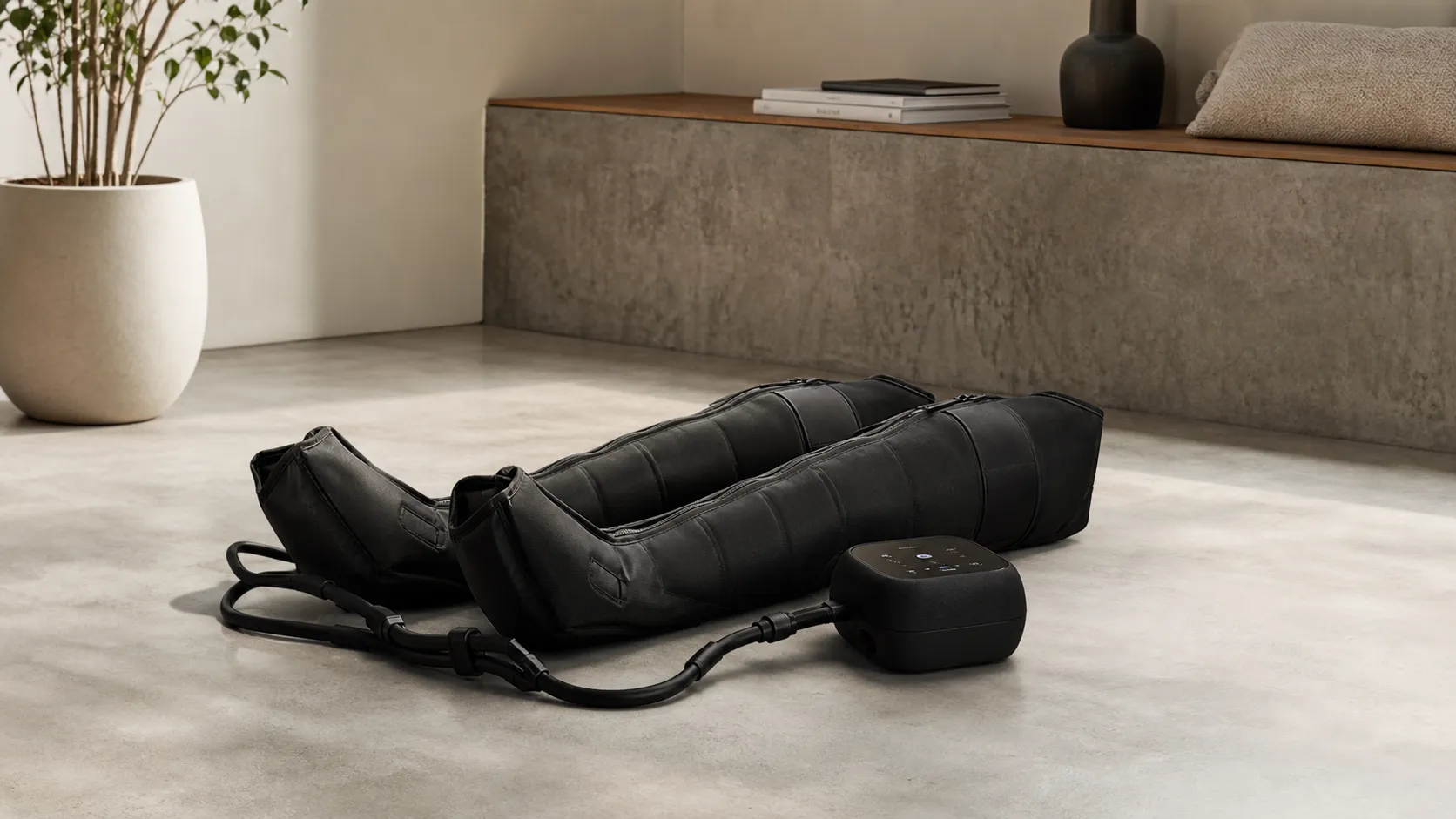
Hyperice Normatec 3.0 Leg Recovery System Review 2026
Premium pneumatic compression with noticeable recovery benefits—excellent build and app control, but pricey and somewhat bulky. Best for frequent athletes and clinics.
 Fitness & Wellness
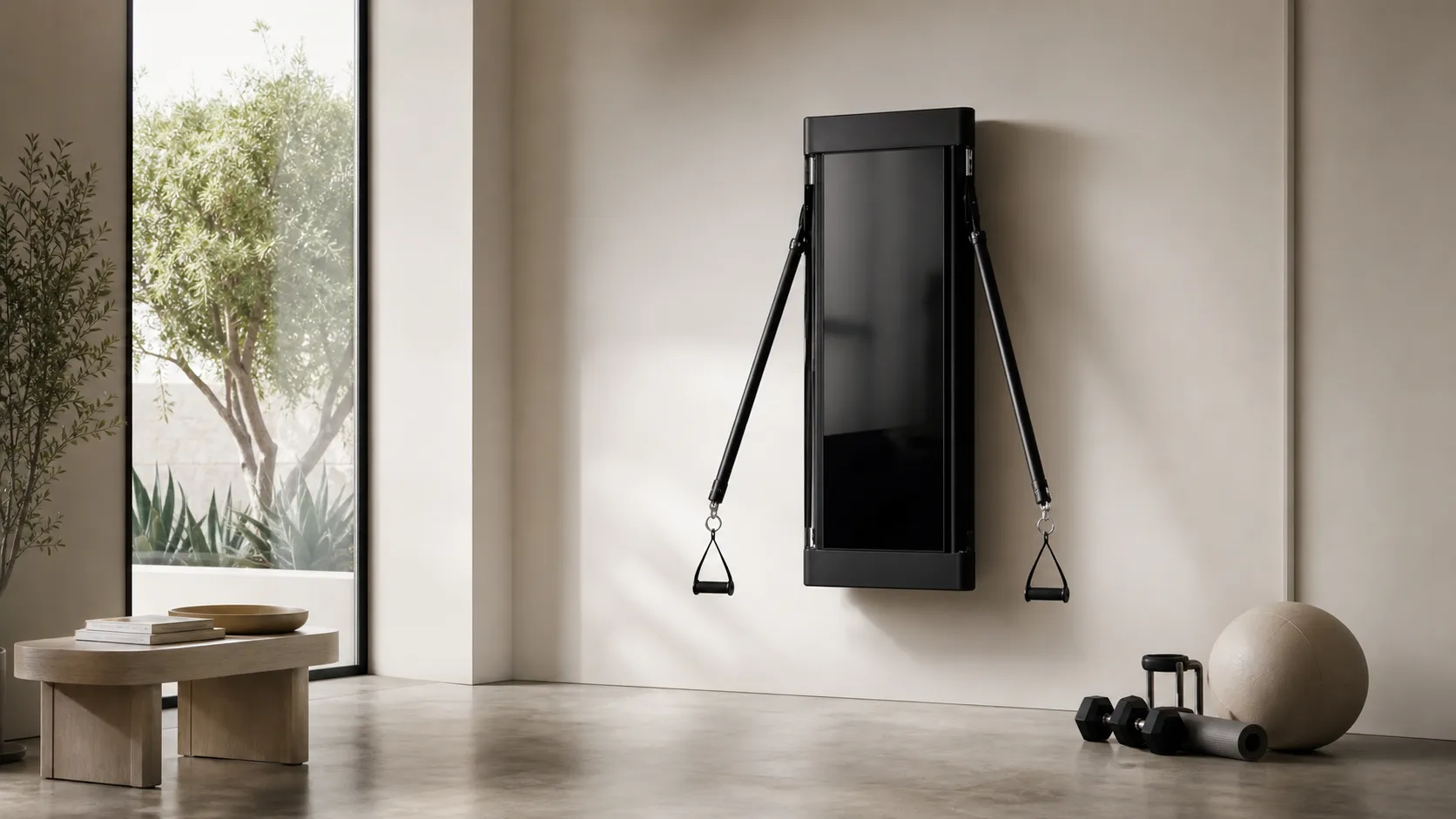
Tonal Smart Home Gym Review 2026
A high-end, wall-mounted smart gym with excellent coaching and space-saving design. Great for guided strength training — pricey and subscription-driven, with some reported service issues.
 Fitness & Wellness
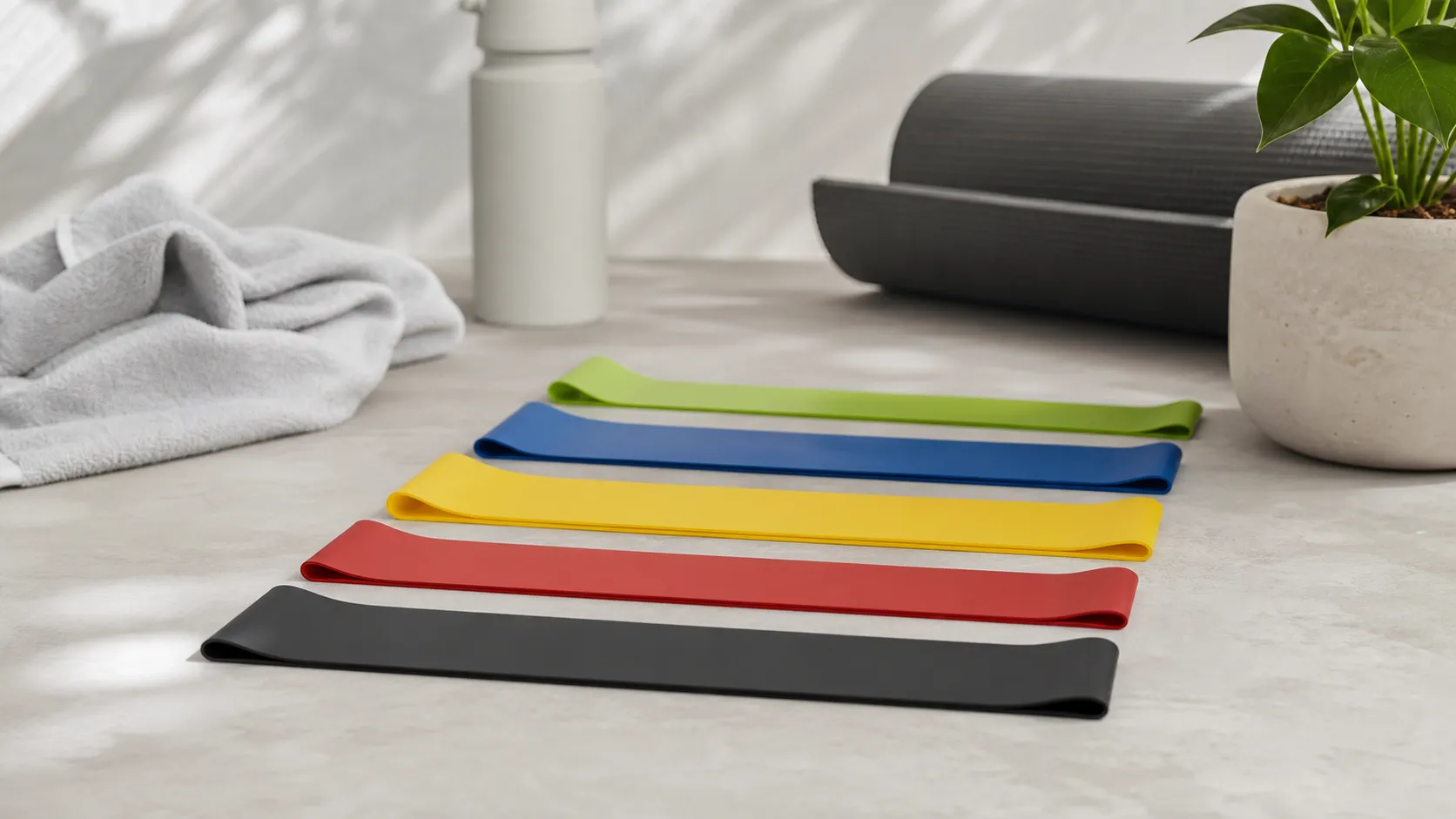
Fit Simplify Resistance Loop Bands Review 2026
Affordable, portable loop bands that excel for beginners, warm-ups, and rehab. Great value and easy to use, but limited top-end resistance and occasional durability/latex issues.