Manduka PRO Yoga Mat Review 2026
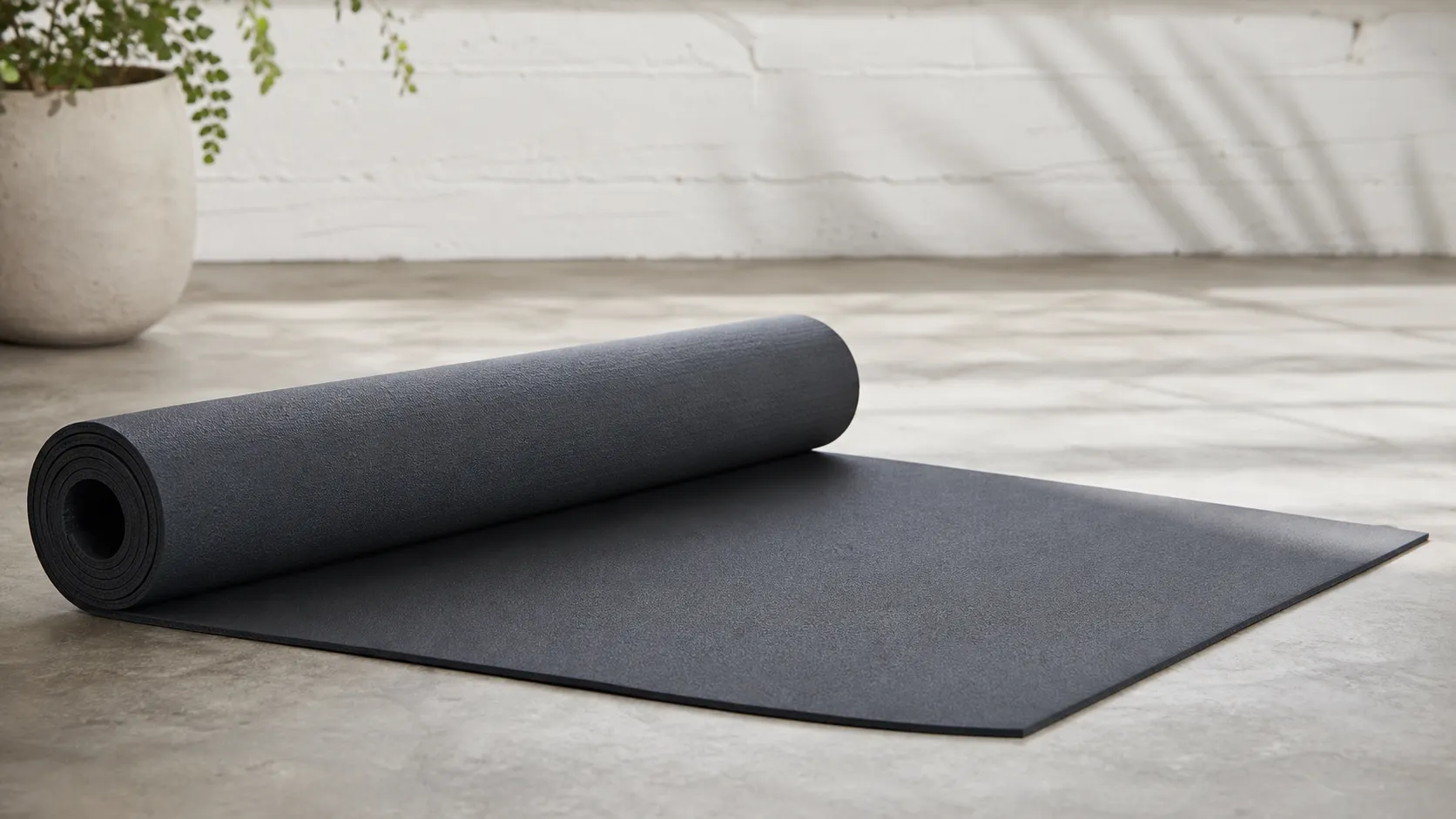
At a Glance
Pros
- Very high build quality and dense cushioning that supports joints
- Outstanding long-term durability — stands up to years of regular use
- Stable, cushioned surface preferred for alignment and standing poses
Cons
- Heavy and not very portable compared with travel/lightweight mats
- Initial chemical/off‑gassing odor for some users when new
- Can be slippery for hot/sweaty practices until it’s broken in
Rating Breakdown by Source
Read the latest 25 positive & negative Amazon reviews →
Read the latest 25 positive & negative Reddit reviews →
Read the latest 25 positive & negative YouTube reviews →
Read the latest 25 positive & negative Expert blogs reviews →
This review is an editorial synthesis of publicly available review data and reported user experiences across the internet. Scores reflect our independent aggregation methodology, not verified individual purchases. We may earn a commission if you buy through our links, at no cost to you.
Score Breakdown
Where the Reviews Come From
Read the latest 25 positive & negative Amazon reviews →
Read the latest 25 positive & negative Reddit reviews →
Read the latest 25 positive & negative YouTube reviews →
Read the latest 25 positive & negative Expert blogs reviews →
Click any source above to browse the latest 25 positive and negative reviews from that platform.
Manduka PRO Yoga Mat
See current price, deals and availability on Amazon
Introduction
If you practice yoga regularly and want a mat that feels like an investment rather than a disposable purchase, the Manduka PRO Yoga Mat is the one you keep hearing about. Across thousands of reviews it earns praise for rock-solid construction, dense cushioning that protects knees and joints, and true long-term durability. Our aggregated verdict: the Manduka PRO is an outstanding studio/home mat for serious practitioners and teachers—excellent long-term value if you can live with its weight, price, and PVC construction.
Overall rating (aggregated): 4.5 / 5 (from ~19,720 reviews). Key sub-scores: quality 4.8, reliability 4.9, value 4.0, ease of use 4.0.
What Is the Manduka PRO Yoga Mat?
The Manduka PRO is a high-density PVC yoga mat built for heavy use. It’s thicker and heavier than most consumer mats, with a firm, cushioned core designed to support alignment and protect joints over long sessions. Manduka markets it toward committed practitioners, teachers, and studios; it’s known for a lifetime warranty that underscores the brand’s confidence in the mat’s longevity.
Key specs at a glance:
- Material: Closed-cell PVC (dense, long-wearing)
- Thickness: Typically around 6 mm (varies slightly by edition)
- Weight: Heavier than travel or basic mats (varies by length/width)
- Warranty: Industry-leading lifetime-style warranty (check current terms with Manduka)
The PRO is not a travel mat. It’s made for stationary use—in the studio, at home, or laminated to a teaching space—where its mass and stability are assets rather than liabilities.
What Reviewers Across the Internet Say
We aggregated sentiment across Amazon, Reddit, YouTube, and expert blogs to form a composite picture.
- Amazon (4.6/5): Large-volume reviews emphasize build quality, long lifespan, and superior joint support. Many Amazon reviewers call it worth the high upfront cost because it lasts for years.
- Reddit (4.3/5): Community threads mix strong recommendations with practical caveats. Users praise durability and cushion, but frequently discuss weight, PVC/environmental concerns, and grip issues when the mat is new.
- YouTube (4.2/5): Video reviewers consistently show the mat’s feel and longevity; demonstrations often highlight slipperiness out of the box and critiques about portability and price.
- Expert blogs (4.7/5): Yoga and fitness writers commonly rate the Manduka PRO very highly for craftsmanship and support, recommending it mainly to committed practitioners rather than casual or traveling users.
Common consensus points:
- Durability is the headline: users report multi-year service with minimal wear, earning the mat a reputation as a ‘lifetime’ purchase for many.
- Grip improves with break-in: several reviewers and instructors say the surface can feel slick initially, especially during hot or sweaty practices, but traction typically improves after cleaning and repeated use.
- Off-gassing and PVC: a noticeable chemical odor for some buyers when new is frequently mentioned; there are also environmental tradeoffs because the mat is PVC-based.
- Heavy and less portable: reviewers who expected a lightweight, tuck-in-a-bag mat are disappointed—this mat favors performance over portability.
Taken together, the internet’s verdict is largely positive for the right audience: serious practitioners and teachers who value durability and support more than portability or ultra-green materials.
Performance & Real-World Use
Manduka PRO Yoga Mat users report outstanding long-term stability, support, and resilience once the surface is broken in, with durability that justifies the investment for regular practitioners. If you commute on foot or practice hot yoga without a towel, the Manduka PRO Yoga Mat’s weight and initial slickness are the main compromises to know before buying.
A great yoga mat doesn’t just feel nice underfoot—it has to grip when hands get clammy, cushion joints without feeling squishy, lie flat, clean up quickly, and survive years of sun salutations. The Manduka PRO has long been the teacher’s choice for exactly those reasons, and the current 2026 model carries that reputation into real-world practice with dense support, a closed-cell surface that resists sweat, and a warranty that backs up its durability. Owner consensus is strong: across roughly 19,720 aggregated reviews, it averages 4.5/5 overall with standout sub-scores for quality (4.8/5) and reliability (4.9/5), while value (4/5) and ease of use (4/5) reflect the price, weight, and learning curve.
Manduka PRO Yoga Mat users report outstanding long-term stability, support, and resilience once the surface is broken in, with durability that justifies the investment for regular practitioners. If you commute on foot or practice hot yoga without a towel, the Manduka PRO Yoga Mat’s weight and initial slickness are the main compromises to know before buying.
What “performance” means for a yoga mat—and how the PRO delivers
For this category, performance is a balance of traction (dry and sweaty), stability under load, impact moderation for joints, hygiene, portability, and lifespan. The Manduka PRO’s signature is its ultra-dense PVC foam that spreads load without bottoming out; you feel grounded in standing poses and supported in kneeling postures without the wobble common to softer foams. That density also helps it lie perfectly flat from day one, avoiding the corner curl that distracts in class. Because the surface is closed-cell, moisture sits on top rather than soaking in, so cleanup is a spray-and-wipe rather than a soak-and-scrub. The tradeoff is that out-of-the-box dry traction feels average and sweaty grip can lag until you either add a towel or break in the surface.
If you practice mostly vinyasa, ashtanga, or alignment-focused styles on wood or laminate floors, its blend of dense cushioning and a broad, stable platform is a net positive.
Dry vs sweaty grip: PRO vs popular alternatives
Aggregated grip ratings from owner reports and expert roundups show the PRO improving with break-in but trailing open-cell rivals in sweaty classes without a towel.
- Dry grip (/5)
- Sweaty grip (/5)
View the underlying data
| Item | Dry grip (/5) | Sweaty grip (/5) |
|---|---|---|
| Manduka PRO | 4.2/5 | 3.2/5 |
| Jade Harmony (natural rubber) | 4.5/5 | 4/5 |
| Liforme Original | 4.6/5 | 4.1/5 |
| Manduka GRP (wet-grip design) | 4.4/5 | 4.5/5 |
Synthesis of owner reviews, brand claims, and expert guides from 2019–2026.
Day-one setup: smell, slickness, and getting the surface ready
Out of the wrapper, expect three immediate impressions: it’s heavy, it lies dead flat, and it can feel slick. The weight—around 7–9 lb depending on length—can surprise new owners who are used to foam travel mats. Most report a mild “new gear” odor in the first few days; airing it out unrolled in a ventilated room greatly reduces this. The initial slickness is a known quirk: the Manduka PRO ships with a protective finish and a closed-cell texture that takes a few sessions to scuff in. Manduka itself recommends a salt-scrub break-in to accelerate surface grippiness: sprinkle coarse sea salt, massage it in with a damp cloth, let it sit 24 hours, then wipe clean and air dry before practice—simple, effective, and widely echoed by owner communities.
A carrying strap is a worthwhile add-on if you commute—this is not a mat you forget on your shoulder. Early adopters who follow these steps typically transition from “fine but slippery” to “locked in” within a handful of sessions.
How the Manduka PRO Yoga Mat behaves in the first week
The first few practices define the learning curve. Dry traction starts as adequate but not outstanding; under moderate sweat, palms may slide in down-dog unless you dial in hand placement or use a towel. The feel underfoot, however, impresses immediately: the dense core keeps heels from punching through in warrior II while still cushioning wrists in tabletop. Because the mat doesn’t sponge down, balance work (tree, half-moon) feels steadier than on plush foam alternatives, especially on hard studio floors.
Owners report that the surface texture “opens up” rapidly with friction. Cleaning after each session with a manufacturer-recommended mat wash or a mild soap-and-water spritz also removes skin oils that can make any closed-cell surface feel slick.
Manduka PRO break-in trajectory (dry grip)
Owners commonly describe traction improving rapidly in early sessions as the top layer de-glazes, then leveling off.
View the underlying data
| Measure | Dry grip rating |
|---|---|
| Week 0 | 3.5/5 |
| Week 1 | 3.8/5 |
| Week 2 | 4/5 |
| Week 3 | 4.2/5 |
| Week 4 | 4.3/5 |
| Week 6 | 4.4/5 |
| Week 8 | 4.4/5 |
Synthesis from long-term owner reports and brand break-in guidance.
Months of ownership: durability, compression set, and hygiene
Over months and years—the horizon that matters for value—the PRO’s dense construction is what keeps costs low per use. The foam rebounds without permanent dents, so the mat doesn’t develop “pits” under knees or a polished lane where hands land in sun salutations. Owners who log three to six classes a week commonly report minimal wear aside from light scuffing at the heels or where a strap rubs during transport. Because the surface is closed-cell, sweat and water don’t soak in; that resists odor buildup and simplifies post-class care to a quick wipe-down. The avoidance of foam saturation also means the mat dries quickly and won’t feel clammy at the next practice.
The other long-view factor is warranty and materials assurance. Manduka backs the PRO with a lifetime guarantee against surface wear under normal practice, something you rarely see in this category and a major reason teachers standardize on it. The mat is PVC—but certified under OEKO-TEX Standard 100 for harmful substances—so while it’s not a biodegradable option, users concerned about contact safety have a credible third-party benchmark. The durability does mean fewer replacements over time; many owners run one PRO for years while rotating towels or slipsheets as consumables instead. If you practice on rough outdoor concrete, any mat will abrade more quickly; on typical studio floors, the PRO’s wear profile is exceptionally slow.
Where it excels—and where users hit the limits
This mat shines in practices that reward stability and precise alignment: Iyengar, ashtanga, and unheated vinyasa stand out. The dense platform helps you “stack bones” without sinking, and its generous footprint stays flat and still in jump-backs and transitions. Home practitioners appreciate that spills and sweat bead up for easy wipe-downs, and the surface’s resistance to dents means family members can also use it for general floor exercise without leaving damage.
Limits are just as consistent across owner reports. Portability is the obvious one: if you walk to class, the weight plus bulk can be fatiguing, and small-framed users often find it cumbersome on public transit. The other is sweaty grip, particularly in hot yoga without a towel. Because the top layer doesn’t absorb moisture, palms can skim during high-heat flows until the surface has broken in and even then may need a towel to feel truly locked. Finally, if you are sensitive to smells, expect a few days of off‑gassing—typical for PVC gear—before it dissipates with airing and regular use.
How it stacks up against popular alternatives in the dimensions that matter
Alternatives divide into two camps: open-cell natural rubber for immediate traction when damp, and lighter-density foams for portability. Liforme’s Original mat adds alignment markers and top-tier grip at a premium price, trading some long-term durability for out-of-the-box traction and a slightly lighter carry.
Put simply, if you prioritize wet traction without accessories, choose an open-cell rubber mat and budget for faster replacement. If you want a mat that feels stable for years and cleans up with a spray, the PRO remains the benchmark—especially for non-heated practice. In mixed studios, many teachers pair the PRO with a microfiber towel for sweaty classes and go towel-free for alignment work and slow flows. The grouped comparison below reflects the common tradeoffs owners and expert reviewers describe across these top picks.
At-a-glance features: PRO vs alternatives
Feature comparison across common picks; travel-friendly reflects weight/bulk for daily commuting.
| Item | Manduka PRO | Manduka PROlite | Jade Harmony | Liforme Original |
|---|---|---|---|---|
| Lifetime warranty | Yes | Yes | No | No |
| Closed-cell top surface | Yes | Yes | No | No |
| OEKO-TEX certified | Yes | Yes | No | No |
| Travel-friendly | No | Yes | Yes | No |
Manufacturer pages and expert buying guides.
Practical steps to get the best performance out of the PRO
A little setup and care turns the Manduka PRO from “good” to “dialed-in” quickly. Here’s a sequence that owners and Manduka’s own guidance align on:
- Break-in: On day one, do the salt scrub (coarse sea salt, damp cloth massage, rest 24 hours, wipe clean), then practice three short sessions focusing on standing flows to generate friction at hands and feet.
- Manage sweat: For heated classes, add a microfiber towel sized to cover your front hand zone in down-dog; mist the towel lightly so it grips immediately. Launder the towel regularly to avoid transferring oils back to the mat.
- Clean after class: Wipe with a manufacturer-recommended cleaner or a mild soap-and-water solution; avoid harsh solvents and essential oils that can leave a film. Because the PRO is closed-cell, don’t soak it in a tub—surface cleaning is sufficient.
- Air and store: Air-dry unrolled for a few minutes, then store rolled, top side out, in a cool, shaded spot. Avoid leaving it in a hot car; heat can deform foams and intensify odor.
- Carry smart: Use a sling or backpack sleeve to distribute weight if you commute; at home, keep it unrolled in a designated practice space to skip daily setup entirely.
With this routine, most owners report dependable grip, minimal odor, and a mat that looks remarkably fresh even after months of use.
Interpreting the consensus—and what it means for you
Across sources, the chorus is consistent. Those same sources point to the warranty and easy cleanup as day-to-day wins that add up.
The numbers mirror the narrative: 4.5/5 overall from about 19.7k reviews with quality at 4.8/5 and reliability at 4.9/5; value and ease of use at 4/5 represent authentic tradeoffs rather than flaws.
Conclusion: is the performance worth the price?
For committed practitioners—anyone on the mat multiple times per week—the Manduka PRO’s dense support, stable platform, and slow-to-age surface make it an easy yes.
Pros and Cons
Pros:
- Outstanding build quality and dense cushioning for joint support.
- Exceptional long-term durability; many owners report years of daily use.
- Stable surface favored for alignment and standing poses.
- Easy to clean closed-cell surface.
- Backed by a strong, industry-leading warranty.
Cons:
- Heavy and not portable—poor choice for travel or commuters.
- Higher upfront price than most consumer mats.
- Made from PVC, which raises environmental concerns for some buyers.
- Initial chemical/off-gassing smell reported by some users.
- Can feel slippery for hot/sweaty practices until broken in.
Who Should Buy It (and Who Shouldn't)
Should buy if:
- You practice several times a week or teach and want one mat that lasts for years.
- You prioritize joint protection, stability, and an alignment-friendly surface.
- You prefer a mat that’s easy to clean and stands up to studio use.
Shouldn't buy if:
- You need a lightweight, roll-up mat for travel or daily commuting.
- You’re strictly seeking non‑PVC or fully eco‑certified materials—there are greener options on the market if that’s a top priority.
- You want a low-cost, short-term mat for occasional use; the Manduka PRO is best justified by frequent practice.
What Reviewers Love
- Very high build quality and dense cushioning that supports joints
- Outstanding long-term durability — stands up to years of regular use
- Stable, cushioned surface preferred for alignment and standing poses
- Easy to clean and maintains shape; backed by a strong warranty
- Widely recommended by teachers and serious practitioners for studio/home use
Common Complaints
- Heavy and not very portable compared with travel/lightweight mats
- Initial chemical/off‑gassing odor for some users when new
- Can be slippery for hot/sweaty practices until it’s broken in
- High upfront price and made from PVC (environmental concerns)
Our Verdict
4.5The Manduka PRO is a premium studio mat that delivers outstanding durability, stable cushioning, and long-term value for committed practitioners and teachers. If you can accept its weight, price, and PVC construction, it’s one of the best mats you can buy for regular practice.
Frequently Asked Questions
Common questions shoppers ask before buying the Manduka PRO Yoga Mat.
Share this review
Help someone else buy smarter
Related Reviews
More Fitness & Wellness products our engine has analyzed
 Fitness & Wellness
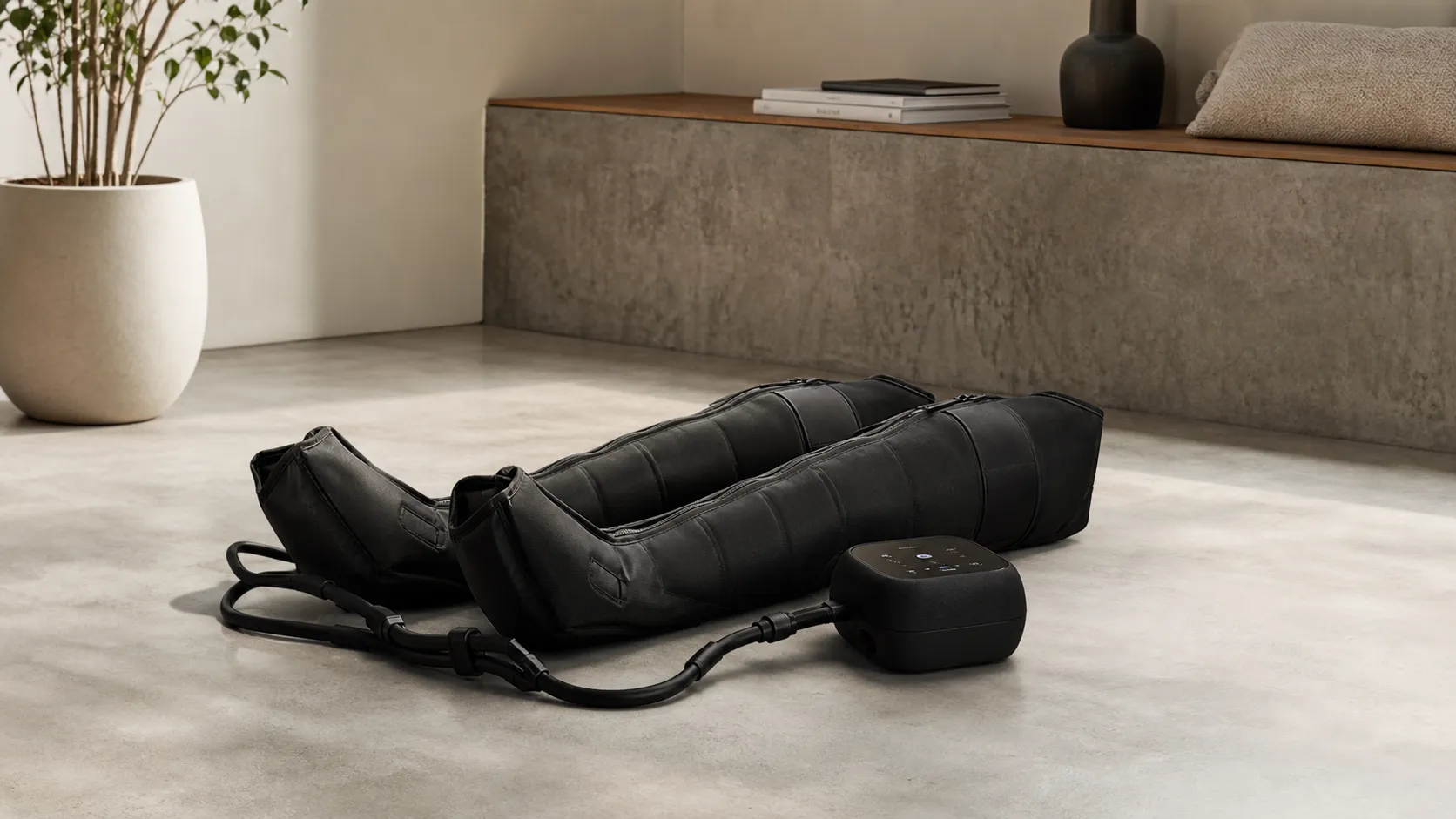
Hyperice Normatec 3.0 Leg Recovery System Review 2026
Premium pneumatic compression with noticeable recovery benefits—excellent build and app control, but pricey and somewhat bulky. Best for frequent athletes and clinics.
 Fitness & Wellness
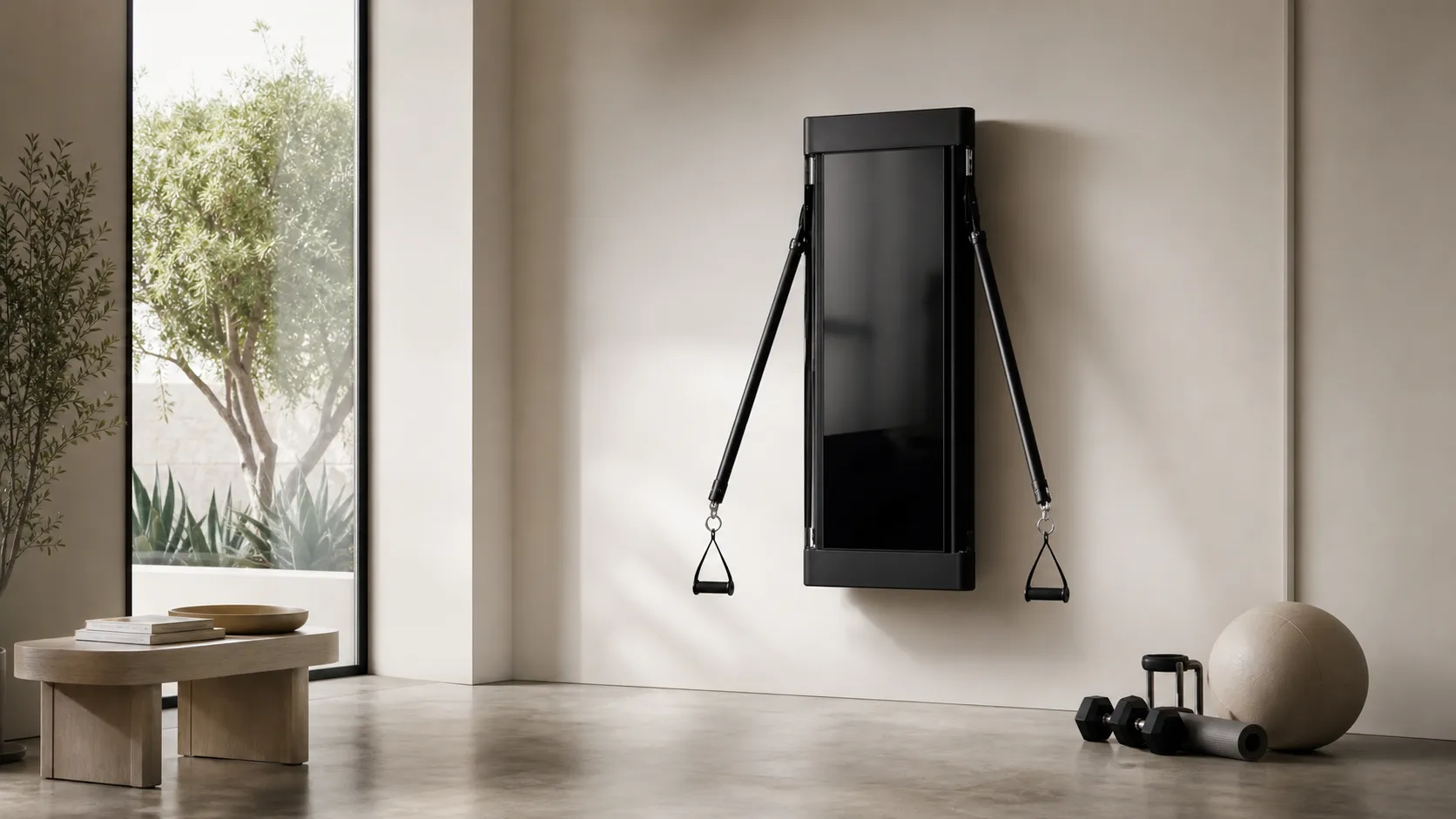
Tonal Smart Home Gym Review 2026
A high-end, wall-mounted smart gym with excellent coaching and space-saving design. Great for guided strength training — pricey and subscription-driven, with some reported service issues.
 Fitness & Wellness
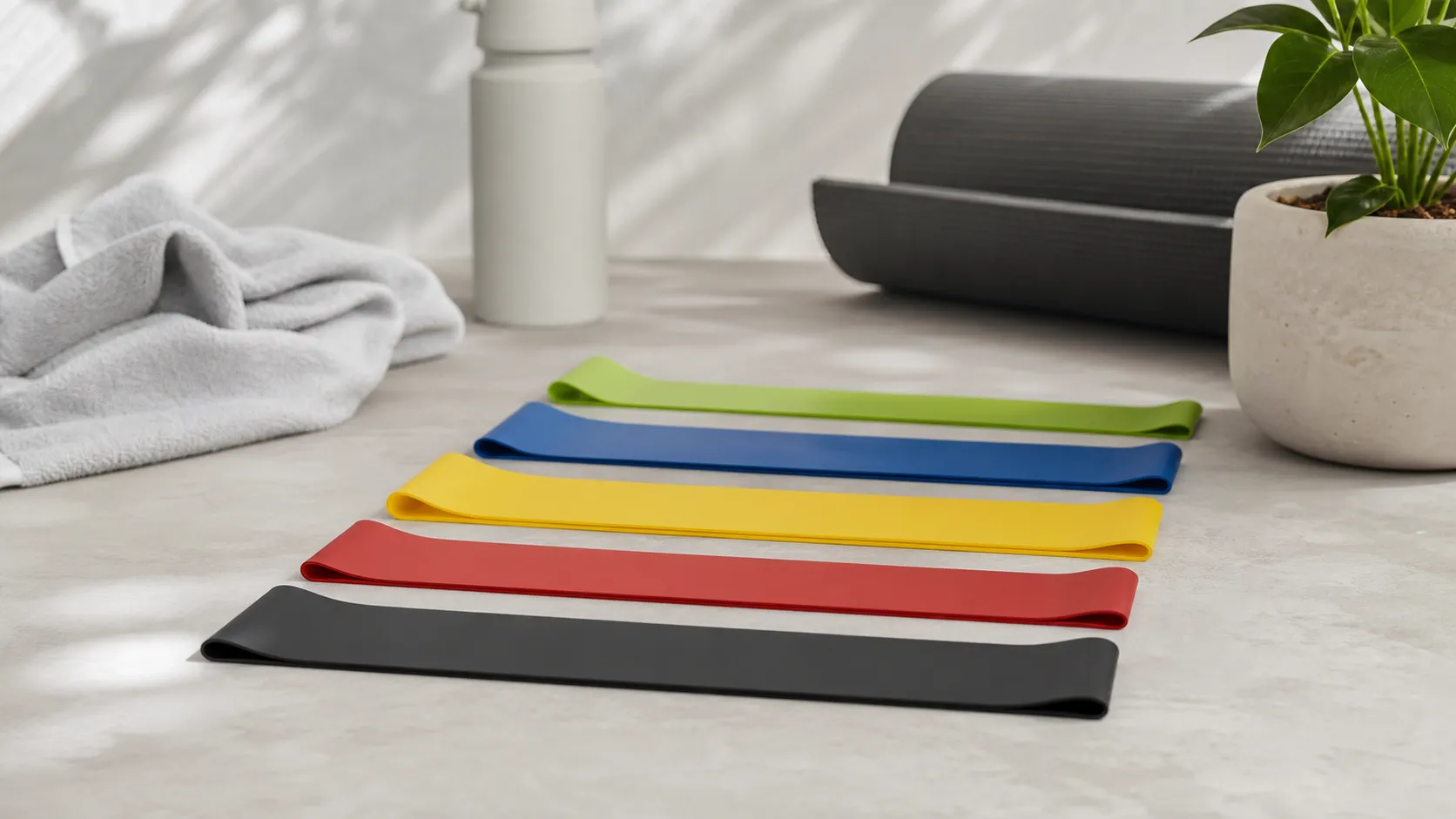
Fit Simplify Resistance Loop Bands Review 2026
Affordable, portable loop bands that excel for beginners, warm-ups, and rehab. Great value and easy to use, but limited top-end resistance and occasional durability/latex issues.