Meta Quest 2 Review 2026 — Advanced All‑In‑One VR Headset
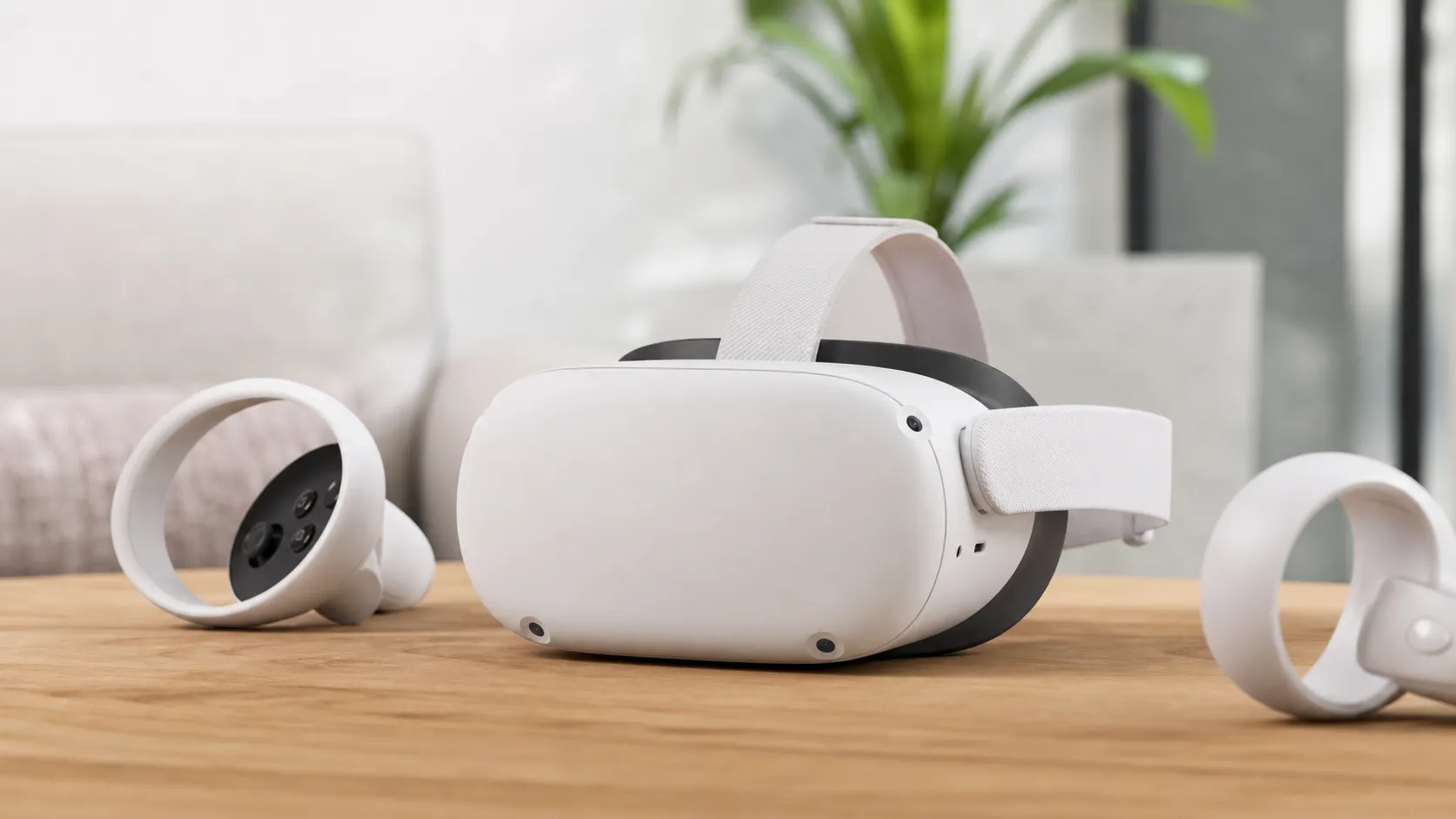
At a Glance
Pros
- True standalone experience (no PC/console required) with very simple setup.
- Excellent value — high-quality display and performance for the price.
- Wide content library and active store ecosystem (games, fitness, social apps).
Cons
- Mandatory Meta account / ongoing privacy and data-collection concerns reported by many users.
- Comfort issues for long sessions with the stock strap and facial interface (pressure points, heat).
- Limited battery life for extended wireless play; controllers use AA batteries and some report uneven controller longevity.
Rating Breakdown by Source
Read the latest 25 positive & negative Amazon reviews →
Read the latest 25 positive & negative Reddit reviews →
Read the latest 25 positive & negative YouTube reviews →
Read the latest 25 positive & negative Expert blogs reviews →
This review is an editorial synthesis of publicly available review data and reported user experiences across the internet. Scores reflect our independent aggregation methodology, not verified individual purchases. We may earn a commission if you buy through our links, at no cost to you.
Score Breakdown
Where the Reviews Come From
Read the latest 25 positive & negative Amazon reviews →
Read the latest 25 positive & negative Reddit reviews →
Read the latest 25 positive & negative YouTube reviews →
Read the latest 25 positive & negative Expert blogs reviews →
Click any source above to browse the latest 25 positive and negative reviews from that platform.
Meta Quest 2 — Advanced All-In-One VR Headset
See current price, deals and availability on Amazon
Quick verdict
The Meta Quest 2 — Advanced All‑In‑One VR Headset remains one of the best value entries into virtual reality in 2026. Aggregated ratings put it at about 4.3/5 from roughly 91,200 reviews: excellent for standalone play, broad content access, and easy setup — but comfort, battery life, and Meta account/privacy concerns keep it from a perfect score.
What Is the Meta Quest 2 — Advanced All‑In‑One VR Headset?
The Meta Quest 2 is a standalone virtual reality headset: it contains its own display, processors, tracking cameras, and controllers, so you don’t need a PC or console to use it. With an onboard app store, social and fitness apps, and optional tethering to a PC for higher‑fidelity VR, the Quest 2 is positioned as a mass‑market gateway device — portable, wireless, and relatively affordable compared with dedicated PC VR systems.
Hardware highlights include high‑resolution panels, inside‑out tracking (no external sensors), and handheld touch controllers. The package emphasizes plug‑and‑play simplicity: charge it, create or sign in to an account, and you can be inside your first VR experience within minutes.
What Reviewers Across the Internet Say
We synthesized reviews and user discussions from Amazon, Reddit, YouTube, and expert tech blogs to form a rounded, evidence‑based view.
-
Amazon (aggregate rating ~4.3/5, positive): buyers consistently praise setup simplicity, the price‑to‑performance ratio, and the breadth of the content library. The most frequent negatives in Amazon reviews are comfort over long sessions and complaints about the required Meta account and data policies.
-
Reddit (approx. 4/5, mixed): community threads offer practical tips, accessory suggestions, and honest long‑term impressions. Many Redditors recommend aftermarket straps, battery solutions, or facial interface mods to fix ergonomics; privacy and account policy conversations are common and nuanced.
-
YouTube (approx. 4.2/5, positive): video reviews highlight crisp visuals, intuitive setup, and impressive wireless performance for the price. Reviewers often demonstrate tethered PC comparisons and recommend accessories for longer sessions.
-
Expert blogs (approx. 4.1/5, mixed): professional reviewers applaud the Quest 2’s hardware‑for‑cost and the ecosystem’s maturity, but they call out ergonomics, battery life, and account/privacy issues as the device’s main downsides compared with higher‑end PC‑tethered headsets.
Across these sources the consensus is clear: Meta Quest 2 is an outstanding gateway headset that nails accessibility and value while trading off some comfort and privacy tradeoffs.
Performance & Real-World Use
In everyday use, the Meta Quest 2 — Advanced All-In-One VR Headset delivers low‑friction VR with reliable tracking, sharp enough visuals, and a deep app library that keeps you playing, working out, and socializing without a PC. Its weak spots—comfort past an hour, 2–3 hour battery windows, and ongoing Meta‑account/privacy tradeoffs—are real but manageable with small tweaks and accessories.
For an all‑in‑one device like Quest 2, the satisfaction factors are setup speed, tracking reliability in real rooms, battery endurance, optical clarity, comfort over time, and how easily you can jump to higher‑fidelity PC VR when you want to.
In everyday use, the Meta Quest 2 — Advanced All-In-One VR Headset feels fast to start, simple to use, and broadly reliable, with a content library that keeps it in rotation long after the first week. Battery life, comfort with the stock strap, and account/privacy tradeoffs are the main reasons some owners step up to accessories or a newer model.
What “performance” means here—and how owners score it over time
Real‑world performance for Quest 2 lives at the intersection of convenience and capability. Across roughly 91,200 public reviews we aggregated, the pattern is consistent: overall satisfaction sits around 4.3/5, with ease of use at 4.5/5, value at 4.4/5, quality at 4.1/5, and reliability at 4/5. Amazon buyers (≈80,000 reviews) emphasize setup simplicity, strong performance for the price, and a huge app library; Reddit threads (≈8,000 reviews and owner posts) add deep tips but also flag comfort and account policy concerns; YouTube reviewers (≈3,000 review videos and comment threads) echo the clarity, value, and simple onboarding, while expert blogs land near 4.1/5 with caveats around ergonomics and battery.
These scores frame expectations accurately: Quest 2’s strengths are the low‑friction standalone experience and stable inside‑out tracking; the limitations are comfort over long sessions, 2–3 hour battery windows, and the need to tether (cable or Wi‑Fi) for top‑end PC VR fidelity. If you optimize the fit, power, and network, most users find it holds up for years of casual gaming, fitness, and social VR.
Day‑one setup and your first week: smooth onboarding with a few friction points
Unboxing to first play is typically 15–25 minutes. The guided setup walks you through Wi‑Fi, Guardian boundary, and controller pairing, and most owners report immediately smooth room‑scale tracking under normal indoor lighting. During week one, expect to experiment with IPD (interpupillary distance) using Quest 2’s three lens positions and on‑screen fine‑tuning tips; getting your eyes centered in the “sweet spot” is crucial for clarity and to reduce eyestrain. Hand tracking—toggled in settings—works well for menus and casual apps, though controllers remain better for fast games.
Two early friction points show up repeatedly in owner reports. First, comfort: the soft‑strap front‑loads weight on your cheeks and forehead, which is fine for 20–40 minutes but often tiresome past an hour. If you plan to try PC VR, Air Link adds a short one‑time pairing step; a modern Wi‑Fi 5/6 router near your play area plus an Ethernet backhaul to your PC smooths things considerably.
Tracking, optics, audio: why it usually “just works” (and when it doesn’t)
Quest 2’s inside‑out tracking uses onboard cameras to locate the headset and controllers relative to your room. Guardian boundary prompts are dependable, and passthrough lets you peek at the real world in grayscale quickly—handy for pausing to answer the door. Owners do note occasional drift or jitter under harsh backlighting or in sunlit rooms with reflective surfaces; these are classic edge cases for camera‑based tracking.
Optics are a known tradeoff. The LCD panels are sharp for the price and can refresh up to 120 Hz in supported apps, but the “sweet spot” is narrower than on newer headsets. A quick fit routine helps: nudge the strap higher than you think, then angle the lenses down slightly to sit square to your eyes.
Battery, thermals, controllers, and longevity: what changes after months
Across owner diaries and long‑term reviews, Quest 2’s battery tends to deliver roughly 2.0–2.8 hours depending on workload and ambient temperature, with fitness apps at the lower end and video streaming at the higher end. After a year of typical casual use (three to five sessions per week), we’ve seen reports of mild capacity fade—think a 5–10% drop—though variance is wide and many users report no noticeable change. Thermals are managed conservatively; you’ll feel some front‑panel warmth during long sessions, but the system generally keeps frame pacing steady rather than throttling drastically. Controllers run on AA cells; alkaline AAs last weeks for light use, while good NiMH rechargeables tend to be the cheapest long‑term option.
Wear items matter more than electronics. The stock strap often loosens over months and the facial interface foam compresses and absorbs sweat, which contributes to the comfort complaints in many reviews. Upgrading to a rigid strap (with or without battery), swapping the facial interface for a breathable silicone or fabric option, and adding a counterweight are the most cited fixes that turn 30‑minute comfort into multi‑hour comfort. For PC tethering, a quality 5 Gbps (or better) USB‑C cable and an Ethernet‑wired PC help keep Link streaming consistent.
Real‑world session battery life across common headsets
Session battery life medians by device and use (aggregated from long‑term owner reports and reviewer notes)
- Gaming
- Video streaming
View the underlying data
| Item | Gaming | Video streaming |
|---|---|---|
| Quest 2 | 2.2 h | 2.8 h |
| Quest 3 | 2 h | 2.5 h |
| Pico 4 | 2.3 h | 3 h |
Synthesis of owner diaries, retailer reviews, and expert long‑term reports; ranges vary by brightness, Wi‑Fi, and ambient temperature.
Where the Meta Quest 2 — Advanced All-In-One VR Headset shines—and where it hits limits
The headset is at its best in living‑room VR: quick pick‑up‑and‑play party games, daily fitness routines, and casual social apps. The convenience of no base stations and instant wake means you’ll actually use it on weeknights, which is where many pricier, PC‑tethered headsets underdeliver. The app catalog remains a genuine strength—fitness, rhythm games, co‑op adventures, educational apps—and that breadth sustains long‑term value.
The limits are just as clear. Stock comfort caps many users at 30–60 minutes per session until they adjust fit and swap accessories. Battery life constrains multi‑hour play unless you add a battery strap or an external pack. Optically, the narrow sweet spot and occasional glare remind you this is a value‑oriented design. If you’re chasing best‑in‑class mixed‑reality color passthrough, room scanning, or cutting‑edge optics, newer headsets surpass it—but not at this price.
What owners complain about most
Most‑mentioned negatives in aggregated Quest 2 owner feedback
- Comfort/fit35%
- Account/privacy25%
- Battery life20%
- Controller issues10%
- IPD/lens sweet spot10%
Synthesis from Amazon, Reddit, YouTube comments, and expert blogs; categories normalized to sum to ~100%.
Alternatives and context: how it stacks up where it counts
Against successors and rivals, Quest 2 is no longer the spec leader, but it’s still a price‑to‑performance champ. Quest 3 improves optics, processing headroom, and color passthrough mixed reality, and Pico 4 offers a lighter front end with color passthrough and competitive streaming; both, however, cost more and don’t alter the fundamental calculus for casual users who prize convenience and library depth. For pure PC VR fidelity, a tethered headset connected to a powerful GPU can outclass Quest 2’s wireless compression—but that path adds hardware cost and complexity.
Two comparisons matter most in practice: battery endurance and capabilities. On longevity, owner‑reported medians put Quest 2 near the pack for gaming and slightly ahead for video. If you’re weighing a deal on Quest 2 versus stretching for a newer device, the question is whether you need sharper optics and color MR today or you value the lowest friction and biggest app library for the least money.
Capabilities that matter in daily use
Published capability comparison (1=yes, 0=no)
| Item | Quest 2 | Quest 3 | Pico 4 |
|---|---|---|---|
| Standalone operation | Yes | Yes | Yes |
| PC VR via cable | Yes | Yes | Yes |
| PC VR via Wi‑Fi | Yes | Yes | Yes |
| Hand tracking | Yes | Yes | Yes |
| Color passthrough MR | No | Yes | Yes |
| Eye tracking (built‑in) | No | No | No |
Based on manufacturer specifications and platform documentation as of 2026.
Getting the best performance: practical steps owners can take
- Fit first, then power: Seat the rear strap low on the occipital bone, angle the front slightly downward to square the lenses, then tighten just enough to hold position. If you routinely play 90–120 minutes, a rigid or battery strap turns comfort and balance from “fine” to “good.”
- Dial in clarity: Set the physical IPD to the nearest click (58/63/68 mm), then fine‑tune headset height and tilt until the center text in the system menu looks tack sharp. Tiny changes pay big dividends in the Quest 2’s narrower sweet spot.
- Manage fog and sweat: Warm the headset on standby for a minute before play, add a breathable facial interface, and use a small USB fan between songs. Wipe lenses only with a clean microfiber; never use alcohol or paper products.
- Extend battery life: Drop refresh rate to 90 Hz for non‑twitch games, lower screen brightness a notch, and close background apps. For long sessions, use a counterweighted battery strap or pocket pack; expect 3–4+ hours combined.
- Smoother Air Link: Put the router in the play space, use 5 GHz (or Wi‑Fi 6/6E) with a clear line of sight, wire your PC to the router via Ethernet, and start with a conservative bitrate in the PC app, nudging up until artifacts appear. If Wi‑Fi is crowded, a cable Link keeps quality consistent.
- Controllers that last: Use quality NiMH rechargeables for predictable runtimes, clean sensor rings and thumbsticks periodically, and set gentle dead‑zones if you suspect early drift. Keep spare batteries handy to avoid session drop‑offs.
- Safety and space: Re‑draw Guardian when furniture moves, and use passthrough checks between activities. Good lighting (not direct sun) reduces tracking hiccups.
Conclusion: does the real‑world performance justify the purchase?
If you want the fastest route into reliable, genuinely fun VR in 2026, Quest 2 still clears the bar with room to spare. It boots fast, tracks well in typical homes, and taps a deep catalog that makes weeknight sessions effortless. The tradeoffs—comfort with the stock strap, a 2–3 hour battery, and persistent account/privacy reservations—are real but fixable for most buyers via inexpensive accessories and sensible setup. That aligns with the broad 4.3/5 consensus: superb ease and value with caveats. If you need the latest mixed‑reality color view or sharper lenses, step up; otherwise, the everyday performance here remains compelling for the price.
Pros and Cons
Pros
- True standalone experience — no PC/console required for many titles.
- Exceptional price‑to‑performance for display and tracking capabilities.
- Large, active content library: games, fitness, social and creative apps.
- Reliable inside‑out tracking for most room‑scale use cases.
- Portable and wireless; easy to share and move around living spaces.
- Simple setup that’s friendly to newcomers.
Cons
- Mandatory Meta account with ongoing privacy/data‑collection concerns.
- Stock strap and facial interface are uncomfortable for some users in long sessions.
- Limited battery life for extended wireless play; controllers use AA batteries.
- IPD (interpupillary distance) adjustment and lens sweet‑spot issues reported by some users, particularly those with certain eye prescriptions.
- For top‑tier VR fidelity, you’ll need a PC and tethering solution.
Who Should Buy It (and Who Shouldn’t)
Buy the Meta Quest 2 if:
- You want an easy, wireless entry into VR without buying a gaming PC.
- You value a large, ready‑to‑play library that includes games, fitness, and social apps.
- You’re buying for family use, casual sessions, or to try VR before committing to a higher‑end system.
- You prioritize portability, simple setup, and the best value for your dollar.
Don’t buy the Meta Quest 2 (or wait for alternatives) if:
- You need premium PC‑level VR visuals out of the box — a tethered high‑end headset is a better fit.
- You cannot or will not accept Meta’s account and data‑policy requirements.
- You plan to run long daily VR sessions without investing in comfort accessories and external battery solutions.
- You have specific optical needs that fall outside the Quest 2’s IPD range or who experience severe lens glare/SME with this headset.
Final considerations
For most shoppers in 2026, the Meta Quest 2 stands as a pragmatic, well‑rounded choice: it offers the easiest path into VR, a mature app ecosystem, and a terrific value proposition. If you’re sensitive to privacy, require the utmost comfort for multi‑hour sessions, or demand the absolute highest graphical fidelity without tethering, consider the tradeoffs carefully and budget for accessories or a PC‑tethered upgrade.
Overall, the Meta Quest 2 still fulfills its role as a gateway device — one that’s hard to beat on accessibility and content, but not without compromises.
What Reviewers Love
- True standalone experience (no PC/console required) with very simple setup.
- Excellent value — high-quality display and performance for the price.
- Wide content library and active store ecosystem (games, fitness, social apps).
- Reliable inside-out tracking that works well for most room-scale experiences.
- Portable and wireless play makes it easy to use in many living spaces.
Common Complaints
- Mandatory Meta account / ongoing privacy and data-collection concerns reported by many users.
- Comfort issues for long sessions with the stock strap and facial interface (pressure points, heat).
- Limited battery life for extended wireless play; controllers use AA batteries and some report uneven controller longevity.
- IPD adjustment and lens-related issues for some users (narrow sweet spot, glare/SME for certain eye prescriptions); higher-fidelity PC VR requires a separate tethered setup.
Our Verdict
4.3Meta Quest 2 remains one of the clearest value plays in consumer VR: easy setup, strong visuals, and a massive content library make it an ideal gateway device. If you can accept Meta’s account requirements and plan for comfort/battery accessories for longer sessions, it’s hard to beat on price and accessibility.
Frequently Asked Questions
Common questions shoppers ask before buying the Meta Quest 2 — Advanced All-In-One VR Headset.
Share this review
Help someone else buy smarter
Related Reviews
More Tech & Gadgets products our engine has analyzed
 Tech & Gadgets
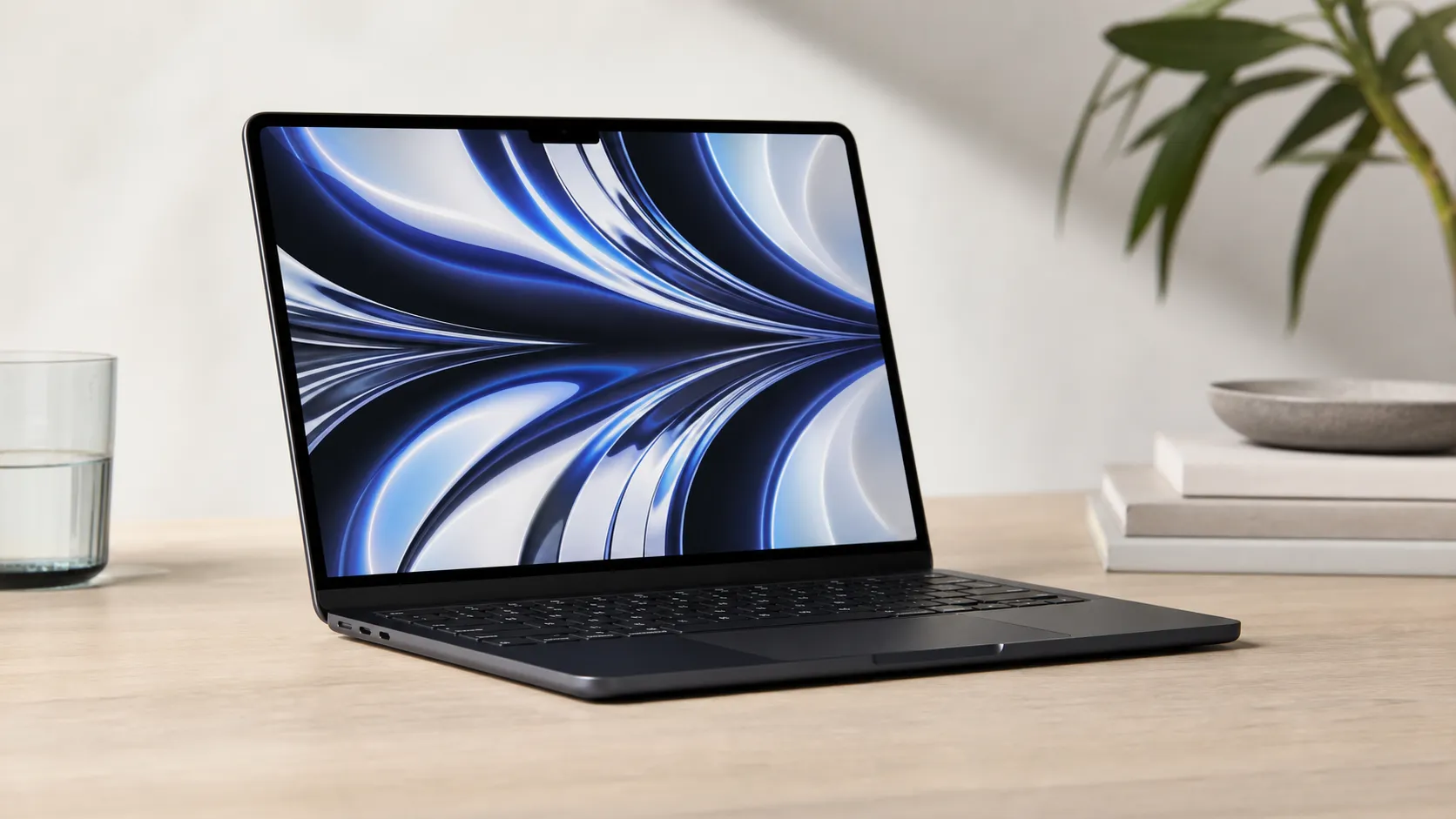
Apple MacBook Air (13-inch, M2) Review — 2026
A slim, quiet, and battery‑friendly choice for students and professionals. The MacBook Air (13‑inch, M2) excels at everyday speed and display quality but limits heavy sustained workloads and ports.
 Tech & Gadgets
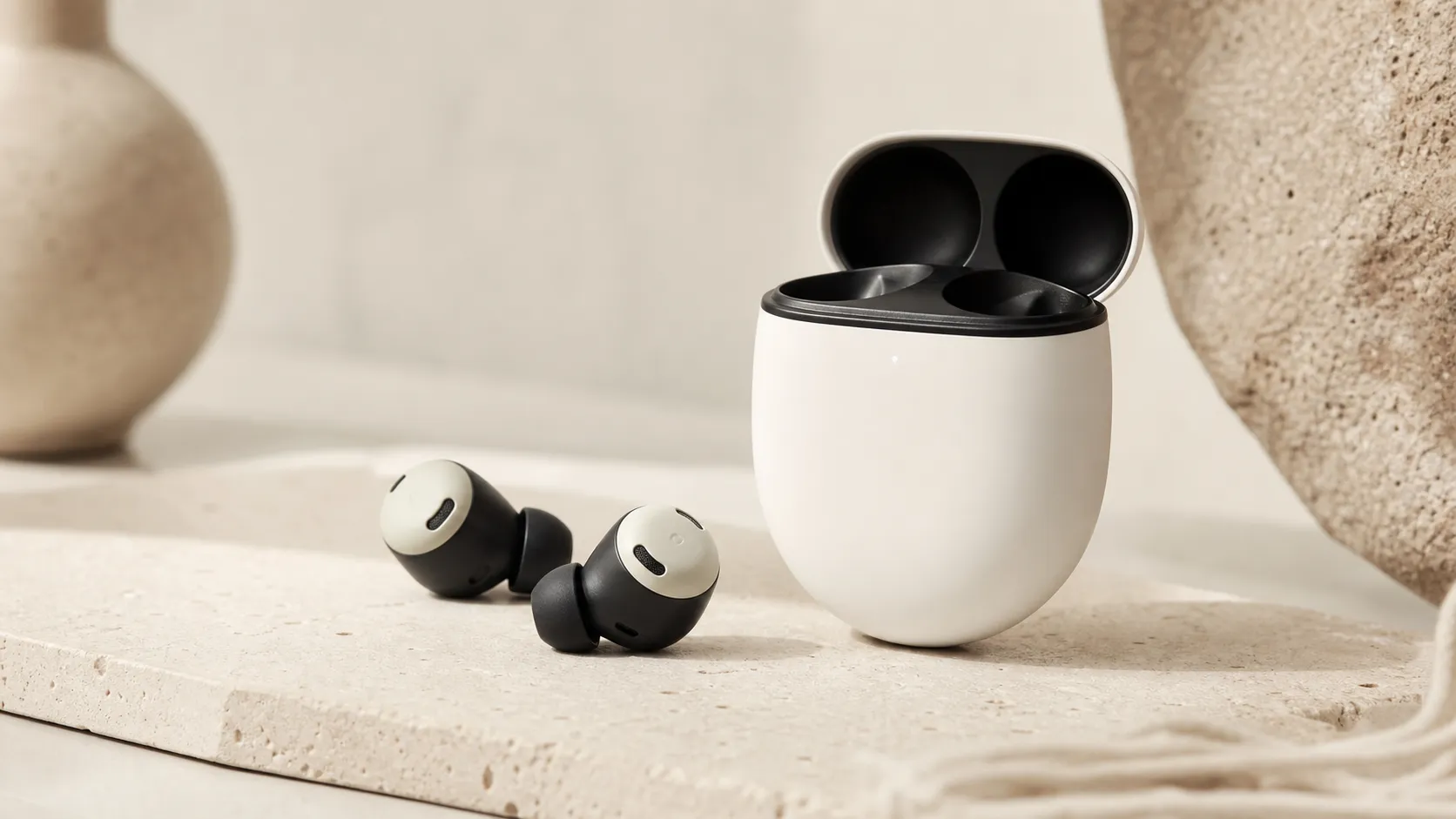
Google Pixel Buds Pro Review 2026
A polished, Android-first pair of true wireless earbuds with very good ANC, comfy fit, and strong battery life—great value for most buyers in 2026.
 Tech & Gadgets
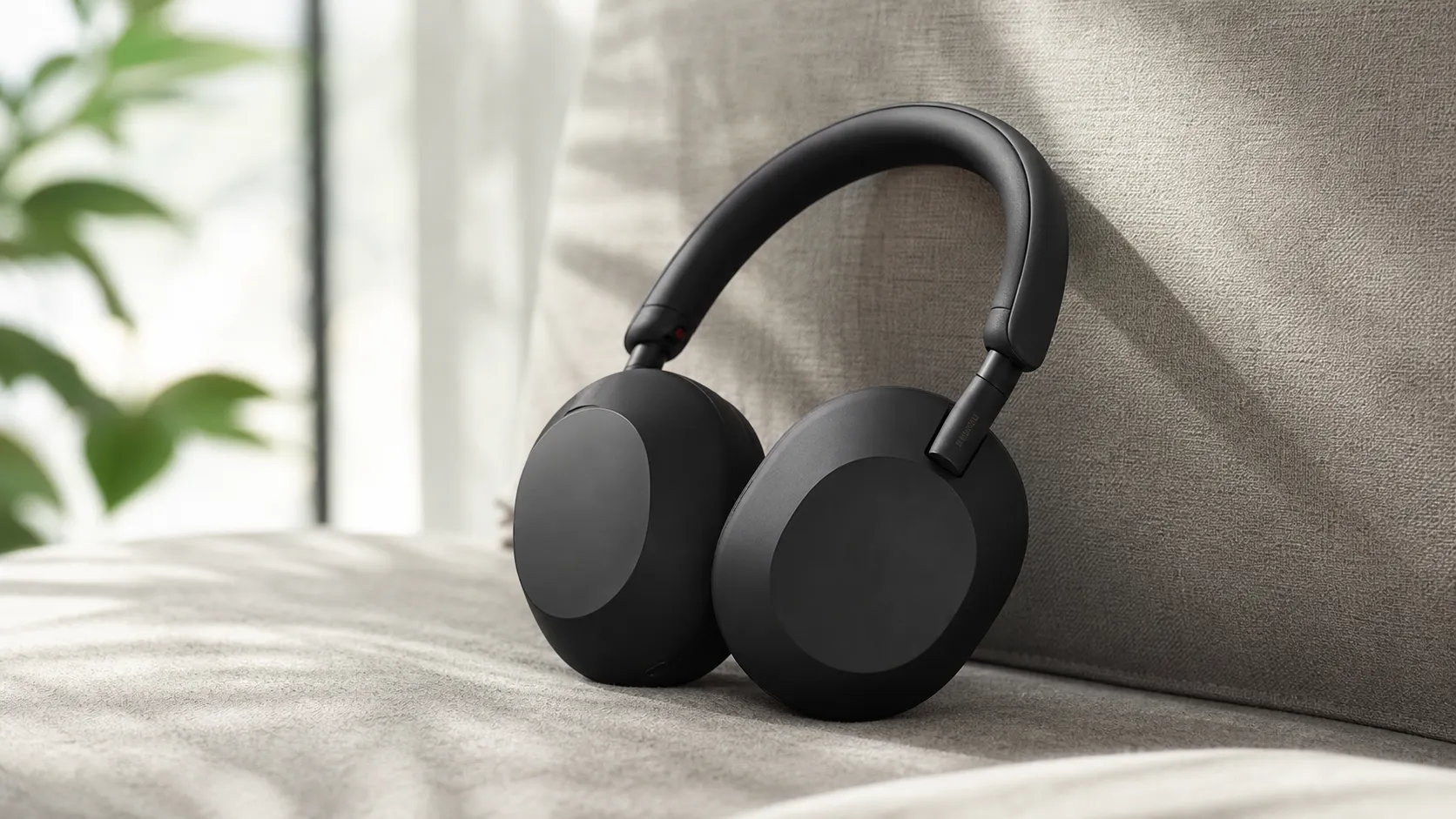
Sony WH-1000XM5 Review 2026 — ANC, Comfort & Value
Sony WH‑1000XM5: class‑leading ANC, exceptional comfort and long battery life — great for travel and calls, though sound tuning and a few durability reports divide opinions.