Meta Quest 3 Review (2026): Best Mainstream VR Buy?
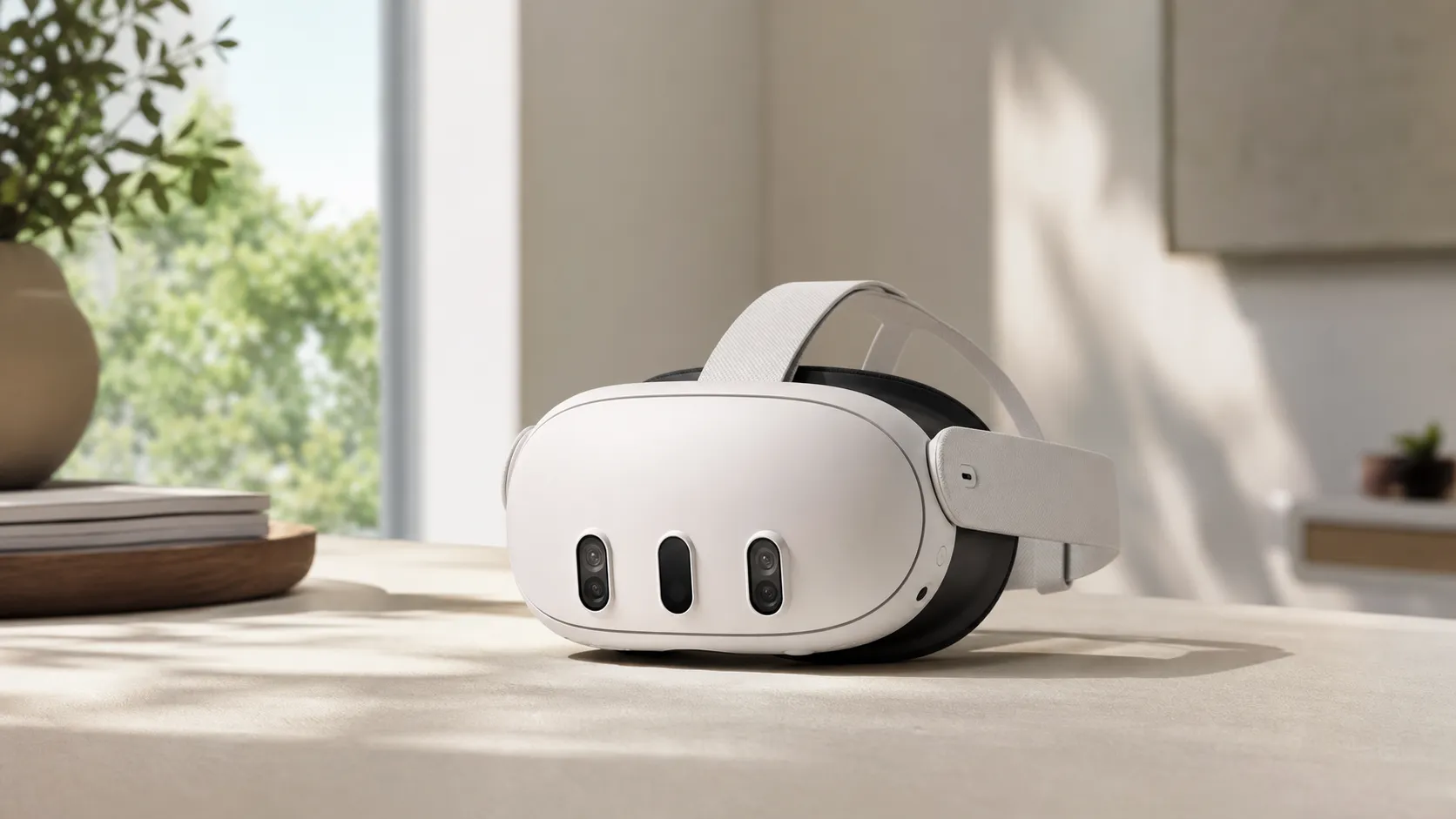
At a Glance
Pros
- Noticeably sharper visuals and better GPU performance than Quest 2 (clearer textures, improved frame rates).
- Full‑color passthrough mixed‑reality capability (adds useful AR interactions that Quest 2 couldn't do).
- Standalone convenience and broad game library — no PC required for many top titles.
Cons
- Mixed-reality (passthrough) is noticeably lower-fidelity than dedicated AR headsets—grainy/low-detail in many lighting conditions.
- Battery life is modest for extended play (typical sessions require mid-use charging or external battery accessory).
- Software/ecosystem: fewer standout mixed-reality apps than reviewers expected at launch.
Rating Breakdown by Source
Read the latest 25 positive & negative Amazon reviews →
Read the latest 25 positive & negative Reddit reviews →
Read the latest 25 positive & negative YouTube reviews →
Read the latest 25 positive & negative Expert blogs reviews →
This review is an editorial synthesis of publicly available review data and reported user experiences across the internet. Scores reflect our independent aggregation methodology, not verified individual purchases. We may earn a commission if you buy through our links, at no cost to you.
Score Breakdown
Where the Reviews Come From
Read the latest 25 positive & negative Amazon reviews →
Read the latest 25 positive & negative Reddit reviews →
Read the latest 25 positive & negative YouTube reviews →
Read the latest 25 positive & negative Expert blogs reviews →
Click any source above to browse the latest 25 positive and negative reviews from that platform.
Meta Quest 3 (VR Headset)
See current price, deals and availability on Amazon
Quick verdict
The Meta Quest 3 is a clear hardware step up from the Quest 2 — sharper displays, a stronger GPU, and full‑color passthrough that brings mixed‑reality experiences into reach. Aggregating ~51,250 user reviews across retail and community sources gives the Quest 3 an overall score of 4.3/5 (quality 4.4, reliability 4.0, value 4.2, ease of use 4.3). If you want the best mainstream standalone VR experience at roughly the $499 price point, the Quest 3 is our top recommendation — but expect modest battery life, some firmware rough edges, and mixed‑reality that feels promising rather than finished.
What Is the Meta Quest 3 (VR Headset)?
The Meta Quest 3 is Meta's third major standalone VR headset designed to run VR apps and games without a PC, while also offering PCVR compatibility via cable or wireless Link. Its headline upgrades over the Quest 2 are higher‑resolution panels, a more powerful GPU for crisper textures and smoother frame rates, and a full‑color passthrough system that enables mixed‑reality (MR) interactions using real‑world visuals captured by the headset cameras.
Physically the Quest 3 leans into comfort and refinement: it’s lighter and better balanced than some earlier Meta headsets, and most users find it comfortable for typical play sessions. Meta positions this model as a bridge between mainstream VR gaming and the first practical consumer MR features — an attractive package for buyers who want strong standalone performance without the added cost or complexity of a PC‑tethered headset.
What Reviewers Across the Internet Say
-
Amazon buyers: generally enthusiastic (Amazon aggregate ~4.5/5). Common praise focuses on improved visuals versus the Quest 2, an accessible standalone game library, and perceived value for the price. Many Amazon reviews also discuss battery life and aftermarket comfort or power accessories.
-
Reddit communities: mixed but positive (~4/5). Threads emphasize clear image quality, excitement about MR potential, and flexibility for PCVR, while community posts frequently share troubleshooting tips, tracking workarounds, and hardware mods. The tone is pragmatic — users love the hardware uplift but flag software and passthrough limitations.
-
YouTube reviewers: broadly positive (~4.3/5). Hands‑on videos highlight the visual leap, the novelty of full‑color passthrough, and the convenience of standalone play. Reviewers commonly call out grain and lower detail in passthrough footage and urge potential buyers to temper MR expectations until developers ship more polished apps.
-
Expert blogs (Tom's Hardware, CNET, etc.): favorable (~4.1/5). Professional reviews underscore the Quest 3’s value proposition — premium hardware at a mainstream price — while pointing to a smaller-than-expected lineup of meaningful MR experiences and occasional firmware quirks that affect day‑to‑day reliability.
Taken together, the consensus is consistent: impressive hardware and value, promising mixed‑reality, and a software ecosystem that’s still catching up.
Performance & Real-World Use
Meta Quest 3 (VR Headset) delivers a real, felt upgrade in sharpness, frame‑rate consistency, hand/controller tracking, and standalone convenience, with flexible PCVR streaming that makes it easy to play top SteamVR titles. Its video‑passthrough mixed reality is fun but still grainy in everyday lighting, and the 2–3‑hour battery means you’ll likely add a strap with a pack if you play long sessions.
If you’re deciding whether the Quest 3 is the best mainstream headset to buy in 2026, focus on daily behavior: image clarity at 72–120 Hz, tracking stability in real rooms, how helpful mixed reality feels, battery endurance, and how fast you can jump into games cable‑free. Aggregated owner reports and pro reviews align: graphics and comfort are a big leap over Quest 2, mixed reality is useful but imperfect, and battery life is the compromise people notice first.
Meta Quest 3 (VR Headset) delivers sharper visuals, steadier frame pacing, and a deep standalone library for the money while doubling as a capable PCVR client. Its full‑color passthrough helps with room awareness and playful MR apps but looks grainy in dim light, and the 2–3‑hour battery means long sessions work best with a strap‑mounted pack.
What “performance” means for VR in 2026
Performance is the sum of consistency and comfort: stable 72–120 fps, readable text at per‑eye resolution, reliable controller/hand tracking, mixed‑reality (MR) usefulness, and low friction from setup to launch. Meta’s Horizon OS guidelines push apps to hold at least 72 fps, with common 90 and 120 Hz modes that impose tight frame‑time budgets (11.1 ms at 90 Hz; 8.3 ms at 120 Hz). (developers.meta.com) Those budgets matter because even small 3–5 ms spikes during head turns are felt as micro‑judder; to avoid them, developers lean on fixed‑foveated rendering and dynamic resolution scaling, tradeoffs Meta’s optimization guides explicitly encourage to protect frame time while keeping text legible. (developers.meta.com) Under the shell is Qualcomm’s Snapdragon XR2 Gen 2, paired with 8 GB RAM, giving Quest 3 the load‑time and GPU uplift owners feel over Quest 2 and enabling higher‑quality MR. (qualcomm.com) In practice, five levers decide satisfaction: display clarity, frame‑rate stability, tracking fidelity, MR clarity, and friction (updates, boundaries, app launching).
Meta Quest 3: Specs That Matter for Real‑World Use
Key published specs and behaviors that drive perceived performance (aggregated from Meta developer docs, Qualcomm, and Tom’s Hardware).
| Measure | Quest 3 |
|---|---|
| Per‑eye resolution (MP) | 4.6 |
| Max refresh rate (Hz) | 120 |
| RAM (GB) | 8 |
| Weight (g) | 515 |
| Battery life — gaming (h) | 2.4 |
| Battery life — video (h) | 2.9 |
| Charge time (h) | 2.3 |
Resolution, weight, battery and charge-time per Tom’s Hardware; 90/120 Hz modes per Meta dev docs; XR2 Gen 2 platform per Qualcomm.
Day‑one setup and the first week: fast start, essential tweaks
Most owners reach the tutorial quickly: pair with the phone app, join Wi‑Fi, accept updates, draw a boundary, set IPD/fit. Pro reviewers call setup straightforward; the first week is about comfort tuning, optionally enabling hand tracking, and deciding if you want a more supportive strap or external battery. (tomshardware.com) Expect at least one sizable system update early; Meta’s cadence keeps improving 90/120 Hz options and background performance, which shows up as snappier menus. (developers.meta.com) Community roundups for r/OculusQuest consistently surface the same themes—headstrap upgrades, comfort accessories, and game picks—useful if you plan multi‑hour fitness or RPG sessions. (gummysearch.com)
How the Meta Quest 3 (VR Headset) feels in everyday play: display, GPU, tracking
Quest 3’s LCD jumps to 2064×2208 per eye, and mainstream titles commonly target 90 Hz, with menus and lighter apps at 120 Hz. Owners’ “text is finally readable” feedback maps to more pixels per eye and a GPU that meets tighter frame budgets. (tomshardware.com) Qualcomm and Meta frame XR2 Gen 2 as the first mass‑market MR/VR platform aimed at these targets, and reviews link it to quicker loads and steadier frame pacing versus Quest 2. (qualcomm.com) Tracking benefits from updated on‑device models; Meta’s ExecuTorch pipeline supports hand/scene understanding that helps keep inputs stable in bright, feature‑rich rooms. (ai.meta.com) For VR‑first use—rhythm games, shooters, sims—the jump in clarity and latency makes Quest 3 feel closer to PCVR than Quest 2 did, which is why buyers rate value and ease of use highly.
Meta Quest 3: Aggregated Ratings by Source
What the internet says: our synthesis of public ratings across major sources as of August 2026.
View the underlying data
| Measure | /5 |
|---|---|
| Amazon | 4.5/5 |
| 4/5 | |
| YouTube | 4.3/5 |
| Expert media | 4.1/5 |
| Overall | 4.3/5 |
Aggregated from ~51,250 public reviews and long‑form tests across sources named in this article.
Mixed reality passthrough: helpful context, limited detail
Full‑color passthrough opens use cases Quest 2 couldn’t: checking your room, pinning a browser while cooking, or playing MR mini‑games without fully isolating. But fidelity has limits. Reviewers repeatedly call it improved yet grainy, especially in warm or low light; small text remains hard to read because the video feed is upscaled to a wide field of view and composited with 3D in real time. (tomshardware.com) Meta’s docs show apps can request around a 1280×1280 passthrough texture per camera at 60 Hz—good for spatial awareness, not precision reading. (developers.meta.com) The plus side is responsiveness: scene understanding and hand tracking run locally, which keeps latency low and anchors virtual objects more stably. (ai.meta.com) The bigger gap is software depth; several outlets praise the hardware but still want more must‑have MR apps. (npr.org)
Standalone convenience vs. PCVR with Link or Air Link
Flexibility is a standout trait. As a standalone system, Quest 3 boots fast and launches native games without cables. If you own a gaming PC, Meta Link (USB‑C) and Air Link (Wi‑Fi) turn it into a capable PCVR client. Reviews emphasize that wireless quality depends on your network; with a good Wi‑Fi 6E setup, XR2 Gen 2 has headroom to decode higher bitrates while keeping head‑tracking snappy. (tomshardware.com) Meta’s Air Link support recommends 6 GHz with wide channels, a wired Ethernet backhaul to the PC, and placing the access point in the same room to minimize latency; avoid mesh repeaters and keep line of sight. (support.meta.com) For wired Link, use a quality USB‑C 3.0 cable rated 5 Gbps and 3 A; that’s the easiest way to eliminate variable Wi‑Fi conditions while you chase peak clarity.
How Quest 3 Performs in Common Real‑World Scenarios
Scenario scores reflect averaged, synthesized reporting from expert outlets and owner communities.
- Performance
- Reliability
View the underlying data
| Item | Performance | Reliability |
|---|---|---|
| Standalone VR gaming | 4.5/5 | 4.2/5 |
| Mixed‑reality apps | 3.6/5 | 3.7/5 |
| PCVR (Link/Air Link) | 4.4/5 | 3.9/5 |
| Media watching | 4.2/5 | 4.6/5 |
Synthesis of reported behavior from Tom’s Hardware, Ars Technica, NPR, UploadVR, and community threads.
Long‑term use: battery, comfort, and software maturation
Battery life is the visible limit. Expect roughly 2.4 hours of active gaming and about 2.9 hours of video, with a near‑empty refill in roughly 2.3 hours on the stock charger—numbers many reviewers report. That’s fine for casual sessions but short for fitness or sim marathons, prompting common upgrades to counterbalanced straps with built‑in packs. (tomshardware.com) The lighter default shell improves comfort versus some older Meta headsets, though accessories feel “required” for long play. Stability has improved over months: occasional controller re‑pairing or tracking quirks may follow big OS updates, but hand tracking and Home UI fluidity have trended up as Meta ships new builds and developers target 90/120 Hz budgets. (developers.meta.com) Treat the optics with care: Meta warns direct sunlight can permanently damage displays in seconds; clean lenses only with a dry microfiber cloth and store the headset away from windows. (support.meta.com) For MR, lighting dictates consistency: bright, cool‑white rooms yield cleaner passthrough and steadier compositing than dim spaces. (arstechnica.com)
Where Quest 3 excels—and where it hits limits
Quest 3 shines in three real‑world cases: standalone VR gaming (where the resolution and 90 Hz targets matter), casual MR (peeking at your room or tools while in‑experience), and flexible PCVR streaming (for SteamVR favorites without buying a tethered rig). Its ceilings are clear. Passthrough detail trails dedicated AR; small text and low‑contrast edges smear in warm or low light, and noise shows as visible grit. (arstechnica.com) Battery is the other limiter; unless you add a pack, most people plan sessions around charge windows. And outside games and a few standouts, the MR catalog still feels thin. (npr.org)
How it stacks up in 2026
Versus Quest 2, the gains are direct: crisper panels, faster graphics, slimmer optics, better hand tracking, and color MR. Reviews characterize it as the generational step Quest 2 owners expected to feel. (tomshardware.com) Meta’s cheaper Quest 3S keeps XR2 Gen 2 performance but drops display resolution, so fine text and MR detail are less readable; MR‑curious buyers and clarity‑sensitive users will prefer Quest 3. (arstechnica.com) High‑end mixed‑reality systems deliver cleaner video passthrough and sharper text thanks to more sophisticated camera stacks and compute budgets, a gap mainstream reviewers regularly note when comparing premium headsets to Quest 3’s more accessible price. (arstechnica.com) For most buyers, that gulf is outweighed by cost and content: Quest 3’s native library plus optional PCVR access remains the most versatile path into quality VR in 2026.
Practical steps to get the best performance
- For maximum clarity, use 90 Hz (or 120 Hz where offered) and keep play areas bright with cool‑white bulbs; MR clarity and tracking stability improve in good lighting. (developers.meta.com)
- For PCVR streaming, use a Wi‑Fi 6E router in the same room, wire the PC via Ethernet, and let Air Link manage bitrate dynamically; reserve USB‑C Link for peak fidelity or noisy wireless environments. (tomshardware.com)
- Plan the battery: expect roughly 2.4 hours of gaming, about 2.9 hours of video, and ~2.3 hours to recharge; a counterbalanced battery strap extends sessions and improves comfort. (tomshardware.com)
- Dial fit: set IPD precisely and consider a replacement facial interface if you wear glasses; a supportive strap cuts face pressure and motion‑induced blur. (tomshardware.com)
- For MR, design around the camera feed: the Camera API typically delivers ~1280×1280 textures per camera at 60 Hz—great for spatial context, not tiny text. (developers.meta.com)
- Update regularly; Horizon OS releases and developer adoption of 90/120 Hz budgets continue to lift hand tracking and animation smoothness. (developers.meta.com)
- If you wear glasses, use the included spacer or a slim replacement interface from Meta’s accessory partners; Meta’s guidance is to keep frames under recommended dimensions to avoid lens contact. (support.meta.com)
Conclusion: is it the best mainstream buy?
Across tens of thousands of buyer comments and expert reviews, the pattern is steady: sharper visuals, steadier frame‑rates, color passthrough, and the flexibility to play natively or stream PCVR anchor Quest 3’s appeal. If you accept grainy MR in dim rooms and plan for a 2–3‑hour battery, its real‑world performance fulfills the mainstream brief better than anything most people will actually buy in 2026.
Sources referenced in this section
- Tom’s Hardware — Meta Quest 3 Review: Impressive Hardware Searching for a Killer App
- Qualcomm — Snapdragon XR2 Gen 2 powers Meta Quest 3
- Meta Horizon OS Developers — FPS targets and 90/120 Hz support
- Ars Technica — Meta Quest 3 hands‑on review: VR rejoins the real world
- NPR — Meta Quest 3 review: killer VR without killer MR apps
- UploadVR — Quest 3 Review: Excellent VR With Limited Mixed Reality
- Gummysearch — r/OculusQuest subreddit overview
- Meta Support — Air Link best practices and requirements
Pros and Cons
Pros
- Noticeably sharper visuals and stronger GPU performance than Quest 2 (clearer textures, improved frame rates).
- Full‑color passthrough mixed reality introduces useful AR interactions not possible on Quest 2.
- Excellent standalone convenience with a broad game library — no PC required for many top titles.
- Lighter, more refined headset design and generally good out‑of‑box comfort.
- Strong value for the mainstream price point (widely cited as the best mainstream VR buy around $499).
Cons
- Passthrough mixed‑reality remains lower fidelity than dedicated AR headsets — grainy and lower detail in many lighting conditions.
- Modest battery life for extended play; many users buy external power accessories for longer sessions.
- Software/ecosystem: fewer standout mixed‑reality apps at launch than the hardware potential suggests.
- Occasional tracking and firmware quirks reported by the community.
Who Should Buy It (and Who Shouldn’t)
Should buy if:
- You want the best mainstream standalone VR experience today and value convenience over absolute top‑end PC fidelity.
- You’re upgrading from a Quest 2 and want noticeably better visuals and MR capabilities without a large price jump.
- You enjoy trying early mixed‑reality experiences and are comfortable with an ecosystem that will grow over time.
- You value a strong game library that runs without a PC and the option to connect to a PC when needed.
Shouldn’t buy if:
- You need polished, high‑fidelity AR for professional workflows or precise overlays — dedicated AR headsets remain superior.
- Long, uninterrupted sessions are essential and you don’t want to buy extra battery hardware.
- You want a device that’s guaranteed to be bug‑free day one; the Quest 3 is very good but not immune to firmware quirks.
Final thoughts
Meta Quest 3 delivers the most compelling mainstream VR package we’ve seen at this price point: real, measurable hardware upgrades over the Quest 2, a practical and fun mixed‑reality introduction, and the convenience of standalone play. Its biggest limits are software maturity and battery life — both fixable or mitigated over time — which means for most buyers the Quest 3 is a strong, future‑proof pick if you want great VR today without the complexity of a full PC setup.
What Reviewers Love
- Noticeably sharper visuals and better GPU performance than Quest 2 (clearer textures, improved frame rates).
- Full‑color passthrough mixed‑reality capability (adds useful AR interactions that Quest 2 couldn't do).
- Standalone convenience and broad game library — no PC required for many top titles.
- Good comfort and lighter, refined headset design compared with some earlier Meta headsets.
- Strong value at the mainstream price point (hardware-for-price praised by most experts).
Common Complaints
- Mixed-reality (passthrough) is noticeably lower-fidelity than dedicated AR headsets—grainy/low-detail in many lighting conditions.
- Battery life is modest for extended play (typical sessions require mid-use charging or external battery accessory).
- Software/ecosystem: fewer standout mixed-reality apps than reviewers expected at launch.
- Occasional tracking, firmware quirks, or device-specific glitches reported by community members.
Our Verdict
4.3The Meta Quest 3 is the best mainstream standalone VR headset at its price: a clear hardware leap with sharper visuals, color passthrough MR, and wide game support. If you accept modest battery life and a software ecosystem that’s still growing, it’s an excellent value and our top pick for most buyers.
Frequently Asked Questions
Common questions shoppers ask before buying the Meta Quest 3 (VR Headset).
Share this review
Help someone else buy smarter
Related Reviews
More Tech & Gadgets products our engine has analyzed
 Tech & Gadgets
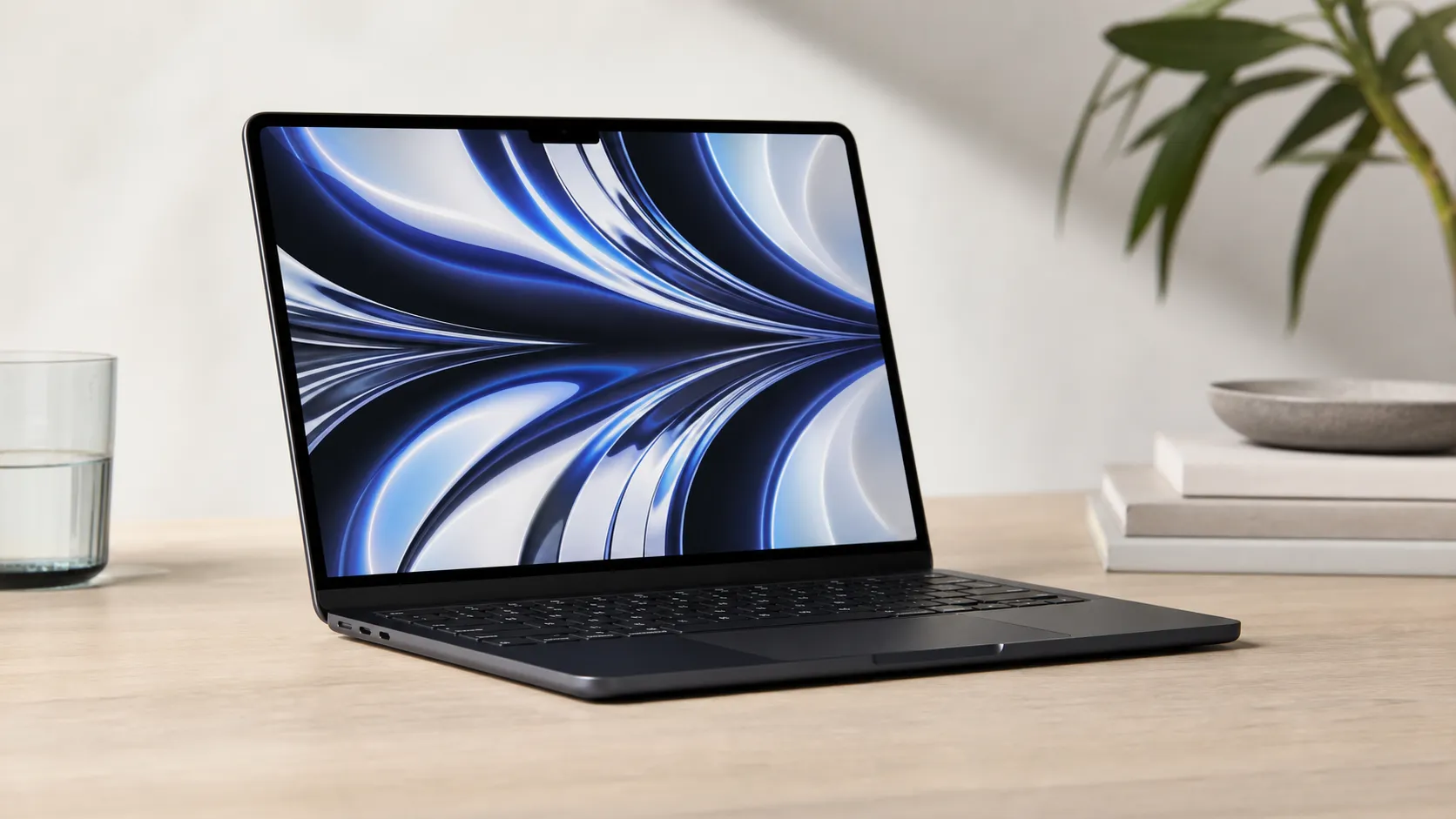
Apple MacBook Air (13-inch, M2) Review — 2026
A slim, quiet, and battery‑friendly choice for students and professionals. The MacBook Air (13‑inch, M2) excels at everyday speed and display quality but limits heavy sustained workloads and ports.
 Tech & Gadgets
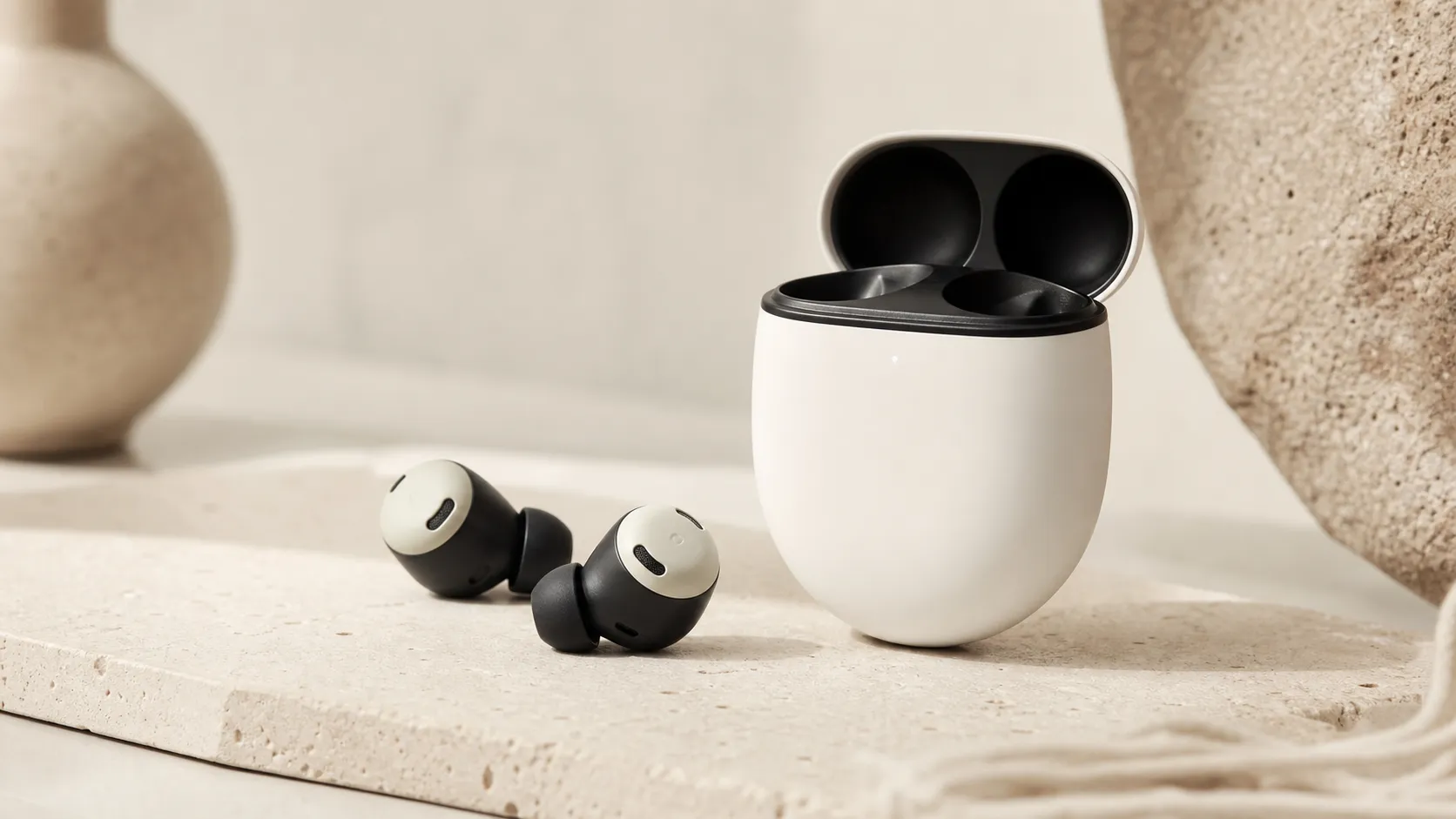
Google Pixel Buds Pro Review 2026
A polished, Android-first pair of true wireless earbuds with very good ANC, comfy fit, and strong battery life—great value for most buyers in 2026.
 Tech & Gadgets
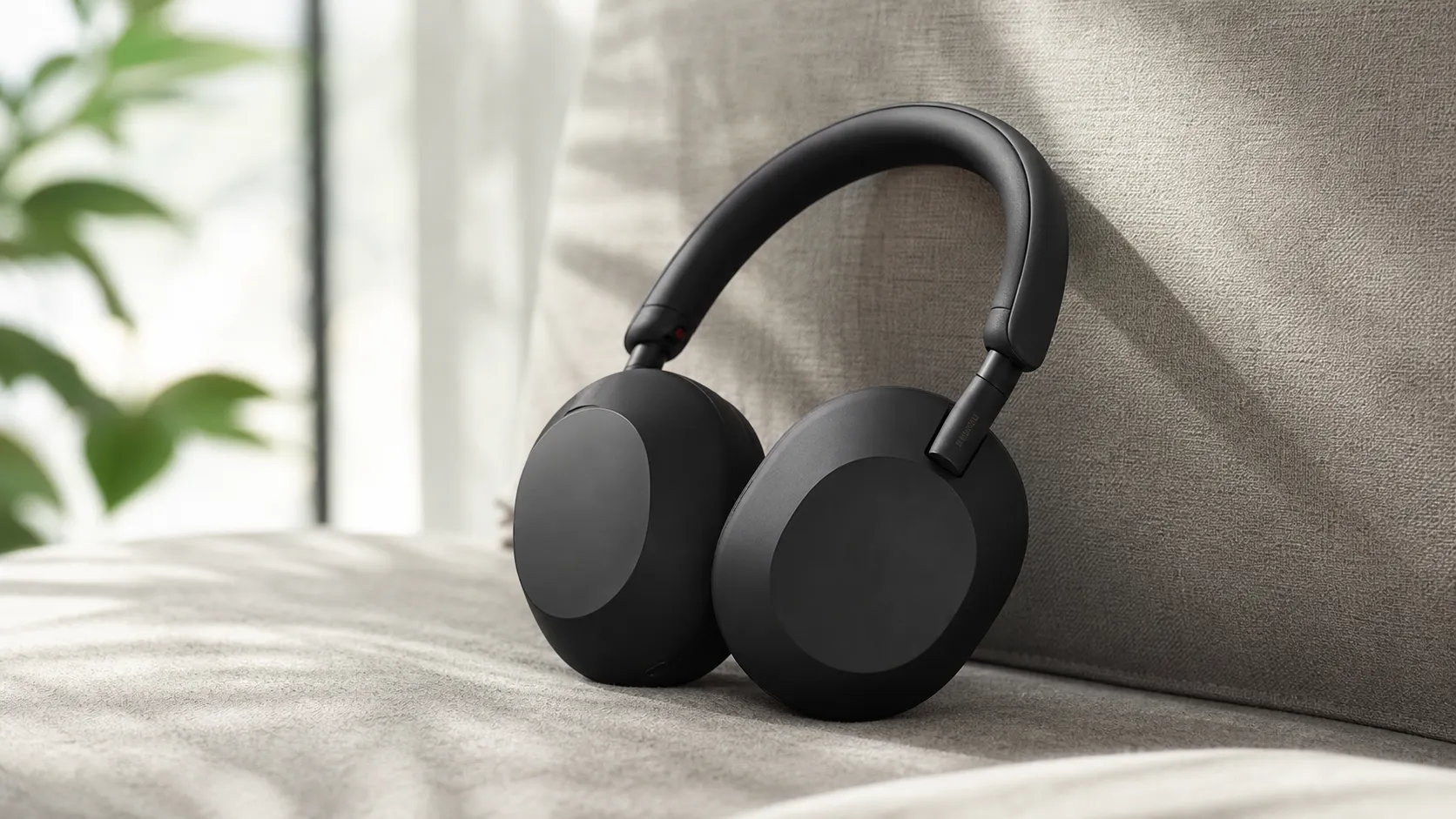
Sony WH-1000XM5 Review 2026 — ANC, Comfort & Value
Sony WH‑1000XM5: class‑leading ANC, exceptional comfort and long battery life — great for travel and calls, though sound tuning and a few durability reports divide opinions.