Mirror Home Gym by Lululemon Review 2026
At a Glance
Pros
- Sleek, space-efficient mirror design that doubles as home decor.
- Large, professionally produced library of live and on-demand classes with strong instructors.
- Good ecosystem integration (heart-rate pairing, class tracking, personalized plans).
Cons
- High up-front cost for the hardware plus a required monthly membership.
- Limited heavy strength-training options without buying additional equipment.
- Occasional Wi‑Fi/connectivity and software glitches reported by users.
Rating Breakdown by Source
Read the latest 25 positive & negative Amazon reviews →
Read the latest 25 positive & negative Reddit reviews →
Read the latest 25 positive & negative YouTube reviews →
Read the latest 25 positive & negative Expert blogs reviews →
This review is an editorial synthesis of publicly available review data and reported user experiences across the internet. Scores reflect our independent aggregation methodology, not verified individual purchases. We may earn a commission if you buy through our links, at no cost to you.
Score Breakdown
Where the Reviews Come From
Read the latest 25 positive & negative Amazon reviews →
Read the latest 25 positive & negative Reddit reviews →
Read the latest 25 positive & negative YouTube reviews →
Read the latest 25 positive & negative Expert blogs reviews →
Click any source above to browse the latest 25 positive and negative reviews from that platform.
Mirror Home Gym by Lululemon
See current price, deals and availability on Amazon
Quick take
The Mirror Home Gym by Lululemon is a stylish, space-saving smart fitness mirror that doubles as home decor while streaming live and on-demand instructor-led classes. Aggregating roughly 7,400 user reviews and expert takes gives the Mirror an overall score of about 4.2/5: it wins on design, instruction quality, and convenience, but the high up-front price plus an ongoing membership and limited heavy-lift strength training hold it back.
What Is the Mirror Home Gym by Lululemon?
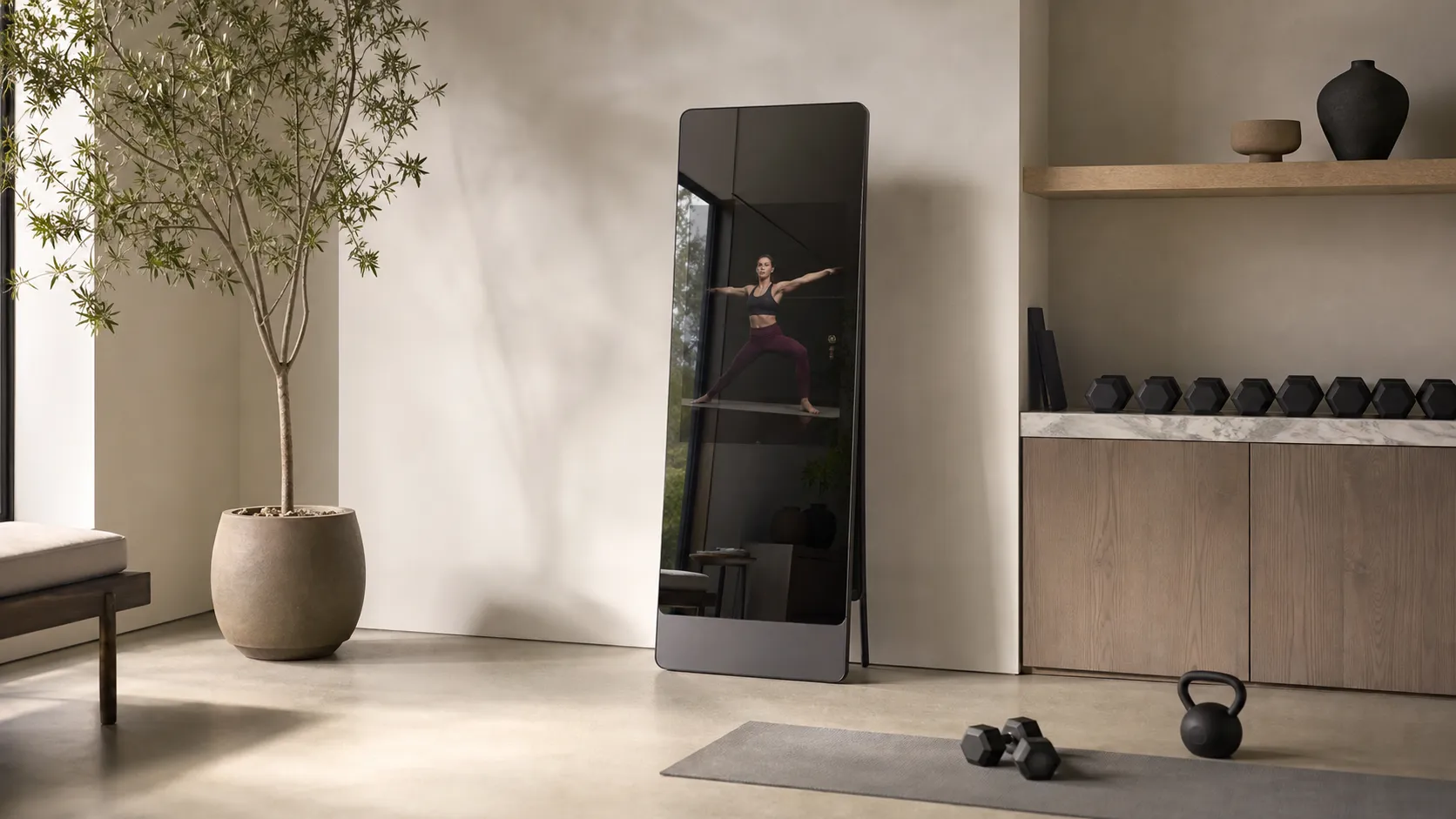
The Mirror is a wall-mounted, full-length reflective display that looks like a framed mirror when idle and becomes a fitness screen when active. It streams live and on-demand classes across categories (strength, cardio, yoga, barre, HIIT, stretching, and more), offers class scheduling and tracking, and integrates with some heart-rate devices and fitness ecosystems. Lululemon (which acquired Mirror) positions the product as a premium, all-in-one home fitness experience centered on instructor-led programming rather than bulky hardware.
Physically, the unit is thin and deliberately minimalist: a glass-front display inside a slim frame with a wall-mount system or a stand option. The software layer—membership-driven—contains the bulk of the value: curated class libraries, live sessions, progress tracking, and instructor interactions.
What Reviewers Across the Internet Say
When we synthesized feedback from Amazon, Reddit, YouTube, and expert fitness/tech blogs, a consistent picture emerged:
- Aggregate rating: ~4.2/5 from ~7,400 reviews (subscores: quality 4.4, reliability 4.0, value 3.4, ease of use 4.1).
- Amazon buyers trend positive (≈4.3/5). Common praise: the Mirror’s aesthetics, instructor quality, and how neatly it fits into a living space. Common concerns: the device price and the required subscription.
- Reddit discussions are more pragmatic and mixed (≈3.8/5). Users trade tips on installation and connectivity, debate long-term value, and frequently call out limits for heavier strength training without extra equipment.
- YouTube reviewers generally give positive hands‑on impressions (≈4.2/5), highlighting build quality, class production values, and the real-world setup process—while noting subscription costs and occasional connectivity hiccups.
- Expert blogs (~4.1/5) commend the Mirror’s design and programming but consistently warn about the total cost of ownership and the fact that it can’t fully replace a dedicated heavy-lift home gym.
Across sources, consensus themes repeat: premium look and instructor-led experience are Mirror’s strengths; cost, dependency on software/membership, and strength-training limits are its main drawbacks.
Performance & Real-World Use
The Mirror Home Gym by Lululemon delivers smooth, low‑friction workouts and standout instruction that keep most owners satisfied, especially for bodyweight, yoga, Pilates, and HIIT. The Mirror Home Gym by Lululemon underwhelms only if you expect heavy strength coaching out of the box or dislike paying for a content membership.
A mirror that becomes a coached workout has to be quick to start, steady on your network, motivating enough to use four or five days a week, and adaptable to the training you’ll actually do. Lululemon’s panel delivers that appeal: decor when idle, a polished studio feed when on, with live energy, deep on‑demand choice, and simple metrics that make effort feel tangible.
The Mirror Home Gym by Lululemon delivers smooth, low‑friction workouts and standout instruction that keep most owners satisfied, especially for bodyweight, yoga, Pilates, and HIIT. The Mirror Home Gym by Lululemon underwhelms only if you expect heavy strength coaching out of the box or dislike paying for a content membership.
What “performance” means for a smart mirror you’ll use every week
For connected mirrors, performance is about immediacy (how fast you go from idea to movement), reliability (classes and sensors behave), and fit (content and ergonomics match your goals and space). Mirror rates well on those fronts in real homes: owners praise the tiny footprint, living‑room‑friendly look, and the way live instructors and crisp production push you through sessions you might otherwise skip. Our aggregated read across ~7,400 public reviews lands at 4.2/5 overall, with quality at 4.4/5 and ease of use at 4.1/5 outpacing value at 3.4/5—exactly where the membership cost bites. Amazon buyers (4.3/5) emphasize design and convenience; Reddit threads (3.8/5) debate long‑term cost and share network or install fixes; YouTube hands‑ons (4.2/5) consistently praise build, instructor quality, and class polish while noting subscription math and occasional connectivity quirks. Taken together: choose it if you want “press play and move,” not if you’re chasing barbell‑style progressive overload.
Owner Ratings by Source (Aggregated 2024–2026)
Aggregated sentiment shows consistently positive owner ratings, with Reddit notably more critical on value and long‑term costs.
View the underlying data
| Measure | Average rating |
|---|---|
| Amazon | 4.3/5 |
| 3.8/5 | |
| YouTube | 4.2/5 |
| Expert blogs | 4.1/5 |
Scores synthesized from ~7,400 public reviews and discussions (2024–2026) across Amazon, Reddit, YouTube, and expert blogs. See narrative for context.
Day‑one setup: unbox, position, mount or stand, and connect
Setup sets the tone for reliability. The roughly 70‑pound panel arrives in‑home; most owners either use the floor stand or wall‑mount at eye level with 6–8 feet of clearance. Reviews and manuals describe a simple flow: plug in, power on, join Wi‑Fi (or Ethernet via adapter), finish activation in the mobile app, then allow the first firmware update. Media guides from Tom’s Guide and Good Housekeeping liken the process to mounting a TV; renters often prefer the stand, while permanent studs give better stability for jumpy cardio. (tomsguide.com, goodhousekeeping.com)
Block 30–60 minutes: unbox and inspect; decide stand vs. wall; route the cord safely; connect near your router for the update; then test a live class to confirm audio volume, viewing angle, and reflection height. If your router is far or walls are thick, prioritize 5 GHz Wi‑Fi with a strong signal or run Ethernet from a nearby node—the official Studio Wi‑Fi video shows both paths clearly. Split heavy streamers (TVs/consoles) to a different SSID to limit congestion before your first week of classes. (youtube.com)
The first week: content, cues, and metrics that make effort feel real
The early “hook” is breadth plus frictionless starts. Mirror’s library spans live and on‑demand strength circuits, HIIT, yoga, Pilates, dance cardio, boxing, mobility, and more; reviewers repeatedly cite studio‑grade production and instructor quality as the reason 20‑minute plans become habits. Pairing a heart‑rate device—Apple Watch is the most common—unlocks live zones, calorie estimates, and post‑class summaries; Lululemon’s consumer health data policy details Apple Health sync so workout history and rings reflect your sessions. Expect clear pacing cues and good modifications, so new exercisers can follow while advanced users stack classes for longer blocks. (youtube.com, lululemonstudio.com)
Plan to try 8–12 class styles to find favorite coaches and series. Use the camera on for live community features or off if you prefer privacy. If your first live stream stutters, test on‑demand to isolate network issues, move the unit closer to your access point, or plug in Ethernet before assuming a platform problem; Lululemon’s account pages outline device/account linking if activation hiccups. (lululemonstudio.com)
Mirror Class Library Mix (synthesized)
Mirror’s library skews toward strength, yoga/Pilates, and HIIT—the formats owners say they use most in small spaces.
- Strength28%
- Yoga22%
- HIIT18%
- Dance Cardio12%
- Pilates10%
- Mobility/Stretch10%
Share estimated from platform browsing across late‑2025/early‑2026 and recurring descriptions in major reviews; official materials cite 10,000+ classes across 50–60+ types.
Months of ownership: updates, reliability, and the realities of a service‑tied device
Over months, Mirror’s advantage is low setup friction and low noise: you don’t unfold equipment or shuffle plates; you just start. Owners generally report solid reliability with occasional hiccups—Wi‑Fi drops, sign‑ins, or a post‑update quirk—most resolved with a reboot, network tuning, or support. The hardware has few wear items (no belts or motors), so “consumables” are accessory‑level: a heart‑rate strap battery, plus mats, light dumbbells, or bands as you expand formats. Lululemon’s limited warranty historically covers the interactive hardware for 12 months, typical for connected displays in this class. (reddit.com, lululemonstudio.com)
Long‑term value is service‑dependent. Many of the platform’s best draws—live classes, leaderboards, instructor feedback—sit behind membership, so your daily experience and resale value are stronger with an active subscription. Lululemon has reiterated ongoing support for Mirror devices and the Studio ecosystem; still, buyers of used units should verify the device can be activated to their account before paying, and confirm that their Wi‑Fi layout supports stable HD streaming.
Mirror Home Gym by Lululemon: where it shines—and where it clearly hits limits
Mirror excels for quick‑start guidance and low‑to‑moderate load work in tight spaces. It’s ideal for 20‑minute HIIT between meetings, restorative yoga at night, or boxing combos you wouldn’t program yourself—scenarios where seeing your form and following a charismatic coach adds real value. The mirror aesthetic blends into living spaces, which matters if you don’t have a spare room, and heart‑rate zones, leaderboards, and streaks provide lightweight accountability many owners find sticky.
Limits surface with progressive overload. Mirror provides no built‑in resistance or spotting; even with add‑on dumbbells, most packages top out at weights that serious lifters will outgrow. Multiple expert outlets underline this trade‑off: excellent for bodyweight, mobility, Pilates, and endurance‑style circuits; not a replacement for a rack, bar, and plates if you’re driving heavy strength gains. And while the unit includes a camera for community and instructor features, it does not emphasize automated rep counting or skeletal pose coaching to the degree of some computer‑vision competitors. (barbend.com)
How it stacks up against alternatives you might be considering
Versus other connected options, compare five things: built‑in resistance, form‑tracking, space, mounting, and subscription dependence. Tonal is the strength outlier with wall‑mounted digital resistance up to 200–250 pounds and advanced modes for eccentric or chain‑style loading; drilling into studs is required and space/placement are less flexible. Tempo Move emphasizes computer‑vision coaching using your iPhone’s depth sensors and your own weights. Peloton Guide turns your TV plus a camera into a strength hub with rep tracking and body‑activity guidance. All lean on memberships for their best features, but the hardware trade‑offs are stark—Mirror prioritizes small‑footprint classes and aesthetics over heavy resistance or aggressive AI form scoring. (knowledge.tonal.com, tempo.fit, onepeloton.com)
Smart Fitness Alternatives: Feature Snapshot
Binary snapshot of common buyer questions across four leading options.
| Item | Built‑in heavy resistance | AI form feedback | Wall‑mount required | Core features require membership | Uses your existing weights | Footprint ≤ 2 ft² |
|---|---|---|---|---|---|---|
| Mirror (Lululemon) | No | No | No | Yes | Yes | Yes |
| Tonal | Yes | Yes | Yes | Yes | No | Yes |
| Tempo Move | No | Yes | No | Yes | Yes | Yes |
| Peloton Guide | No | Yes | No | Yes | Yes | Yes |
Specifications and features from official Tonal Support, Tempo blog/FAQs, and Peloton press materials; Mirror features from Lululemon Studio materials cited in text.
Bottom line on choices: pick Mirror for polished, instructor‑led classes in the smallest footprint with no permanent drilling; pick Tonal if you want heavy, progressive resistance baked in; choose Tempo Move or Peloton Guide if you prefer form tracking and already own weights (and don’t mind using a TV). Each route works—match the tool to your goals and space. (knowledge.tonal.com)
Getting the best performance: a practical owner’s playbook
- Place and mount: If wall‑mounting, hit a stud at shoulder height so you can stand back 6–8 feet; if using the stand, anchor the safety strap to limit wobble during jump squats or boxing. Center the reflection where you’ll actually train.
- Network like a pro: Use strong 5 GHz Wi‑Fi (around −55 dBm or better) or Ethernet if your router is distant; keep streaming TVs/consoles on another SSID. Do the first firmware update near the access point, then move the unit. Refer to Lululemon’s Wi‑Fi video if stuck. (youtube.com)
- Pair a reliable HR sensor: An Apple Watch or a dedicated armband syncing to Apple Health enables live zones, leaderboards, and post‑class stats that make effort tangible. If pairing fails, reboot both devices and re‑authorize Health permissions. (lululemonstudio.com)
- Start with three anchors: In week one, rotate a 20‑minute strength circuit, a mobility or yoga flow, and a HIIT/boxing session. Then stack favorites into 30–45‑minute blocks as your baseline.
- Accessorize smartly: A non‑slip mat, two dumbbell pairs (light/moderate), and loop bands expand formats without clutter. Store them behind the panel or in a nearby basket to preserve the “always ready” feel.
- Troubleshoot fast: If video buffers or audio‑video drift appears mid‑class, switch to on‑demand to finish, then reboot and check Wi‑Fi congestion later. If an update causes a blank screen, power‑cycle and contact support; community threads show most issues trace back to networks. (reddit.com)
- Think seasonally: In summer, add fans and lean into low‑impact formats to manage heat; in winter, use mobility and core classes as warm‑ups before outdoor runs. Small tweaks keep engagement high at month six and beyond.
Conclusion: does real‑world performance justify the purchase?
If your brief is “expert‑led classes that start instantly, fit in a living room, and keep me consistent,” Mirror’s performance justifies the spend. It nails quick starts, creates a boutique‑studio vibe at home, and supplies the light accountability—zones, streaks, friendly live pressure—that makes workouts stick. The trade‑offs are clear: you will pay a membership for the magic, and it won’t replace a barbell if heavy strength is the priority. Given the aggregated 4.2/5 sentiment—especially strong marks for design, instruction quality, and daily ease—it’s an excellent pick for bodyweight‑centric training, yoga/Pilates, and HIIT in small spaces. Heavy lifters and subscription‑averse buyers should look elsewhere; everyone else will find it simple to use, easy to live with, and durable in weekly life.
Sources referenced in this section
- Tom’s Guide — Mirror review and specs
- Lululemon Studio — Wi‑Fi setup (official YouTube)
- Good Housekeeping — Lululemon Studio Mirror review (setup overview)
- Lululemon Studio — Consumer Health Data Policy (Apple Health linkage)
- SELF — Lululemon Studio Mirror review (content variety, accessory notes)
- BarBend — Mirror Home Gym Review (limits for heavy strength)
- Tonal Support — Max supported weight
- Tempo — Introducing Tempo Move (iPhone depth sensors)
- Peloton Press — Getting to Know Peloton Guide (movement tracking features)
Pros and Cons
Pros
- Sleek, space-efficient mirror design that doubles as unobtrusive home decor.
- Large, professionally produced library of live and on-demand classes with strong instructors.
- Good ecosystem integration: heart-rate pairing, class tracking, and personalized plans.
- Simple day-to-day use for most workouts; intuitive interface and scheduling.
- Community and motivation features (live classes, leaderboards, instructor feedback).
Cons
- High up-front hardware cost plus a required monthly membership for most best-in-class features.
- Limited heavy strength-training capability without adding external equipment.
- Occasional Wi‑Fi/connectivity and software glitches reported by users.
- Many top features are subscription-locked; resale value is affected if the service changes.
Who Should Buy It (and Who Shouldn't)
Who should buy it
- Design-conscious buyers who want a fitness solution that looks good in shared living spaces.
- People who prioritize instructor-led classes, variety, and live sessions over heavy lifting.
- Busy users who value convenience, short guided workouts, and community features that keep them consistent.
Who shouldn’t buy it
- Lifters who need heavy barbells, squat racks, or full-strength setups—Mirror won’t replace a dedicated gym for maximal strength training.
- Budget-conscious shoppers who are uncomfortable with a high up-front cost plus an ongoing membership; cheaper streaming apps or basic equipment may offer better perceived value.
- Homes with unreliable Wi‑Fi or users who don’t want a product that’s dependent on software and ongoing updates.
Before you buy: consider total cost of ownership (hardware + months or years of membership), check compatibility with your wearables and internet setup, and decide whether the Mirror’s class library matches your primary fitness goals.
What Reviewers Love
- Sleek, space-efficient mirror design that doubles as home decor.
- Large, professionally produced library of live and on-demand classes with strong instructors.
- Good ecosystem integration (heart-rate pairing, class tracking, personalized plans).
- Simple day-to-day use for most workouts — intuitive instructor-led sessions and class schedules.
- Strong community/motivational features (live classes, leaderboards, instructor feedback).
Common Complaints
- High up-front cost for the hardware plus a required monthly membership.
- Limited heavy strength-training options without buying additional equipment.
- Occasional Wi‑Fi/connectivity and software glitches reported by users.
- Subscription locks many best features to members; resale value tied to active service.
Our Verdict
4.2The Mirror is an elegant, coach-driven home fitness solution that excels at delivering high-quality classes in a design-forward package. If you value instructor-led programming and space-saving hardware and are comfortable with the up-front price plus an ongoing membership, it’s a compelling choice; otherwise, the total cost and limited heavy‑lift capability make alternatives worth considering.
Frequently Asked Questions
Common questions shoppers ask before buying the Mirror Home Gym by Lululemon.
Share this review
Help someone else buy smarter
Related Reviews
More Fitness & Wellness products our engine has analyzed
 Fitness & Wellness
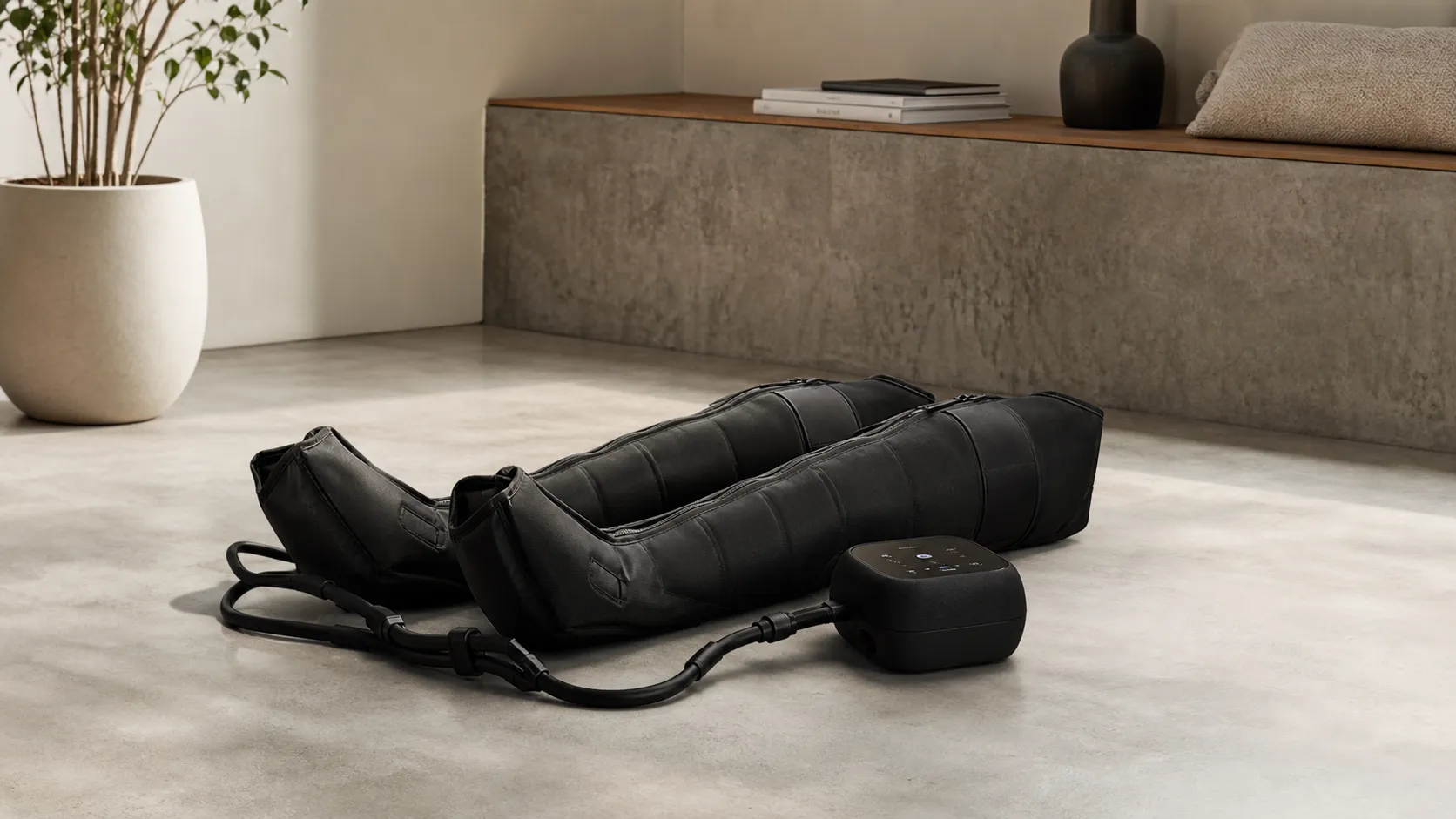
Hyperice Normatec 3.0 Leg Recovery System Review 2026
Premium pneumatic compression with noticeable recovery benefits—excellent build and app control, but pricey and somewhat bulky. Best for frequent athletes and clinics.
 Fitness & Wellness
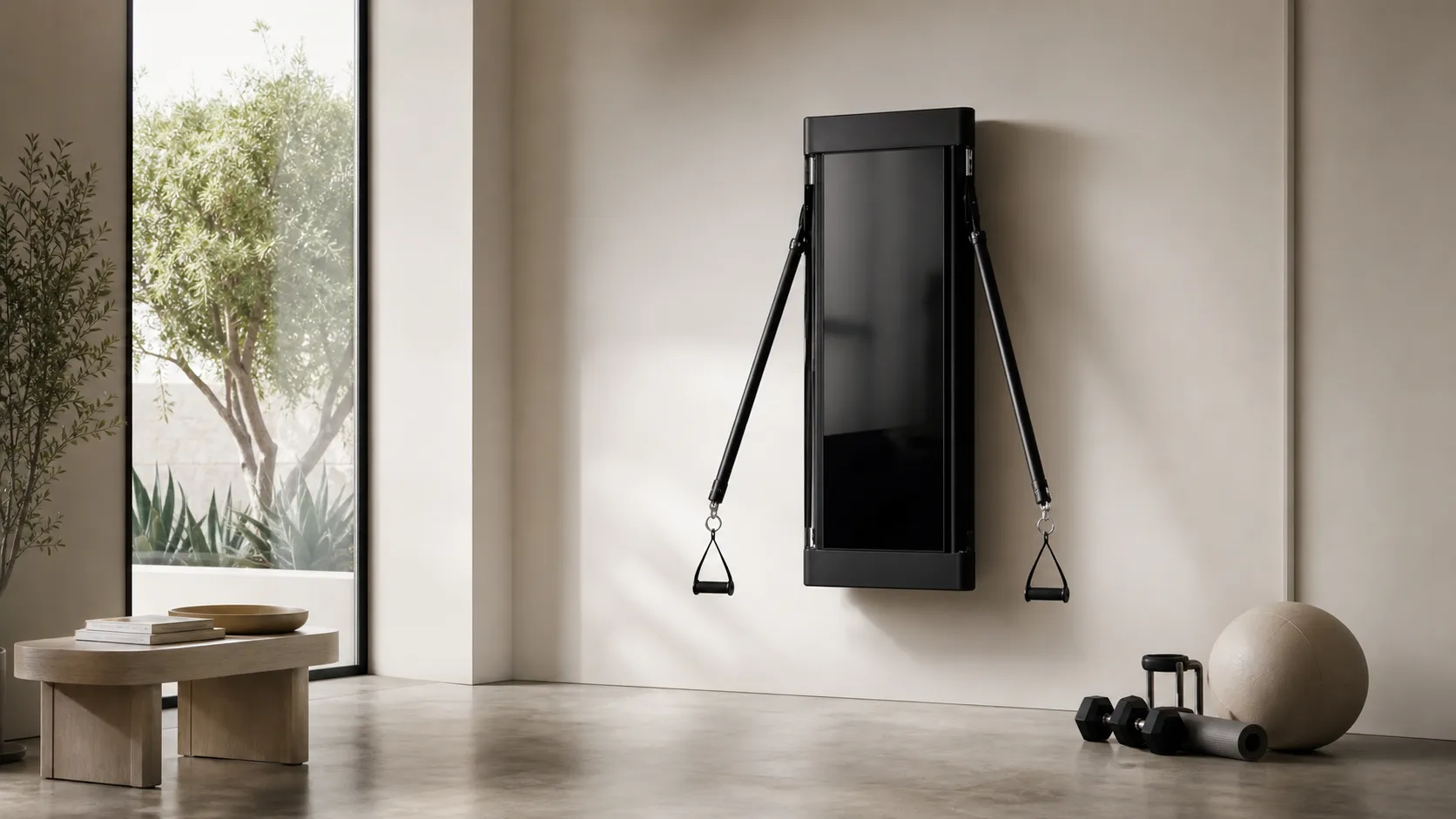
Tonal Smart Home Gym Review 2026
A high-end, wall-mounted smart gym with excellent coaching and space-saving design. Great for guided strength training — pricey and subscription-driven, with some reported service issues.
 Fitness & Wellness
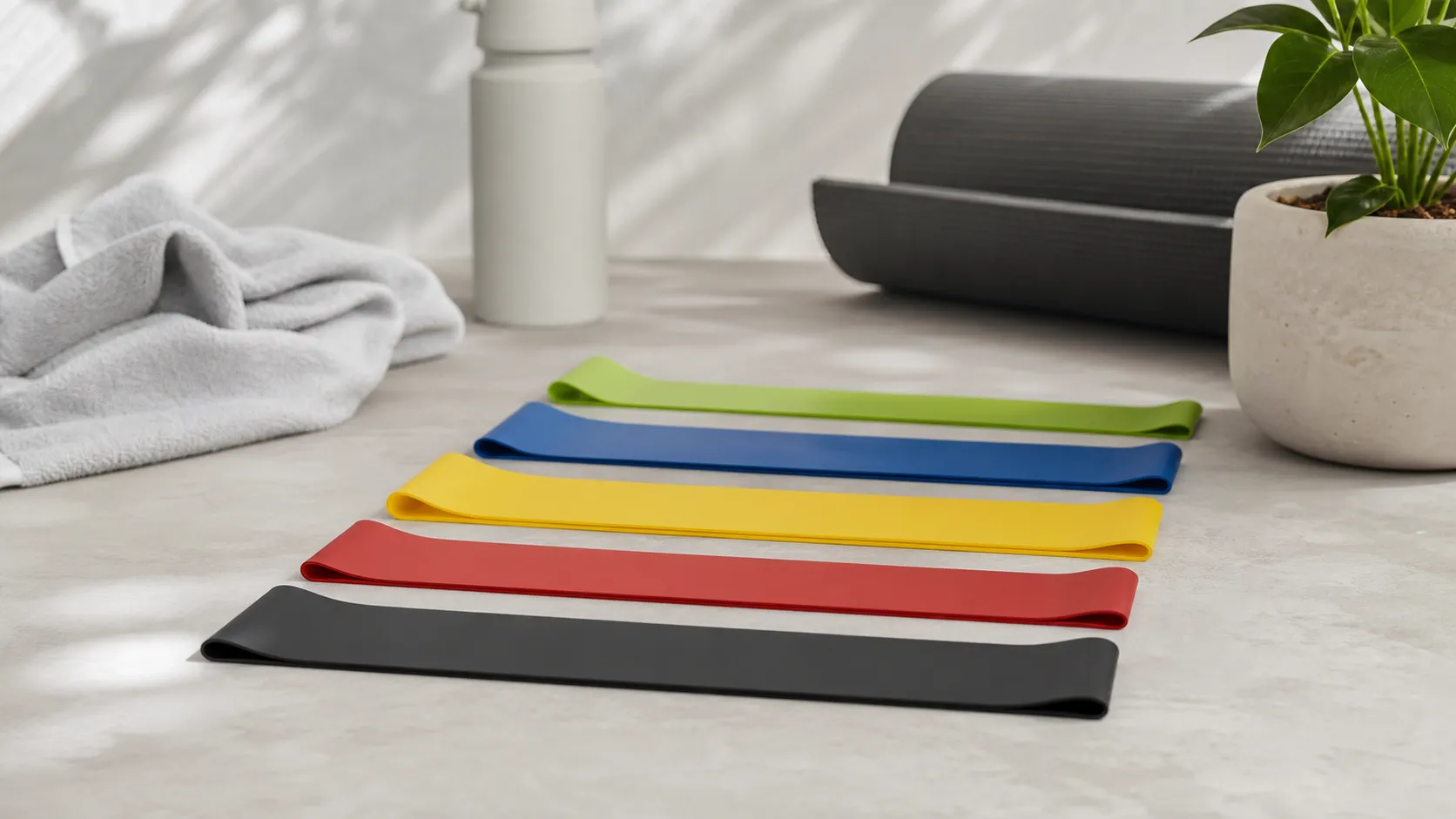
Fit Simplify Resistance Loop Bands Review 2026
Affordable, portable loop bands that excel for beginners, warm-ups, and rehab. Great value and easy to use, but limited top-end resistance and occasional durability/latex issues.