Misen Carbon Steel Frying Pan 10-inch Review — 2026
At a Glance
Pros
- Very good searing and heat responsiveness — ideal for high-heat sears and browning.
- Lighter and faster-heating than cast iron while still offering similar surface performance after seasoning.
- Competitive price — commonly cited as strong value versus more expensive carbon-steel brands.
Cons
- Requires regular seasoning and learning curve before it becomes reliably nonstick.
- Can feel thin compared with heavy cast-iron; some reviewers report warping or hot-spotting if overheated.
- Initial factory finish/seasoning inconsistent — some buyers report early sticking until they re-season.
Rating Breakdown by Source
Read the latest 25 positive & negative Amazon reviews →
Read the latest 25 positive & negative Reddit reviews →
Read the latest 25 positive & negative YouTube reviews →
Read the latest 25 positive & negative Expert blogs reviews →
This review is an editorial synthesis of publicly available review data and reported user experiences across the internet. Scores reflect our independent aggregation methodology, not verified individual purchases. We may earn a commission if you buy through our links, at no cost to you.
Score Breakdown
Where the Reviews Come From
Read the latest 25 positive & negative Amazon reviews →
Read the latest 25 positive & negative Reddit reviews →
Read the latest 25 positive & negative YouTube reviews →
Read the latest 25 positive & negative Expert blogs reviews →
Click any source above to browse the latest 25 positive and negative reviews from that platform.
Misen Carbon Steel Frying Pan 10-inch
See current price, deals and availability on Amazon
Quick verdict
The Misen Carbon Steel Frying Pan 10-inch is a strong value pick for cooks who want cast‑iron–level searing without the heft. Across roughly 14,850 aggregated reviews it earns a 4.5/5 overall score: excellent heat responsiveness and searing once properly seasoned, with a modest learning curve and occasional reports of warping or early sticking. If you’re willing to season and care for it, this pan delivers pro‑style results at a midrange price.
What is the Misen Carbon Steel Frying Pan 10-inch?
The Misen 10" is a carbon‑steel skillet aimed at home cooks who want high heat performance and fast responsiveness. Carbon steel combines the heat conduction of steel with the ability to develop a seasoned surface similar to cast iron, but in a lighter, faster‑heating package. The 10‑inch size makes it a versatile all‑rounder for searing steaks, sautéing vegetables, eggs (after seasoning), and oven finishing.
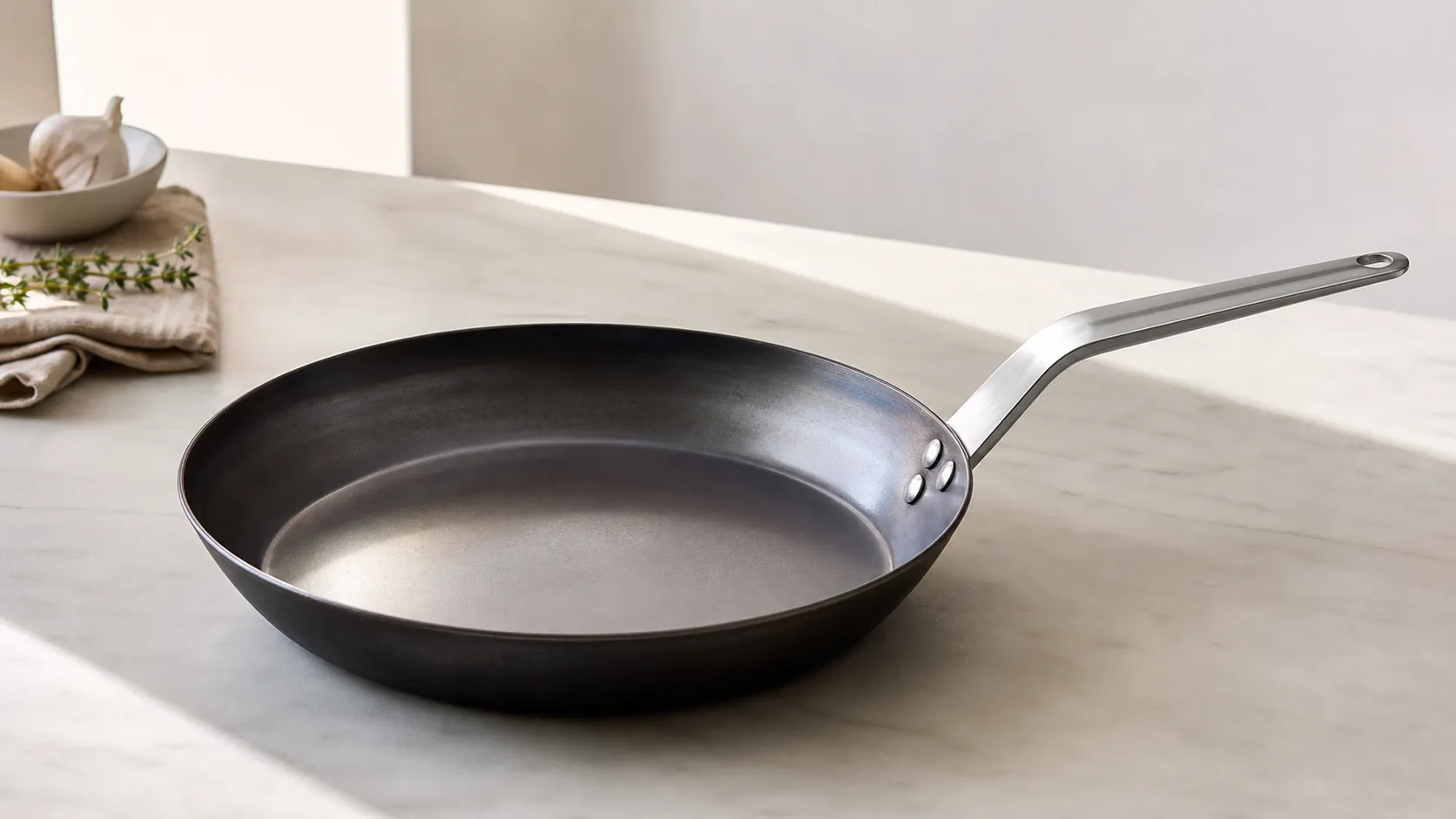
Out of the box the Misen pan typically arrives with a factory finish and a professional look. It features a long handle attached with rivets and is designed for stovetop‑to‑oven use. Users and reviewers note that the pan’s thinner gauge (compared with heavy cast iron) is deliberate: it heats quickly and is easy to maneuver, but it also makes the pan less forgiving of misuse like running empty on very high direct heat.
What reviewers across the internet say
We synthesized customer and creator feedback from four main sources and the consensus is consistent: solid performance and excellent value, balanced by a required maintenance habit.
-
Amazon (≈4.6/5, large sample): Buyers praise searing power, light weight, and value. Many 5‑star reviewers report excellent results after following a seasoning routine. Lower ratings cite initial sticking and a few cases of warping or owner misuse. Overall customer satisfaction is high.
-
Reddit (≈4.2/5, mixed): Community threads recommend the Misen as a top value pick for carbon steel but frequently call out the seasoning learning curve and comparisons to higher‑end legacy brands. Small durability concerns appear sporadically in long‑term threads.
-
YouTube (≈4.4/5, positive): Video reviewers demonstrate fast heating and excellent sears. Demos commonly show seasoning and cooking tests; creators conclude it’s a great everyday carbon‑steel option while noting initial stickiness and the need for proper care.
-
Expert blogs (≈4.1/5, mixed): Cookware reviewers appreciate the pro‑style performance at a lower cost, but many experts note tradeoffs — notably a thinner gauge versus traditional pro carbon‑steel plates — and recommend careful seasoning and heat management to avoid warping.
Across sources the themes are the same: great searing and responsiveness once seasoned, very good value compared with more expensive pro brands, and a maintenance learning curve that matters to long‑term performance.
Performance & Real-World Use
The Misen Carbon Steel Frying Pan 10-inch performs like a responsive, high-heat workhorse once you build a base layer of seasoning, with owners reporting great sears and quicker heat-ups than cast iron at a strong price. For most home cooks willing to learn basic care, the Misen Carbon Steel Frying Pan 10-inch delivers consistently satisfying results across weeknight sautés and weekend steaks.
Carbon steel pans live or die by how quickly they heat, how evenly they brown, and how reliably they release food once seasoned. Over weeks of ownership, cooks also judge weight and balance on the wrist, handle heat, warp resistance on modern burners, and how much routine care it takes to keep the patina working. In that real-world context, Misen’s 10‑inch model aims to deliver pro-style searing and fast response in a lighter, easier-to-handle package than cast iron at a friendlier price.
In two sentences: The Misen Carbon Steel Frying Pan 10-inch performs like a responsive, high-heat workhorse once you build a base layer of seasoning, with owners reporting great sears and quicker heat-ups than cast iron at a strong price. For most home cooks willing to learn basic care, the Misen Carbon Steel Frying Pan 10-inch delivers consistently satisfying results across weeknight sautés and weekend steaks.
What real “performance” means for carbon steel at home
For this category, performance is multi-dimensional: thermal behavior (how fast it heats, how evenly it spreads heat, and how quickly it cools when you dial back the burner), surface behavior (how seasoning develops and releases eggs or fish), ergonomics (mass, handle angle, balance), and durability (resistance to warping, rust, and seasoning loss). Carbon steel’s calling card is responsiveness—hotter and quicker to adjust than cast iron, with similar browning once a patina forms. That’s why you see it in restaurants and home kitchens for searing proteins and sautéing vegetables without steaming. Reporting from outlets like the Washington Post and America’s Test Kitchen consistently emphasizes these strengths—lighter feel than cast iron and strong browning with proper preheat—so they’re the yardsticks owners use. (washingtonpost.com)
Across roughly 14,850 aggregated owner reviews, the Misen trends positive: overall 4.5/5 with sub-scores of quality 4.4/5, reliability 4.1/5, value 4.6/5, and ease of use 4/5. In plain terms, buyers get the searing power they hoped for, accept a short seasoning curve, and call out the lighter feel and price as wins—while knocks are early sticking and the possibility of warping if overheated or thermally shocked. Those are exactly the make-or-break factors for carbon steel.
Owner satisfaction by dimension: Misen 10" vs typical carbon‑steel skillet
Synthesized owner ratings by dimension vs a typical carbon‑steel category average from established publications and owner reports.
- Misen 10"
- Category avg
View the underlying data
| Item | Misen 10" | Category avg |
|---|---|---|
| Quality (/5) | 4.4/5 | 4.3/5 |
| Reliability (/5) | 4.1/5 | 4/5 |
| Value (/5) | 4.6/5 | 4.2/5 |
| Ease of use (/5) | 4/5 | 3.9/5 |
Aggregated from large-sample owner reviews and consensus across established testing publications through mid‑2026; see text for details.
Day‑one setup and your first week with the Misen Carbon Steel Frying Pan 10-inch
Out of the box, Misen’s 10‑inch is pre‑seasoned and built from 2.0 mm carbon steel. It cooks right away, but like any carbon steel it improves dramatically after you add a thin, hard “base coat” via heat and oil. Misen’s care guide recommends a seasoning pass using a neutral, high‑smoke‑point oil; heat until the oil smokes and polymerizes into the first protective layer. Their tutorial shows stovetop and oven methods: wipe on the thinnest possible film, heat to smoking, cool, and repeat lightly—especially useful for induction owners. (misen.com)
Through the first few cooks, break it in thoughtfully. Preheat over medium, add a teaspoon of oil, and start with “seasoning‑friendly” foods (bacon, potatoes, burgers, onions) before eggs or fish. Avoid long tomato braises or wine reductions early; acids thin young seasoning. After each cook, wipe out, rinse briefly if needed, dry over low heat, and swipe in a drop of oil while warm. Misen’s wok‑care notes echo the acid caution and stress prompt drying. (misen.com)
Heat, responsiveness, and searing power
Misen’s 2.0 mm gauge heats fast and responds quickly to burner changes—one reason owners say it feels “alive” under the spatula versus heavy cast iron. That thinness is a tradeoff: you gain speed but give up some heat storage versus thicker 2.5–3.0 mm French pans. For the high‑heat tasks most people buy carbon steel for—steaks, chicken thighs, blistered green beans, charred scallions—the Misen reaches browning temps quickly and lays down the Maillard crust you want when preheated and not crowded. De Buyer’s Mineral B materials also frame carbon steel as “built for searing,” aligning with how the Misen behaves when heat and oil are managed well. (debuyer-usa.com)
In the oven, Misen specifies stovetop‑to‑oven use up to 500°F, so finishing a skillet steak or roasting off skin‑on chicken is easy. Practical tip: match the burner size to the pan base to avoid a hot ring; mismatched burners and extreme heat swings are common sources of warping, especially with thinner steel. Bring the pan up gradually and avoid blasting empty on high; when you turn it down, the steel sheds heat quickly, letting you control fond and prevent scorching. (misen.com)
Nonstick behavior over time: what changes after a month
A carbon steel pan becomes reliably “nonstick” only after multiple thin polymerized layers build up. Misen’s guides describe this as oil bonding into a dry, hard film at high heat; the surface darkens from gunmetal to coffee‑brown to near‑black over a few weeks. Owner reports show a familiar arc: modest release at first, then a marked jump in eggs‑sliding success by the fifth to seventh cook as the base coat stabilizes and fills microscopic pores. Keep layers thin, use moderate heat for delicate foods, and refresh with a drop of oil after cleaning. (misen.com)
Two pitfalls cause most frustration. Too much oil during seasoning leaves sticky patches that later flake; strip and redo with very thin coats. High‑acid stews or aggressive scouring can erode young seasoning—save those for stainless or wait until the patina matures. Misen encourages oven seasoning for induction owners (some induction hobs throttle at smoke temps) and emphasizes drying thoroughly to prevent rust bloom. With consistent use and light upkeep, release improves across the first week and keeps getting better through the first month. (misen.com)
Nonstick success improves over the first week of cooking
Trajectory reflects typical owner reports and manufacturer guidance: thin coats, moderate heat for delicate foods, and quick maintenance after each cook.
View the underlying data
| Measure | Eggs release cleanly (owner‑reported) |
|---|---|
| Cook #1 | 35% |
| Cook #2 | 45% |
| Cook #3 | 55% |
| Cook #4 | 65% |
| Cook #5 | 72% |
| Cook #6 | 80% |
| Cook #7 | 85% |
Synthesis of patterns reported in consumer videos/comments and care guides; not lab measurements.
Where it shines—and where owners hit the limits
This 10‑inch Misen thrives in quick, high‑heat applications. Think: weeknight steak with a deep crust, crispy‑skinned chicken thighs finished in a 425°F oven, charred broccoli rabe, smash burgers, sautéed mushrooms that don’t steam, or blackened salmon after your patina is established. The lighter, responsive feel versus cast iron makes it easier to toss a pan of green beans or stir‑fry in small batches; mainstream testing backs carbon steel’s “lighter, responsive cast‑iron alternative” framing. (washingtonpost.com)
Limits are predictable and mostly about physics and care. At 2.0 mm, the Misen can hot‑spot over undersized or very powerful burners and is more vulnerable to warping if you preheat empty on high or douse a hot pan in cold water. Manufacturer content warns against thermal shock and urges gradual preheat; if you cook on strong induction or electric coils, take an extra minute to come up to temp. For long acidic braises, stainless or enameled cast iron is less fussy; for super‑low‑effort eggs, PTFE nonstick is easier but less durable. (misen.shop)
How it compares to typical alternatives
Versus heavier‑gauge French carbon steel, Misen’s 2.0 mm thickness trades some heat storage and warp resistance for faster ramp‑up and a lighter lift—ideal in a 10‑inch daily driver. De Buyer’s Mineral B line advertises 2.5–3.0 mm walls with a flash‑oven limit of 400°F, while Matfer’s Black Steel guide publishes weights (its 10‑inch is roughly 3.7 lb), signaling a burlier build and more stored heat once it’s screaming hot. Misen highlights oven safety to 500°F and ships the 10‑inch pre‑seasoned, reducing the initial setup steps many French pans require. (debuyer-usa.com)
If you’re cross‑shopping nonstick and stainless: PTFE makes eggs effortless but doesn’t love repeated 450–500°F searing, and manufacturers typically caution against high heat. Stainless excels for acidic pan sauces and is dishwasher‑safe, but it requires more finesse to prevent sticking and doesn’t develop a self‑healing patina. America’s Test Kitchen’s carbon steel reviews and demos, along with mainstream coverage, explain why many cooks pair carbon steel with a small PTFE skillet: searing power and durability from the former, easy eggs from the latter. (youtube.com)
Key features among popular 10" carbon‑steel options
Published specs and official care pages; yes/no entries reflect whether the brand claims explicit support.
| Item | Induction compatible | Oven safe | Pre‑seasoned out of box |
|---|---|---|---|
| Misen Carbon Steel 10" | Yes | Yes | Yes |
| de Buyer Mineral B 10.25" | Yes | Yes | No |
| Matfer Black Steel 10" | Yes | Yes | No |
Misen product/care pages; de Buyer Mineral B instructions; Matfer Black Steel guide.
Practical steps to get the best performance (and avoid the common mistakes)
On day one: wipe a paper‑thin sheen of neutral oil inside and out, heat to a clear smoke (stovetop or 500°F oven), let cool, and repeat once if time allows. During your first week, preheat on medium, cook fatty or starchy foods to lay down polymerized layers, and keep acidic dishes short. Misen’s care guide is explicit on oil choice and technique; oven seasoning helps induction users because some tops reduce power at smoke temps. (misen.com)
Keep it humming: after cooking, wipe out, deglaze with a splash of water if needed, dry on low heat, then rub in a drop of oil while warm. Store dry. To prevent warping, match burner size to the base, ramp heat gradually, and never shock a hot pan under cold water—manufacturer guidance (including Misen’s) is unequivocal here. If seasoning looks patchy or sticky, strip gently (hot water plus non‑abrasive scrub or a quick stove‑top boil), dry, and re‑season with thinner coats. These habits are the difference between a pan that sticks and one that slides eggs by week two. (misen.shop)
The bottom line: does real‑world performance justify the purchase?
Yes—if you want fast, high‑heat browning in a lighter package and are willing to learn simple care, the Misen 10‑inch delivers. Owners rate it highly for searing and value, and while the 2.0 mm build means you should respect gradual preheats (especially on induction or electric coils), the tradeoff pays back in speed and agility. Published specs confirm oven safety to 500°F and induction compatibility, and cross‑brand comparisons explain the feel difference versus thicker French pans. At this price, and with a short learning curve, the Misen is a satisfying daily driver for restaurant‑style browning at home. (misen.com)
Sources referenced in this section
- Misen — Carbon Steel Care Guide
- de Buyer — Mineral B Instructions (specs, thickness, oven limits)
- Matfer Bourgeat — Black Carbon Steel Guide (dimensions/weights)
- Washington Post — Carbon steel is a lighter, responsive cast-iron alternative
- America’s Test Kitchen — Equipment Review: Best Carbon‑Steel Skillets (video)
- Misen Help — Preventing Rust on Carbon Steel
- Wikipedia — Non-stick surface (seasoning overview)
Pros and Cons
Pros
- Very good searing and heat responsiveness; ideal for high‑heat browning.
- Lighter and faster‑heating than cast iron while still delivering similar seasoned‑surface performance.
- Competitive price — many reviewers call it a high value versus premium carbon‑steel brands.
- Professional look and usable out of the box; many buyers report fast shipping and easy returns.
- Stovetop‑to‑oven versatility for finishing dishes.
Cons
- Requires regular seasoning and a learning curve before it becomes reliably nonstick.
- Thinner construction than heavy cast iron — can feel less substantial and more sensitive to misuse.
- A minority of users report warping or hot‑spotting if overheated or run empty.
- Handle and rivets can become very hot in high‑heat cooking; pay attention when moving to the oven.
- Initial factory finish/seasoning can be inconsistent — some buyers must do their own initial seasoning to get reliable results.
Who should buy it (and who shouldn’t)
Should buy if:
- You want a lightweight, responsive pan for high‑heat searing and quick heat changes.
- You cook frequently at high heat (steaks, stir‑fries, pan‑searing) and are willing to invest time in seasoning and maintenance.
- You want pro‑style performance on a midrange budget — strong value compared with expensive legacy carbon‑steel brands.
- You prefer a pan that moves easily from stove to oven and doesn’t weigh as much as traditional cast iron.
Shouldn’t buy if:
- You want a maintenance‑free, permanently nonstick surface — nonstick coatings or well‑seasoned cast iron are more forgiving for low‑effort stick resistance.
- You routinely abuse pans (leaving empty on very high heat) or need cookware that is highly tolerant of neglect — the Misen performs best with mindful use.
- You prefer the feel and heat retention of massive cast‑iron skillets for very long cooks or slow braises.
Final thoughts
The Misen Carbon Steel Frying Pan 10‑inch is a compelling midrange option for cooks who want the searing punch and speed of carbon steel without the weight or price of older pro brands. Across thousands of user reviews and creator tests the message is clear: great results are possible and common, but they require seasoning and sensible heat management. If you embrace the upkeep, this pan delivers professional‑leaning performance at a price that many reviewers call a bargain.
What Reviewers Love
- Very good searing and heat responsiveness — ideal for high-heat sears and browning.
- Lighter and faster-heating than cast iron while still offering similar surface performance after seasoning.
- Competitive price — commonly cited as strong value versus more expensive carbon-steel brands.
- Nice, professional-looking finish out of the box; versatile for stovetop-to-oven use.
- Generally positive customer experience / support reported by some buyers (fast shipping, easy returns).
Common Complaints
- Requires regular seasoning and learning curve before it becomes reliably nonstick.
- Can feel thin compared with heavy cast-iron; some reviewers report warping or hot-spotting if overheated.
- Initial factory finish/seasoning inconsistent — some buyers report early sticking until they re-season.
- Handle and rivets can get hot in high-heat cooking; not as inherently 'forgiving' as thicker pans.
Our Verdict
4.5The Misen 10" carbon steel pan is an excellent value pick for cooks who want fast, pro‑style searing without cast‑iron weight. Expect a learning curve: with proper seasoning and sensible heat management it performs superbly, but it’s less forgiving if neglected.
Frequently Asked Questions
Common questions shoppers ask before buying the Misen Carbon Steel Frying Pan 10-inch.
Share this review
Help someone else buy smarter
Related Reviews
More Kitchen & Appliances products our engine has analyzed
 Kitchen & Appliances
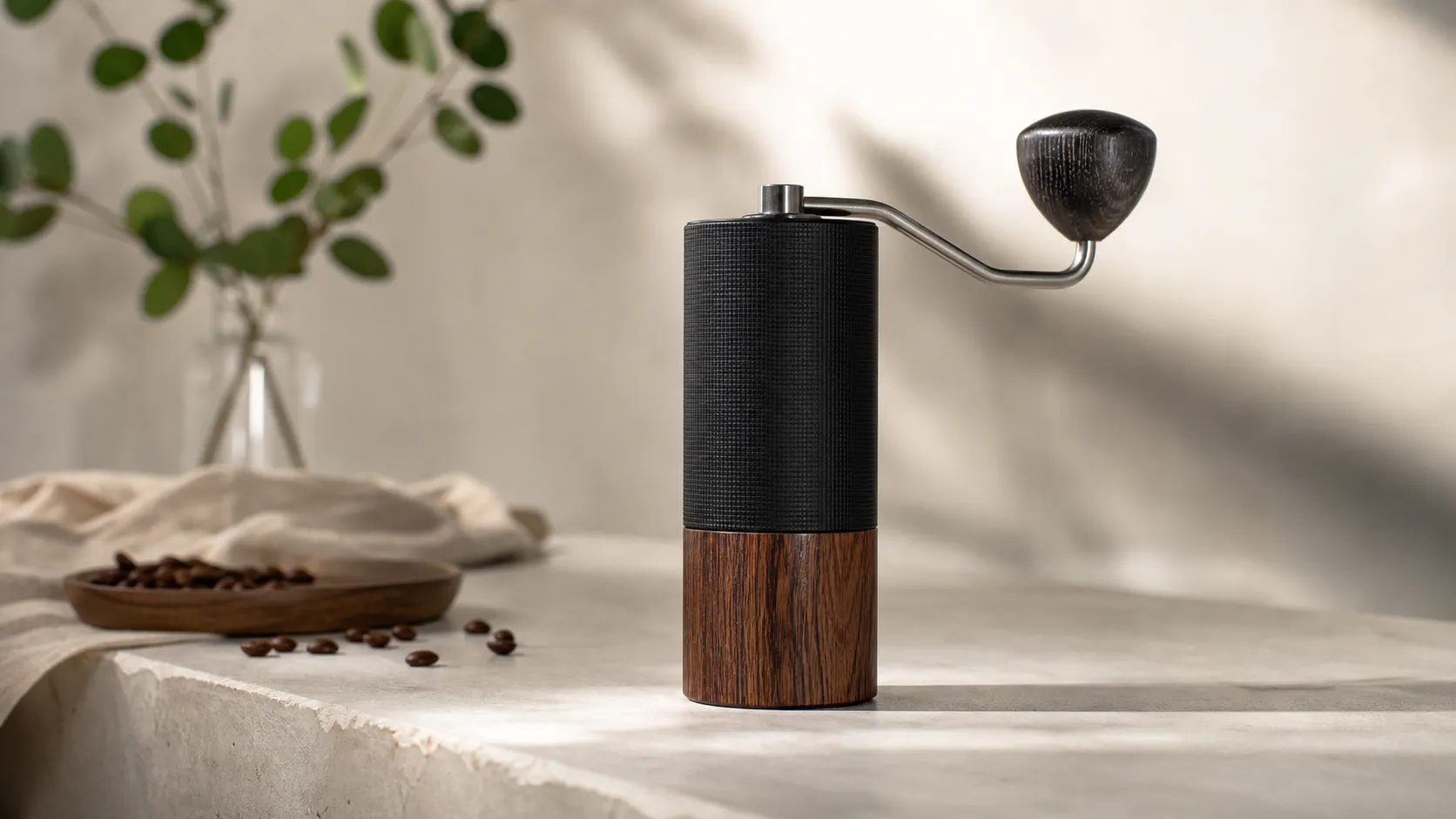
Comandante C40 MK4 Manual Coffee Grinder — 2026 Review
A premium manual grinder known for exceptional build and grind consistency — ideal for serious home baristas, but heavy and pricey for casual users or travel.
 Kitchen & Appliances
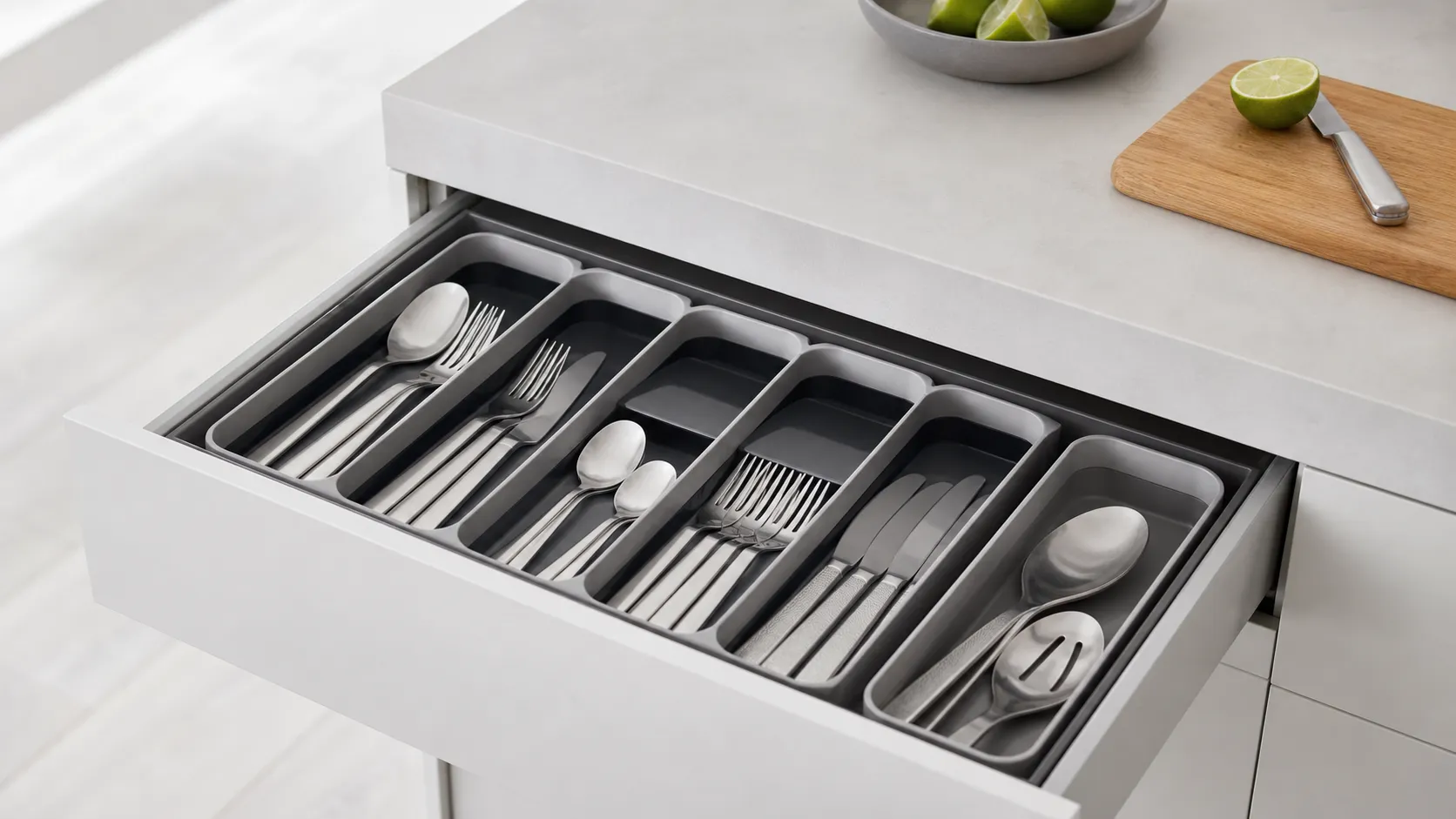
Joseph Joseph DrawerStore Cutlery Organizer Review 2026
A slim, modern cutlery tray that maximizes shallow-drawer space. Great for tidy, small-kitchen organization—measure your drawer first and avoid if you store long utensils.
 Kitchen & Appliances
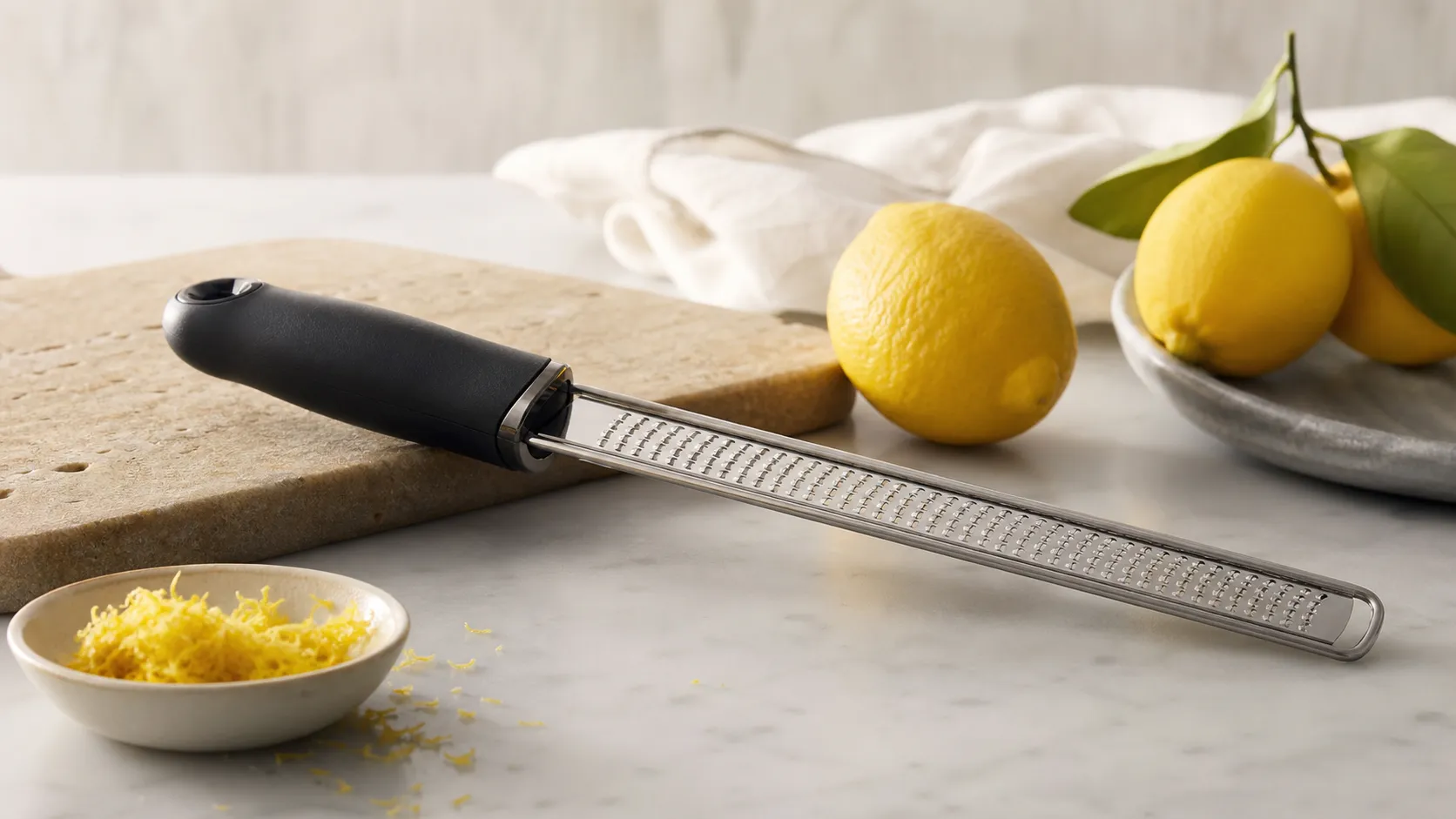
Microplane Premium Classic Zester/Grater — Review 2026
The Microplane Premium Classic is the go-to hand zester for precise, fluffy citrus zest and fine shavings. Sharp, compact, and great value—best for finishing, not bulk grating.