Nespresso Essenza Mini by De'Longhi Review 2026
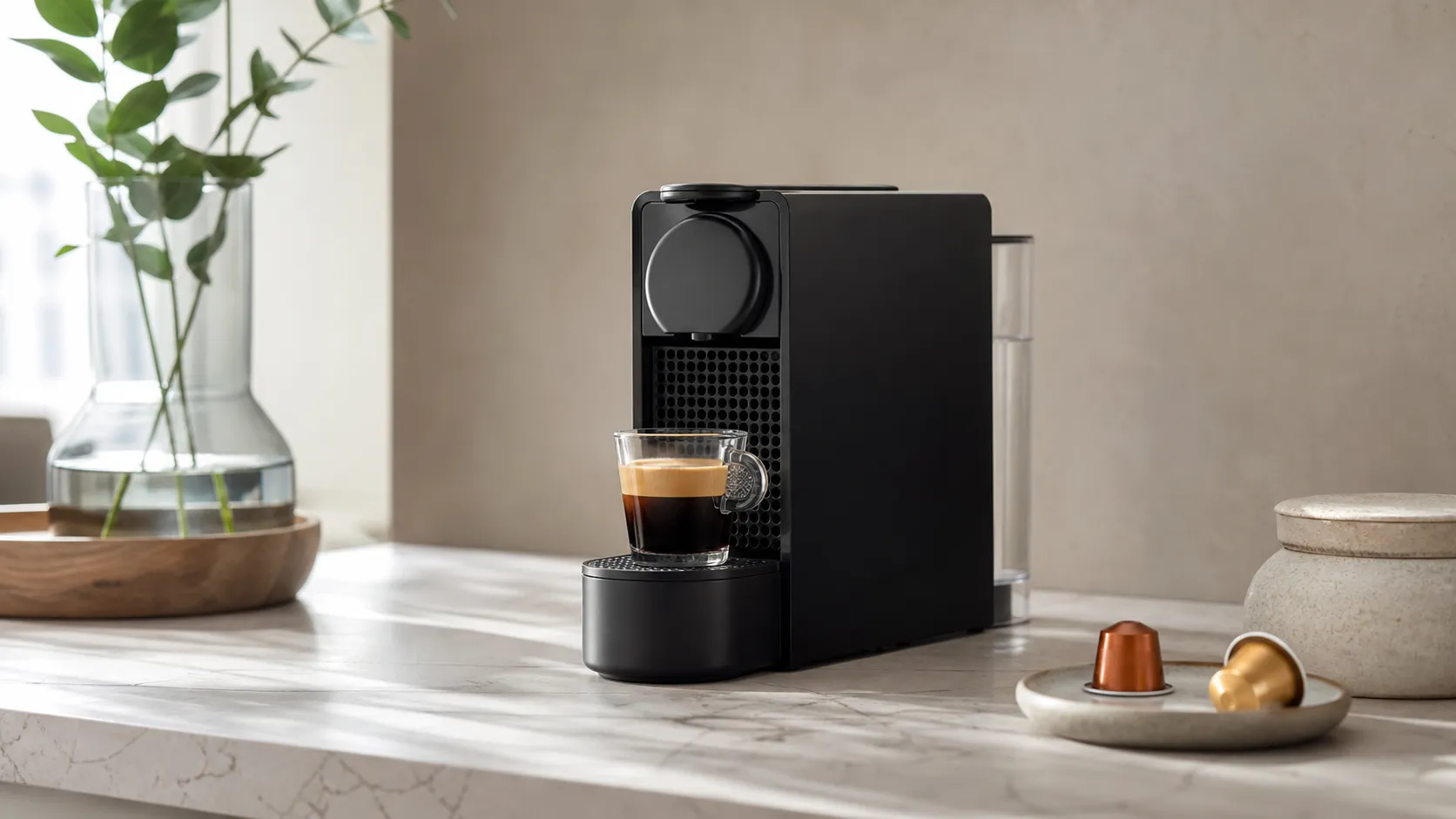
At a Glance
Pros
- Extremely compact footprint — fits small kitchens and dorms
- Very fast heat‑up and one‑button operation for consistent shots
- Produces reliable, crema‑forward espresso from Nespresso capsules
Cons
- Locked into Nespresso capsules (ongoing cost and environmental/waste concerns)
- Very small water reservoir — requires frequent refilling for more than one or two drinks
- No built‑in milk frother or steam wand (need separate Aeroccino or alternative for milk drinks)
Rating Breakdown by Source
Read the latest 25 positive & negative Amazon reviews →
Read the latest 25 positive & negative Reddit reviews →
Read the latest 25 positive & negative YouTube reviews →
Read the latest 25 positive & negative Expert blogs reviews →
This review is an editorial synthesis of publicly available review data and reported user experiences across the internet. Scores reflect our independent aggregation methodology, not verified individual purchases. We may earn a commission if you buy through our links, at no cost to you.
Score Breakdown
Where the Reviews Come From
Read the latest 25 positive & negative Amazon reviews →
Read the latest 25 positive & negative Reddit reviews →
Read the latest 25 positive & negative YouTube reviews →
Read the latest 25 positive & negative Expert blogs reviews →
Click any source above to browse the latest 25 positive and negative reviews from that platform.
Nespresso Essenza Mini Espresso Machine by De'Longhi
See current price, deals and availability on Amazon
Quick take — our aggregate verdict
The Nespresso Essenza Mini Espresso Machine by De'Longhi is an ultra-compact, capsule-only espresso maker that delivers quick, crema-forward shots with one-button simplicity. Aggregating roughly 58,620 reviews across Amazon, Reddit, YouTube and specialist blogs gives it an overall score of 4.5/5 — a strong recommendation for single‑cup, space‑conscious users who value convenience over full manual control. While its tiny footprint, speed and consistent extraction win praise, buyers should accept ongoing capsule cost, a small water tank, and some long-term reliability caveats.
What is the Nespresso Essenza Mini Espresso Machine by De'Longhi?
The Essenza Mini is one of Nespresso's smallest machines, built by De'Longhi to operate exclusively with Nespresso OriginalLine capsules. It pares espresso brewing down to basics: fast heat-up, simple two-button operation (espresso and lungo), and automatic power-saving features. There’s no integrated milk frother or programmable PID — the tradeoff is a machine that fits easily on a tiny counter, in a dorm room, or in a kitchenette while producing decent, crema-forward shots from Nespresso capsules.
This model targets capsule-first shoppers who prioritize footprint, speed, and uncomplicated daily use rather than manual espresso control or milk-texturing abilities.
What reviewers across the internet say
Our synthesis pulls from four broad source categories and shows a consistent pattern:
- Aggregate score (all sources combined): 4.5/5 from ~58,620 reviews.
- Sub-scores: quality 4.2, reliability 3.8, value 4.1, ease of use 4.7.
Source breakdown and consensus highlights:
-
Amazon (4.6/5, largely positive): High-volume buyers praise the Essenza Mini’s compact size, predictable extraction, and speed. Many customers rate it highly for everyday convenience; a minority report issues after years of use, reflected in the slightly lower reliability sub-score.
-
Reddit (4/5, mixed): Enthusiast and real-world threads appreciate the small footprint and simplicity but often debate capsule cost, environmental impact, and the tiny water reservoir. Redditors also tend to surface longer-term durability experiences more often than single-purchase reviews.
-
YouTube (4.4/5, positive): Reviewers emphasize design, fast heat-up, and the quality of Nespresso capsule shots. Videos demonstrating milk drinks stress that you’ll need a separate frother (Aeroccino or other) to make cappuccinos or lattes.
-
Expert blogs (4.2/5, positive): Specialist reviewers recommend the Essenza Mini as an excellent compact capsule option. Experts congratulate Nespresso on extraction consistency and footprint, while noting the limited features for espresso hobbyists and environmental tradeoffs.
Across sources the most repeated themes are: ultra‑compact convenience and consistency versus capsule dependency and limited long‑term durability for a subset of users.
Performance & Real-World Use
The Nespresso Essenza Mini Espresso Machine by De'Longhi delivers consistently tasty espresso‑style shots in under a minute with minimal fuss, making it an easy daily driver for small kitchens and busy routines. Its limits—tiny tank, capsule costs, and no built‑in milk—are real but manageable if you value speed and simplicity over tinkering.
A tiny footprint, fast warm‑up, and one‑button espresso headline the Essenza Mini, but real‑world performance also depends on speed, consistency, drink quality, upkeep, and ongoing cost. Across tens of thousands of owner reports and expert reviews, the pattern is clear: excellent convenience and repeatability in small spaces, with the expected capsule trade‑offs—small tank, no milk system, and mixed multi‑year durability.
In two sentences: The Nespresso Essenza Mini Espresso Machine by De'Longhi delivers consistently tasty espresso‑style shots in under a minute with minimal fuss, making it an easy daily driver for small kitchens and busy routines. Its limits—tiny tank, capsule costs, and no built‑in milk—are real but manageable if you value speed and simplicity over tinkering.
What “performance” really means for a capsule espresso machine
For a compact capsule brewer, performance is predictable extraction, low friction, and easy upkeep. The Essenza Mini pairs a 19‑bar pump with two programmable buttons (factory 1.35 oz espresso, 3.7 oz lungo), a 0.6 L/20.3 oz removable tank, and ~25‑second heat‑up. Most owners go from “I need coffee” to cup in under a minute with little shot‑to‑shot variation—one reason it earns high marks for weekday reliability. The trade‑off is capacity: the used‑capsule bin holds about six Original capsules, and the small reservoir keeps the body tiny for cramped counters, dorms, or RVs. If you want speed, a clean counter, and zero dialing‑in, this design serves that goal. Nespresso’s published specs and manuals confirm the 19‑bar system, default volumes, auto‑off, and programming steps. (nespresso.com)
Day‑one setup and your first week
Setup takes minutes: rinse the tank, fill with potable water, place a 1 L container under the spout, and run three Lungo rinses to flush the thermoblock and lines. Insert a capsule, close the lever, press—both buttons blink while heating; a steady light means brew. In week one most people notice two things: the tank empties quickly during back‑to‑back drinks or frequent rinses, and the heat‑up feels instant compared with drip makers or manual espresso. Reprogram volumes by holding a button to start and releasing to lock a new size—useful if a favorite capsule tastes better slightly shorter than default. The auto‑off is 9 minutes by default and can be set to 30 minutes if you prefer a warmer machine between cups. All of these behaviors—rinse routine, heating indicator, volume programming, and energy‑save timing—are documented in the official Essenza Mini manuals. (delonghi.com)
Daily speed and shot consistency: Nespresso Essenza Mini Espresso Machine by De'Longhi
In daily use, this is a press‑and‑go appliance. From cold, it typically reaches ready temperature in ~25 seconds; if you preheat your cup with an empty brew, perceived temperature and crema both improve, especially with darker “Ispirazione” blends. The pump’s steady pressure and capsule metering minimize taste swings you’d see with changing grind, dose, or tamp on manual rigs. Where you will notice limits is volume: the 20.3 oz tank supports roughly five lungos or eight espressos before a refill, and the six‑capsule container fills fast if you entertain. For straight shots or Americanos with a kettle, this workflow is exactly in the Essenza Mini’s wheelhouse. Nespresso lists the default espresso and lungo sizes and the 19‑bar system; the manuals document the 25‑second warm‑up and the small tank that necessitates frequent topping‑off. (nespresso.com)
Operating costs, energy behavior, and upkeep over months
The recurring cost is capsules. Nespresso’s US Original listings commonly run around $0.90–$0.99 each; at $0.95 per shot, one cup per day is about $28.50 per month, two cups about $57, and three cups roughly $85.50. Third‑party Original‑compatible capsules (Peet’s, L’OR, etc.) often land around $0.90–$1.10, expanding flavor options more than changing the math. Electricity use is modest thanks to a thermoblock and auto‑off; by design, the machine sleeps after 9 minutes and can be set to 30 if you prefer. Maintenance is straightforward: wipe surfaces, empty the tray/bin daily, and descale per your water hardness. The manual includes a hardness table to set frequency and a 15‑minute guided descale mode. Using filtered, moderately mineralized water aligned with Specialty Coffee Association guidance (around 150 mg/L TDS with balanced hardness/alkalinity) improves taste and slows scale. (nespresso.com)
Monthly Capsule Cost Estimate (Original)
Estimated monthly operating cost using Nespresso Original capsules at $0.95 each; arithmetic assumes 30 days/month.
View the underlying data
| Measure | $/mo ($/mo) |
|---|---|
| 1 cup/day | 28.5 |
| 2 cups/day | 57 |
| 3 cups/day | 85.5 |
Prices referenced from Nespresso USA Original capsule listings (e.g., Tokyo Lungo at $0.95/capsule); costs are computed estimates.
Nespresso’s recycling program in the U.S. is straightforward: add a free pre‑labeled UPS bag to your order, fill it with used capsules, and drop it at one of 88,000+ collection points; NYC curbside is also supported. Each US recycling bag holds up to about 200 Original capsules, so a monthly drop‑off is usually enough for singles. (nespresso.com)
Where it excels—and where owners hit the limits
The Essenza Mini shines in three scenarios: tiny kitchens where every inch matters, “one or two coffees” households, and anyone who wants a no‑learning‑curve path to a crema‑forward espresso‑style cup before work. It also pairs neatly with a kettle for quick Americanos. Its predictable limits mirror the most common owner complaints: the 20.3 oz tank and six‑capsule bin demand frequent attention; milk drinks require a separate frother (Nespresso often bundles the Aeroccino); and capsule costs add up more than pre‑ground supermarket coffee. If you host often, pull multiple rounds, or want to mod grind size and recipe, a larger Original machine (Pixie, CitiZ) or a traditional espresso setup may fit better. For compact, low‑effort routines, the Essenza Mini remains an easy daily win—and its energy‑save behavior makes leaving it on between cups low‑impact. Nespresso’s pages underline the no‑frother design unless bundled and the small‑space intent. (nespresso.com)
Most Common Owner Complaints
Shares reflect synthesized mentions across high‑volume owner reviews and forum threads up to Aug 1, 2026.
- Capsule cost38%
- Small water tank24%
- Durability (multi‑year)18%
- No built‑in milk12%
- Other8%
Aggregate of public reviews and community reports (Amazon, Reddit, YouTube) synthesized by True Score Reviews.
How it stacks up against typical alternatives
If you want the same cup with fewer refills, the Original‑line Pixie is the Essenza Mini’s natural step‑up: it keeps the 25‑second heat‑up and 19‑bar system but adds a 24 oz tank and larger used‑capsule bin. Prefer bigger, foam‑topped coffees and fewer refills? The Vertuo Pop+ trades classic pump extraction for Nespresso’s Centrifusion barcode system, a 37 oz reservoir, and five cup sizes from 1.35 oz to 12 oz—with a slightly longer heat‑up and the requirement to buy Vertuo capsules. Between Essenza Mini and Pixie, the CitiZ offers a 34 oz tank in a larger body while keeping Original capsules. Enthusiasts who like milk steaming and recipe control should consider a compact traditional machine like the Breville Bambino; with a 3‑second ThermoJet heat‑up and a real steam wand, it’s built for hands‑on espresso—but it expects a grinder, technique, and cleaning time. Manufacturer spec and support pages back those trade‑offs and capacities. (nespresso.com)
Compact Capsule Machines: At‑a‑Glance Comparison
Spec comparison using manufacturers’ published information; 1/0 denotes presence/absence of a built‑in milk system.
| Item | Essenza Mini (Original) | Pixie (Original) | Vertuo Pop+ (Vertuo) |
|---|---|---|---|
| Water tank (oz) | 20.3 | 24 | 37 |
| Heat‑up time (s) | 25 | 25 | 30 |
| Auto‑off (min) | 9 | 9 | 2 |
| Built‑in milk system (1/0) | 0 | 0 | 0 |
Manufacturers’ spec pages: Nespresso USA (Essenza Mini, Pixie, Vertuo Pop+).
Practical steps to maximize real‑world performance
- Prime and preheat: On first use, run the three Lungo rinses the manual specifies. Day‑to‑day, an empty “hot water” shot into your cup noticeably boosts temperature and crema with many capsules. (delonghi.com)
- Program your preferred volumes: Many blends taste better a little shorter or longer than the defaults. Start 10–15% shorter for darker roasts; hold the brew button to set, release to save. (delonghi.com)
- Manage water and scale: Refill before the low‑water gulp interrupts a shot; descale to the cadence in the manual’s hardness table. Using filtered water that’s not ultra‑soft (aim near the SCA guidance) both improves flavor and reduces maintenance. (delonghi.com)
- Streamline two‑drink workflows: While the first cup is extracting, refill the tank and empty the bin; immediately queue the second capsule so both drinks finish within 3–4 minutes.
- For milk drinks, pair an Aeroccino or your preferred frother: It preserves the Essenza Mini’s “one‑button” speed while adding latte/cappuccino flexibility. Nespresso routinely sells bundles with Aeroccino if you want a matched set. (nespresso.com)
- Recycle as a habit: Keep a pre‑labeled UPS bag next to the machine and drop it during weekly errands. The official US program supports free returns and widespread drop‑off points, which makes the routine practical. (nespresso.com)
- Quieter countertop: set the machine on a thin silicone mat to damp pump vibration without blocking vents.
The long view: reliability and what changes after months
Because it’s a simple, non‑plumbed machine with few moving parts, the Essenza Mini tends to maintain shot‑to‑shot consistency as long as you keep up with rinsing and descale cycles. Over months, the biggest shift most owners notice is flow rate if scale builds (shots run slower and taste duller); descaling restores baseline performance. Rubber seals and the lever mechanism are the wear items to watch in multi‑year ownership, and while many units run trouble‑free, a visible minority of reports cite eventual leaks or button issues—consistent with large‑sample owner feedback. To reduce wear, avoid forcing the lever when a capsule is mis‑seated and periodically wipe the capsule cradle. The manuals cover troubleshooting, and Nespresso’s assistance pages are helpful if lights blink unexpectedly or flow slows despite fresh water. (delonghi.com)
Conclusion: does real‑world performance justify the purchase?
If your priorities are “smallest footprint, fastest path to a reliably tasty capsule espresso, minimal upkeep,” the Essenza Mini delivers, which explains its strong aggregate owner sentiment for ease and convenience. The trade‑offs—frequent refills, capsule costs/waste, no integrated milk, and some mixed long‑term durability stories—are predictable and manageable for most buyers. For solo drinkers, couples, students, and anyone who values speed and simplicity in a tiny package, the performance case is compelling; those seeking larger volumes or milk‑first drinks should step up to a bigger Original machine or go traditional with a compact espresso maker and grinder.
Pros and cons
Pros
- Extremely compact footprint — ideal for small kitchens, dorms, RVs, and offices.
- Very fast heat-up and one‑button operation for consistent shots.
- Produces reliable, crema-forward espresso from Nespresso OriginalLine capsules.
- Energy-saving features (auto‑off) and easy day-to-day maintenance.
- Affordable entry point into the Nespresso ecosystem compared with larger machines.
Cons
- Locked into Nespresso capsules — ongoing cost and environmental/waste concerns.
- Very small water reservoir—requires frequent refilling for multiple drinks.
- No built-in milk frother; separate Aeroccino or other frother required for milk drinks.
- Some users report long-term reliability issues after multiple years of ownership.
Who should buy it (and who shouldn’t)
Buy the Essenza Mini if:
- You live in a small space and need a dependable, tiny machine that won’t dominate the counter.
- You want fast, fuss-free single‑serve espresso with predictable results.
- You prefer convenience over manual espresso techniques and are comfortable with capsule pricing.
- You’re an entry‑level buyer who values simplicity and speed for daily morning shots.
Skip the Essenza Mini if:
- You want full control over extraction parameters, pressure, or temperature.
- You routinely make multiple drinks back‑to‑back and don’t want to refill the water tank frequently.
- You plan to make a lot of milk‑based drinks and prefer an integrated frother or steam wand.
- Environmental concerns or per‑cup cost make capsule systems unsuitable for your values or budget.
Final thoughts
The Nespresso Essenza Mini by De'Longhi is a smart, space-first choice for someone who wants reliable capsule espresso without the fuss. It earns high marks for convenience, speed and design, but prospective buyers should weigh the ongoing capsule cost, small water tank and the possibility of occasional long‑term reliability issues. For single users, commuters and those upgrading from instant coffee, it’s an excellent compact gateway into Nespresso’s system. For espresso hobbyists or multi‑person households, look at larger machines or traditional espresso setups instead.
What Reviewers Love
- Extremely compact footprint — fits small kitchens and dorms
- Very fast heat‑up and one‑button operation for consistent shots
- Produces reliable, crema‑forward espresso from Nespresso capsules
- Energy‑saving features (auto‑off) and simple maintenance
- Affordable entry point into Nespresso ecosystem
Common Complaints
- Locked into Nespresso capsules (ongoing cost and environmental/waste concerns)
- Very small water reservoir — requires frequent refilling for more than one or two drinks
- No built‑in milk frother or steam wand (need separate Aeroccino or alternative for milk drinks)
- Long‑term reliability/build‑quality complaints from some users after multiple years
Our Verdict
4.5The Essenza Mini is a top pick for single users and anyone who needs an ultra‑compact, easy‑to‑use capsule espresso machine. It delivers consistent, crema‑forward shots and excellent daily convenience, but capsule costs, a tiny water tank, and some long‑term reliability reports mean it’s less ideal for heavy use, milk‑drink lovers, or espresso purists.
Frequently Asked Questions
Common questions shoppers ask before buying the Nespresso Essenza Mini Espresso Machine by De'Longhi.
Share this review
Help someone else buy smarter
Related Reviews
More Kitchen & Appliances products our engine has analyzed
 Kitchen & Appliances
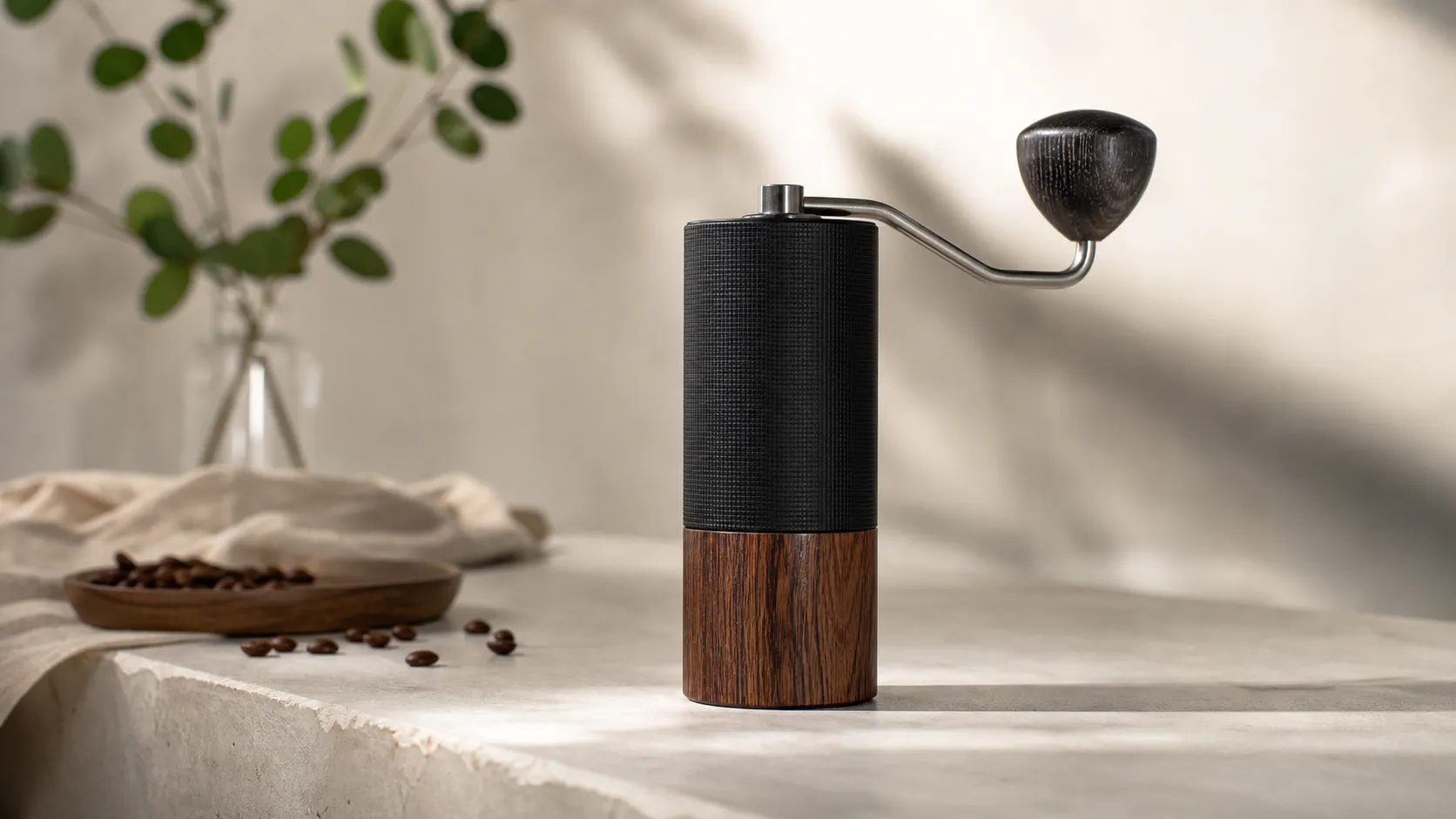
Comandante C40 MK4 Manual Coffee Grinder — 2026 Review
A premium manual grinder known for exceptional build and grind consistency — ideal for serious home baristas, but heavy and pricey for casual users or travel.
 Kitchen & Appliances
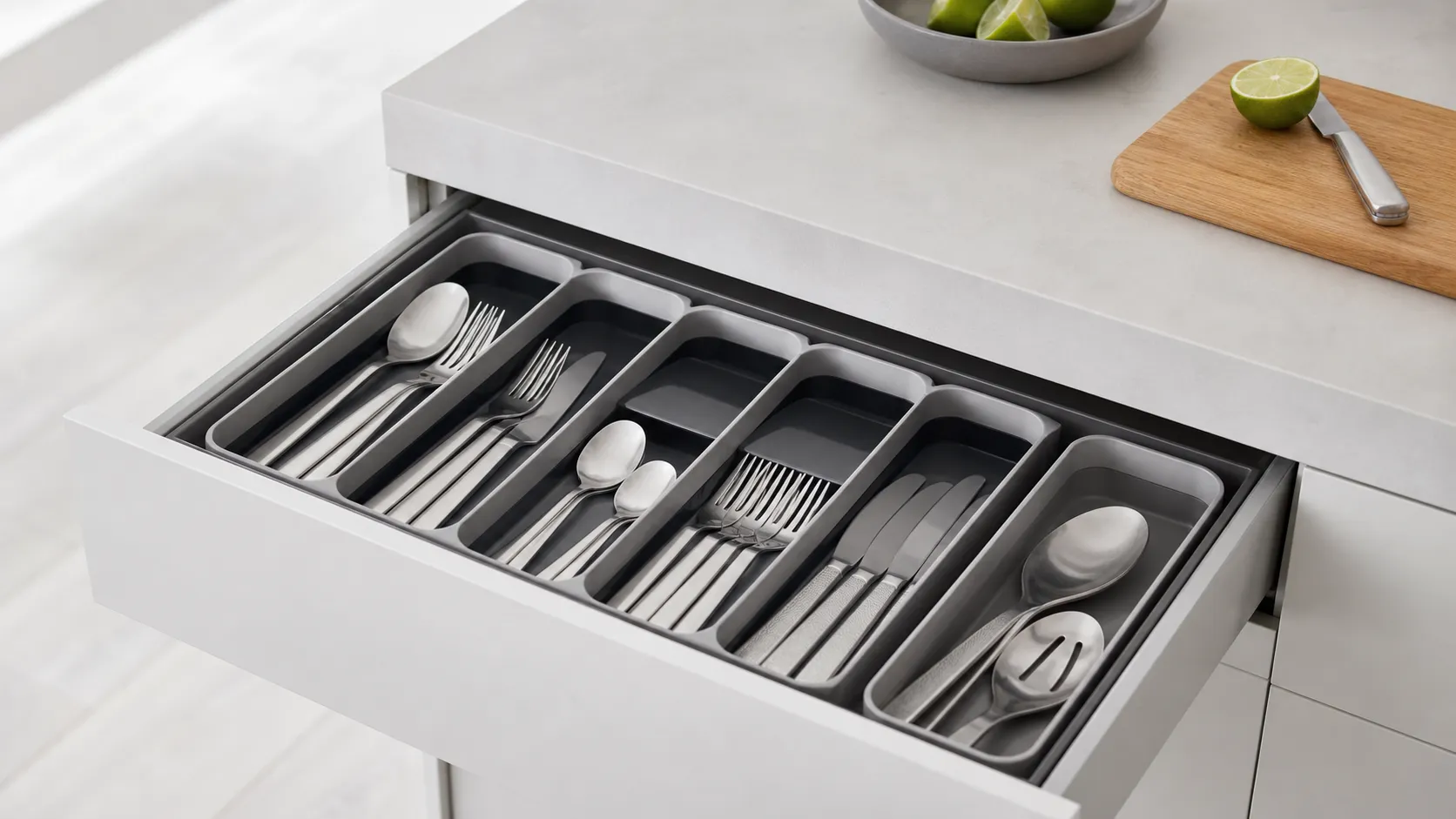
Joseph Joseph DrawerStore Cutlery Organizer Review 2026
A slim, modern cutlery tray that maximizes shallow-drawer space. Great for tidy, small-kitchen organization—measure your drawer first and avoid if you store long utensils.
 Kitchen & Appliances
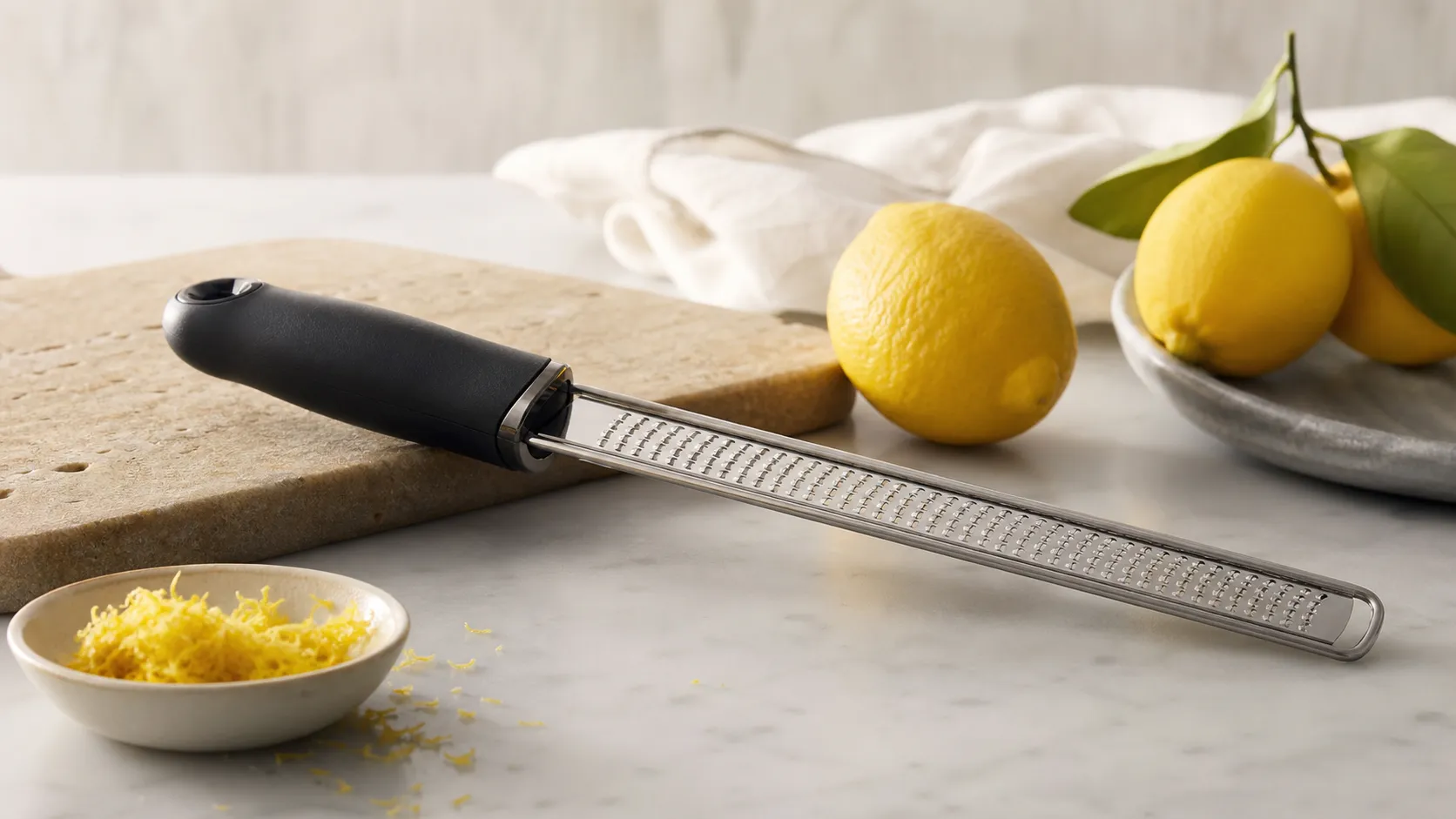
Microplane Premium Classic Zester/Grater — Review 2026
The Microplane Premium Classic is the go-to hand zester for precise, fluffy citrus zest and fine shavings. Sharp, compact, and great value—best for finishing, not bulk grating.