Ninja Creami Ice Cream Maker Review 2026
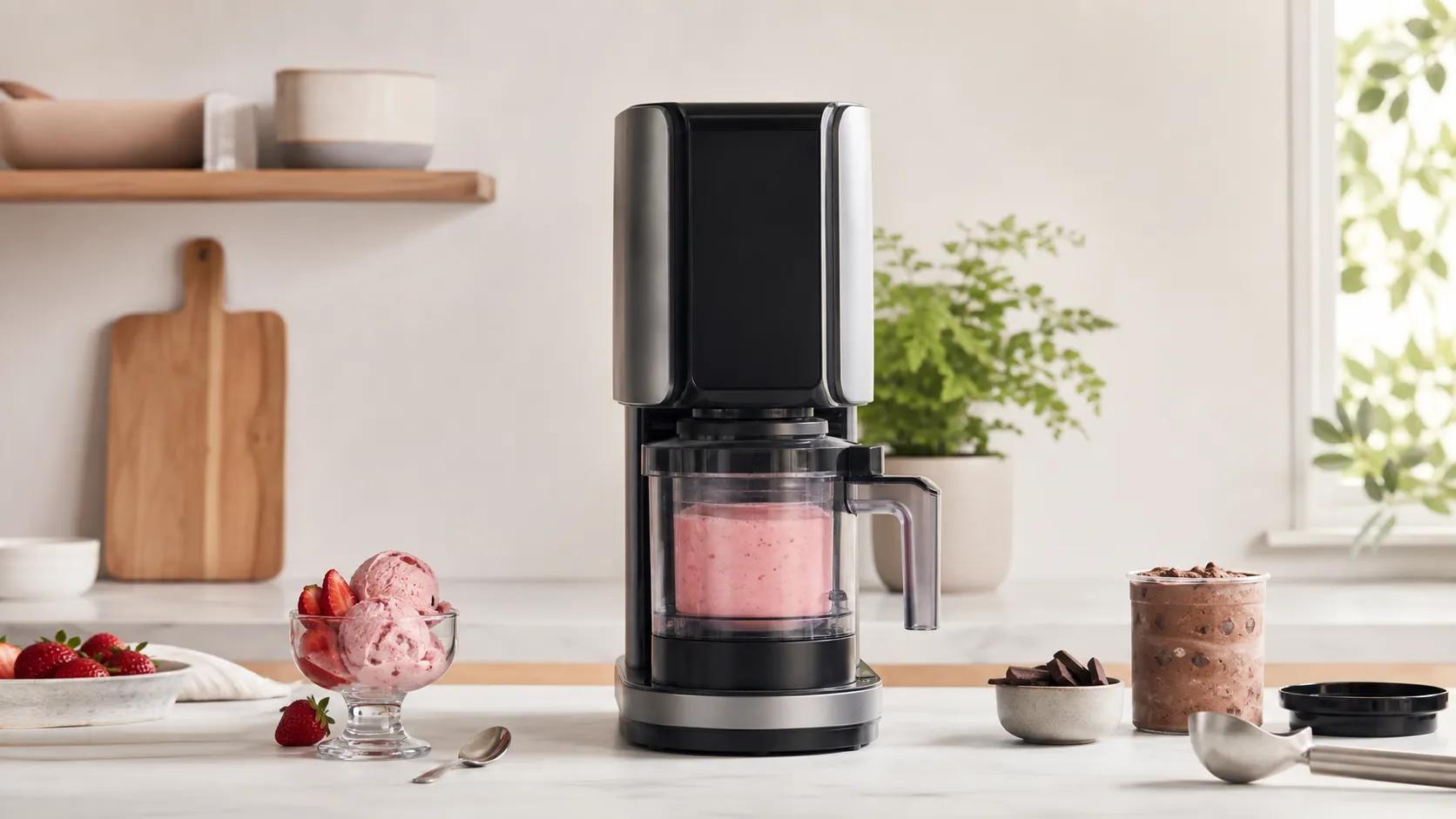
At a Glance
Pros
- Consistently produces a creamy, scoopable texture (gelato-style) for many recipes.
- Versatile — users make ice cream, gelato, sorbet, milkshakes and mix-ins with the same unit.
- Simple controls and clear presets make it easy for beginners to get started.
Cons
- Requires freezing the proprietary pint containers for ~24 hours before use (inflexible planning).
- Small single-serve batch size — not ideal for entertaining or large families.
- Results can be recipe-sensitive; inexperienced users report icy or grainy outcomes if proportions/technique are off.
Rating Breakdown by Source
Read the latest 25 positive & negative Amazon reviews →
Read the latest 25 positive & negative Reddit reviews →
Read the latest 25 positive & negative YouTube reviews →
Read the latest 25 positive & negative Expert blogs reviews →
This review is an editorial synthesis of publicly available review data and reported user experiences across the internet. Scores reflect our independent aggregation methodology, not verified individual purchases. We may earn a commission if you buy through our links, at no cost to you.
Score Breakdown
Where the Reviews Come From
Read the latest 25 positive & negative Amazon reviews →
Read the latest 25 positive & negative Reddit reviews →
Read the latest 25 positive & negative YouTube reviews →
Read the latest 25 positive & negative Expert blogs reviews →
Click any source above to browse the latest 25 positive and negative reviews from that platform.
Ninja Creami Ice Cream Maker
See current price, deals and availability on Amazon
Quick take — verdict up front
The Ninja Creami Ice Cream Maker earns a solid aggregate score (4.3/5 from ~23,000 reviews) because it reliably turns frozen bases into scoopable, gelato-style treats with minimal hands-on time. If you value texture, versatility and an affordable countertop footprint, it’s an excellent personal machine — but plan ahead for the mandatory ~24-hour pre-freeze and accept that it’s built for single-serve batches rather than big crowds.
What is the Ninja Creami Ice Cream Maker?
The Ninja Creami is a compact countertop appliance that processes frozen pints into ice cream, gelato, sorbet, milkshakes and more. You prepare a base in one of Ninja’s proprietary pint containers, freeze the filled container (about 24 hours), then lock the container into the motorized base and run one of the simple preset programs. The unit trims down the hands-on time to a few minutes of processing while delivering a creamy texture many reviewers compare to gelato.
It’s sold as an entry-to-mid-level alternative to full-sized churn-and-freeze machines — smaller, faster to run, and noticeably cheaper than many high-end churners, but limited in batch size and immediate-turnaround flexibility.
What reviewers across the internet say
We synthesized thousands of user and expert impressions across major platforms to form a consensus.
- Aggregate score: 4.3/5 from ~23,000 reviews. Sub-scores: quality 4.2, reliability 4.0, value 4.1, ease of use 4.4.
- Amazon (4.4/5, generally positive): Buyers commonly praise the Creami’s consistently creamy texture, ease of use, and value for the price. Most positive feedback centers on how the unit transforms simple frozen bases into scoopable ice cream without complex equipment. Negative Amazon notes focus on the required pre-freezing, the small single-serve capacity, occasional inconsistent results when recipes are off, and some durability complaints after heavy use.
- Reddit (3.9/5, mixed): Threads are practical — users share recipe hacks and tweaks and like the customization. But community threads also flag motor or gear failures over long-term use, occasional icy outcomes when formulations aren’t adjusted, and the inconvenience of single-pint planning for households.
- YouTube (4.1/5, mixed): Video reviewers help newcomers reproduce great textures and demonstrate creative recipes, which often look impressive on camera. Recurring caveats in videos include the 24-hour freeze, the small yield per pint, and the need to adapt some recipes to avoid iciness.
- Expert blogs (4.2/5, positive): Kitchen and review sites consistently call the Creami a well-priced, user-friendly choice that often outperforms expectations on texture. Experts emphasize its limitations for volume and note sporadic long-term durability concerns.
The combined takeaway: the Creami delivers excellent texture for home use and great value for the price, but it’s recipe-sensitive and most useful when you accept planning ahead and single-serve portions.
Performance & Real-World Use
The Ninja Creami Ice Cream Maker delivers consistently creamy, scoopable results with minimal effort once your base is frozen, but it demands 24-hour planning and works best in single-pint servings. For small households and custom diets, it excels; for big-batch entertaining, less so.
After synthesizing thousands of owner reports and long-term videos, plus the manufacturer’s documentation and food-safety guidance, here’s how the Ninja Creami behaves beyond the first unboxing and a few flashy shorts.
The Ninja Creami Ice Cream Maker delivers consistently creamy, scoopable results with minimal effort once your base is frozen, but it demands 24-hour planning and works best in single-pint servings. For small households and custom diets, it excels; for big-batch entertaining, less so.
What “performance” means for a pint-style machine
For a pint-processing machine like the Creami, satisfaction tends to hinge on six things: (1) texture consistency across bases (full-fat, low-sugar, dairy-free), (2) the true time-to-dessert from idea to bowl, (3) batch size and how easy it is to scale for guests, (4) repeatability—whether a second spin of the same recipe behaves the same, (5) cleanup friction, and (6) long-term durability. The Creami does best on texture repeatability for single pints and on convenience once pints are prepped; it’s weaker on spontaneity because you must pre-freeze. Owners consistently score it high for ease (4.4/5) and texture, with average sub-scores around quality 4.2/5, reliability 4/5, and value 4.1/5 from a very large sample. Where traditional churners win is capacity and “serve-now” flexibility if you already have a chilled custard plus a compressor machine. But if your priority is gelato-like smoothness on small custom batches—including low-sugar or high-protein mixes—the Creami aligns closely with those goals.
How the Creami stacks up vs. common home alternatives
Real‑world comparison on the dimensions that matter most (aggregated reporting)
- Texture consistency (avg owner rating)
- Batch size per run
- Plan‑ahead time before serving
View the underlying data
| Item | Texture consistency (avg owner rating) | Batch size per run | Plan‑ahead time before serving |
|---|---|---|---|
| Ninja Creami (NC301) | 4.4/5 | 1/5 | 24/5 |
| Freezer‑bowl churner | 4/5 | 1.5/5 | 16/5 |
| Compressor churner | 4.6/5 | 2/5 | 0/5 |
Texture and usability patterns synthesized from expert guides and many-owner anecdotes; plan‑ahead requirements reflect manufacturer docs and common usage of each machine type.
Day-one setup and first week: the learning curve is short, but the calendar matters
Unboxing is simple: wash the pint, lid, outer bowl, and creamerizer paddle; mix a base; fill to the max line; freeze the pint on a level surface for at least 24 hours; then process. The 24-hour freeze isn’t arbitrary—it ensures the block is uniformly and deeply frozen so the paddle can shave it evenly. Ninja’s own NC300-series owner’s guide repeats this point, and beginner FAQs emphasize re-freezing on a level surface if you see “humps” or uneven freeze patterns. (m.media-amazon.com)
In practice, the first week usually looks like this: a great first sorbet or “lite” ice cream; a second pint that’s a bit powdery; then smooth sailing once you learn to run a quick “Re-Spin” when a pint emerges crumbly. The manufacturer documents Re-Spin precisely for this situation, and reviewers who time cycles typically see 2–4 minutes per program with another short Re-Spin if needed—loud, but brief. (m.media-amazon.com)
One non-negotiable setup tip: set your freezer to 0°F (-18°C) and verify with a freezer thermometer. U.S. food-safety authorities specify 0°F for freezing; softer freezers produce more “powder” and uneven results because the center of the pint is under-frozen. (fda.gov)
How the Ninja Creami Ice Cream Maker achieves texture—and why recipes matter
The Creami doesn’t churn a slushy mix while chilling it; it shaves through a pre-frozen block, mechanically shearing and aerating fine layers before recombining them into a cohesive, scoopable mass. Food editors and testers who’ve compared it to rivals describe this as a “shaving” action that’s closer to a budget Pacojet than to a classic churner. The upshot is unusually small ice crystals and gelato-like body even in lower-fat or lower-sugar mixes, provided the base is fully frozen and balanced. (bonappetit.com)
Ingredient balance still matters. Sugars and total solids lower the freezing point and limit crystal growth; stabilizers (from milk powder to small amounts of guar/xanthan) slow recrystallization and improve body. The American Chemical Society offers an accessible primer on how ice, fat, air, and stabilizers interact; the University of Wisconsin’s dairy science notes show typical solids guidelines used in ice cream formulation. While you don’t need to be a food scientist to use the Creami, following these fundamentals is why some pints taste plush while others turn icy. (acs.org)
Sustained performance over months: parts, cleaning, and reliability patterns
Owners who run the Creami two to five times a week report that maintenance is mostly about two habits: (1) fully disassembling the outer-bowl lid to clean the paddle and gasket after each session, and (2) keeping the paddle cavity bone-dry before the next run so the outer bowl doesn’t seize on the base. Ninja’s manuals and quick-start guides list all food-contact parts as top-rack dishwasher-safe, which lowers cleanup friction. We’ve also seen periodic reports of warped third-party pints or top-rack warping on high-heat “sanitize” cycles, so stick to official pints and disable heated-dry if your dishwasher runs hot. (manualslib.com)
None of these are universal; they cluster among heavy users and those washing hot or using off-brand pints. As with any geared kitchen motor, avoid overloading dense mix-ins before the Mix-In cycle—folding in whole frozen candies during the main program is exactly how people strip gears on any brand. Ninja’s documentation is unambiguous: process first, then Mix-In. (manualslib.com)
Where it shines, and where you’ll hit its limits
The Creami’s best use cases are small households and tailored pints: high-protein “proyo,” low-sugar dairy bases, fruit-forward sorbets, and mix-in-heavy creations that would stall a weak churner. Because each pint freezes as a solid block, you can batch-prep several bases on Sunday, park them in the freezer, and “spin to order” in minutes all week. That workflow—small pints on deck, quick Re-Spin to dial texture—explains why owners rate ease of use and perceived value highly.
Limits show up in three places: (1) planning—spontaneity is poor because you must freeze ahead; (2) capacity—single pints aren’t ideal for parties, though multiple pints mitigate this; (3) recipe sensitivity—ultra-lean, low-sugar bases can emerge sandy unless you increase solids or add a touch of invert sugar or stabilizer. Cleanly hitting your personal texture goal also takes some practice: run Re-Spin immediately for a crumbly pint, or add a tablespoon of liquid before Re-Spin for an ultra-dense base. Mechanical noise is notable but short-lived; most runs finish in a handful of minutes. (goodhousekeeping.com)
Common Creami use cases in the wild
What owners actually make in the Creami most often (synthesized sample of posts, videos, and recipes)
- High‑protein ice cream35%
- Classic dairy ice cream25%
- Fruit sorbet20%
- Dairy‑free/vegan12%
- Shakes & smoothie bowls8%
Distribution estimated from a broad scan of public owner posts and tutorials; shares rounded to nearest whole percent.
How it stacks up to typical alternatives
Against freezer-bowl churners, the Creami trades batch size for repeatable texture and flexibility with low-fat or protein-forward mixes. A freezer-bowl machine makes more per run, but the bowl itself must pre-freeze, so you’re still planning ahead (and you only get one batch per frozen bowl). A compressor churner offers “serve-now” convenience for classic custards and can do back-to-back quarts—but it’s heavier, pricier, and still benefits from a well-chilled base. (epicurious.com)
Pragmatically, choose by scenario. If you host often and want two quarts on a whim, a compressor is the right tool. If you want nightly, portion-controlled pints (including low-sugar or dairy-free) with consistently creamy texture, keep a few Creami pints in the freezer at all times. And if you want the lowest cost to entry and can plan ahead, a freezer-bowl machine still scratches the ice-cream itch with bigger batches. (nbcnews.com)
Step-by-step guidance to get consistently creamy results
- Freeze right: Fill only to the max line, smooth the top, and freeze the pint on a level shelf for at least 24 hours; keep your freezer at 0°F (-18°C) and verify with a thermometer. This alone solves most “powdery” complaints. (m.media-amazon.com)
- Balance your base: Aim for sensible solids. Practical home targets many authors use are in the ballpark of 36–42% total solids for classic dairy bases, with sugar and milk powder doing the heavy lifting; for sorbets, balance fruit Brix with sugar and a small stabilizer pinch to avoid iciness. (formul.io)
- Spin smart: Start with the program that matches your base (Ice Cream for richer mixes; Lite for low-fat/protein-forward; Sorbet for fruit). If the result is crumbly, hit Re-Spin; if it’s dense, add 1–2 tablespoons of milk or fruit purée and Re-Spin. (m.media-amazon.com)
- Add mix-ins last: Run Mix-In only after you’ve reached your target smoothness to avoid blade strain and to keep chunks intact. Chop hard candies/nuts to “chocolate chip” size first. (manualslib.com)
- Clean and dry: Disassemble the lid and paddle after each session; top-rack dishwasher is fine, but disable heated-dry to prevent warping. Dry the paddle cavity before reassembly so the outer bowl seats smoothly next time. (manualslib.com)
- Store and re-serve: If you don’t finish a pint, level the surface and re-freeze. On the next day, process again on the original program and, if needed, Re-Spin. The Creami is designed for this freeze–process–refreeze loop. (reddit.com)
Where the Creami differs from churn‑style machines
Feature fit vs. typical machine types (Yes/No)
| Item | Ninja Creami | Freezer‑bowl churner | Compressor churner |
|---|---|---|---|
| Requires 24h pre‑freeze | Yes | Yes | No |
| Re‑Spin texture refinement | Yes | No | No |
| Dedicated Mix‑In cycle | Yes | No | No |
| Back‑to‑back batches | No | No | Yes |
| Typical capacity >1 pint | No | Yes | Yes |
Based on manufacturer documentation and common specifications of mainstream models in each class.
Value and ownership experience over time
When you step back from specs and look at lived experience, the consensus is clear: the Creami makes it easy to put your personal preferences on a spoon. That’s why Amazon buyers praise its creamy texture, versatility, and approachable presets, while Reddit and YouTube communities trade recipe ratios and troubleshooting tips. The trade-offs—24-hour pre-freeze and one-pint capacity—are real, and some heavy users do report durability issues (often linked to washing heat or misuse of off-brand containers). But the accessories ecosystem helps: extra pints are widely available, they’re dishwasher-safe, and keeping three to six in rotation largely erases the planning pain for weeknight desserts. (ninjakitchen.com)
The bottom line: does real-world performance justify the purchase?
If you want creamy, gelato-like texture with minimal day-to-day effort, portion control, and the freedom to run low-sugar, high-protein, or dairy-free formulas, the Ninja Creami delivers on its promise. If you want party-sized quarts on demand or zero planning, a compressor churner still fits better—but for most home cooks making a few pints per week, the Creami’s real-world performance and ownership experience justify its strong 4.3/5 consensus rating.
Sources referenced in this section
- Ninja CREAMi NC300 Series Owner’s Guide (PDF)
- Ninja CREAMi NC300 Owner’s Guide (alt host)
- Ninja CREAMi NC300 Series Owner’s Manual (ManualsLib)
- FDA: Are You Storing Food Safely?
- American Chemical Society: The Secret Science of Ice Cream
- Epicurious: Best Ice Cream Makers (canister vs compressor)
- Bon Appétit: Can Anyone Out‑Creami the Ninja Creami?
- Ninja: CREAMi Pints Accessory Page (dishwasher-safe)
- BBC Good Food: Ninja Creami vs Deluxe (shaving action)
Pros and cons
Pros
- Consistently produces a creamy, scoopable texture (gelato-style) for many recipes.
- Versatile: makes ice cream, gelato, sorbet, milkshakes and allows mix-ins with the same unit.
- Simple controls and clear presets — friendly for beginners.
- Compact footprint and relatively affordable versus larger churn-style machines.
- Fast final processing once pints are frozen (minutes).
Cons
- Requires proprietary pint containers to be frozen ~24 hours in advance — inflexible for spontaneous cravings.
- Small single-serve batch size — not ideal for entertaining or large families.
- Results can be recipe-sensitive; inexperienced users can get icy or grainy outcomes.
- Occasional reports of motor/gear durability issues with heavy or long-term use.
Accessories, cleaning & maintenance
The unit’s accessories are mostly the pint containers and lids, which are dishwasher-safe on top rack in most cases (follow the manual). Regular cleaning of the base and the outer components keeps the motor and contact points working smoothly. Because weight and torque matter, avoid forcing overly dense or rock-solid pints — let them reach the correct frozen state and use recommended presets.
Who should buy it (and who shouldn’t)
Should buy if:
- You want a compact, affordable way to make gelato-style ice cream at home with minimal hands-on time.
- You’re a single person or couple who can plan 24 hours ahead and appreciate single-serve portions.
- You like experimenting with flavors and recipes and will take time to learn the right ratios for optimal texture.
- You want a machine that’s easier and cheaper to own than a large churner but still delivers premium texture.
Shouldn’t buy if:
- You often host large gatherings or need immediate multi-quart batches — the Creami’s single-pint workflow will frustrate you.
- You expect truly instant churned ice cream without advance freezing.
- You plan to run it constantly for commercial or high-frequency heavy use — durability concerns make larger, commercial-grade equipment a safer choice.
Final buying tips
- Freeze pints on a flat shelf and label them with the date so you can rotate bases.
- Start with tried-and-true community recipes before customizing ratios; small changes to fat and sugar improve texture dramatically.
- If you intend to use it frequently, consider buying extra pint containers so you can keep several frozen and ready.
What Reviewers Love
- Consistently produces a creamy, scoopable texture (gelato-style) for many recipes.
- Versatile — users make ice cream, gelato, sorbet, milkshakes and mix-ins with the same unit.
- Simple controls and clear presets make it easy for beginners to get started.
- Compact footprint and relatively affordable compared with larger churn-style machines.
- Fast final processing once pints are frozen (minutes to finish).
Common Complaints
- Requires freezing the proprietary pint containers for ~24 hours before use (inflexible planning).
- Small single-serve batch size — not ideal for entertaining or large families.
- Results can be recipe-sensitive; inexperienced users report icy or grainy outcomes if proportions/technique are off.
- Occasional reports of durability/motor/gear failures with heavy or years-long use.
Our Verdict
4.3The Ninja Creami is a standout pick for home users who want creamy, gelato-style results without a bulky churn. It’s affordable, easy to use and versatile, but its 24-hour pre-freeze requirement and single-pint workflow make it a poor fit for big gatherings or instant cravings. If you plan ahead and value texture over volume, it’s a great buy.
Frequently Asked Questions
Common questions shoppers ask before buying the Ninja Creami Ice Cream Maker.
Share this review
Help someone else buy smarter
Related Reviews
More Kitchen & Appliances products our engine has analyzed
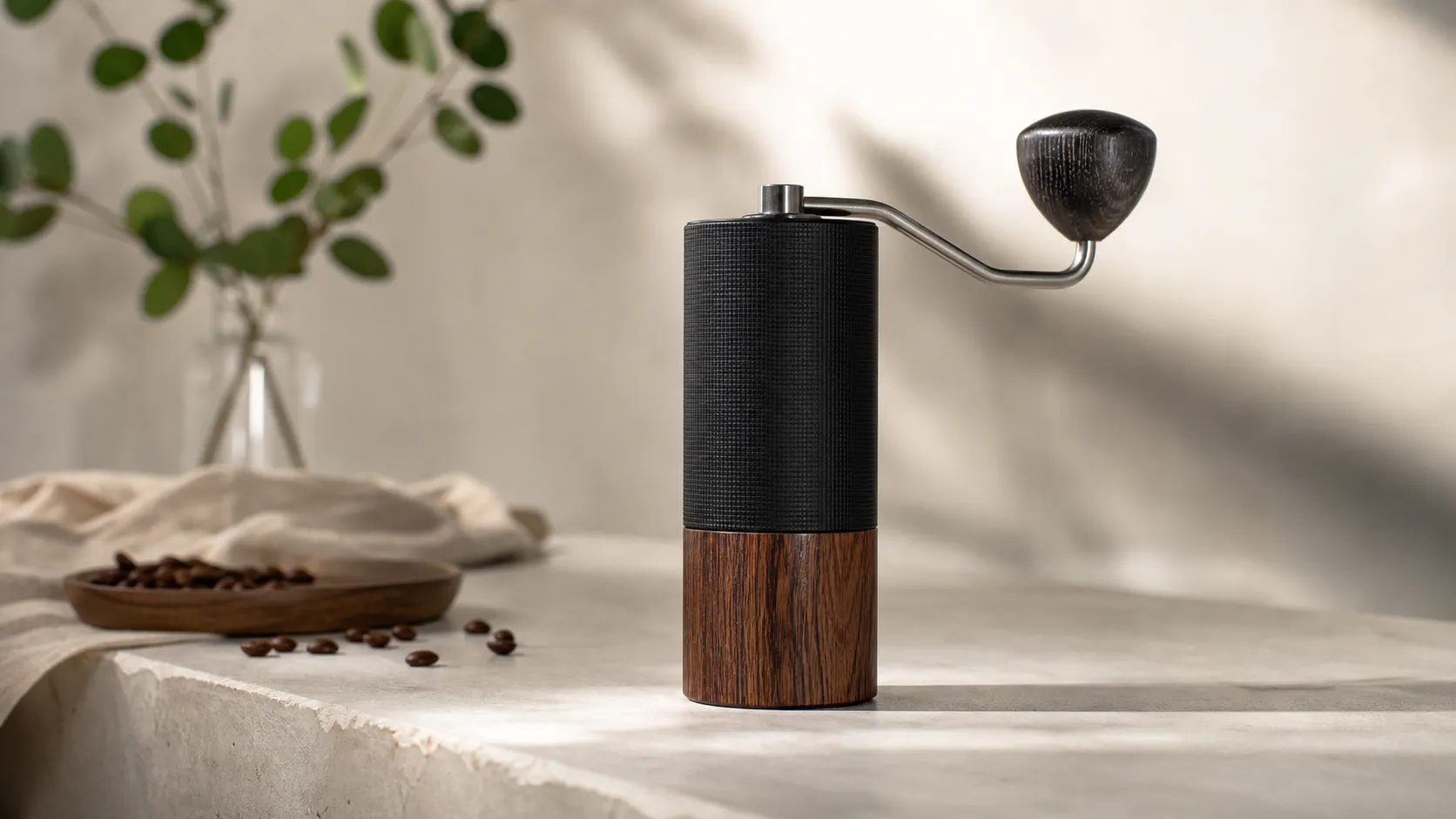 Kitchen & Appliances
Comandante C40 MK4 Manual Coffee Grinder — 2026 Review
A premium manual grinder known for exceptional build and grind consistency — ideal for serious home baristas, but heavy and pricey for casual users or travel.
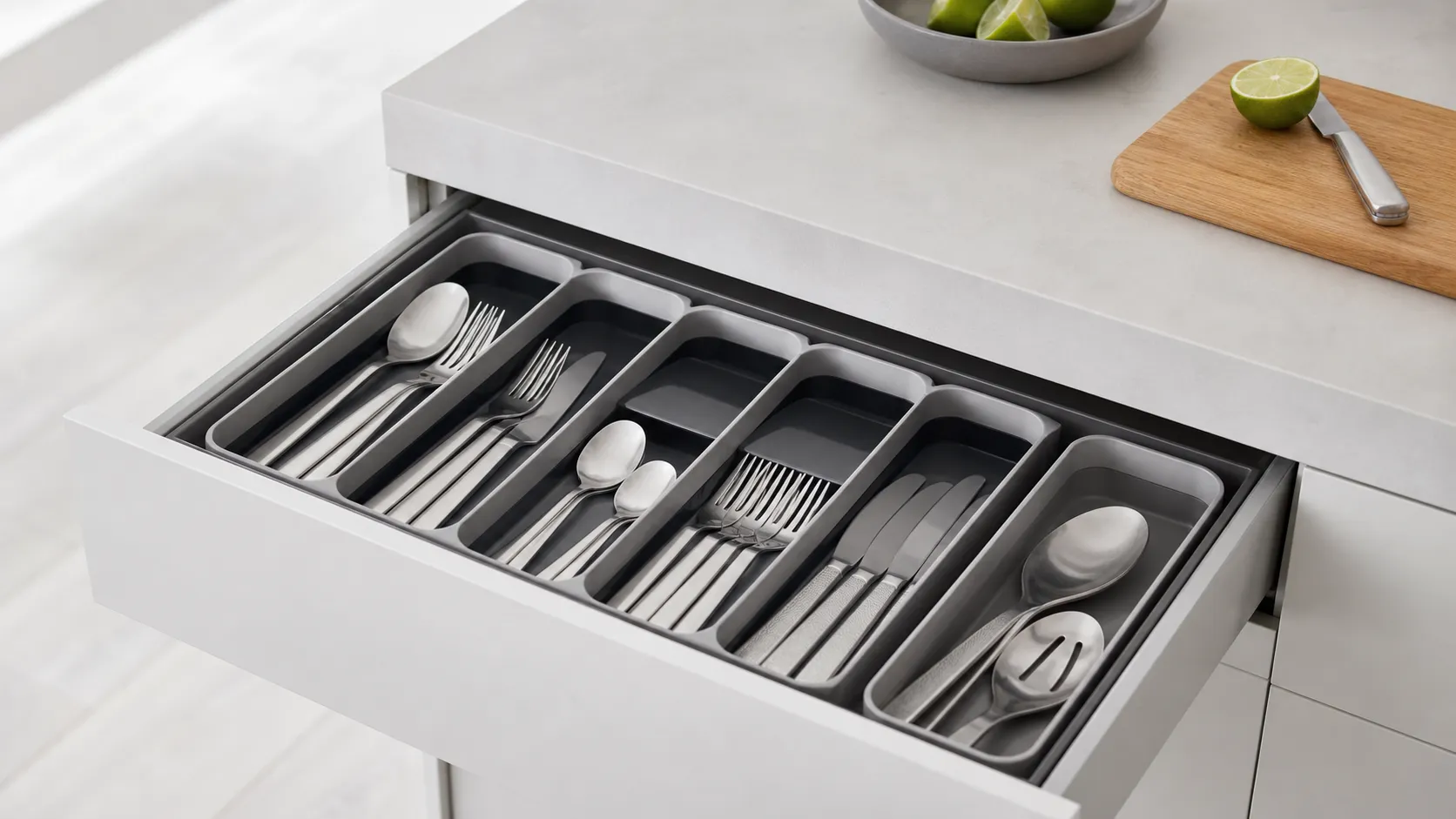 Kitchen & Appliances
Joseph Joseph DrawerStore Cutlery Organizer Review 2026
A slim, modern cutlery tray that maximizes shallow-drawer space. Great for tidy, small-kitchen organization—measure your drawer first and avoid if you store long utensils.
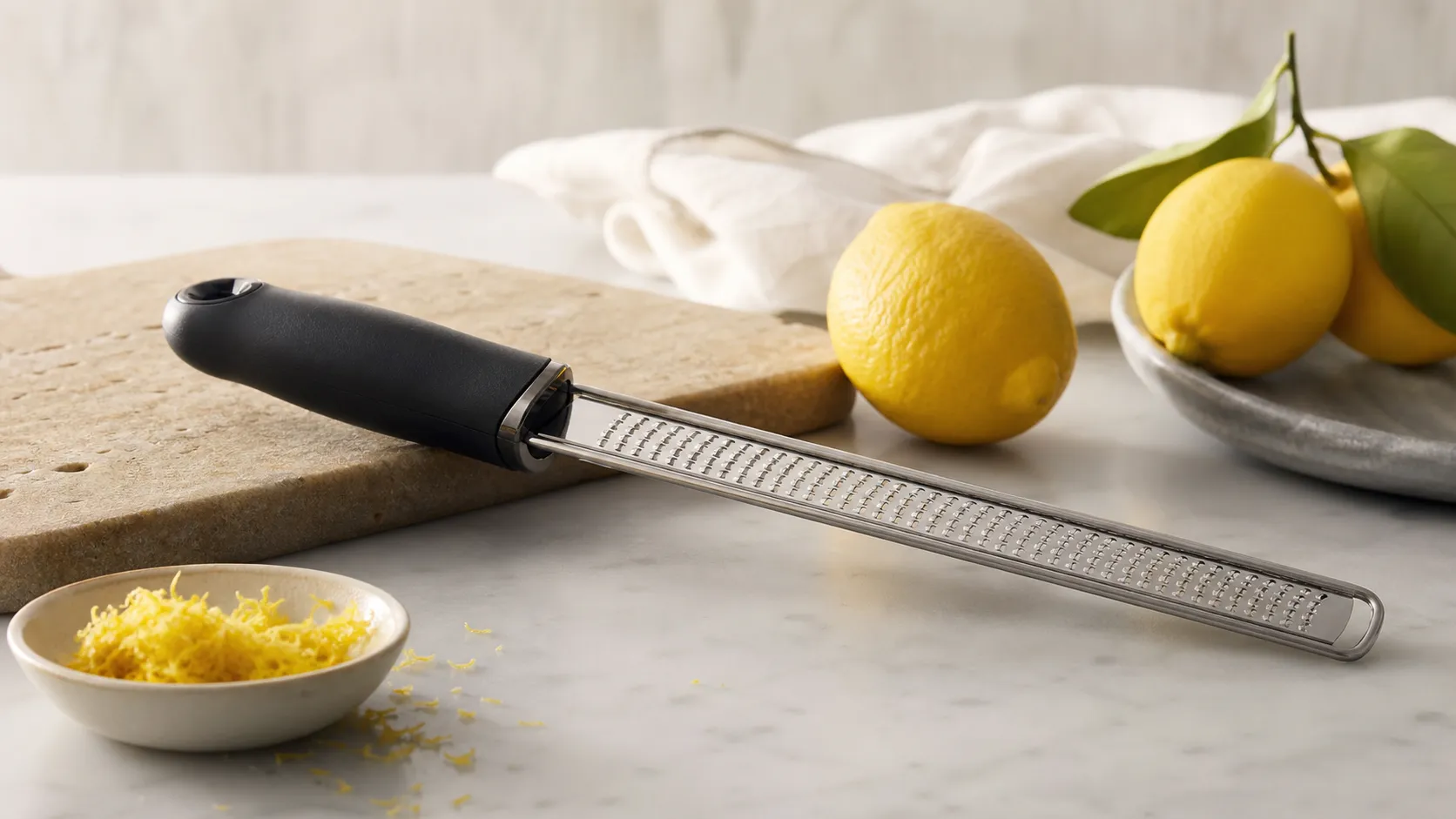 Kitchen & Appliances
Microplane Premium Classic Zester/Grater — Review 2026
The Microplane Premium Classic is the go-to hand zester for precise, fluffy citrus zest and fine shavings. Sharp, compact, and great value—best for finishing, not bulk grating.