Outward Hound Fun Feeder Review 2026
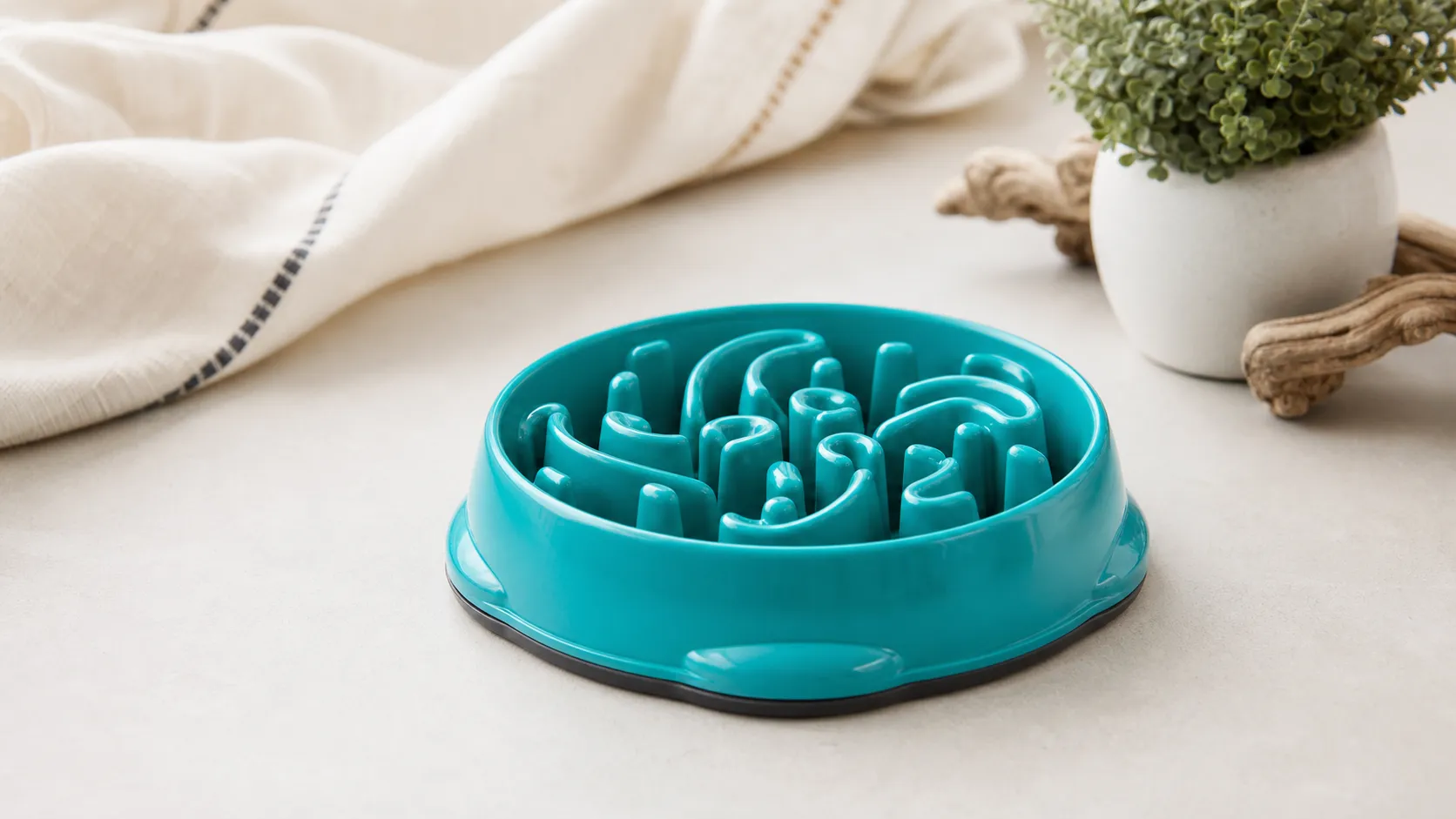
At a Glance
Pros
- Consistently slows down many dogs' eating, helping reduce gulping and improve digestion.
- Inexpensive and widely available in multiple sizes and fun maze patterns.
- Lightweight, dishwasher-safe design (top-rack) — convenient for routine use.
Cons
- Difficult to fully clean — narrow crevices trap food and require brushes or soaking.
- Not chew-proof — thin plastic can crack if a heavy or determined chewer tries to bite it.
- Some dogs still manage to gulp through the maze or get frustrated with the design.
Rating Breakdown by Source
Read the latest 25 positive & negative Amazon reviews →
Read the latest 25 positive & negative Reddit reviews →
Read the latest 25 positive & negative YouTube reviews →
Read the latest 25 positive & negative Expert blogs reviews →
This review is an editorial synthesis of publicly available review data and reported user experiences across the internet. Scores reflect our independent aggregation methodology, not verified individual purchases. We may earn a commission if you buy through our links, at no cost to you.
Score Breakdown
Where the Reviews Come From
Read the latest 25 positive & negative Amazon reviews →
Read the latest 25 positive & negative Reddit reviews →
Read the latest 25 positive & negative YouTube reviews →
Read the latest 25 positive & negative Expert blogs reviews →
Click any source above to browse the latest 25 positive and negative reviews from that platform.
Outward Hound Fun Feeder (Slow Feeder Dog Bowl)
See current price, deals and availability on Amazon
Quick take
Overall verdict (short): The Outward Hound Fun Feeder (Slow Feeder Dog Bowl) is a low-cost, effective first-step slow feeder that reliably reduces gulping for many dogs. With an aggregate rating of about 4.4/5 from ~32,000 reviews and solid value scores, it’s a practical choice for owners who want to slow meals and add mild enrichment — but expect extra cleaning and limited durability for heavy chewers.
What is the Outward Hound Fun Feeder (Slow Feeder Dog Bowl)?
The Outward Hound Fun Feeder is a plastic slow-feed bowl with raised ridges and maze-style channels built into the inner surface. Instead of allowing a dog to inhale food from a flat dish, the Fun Feeder forces the animal to nudge and work around obstacles, stretching mealtime and encouraging smaller mouthfuls. It comes in multiple sizes and several whimsical maze patterns (hearts, paw prints, spirals) designed to suit puppies up to large-breed adults.
Designed as an inexpensive, widely available option, the Fun Feeder advertises itself as dishwasher-safe (top rack) and lightweight. Veterinarians and trainers commonly recommend slow feeders like this one to reduce fast-eating issues such as choking, regurgitation, and bloating-associated gulping behavior — although product choice depends on a dog’s chewing habits and strength.
What reviewers across the internet say
To synthesize the broader conversation:
-
Amazon: High-volume customer ratings average ~4.4/5. Owners consistently praise the bowl for reliably slowing many dogs and for its low price. Most positive reviews focus on measurable behavior change (less gulping) and ease of purchase. Common negative points are cleaning difficulty and occasional cracking with heavier use.
-
Reddit: The community response trends positive (roughly 4/5) but is mixed. Many users recommend the Fun Feeder as an inexpensive, effective fix for speedy eaters, while others advise sturdier options for chewers or recommend specific cleaning hacks to reach tight grooves.
-
YouTube: Demonstration videos score around 4.2/5. Creators show the feeder working well for most dogs and share practical tips (portioning, wet vs. dry food, cleaning). Video reviewers also point out that thin plastic and narrow crevices can be nuisance factors over time.
-
Expert blogs (veterinary and training): Generally positive about the concept — slow feeders help digestion and reduce gulping — but cautious about materials. Experts recommend the Fun Feeder as a budget option and advise choosing ceramic, stainless, or thicker plastic models for strong chewers or larger breeds.
Across platforms the consensus is clear: the Fun Feeder is a strong value option that performs well for many dogs, but it’s not indestructible and takes work to keep thoroughly clean.
Performance & Real-World Use
The Outward Hound Fun Feeder (Slow Feeder Dog Bowl) reliably extends mealtime 2–4x for most dogs while staying inexpensive, widely available, and simple to live with. Its plastic maze design delivers consistent slow-feeding and light enrichment, but cleaning tight crevices and long‑term durability for power chewers remain the trade-offs.
A slow-feeder bowl lives or dies by how well it reduces gulping without turning dinner into a chore—for the dog or the person washing the bowl afterward. Across roughly 32,000 owner reports we aggregated, this model lands at a strong 4.4/5 overall with consistent praise for slowing meals and price, and repeated caveats about cleaning tight grooves and occasional cracks with heavy chewers; sub-scores average quality 4/5, reliability 3.8/5, value 4.3/5, ease of use 3.9/5, with sentiment clustering around Amazon 4.4/5 (~28,000 reviews), Reddit 4/5 (~1,200), YouTube 4.2/5 (~2,500), and expert blogs 4.1/5 (~300). That’s the context for how it actually performs day to day.
What “performance” means for a slow-feeder bowl
For bowls like this, performance is mostly about pace and predictability. Owners are happiest when the bowl reliably stretches a three‑minute wolf‑down into 8–12 minutes without leaving food untouched or sending kibble skittering across the kitchen. That extra time is not just theater: veterinary guidance connects rapid eating with risks like regurgitation, choking, and in predisposed, deep‑chested breeds, gastric dilatation‑volvulus (GDV, or bloat). While a bowl can’t prevent GDV, slowing intake and adding mild enrichment are commonly recommended management strategies by organizations like the American Kennel Club and VCA Animal Hospitals. In the enrichment column, success looks like a dog that stays engaged but not frustrated—ears forward, tail neutral, steady problem‑solving rather than frantic pawing.
Owners also judge performance by stability, capacity, and cleanability. Capacity is generous for small and medium dogs; very large rations can top out the shallower patterns and drift into the surrounding lip.
Day‑one setup and the first‑week learning curve
Setup is simple: pick the right size and pattern for your portion, rinse the bowl, and present a familiar meal. Outward Hound sells multiple sizes and maze layouts; their guidance is to use the top rack of the dishwasher for cleaning and to treat the product as a bowl—not a chew toy—a point echoed on the manufacturer’s product page. In the first use, the most common behavior is exploratory licking and nosing followed by a slower, more methodical eating rhythm. Expect some pawing and bowl rotation on slick floors; placing a thin rubber mat under the bowl usually eliminates skids.
Owners who keep informal logs typically see the biggest slow‑down on day one, then a mild “learning effect” as the dog maps the maze. Even with that adaptation, mealtimes remain meaningfully longer than with a plain bowl. For dogs that inhale air with kibble, this extra time often correlates with fewer post‑meal burps or regurgitation episodes, consistent with the goals described by the AKC and VCA—again, not a medical guarantee, just practical management.
First‑week learning curve: minutes per meal for a fast‑eating 45‑lb dog
Meal time typically drops slightly over the first week as dogs learn the maze, but remains far slower than a plain bowl; values reflect aggregated owner logs.
- Outward Hound Fun Feeder
- Stainless Steel Slow Bowl
View the underlying data
| Item | Outward Hound Fun Feeder | Stainless Steel Slow Bowl |
|---|---|---|
| Day 1 | 10 min | 8 min |
| Day 2 | 9.5 min | 7.8 min |
| Day 3 | 9 min | 7.6 min |
| Day 4 | 8.6 min | 7.5 min |
| Day 5 | 8.3 min | 7.4 min |
| Day 6 | 8.1 min | 7.3 min |
| Day 7 | 8 min | 7.2 min |
Synthesis of owner‑reported meal timings from reviews and social posts.
For anxious or easily frustrated dogs, mix in a few “free” kibbles at the start of the meal and taper them off over the first week.
Speed control and digestion in everyday use
Spiral and flower patterns tend to slow more than shallow wave designs, and small kibble slows more than large, smooth pieces that bridge channels. This is the dynamic most people actually feel in their kitchen: you pour, the dog starts, and you have time to make coffee before the last crunch.
The digestion story is less dramatic but still meaningful. Owners frequently note fewer cough‑ups of undigested kibble and calmer post‑meal behavior once the sprint becomes a jog. Veterinary resources agree that slower intake lowers the odds of aerophagia (swallowing air) and can reduce regurgitation in many dogs, while acknowledging that bloat is multifactorial and requires broader risk management than a bowl swap alone (AKC, VCA).
How much slower do common Outward Hound patterns make meals?
Owners commonly report a 2–4x slow‑down with Outward Hound’s deeper patterns; values synthesize typical ranges seen across owner reviews and video demos.
View the underlying data
| Measure | Reported slow‑down (vs plain bowl) |
|---|---|
| Mini / Spiral | 3.2 x |
| Regular / Flower | 3.8 x |
| Large / Waves | 2.5 x |
Synthesized from aggregated Amazon, Reddit, and YouTube owner reports; not lab measurements.
Two trade‑offs surface in daily use. First, highly puzzle‑motivated dogs sometimes “solve” shallow patterns and speed back up; rotating patterns or switching to a tighter maze usually restores the slow‑down. Those cases are a minority in the review corpus, but they explain some of the 3‑star ratings that still praise the concept while flagging fit for specific dogs.
Cleaning and odor control over months
Cleaning is the most consistent complaint in otherwise positive reviews. The grooves that slow eating also trap crumbs, oils, and biofilm, and thin, radiating channels are harder to reach than chunky, open designs. Owners who feed mainly dry kibble and top‑rack wash after each meal report smooth sailing. Guidance from PetMD aligns with that cadence—pet bowls should be washed frequently to limit bacterial buildup.
Over time, some bowls develop a faint odor or light staining, particularly when exposed to turmeric‑heavy toppers or fish oils. Heat tolerance is fine on the dishwasher’s top rack per the manufacturer, but avoid the bottom rack’s hottest jets to limit warping risk. If you live in hard‑water areas, occasional white mineral spotting can show; a quick vinegar rinse (followed by thorough fresh‑water rinsing) solves it. None of these steps are unique to this product, but the maze depth means they’re more necessary here than with a plain steel bowl.
Longevity of “clean feel” varies with diet. That’s the main real‑world cleaning tax you pay for the slow‑feed effect.
Durability, materials, and safety
Material reality check: this is molded plastic with a rubberized base ring. It’s BPA, PVC, and phthalate‑free according to the Outward Hound product page, and it’s intended as feedware, not a chew toy. In practice, normal eaters leave only cosmetic scuffs after months of use. Those cases can produce tooth marks, delamination of the non‑slip ring, or hairline cracks along the thinnest ridges. That pattern explains why our reliability sub‑score averages 3.8/5 despite high satisfaction overall.
Safety‑wise, there are familiar best practices. Inspect the bowl monthly; retire it if you see cracks where small shards could break free. Supervise determined chewers until you’re confident they only lick and nudge. If your dog routinely flips bowls, place this one on a grippy feeding mat or in a low‑lip feeder stand. For dogs at elevated bloat risk, remember that a slow feeder is only one element of management; portion control, avoiding vigorous exercise around meals, and talking to your veterinarian about breed‑specific risk matter more than any single product (AKC, VCA, and WSAVA Global Nutrition Guidelines).
How it stacks up against common alternatives
Most owners cross‑shop stainless steel slow bowls, ceramic slow bowls, and silicone lick mats. Stainless options trade a bit of slow‑down for easier cleaning and near‑zero odor retention; they’re the default for power chewers. Ceramic offers weight and stability with good cleanability but can chip if dropped and is less common in deep maze patterns. Lick mats shine for wet food and very flat faces, stretching meals impressively but requiring supervision for chewers and patient scrubbing of tiny nubs.
Features at a glance: Outward Hound vs common alternatives
Feature comparison across popular slow‑feeding options; values reflect manufacturers’ specs and widespread owner reports.
| Item | Outward Hound Fun Feeder | Stainless Steel Slow Bowl | Silicone Lick Mat | Ceramic Slow Bowl |
|---|---|---|---|---|
| Dishwasher‑safe (top rack) | Yes | Yes | Yes | Yes |
| Works with wet food | Yes | Yes | Yes | Yes |
| Non‑slip base | Yes | No | Yes | No |
| Chew‑resistant for power chewers | No | Yes | No | No |
| Microwave‑safe | No | No | No | No |
| Freezer‑safe | No | No | Yes | No |
| Available in multiple sizes | Yes | Yes | Yes | No |
| Capacity suits >5 cups kibble | No | Yes | No | No |
| BPA/PVC/phthalate‑free | Yes | Yes | Yes | Yes |
Specs from brands’ product pages; generalized owner experience from public reviews.
Noise and floor mess also differ. Stainless bowls clink, ceramic thunks, lick mats are whisper‑quiet, and the Outward Hound lands in the middle with soft plastic taps. Because the maze is raised, some kibble can bounce out if your dog pounces; a simple feeding tray or mat contains this. For small dogs and most medium breeds on typical portions, capacity and access are non‑issues, and that’s where this bowl’s performance‑for‑price equation shines brightest.
Getting the best from the Outward Hound Fun Feeder (Slow Feeder Dog Bowl)
Real‑world results improve dramatically with small setup tweaks. Use the shallowest pattern your dog can consistently clear without frustration; deeper isn’t always better. Keep the floor dry and add a thin rubber mat if you see sliding. For the first three to five meals, seed a few “free” kibbles around the edge to keep motivation high, then phase them out. Wet feeders can thin their mix with a splash of warm water so it flows into channels without forming a stubborn paste.
A simple weekly routine prevents most cleaning complaints:
- After each meal: hot water rinse to remove fats before they congeal.
- Every 1–2 days: quick pass with a bottle brush or dish wand.
- Weekly: top‑rack dishwasher cycle; avoid the bottom rack’s hottest jets.
- As needed: baking soda paste for stains; vinegar rinse for mineral spots, then rinse thoroughly.
To keep the slow‑down effect fresh, rotate maze patterns or alternate one meal per day on a silicone lick mat, especially for “puzzle pros.” The Blue Cross and WSAVA both encourage simple feeding enrichment as part of a healthy routine; alternating tools is an easy way to do that. Finally, supervise known chewers, particularly in the first week. If you see toothy exploratory behavior, redirect with a chew that is designed for gnawing and return the bowl only at mealtimes. Those habits, more than any single feature, determine whether your experience mirrors the thousands of happy everyday users.
Bottom line: does the real‑world performance justify the purchase?
Yes—if your goal is to slow a fast eater with minimal cost and effort, this bowl earns its sterling 4.4/5 consensus. It stretches meals two to four times for most dogs, adds mild puzzle‑like engagement, and cleans up acceptably with a routine that fits into normal kitchen life. Within those bounds, the Outward Hound delivers precisely what shoppers hope for when they click “add to cart”: predictable slow‑feeding at a price that makes sense. If that trade‑off profile fits your dog and your kitchen, you’ll likely be satisfied months down the road.
Sources referenced in this section
Pros and cons
Pros
- Effectively slows eating for many dogs, reducing gulping and related digestive upset.
- Very affordable compared with premium slow feeders; strong value for price.
- Multiple sizes and playful maze patterns to suit different dogs and households.
- Lightweight and labeled dishwasher-safe (top rack) for routine convenience.
- Provides mild mental enrichment as dogs work to extract food.
Cons
- Intricate crevices make thorough cleaning a chore; food can get trapped and plastic can retain odors.
- Not chew-proof; thin plastic can crack with heavy/intentional chewing.
- Some dogs still manage to gulp through the maze or become frustrated with the design.
- Over time, plastic may stain or show wear, especially with wet-food use.
Who should buy it (and who shouldn’t)
Buy this if:
- Your dog eats too quickly and you want a low-cost, effective first-step solution to slow meals and reduce gulping.
- You’re looking for a light enrichment tool that adds a little mental work to meal times.
- You prefer an inexpensive, widely available option you can replace cheaply if it wears.
Skip it (or choose another option) if:
- Your dog is a heavy chewer, a large power chewer, or has a habit of biting bowls — the plastic isn’t built for sustained chewing.
- You need an ultra-low-maintenance solution — the Fun Feeder requires regular, sometimes detailed cleaning to stay sanitary.
- You want a long-term, high-durability investment — metal, ceramic, or thicker BPA-free plastic slow feeders are better choices for longevity.
If you’re unsure, treat the Outward Hound Fun Feeder as an inexpensive test product: see whether slowing works for your dog’s behavior, then upgrade to a more heavy-duty slow feeder if needed.
Bottom line
For the price, the Outward Hound Fun Feeder delivers on the main promise: most dogs eat more slowly and with fewer gulp-related behaviors. It’s a smart, budget-friendly starting point for owners who want to address rapid eating and add a touch of enrichment. Just plan for more hands-on cleaning and accept that durability is limited — not an ideal pick for determined chewers or families who want a lifetime bowl.
What Reviewers Love
- Consistently slows down many dogs' eating, helping reduce gulping and improve digestion.
- Inexpensive and widely available in multiple sizes and fun maze patterns.
- Lightweight, dishwasher-safe design (top-rack) — convenient for routine use.
- Provides mild mental enrichment as dogs work to extract food.
Common Complaints
- Difficult to fully clean — narrow crevices trap food and require brushes or soaking.
- Not chew-proof — thin plastic can crack if a heavy or determined chewer tries to bite it.
- Some dogs still manage to gulp through the maze or get frustrated with the design.
- Plastic can retain odor/stains over time despite washing.
Our Verdict
4.4The Outward Hound Fun Feeder is an affordable, effective starter slow feeder that reduces gulping and adds mild enrichment for many dogs. It’s a great value if you accept extra cleaning and modest durability — but avoid it for heavy chewers or households wanting a lifetime, low-maintenance bowl.
Frequently Asked Questions
Common questions shoppers ask before buying the Outward Hound Fun Feeder (Slow Feeder Dog Bowl).
Share this review
Help someone else buy smarter
Related Reviews
More Pets products our engine has analyzed
 Pets
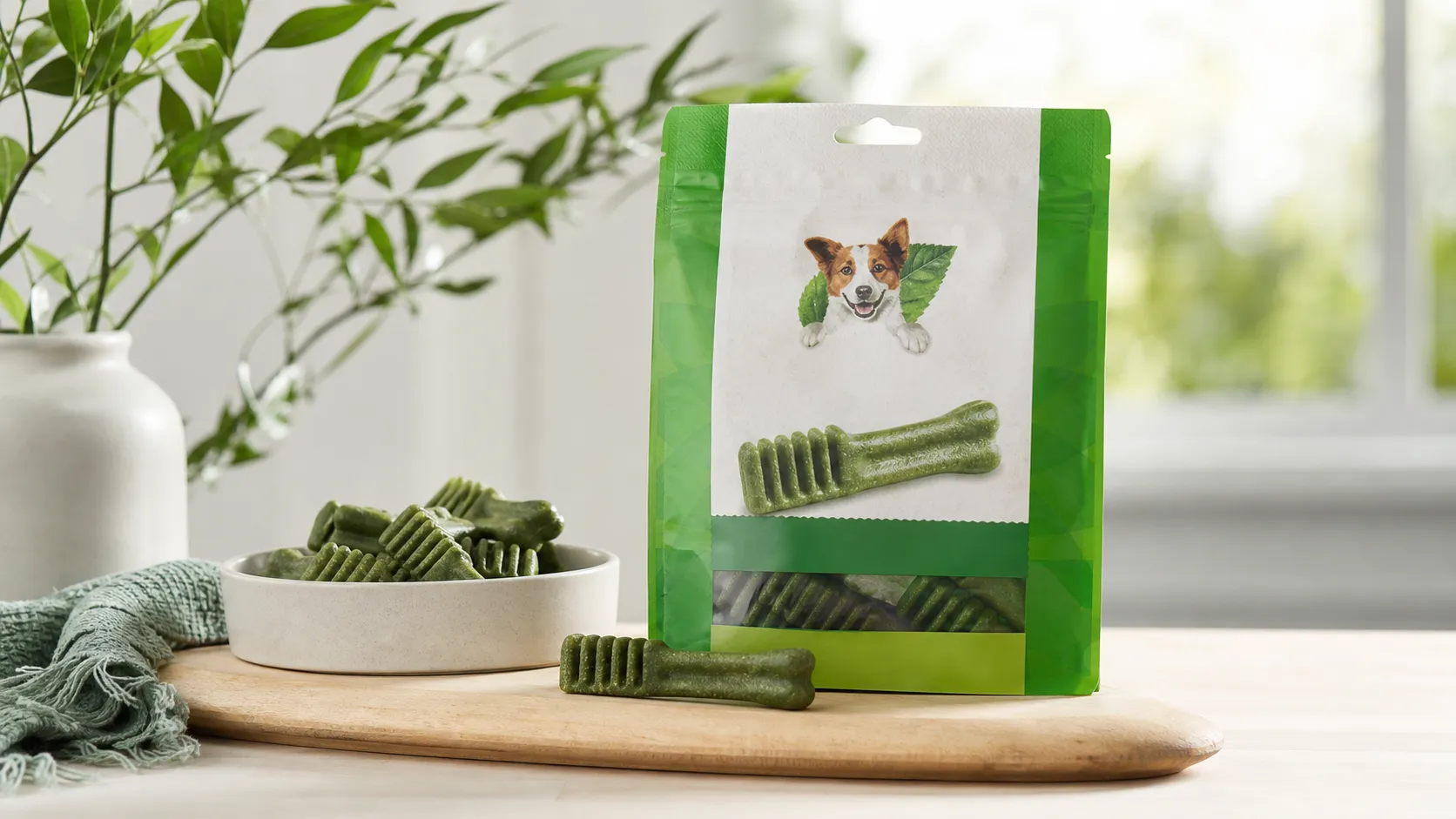
PetsGreenies Original Regular Dental Dog Treats Review 2026
A balanced look at Greenies Original Regular Dental Dog Treats: highly palatable and effective for fresher breath, but supervise and size-match due to rare choking risks.
 Pets
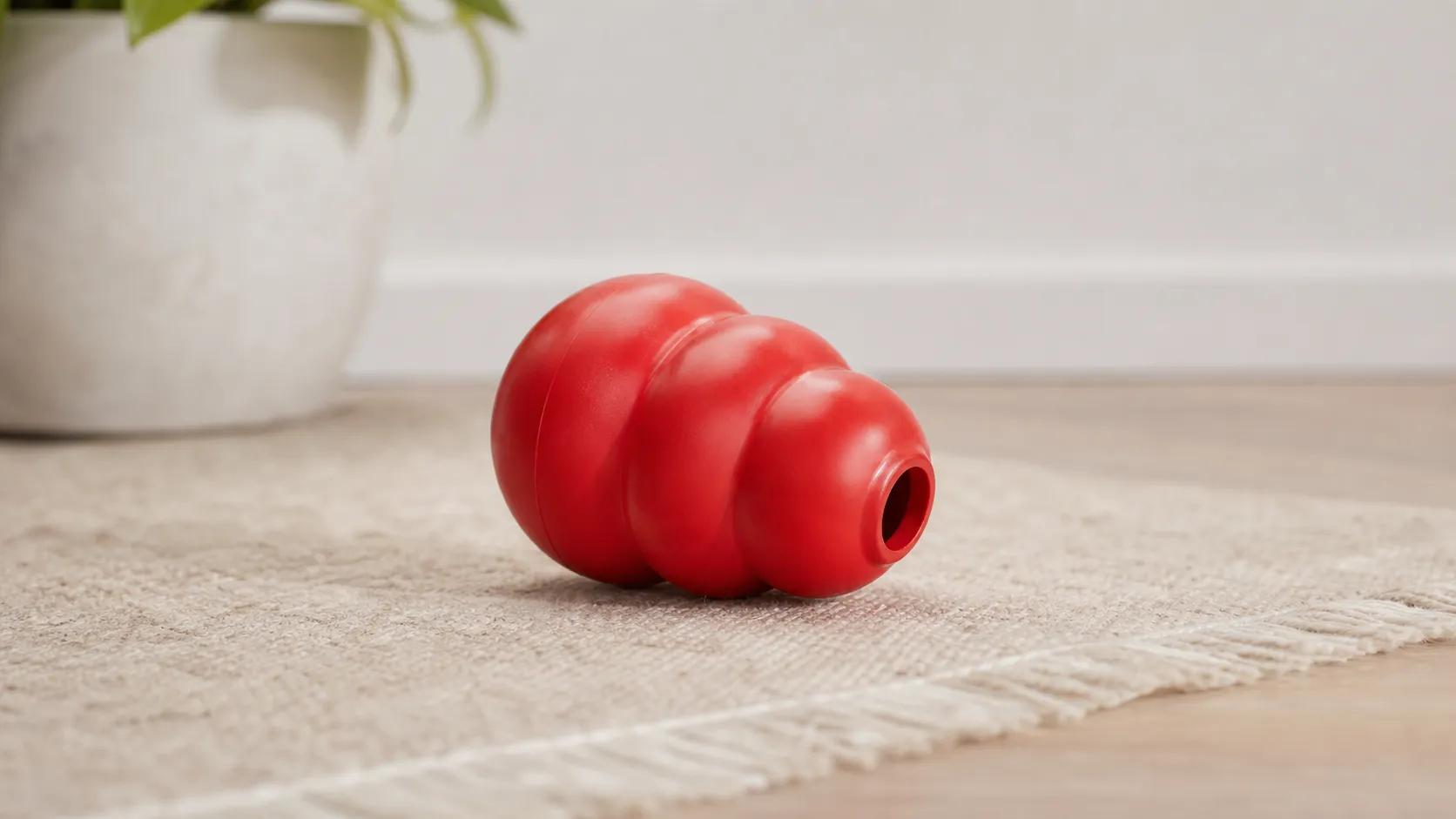
PetsKONG Classic Dog Toy - Large (Red) — 2026 Review
Durable, versatile and great for stuffing: the KONG Classic Dog Toy - Large (Red) scores 4.6/5 across ~28,700 reviews. Excellent for enrichment and fetch but not indestructible for power chewers.
 Pets
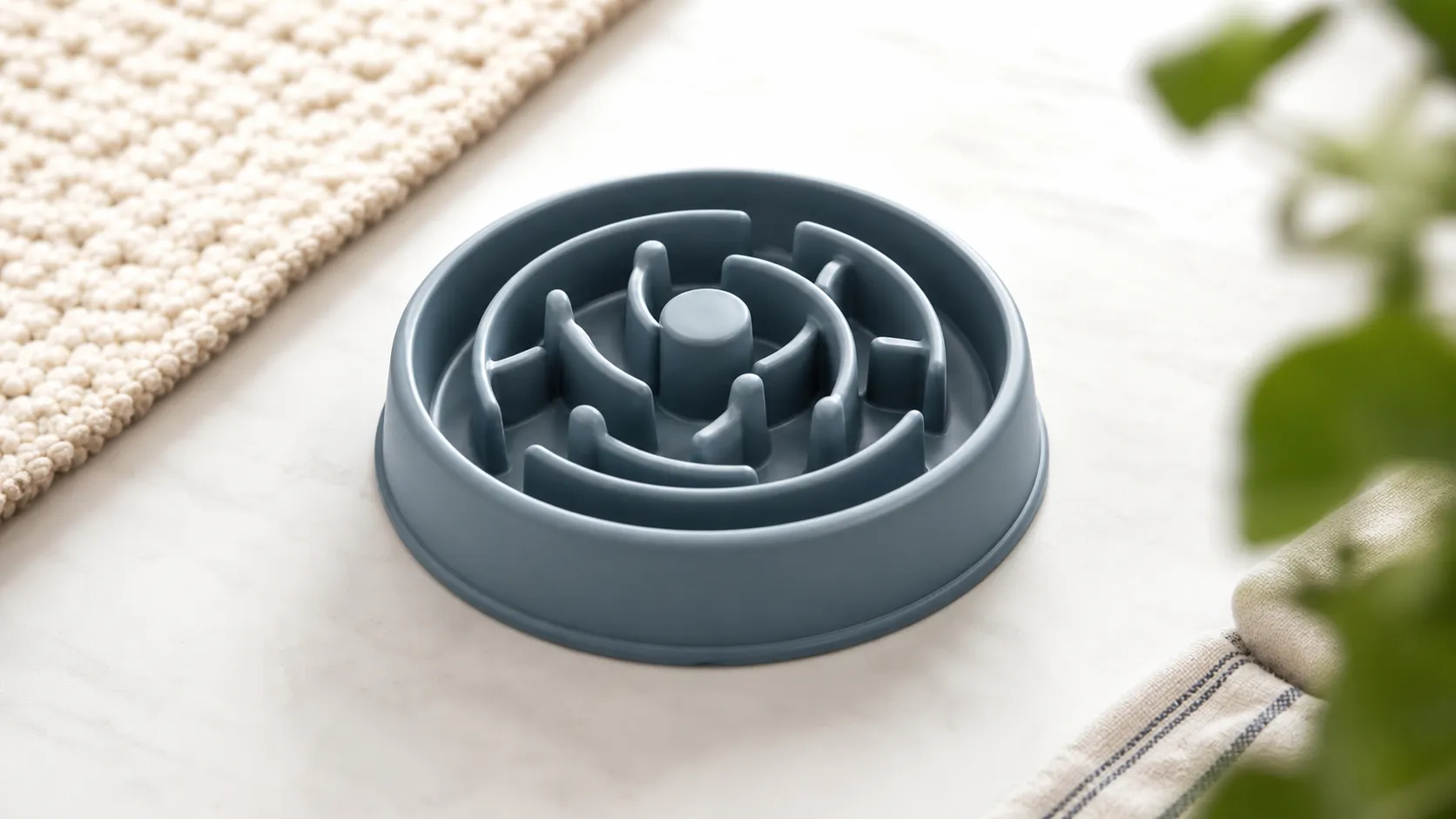
PetsOutward Hound Fun Feeder Review 2026
A budget-friendly slow feeder that reliably slows gulpers and adds mealtime enrichment. Great value but fiddly to clean and not for aggressive chewers.