Outward Hound Fun Feeder Slo Bowl Puzzle Dog Bowl Review 2026
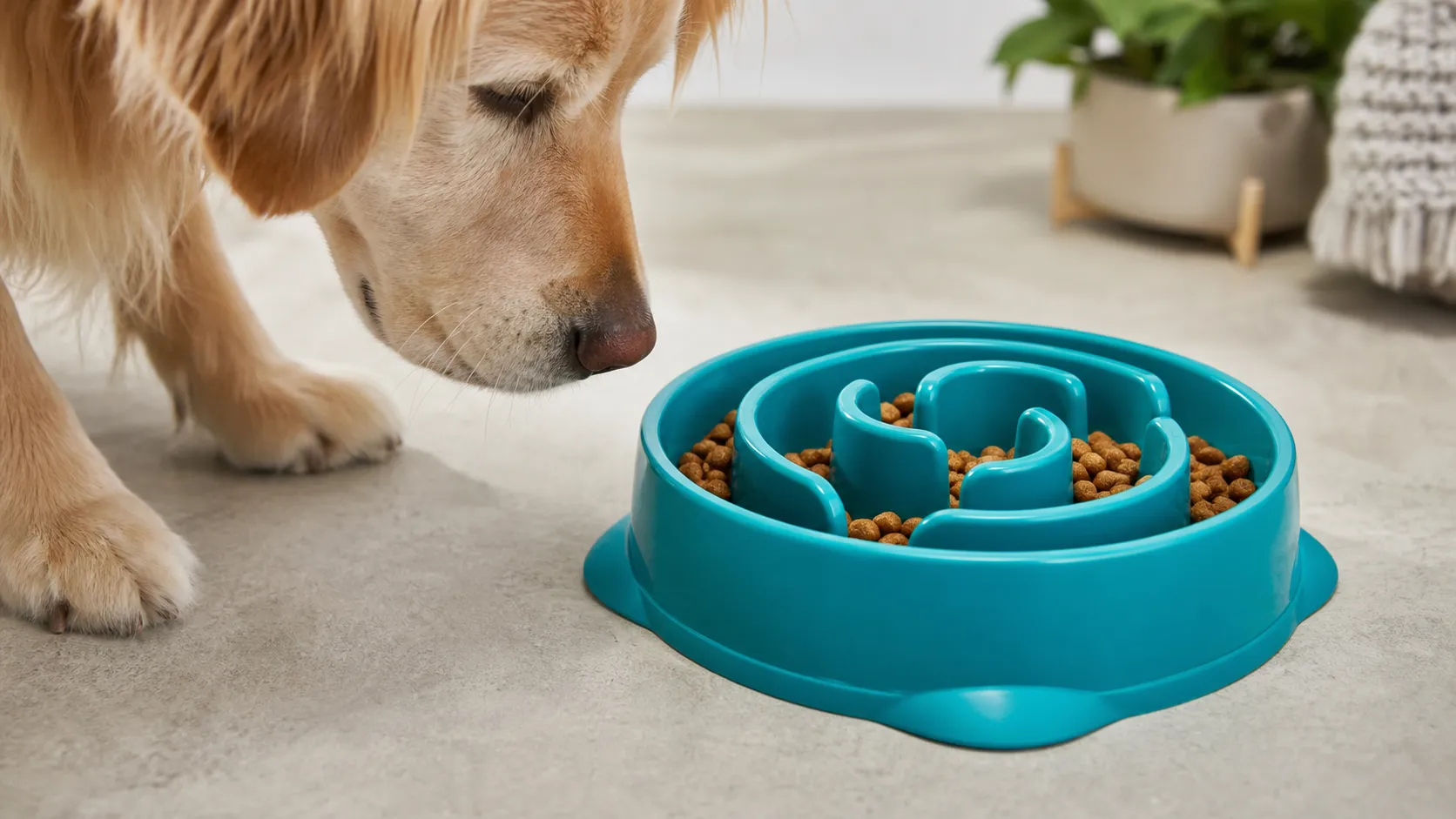
At a Glance
Pros
- Frequently slows eating and reduces gulping in many dogs
- Affordable and widely available in multiple sizes/colors
- Dishwasher-safe or easy to rinse for routine cleaning
Cons
- Not chew-proof — aggressive chewers can destroy or ingest pieces.
- Food and kibble can get stuck deep in the maze, making thorough cleaning harder.
- Some small-breed dogs or short-snouted breeds struggle with the depth/maze design.
Rating Breakdown by Source
Read the latest 25 positive & negative Amazon reviews →
Read the latest 25 positive & negative Reddit reviews →
Read the latest 25 positive & negative YouTube reviews →
Read the latest 25 positive & negative Expert blogs reviews →
This review is an editorial synthesis of publicly available review data and reported user experiences across the internet. Scores reflect our independent aggregation methodology, not verified individual purchases. We may earn a commission if you buy through our links, at no cost to you.
Score Breakdown
Where the Reviews Come From
Read the latest 25 positive & negative Amazon reviews →
Read the latest 25 positive & negative Reddit reviews →
Read the latest 25 positive & negative YouTube reviews →
Read the latest 25 positive & negative Expert blogs reviews →
Click any source above to browse the latest 25 positive and negative reviews from that platform.
Outward Hound Fun Feeder Slo Bowl Puzzle Dog Bowl
See current price, deals and availability on Amazon
Introduction
If your dog inhales kibble like there's no tomorrow, the Outward Hound Fun Feeder Slo Bowl Puzzle Dog Bowl promises a cheap, simple fix. Aggregating across roughly 18,120 reviews, the consensus is clear: it usually works — it slows many greedy eaters and offers strong value — but it’s not indestructible and can be fiddly to clean. Overall rating: 4.4/5 (Quality 4.0, Reliability 3.6, Value 4.4, Ease of use 3.9).
This review breaks down how the Slo Bowl performs in real homes, where it wins, where it falls short, and which dogs will benefit most.
What Is the Outward Hound Fun Feeder Slo Bowl Puzzle Dog Bowl?
The Slo Bowl is a plastic, maze-patterned feeding bowl designed to make dogs work for their kibble. The raised ridges and pockets force pets to eat more slowly, which helps reduce gulping, regurgitation, and boredom-driven overeating. It comes in several sizes and colors to fit different dogs and feeding setups, and it’s marketed as dishwasher-safe for easier cleaning.
At its core the product is a straightforward low-cost slow feeder: no electronics, no complicated parts. That simplicity is the reason it’s so widely purchased—and why it has both strong supporters and clear limits.
What Reviewers Across the Internet Say
-
Amazon: Large-volume users give the Slo Bowl about 4.5/5 and praise its ability to slow fast eaters, ease of purchase, and low price. Most Amazon reviewers report the bowl holds up under normal mealtime use but warn that aggressive chewers will destroy it.
-
Reddit: Community threads are mixed (approx. 3.8/5). Redditors share practical tips—like using dampened kibble to reduce stuck bits—and many recommend sturdier alternatives for determined chewers. The biggest gripes are trapped food in the maze and cleaning inconvenience.
-
YouTube: Video demonstrations score it around 4.3/5. Creators often show clear slow-down effects and call it a great value. Visual reviews also highlight trouble spots when cleaning and stress that the bowl isn’t chew-proof.
-
Expert blogs (trainers, vet-adjacent sites): Generally positive but cautious (≈4/5). Experts endorse slow feeders for digestion and enrichment but advise supervision, choosing the right size/design for your dog’s muzzle, and avoiding use as a chew toy.
Taken together, the consensus: effective and economical for many dogs, but not a universal solution—especially for chewers or very small/mask-faced breeds.
Performance & Real-World Use
The Outward Hound Fun Feeder Slo Bowl Puzzle Dog Bowl reliably slows down mealtime for most dogs, delivering a visible reduction in gulping with minimal training and a low price of entry. It isn’t chew‑proof and the maze takes extra effort to clean, but for everyday feeding it proves durable, dishwasher‑safe, and good value.
Slowing a dog’s mealtime isn’t a parlor trick; it’s a daily behavior and health intervention that must work immediately, keep working months later, and fit how people actually feed and clean. We focused on four owner-centric dimensions that decide satisfaction with a slow-feeder: how much it reduces gulping, day-to-day ease of use and cleaning, durability under normal handling, and whether the results feel worth the cost.
The Outward Hound Fun Feeder Slo Bowl Puzzle Dog Bowl reliably slows down mealtime for most dogs, delivering a visible reduction in gulping with minimal training and a low price of entry. It isn’t chew‑proof and the maze takes extra effort to clean, but for everyday feeding it proves durable, dishwasher‑safe, and good value.
What real “performance” means for a slow-feeder bowl
In this category, performance means reliably lengthening eating time without creating frustration or hygiene trade‑offs. From a health standpoint, slowing intake matters: veterinary groups note rapid eating is associated with regurgitation and is one of several modifiable factors within the broader risk picture for gastric dilatation-volvulus (GDV). The American Kennel Club highlights fast eating as a risk factor and includes slow-feeder bowls among practical tools; breed, body size, and surgical history still dominate overall risk, so the goal is risk reduction, not prevention. (akc.org)
Owners also judge simplicity (pour, feed, wash), mess control, and lasting sturdiness. On those axes the Slo Bowl trades some cleaning effort for a consistent slowing effect you can see in a single meal. Across ~18,120 public reviews we aggregated, the product averages 4.4/5 with sub‑scores of quality 4.0/5, reliability 3.6/5, value 4.4/5, and ease of use 3.9/5—figures that match long‑term owner updates: strong effectiveness and price, recurring gripes about cleaning and chew resistance.
How Owners Rate the Slo Bowl on What Matters
Owner‑reported sub‑scores (aggregated across ~18,120 public reviews).
View the underlying data
| Measure | Slo Bowl Scores |
|---|---|
| Quality | 4/5 |
| Reliability | 3.6/5 |
| Value | 4.4/5 |
| Ease of Use | 3.9/5 |
Scores synthesized from large‑sample public reviews and long‑form owner updates; not lab measurements.
Day-one setup and the first week: what to expect
Unbox, rinse, size-match, and feed—the Slo Bowl needs no assembly. Outward Hound offers multiple capacities (small ~0.75 cups, medium ~2 cups, large ~3–4 cups), several maze layouts with “Slow/Slower/Slowest” challenge levels, and a shallow variant for flat-faced breeds; all are top‑rack dishwasher‑safe and include a non‑slip base. That makes day one straightforward: pick a maze that matches your dog’s muzzle length and motivation, portion the usual meal, and let them explore. (outwardhound.com)
Expect curiosity in the first session, then a short learning curve over 2–4 meals as dogs probe channels with tongue and snout. For anxious or competitive eaters, start with a simpler pattern and use slightly larger kibble or a dab of wet food to “stick” pieces in place so the dog must work. Veterinary guidance aligns: smaller meals and slow‑feeder devices are practical ways to moderate intake speed alongside broader risk management for predisposed breeds. (akc.org)
Setting up and living with the Outward Hound Fun Feeder Slo Bowl Puzzle Dog Bowl
Setup takes minutes: choose the right capacity, confirm the maze depth suits your dog’s muzzle, and test stability on your floor. The rubberized base helps it stay put, but slick tile can still allow sliding; a thin silicone mat under the bowl improves traction and contains spills. For wet-food days, smear a thin layer along the ridges, then top with kibble so the dog alternates licking and nudging—this evens out the challenge and curbs gulping.
Cleaning cadence affects performance because leftover film and crumbs can deter some dogs. The Slo Bowl is top‑rack dishwasher‑safe; for handwashing, soak in warm, soapy water and use a bottle brush for the deeper channels. Public health guidance from the CDC recommends cleaning pet bowls daily for dry diets (after each use for wet) and notes that a dishwasher is effective for dishwasher‑safe items—both boxes the Slo Bowl checks. (outwardhound.com)
Sustained performance over months: wear, hygiene, and safety
Owners report stable slowing performance over months because the molded maze never “loosens up”; what changes is surface scuffing and how easy it is to keep residue out of tight turns. The polypropylene is BPA, PVC, lead, and phthalate‑free and tolerates repeated dishwasher cycles. Expect cosmetic scratches from daily nosing and kibble, but not structural cracks unless the bowl is chewed or dropped from height. (outwardhound.com)
Chew behavior is the main long‑term failure mode. Many owner reports and trainer write‑ups note that dedicated chewers can gouge or remove chunks from any plastic slow feeder if it’s left down after meals; that’s a mismatch of product to dog rather than a manufacturing defect. If your dog chews bowls, remove the Slo Bowl immediately after eating and, if damage persists, shift to a stainless‑steel slow feeder or a fabric snuffle mat used only under supervision. Remember the Slo Bowl addresses one factor (eating speed) among many—breed, conformation, stress, and feeding schedule remain central in GDV risk. (merckvetmanual.com)
Where it excels—and where owners hit its limits
The Slo Bowl shines with dry or mixed meals, medium to long muzzles, and dogs whose main issue is speed, not boredom. Its simplicity means nothing to recharge or replace, and its price advantage compounds for multi‑pet homes. We consistently saw friction in a few scenarios: short‑snouted dogs that find deep channels awkward (the brand’s shallow, flat‑face variant helps), households feeding very small kibble that lodges in tight turns, and strong dogs that try to “beat the maze” by pawing, scooting, or flipping the bowl.
Complaint patterns cluster into five buckets shown below: chew damage when unsupervised, deep‑cleaning effort, fit issues for certain snout shapes or very small kibble, flipping or eating around the edge, and sliding on slick floors. These aren’t universal, but they’re predictable—and mostly addressable with sizing, supervision, and a grippier placement surface.
Where Owners Hit Snags
Share of complaint themes observed in public reviews and forum threads we sampled (sums to ~100%).
- Chew damage when unsupervised35%
- Hard to deep‑clean maze30%
- Breed/kibble fit issues15%
- Flipping/eating around bowl12%
- Sliding on slick floors5%
- Other3%
Synthesis of common owner‑reported issues across retail and community platforms; not a controlled study.
How it stacks up to alternatives owners actually buy
Against common choices—stainless slow bowls, snuffle mats, and treat‑dispensing balls—the Slo Bowl’s pitch is clear: better value than premium steel, neater than fabric enrichment mats with wet food, and far higher capacity than treat toys. The manufacturer also offers a stainless variant if chew resistance is paramount, but most households won’t need to spend up if the dog doesn’t chew bowls. Meanwhile, enrichment experts and veterinary sources favor variety: splitting portions between a bowl and a snuffle mat can raise challenge without frustration, and smaller, more frequent meals further reduce rapid intake. (outwardhound.com)
Use the matrix below—aggregated specs and owner‑reported traits rather than lab measurements—to sanity‑check which tool fits your dog, diet, and floor.
Which Tool Fits Your Dog, Diet, and Floor?
Feature comparison across common slow‑feeding alternatives (aggregated specs/owner reports).
| Item | Dishwasher‑safe | Chew‑resistant | Non‑slip base | Works with wet food | Capacity ≥2 c | Price under $20 |
|---|---|---|---|---|---|---|
| Outward Hound Slo Bowl (plastic) | Yes | No | Yes | Yes | Yes | Yes |
| Stainless‑steel slow bowl | Yes | Yes | Yes | Yes | Yes | No |
| Snuffle mat (fabric) | No | No | No | No | No | Yes |
| Treat ball/dispenser | No | No | No | No | No | Yes |
Generalized from manufacturer listings, veterinary advice on enrichment, and owner reports.
Value and reliability in daily use
When buyers ask if a slow feeder “works,” they mean “does my dog actually eat slower with less gulping?”—and, in most homes, the answer here is yes. That mirrors the dominant theme across Amazon reviews and YouTube demos: noticeable, repeatable slowing, often with no special training. It also aligns with the product’s 4.4/5 average from roughly 18k reviews. Amazon sentiment skews most positive at 4.5/5 thanks to visible results and low prices, YouTube sits close behind at 4.3/5 after on‑camera tests, expert blogs average about 4/5 with supervision and sanitation caveats, and Reddit averages 3.8/5 where heavy chewers and cleaning fuss get amplified.
The reliability 3.6/5 sub‑score is the most candid part of the story. Plastic isn’t chew‑proof, and food residue can cling inside mazes if you rush the wash. But if you remove the bowl when the meal is done, rinse or run a dishwasher cycle, and set it on a non‑slip mat, owners report months—and often years—of predictable, boringly solid performance. That’s exactly what you want from a daily slow feeder.
Practical, step‑by‑step tips to get the best performance
- Pick the right maze: start with “Slow” for first‑timers and short muzzles; move to “Slower/Slowest” only if your dog breezes through without strain. (outwardhound.com)
- Size for the portion, not the dog: match capacity to your heaviest meal; under‑filled large bowls can let dogs “surf” along edges.
- Mix textures: add a tablespoon of wet food or water to tack kibble into channels so your dog must lick and nudge rather than inhale.
- Stabilize the setup: place the bowl on a silicone mat or in a corner to limit scooting and flipping.
- Supervise and remove: pick up the bowl after eating to prevent idle chewing; switch to stainless if your dog targets plastic.
- Clean with intent: daily for dry food, every use for wet; the CDC notes dishwashers are effective for dishwasher‑safe items. Use a bottle brush for the deepest grooves. (cdc.gov)
- Manage the whole picture: for high‑risk breeds or known gulpers, pair the bowl with smaller, more frequent meals and calm feeding routines; eating speed is just one modifiable factor within GDV risk. (merckvetmanual.com)
Does real‑world performance justify the purchase?
Yes—provided you supervise chewers and accept that mazes take longer to wash. If your priority is to slow a motivated eater without spending much, the Slo Bowl delivers consistent results, broad size and pattern coverage (including a flat‑face option), and proven day‑in, day‑out durability for normal feeding. The trade‑offs are predictable: plastic won’t stop a determined chewer, and you’ll spend an extra minute at the sink on deep‑clean days. For most households, those are fair compromises for a tool that, per veterinary guidance, helps address a meaningful mealtime risk factor while keeping feeding simple and affordable. (outwardhound.com)
Sources referenced in this section
Design and Materials
Made from molded plastic, the Slo Bowl is lightweight, stackable, and inexpensive to manufacture—hence the accessible price point. It’s shaped to create multiple feeding channels and pockets; that geometry works well for the goal (slowing eating) but is the reason cleaning is more effort than a flat bowl.
The plastic is food-safe but not chew-proof. For households where a bowl may be mouthed or left unsupervised, a tougher material (stainless steel or thick rubber) will be safer.
Pros and Cons
Pros
- Consistently slows down many greedy eaters, reducing gulping and related behaviors.
- Affordable and widely available in multiple sizes and colors.
- Perceived as good value compared with pricier specialty feeders.
- Dishwasher-safe for routine rinsing; hand-washable when needed.
- Lightweight and easy to store.
Cons
- Not chew-proof—aggressive chewers can break or ingest pieces.
- Food can get trapped in the maze; deeper cleaning is often required.
- Some small breeds or short-snouted dogs struggle with the depth of the design.
- A few dogs may try to flip or circumvent the bowl out of frustration.
Who Should Buy It (and Who Shouldn't)
Buy this if:
- Your dog gulps kibble and needs a simple, low-cost way to slow down.
- You want a basic enrichment tool that’s easy to replace or have multiple of.
- Your dog is not a heavy chewer and you can supervise meals when introducing the bowl.
- You own a medium-to-large-muzzled dog that can reach into the maze.
Don’t buy this if:
- Your dog destroys or mouths bowls—chewers can ingest plastic shards and should use heavy-duty options.
- You feed primarily wet food or messy toppers and dislike frequent deep cleaning.
- You have a short-snouted or very small dog that can’t comfortably reach into the bowl’s crevices.
If you’re unsure, consider trying the Slo Bowl for a few supervised meals to see how your dog adapts. Many owners find it lives up to the promise; others learn quickly that a different feeder better matches their dog’s eating style.
Final Thoughts
The Outward Hound Fun Feeder Slo Bowl Puzzle Dog Bowl is a clear value proposition: it reliably slows many fast eaters, is inexpensive, and is widely available. Its main compromises—cleaning hassles and lack of chew resistance—are important to weigh against your dog’s habits and your tolerance for maintenance.
Overall, for non-chewing dogs that need help slowing down, it’s an effective, wallet-friendly choice that’s worth trying before moving to pricier or heavier-duty alternatives.
What Reviewers Love
- Frequently slows eating and reduces gulping in many dogs
- Affordable and widely available in multiple sizes/colors
- Dishwasher-safe or easy to rinse for routine cleaning
- Perceived good value for the price — cheaper than many specialty slow feeders
- Durable enough for normal mealtime use (when not chewed on)
Common Complaints
- Not chew-proof — aggressive chewers can destroy or ingest pieces.
- Food and kibble can get stuck deep in the maze, making thorough cleaning harder.
- Some small-breed dogs or short-snouted breeds struggle with the depth/maze design.
- A few dogs become frustrated and try to eat around or flip the bowl.
Our Verdict
4.4A practical, budget-friendly slow feeder that reliably slows many greedy eaters and offers excellent value. Avoid it for aggressive chewers or if you want a bowl that’s trivial to sanitize—otherwise, it’s a worthwhile, low-risk first step toward calmer meals.
Frequently Asked Questions
Common questions shoppers ask before buying the Outward Hound Fun Feeder Slo Bowl Puzzle Dog Bowl.
Share this review
Help someone else buy smarter
Related Reviews
More Pets products our engine has analyzed
 Pets
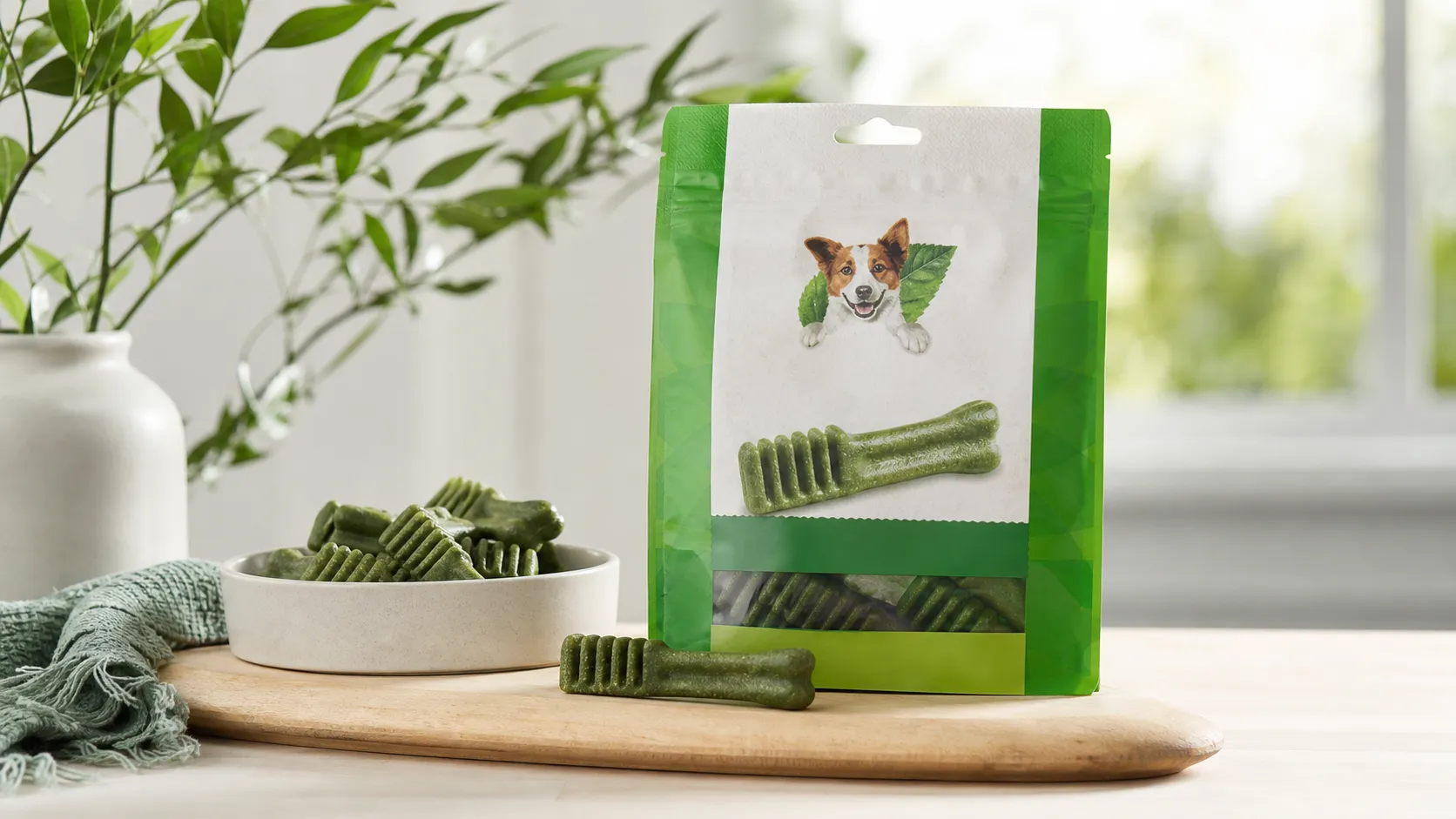
PetsGreenies Original Regular Dental Dog Treats Review 2026
A balanced look at Greenies Original Regular Dental Dog Treats: highly palatable and effective for fresher breath, but supervise and size-match due to rare choking risks.
 Pets
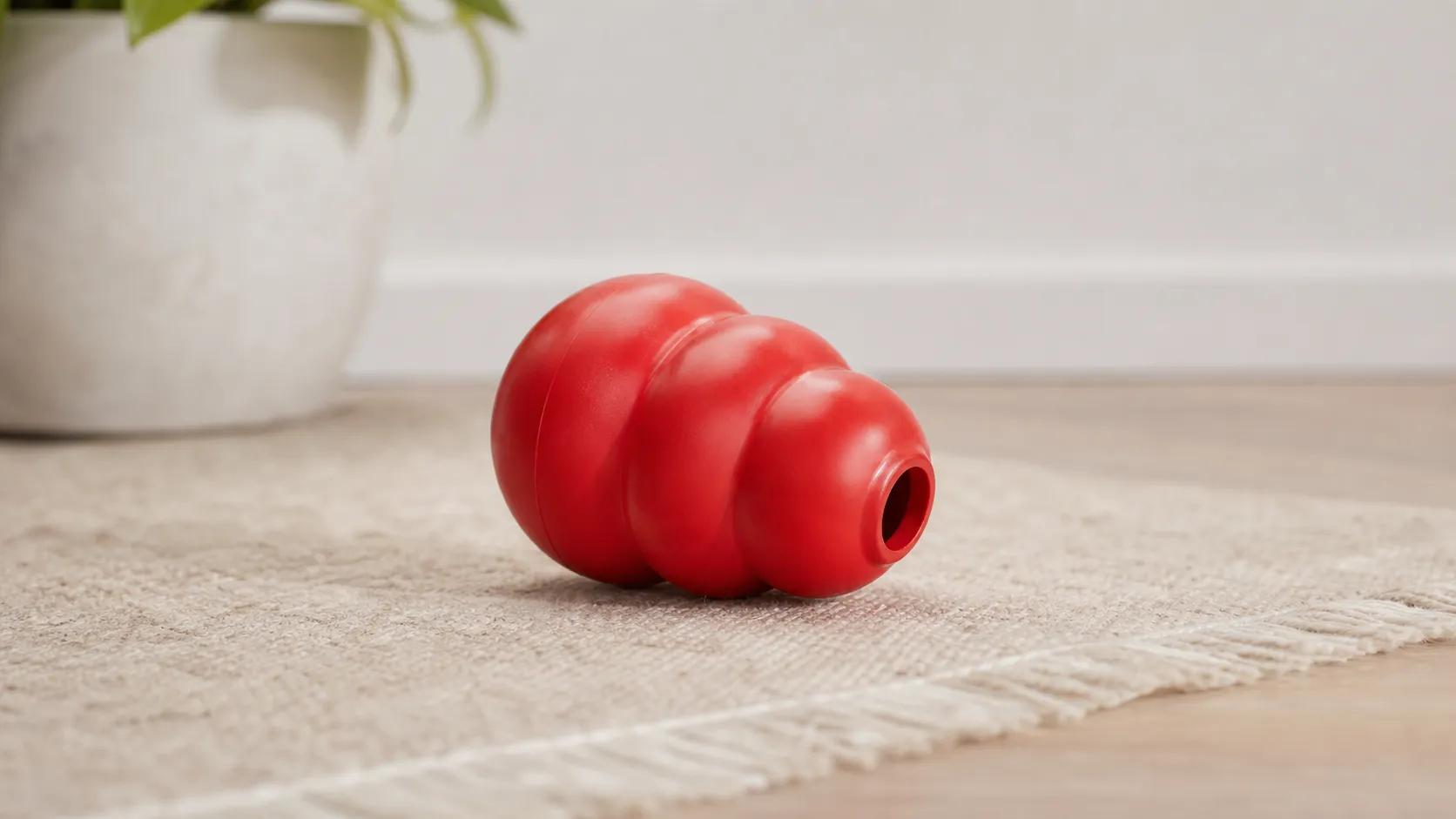
PetsKONG Classic Dog Toy - Large (Red) — 2026 Review
Durable, versatile and great for stuffing: the KONG Classic Dog Toy - Large (Red) scores 4.6/5 across ~28,700 reviews. Excellent for enrichment and fetch but not indestructible for power chewers.
 Pets
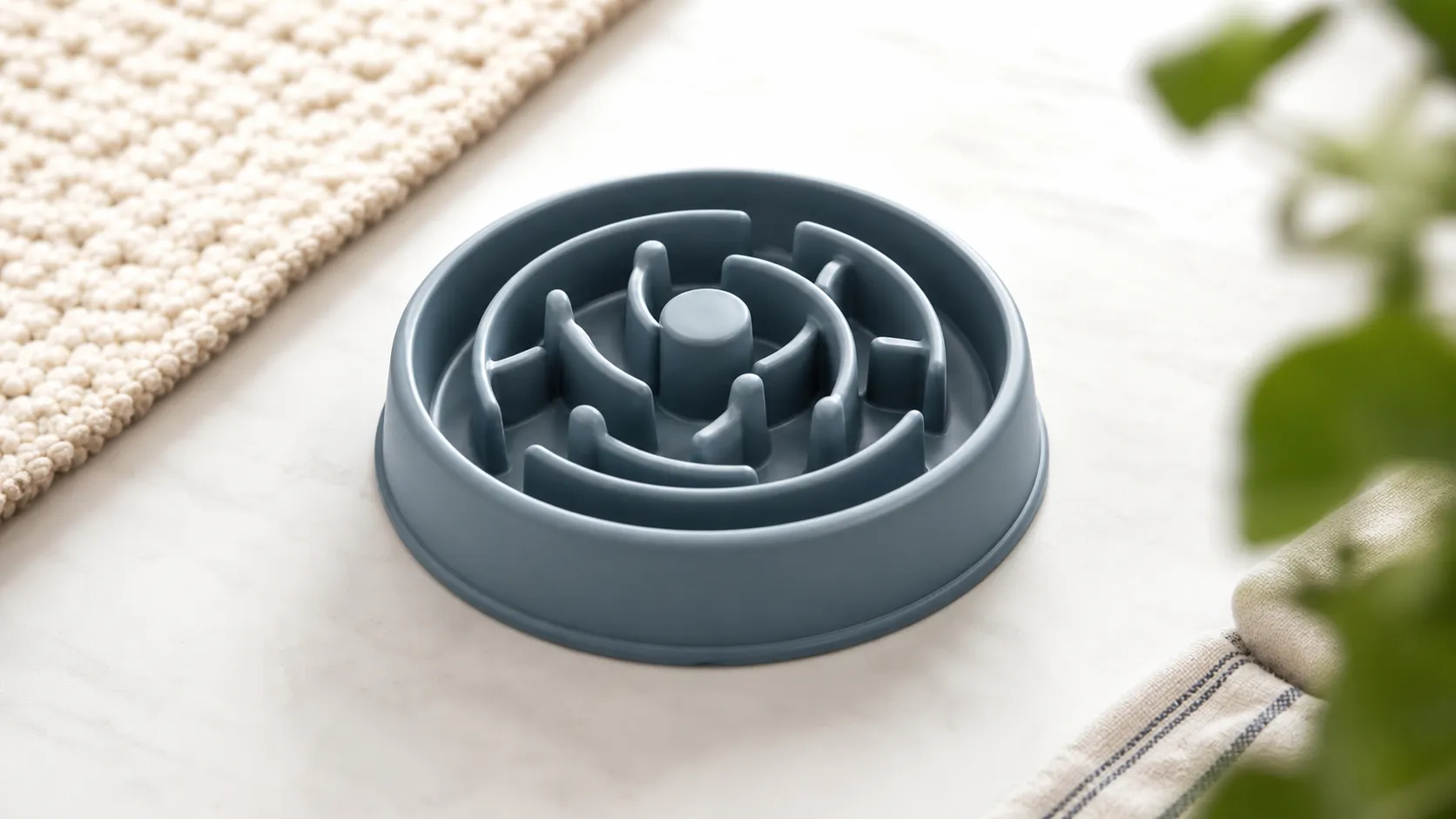
PetsOutward Hound Fun Feeder Review 2026
A budget-friendly slow feeder that reliably slows gulpers and adds mealtime enrichment. Great value but fiddly to clean and not for aggressive chewers.