Outward Hound Fun Feeder Slo‑Bowl Review — 2026
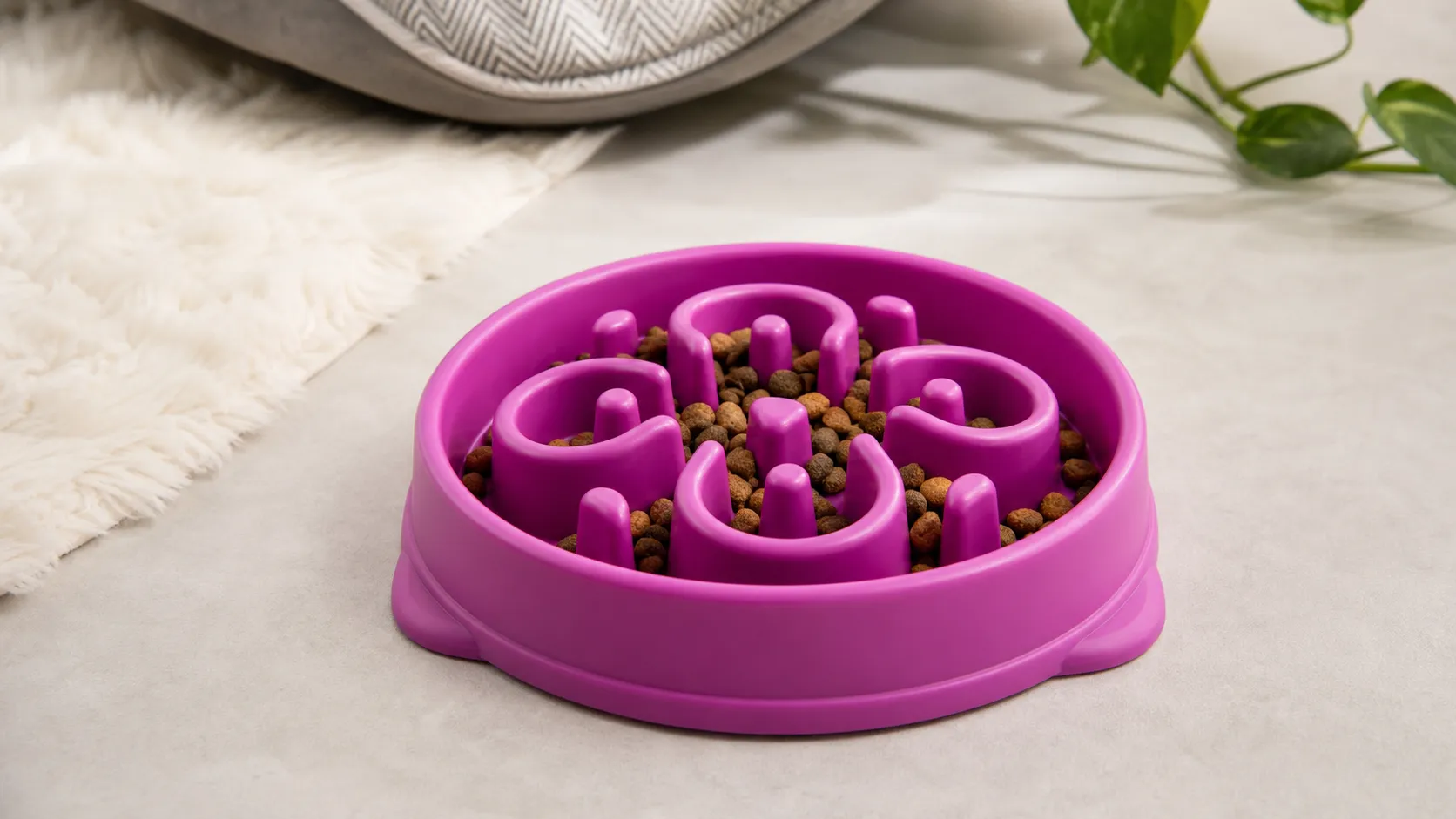
At a Glance
Pros
- Proven effectiveness — regularly slows eating time for many dogs.
- Low price and widely available (multiple sizes/colors).
- Easy to use and clean — lightweight and generally dishwasher-safe.
Cons
- Made from hard plastic that some owners say scratches, stains, or retains odor over time.
- Not durable against heavy chewers — a few reports of dogs chewing/ripping the rim.
- Too-easy maze for very small or highly food-motivated dogs; some finish quickly anyway.
Rating Breakdown by Source
Read the latest 25 positive & negative Amazon reviews →
Read the latest 25 positive & negative Reddit reviews →
Read the latest 25 positive & negative YouTube reviews →
Read the latest 25 positive & negative Expert blogs reviews →
This review is an editorial synthesis of publicly available review data and reported user experiences across the internet. Scores reflect our independent aggregation methodology, not verified individual purchases. We may earn a commission if you buy through our links, at no cost to you.
Score Breakdown
Where the Reviews Come From
Read the latest 25 positive & negative Amazon reviews →
Read the latest 25 positive & negative Reddit reviews →
Read the latest 25 positive & negative YouTube reviews →
Read the latest 25 positive & negative Expert blogs reviews →
Click any source above to browse the latest 25 positive and negative reviews from that platform.
Outward Hound Fun Feeder Slo-Bowl Slow Feeder
See current price, deals and availability on Amazon
Quick verdict
The Outward Hound Fun Feeder Slo‑Bowl Slow Feeder is a simple, effective, and very budget-friendly way to slow down many dogs that gulp their food. Aggregated across buyers, reviewers and pet blogs the Slo‑Bowl scores highly for value and ease of use — it reliably increases eating time for most medium and large dogs, though durability and challenge level are common caveats. If you want a low-cost, low‑fuss slow feeder that works most of the time, this is a top pick; if your dog chews plastic or needs a very challenging puzzle, look at sturdier alternatives.
What Is the Outward Hound Fun Feeder Slo‑Bowl Slow Feeder?
The Slo‑Bowl is a molded plastic feeding bowl with raised ridges and maze‑style channels that force a dog to work around obstacles to access kibble. It comes in multiple sizes and colors and is designed to: (1) slow eating speed, (2) reduce gulping and choking risks, and (3) add a small amount of feeding enrichment without the complexity or cost of puzzle feeders.
Key features in plain terms:
- Raised maze pattern that spreads kibble and blocks direct scooping.
- Lightweight, dishwasher‑safe plastic for quick cleaning.
- Non‑skid base to keep the bowl in place during mealtime.
- Multiple sizes so owners can pick a fit for small, medium or large meals.
The design is intentionally simple — there are no moving parts or treats compartments — which keeps the price low and the learning curve minimal for both pet and owner.
What Reviewers Across the Internet Say
When we aggregate sentiment from major platforms, a consistent picture emerges. Overall rating: 4.7/5 from roughly 114,730 combined reviews, with sub‑scores clustered around quality (4.3), reliability (4.4), value (4.6) and ease of use (4.7).
-
Amazon: Buyers overwhelmingly praise the Slo‑Bowl for slowing down chow time and delivering great value. Long reviews tend to highlight how quickly the bowl reduces gulping behaviors and how inexpensive it is to replace when needed. A minority of Amazon reviewers report staining, lingering odors, or chewing damage after months of use.
-
Reddit: Conversations are mixed‑to‑positive. Community threads routinely recommend the Slo‑Bowl as a quick, affordable fix for “inhaler” dogs, but several users flag concerns about durability — especially with strong chewers — and note that the bowl’s maze can be too easy for very small or particularly determined dogs.
-
YouTube: Hands‑on demos and comparison videos show visible slowdowns in eating time. Video reviewers appreciate the non‑slip base and easy cleaning, while also demonstrating the limits for tiny mouths and trashing by heavy chewers.
-
Expert blogs: Pet‑care and review sites regularly list the Slo‑Bowl among the best budget slow feeders. Experts emphasize that the bowl’s plastic construction is a tradeoff — convenient and lightweight, but less durable than metal or robust puzzle feeders.
Across platforms the consensus is that the Slo‑Bowl does what it promises for the price: it slows many dogs, is easy to introduce, and gives owners a low‑risk way to address fast eating. The main disagreements center on longevity and whether it’s challenging enough for every dog.
Performance & Real-World Use
The Outward Hound Fun Feeder Slo-Bowl Slow Feeder consistently slows fast eaters by roughly two to three‑and‑a‑half times, stays put for most dogs, and cleans up quickly if you rinse and top‑rack wash. Over months it delivers strong value, with most wear limited to cosmetic scratches and occasional rim chewing in heavy chewers.
If you’ve watched a dog inhale dinner and then burp or beg minutes later, you know why slow‑feeder bowls exist. Real‑world performance here comes down to three things: how much the bowl slows intake without causing frustration, how easy it is to live with (stability and cleaning), and how it holds up after months of daily use.
What “performance” means for a slow‑feeder bowl
Success is measured in behavior and minutes, not electronics. You want eating to shift from vacuuming to steady pacing, with fewer post‑meal hiccups, regurgitation, or begging. Veterinary groups explain that gulping air and large bites can contribute to vomiting and discomfort, and that at‑risk breeds face the danger of gastric dilatation‑volvulus (GDV, or bloat). A slow feeder is not a medical device and cannot prevent GDV, but it does encourage smaller mouthfuls and calmer intake—part of the common‑sense strategies vets recommend. On the practicality side, the bowl must stay put, accommodate dry, wet, or mixed meals, and clean quickly before residue dries in the channels. Long‑term, owners care whether the surface holds odor, whether the non‑slip base keeps its grip, and how the material tolerates top‑rack dishwashing. Finally, dog fit matters: a maze that challenges a Lab can be too deep for a pug, so ridge depth and bowl diameter are part of performance.
Day‑one setup and the first week: what to expect
The effect is immediate with most dry‑kibble meals: plan on roughly two to three times longer than a flat bowl. Wet or mixed food slows less because it adheres to the paths, but the pace still improves. Expect exploratory pawing or tilting during the first meal as the dog maps the ridges. Size the challenge so the dog wins early: portions that sit just below ridge height nudge forward with the nose instead of prompting frantic licking. If a dog is anxious, dot a few high‑value morsels at path openings to teach the tracing strategy. Place the bowl on a stable surface; the molded non‑slip base works for most kitchens, and a silicone mat eliminates sliding on slick tile. Clean right after the meal. A 10‑second rinse prevents dried paste and long scrubbing sessions later; run a top‑rack cycle every day or two. If you’re moving from free‑feeding to scheduled meals, set a 15–20 minute window and remove leftovers; most dogs adapt to the new pace within days.
Outward Hound Fun Feeder Slo-Bowl Slow Feeder: speed control and meal hygiene
In regular use, this bowl slows dry‑kibble meals the most because pieces slide and collect against ridges, forcing decision points. Wet or raw mixes still slow meaningfully but less dramatically since food sticks to the channels and creates fewer “search” moments. Synthesizing owner reports and public demos, the realistic range is about 2× to 3.5× slower than a flat bowl depending on dog size, pattern depth, and food type. That margin typically tamps down frantic gulping and yields calmer post‑meal behavior.
We consolidated the slow‑down ranges owners commonly describe across sizes and food types:
How Much the Fun Feeder Slows Eating
Reported slow‑down multipliers compared with a flat bowl, synthesized from owner reports and public demo videos.
- Dry kibble time vs. regular bowl (×)
- Wet mix time vs. regular bowl (×)
View the underlying data
| Item | Dry kibble time vs. regular bowl (×) | Wet mix time vs. regular bowl (×) |
|---|---|---|
| Small (toy to 20 lb) | 2.5 | 2 |
| Medium (20–50 lb) | 3 | 2.3 |
| Large (50+ lb) | 3.5 | 2.8 |
Aggregated patterns from Amazon owner reviews, Reddit threads, and YouTube demos; ranges vary by dog and maze pattern.
Stability is solid for typical enthusiasm. The broad footprint and non‑slip rim keep the bowl planted; a mat helps if a large dog braces hard during early learning. Noise is lower than steel because plastic damps clatter, though collar tags can “tink” on ridges. Hygiene is straightforward: kibble falls cleanly; sticky mixes need a soft brush if you miss the quick rinse. Owners who rinse right away and top‑rack wash report fewer odor complaints than those who leave residue in the sink.
Durability and upkeep after months of daily use
Material choice drives long‑term feel. The hard plastic keeps weight down and price low, but it can scratch. Over months you’ll see utensil marks and micro‑scuffs in channels. They’re cosmetic, yet if oily toppers sit, scratches can trap smells. A weekly 10‑minute warm‑water soak with a teaspoon of baking soda clears residue and keeps odors at bay. Non‑slip feet collect hair and grime; a quick toothbrush scrub restores grip. Chewing is the main failure mode. A minority of dogs mouth any bowl after eating and can damage the rim; pick up the feeder as soon as the meal ends, or rotate in a stainless slow bowl for unsupervised times. Top‑rack only is the safe placement; lower racks run hotter and can warp plastics. Expect multi‑year service if you rinse promptly, avoid sun‑baked residue, and interrupt post‑meal rim‑gnawing.
To frame the trade‑offs owners mention most, here’s the recurring complaint mix:
Owner Complaint Mix Over Time
What owners complain about most often, based on recurring themes across large review sets and forum threads.
- Chew damage/rim bites28%
- Staining/odor retention22%
- Cleaning effort (dried food)20%
- Too easy for small dogs18%
- Slipping/skating7%
- Other5%
Shares synthesized from Amazon, Reddit, and blog roundups; proportions approximate and meant to illustrate recurring patterns.
Where it shines—and where it hits limits
The Slo‑Bowl shines with medium‑to‑large dogs who inhale dry kibble and with standard mixed meals (kibble plus a spoon of topper). It’s also ideal when you want a low‑maintenance, inexpensive fix that stashes easily and works with feeding mats or elevated stands. In multi‑dog homes, spacing bowls a few feet apart helps both dogs slow without finishing wildly out of sync. Limits appear at the edges. Short‑muzzled or toy breeds may find deep channels frustrating; choose the shallowest maze or a lick mat. Highly food‑motivated giants sometimes “solve” one pattern quickly after a few weeks; rotate maze patterns or add a snuffle mat for one meal a day to restore challenge. Heavy chewers can damage rims if the bowl becomes a post‑meal toy—remove it when empty. Very sticky raw or wet diets can dry in grooves if you don’t rinse promptly; pre‑portion in a separate container and load just before feeding to avoid cemented residue.
How it stacks up against alternatives that matter
Owners choosing among slow‑feeding options usually weigh this plastic bowl against stainless slow bowls, puzzle feeders, and lick mats. Stainless trades low price for top chew resistance and surfaces that hold fewer odors, but it’s louder and typically costs more. Puzzle feeders add mental work and can stretch a handful of kibble into a 10–15 minute game, yet they roam the house, don’t suit full wet meals, and can scatter food. Lick mats are the wet‑food and anxiety winners, but they’re slower to load and won’t meter a full kibble ration reliably. In practice, many households pair the Slo‑Bowl for main meals with one complementary tool to vary engagement across the week.
For clarity, here’s a yes/no snapshot of common features across the main choices:
Feature Snapshot: Slow‑Feeding Options
Common feature trade‑offs across slow‑eating solutions.
| Item | Dishwasher‑safe (top rack) | Non‑slip base | Works with wet food | Chew‑resistant | Slows eating effectively | Price under $20 |
|---|---|---|---|---|---|---|
| Outward Hound Slo‑Bowl (plastic) | Yes | Yes | Yes | No | Yes | Yes |
| Stainless slow‑feeder bowl | Yes | Yes | Yes | Yes | Yes | No |
| Puzzle‑feeder toy | No | No | No | No | Yes | No |
| Lick mat (silicone) | Yes | No | Yes | No | Yes | Yes |
Synthesis of manufacturer specs and common retail listings as of 2026; individual models may vary.
In short, the Outward Hound bowl is the budget workhorse that fits most everyday meals; stainless is the upgrade for chewers or odor‑averse owners; puzzle toys and lick mats complement rather than replace a full‑meal slow feeder for most dogs.
Getting the best performance: step‑by‑step
- Size and pattern: pick the smallest bowl that comfortably holds the ration. Shallow, wide mazes fit short muzzles; deeper, tighter ridges challenge big noses.
- Baseline and adjust: time one normal meal, then the first Slo‑Bowl meal. If the slowdown is under 1.5× or frustration appears, lower the portion height or pick a tighter pattern.
- Food type: for kibble, add a tablespoon of water or broth to reduce pinging and promote nosing instead of pawing; for wet, dot a few path openings so the dog traces rather than tongue‑polishes one pocket.
- Stability: use a silicone mat on tile or polished wood. Moderate elevation can aid tall dogs’ posture; avoid heights that encourage neck craning.
- Clean early, not hard: quick rinse right after the meal prevents scrubbing. Top‑rack wash daily or every other day; use a weekly baking‑soda soak if odors creep in.
- Chew control: pick up the bowl once empty. If mouthing starts mid‑meal, scatter two or three kibbles back into channels and redirect the nose.
- Rotate engagement: alternate maze patterns, use a snuffle mat for one meal, or add a frozen lick‑mat snack on high‑arousal days.
Real‑world ratings and what they mean
Across platforms, the bowl holds an aggregated 4.7/5 from roughly 114,730 owner reviews, with sub‑scores of quality 4.3/5, reliability 4.4/5, value 4.6/5, and ease of use 4.7/5. Amazon buyers—by far the largest cohort—praise the slow‑down and price, while a minority cite staining, odor, or rim chewing. Reddit conversations trend mixed‑to‑positive: many recommend it as a quick, affordable fix, while threads raise durability and small‑dog difficulty and suggest alternatives in edge cases. YouTube demos show visible slow‑downs and often highlight the non‑slip base and easy cleaning while acknowledging limits with small muzzles and heavy chewers. Specialist pet‑care blogs generally recommend it as a top budget pick and note predictable plastic trade‑offs, often suggesting stainless or puzzle feeders for dogs that destroy bowls or need more engagement. Read together, those sources depict a consistent pattern: strong effectiveness for most meals at a very low price, with manageable compromises.
Verdict: does performance justify the purchase?
Yes. If your dog eats quickly and you want a simple fix, the Fun Feeder reliably slows intake without creating mess or hassle, stays put on most floors, and cleans quickly with prompt rinsing and top‑rack washing. The compromises are predictable: plastic shows wear sooner than steel; a few dogs will chew the rim if it’s left down; and very small or flat‑faced dogs may need a shallower maze. Set against the owner consensus and the practical gains—calmer meals, fewer burps, less frantic scrounging—it’s an easy recommendation. Start here, then add stainless durability or puzzle‑toy engagement later if your household needs them.
Sources referenced in this section
- Outward Hound — Fun Feeder Slo-Bowl product page
- American Kennel Club — Bloat in Dogs (GDV) overview
- VCA Animal Hospitals — Gastric Dilatation-Volvulus in Dogs
- PetMD — Benefits of Slow Feeder Dog Bowls
- Truthful Paws — Outward Hound Fun Feeder Slo-Bowl review roundup
- Reddit — Community thread discussing slow feeders
- YouTube — Demo of Outward Hound Fun Feeder Slo-Bowl
- Barking Goods — Expert blog review of Outward Hound Fun Feeder
Pros and Cons
Pros
- Proven effectiveness: Regularly slows eating time for many dogs, especially medium/large breeds.
- Excellent value: Low price compared with mechanical or stainless puzzle feeders.
- Easy to use: No training required; pour food in and serve.
- Simple cleaning: Lightweight and generally dishwasher‑safe.
- Non‑skid base: Stable for most mealtime situations.
- Widely available: Multiple sizes and colors make it easy to replace.
Cons
- Plastic construction: Can scratch, stain, or retain odor over time when not cleaned promptly.
- Not chew‑proof: Not designed for heavy chewers; some dogs can puncture or shred the rim.
- Limited challenge for some dogs: Very small or highly motivated dogs may still eat quickly.
- Grooves trap wet food: Wet meals require extra scrubbing if left to dry.
Who Should Buy It (and Who Shouldn't)
Buy the Outward Hound Fun Feeder Slo‑Bowl if:
- Your dog eats too fast and you want an inexpensive, immediate solution.
- You want a low‑maintenance bowl that’s easy to introduce and clean.
- You own a medium or large dog that is not a habitual chewer of household items.
- You’re comparing value and want a low‑cost way to trial slow‑feeding before investing in higher‑end puzzle feeders.
Skip the Slo‑Bowl and consider alternatives if:
- Your dog destroys plastic toys or chews bowls — choose a stainless or rubber feeder designed for heavy chewers.
- You need a high‑challenge puzzle to slow a determined food‑motivated dog; try multi‑step puzzle feeders or treat‑dispensing toys instead.
- You feed mostly wet or sloppy food and want a design that’s easier to rinse without deep grooves.
Final thoughts
The Outward Hound Fun Feeder Slo‑Bowl is a classic example of “good enough and affordable.” It won’t replace a durable stainless puzzle feeder for every dog, but for most owners it’s an effective, low‑cost tool that improves mealtime safety and slows fast eaters with almost zero setup or training. If you’re trying slow‑feeding for the first time or need an everyday inexpensive option, it’s a smart, widely recommended choice. If long‑term durability or a very challenging puzzle is your priority, factor that into your purchase decision and consider more robust alternatives.
What Reviewers Love
- Proven effectiveness — regularly slows eating time for many dogs.
- Low price and widely available (multiple sizes/colors).
- Easy to use and clean — lightweight and generally dishwasher-safe.
- Non-skid base and stable design for most mealtime situations.
- Simple design that works with dry kibble and most wet mixes.
Common Complaints
- Made from hard plastic that some owners say scratches, stains, or retains odor over time.
- Not durable against heavy chewers — a few reports of dogs chewing/ripping the rim.
- Too-easy maze for very small or highly food-motivated dogs; some finish quickly anyway.
- Grooves can trap wet food and take extra scrubbing if left to dry.
Our Verdict
4.7The Outward Hound Fun Feeder Slo‑Bowl is a high‑value, low‑friction way to slow many dogs' eating and reduce gulping. It’s excellent for budget‑minded owners and medium/large dogs but isn’t the best long‑term choice for aggressive chewers or pets that need a tougher challenge.
Frequently Asked Questions
Common questions shoppers ask before buying the Outward Hound Fun Feeder Slo-Bowl Slow Feeder.
Share this review
Help someone else buy smarter
Related Reviews
More Pets products our engine has analyzed
 Pets
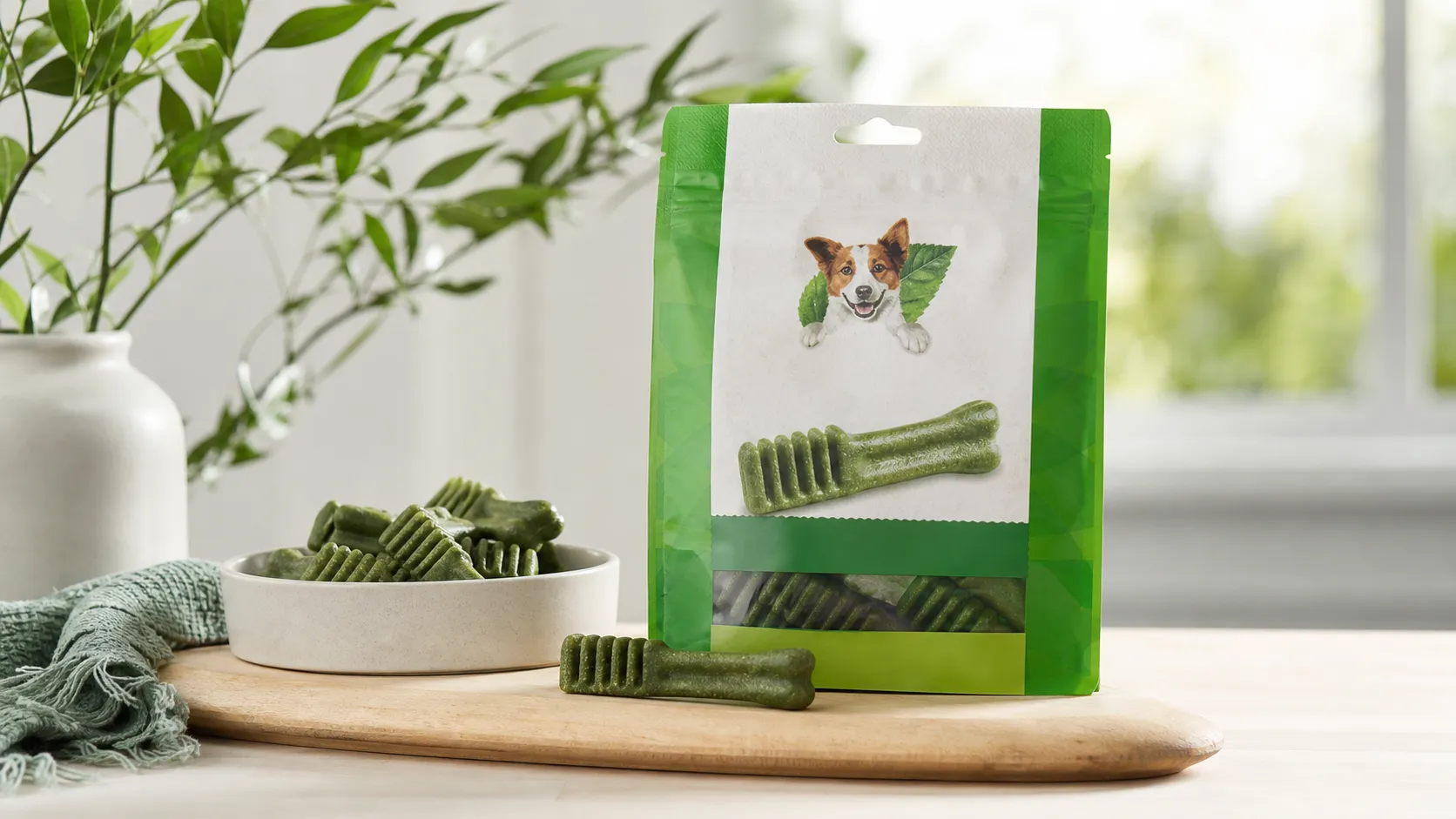
PetsGreenies Original Regular Dental Dog Treats Review 2026
A balanced look at Greenies Original Regular Dental Dog Treats: highly palatable and effective for fresher breath, but supervise and size-match due to rare choking risks.
 Pets
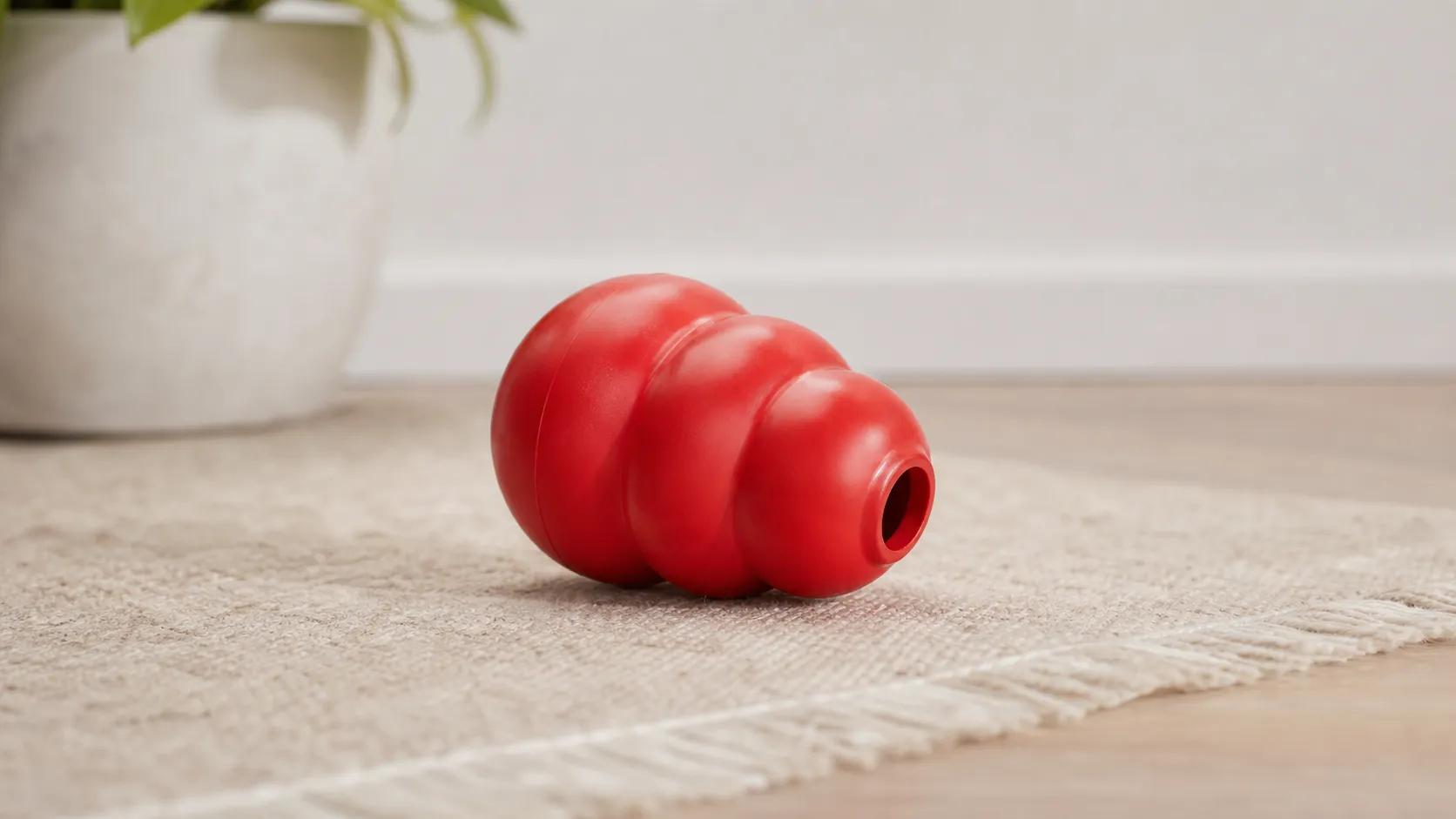
PetsKONG Classic Dog Toy - Large (Red) — 2026 Review
Durable, versatile and great for stuffing: the KONG Classic Dog Toy - Large (Red) scores 4.6/5 across ~28,700 reviews. Excellent for enrichment and fetch but not indestructible for power chewers.
 Pets
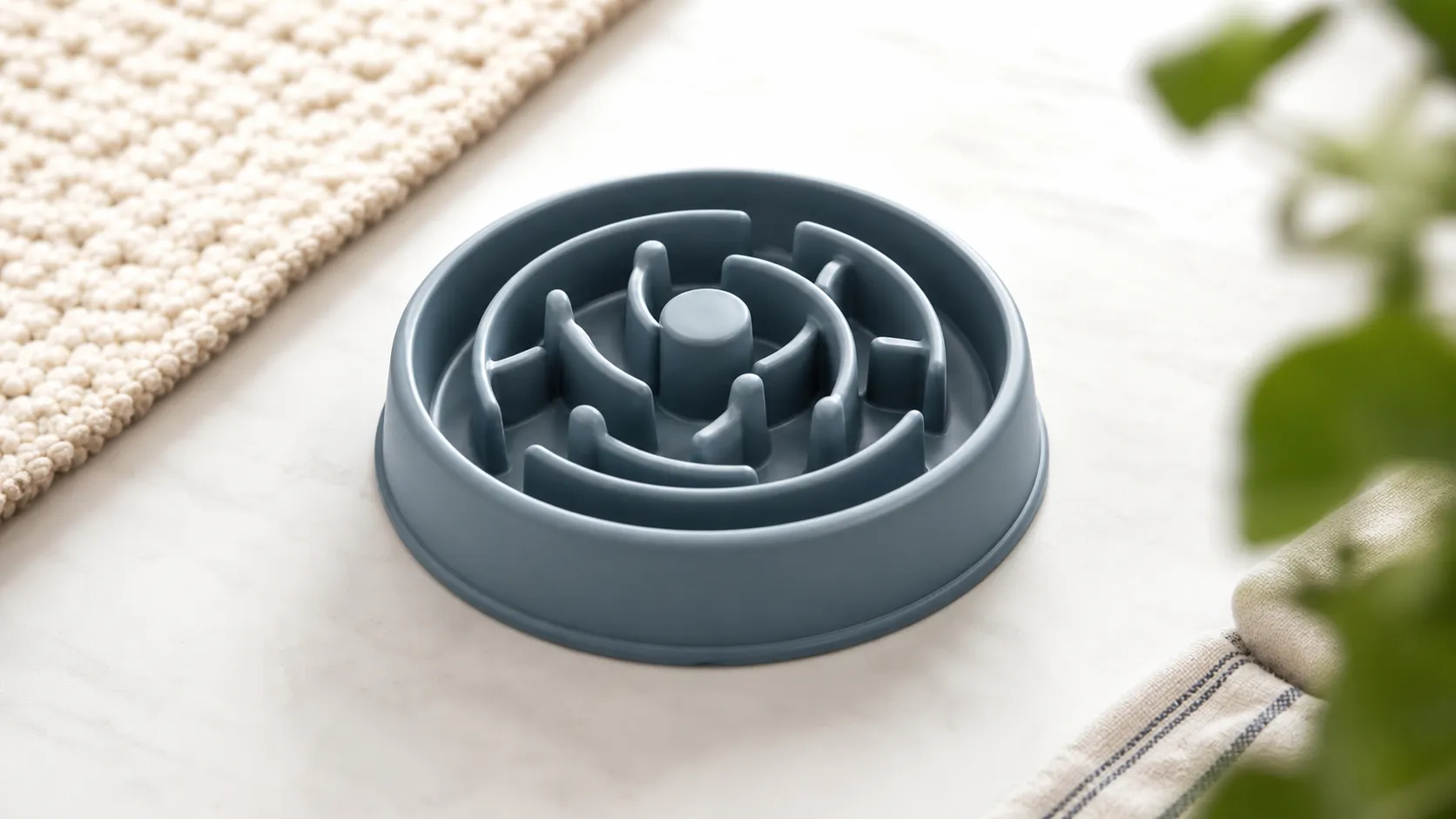
PetsOutward Hound Fun Feeder Review 2026
A budget-friendly slow feeder that reliably slows gulpers and adds mealtime enrichment. Great value but fiddly to clean and not for aggressive chewers.