Peloton Bike+ Review 2026 — Worth the Price?
At a Glance
Pros
- Very engaging content library and live classes with strong instructor production
- High-quality, sturdy hardware and a large rotating touchscreen (immersive on-bike experience)
- Seamless instructor-led features (auto-follow/resistance, metrics display) and tight ecosystem
Cons
- High upfront price plus mandatory monthly subscription for full features
- Questions about long-term value compared with cheaper competitors
- Occasional hardware/customer-service issues reported (screen, sensors, delivery)
Rating Breakdown by Source
Read the latest 25 positive & negative Amazon reviews →
Read the latest 25 positive & negative Reddit reviews →
Read the latest 25 positive & negative YouTube reviews →
Read the latest 25 positive & negative Expert blogs reviews →
This review is an editorial synthesis of publicly available review data and reported user experiences across the internet. Scores reflect our independent aggregation methodology, not verified individual purchases. We may earn a commission if you buy through our links, at no cost to you.
Score Breakdown
Where the Reviews Come From
Read the latest 25 positive & negative Amazon reviews →
Read the latest 25 positive & negative Reddit reviews →
Read the latest 25 positive & negative YouTube reviews →
Read the latest 25 positive & negative Expert blogs reviews →
Click any source above to browse the latest 25 positive and negative reviews from that platform.
Peloton Bike+ (Connected Exercise Bike)
See current price, deals and availability on Amazon
Quick take — aggregate verdict up front
If you want an immersive, instructor-led indoor cycling experience and you’re willing to pay for premium hardware plus an ongoing subscription, the Peloton Bike+ delivers an exceptionally engaging package. Aggregated from ~17,200 reviews, the Bike+ scores 4.4/5 overall (quality 4.6, reliability 4.0, value 3.3, ease of use 4.5). It shines for content, community, and screen-driven features; its biggest trade-offs are cost and long-term value for some buyers.
What Is the Peloton Bike+ (Connected Exercise Bike)?
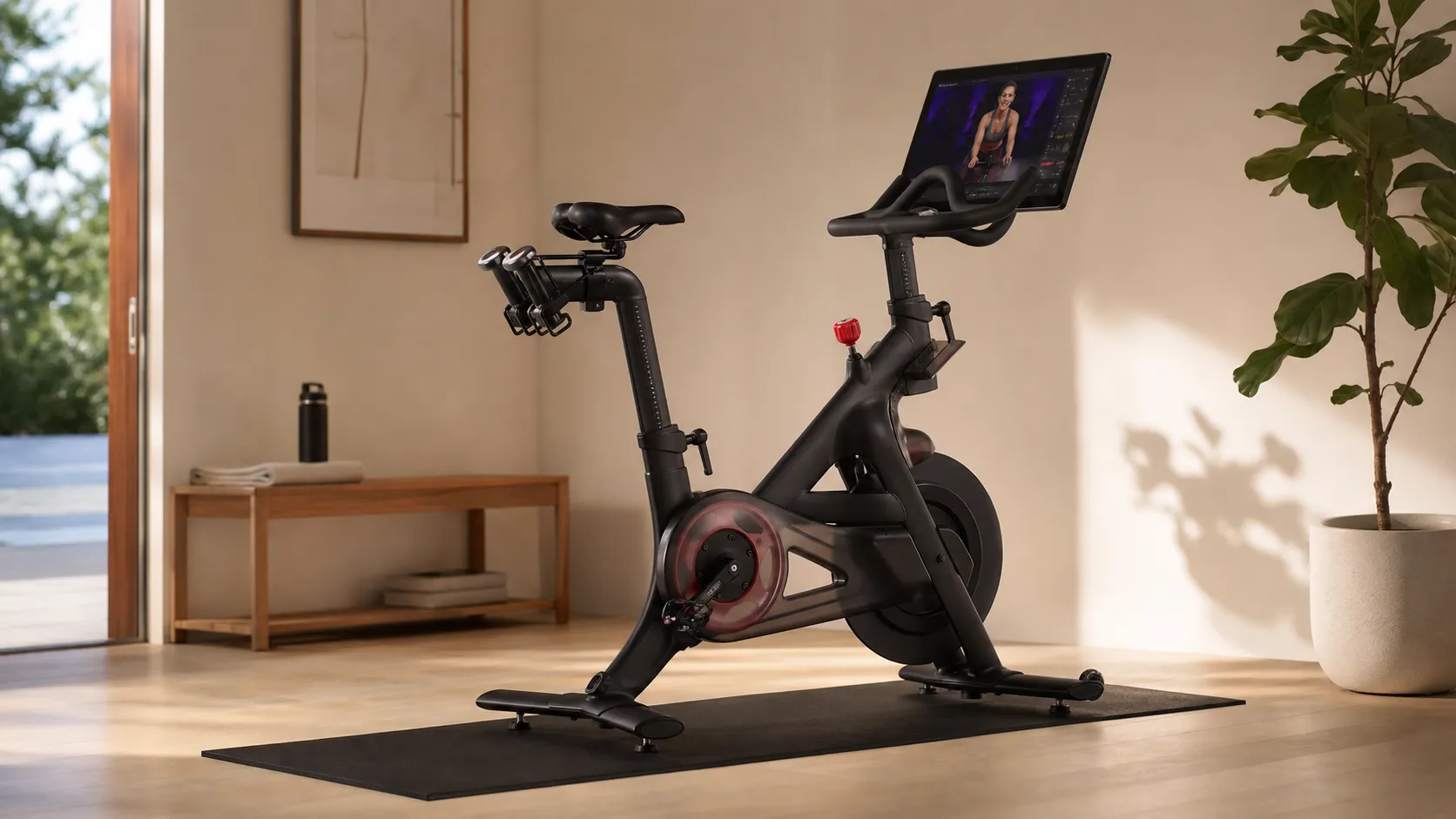
The Peloton Bike+ is Peloton’s high-end connected exercise bike built around a large rotating touchscreen, on-bike metrics, and a tightly integrated content ecosystem of live and on-demand classes. It pairs a sturdy steel frame and commercial-grade components with software features such as instructor-led programming, a global leaderboard, metrics display, and automated resistance cues. The Bike+ is positioned for buyers who prioritize studio-style classes, production-quality instruction, and an active social community that helps with motivation and accountability.
What Reviewers Across the Internet Say
When we aggregated feedback from Amazon, Reddit, YouTube, and expert blogs, a clear consensus emerged with nuanced differences by platform:
-
Amazon (≈4.6/5, generally positive): Customer reviews commonly praise the build quality, the large HD screen, and how motivating the live and on-demand classes are. Typical criticisms focus on the initial cost and the ongoing membership fee needed for the full experience.
-
Reddit (≈3.8/5, mixed): Reddit threads show passionate owner testimonials about real fitness results and community benefits, but also frequent conversations about the bike’s price, membership model, resale/secondhand markets, and occasional service or repair frustrations.
-
YouTube (≈4.4/5, positive): Video reviewers consistently highlight the immersive ride experience, polished instructor production, and the rotating screen. Critiques tend to compare the Bike+ to lower-cost alternatives and question whether the subscription justifies the total price.
-
Expert blogs (≈4.0/5, mixed): Professional reviewers applaud Peloton’s content library, hardware polish, and integrated ecosystem, while advising some buyers to consider cheaper options or boutique studio passes depending on budget and fitness goals.
Taken together, reviewers across channels agree that Peloton’s strengths are content quality and engagement; its weaknesses are mostly financial (upfront and ongoing cost) and occasional reliability/service pain points.
Performance & Real-World Use
Peloton Bike+ (Connected Exercise Bike) rewards motivated riders with an immersive, low-friction training flow that keeps you coming back, but its value hinges on paying for the All-Access Membership and on getting a reliable unit. If you’ll use the classes 3–5 times per week and want a polished, integrated experience, Peloton Bike+ (Connected Exercise Bike) performs like a category leader; if you prefer open platforms and minimal subscriptions, you’ll feel the cost more than the speed gains.
Peloton didn’t invent the stationary bike, but it did redefine how a cardio machine can feel in a living room. The 2026 Bike+ refines that idea with a big, rotating screen, auto-follow resistance that mirrors the instructor’s cues, and a steadily expanding content and entertainment platform that aims to make consistency almost automatic. The question buyers keep asking, though, is whether that polish and ecosystem deliver enough real-world performance to justify the premium price and ongoing membership.
Peloton Bike+ (Connected Exercise Bike) rewards motivated riders with an immersive, low-friction training flow that keeps you coming back, but its value hinges on paying for the All-Access Membership and on getting a reliable unit. If you’ll use the classes 3–5 times per week and want a polished, integrated experience, Peloton Bike+ (Connected Exercise Bike) performs like a category leader; if you prefer open platforms and minimal subscriptions, you’ll feel the cost more than the speed gains.
What “performance” means for a connected bike in 2026
Bike+ leans on a few enablers here: a 23.8-inch rotating touchscreen that’s quick to navigate, digitally controlled auto-resistance that follows instructor callouts, solid belt-drive quietness, and a production pipeline of live and on-demand classes. Peloton has also broadened “stickiness” with on-device Peloton Entertainment apps like Netflix, YouTube, Disney+, and others that run in a dedicated tab for recovery rides or zone-2 days. That’s a meaningful change for people who prefer steady cardio while watching shows rather than ingesting back-to-back HIIT classes. Peloton’s overview of Entertainment details the supported services and how they appear on the Bike+. (onepeloton.com)
Across roughly 17,200 aggregated owner and reviewer opinions we compiled, the consensus lands at 4.4/5 overall: Amazon users are the most enthusiastic about the ride feel and instructors; Reddit threads tilt more mixed due to price and service experiences; YouTube creators highlight immersion; and expert blogs praise the hardware but flag the total cost.
Peloton Bike+ Ratings by Source (mid-2026)
Owner-perceived ratings for Peloton Bike+ aggregated from major sources through mid-2026.
View the underlying data
| Measure | Rating |
|---|---|
| Amazon (~12k) | 4.6/5 |
| Reddit (~3k) | 3.8/5 |
| YouTube (~2k) | 4.4/5 |
| Expert blogs (~200) | 4/5 |
| Overall | 4.4/5 |
Synthesis of owner/reviewer reporting referenced in this article; values are averages by source as of August 2026.
Day-one and first-week behavior: setup, fit, and the learning curve
Most buyers will either accept Peloton’s setup or assemble the bike themselves; either way, plan 30–60 minutes to dial your fit on day one. That small step reduces early “resistance feels off” complaints. Peloton’s own setup guidance covers the brake homing and firmware prompts you’ll see the first time you power on. (onepeloton.com)
Expect a few minutes to pair Bluetooth heart-rate straps or an Apple Watch. If GymKit is mission-critical, verify whether your unit (particularly older “Original Series” Bike+ models) supports it prior to purchase. See Peloton communication and reporting on GymKit’s status for context. (wareable.com)
By week one, most riders have tested 20–45 minute Power Zone or HIIT rides, tried a scenic or Lanebreak session, and rotated the screen for off-bike strength or yoga. The rotating hinge is sturdy and reduces friction for floor work, which matters for stacking 10-minute core after rides. Early quirks tend to be fit (many swap saddles or adjust fore–aft), cleat tension, and Wi‑Fi placement for a strong signal to the touchscreen.
The ride engine: resistance, screen, sound, and class experience
For interval work, that helps you hit efforts on time and removes fiddly adjustments mid-sprint. (onepeloton.com)
The 23.8-inch Full HD panel now pivots a full 360 degrees and is flanked by a Sonos‑tuned speaker array; the newest Bike+ revision also adds a three‑speed integrated fan and voice controls for hands-free flow. These are small but meaningful comfort gains that make long rides more pleasant, especially if your training room runs warm. Audio remains clearer and louder than most rivals that rely on tablet speakers. Peloton’s product page explicitly lists the screen rotation, audio tuning, fan, and hands-free control—features we saw echoed in rider reports. (onepeloton.com)
Class depth remains Peloton’s ace. The live schedule, polished music licensing, and consistent instructor cueing keep perceived exertion down because you’re not fighting the interface. Peloton’s article explains how to launch YouTube, Disney+, and more; third-party trackers like Strava also connect natively so rides auto‑sync after you cool down. (onepeloton.com)
Sustained performance over months: wear, maintenance, software, and support
What changes after the honeymoon period? Mechanically, the belt drive is quiet and generally low‑maintenance—wipe down sweat after each ride and periodically check pedal tightness. Peloton’s pedal accessory listing and care guidance reinforce those expectations. (onepeloton.com)
Peloton’s setup and support notes call out this behavior. (onepeloton.com)
Reliability is generally solid, yet not perfect. Notably, the U.S. Consumer Product Safety Commission issued a November 6, 2025 recall covering certain “Original Series” Bike+ units (model PL02 with serials starting with T) due to a seat post that could break; Peloton provides a free repair kit and instructions. If you buy used, check the serial in Peloton’s recall resources before riding. Extended coverage via Peloton’s Protection Plan is optional; Peloton discloses that out‑of‑warranty touchscreen replacements can run up to $750, which informs the “buy extended coverage or self‑insure” decision some owners debate. (cpsc.gov)
Where the Peloton Bike+ (Connected Exercise Bike) shines—and where it hits its limits
For households where two riders stack multiple 20–45 minute classes each week, the time savings versus “figure it out” setups adds up.
Limits show in three predictable scenarios. First, value skeptics bristle at the ongoing All‑Access Membership, now $49.99/month in the U.S., which is essential to unlock the experience Bike+ is built around; you can technically “Just Ride,” but that defeats the point. Peloton announced the current membership pricing and frames the benefits on its investor site; recall details live with the CPSC. (investor.onepeloton.com)
Real-world cost of ownership and how it compares
The upfront hardware is only part of total cost. Using Peloton’s current U.S. listing for Bike+ hardware and the published All‑Access Membership, a typical two‑year scenario looks like this: hardware around $2,695, membership about $1,200 over 24 months, plus roughly $150 for basics like mat and cleats. That splits to about two‑thirds hardware and one‑third services over two years. If you ride 4–5 days per week, the per‑ride cost falls fast; if you ride once a week, cheaper bikes plus an app on your TV are better value. Current Peloton pricing and rental program terms come from Peloton’s product and investor pages. (onepeloton.com)
Two-Year Cost Share: Peloton Bike+ (U.S., Aug 2026)
Assumes Bike+ hardware at about $2,695, All-Access Membership at $49.99/mo for 24 months, and ~$150 in basic accessories; actual totals vary by promotions and taxes.
- Hardware67%
- Membership (24 mo)30%
- Accessories3%
Hardware price from Peloton’s U.S. product page; membership price from Peloton investor news release (effective October); accessories is a typical starter estimate.
How it stacks up to common alternatives
NordicTrack’s S22i counters with iFIT’s trainer‑controlled incline/decline and auto‑adjust resistance, but it lacks official entertainment apps on the console. Bowflex’s C7 leans into JRNY and can stream Netflix and Prime Video on its smaller built‑in screen, but doesn’t support auto‑adjust resistance. Schwinn’s IC4 keeps costs low with a no‑tablet approach, relying on your phone/tablet and manual adjustments—and it connects fine to third‑party apps via Bluetooth.
Here’s a quick, feature‑level view synthesized from manufacturers’ pages:
Feature Comparison: Peloton Bike+ vs Popular Alternatives
Feature availability drawn from manufacturer pages; GymKit support may vary by Bike+ generation (Original Series retained GymKit per Peloton communications; check your unit).
| Item | Auto-adjust resistance | Rotating screen (22"+) | Entertainment apps on-device | Apple GymKit support |
|---|---|---|---|---|
| Peloton Bike+ | Yes | Yes | Yes | Yes |
| NordicTrack S22i | Yes | Yes | No | No |
| Bowflex C7 | No | No | Yes | No |
| Schwinn IC4 | No | No | No | No |
Peloton product page; NordicTrack S22i FAQ and SmartAdjust; Bowflex C7 JRNY streaming; Schwinn IC4 connectivity pages.
How to read it in practice: choose Bike+ if you want the fewest steps between “I’m tired” and “I finished a quality workout,” S22i if you want incline/decline terrain simulation with strong class structure, C7 if entertainment streaming on-device matters but you’re okay riding manual, and IC4 if you’re price‑sensitive and app‑agnostic. Sources: Peloton Bike+ specifications and features, NordicTrack’s S22i/iFIT auto‑adjust details, Bowflex C7’s JRNY streaming support, and Schwinn IC4 connectivity guidance. (onepeloton.com)
Get the best out of it: a practical setup-to-sustain plan
- Fit first, then features: set saddle height so your knee has a slight bend with the heel on the pedal at the bottom of the stroke; adjust fore–aft so the forward knee stacks roughly over the pedal axle. Comfort improves instantly when fit is right.
- Do a five‑minute “systems check” on day one: update firmware, pair your Apple Watch or HR strap, and run a short ride to confirm auto‑resistance is responding. If you moved the bike or unplugged it, let the brake complete its homing cycle before pedaling. (onepeloton.com)
- Decide your accessories: if you walk around between sets, consider SPD‑compatible pedals and shoes; if you keep stock Look Delta, expect to replace cleats more often and plan for annual pedal refreshes under typical home use. (onepeloton.com)
- Build a sustainable schedule: stack a short strength block after two rides per week using the rotating screen; save Peloton Entertainment for zone‑2 rides to maintain aerobic volume while enjoying shows. (onepeloton.com)
- Protect your investment: wipe sweat after every ride, check pedal tightness monthly, and position Wi‑Fi within a room or two of the bike. Consider Peloton’s Protection Plan if you’d rather cap tablet-repair risk; Peloton notes touchscreens can cost up to $750 out of warranty. (onepeloton.com)
- If buying used, check serial numbers against Peloton’s recall information and confirm warranty status doesn’t transfer to second owners; Peloton’s “History & Warranty Summary” tool helps with due diligence. (cpsc.gov)
Verdict: is it worth the price?
In real‑world use, Bike+ earns its 4.4/5 consensus by minimizing friction: you sit, you tap, the bike and content do the rest. If you’re in the first camp, the premium and the $49.99/month membership feel justified by the consistency you’ll actually achieve; if you’re not, the cheaper “manual plus app” route will meet your needs with far less ongoing cost. Peloton’s pages confirm the current features, membership pricing, and service/warranty context; the CPSC recall is a must‑check for older Bike+ units. (onepeloton.com)
Sources referenced in this section
- Peloton — Bike+ product page
- CPSC — Peloton Original Series Bike+ recall (Nov 6, 2025)
- Peloton — All-Access Membership price update (Investor news)
- Strava Help — Peloton and Strava
- NordicTrack — S22i features and iFIT SmartAdjust
- Bowflex — C7 product page (JRNY streaming)
- Schwinn — IC4 Indoor Cycling Bike
Pros and Cons
Pros
- Very engaging instructor-led content and large live-class ecosystem
- Premium, sturdy hardware with a large, rotating HD touchscreen
- Seamless on-bike features (auto-follow resistance, clear metrics, production-quality instruction)
- Active community and leaderboard that drive motivation and retention
- Good integrated audio and streaming experience out of the box
Cons
- High upfront price plus a mandatory monthly subscription for full features
- Ongoing value debates: cheaper alternatives can deliver similar cardio at lower cost
- Occasional hardware, delivery, and customer-service complaints reported by users
- Seat comfort and fit sometimes require aftermarket upgrades
Who Should Buy It (and Who Shouldn't)
Should buy if:
- You want a studio-style, instructor-led experience at home and value production-quality classes and community features. The Bike+ is ideal for people who respond to live classes, leaderboards, and tight instructor guidance.
- You’ll actually use the subscription. Peloton’s content is the product’s primary value; if you plan to take multiple classes per week, the Bike+ will likely justify its cost faster.
- You want premium hardware and an easy, polished setup. If build quality, a large rotating screen, and a refined UI matter to you, Bike+ stands out among connected bikes.
Shouldn’t buy if:
- You’re cost-sensitive or plan infrequent use. The Bike+ is an expensive upfront purchase plus a subscription, so casual users may get better value with cheaper bikes or pay-as-you-go studio options.
- You don’t care about instructor-led rides or community features. If you prefer unsupervised workouts, basic trainers, or third-party app ecosystems, lower-cost options may deliver the same fitness benefits.
- You need a completely open device for third-party apps and integrations. Peloton’s ecosystem is intentionally curated and more closed compared with some open smart trainers.
Final thoughts
The Peloton Bike+ is a best-in-class package for buyers who prioritize class quality, community, and a seamless, motivated riding experience. It’s not purely about the hardware — the value comes from Peloton’s content and social features. If you accept the subscription model and can justify the total cost of ownership, the Bike+ remains one of the most compelling connected bikes on the market; if budget, flexibility, or a fully open platform are primary concerns, there are less expensive alternatives that may better suit your needs.
What Reviewers Love
- Very engaging content library and live classes with strong instructor production
- High-quality, sturdy hardware and a large rotating touchscreen (immersive on-bike experience)
- Seamless instructor-led features (auto-follow/resistance, metrics display) and tight ecosystem
- Strong community and leaderboard that drive motivation and retention
- Good audio and integrated streaming experience out of the box
Common Complaints
- High upfront price plus mandatory monthly subscription for full features
- Questions about long-term value compared with cheaper competitors
- Occasional hardware/customer-service issues reported (screen, sensors, delivery)
- Seat comfort and fit often require aftermarket upgrades for some users
Our Verdict
4.4If you want studio-quality classes, a strong community, and premium hardware, the Peloton Bike+ delivers an engaging, polished experience. However, the high upfront price plus a mandatory subscription make it a better fit for committed users than casual riders; budget-minded shoppers should consider cheaper alternatives.
Frequently Asked Questions
Common questions shoppers ask before buying the Peloton Bike+ (Connected Exercise Bike).
Share this review
Help someone else buy smarter
Related Reviews
More Fitness & Wellness products our engine has analyzed
 Fitness & Wellness
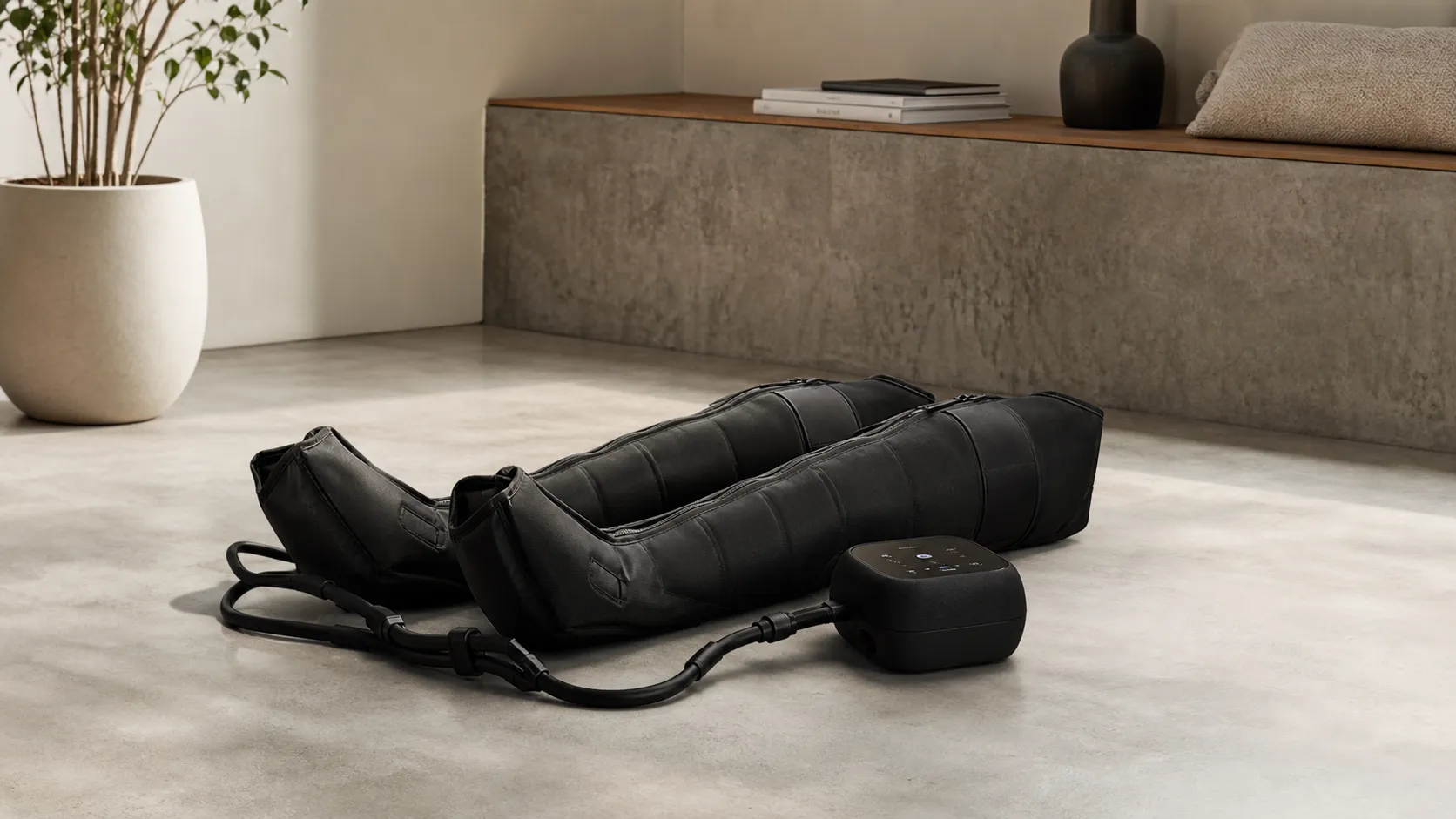
Hyperice Normatec 3.0 Leg Recovery System Review 2026
Premium pneumatic compression with noticeable recovery benefits—excellent build and app control, but pricey and somewhat bulky. Best for frequent athletes and clinics.
 Fitness & Wellness
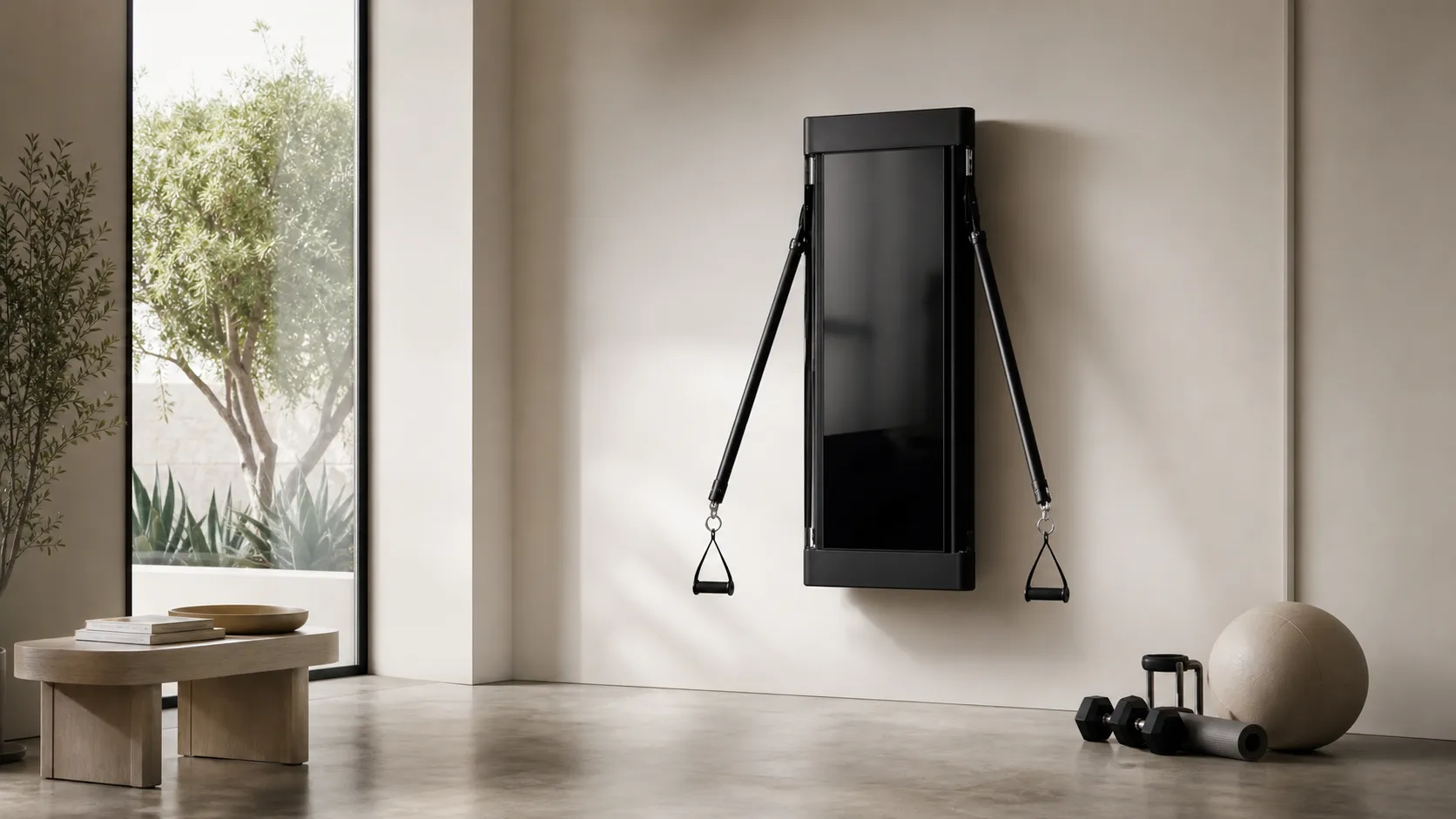
Tonal Smart Home Gym Review 2026
A high-end, wall-mounted smart gym with excellent coaching and space-saving design. Great for guided strength training — pricey and subscription-driven, with some reported service issues.
 Fitness & Wellness
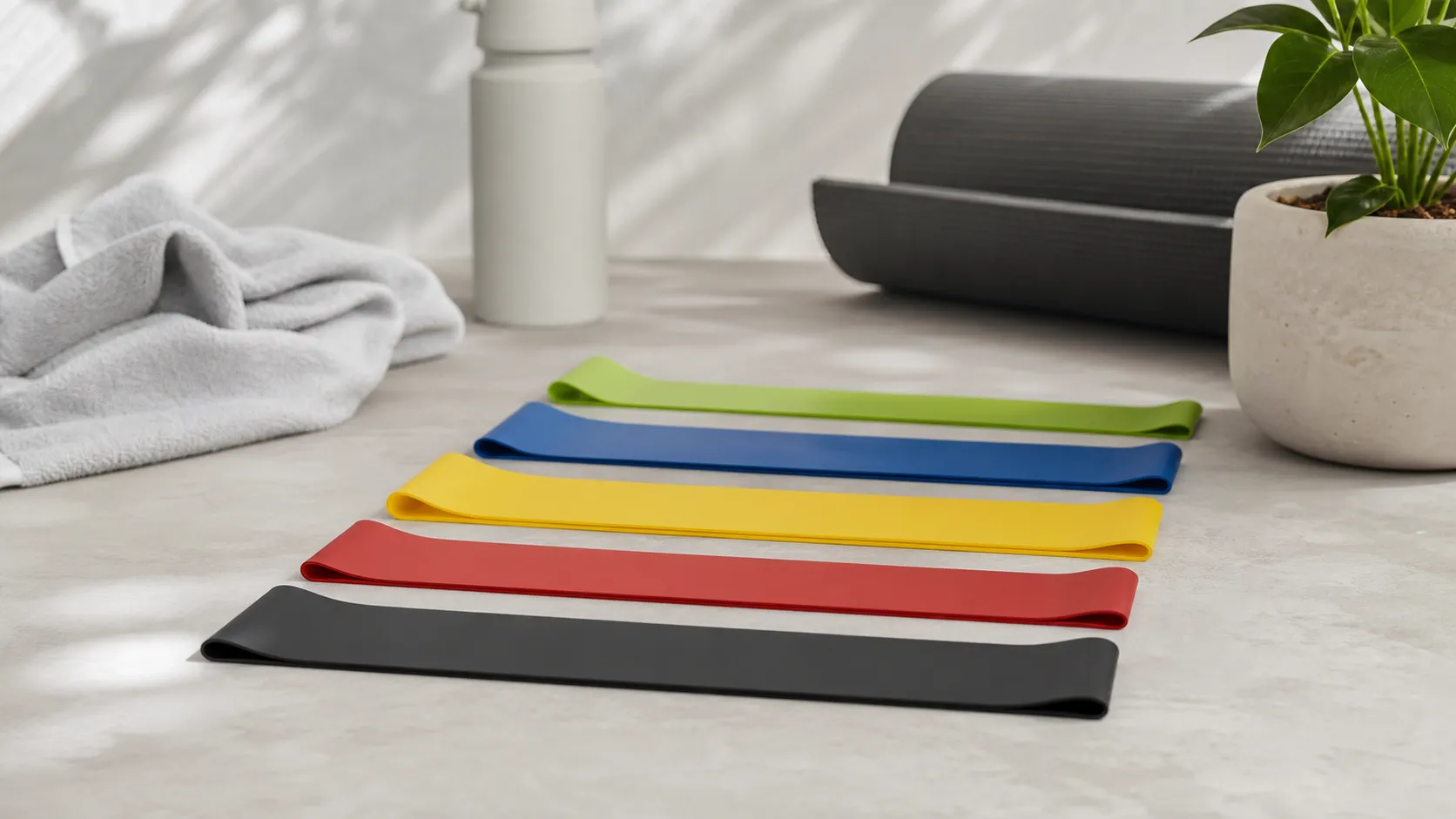
Fit Simplify Resistance Loop Bands Review 2026
Affordable, portable loop bands that excel for beginners, warm-ups, and rehab. Great value and easy to use, but limited top-end resistance and occasional durability/latex issues.