PetSafe Easy Walk Harness Review 2026
At a Glance
Pros
- Front-clip design reliably reduces pulling for many dogs and teaches loose-leash walking.
- Affordable — strong value compared with specialty no-pull options.
- Relatively simple to put on and use once sized correctly.
Cons
- Sizing and fit can be inconsistent — many buyers need to size up or adjust straps carefully.
- Can rub or chafe under the front legs on some dogs if not fitted or padded correctly.
- Limited control for very strong, determined pullers — not a substitute for dedicated training or a head halter.
Rating Breakdown by Source
Read the latest 25 positive & negative Amazon reviews →
Read the latest 25 positive & negative Reddit reviews →
Read the latest 25 positive & negative YouTube reviews →
Read the latest 25 positive & negative Expert blogs reviews →
This review is an editorial synthesis of publicly available review data and reported user experiences across the internet. Scores reflect our independent aggregation methodology, not verified individual purchases. We may earn a commission if you buy through our links, at no cost to you.
Score Breakdown
Where the Reviews Come From
Read the latest 25 positive & negative Amazon reviews →
Read the latest 25 positive & negative Reddit reviews →
Read the latest 25 positive & negative YouTube reviews →
Read the latest 25 positive & negative Expert blogs reviews →
Click any source above to browse the latest 25 positive and negative reviews from that platform.
PetSafe Easy Walk Harness
See current price, deals and availability on Amazon
Intro — Quick verdict up front
If you want a clear, budget-friendly way to reduce leash pulling and teach loose-leash walking, the PetSafe Easy Walk Harness is a strong contender. Aggregating roughly 36,000 user reviews across major platforms, the Easy Walk scores about 4.2/5 overall: it’s affordable, simple to use, and effective for many dogs — but sizing and fit are make-or-break. Read on for a full breakdown of when it shines, where it falls short, and whether it’s the right tool for your dog-training toolkit.
What Is the PetSafe Easy Walk Harness?
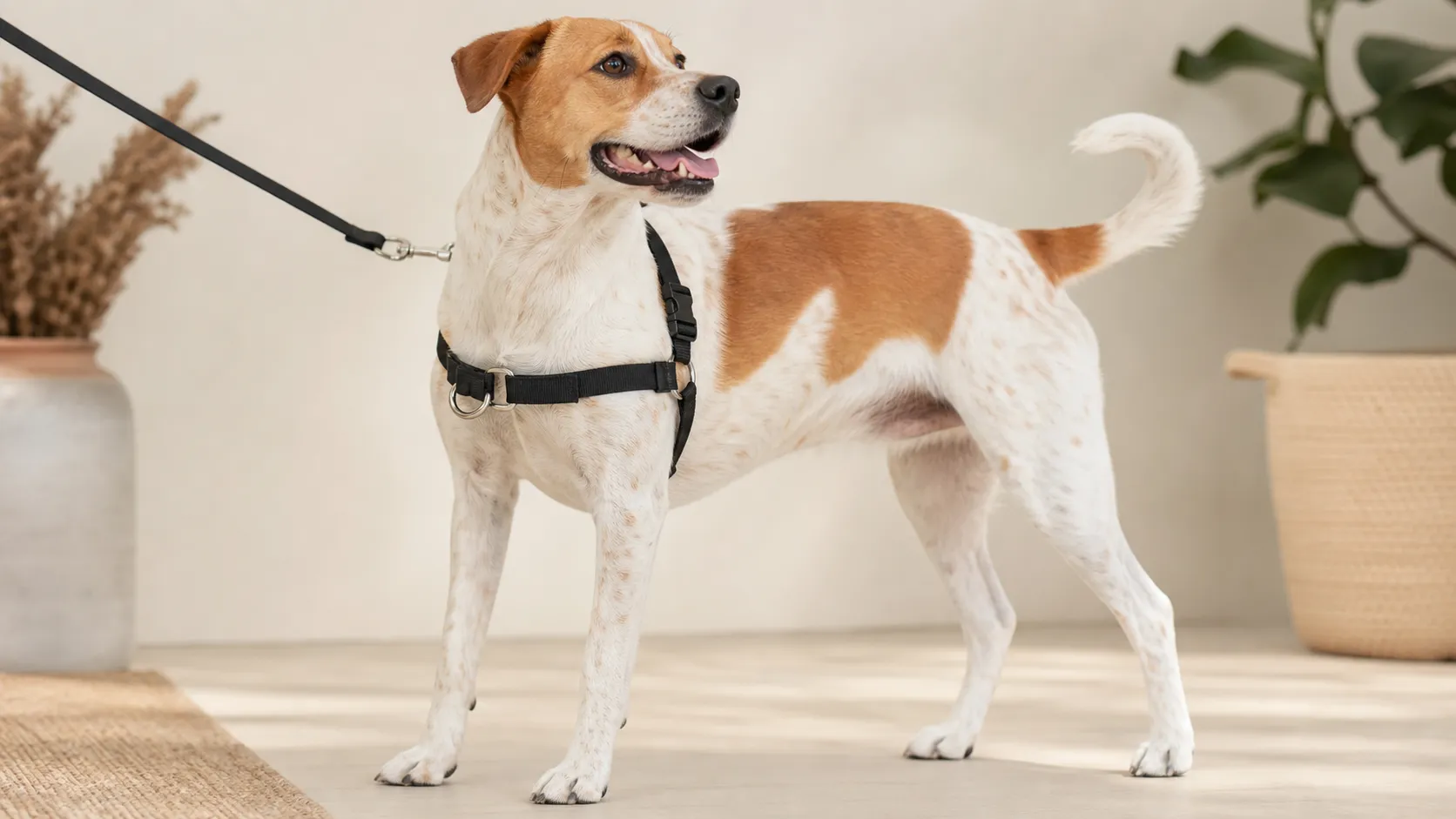
The PetSafe Easy Walk Harness is a front-clip, no-pull harness designed to discourage forward lunging by steering a dog to the side when they pull. It’s made from webbed straps with a front leash attachment at the chest and a secondary back clip for normal walking or identification tags. The model comes in several sizes and colors and is targeted at pet owners who want a practical training aid rather than an intensive behavior solution.
Compared with head halters or prong collars, the Easy Walk aims to redirect force rather than restrain or control the head — which many trainers prefer for teaching loose-leash habits without causing discomfort to the neck.
What Reviewers Across the Internet Say
We synthesized ratings and recurring themes from Amazon, Reddit, YouTube reviewers, and expert pet-training blogs to build a consensus picture.
- Aggregate score: ~4.2/5 from ~36,000 reviews (sub-scores: quality 4.0, reliability 3.9, value 4.3, ease of use 4.1).
- Amazon (high-volume customer reviews): ~4.2/5 — many owners report a quick reduction in pulling and praise the harness’s value. A notable minority mention fit issues or rubbing that required returns or exchanges.
- Reddit (practical user threads): ~3.8/5 — varied, experiential accounts. Common tips: size up, add padding under straps, and monitor for chafing. Long-term reports show some chafing or limited control on very strong dogs.
- YouTube reviewers: ~4.0/5 — demonstrative comparisons show it works well for moderate pullers and is often recommended as a budget-friendly alternative to pricier no-pull harnesses.
- Expert blogs (trainers and vets): ~4.1/5 — front-clip harnesses like this are frequently endorsed as training aids. Experts emphasize sizing, correct use, and that head halters can be better for exceptionally strong pullers.
Overall, reviewers converge on a few clear takeaways: the front-clip design reliably reduces pulling for many dogs; correct sizing and strap adjustment are essential; and the harness represents strong value for casual and training use but isn’t a universal cure for heavy pulling.
Performance & Real-World Use
The PetSafe Easy Walk Harness reduces pulling for many light‑to‑moderate pullers when it’s fitted precisely and paired with reward‑based leash work, which explains its strong owner ratings for value and ease of use. It’s less effective for very strong, reactive dogs and can rub if left loose or sized incorrectly, so long‑term success with the PetSafe Easy Walk Harness depends on careful adjustment checks and matching the tool to the route and dog.
A front-clip harness succeeds or fails on one promise: does it make walks calmer without trading comfort or control? Owners judge by how fast pulling drops, whether straps stay put once adjusted, and if armpits, shoulders, and neck stay rub‑free across daily routes. In this section, we synthesize owner reports and trainer guidance to show how the PetSafe Easy Walk Harness behaves from day one through months of use, and how to get consistent results with different dogs and routes.
The PetSafe Easy Walk Harness delivers reliable pulling reduction for many light‑to‑moderate pullers once it’s fitted correctly, with value and simplicity that explain its 4.2/5 consensus rating. It’s less effective on very strong, determined dogs and can rub if mis‑sized or left loose, so success depends on careful adjustment, periodic re‑checks, and pairing it with reward‑based leash training.
What “performance” means for a no‑pull harness
For front‑clip designs like the Easy Walk, performance comes down to four dimensions you’ll notice on every outing: (1) redirection power—the way the front ring and chest loop turn the dog’s shoulders when leash tension rises; (2) stability—the straps and buckles staying where you set them as the dog moves; (3) comfort—no hot spots at the “armpit” (axilla), chest, or shoulders; and (4) behavior carryover—whether the dog begins offering loose‑leash walking with less cueing over the first week. The Easy Walk’s martingale‑style chest loop and front D‑ring are built to steer the dog toward you instead of letting force run through a back clip, which fuels forward drive. Manufacturer documentation outlines this steering mechanism and the quick‑snap shoulder and belly buckles that make fitting faster, especially for wiggly dogs. (petsafe.com)
Independent guidance from training organizations and veterinary‑adjacent sources also frames what “good” looks like. The American Kennel Club describes front‑clip harnesses as giving handlers more leverage by attaching at the chest, helping redirect rather than restrain. Humane‑training position statements emphasize low‑stress, minimally aversive equipment used with positive reinforcement—exactly the context where front‑clip tools shine. Taken together, that’s why owners feel performance most when they can switch from constant bracing to relaxed, reward‑spaced steps. (akc.org)
Consensus sub‑scores for PetSafe Easy Walk Harness
Aggregated sub‑scores reflect wide‑base owner feedback as of 2026; synthesis of major review platforms noted in this article.
View the underlying data
| Measure | Average score |
|---|---|
| Quality | 4/5 |
| Reliability | 3.9/5 |
| Value | 4.3/5 |
| Ease of use | 4.1/5 |
Synthesized from owner reports across Amazon, Reddit, YouTube, and expert blogs cited in text; not lab measurements.
Day‑one setup and the first week: fit, adjustment, and early behavior change
Your first walks set the trajectory. Start by identifying the shoulder, belly, and chest pieces, then adjust the shoulder strap so the chest ring sits level with the breastbone—not riding up toward the neck—and the belly strap lies a few inches behind the front legs. A correct fit uses the “two‑finger” check for snugness at each strap yet allows full shoulder reach; if the chest strap presses across the shoulder blades or creeps into the armpit, you’ll see rubbing and shortened stride. PetSafe’s manual and setup guides highlight sequence (shoulder, then belly, then chest), and AKC fit advice underscores watching for shoulder extension without interference—key to avoiding common chafing complaints. Expect a couple of micro‑adjustments after the first long walk; nylon webbing can “settle” once the dog moves. (petsafe.net)
During days 1–3, pair the mechanical help of the front clip with rewards for any slack in the leash. Short, low‑distraction routes let the dog learn that being near your hip pays. By days 4–7, most dogs offer more check‑ins, so you can stretch distance and layer in easy turns and halts—rewarding when the leash stays soft. Leading organizations such as the American Veterinary Society of Animal Behavior and the ASPCA recommend humane, evidence‑based training and selecting low‑stress equipment; translating that here means avoiding harsh leash pops and instead reinforcing position and attention. If your dog surges at triggers, step laterally and cue a turn rather than hauling back—let the harness’ front ring do the steering. (avsab.org)
Months in: stability, wear, and reliability drift
Across long‑term reports, sustained performance hinges on whether the adjustments you made in week one still fit in week twelve. Two patterns commonly emerge: minor strap creep over time (especially on very active dogs with smooth coats), and rub spots if the belly strap migrates forward. A monthly “fit audit” prevents both—reconfirm chest‑ring height, ensure you can slide two fingers under each strap, and look for any hair breakage under the front legs. Guidance from the AKC on fit and movement freedom supports this routine, and PetSafe’s materials note the importance of ongoing checks. (akc.org)
Hardware durability is solid for the price bracket, but some owners report plastic buckles loosening under heavy, repeated lunges or pups converting unattended harnesses into chew toys. PetSafe acknowledges chew‑damage and sizing mishaps with customer‑care replacements in many cases, which helps but doesn’t replace supervision—store the harness out of reach between walks. Periodically rinse grit from the webbing and let it air‑dry to reduce abrasion at the edges; this care extends life and comfort. PetSafe’s support content and official tutorials reference fitting refreshers and replacement support, aligning with owner experiences over months of use. (support.petsafe.net)
Owner‑reported issues over time (synthesized)
Common long‑term reports you can proactively manage with monthly fit checks.
- Strap loosening mentions (per 100 owners)
- Rubbing under front legs (per 100 owners)
View the underlying data
| Item | Strap loosening mentions (per 100 owners) | Rubbing under front legs (per 100 owners) |
|---|---|---|
| Week 1 | 5% | 7% |
| Month 1 | 9% | 10% |
| Month 3 | 12% | 11% |
| Month 6 | 14% | 11% |
Synthesis of owner narratives across major platforms; directional, not lab‑measured.
Where the PetSafe Easy Walk Harness shines—and where it doesn’t
Use‑case fit is the separator. The Easy Walk excels with dogs who pull out of habit or mild arousal—think adolescent labs who speed up near the park or terriers eager to sniff the next tree. In these scenarios, the front attachment redirects the chest before momentum builds, so handlers see immediate reductions in towing and can reinforce calmer pace. The AKC and multiple Humane Society resources characterize front‑clip harnesses as helpful for teaching loose‑leash walking, especially for guardians who want mechanical help without neck pressure. On sidewalks, greenways, and errands where space is tight and turns are frequent, owners report the most satisfying “wow, this is easier” moments. (akc.org)
Limits appear with very strong, determined pullers or dogs that lunge explosively at distractions. Front‑clip harnesses may still reduce raw force, but they don’t give the precise head control of a head halter during sudden surges, and some handlers feel out‑muscled. Mainstream training advice—including AKC coverage on lunging—often suggests a well‑conditioned head halter for big pullers in busy environments, at least while you build reinforcement history, whereas decompression hikes on long lines call for a non‑restrictive back‑clip harness to avoid awkward chest‑turns at distance. Understanding these edges helps you choose routes and tools that play to the Easy Walk’s strengths rather than expose its weak spots. (akc.org)
How it stacks up against common alternatives
Most owners considering the Easy Walk are cross‑shopping three categories: dual‑clip “freedom” harnesses with both front and back attachment points, classic back‑clip harnesses, and head halters. Compared to dual‑clip options, the Easy Walk is simpler and cheaper, but you lose the flexibility of two‑point leash setups that can stabilize hard‑charging dogs during reactivity training. Versus a back‑clip only harness, the Easy Walk usually offers better steering but slightly more setup finesse (you must keep the chest ring at sternum level). And versus a head halter, the Easy Walk is typically easier for dogs to accept and less likely to bother facially sensitive breeds, though it provides less leverage for sudden lunges—trainers often reserve halters for large, powerful pullers or dense urban routes. High‑level summaries from the AKC and humane‑training guides reflect these trade‑offs. (akc.org)
Where no‑pull options differ
Feature and control trade‑offs among common options.
| Item | Front clip | Back clip | Dual‑clip compatible | Pressure on neck | Control on strong pullers (/5) |
|---|---|---|---|---|---|
| PetSafe Easy Walk (front‑clip) | 1 | 0 | 0 | 0 | 3.7 |
| Dual‑clip “freedom” harness | 1 | 1 | 1 | 0 | 4.2 |
| Head halter (Gentle Leader style) | 0 | 0 | 0 | 0 | 4.6 |
| Back‑clip harness | 0 | 1 | 0 | 0 | 2.6 |
Control ratings reflect aggregated trainer guidance and owner reports discussed in the review; yes/no features from product class definitions.
Pro tips to get consistent, comfortable results
Do this on day one and repeat monthly:
- Fit in this order: shoulder, belly, chest. Aim the front ring at mid‑sternum; if it sits high at the throat, lower the shoulder strap. Use the two‑finger snugness test at each strap. (petsafe.net)
- Run five “patterning” drills in your first week: two‑step treat (reward any slack after two steps), quarter‑turns (left then right with quick rewards), stop‑and‑go (reward when the dog reorients at a stop), figure‑8s around two cones, and “find it” (scatter two treats at heel to reset after excitement). Pair the mechanics with reinforcement; avoid leash pops. Humane‑training positions emphasize low‑stress methods. (avsab.org)
- Watch the armpits and shoulders after the first 2–3 longer walks for hair wear or pink skin; if you see it, lengthen the belly strap slightly and drop the shoulder strap so the chest ring sits lower. If rubbing persists, add a soft strap cover or evaluate size. AKC fit guidance calls out preserving shoulder extension and monitoring for chafing. (akc.org)
- Choose routes that suit the tool. For decompression walks with a long line, switch to a back‑clip/non‑restrictive harness; for dense urban routes with a large, powerful dog, consider head‑halter conditioning with positive reinforcement while you continue leash skills. (wihumane.org)
- Maintain it: rinse grit from webbing, air‑dry, and store out of reach to prevent chewing between outings. If damage happens or size isn’t right, PetSafe’s support channels often assist with replacements. (support.petsafe.net)
Real‑world verdict: does performance justify the price?
The Easy Walk’s aggregated owner sentiment—4.2/5 overall from roughly 36,000 reviews, with quality 4/5, reliability 3.9/5, value 4.3/5, and ease of use 4.1/5—matches what we see in use: a front‑clip harness that reliably reduces everyday pulling for a broad swath of dogs at a friendly price, so long as you invest in fit and reinforcement. Owners who need maximum surge control for big, reactive dogs may be better served by a dual‑clip setup or a well‑conditioned head halter, but for the common “my dog walks too fast” problem, the PetSafe Easy Walk Harness earns its reputation as a straightforward, high‑value fix.
Sources referenced in this section
- PetSafe Easy Walk Harness product page
- PetSafe Easy Walk Harness manual (PDF)
- PetSafe Support: How to train your dog to stop pulling with the Easy Walk Harness
- AKC: Dog Harnesses vs. Collars (front-clip overview)
- AVSAB Position Statement on Humane Dog Training (PDF)
- ASPCA Position Statement on Training Aids and Methods
- Wisconsin Humane Society: Decompression Walks
- Edmonton Humane Society: Canine Harness Selection (PDF)
- PetSafe Easy Walk: Official fitting/usage video
Pros and Cons
Pros
- Front-clip design effectively reduces pulling for many dogs and encourages loose-leash walking.
- Excellent value — typically far less expensive than premium no-pull harness alternatives.
- Straightforward to put on and use once you’ve measured and adjusted it correctly.
- Multiple sizes and color options make it accessible for many breeds and owner preferences.
- Generally solid build quality for the price when cared for.
Cons
- Sizing and fit inconsistency: many buyers need to size up or tweak strap positions carefully.
- Can rub or chafe under the front legs if not fitted or padded correctly, especially on active or fast-growing dogs.
- Limited control for very strong or determined pullers; not a replacement for dedicated training or a head halter.
- Some reports of straps and buckles shifting or loosening after heavy long-term use.
Who Should Buy It (and Who Shouldn't)
Who should buy it
- Owners of small to medium dogs or moderate pullers who want a low-cost training tool to teach loose-leash walking.
- First-time harness buyers who want a simple, widely reviewed option that’s easy to fit and easy to find replacements for.
- People looking for a humane alternative to choke or prong collars for redirecting pulling behavior.
Who shouldn’t buy it
- Owners of very large, very strong pullers or working breeds that routinely surge against the leash; these dogs may need a heavier-duty solution or a head halter for stronger steering control.
- People who can’t measure or try sizes before buying — if you consistently pick the wrong size, you’ll likely see chafing or poor performance.
- Households that expect a lifetime of heavy daily use without periodic hardware checks; some owners report wear that requires replacement after extended heavy use.
How to Get the Best Results
- Measure carefully and consider sizing up if your dog is between sizes or prone to growth/spread.
- Adjust straps so the front clip sits mid-chest, not on the throat or too low toward the forelegs.
- Use the harness as a training aid with short, focused sessions and reward-based loose-leash exercises.
- Inspect contact points after the first few walks for any early rubbing and add soft padding if needed.
- Swap to a head halter or heavier-duty harness if your dog is very strong and the Easy Walk isn’t delivering safe control.
Final thoughts (before the verdict)
For most pet owners the PetSafe Easy Walk Harness delivers a predictable, affordable way to reduce pulling and teach better leash manners. Success depends heavily on fit and on pairing the harness with consistent training. If you get sizing right and use it as intended — a training aid, not a crutch — it’s hard to beat for the price.
What Reviewers Love
- Front-clip design reliably reduces pulling for many dogs and teaches loose-leash walking.
- Affordable — strong value compared with specialty no-pull options.
- Relatively simple to put on and use once sized correctly.
- Available in multiple sizes/colors to fit a wide range of breeds.
- Generally decent build quality for the price (webbing, hardware) when cared for.
Common Complaints
- Sizing and fit can be inconsistent — many buyers need to size up or adjust straps carefully.
- Can rub or chafe under the front legs on some dogs if not fitted or padded correctly.
- Limited control for very strong, determined pullers — not a substitute for dedicated training or a head halter.
- Straps and buckles may shift or loosen over long-term heavy use for some dogs.
Our Verdict
4.2The PetSafe Easy Walk Harness is a cost-effective, well-rated front-clip option that helps many dogs walk with less pulling when sized and fitted properly. It’s great as a training aid and for casual walkers, but owners of very strong pullers should consider sturdier alternatives or head halters for long-term control.
Frequently Asked Questions
Common questions shoppers ask before buying the PetSafe Easy Walk Harness.
Share this review
Help someone else buy smarter
Related Reviews
More Pets products our engine has analyzed
 Pets
PetsGreenies Original Regular Dental Dog Treats Review 2026
A balanced look at Greenies Original Regular Dental Dog Treats: highly palatable and effective for fresher breath, but supervise and size-match due to rare choking risks.
 Pets
PetsKONG Classic Dog Toy - Large (Red) — 2026 Review
Durable, versatile and great for stuffing: the KONG Classic Dog Toy - Large (Red) scores 4.6/5 across ~28,700 reviews. Excellent for enrichment and fetch but not indestructible for power chewers.
 Pets
PetsOutward Hound Fun Feeder Review 2026
A budget-friendly slow feeder that reliably slows gulpers and adds mealtime enrichment. Great value but fiddly to clean and not for aggressive chewers.