PetSafe ScoopFree Automatic Self-Cleaning Litter Box Review 2026
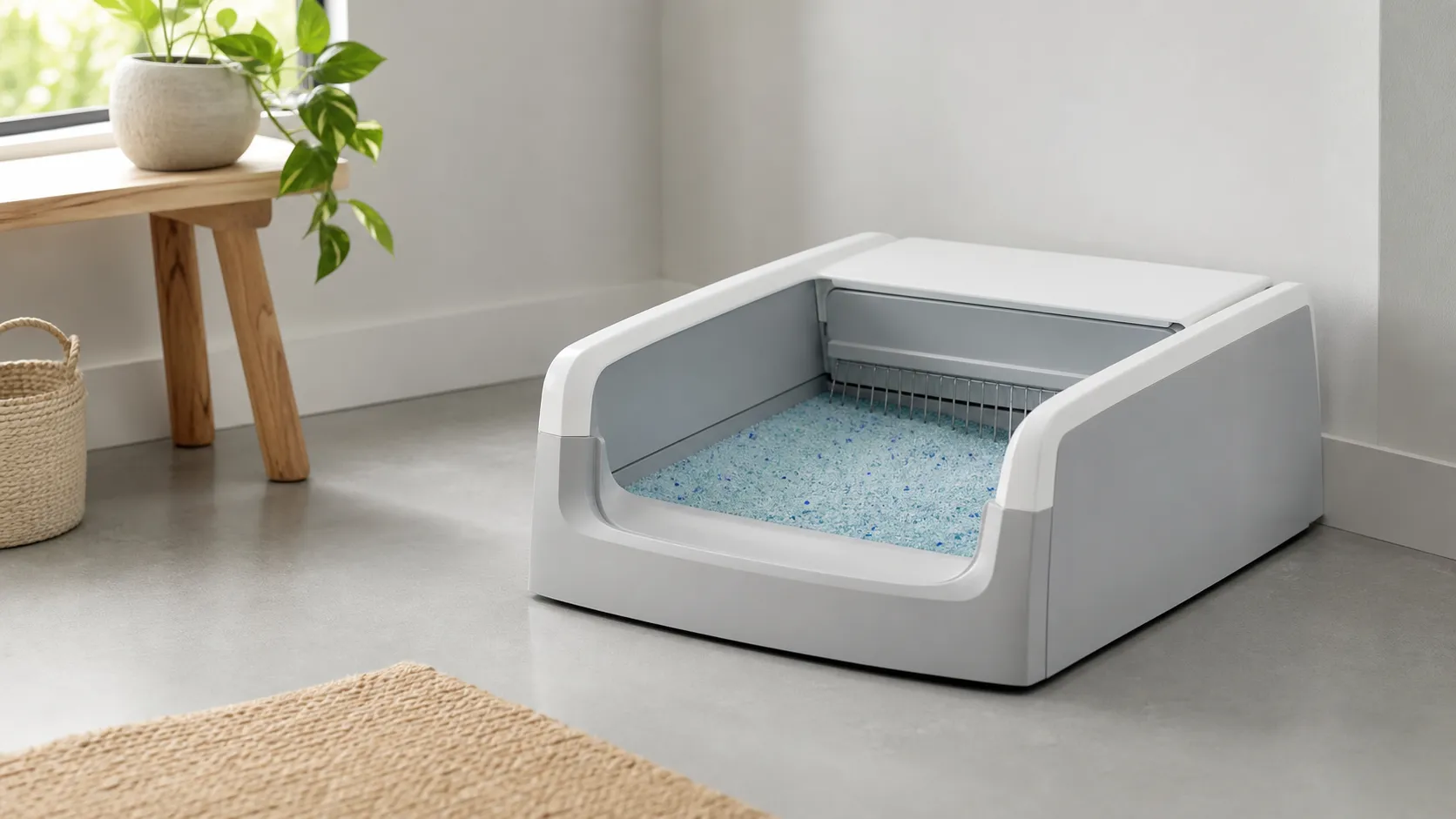
At a Glance
Pros
- Significantly reduces daily scooping — automated rake clears waste between uses
- Crystal litter provides strong initial odor control compared with unscooped clumping litter
- Easy to set up and use; disposable trays simplify full cleanouts
Cons
- High ongoing cost for disposable crystal trays (recurring expense)
- Mechanical/reliability problems reported over months (rake jams, sensor failures)
- Some cats refuse to use it or take a long time to adapt
Rating Breakdown by Source
Read the latest 25 positive & negative Amazon reviews →
Read the latest 25 positive & negative Reddit reviews →
Read the latest 25 positive & negative YouTube reviews →
Read the latest 25 positive & negative Expert blogs reviews →
This review is an editorial synthesis of publicly available review data and reported user experiences across the internet. Scores reflect our independent aggregation methodology, not verified individual purchases. We may earn a commission if you buy through our links, at no cost to you.
Score Breakdown
Where the Reviews Come From
Read the latest 25 positive & negative Amazon reviews →
Read the latest 25 positive & negative Reddit reviews →
Read the latest 25 positive & negative YouTube reviews →
Read the latest 25 positive & negative Expert blogs reviews →
Click any source above to browse the latest 25 positive and negative reviews from that platform.
PetSafe ScoopFree Automatic Self-Cleaning Litter Box
See current price, deals and availability on Amazon
Quick take — aggregate verdict up front
The PetSafe ScoopFree Automatic Self-Cleaning Litter Box is a convenient, low-effort solution that earns a mixed-but-usable score: aggregate rating 3.8/5 from roughly 32,000 reviews across retailers, forums, video reviewers, and expert blogs. If you prize reduced daily scooping and short‑term odor control, it delivers; if long‑term reliability, low recurring cost, or multi‑cat performance are your priorities, there are important tradeoffs to weigh.
What is the PetSafe ScoopFree Automatic Self-Cleaning Litter Box?
The ScoopFree is an automated litter system that uses disposable trays filled with silica "crystal" litter and a motorized rake that clears solid waste soon after your cat leaves the tray. Instead of scooping clumping litter, owners replace prefilled disposable trays (or the refill crystals) on a periodic schedule. The unit is relatively compact, quieter than many fully motorized models, and is marketed toward busy owners and people who travel.
How it works (brief)
- Cat uses the tray, sensors detect exit, and after a delay the rake sweeps waste into a covered compartment.
- Crystal litter absorbs urine and neutralizes odor; full trays are replaced and disposed of.
- There’s a manual mode for keeping the rake from running when you’re training a cat or rinsing the unit.
What reviewers across the internet say
Across the online landscape the conversation is consistent but nuanced. Aggregate source scores trend mixed: Amazon averages about 3.8/5 with a high volume of first‑impression praise; Reddit discussions land around 3.4/5 and are full of long‑term troubleshooting and alternate cost strategies; YouTube reviewers give it roughly 3.6/5 with demo videos showing both the convenience and the mechanical hiccups; expert blogs sit near 3.2/5 and typically balance convenience against long‑term value.
Common cross‑platform themes:
- Many owners love the immediate convenience and reduced daily maintenance.
- Crystal litter provides noticeably strong initial odor control compared with unscooped clumping litter.
- Over months of regular use, a meaningful share of owners report mechanical problems (rake jams, sensor issues) or decreased reliability.
- The recurring cost and environmental impact of disposable trays are frequent pain points; some communities share workarounds to cut cost, but those can void warranties.
- Cat acceptance is mixed — plenty of cats adapt quickly, but a notable minority refuse the unit or take weeks to adjust.
Performance & Real-World Use
The PetSafe ScoopFree Automatic Self-Cleaning Litter Box sharply cuts daily scooping and controls odor well for one‑cat homes, but recurring crystal‑tray costs and occasional rake or sensor issues limit long‑term value. If you accept the consumables bill and do light monthly upkeep, the PetSafe ScoopFree Automatic Self-Cleaning Litter Box keeps rooms fresher with only minutes of care.
If you’re considering handing your least‑favorite chore to a machine, what matters isn’t marketing claims—it’s whether the box keeps odor down, doesn’t jam, and works with your cat and your schedule. Across tens of thousands of owner reports and expert tests, PetSafe’s tray‑and‑rake design trades lower daily effort for recurring costs and middling long‑term reliability.
In two sentences: The PetSafe ScoopFree Automatic Self-Cleaning Litter Box sharply cuts daily scooping and controls odor well for one‑cat homes, but recurring crystal‑tray costs and occasional rake or sensor issues limit long‑term value. If you accept the consumables bill and do light monthly upkeep, the PetSafe ScoopFree Automatic Self-Cleaning Litter Box keeps rooms fresher with only minutes of care.
What “performance” means for self‑cleaning litter boxes
For this category, owners judge success on six things: daily odor control, dependable self‑cleaning without jams, cat acceptance, capacity for cat count and size, noise and placement flexibility, and ongoing cost and waste. We weigh first‑week experience against month‑six reality and compare total operating cost—not just sticker price—against manual pans and drum‑style machines.
Across roughly 32,000 reviews, consensus lands at 3.8/5 overall, with subscores that explain the split verdict: quality 3.4/5, reliability 3/5, value 2.9/5, ease of use 4.1/5. Here’s the picture next to a category baseline drawn from major self‑cleaning rivals.
How owners and experts rate the core dimensions
ScoopFree’s strengths are ease and odor control; value and long‑term reliability score lower in aggregated reporting.
- Quality (/5)
- Reliability (/5)
- Value (/5)
- Ease of use (/5)
View the underlying data
| Item | Quality (/5) | Reliability (/5) | Value (/5) | Ease of use (/5) |
|---|---|---|---|---|
| ScoopFree | 3.4/5 | 3/5 | 2.9/5 | 4.1/5 |
| Category median (self‑cleaners) | 3.6/5 | 3.2/5 | 3.3/5 | 3.8/5 |
Synthesis of ~32k owner/expert ratings as of Aug 2026 (Amazon, Reddit, YouTube, expert blogs) plus category medians from major rivals.
Source‑by‑source trends show the arc owners travel: higher initial satisfaction on retail sites, more mixed long‑view commentary from communities and long‑form testers. Amazon averages 3.8/5 on about 28,000 reviews; Reddit threads trend 3.4/5 across ~2,500 posts; YouTube long‑term tests cluster near 3.6/5; expert blogs about 3.2/5, often citing costs and reliability.
Overall rating by source for ScoopFree
Retail first‑impressions skew higher; long‑form testers and communities trend lower over time.
View the underlying data
| Measure | Overall rating |
|---|---|
| Amazon | 3.8/5 |
| 3.4/5 | |
| YouTube | 3.6/5 |
| Expert blogs | 3.2/5 |
Our aggregation of active review sources through Aug 2026.
Day‑one setup and the first week: fast start, gentle acclimation
Assembly is quick: click the frame onto the base, slide in the crystal tray, plug it in, and confirm the default 20‑minute delay after each detected exit. That delay lets crystals dehydrate waste before the rake moves and pauses if the sensor detects a return; both behaviors are spelled out in the PetSafe user guide. (petsafe.net)
Most owners report setup under 15 minutes. For reluctant cats, follow the standard “one box per cat plus one extra” rule, keep the old box nearby for a week, and seed a cup of used litter on the crystals so the new box smells familiar; the placement and capacity guidance comes from AAHA/AAFP feline guidelines. (aaha.org) Noise is modest compared with drum units, and placing the box on a firm floor minimizes vibration; long‑form reviewers describe the cycle as unobtrusive in small apartments. (cats.com)
Living with the PetSafe ScoopFree Automatic Self-Cleaning Litter Box: months 1–12
Consumables drive routine: PetSafe guidance pegs a single‑cat tray at 20–30 days, two cats at 10–15, and three at about a week; owner threads match those ranges. (support.petsafe.net) Performance holds if you adopt three habits: stir crystals lightly once or twice per week to expose fresh surfaces, wipe the rake tines when sticky waste appears, and empty the waste well before it’s heaped even if the tray isn’t spent.
Mechanically, a carriage drives a metal rake through the crystal bed and into a lidded well. Jams usually trace to soft stool that adheres to a tine or saturated crystals that mound near the track. The manual’s troubleshooting flow—power cycle, clear debris, confirm sensor/LED status—fixes most stalls in minutes without tools. (petsafe.net)
Odor control: crystal chemistry is doing the work
The core strength is odor control, and it comes from silica‑gel crystals rather than the motor. Crystals absorb urine quickly and desiccate feces; sealing solids in a covered well curbs smell. Testing‑oriented reviews and owner logs report rooms staying fresh for most of a tray’s life, with a short warning window—typically a day or two—before saturation. (cats.com)
If odor returns early, the cause is usually a heavy‑hydrating cat or multi‑cat load. Swap trays sooner, or move to the reusable tray so you can refresh bulk crystals without discarding cardboard. For safety context, crystal litter is synthetic amorphous silica gel, distinct from hazardous crystalline silica found in dusty clays; PetMD explains the difference when discussing litter ingestion concerns. (petmd.com)
Reliability over time: patterns after the honeymoon
Short reviews rave about convenience; month‑to‑year updates mention rake stalls, sensor misreads, or motors that weaken after extended use. That mixed picture matches expert write‑ups like Tom’s Guide, which frames ScoopFree as a convenience upgrade whose value hinges on jam frequency and refill costs. (tomsguide.com) PetSafe includes a use counter, manual‑cycle button, and LED status codes so you can confirm the box is sensing visits and finishing cycles before assuming a failure. The manual documents the codes and part checks. (petsafe.net)
Mitigations that help: once a month, lift the frame and brush crystals out of the side channels so the carriage moves freely; line the waste well with a deodorizing bag if soft stools are common, which reduces smear on the tines. Within warranty, PetSafe support often replaces parts; outside it, a new base may be the fix—one more reason to budget total cost, not just the box.
Real‑world cost and waste: the line item you feel every month
Here the tradeoff is clearest. With disposable trays, common 6‑pack pricing works out to $19.79 per month for a one‑cat home assuming one tray per month; households replacing every 20 days or running multiple cats spend more. Switching to the PetSafe reusable tray plus one 4.3‑lb crystal refill monthly (a 2‑pack is about $24.99) cuts spend by roughly a third and reduces cardboard and film trash. (chewy.com; chewy.com)
At PetSafe’s stated replacement cadence, two cats consume about 2–3 trays monthly, which at $19.79 each is roughly $39.58–$59.37. Three cats push that to 3–4 trays, or ~$59.37–$79.16. With the reusable tray, loads translate to 2–3 crystal refills per month, or $25–$37.50. (Intervals from PetSafe support; pricing from Chewy listings above.)
Here’s the single‑cat, consumables‑only picture across a year:
12‑month consumables cost — single‑cat household
Consumables only; hardware not included. Assumes 1 tray or 1x 4.3‑lb crystal refill per month for one cat.
- Disposable trays (6‑pack price → $19.79/mo)
- Reusable tray + PetSafe crystals (2‑pack → $12.50/mo)
View the underlying data
| Item | Disposable trays (6‑pack price → $19.79/mo) | Reusable tray + PetSafe crystals (2‑pack → $12.50/mo) |
|---|---|---|
| Month 0 | 0 $ | 0 $ |
| Month 3 | 59.4 $ | 37.5 $ |
| Month 6 | 119 $ | 75 $ |
| Month 9 | 178 $ | 113 $ |
| Month 12 | 237 $ | 150 $ |
Prices from Chewy listings accessed Aug 2026.
Those lines match owner anecdotes: ScoopFree is affordable if you optimize supplies, expensive if you buy disposable trays indefinitely. If that math stings, a drum‑style unit that uses standard clumping clay usually costs less to feed but is bulkier and louder.
Where it excels—and where owners hit the limits
The ScoopFree shines when you have one average size cat, value minimal daily effort, and care about odor in a small space or during short travel. The sealed waste well and thirsty crystals hide smells effectively, and the motor is quieter than many rotating drums. (cats.com)
It struggles when crystals saturate fast from high urine volume, when large or high‑frequency multi‑cat households outrun the tray cadence, or when a cat dislikes crystal texture. PetSafe guidance pegs three‑cat use at 7–10 days per tray, which can feel like constant swapping; behavior guidelines advise the “cats + 1” box rule regardless of automation, so one machine is rarely enough for multi‑cat peace. (support.petsafe.net; aaha.org)
How it compares to typical alternatives
Rake‑and‑tray ScoopFree boxes are smaller and simpler than rotating globes and far easier to place than self‑washing systems that require plumbing. Drum‑style products like Litter‑Robot 4 add an app and use common clumping clay; self‑washing units such as CatGenie connect to a cold‑water line and drain and run proprietary cartridges and granules. Official pages outline requirements and features. (litterbox.com; catgenie.eu)
Feature comparison vs typical alternatives
Feature snapshot of common choices; consult official pages for details.
| Item | App monitoring | Requires proprietary consumables | Requires plumbing/drain hookup | Works with common clumping clay | Sealed waste compartment |
|---|---|---|---|---|---|
| ScoopFree (crystal rake) | No | Yes | No | No | Yes |
| Litter‑Robot 4 | Yes | No | No | Yes | Yes |
| CatGenie A.I./Whoosh | Yes | Yes | Yes | No | No |
| Manual open pan | No | No | No | Yes | No |
Features verified on PetSafe manual/support pages, Litter‑Robot 4 site, and CatGenie installation/FAQ pages (Aug 2026).
In practice, ScoopFree fits more places, needs only a wall outlet, and demands the least installation. Litter‑Robot’s app and use of standard clumping clay can lower consumables cost for some owners, while CatGenie removes scooping entirely at the price of a plumbing hookup and ongoing proprietary supplies.
Step‑by‑step: get the best performance (and avoid the common pitfalls)
- Placement: choose a quiet, low‑traffic corner with a firm, level surface; keep food and water separate. Multi‑cat homes should follow “cats + 1” with at least one other box elsewhere. (aaha.org)
- First uses: keep the old box nearby for a week, sprinkle a scoop of used litter into the crystals, and don’t enable auto‑clean until your cat has used the new box once. Then restore the default 20‑minute delay for better desiccation. (petsafe.net)
- Weekly: stir crystals gently to expose fresh surfaces; open the waste well and empty if getting full; wipe the rake tines if anything smeared.
- Monthly: lift off the frame, brush out side channels so crystals don’t bind the carriage, and wipe the sensor window and rails.
- Economize: if you’re changing trays every 2–3 weeks, switch to the reusable tray and buy crystal refills in 2‑packs or larger bundles. (chewy.com)
- Multi‑cat sanity: don’t expect one box to serve two heavy users without tray changes; add another station to reduce stress and stretch each tray.
- Tracking control: add a large litter mat outside the entry to catch crystals; less tracking keeps side channels clearer and reduces the chance of carriage binding.
Bottom line: does real‑world performance justify the purchase?
If your household matches its strengths—one cat, tight schedule, high odor sensitivity—the ScoopFree delivers on its core promise with little fuss, which explains the upbeat early reviews. The full picture includes the crystal‑tray bill and routine care: plan for a reusable tray, learn jam‑clear steps, and expect decent—but not bulletproof—longevity. For many single‑cat homes, that balance feels worth it; for multi‑cat or budget‑sensitive buyers, a drum‑style machine or a well‑managed manual setup may be the better long‑term value.
Sources referenced in this section
- PetSafe ScoopFree Litter Box User Guide (20‑minute delay, safety, troubleshooting)
- PetSafe Support: ScoopFree Original (recommended tray replacement intervals)
- AAHA/AAFP Feline Life Stage Guidelines — General litter box considerations
- PetMD — Why Is My Cat Eating Litter? (amorphous vs crystalline silica context)
- Cats.com — PetSafe ScoopFree Self‑Cleaning Litter Box Review (long‑form observations, noise)
- Tom’s Guide — PetSafe ScoopFree Smart Self‑Cleaning Litterbox Review (value vs convenience)
- Chewy — PetSafe ScoopFree Crystal Litter Box Tray Refills, 6‑count (price)
- Litter‑Robot 4 — Official product page (app, clumping clay compatibility)
- CatGenie — How CatGenie works / Installation requirements (cold water + drain)
Pros and cons
Pros
- Significantly reduces daily scooping and messy routines.
- Crystal litter offers strong short‑term odor control.
- Easy to set up and use; compact and relatively quiet.
- Disposable trays simplify full cleanouts — good for travel or limited‑mobility owners.
- Good fit for single‑cat owners wanting convenience.
Cons
- High ongoing expense for proprietary disposable trays or crystals.
- Reported mechanical and reliability issues over months (rake jams, sensor failures).
- Some cats reject the crystals or take a long time to adapt.
- Less suitable for large cats and busy multi‑cat households.
- Disposable trays create recurring environmental waste.
Who should buy it (and who shouldn't)
Should buy if:
- You’re a single‑cat owner who hates daily scooping and wants a low‑touch solution.
- You travel frequently and need a litter system that reduces daily maintenance while you’re away.
- You prioritize short‑term odor control and convenience over long‑term running costs.
Shouldn’t buy if:
- You run a multi‑cat household or have one or more very large cats — the unit can be overwhelmed.
- You’re highly cost‑conscious and want the lowest ongoing expense — proprietary tray costs add up.
- You’re committed to minimizing disposable waste; the tray model creates recurring trash.
- Long‑term mechanical reliability is a top concern — documented failures over 1–2 years push some buyers to alternate auto boxes with reusable trays and stronger reliability records.
Bottom line
The PetSafe ScoopFree Automatic Self‑Cleaning Litter Box does exactly what many buyers want: it cuts daily scooping, reduces short‑term odor, and makes cat care easier for single‑cat households and travelers. But the convenience comes with measurable tradeoffs — recurring tray costs, environmental waste, and a nontrivial number of long‑term reliability complaints. If you value low daily effort and are prepared for replacement‑tray expenses (or willing to explore safe cost‑saving alternatives), it can be a great fit. If you want the lowest ongoing cost, maximum durability, or a solution built for multiple large cats, shop around before you buy.
What Reviewers Love
- Significantly reduces daily scooping — automated rake clears waste between uses
- Crystal litter provides strong initial odor control compared with unscooped clumping litter
- Easy to set up and use; disposable trays simplify full cleanouts
- Relatively quiet and compact compared with some larger motorized units
- Convenient for owners who travel or want minimal daily maintenance
Common Complaints
- High ongoing cost for disposable crystal trays (recurring expense)
- Mechanical/reliability problems reported over months (rake jams, sensor failures)
- Some cats refuse to use it or take a long time to adapt
- Less suitable for large cats and busy multi‑cat households
- Disposable trays create recurring waste and environmental concern
Our Verdict
3.8The ScoopFree is an excellent convenience product for single‑cat owners and travelers who want to cut daily scooping and control short‑term odor. However, recurring tray costs and notable long‑term reliability complaints reduce its overall value—consider your household size and budget before buying.
Frequently Asked Questions
Common questions shoppers ask before buying the PetSafe ScoopFree Automatic Self-Cleaning Litter Box.
Share this review
Help someone else buy smarter
Related Reviews
More Pets products our engine has analyzed
 Pets
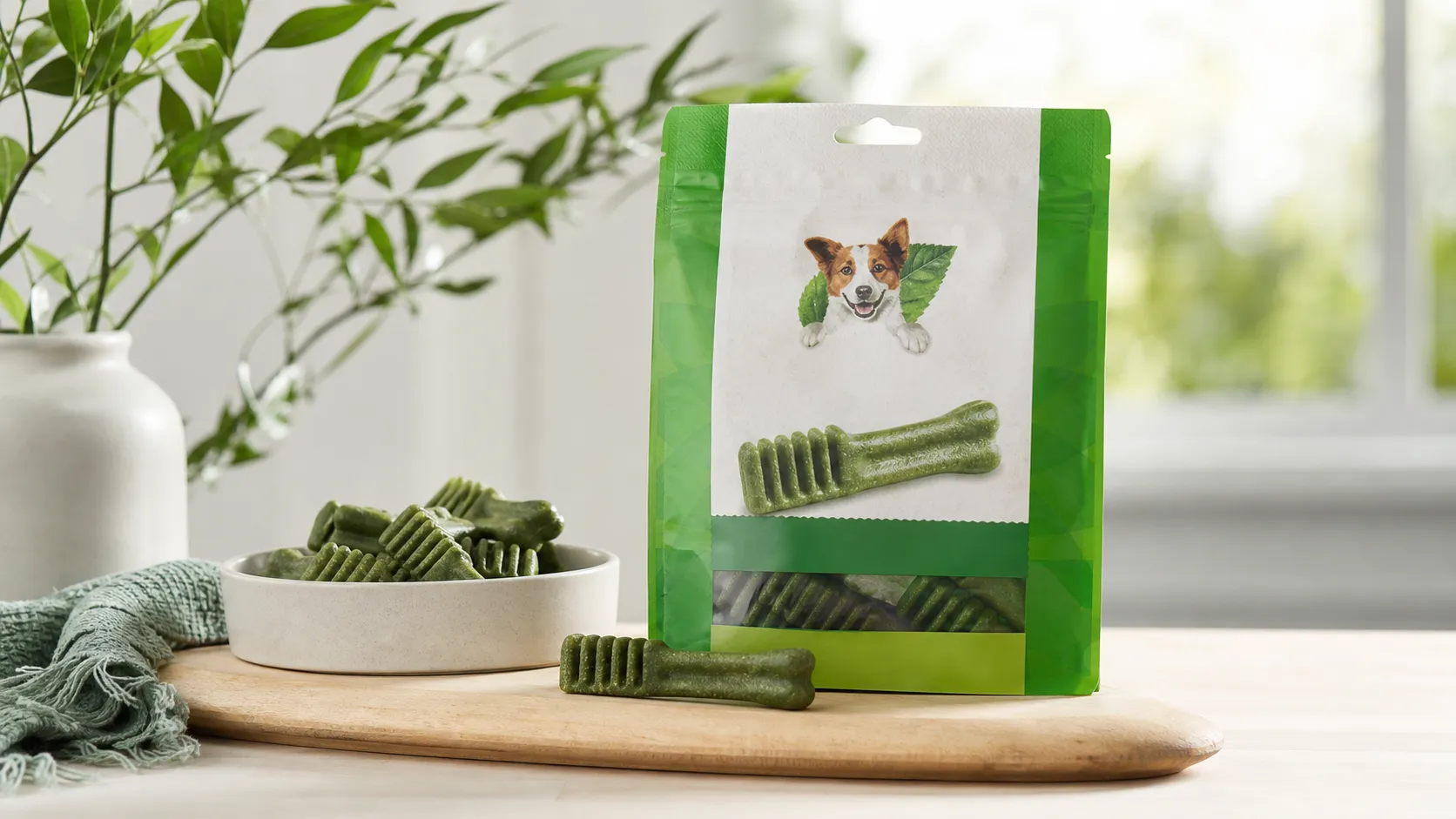
PetsGreenies Original Regular Dental Dog Treats Review 2026
A balanced look at Greenies Original Regular Dental Dog Treats: highly palatable and effective for fresher breath, but supervise and size-match due to rare choking risks.
 Pets
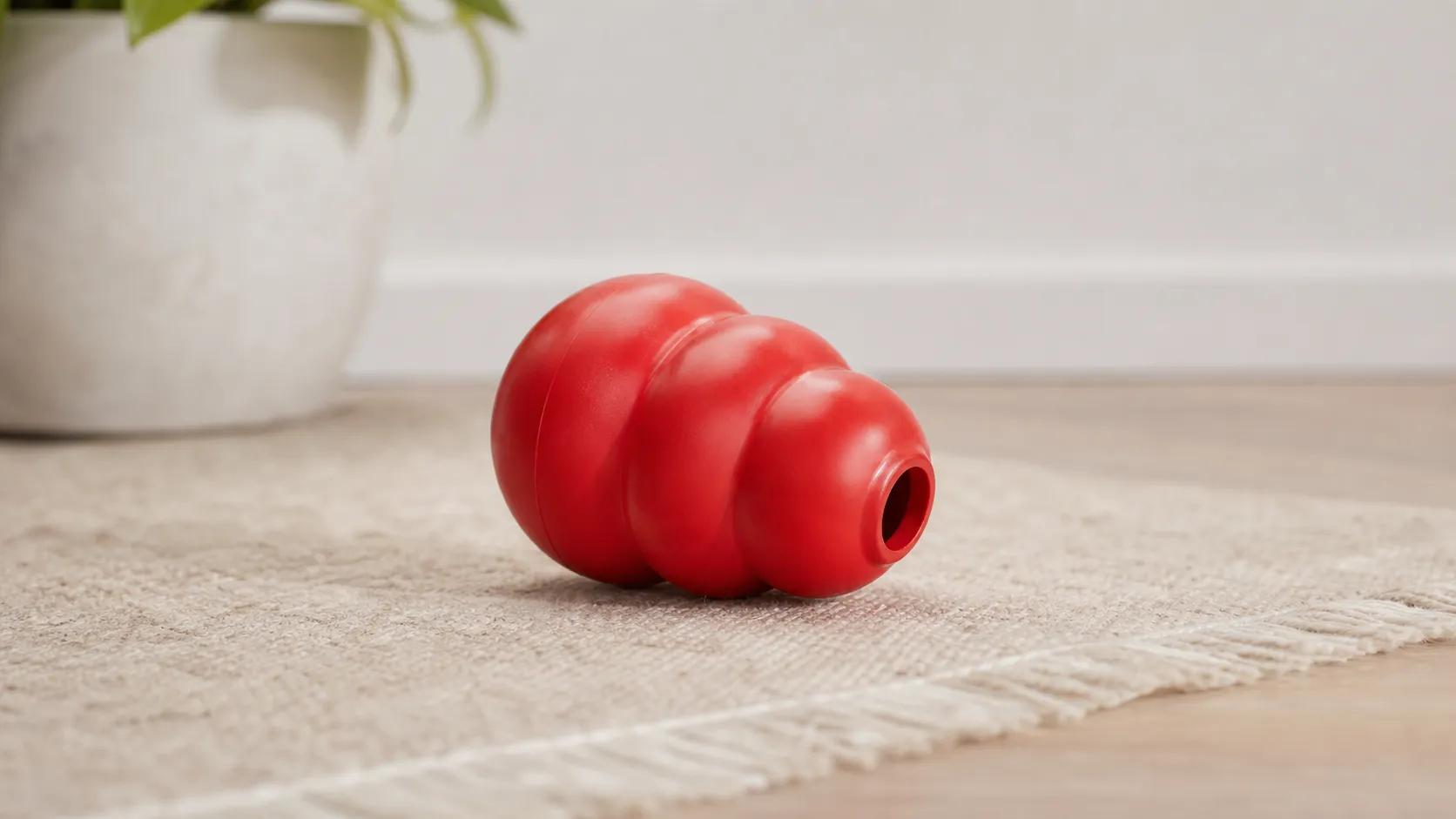
PetsKONG Classic Dog Toy - Large (Red) — 2026 Review
Durable, versatile and great for stuffing: the KONG Classic Dog Toy - Large (Red) scores 4.6/5 across ~28,700 reviews. Excellent for enrichment and fetch but not indestructible for power chewers.
 Pets
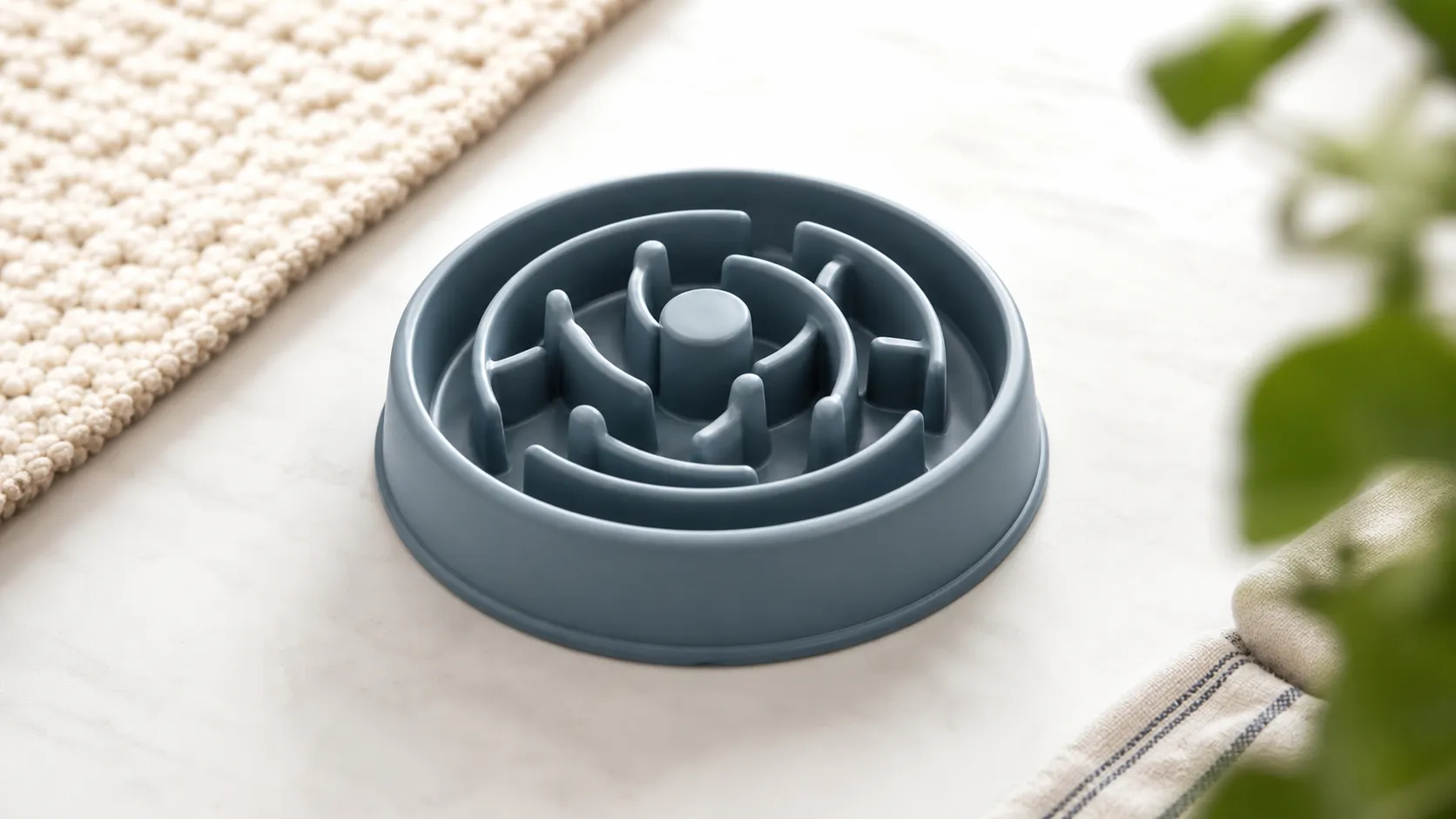
PetsOutward Hound Fun Feeder Review 2026
A budget-friendly slow feeder that reliably slows gulpers and adds mealtime enrichment. Great value but fiddly to clean and not for aggressive chewers.