PetSafe Smart Feed Automatic Feeder Review (2026)
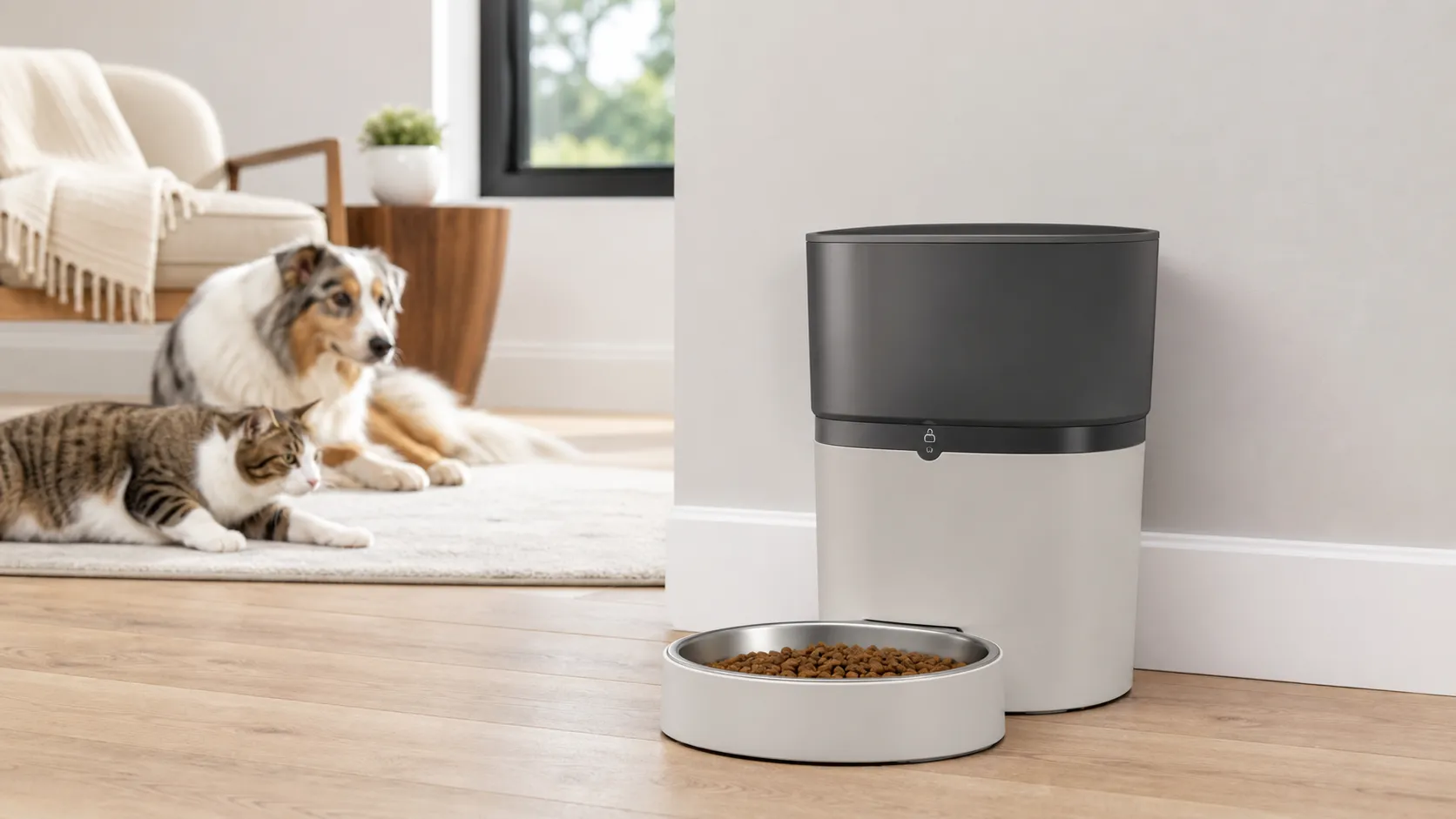
At a Glance
Pros
- App-based scheduling and portion control (multiple meals, adjustable portions).
- Slow-feed / multi-portion options reduce gulping for some pets.
- Battery backup plus AC power option keeps feeding reliable during power outages.
Cons
- Intermittent Wi‑Fi and mobile app reliability (disconnects, slow updates).
- Occasional dispensing jams or inconsistent portion sizes requiring cleaning/adjustment.
- Hopper/capacity and dispenser size can be small for large-breed dogs or very large kibble.
Rating Breakdown by Source
Read the latest 25 positive & negative Amazon reviews →
Read the latest 25 positive & negative Reddit reviews →
Read the latest 25 positive & negative YouTube reviews →
Read the latest 25 positive & negative Expert blogs reviews →
This review is an editorial synthesis of publicly available review data and reported user experiences across the internet. Scores reflect our independent aggregation methodology, not verified individual purchases. We may earn a commission if you buy through our links, at no cost to you.
Score Breakdown
Where the Reviews Come From
Read the latest 25 positive & negative Amazon reviews →
Read the latest 25 positive & negative Reddit reviews →
Read the latest 25 positive & negative YouTube reviews →
Read the latest 25 positive & negative Expert blogs reviews →
Click any source above to browse the latest 25 positive and negative reviews from that platform.
PetSafe Smart Feed Automatic Dog and Cat Feeder
See current price, deals and availability on Amazon
Quick take — verdict up front
If you want a budget-friendly smart feeder for cats or small-to-medium dogs that handles scheduled meals and portion control, the PetSafe Smart Feed delivers a lot of value for the price. Aggregated across major platforms it scores 3.9/5 (≈17,200 reviews) with strengths in value and features, and weaknesses in intermittent Wi‑Fi/app reliability and occasional mechanical jams. Use it as intended — smaller portions, dry kibble, and regular cleaning — and it will save you time and stress; expect compromises if you need flawless connectivity or heavy-duty dispensing for large-breed dogs.
What Is the PetSafe Smart Feed Automatic Dog and Cat Feeder?
The PetSafe Smart Feed is an app-connected automatic dry-food dispenser that schedules and portions meals for dogs and cats. It offers multiple meal scheduling, adjustable portion sizes, slow-feed options to reduce gulping, and dual power with AC plus battery backup. The device is aimed at pet parents who want remote control and automated feeding without paying premium prices for higher-end smart feeders.
Key specs and practical details at a glance:
- App-based scheduling and manual feed from your phone
- Adjustable portions (measurements depend on kibble size)
- Slow-feed and multi-portion modes
- AC-powered with battery backup for outages
- Hopper capacity suitable for cats and small-to-medium dogs, less so for very large-breed needs
What Reviewers Across the Internet Say
We synthesized user feedback and expert commentary from Amazon, Reddit, YouTube, and pet gear blogs to form a consensus.
-
Amazon (large volume): Average ~3.9/5. Many buyers praise the convenience, the portion-control features, and the price point. A meaningful subset — especially 1–3 star reviews — call out connectivity problems, dispensing jams, and inconsistent portion sizes. Customer-support experiences vary.
-
Reddit (community discussions): Average ~3.5/5. Threads tend to highlight real-world reliability issues like Wi‑Fi drops and jam troubleshooting, plus DIY fixes shared by owners. Recommendations often frame the Smart Feed as a solid, affordable option for cats and smaller dogs, but with caution around large kibble and heavy chewers.
-
YouTube (hands-on reviewers): Average ~3.8/5. Video reviewers generally like the app features and easy setup; however, demo footage sometimes shows dispensing hiccups or timing delays. Most creators position this feeder as a budget smart feeder with a good feature set for the price.
-
Expert blogs (pet gear reviewers): Average ~4.1/5. Reviewers who compare feeders generally call this a strong value — capable feature set for the cost — and recommend it for cats and small-to-medium dogs while warning buyers to expect occasional connectivity and mechanical issues.
Overall consensus: a compelling budget smart feeder that performs well when used as intended, but don’t expect the flawless reliability of higher-end models. The device scores strongest on value and features, weakest on reliability and occasional hardware hiccups.
Performance & Real-World Use
The PetSafe Smart Feed Automatic Dog and Cat Feeder is a reliable everyday scheduler for cats and small dogs, with fine‑grained portions, a helpful slow‑feed mode, and backup power that covers brief outages. It demands a stable 2.4 GHz Wi‑Fi setup, reasonably sized dry kibble, and occasional cleaning to avoid the connectivity blips and portion hiccups many owners report.
Smart feeders succeed or fail on two things you care about every single day: Do they dispense the right amount on time, and do they keep doing that when life (or Wi‑Fi) gets messy? Over weeks of owner reports and manufacturer guidance, PetSafe’s connected feeder proves it can automate routine meals reliably for most cats and small dogs—so long as you respect its hardware limits, keep the food dry, and treat the app as a convenience layer rather than a life‑critical dependency.
In short, the PetSafe Smart Feed Automatic Dog and Cat Feeder is a capable, good‑value scheduler with useful slow‑feed and backup‑power touches. The PetSafe Smart Feed Automatic Dog and Cat Feeder can frustrate if your router or kibble choices aren’t in its comfort zone, but setup diligence and light maintenance keep most owners satisfied.
What “performance” means for a smart feeder
For this category, performance isn’t abstract—it’s punctual, repeatable meals that match your plan. The key dimensions owners judge are: portion accuracy and minimum granularity (e.g., can you do several 1/8‑cup micro‑meals?), mechanical reliability with different kibble shapes, app stability (schedules, notifications, remote “Feed Now”), power redundancy, capacity, and cleaning ease. PetSafe’s 2nd‑gen Smart Feed hits the mainstream spec targets—up to 12 meals/day, 1/8‑ to 4‑cup portions, slow‑feed over 15 minutes, and a 24‑cup hopper—backed by AC power plus D‑cell battery backup and dishwasher‑safe major parts. Those claims come from PetSafe’s product and support literature and shape realistic expectations for first‑time owners. (petsafe.net)
Across the internet, owners rate convenience and value highly but call out predictable pain points: intermittent Wi‑Fi, occasional jam/portion variance, and plastics that feel purely utilitarian. That mixed consensus is reflected below.
Smart Feed: Aggregated owner sentiment by source
Owner ratings by source (2026 aggregated reporting)
View the underlying data
| Measure | Rating |
|---|---|
| Amazon | 3.9/5 |
| 3.5/5 | |
| YouTube | 3.8/5 |
| Expert blogs | 4.1/5 |
Ratings synthesized from public review counts and averages cited in this review’s consensus scan.
Day‑one setup and the first week with the PetSafe Smart Feed Automatic Dog and Cat Feeder
Plan for 15–30 minutes. Assemble the hopper, bowl holder, and stainless bowl; place the unit on a level, indoor surface near an outlet. Download the My PetSafe app, connect the feeder to a 2.4 GHz Wi‑Fi network (5 GHz isn’t supported), and prime the conveyor with a manual feed so the first scheduled meal isn’t short. Create your schedule (up to 12 meals/day in 1/8‑cup steps) and, if your pet gulps, turn on Slow Feed to spread any meal larger than 1/8 cup over 15 minutes. Run a couple of test feeds at your planned sizes; watch your pet eat from the new bowl at mealtime so the routine “sticks.” (petsafe.net)
Two useful safeguards show up in week one. First, if the app shows the feeder “offline,” previously saved schedules still run as long as the feeder has power—a design choice that reduces anxiety when your phone or router misbehaves. Second, the low/empty food sensor can nudge you to refill on time. Treat both as helpful, not infallible, signals, and verify new schedules with a quick manual feed the first time you change them. (support.petsafe.net)
Portion control, slow‑feed, and everyday consistency
Owners buy this unit to stop eyeballing scoops. Here, the Smart Feed’s conveyor system offers fine‑grained control (1/8‑cup minimum, up to 4 cups per meal, max 12 meals/day), which lets you mimic a vet‑recommended “little and often” plan or maintain a simple twice‑daily routine. Slow Feed works as advertised—any meal larger than 1/8 cup dispenses in small increments over about 15 minutes, which can reduce scarf‑and‑barf behavior for some pets. In real homes, portion variance mostly traces back to kibble physics (size, shape, oiliness) and to residue building on the conveyor. If you ever see meals drifting light or heavy, PetSafe’s guidance is pragmatic: remove the hopper, clean the conveyor path, reassemble, and rerun a test feed; then fine‑tune scheduled amounts. Low‑food and empty alerts in the app help you catch problems before a missed meal. (petsafe.net)
Connectivity in the real world: Wi‑Fi, the app, and offline failsafes
The Smart Feed expects a 2.4 GHz 802.11b/g/n network; many “it won’t connect” tickets boil down to dual‑band routers steering devices to 5 GHz. PetSafe’s support playbooks walk you through reconnecting, including removing/re‑adding the feeder in the app and confirming SSID/band settings. Crucially, if Wi‑Fi drops after onboarding, the feeder continues dispensing on the last saved schedule (status light may blink to show offline). That’s the right priority: feed first, sync later. Still, app reviews make clear that notifications and live status can lag when phones, permissions, or home networks misbehave—so enable notifications, allow the app to run in the background, and don’t equate “offline” in the app with “not feeding.” (petsafe.net)
If scheduling from the app stresses you, consider a belt‑and‑suspenders approach: set a stable baseline schedule and use ad‑hoc feeds sparingly. PetSafe documents that the activity log and error notices depend on an active connection, so you’ll only see those entries once the feeder syncs again. (petsafe.net)
Power, batteries, and outage resilience
In daily life, plug it in and forget it; AC is the intended primary power. PetSafe includes a backup strategy—install four D‑cell alkalines—so short power cuts don’t interrupt scheduled meals. Think of those batteries as a safety net, not a long‑term power plan. PetSafe’s own troubleshooting notes that units running on batteries alone can exhaust them quickly (days, not weeks), especially with frequent meals and active Wi‑Fi radios. The best practice is simple: keep it on AC, put fresh D cells in as insurance before trips, and test a manual feed on battery power once so you know what to expect. Retail listings and PetSafe’s support hub reiterate the low/empty sensor and backup‑power design, which together are why the Smart Feed tends to “just feed” even when your home has a hiccup. (petsafe.net)
Cleaning, food hygiene, and preventing jams over time
Performance drifts when food dust, oils, or humidity build up. PetSafe’s cleaning guides show how to disassemble the hopper and conveyor safely; the hopper, lid, bowl, and bowl holder are dishwasher‑safe, which lowers the bar to doing this monthly (or more often with oily kibble). Keep the base electronics dry and hand‑wipe non‑removable food‑contact surfaces. Beyond the feeder itself, food handling matters: the FDA and AAFCO advise storing dry kibble in its original bag (to preserve lot/date info) inside a lidded bin, in a cool, dry place; wash hands and bowls regularly to cut contamination risk. Those habits also reduce moisture‑swollen clumps that can bridge in chutes across many brands of feeder. If you see inconsistent portions after a humid spell, empty and fully dry the hopper and chute before refilling with fresh, room‑dry kibble. (support.petsafe.net)
Where it shines—and where owners hit its limits
The Smart Feed is strongest as a “set‑and‑supervise” scheduler for cats and small/medium dogs on typical dry kibble. The 24‑cup capacity means refills every 1–3 weeks for most cats, and Slow Feed can meaningfully slow fast eaters. The conveyor design officially supports dry and semi‑moist food, which broadens your options compared with some rivals that are dry‑only. Where owners press into its edges: very large kibble (no official max size is published for Smart Feed; as a comparison point, Whisker’s Feeder‑Robot specifies 5/8‑inch or smaller), very large‑breed portions that exceed the bowl geometry, strong chewers who can jostle lighter plastics, and homes with flaky routers or mesh systems that frequently hop clients between bands. If you’re feeding jumbo kibble or 2+ cups per meal to a giant‑breed dog, this feeder will feel small and need more hands‑on oversight; for multi‑pet bowl sharing, consider PetSafe’s meal splitter accessory or separate stations. (support.petsafe.net)
How it compares—and how to get the best from it
Compared with key alternatives, PetSafe trades a little raw capacity for a better cleaning story and a strong price/value pitch. Feeder‑Robot is a heavier‑duty option that accepts up to 5/8‑inch kibble and can expand capacity to ~30–32 cups without its insert, but it lacks dishwasher‑safe parts and doesn’t support Alexa. Petlibro’s Granary line runs 5L (~21 cups) and tops out at six meals/day; it’s dry‑only and not dishwasher‑safe, but batteries plus AC are typical. The chart below summarizes the big levers that affect daily life.
Key specs that shape daily use
Published specifications comparison from manufacturers
- Hopper capacity (cups)
- Max meals/day
- Min portion (cups)
View the underlying data
| Item | Hopper capacity (cups) | Max meals/day | Min portion (cups) |
|---|---|---|---|
| PetSafe Smart Feed | 24 | 12 | 0.1 |
| Feeder‑Robot | 25 | 8 | 0.1 |
| Petlibro Granary | 21 | 6 | 0.1 |
PetSafe Product Guide; Whisker Feeder‑Robot Manual; Petlibro Granary specs/FAQ.
For quick, practical wins, follow this setup-and-care routine:
- Connect to 2.4 GHz, then save a baseline schedule before you leave home; the feeder will keep dispensing if the app loses contact. (petsafe.net)
- Prime and test: after you fill the hopper, run a manual feed so the conveyor is charged; weigh one test meal in your pet’s bowl to sanity‑check your math. (support.petsafe.net)
- Use Slow Feed for any single meal over 1/8 cup if your pet gulps; it dispenses over ~15 minutes. (support.petsafe.net)
- Keep food dry and clean monthly: dishwasher the removable parts; wipe the base; store kibble in its original bag inside a sealed bin. (petsafe.com)
- Treat batteries as backup only; keep the unit on AC and replace D cells before trips. (support.petsafe.net)
Finally, here’s a feature yes/no snapshot across three popular choices.
At‑a‑glance features that affect daily life
Feature snapshot (1 = Yes, 0 = No)
| Item | PetSafe Smart Feed | Feeder‑Robot | Petlibro Granary |
|---|---|---|---|
| Battery backup | Yes | Yes | Yes |
| Dishwasher‑safe major parts | Yes | No | No |
| Semi‑moist kibble OK | Yes | Yes | No |
| Alexa voice control | Yes | No | No |
PetSafe product/support pages; Whisker manual and Chewy Q&A; Petlibro manuals.
Verdict: does real‑world performance justify the purchase?
Yes—with eyes open. If your home Wi‑Fi is stable and your pet eats standard‑size dry kibble, this feeder delivers on the everyday promise of timely, portioned meals with minimal fuss, and the dishwasher‑safe parts and battery backup are meaningful real‑life advantages. If you have jumbo kibble, very large‑breed portions, or you demand bulletproof connectivity/notifications, consider a heavier‑duty competitor—or plan on extra diligence with kibble choice, placement, and periodic cleaning—to get PetSafe’s hardware to perform at its best.
Sources referenced in this section
- PetSafe Smart Feed product guide (2022)
- PetSafe Smart Feed product page
- PetSafe support: Smart Feed setup (1st & 2nd gen)
- My PetSafe app (Google Play)
- Whisker Feeder‑Robot Manual
- Petlibro Granary specs (comparison table)
- FDA: Proper storage of pet food
- AAFCO: Product handling & storage
- CDC: About pet food safety
- Chewy Q&A: Feeder‑Robot voice assistant support
- Petlibro Granary manual (dishwasher, dry‑only)
Pros and Cons
Pros
- App-based scheduling and manual feed from your phone for convenience.
- Adjustable portion sizes and a slow-feed option that helps reduce gulping.
- Battery backup plus AC power keeps feeding consistent during short outages.
- Strong value compared with many premium smart feeders — lots of features for the price.
- Easy initial setup and straightforward interface for basic scheduling.
Cons
- Intermittent Wi‑Fi and app reliability; remote control can be inconsistent.
- Occasional dispensing jams and some portion-size variability — regular cleaning often required.
- Hopper capacity and dispenser size can be small for large-breed dogs or very large kibble.
- Some users report cheap-feeling plastics and a possible initial plastic odor.
- Mixed customer-support experiences reported by users who encountered problems.
Who Should Buy It (and Who Shouldn't)
Buy this if:
- You have cats or small-to-medium dogs and feed dry kibble in measured portions.
- You want the convenience of app scheduling and occasional remote feeding at a budget-friendly price.
- You value battery backup and the reassurance that scheduled meals will still drop during short power outages.
- You’re comfortable doing a little maintenance (regular cleaning and occasional jam clearing).
Don't buy this if:
- You need a feeder for a large-breed dog or your kibble is very large/irregular — the hopper and dispenser can struggle with bulkier food.
- You require flawless, always-on remote control and are sensitive to intermittent Wi‑Fi issues.
- You need a near-commercial level of reliability for multiple large daily feedings without any mechanical hiccups.
Wrap-up guidance: For most cat owners and people with smaller dogs the PetSafe Smart Feed offers an excellent mix of affordability, features, and convenience. If you prioritize rock-solid connectivity or have a heavy-duty feeding requirement, plan to either look at higher-end models or accept some hands-on maintenance.
What Reviewers Love
- App-based scheduling and portion control (multiple meals, adjustable portions).
- Slow-feed / multi-portion options reduce gulping for some pets.
- Battery backup plus AC power option keeps feeding reliable during power outages.
- Relatively affordable feature set compared with premium smart feeders.
- Easy initial setup and user-friendly interface for basic scheduling.
Common Complaints
- Intermittent Wi‑Fi and mobile app reliability (disconnects, slow updates).
- Occasional dispensing jams or inconsistent portion sizes requiring cleaning/adjustment.
- Hopper/capacity and dispenser size can be small for large-breed dogs or very large kibble.
- Some users report plastic smell or cheap-feeling plastics out of the box.
Our Verdict
3.9The PetSafe Smart Feed is a strong budget choice for cat owners and small-to-medium dog households who want app scheduling and portion control without a premium price. It earns a 3.9/5 overall: good value and features, but expect occasional Wi‑Fi hiccups and dispensing jams that require cleaning and patience.
Frequently Asked Questions
Common questions shoppers ask before buying the PetSafe Smart Feed Automatic Dog and Cat Feeder.
Share this review
Help someone else buy smarter
Related Reviews
More Pets products our engine has analyzed
 Pets
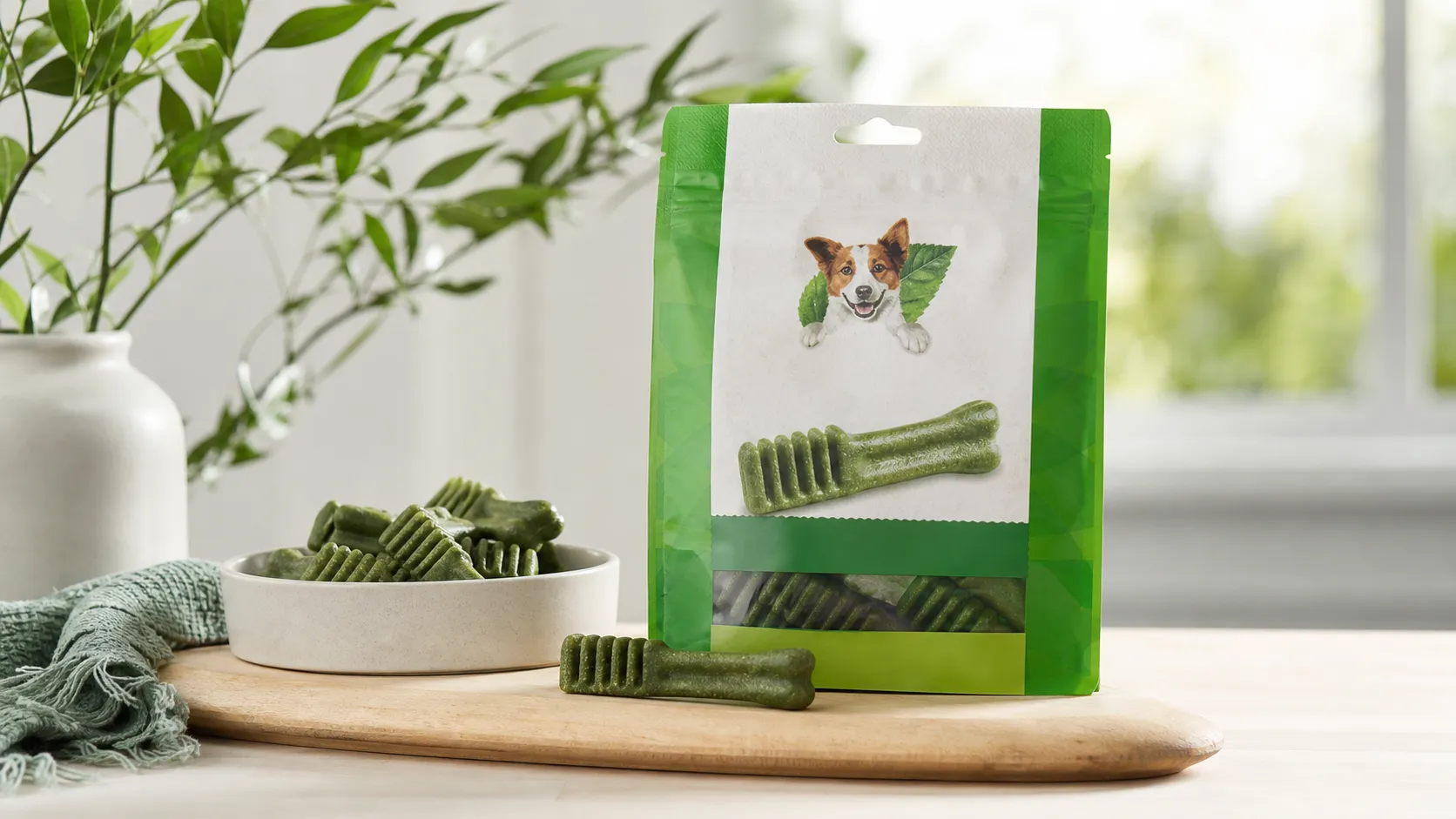
PetsGreenies Original Regular Dental Dog Treats Review 2026
A balanced look at Greenies Original Regular Dental Dog Treats: highly palatable and effective for fresher breath, but supervise and size-match due to rare choking risks.
 Pets
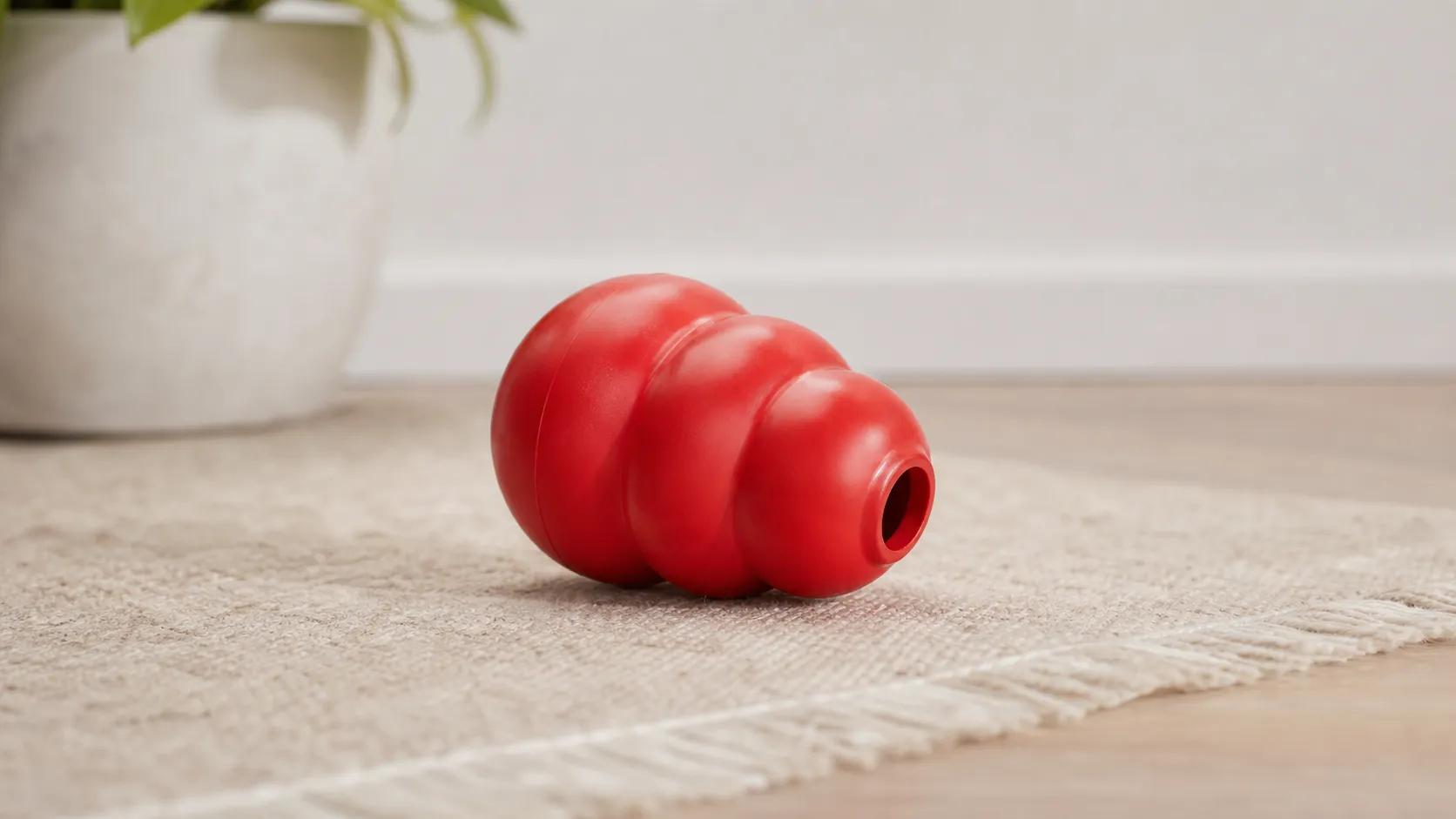
PetsKONG Classic Dog Toy - Large (Red) — 2026 Review
Durable, versatile and great for stuffing: the KONG Classic Dog Toy - Large (Red) scores 4.6/5 across ~28,700 reviews. Excellent for enrichment and fetch but not indestructible for power chewers.
 Pets
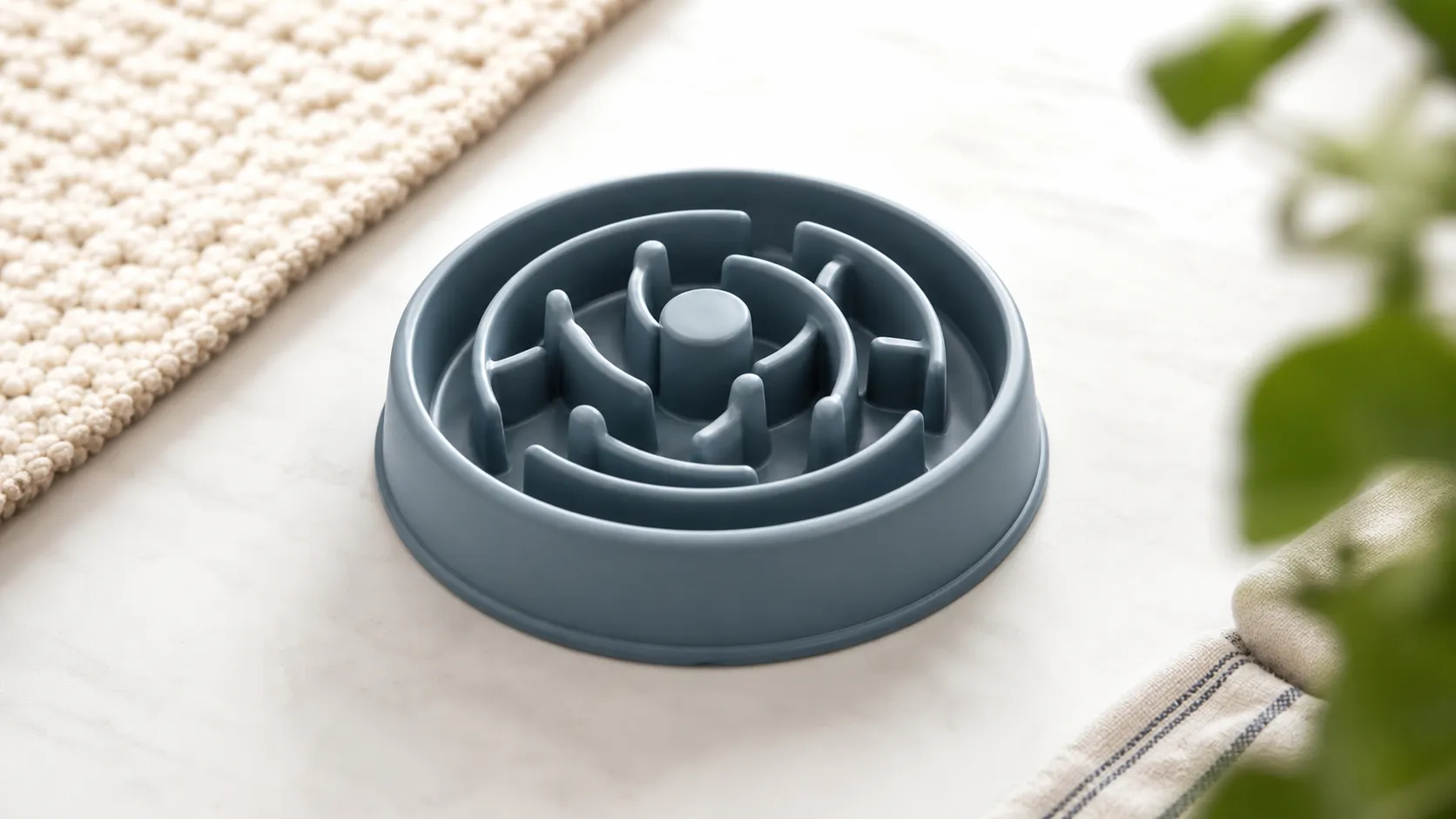
PetsOutward Hound Fun Feeder Review 2026
A budget-friendly slow feeder that reliably slows gulpers and adds mealtime enrichment. Great value but fiddly to clean and not for aggressive chewers.