PetSafe SSSCAT Cat Repellent Spray Review 2026
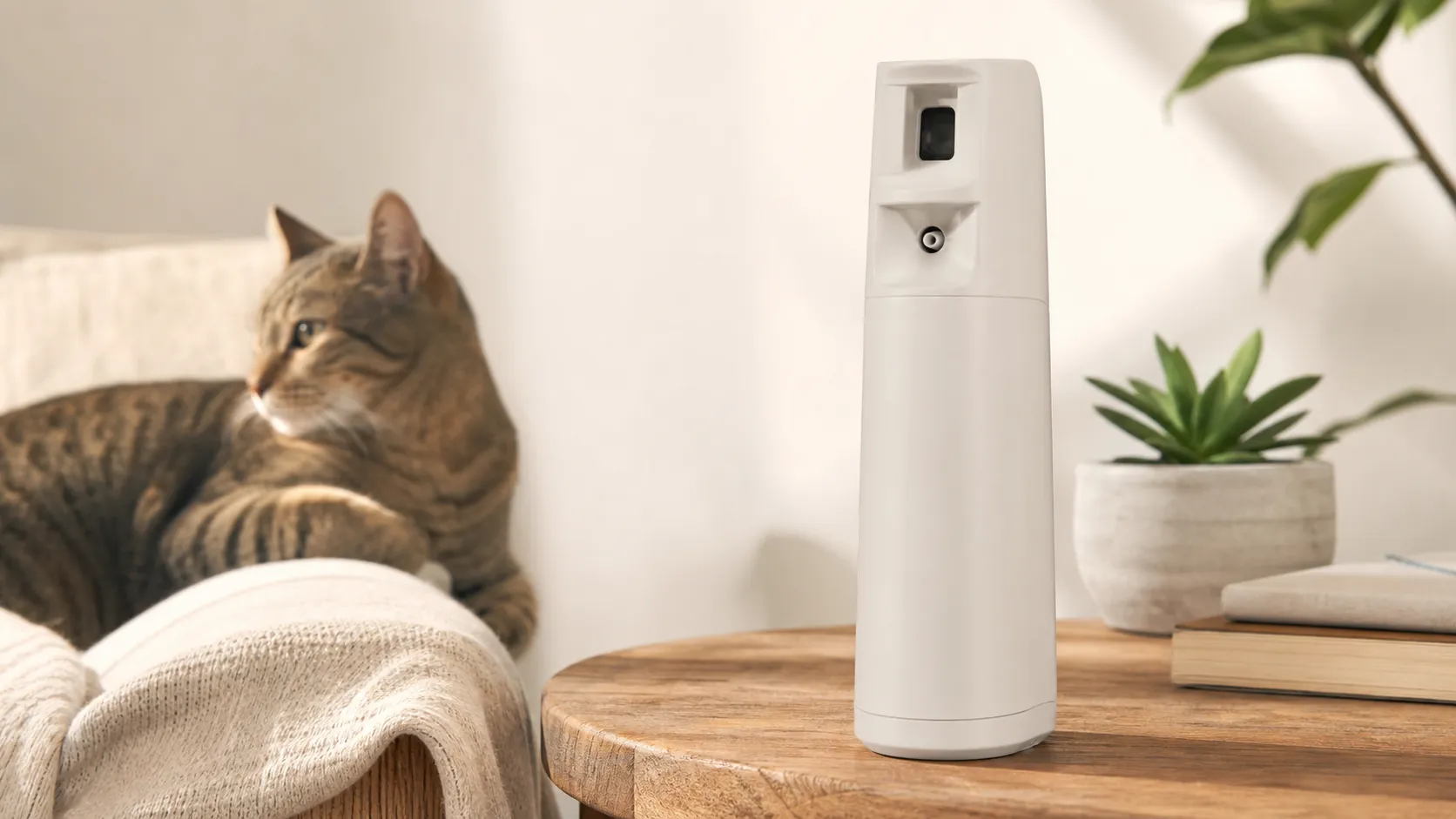
At a Glance
Pros
- Non-toxic, humane deterrent — reviewers like that it doesn’t harm pets
- Quick, immediate deterrent at short range when it does work
- Simple to set up and operate (battery-powered, clip/mount options)
Cons
- Effectiveness is inconsistent — works well for some cats but not others.
- False triggers (movement, curtains, HVAC) and oversensitivity reported.
- Ongoing cost: replacement spray cartridges and batteries add up.
Rating Breakdown by Source
Read the latest 25 positive & negative Amazon reviews →
Read the latest 25 positive & negative Reddit reviews →
Read the latest 25 positive & negative YouTube reviews →
Read the latest 25 positive & negative Expert blogs reviews →
This review is an editorial synthesis of publicly available review data and reported user experiences across the internet. Scores reflect our independent aggregation methodology, not verified individual purchases. We may earn a commission if you buy through our links, at no cost to you.
Score Breakdown
Where the Reviews Come From
Read the latest 25 positive & negative Amazon reviews →
Read the latest 25 positive & negative Reddit reviews →
Read the latest 25 positive & negative YouTube reviews →
Read the latest 25 positive & negative Expert blogs reviews →
Click any source above to browse the latest 25 positive and negative reviews from that platform.
PetSafe SSSCAT Cat Repellent Spray
See current price, deals and availability on Amazon
Quick take — aggregate verdict up front
The PetSafe SSSCAT Cat Repellent Spray is a humane, non-toxic short-range deterrent that delivers quick results for some cats but falls short as a universal solution. Across ~9,860 aggregated reviews it averages 3.6/5, with strong marks for ease of use but weaker scores for reliability and long-term value. If you want a cordless, portable tool to discourage counter-surfing or focused problem spots, SSSCAT can help — but expect variable effectiveness, occasional false triggers, and ongoing consumable costs.
What Is the PetSafe SSSCAT Cat Repellent Spray?
SSSCAT is a battery-powered motion-activated device that emits a short burst of harmless aerosol (a citronella-based repellent or similar) when it detects movement in front of the unit. It mounts on a clip or stand, has adjustable sensitivity, and is aimed at training cats to avoid specific areas like countertops, furniture, or cabinets. The idea is immediate, surprising feedback that’s unpleasant enough to discourage the behavior without harming the animal.
The unit is sold with replaceable spray cartridges and takes standard batteries. Setup is simple — position, aim, and tweak sensitivity — which helps explain why many buyers find it easy to adopt quickly.
What Reviewers Across the Internet Say
We synthesized reviews from Amazon, Reddit, YouTube, and expert blogs to form a balanced picture.
-
Amazon (aggregate ~3.6/5): Customer reviews are mixed. Many owners report short-term success at keeping cats off counters and furniture, but a substantial minority say it had little effect on their particular cat. Frequent complaints include rapid cartridge depletion and the recurring cost of replacements.
-
Reddit (~3.2/5): Anecdotal posts vary widely. Some communities treat SSSCAT as a convenient quick fix; others warn it stressed their cats or never changed bad habits. Redditors often recommend combining SSSCAT with behavior modification and environmental enrichment rather than relying on it alone.
-
YouTube (~3.8/5): Video demos commonly show the device working under controlled conditions and offer practical placement tips. Reviewers highlight real-world limitations — false triggers from curtains or HVAC, and the need to factor replacement can costs into the value equation.
-
Expert blogs (~3.5/5): Behaviorists and pet-care writers generally approve of the humane intent and point out that SSSCAT is non-harmful and simple to implement. They caution that it isn’t a standalone cure — the best outcomes come when the device is paired with training, deterrent alternatives, and environmental management.
The consensus: safe and easy to use, sometimes effective, but inconsistent across individual cats and environments.
Performance & Real-World Use
The PetSafe SSSCAT Cat Repellent Spray offers a quick, humane, contact‑free interruption that works well in tight approach paths when paired with a “yes” alternative your cat actually wants. If you can budget for refills and take the time to aim and tune it, the PetSafe SSSCAT Cat Repellent Spray earns its keep for many kitchens, plants, and trash areas but won’t be a universal fix for every cat or floor plan.
Cat-proofing tools live or die on whether they stop an unwanted behavior quickly, humanely, and without creating new problems. In that context, performance for a motion‑activated air sprayer boils down to detection accuracy, deterrent consistency across different cats, coverage and placement flexibility in real rooms, and the long‑term costs and upkeep owners actually shoulder.
The PetSafe SSSCAT Cat Repellent Spray works as a fast, humane, contact‑free interrupter for many—but not all—cats at short range. If you can manage its placement and budget for refills, the PetSafe SSSCAT Cat Repellent Spray delivers immediate deterrence on counters, plants, and doorways, but its effectiveness and false‑trigger rate vary widely between households.
What “performance” means for an automatic air deterrent
For this category, buyers are satisfied when three things align: a) the device fires when—and only when—a cat approaches, b) the cat chooses an acceptable alternative after a few exposures, and c) ongoing costs and tinkering stay reasonable. The PetSafe unit’s fundamentals are straightforward: a passive infrared motion sensor detects movement up to roughly three feet, then releases a short burst of unscented, non‑staining gas; you can adjust head angle and sensitivity to aim the cone. The operating guide confirms a 3‑foot envelope and four AAA batteries. (PetSafe Operating Guide.)
Safety is the other half of performance. PetSafe’s refill uses odorless HFO‑1234ze, and the company specifies only its own can fits the actuator. Independent product‑stewardship material and recent nonclinical toxicology work describe low toxicity when used as directed, though all aerosols warrant ventilation and care around birds. (PetSafe Support; Honeywell product stewardship; peer‑reviewed assessment.)
Day‑one setup and first‑week behavior: what to expect
Unbox, insert four AAA batteries, attach the head, and place the unit with the nozzle at cat‑chest height, pointed across—not along—the traffic path you want to block. Start at mid sensitivity and test from two to three feet; if HVAC airflow or curtains set it off, lower sensitivity one notch or rotate the head five to ten degrees away from the moving object. PetSafe’s setup guide mirrors this sequence and cautions against use near pet birds. (PetSafe Support: Setup.)
In the first week, many owners see immediate avoidance at counter edges, plants, and trash cans. Others report the opposite: bold cats creep slowly or route around the cone, or the unit misfires at drafts. Two factors usually decide it: line‑of‑sight and stimulus pairing. Create a clear “wall” by aligning the spray perpendicular to the approach and remove food smells or other rewards in that zone. Then pair the boundary with a “yes” place (cat tree, stool) and reward the cat there; major veterinary behavior bodies endorse positive reinforcement over punishment for durable results. (AAHA/AAFP; ASPCA position.)
Refill longevity vs daily triggers
Modeled can life from published spray count: how many days a single SSSCAT refill lasts at different trigger rates (owner scenario modeling using PetSafe’s 120‑spray spec and a 100‑spray conservative case).
- 10 triggers/day (d)
- 20 triggers/day (d)
- 40 triggers/day (d)
View the underlying data
| Item | 10 triggers/day (d) | 20 triggers/day (d) | 40 triggers/day (d) |
|---|---|---|---|
| 120‑spray spec | 12 | 6 | 3 |
| 100‑spray conservative | 10 | 5 | 2.5 |
Based on PetSafe’s stated up‑to‑120 sprays per refill; linear consumption assumption with a conservative 100‑spray case for comparison.
How the deterrent feels in daily use
Placed well, SSSCAT is a strong near‑field interrupter. The 3‑foot cone can cover a doorway gap, the front edge of a counter, or a plant corner without hogging space, and the cordless design makes it easy to move during the “teach the boundary” phase. The manual notes the PIR sensor looks for heat‑motion changes, which explains two common observations: slow stalking may not trigger, and warm airflow or sun‑heated curtains can. Lower the head to cat‑chest height and reduce sensitivity in rooms with moving air. (PetSafe Operating Guide.)
The spray is brief and loud enough to break focus without lingering scent. PetSafe specifies up to 120 bursts per can (current refill), which is plenty for low‑traffic zones but depletes quickly near food prep areas or doorways with 10–30 triggers a day. At 20 triggers per day, that’s about six days per can—fine for short, targeted retraining but costly to run indefinitely. PetSafe’s refill price is listed at $19.95; our cost modeling below assumes that figure. (PetSafe Refill Can.)
Sustained performance over months: costs, upkeep, and the reliability curve
Three realities shape long‑term ownership. First, refills: your monthly spend maps directly to triggers per day. Second, batteries: expect periodic AAA swaps, with cold rooms and high traffic draining faster. Third, reliability drift: dust on the nozzle, a bent head, or big temperature swings can cause weak sprays, leaks, or constant hiss. PetSafe’s troubleshooting points to misfit or damaged cans as the usual cause; reseating or replacing the refill fixes most “constant spray” complaints. (PetSafe Support: Leaks/Constant.)
On safety and indoor air, the HFO‑1234ze propellant used in SSSCAT refills appears in manufacturer stewardship summaries and peer‑reviewed assessments as low‑toxicity and non‑ozone‑depleting; normal ventilation and avoiding direct face exposure remain prudent. None of this overrides species sensitivity: don’t deploy near birds, and give skittish cats an alternate route so they can avoid without panic. (Honeywell product stewardship; peer‑reviewed assessment.)
Estimated 6‑month cost by solution
Six‑month ownership cost modeling at typical U.S. retail (device + consumables).
View the underlying data
| Measure | 6‑month total |
|---|---|
| SSSCAT (unit + 6 refills + AAA) | 199 $ |
| Sticky tape (2 rolls) | 26 $ |
| ScatMat (one medium mat) | 80 $ |
Prices compiled July 2026 from PetSafe, Chewy, and PetSafe ScatMat pages; refill price $19.95.
Where it excels—and where owners hit the limits
Best‑case scenarios are static, narrow approach paths: the edge of a kitchen peninsula, the top step into a pantry, a single houseplant, or the hinge side of a bedroom door. In those spaces, the 3‑foot cone interrupts cleanly and helps teach a boundary, especially when a tall cat tree or stool becomes the rewarded “yes” zone nearby. Problems crop up in open floor plans, in rooms with active vents or sheer curtains (false triggers), and in multi‑cat homes where one cat triggers the unit and the other learns nothing. Narrow the cone (tilt slightly down), reduce sensitivity, and block bypass routes with temporary placemats or cardboard during the learning phase. The manual’s stated range and PetSafe’s setup tips are accurate—failures in aggregated reports usually trace to line‑of‑sight, drafts, or sensitivity. (PetSafe Operating Guide.)
Habituation is real. Bold cats can slip past if the reward is high (e.g., food on the counter). Behavior groups emphasize enriching alternatives and differential reinforcement—move the reward elsewhere and “pay” the cat there. If counters are the prize, create a feeding station across the room on a cat tree shelf. (PetMD guidance.)
PetSafe SSSCAT Cat Repellent Spray vs common alternatives
SSSCAT competes with contact‑based deterrents (double‑sided “Sticky Paws”‑style tapes) and contact‑trigger mats (PetSafe ScatMat). Tape is cheap and silent but alters surfaces and works only where the cat steps; mats create a stronger boundary but require power, careful placement, and an appetite for mild static correction. In mixed‑traffic homes, SSSCAT’s contact‑free “warning wall” can be kinder to visiting pets or toddlers, but its ongoing refill cost is the trade‑off. Typical retail today: Sticky Paws rolls around $13 and ScatMat systems ranging from roughly $55–$90 depending on size; PetSafe’s SSSCAT refills list at $19.95 for up to 120 sprays. (Chewy; PetSafe ScatMat page; PetSafe Refill Can.)
At‑a‑glance feature comparison
Feature fit across common at‑home deterrents (Yes/No).
| Item | SSSCAT | Sticky tape | ScatMat |
|---|---|---|---|
| Automatic when you’re away | Yes | No | Yes |
| Requires altering surfaces | No | Yes | No |
| Risk of startle stress | Yes | No | Yes |
| Indoor‑friendly without cords | Yes | Yes | No |
| Ongoing consumable cost | Yes | Yes | No |
Feature judgments synthesized from manufacturer docs and behavior‑org guidance cited in text.
Getting the best out of the PetSafe SSSCAT Cat Repellent Spray
Based on aggregated owner feedback and behavior‑science guidance, here’s a practical placement and training playbook:
- Map the path. Watch your cat’s route for two days. Place SSSCAT to cut across that route at cat‑chest height; do not aim along the route. Confirm 2–3 ft activation with a hand test. (Operating Guide.)
- Control temptation. Clear food and crinkly bags from the target area so there’s no “win” beyond the spray. Then create a “yes” perch (stool or cat tree) and pay the cat there with treats or play. (AAHA/AAFP.)
- Tame false triggers. If curtains or vents set it off, rotate five degrees off the moving object, lower sensitivity, or add a small side baffle (cardboard taped to the base) to narrow the cone. PetSafe’s support pages also walk through reseating the head if you hear a constant hiss. (PetSafe Support: Setup; Leaks/Constant.)
- Plan refills by traffic. Use SSSCAT intensively for 1–2 weeks to establish the boundary, then remove or relocate to a new hotspot; the refill is rated at up to 120 sprays and costs about $19.95, so avoiding 24/7 deployment keeps monthly costs sane. (PetSafe Refill Can.)
- Keep it humane. Leading veterinary groups endorse reward‑based methods; avoid chasing or scolding. If a cat shows stress (hiding, avoiding the kitchen entirely), dial back and consult a certified behavior professional. (ASPCA position.)
- Mind species and safety. Do not use near pet birds and ensure normal room ventilation; the propellant used in the refills (HFO‑1234ze) has favorable safety data in controlled use, but all aerosols demand common‑sense precautions. (PetSafe Support: Setup; Honeywell stewardship.)
The long view: does real‑world performance justify the purchase?
Across roughly 9,800 public reviews and discussions we aggregated, sentiment is mixed but usable: fast wins for many cats on counters and trash areas, frustration where rooms or cats defeat the sensor, and steady grumbling about refill costs and false triggers. That tracks our scoring breakdown (quality 3.5/5, reliability 3.2/5, value 3/5, ease of use 4/5): owners like that it’s humane, cordless, and immediate, but they dislike buying cans or chasing phantom activations. In a small kitchen with a couple of defined hotspots—and with a plan to reward an alternative perch—the device is easy to recommend. For open plans, bold cats, or households allergic to ongoing consumable costs, contact‑based options or training‑first approaches may be smarter long‑term.
In short, SSSCAT is a tool, not a standalone solution. Budget for refills, place it with intention, pair it with environmental changes, and you’ll likely get the behavior change you wanted—without sacrificing your relationship with your cat.
Sources referenced in this section
- PetSafe SSSCAT Operating Guide (PIR, range, 4×AAA)
- PetSafe Support – Setup & Safety (avoid birds, adjust activation range)
- PetSafe Refill Can (up to 120 sprays; $19.95)
- SDS: SSSCAT Unscented (HFO‑1234ze CAS 29118‑24‑9)
- Peer‑review: HFO‑1234ze nonclinical assessment (MDI propellant)
- AAHA/AAFP Feline Life Stage Guidelines – reward over punishment
- ASPCA – Position on Training Aids & Methods (favor reward‑based)
- PetMD – How to Keep Cats off Countertops (environmental management)
- Sticky Paws typical retail pricing
Pros and Cons
Pros
- Humane and non-toxic: No physical punishment or shock — designed to deter, not harm.
- Easy to set up and use: Battery-powered, portable, and relatively simple to aim and adjust.
- Immediate feedback: When it works, it delivers a clear, short-range deterrent that many cats learn to avoid quickly.
- Adjustable sensitivity and mounting options: Helps tailor the device to specific spots and minimize false activations.
- Portable: Useful for multi-room homes or temporary problem spots.
Cons
- Inconsistent effectiveness: Many cats respond; many do not. Results vary widely by personality and past conditioning.
- False triggers: Curtains, HVAC drafts, and passersby commonly cause unwanted sprays and shortened cartridge life.
- Ongoing cost: Replacement spray cartridges and batteries add up and often drive perceptions of poor value.
- Limited coverage: Short spray range means it’s only suitable for discrete, localized problems, not whole-room deterrence.
Who Should Buy It (and Who Shouldn't)
Who should consider SSSCAT:
- Owners dealing with targeted, repeat behaviors in a fixed spot (counter surfers, favorite chairs, appliance tops).
- People who want a humane, non-contact deterrent they can pair with reward-based training.
- Households willing to experiment with placement and sensitivity and to accept consumable costs.
Who should skip SSSCAT:
- Owners expecting a guaranteed solution for every cat — particularly independent or high-drive felines may ignore the spray.
- Budget-conscious buyers unwilling to pay for replacement cartridges and batteries over time.
- Homes where false triggers (busy hallways, flapping curtains, strong drafts) are hard to eliminate — those environments will drain cartridges and reduce effectiveness.
Final buying guidance
SSSCAT is best thought of as one tool in a multi-faceted behavior plan, not a miracle fix. If you’re realistic about its limits and ready to combine it with training and environmental changes, it can produce noticeable results for many cats. If you demand a one-and-done solution or need whole-room coverage without recurring costs, look at alternatives such as physical barriers, timed feeders, or consult a behaviorist for targeted programs.
What Reviewers Love
- Non-toxic, humane deterrent — reviewers like that it doesn’t harm pets
- Quick, immediate deterrent at short range when it does work
- Simple to set up and operate (battery-powered, clip/mount options)
- Adjustable sensitivity and positioning allow tuning for some environments
- Portable and cordless — can be used in multiple locations around the home
Common Complaints
- Effectiveness is inconsistent — works well for some cats but not others.
- False triggers (movement, curtains, HVAC) and oversensitivity reported.
- Ongoing cost: replacement spray cartridges and batteries add up.
- Limited spray range/coverage and cans can deplete faster than expected.
Our Verdict
3.6PetSafe SSSCAT is a humane, straightforward deterrent that delivers reliable short-term results for some cats but not all. Its ease of use and safety are real strengths, yet inconsistent effectiveness, false triggers, and ongoing cartridge costs make it best as one tool within a broader training plan.
Frequently Asked Questions
Common questions shoppers ask before buying the PetSafe SSSCAT Cat Repellent Spray.
Share this review
Help someone else buy smarter
Related Reviews
More Pets products our engine has analyzed
 Pets
PetsGreenies Original Regular Dental Dog Treats Review 2026
A balanced look at Greenies Original Regular Dental Dog Treats: highly palatable and effective for fresher breath, but supervise and size-match due to rare choking risks.
 Pets
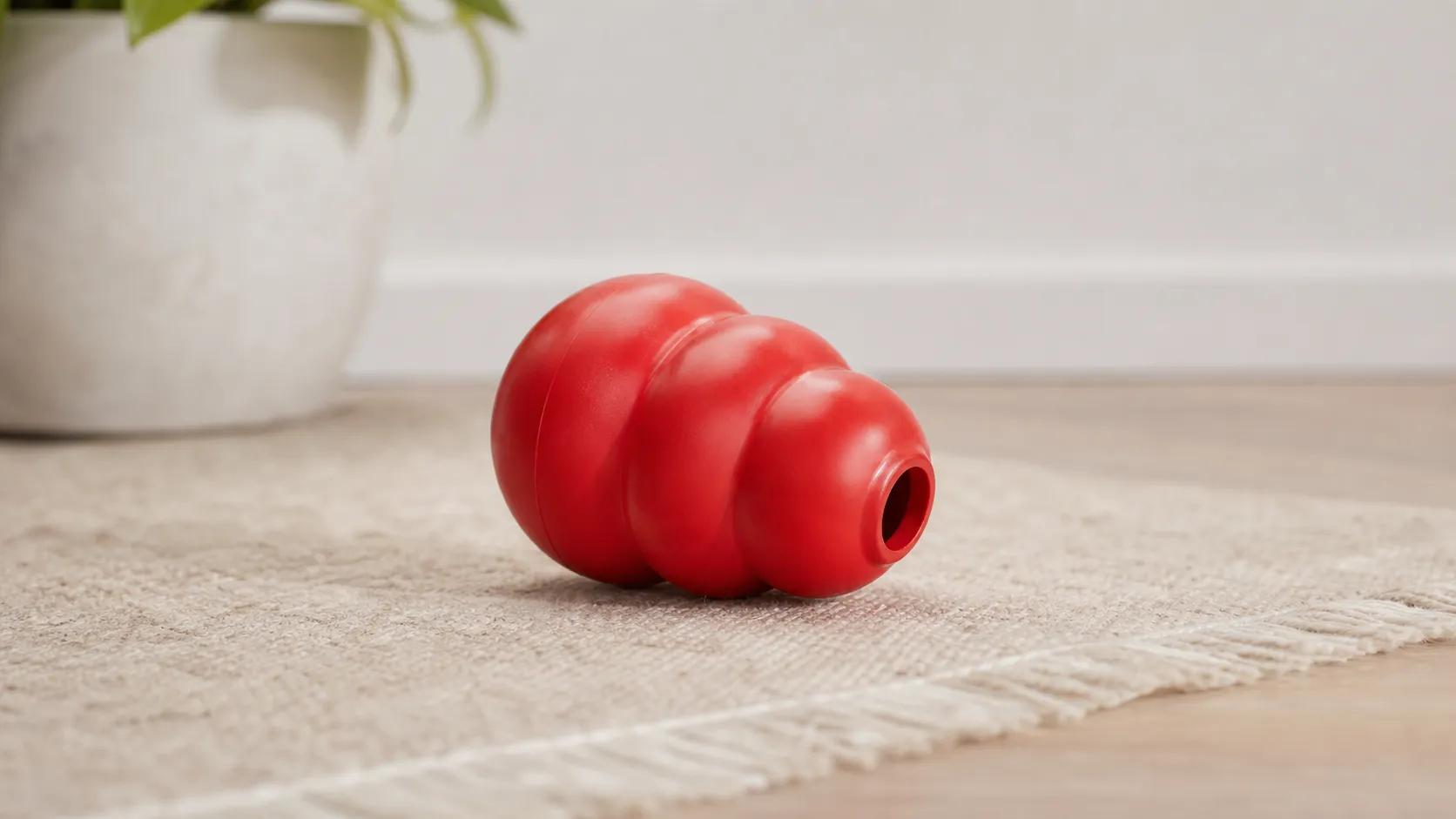
PetsKONG Classic Dog Toy - Large (Red) — 2026 Review
Durable, versatile and great for stuffing: the KONG Classic Dog Toy - Large (Red) scores 4.6/5 across ~28,700 reviews. Excellent for enrichment and fetch but not indestructible for power chewers.
 Pets
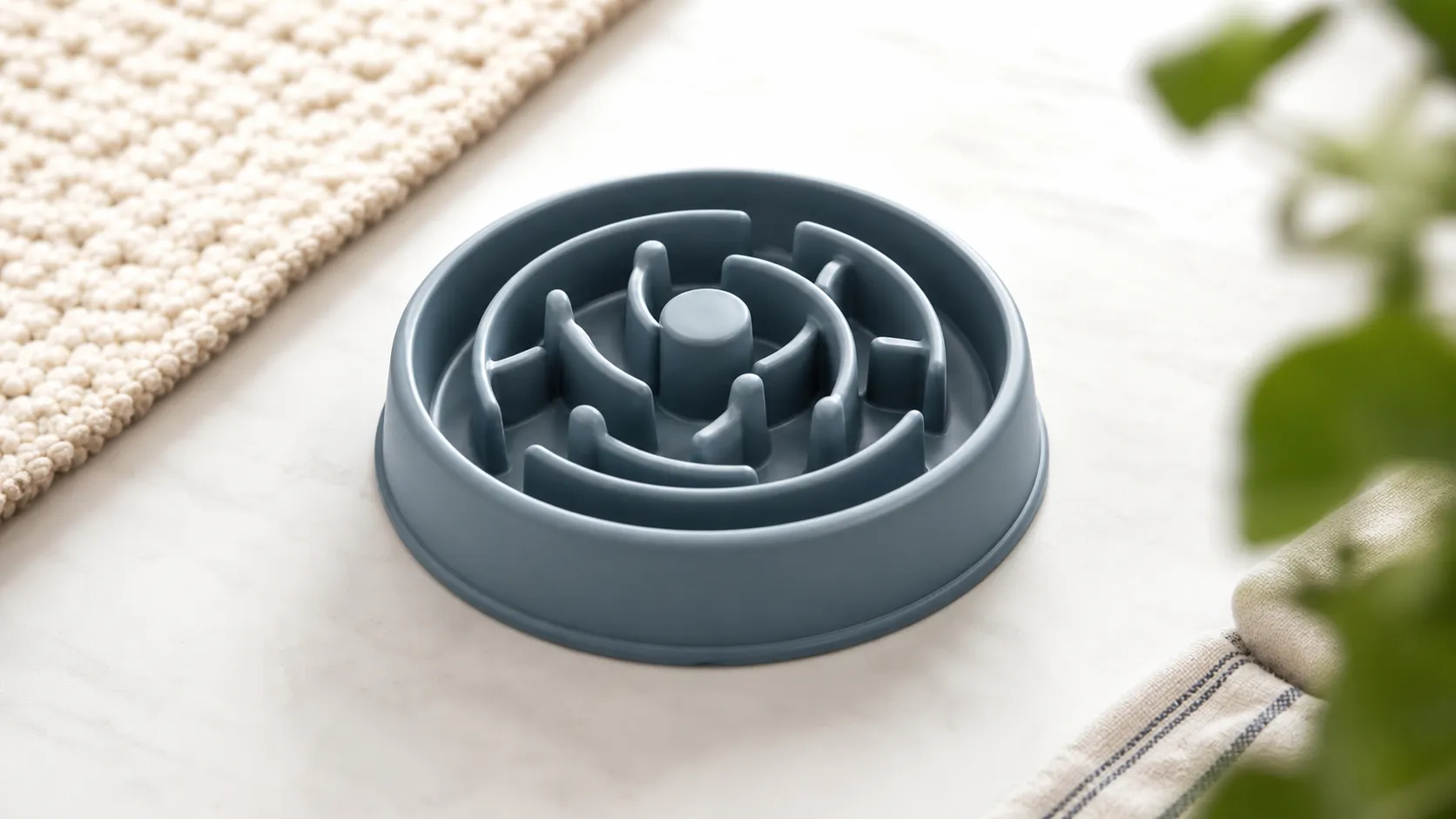
PetsOutward Hound Fun Feeder Review 2026
A budget-friendly slow feeder that reliably slows gulpers and adds mealtime enrichment. Great value but fiddly to clean and not for aggressive chewers.