Samsung Galaxy Watch 5 Review 2026
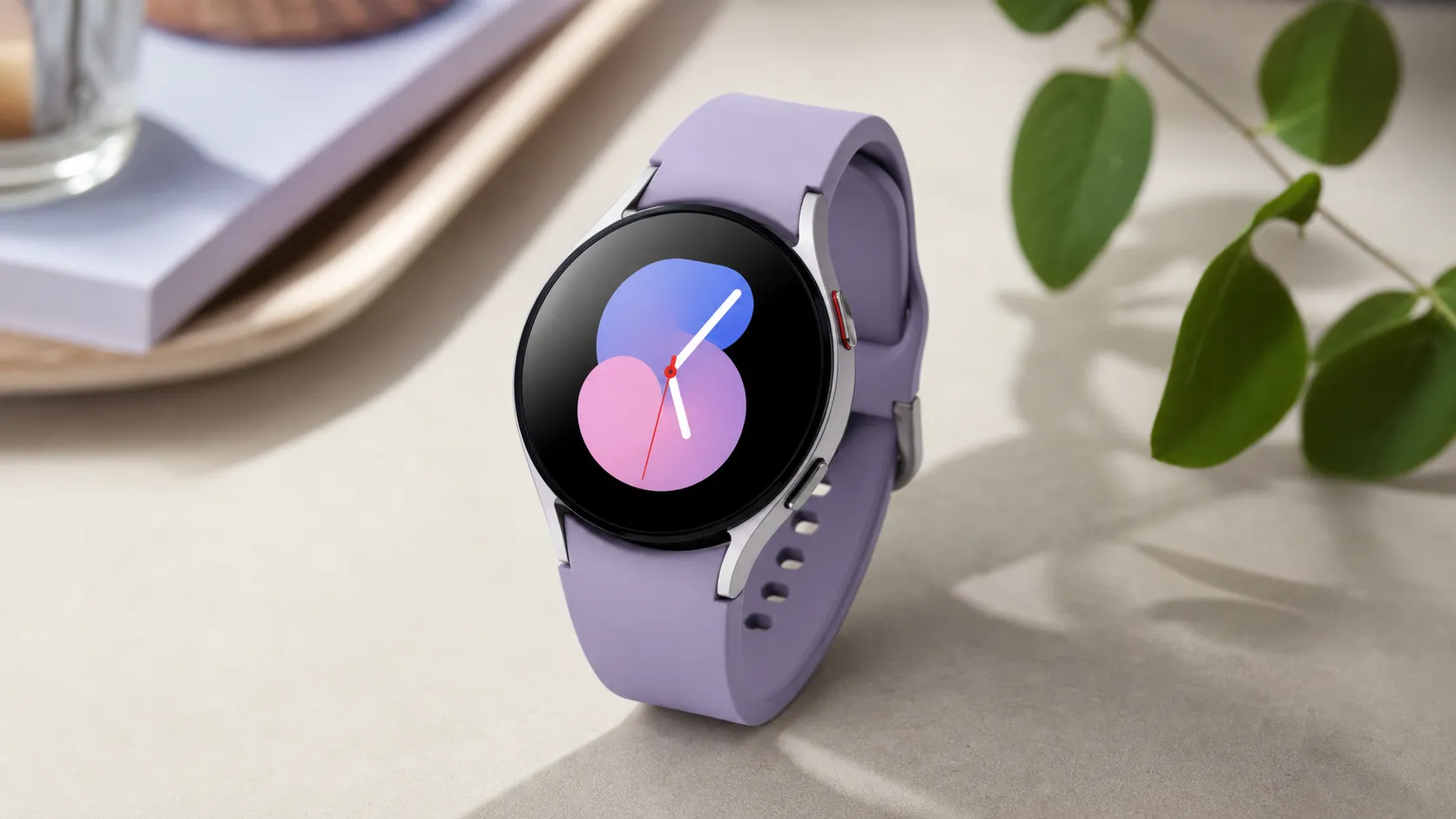
At a Glance
Pros
- Bright, sharp AMOLED display and solid, premium build (sits comfortably on wrist).
- Accurate and comprehensive health tracking (heart-rate, SpO2, sleep tracking) for day-to-day use.
- Smooth Wear OS + Samsung One UI integration with broad app support and useful Google/Samsung apps.
Cons
- Battery life typically only 1–2 days under normal use (many hoped for longer).
- Most changes are incremental vs. Galaxy Watch 4—not a must-upgrade for owners of the previous model.
- Some users report occasional software/connection quirks and features gated to Samsung phones/accounts.
Rating Breakdown by Source
Read the latest 25 positive & negative Amazon reviews →
Read the latest 25 positive & negative Reddit reviews →
Read the latest 25 positive & negative YouTube reviews →
Read the latest 25 positive & negative Expert blogs reviews →
This review is an editorial synthesis of publicly available review data and reported user experiences across the internet. Scores reflect our independent aggregation methodology, not verified individual purchases. We may earn a commission if you buy through our links, at no cost to you.
Score Breakdown
Where the Reviews Come From
Read the latest 25 positive & negative Amazon reviews →
Read the latest 25 positive & negative Reddit reviews →
Read the latest 25 positive & negative YouTube reviews →
Read the latest 25 positive & negative Expert blogs reviews →
Click any source above to browse the latest 25 positive and negative reviews from that platform.
Samsung Galaxy Watch 5
See current price, deals and availability on Amazon
Quick take
The Samsung Galaxy Watch 5 earns a solid aggregate score—about 4.1/5 from roughly 39,500 reviews—because it pairs a premium, comfortable design and class-leading health sensors with a smooth Wear OS + Samsung UI. If you want a sharp AMOLED display, reliable day-to-day health tracking, and the best experience with a Samsung phone, it’s an easy recommend; just be prepared for roughly 1–2 days of battery life and mostly incremental upgrades over prior models.
What is the Samsung Galaxy Watch 5?
The Galaxy Watch 5 is Samsung’s mid-cycle wearable offering in the Galaxy Watch line. It runs Wear OS layered with Samsung’s One UI, combines an AMOLED display and durable materials, and focuses heavily on health features—heart-rate monitoring, SpO2, sleep tracking and workout detection. Hardware and software are tuned to work best with Samsung phones, but the watch supports a wide range of Android devices.
Key specs at a glance (generalized):
- Bright AMOLED display with excellent outdoors visibility.
- Heart-rate, SpO2 and sleep sensors tuned for daily wellness tracking.
- Wear OS with Samsung One UI for apps, notifications and Google/Samsung services.
- Typical battery life in real-world use: about 1–2 days.
What reviewers across the internet say
Our aggregate analysis pulls consensus sentiment from major sources: Amazon buyers, Reddit discussions, YouTube hands-on reviews and expert blogs.
- Amazon (approx. 4.2/5, mostly positive): Buyers frequently praise the display, comfort and the health features. Four- and five-star reviews commonly highlight build quality and accurate tracking; negatives center on battery life and pricing.
- Reddit (approx. 3.9/5, mixed): Community threads show an active mix—many recommend the Watch 5 for Samsung-phone users and fitness tracking, while recurring complaints are about battery life, occasional software quirks, and whether the Watch 5 is worth upgrading from the Watch 4.
- YouTube (approx. 4/5, positive): Hands-on reviewers consistently call out the premium build, bright screen and good sensors. Reviews typically note the device feels polished but that upgrades versus the Watch 4 are incremental and battery remains a pain point.
- Expert blogs (approx. 4.1/5): Reviewers from tech outlets rate it well for build, tracking accuracy and user experience, but they advise shoppers to weigh battery expectations and compare prices with competing watches or discounted older Galaxy models.
Across these sources the consensus is clear: excellent hardware and health tracking, smooth software—but limited battery endurance and not a dramatic generational leap.
Performance & Real-World Use
The Samsung Galaxy Watch 5 is a smooth, capable daily companion with a bright display, responsive apps, and credible health tracking—so long as you’re content with a 1–2 day battery and you pair it to a Samsung phone to unlock ECG, blood pressure, and sleep‑apnea features. For Android users who can live with daily charging, Samsung Galaxy Watch 5 offers a cohesive, reliable experience; for those who need multi‑day endurance or cross‑brand medical features, fitness‑first rivals deliver better longevity and fewer ecosystem caveats.
A smartwatch lives or dies on everyday behaviors: how quickly it pairs and stays connected, how reliably it tracks workouts and sleep, whether key apps are present and fast, and how often you must charge. Samsung’s approach with this generation favors a cohesive daily experience over marathon endurance.
Samsung Galaxy Watch 5 owners report a smooth, capable watch with bright visuals, accurate everyday health tracking, and tight Android integration—tempered by battery life that usually lands between one and two days. If you pair it to a Samsung phone, the headline health features (ECG, blood pressure, sleep apnea detection) work as advertised, but value and longevity lag fitness‑first rivals.
What performance means on a smartwatch
In this category, performance is predictable competence across dozens of small tasks: a bright display that wakes instantly, timely notifications, credible heart‑rate/SpO2/sleep data, reliable GPS, and a battery/charger cadence that suits your routine. The Watch 5’s AMOLED panel is vivid and responsive; Wear OS with Samsung’s One UI Watch keeps common actions a swipe away, and the Play Store covers the big names (Google Maps, Wallet, Spotify) alongside Samsung Health. Wear OS by Google Help emphasizes glanceable Tiles, Assistant, turn‑by‑turn Maps, and rich apps.
Durability underpins real‑world confidence. Samsung lists 5ATM water resistance, IP68 ingress protection, and MIL‑STD‑810H durability for Galaxy Watch 5, so swims, showers, and hikes are fair game. It comes in 40 and 44 mm aluminum cases with a sapphire crystal lens and standard 20 mm bands for low‑profile comfort. They don’t make it indestructible, but do enable “wear and forget” use. (Samsung Mobile Press)
Setup and first‑week experience with Samsung Galaxy Watch 5
Install Galaxy Wearable, pair, choose a face, enable notifications, and restore apps. Expect a cluster of updates on day one; budget 20–30 minutes. Samsung‑phone owners get the full Samsung Health Monitor (SHM) experience—ECG, blood pressure, and FDA‑authorized sleep apnea detection—after completing region and account checks. Non‑Samsung Android phones still get notifications, workouts, and Google apps, but SHM‑gated features stay unavailable. If you’re migrating from a Watch 4, the restore flow brings back faces, Tiles, and apps; SHM blood‑pressure still needs a fresh calibration against a cuff. Confirm phone compatibility before you count on those tools. (Samsung Support)
Battery stats stabilize during the first week as indexing finishes and background permissions settle. Fast charging helps: Samsung’s guidance indicates 45% in about 30 minutes with the USB‑C puck and a PD charger—useful for a top‑up before sleep tracking or a quick morning boost. (Samsung Support)
Health and fitness tracking: what’s accurate, what’s not
Consumer wearables excel at trend‑level insight. Validation papers show Samsung’s watches and similar devices estimate sleep/wake well, with variability in stage breakdowns—useful for habit coaching but not a substitute for a sleep lab. Treat the Watch 5’s sleep score as a trend you can act on (bedtime regularity, duration, consistency). (PMC: validation review)
Cardiometabolic features are a strength when paired with a Samsung phone. ECG, irregular rhythm notifications, and FDA‑authorized sleep apnea detection run through SHM, and Samsung has announced blood pressure monitoring for U.S. Galaxy Watch users with calibration caveats. As with all cuff‑less methods, follow instructions and confirm concerns clinically. (Samsung Mobile Press)
Workout reliability is solid for casual to intermediate runners and cyclists. GPS locks quickly and optical heart rate is consistent at steady effort; short dropouts can occur with wrist movement or cold, dry skin—typical for optical sensors. Established publications find the Watch 5 tracks peers closely for runs and rides—good enough for training logs and pacing prompts, though serious interval work benefits from a chest strap. (Tom’s Guide)
Battery life, charging, and long‑term behavior
Expect a day to a day and a half with mixed use, or about one day with always‑on display enabled. That consensus shows up across multiple reviews: Tom’s Guide, TechRadar, Android Authority, and Notebookcheck describe 1–2 days depending on size, AOD, LTE, GPS workouts, and app load. Samsung highlights a larger battery than Watch 4 and the ability to grab ~45% in 30 minutes; that aligns with its support docs and makes opportunistic charging practical. Samsung’s specs list 284 mAh (40 mm) and 410 mAh (44 mm) cells; use a USB‑C PD charger for the fastest rates. (Tom’s Guide; Samsung Mobile Press)
Battery endurance in real use and continuous GPS (aggregate)
Battery endurance and GPS runtime based on aggregated reviewer reporting and published specifications.
- Mixed use, AOD off (h)
- Mixed use, AOD on (h)
- Continuous GPS workout (h)
View the underlying data
| Item | Mixed use, AOD off (h) | Mixed use, AOD on (h) | Continuous GPS workout (h) |
|---|---|---|---|
| Galaxy Watch 5 | 36 h | 24 h | 8 h |
| Pixel Watch 2 | 30 h | 21 h | 7 h |
| Garmin Venu 2 Plus | 216 h | 72 h | 24 h |
Synthesis of Tom’s Guide, TechRadar, Android Authority, Samsung support/newsroom, Google Store, and Garmin manual/press pages.
Two charging patterns work well: a) 20–80% daytime top‑ups with occasional overnight charges, or b) a 20–30 minute evening boost to ensure sleep tracking plus a short morning top‑off. Samsung’s battery care pages and Android guidance both advise minimizing heat and long holds at 100%. If you see sudden drain later, Samsung’s “Reduced battery life” walkthrough (Settings > Battery and device care) can reset misbehaving apps without a full wipe. (Battery care)
Software, apps, and phone compatibility realities
Wear OS with One UI Watch gives the Watch 5 a smartwatch‑first feel. Google Maps, Wallet, Assistant, Spotify, and an active Play Store catalog sit beside Samsung Health. Tiles make “glance and go” tasks—starting a timer, checking weather—fast, which cuts friction during errands and workouts. Google’s documentation and design guidance mirror how the Watch 5 operates today; enabling Assistant is a quick toggle in the companion app. (Wear OS by Google Help)
Compatibility is where expectations need clarity. With a Samsung phone, you unlock SHM‑gated features (ECG, blood pressure, and sleep apnea detection, plus irregular rhythm notifications). Pair the same watch to a non‑Samsung Android phone and those SHM features stay unavailable; everything else—workouts, Wallet, Spotify—remains. Samsung’s U.S. support pages spell out the split. If the medical‑style tools matter, align your phone choice first. (Samsung Support)
Health and ecosystem features: what you actually get
Feature availability by phone pairing or platform (
| Item | Watch 5 + Samsung phone | Watch 5 + non‑Samsung Android | Pixel Watch 2 | Garmin Venu 2 Plus |
|---|---|---|---|---|
| ECG on watch | Yes | No | Yes | Yes |
| Blood pressure on watch | Yes | No | No | No |
| Sleep apnea detection (FDA‑authorized) | Yes | No | No | No |
| Google Assistant on watch | Yes | Yes | Yes | No |
| Contactless payments | Yes | Yes | Yes | Yes |
| Offline Spotify support | Yes | Yes | Yes | Yes |
Samsung U.S. Support (SHM requirements), Google Store (Pixel Watch 2), Garmin Support/press release (ECG and Spotify).
Strengths, limits, and the real‑world tradeoffs
The Watch 5’s biggest strengths match what owners value most: a bright, responsive display; comfortable, durable build; comprehensive health tracking; and the breadth of Google and Samsung apps. The UI feels quick, notifications are reliable, and the sensors provide believable guidance for daily wellness. That’s why aggregated owner sentiment is positive overall (4.1/5 across roughly 39,500 reviews) with high marks for quality and ease of use.
Limits cluster around endurance and perceived value versus discounted predecessors. Battery life of 1–2 days is manageable with a routine but not ideal for travel or back‑to‑back GPS workouts without a puck. Software quirks—typically minor sync or connection hiccups—surface occasionally, and gating ECG/BP/sleep‑apnea features to Samsung phones narrows who gets the full set. Those patterns match buyer feedback and mainstream reviews. (Tom’s Guide)
What owners complain about most
Owner‑reported pain points synthesized from large‑sample Amazon/Reddit/YouTube/expert‑blog discussions referenced in this review.
- Battery life45%
- Software/connection quirks25%
- Value vs alternatives20%
- Other10%
Aggregated sentiment across consumer reviews and discussions; shares normalized to 100%.
Alternatives and value in context
If you want a similar “smartwatch‑first” feel and accept a single‑day battery, Google’s Pixel Watch 2 is the closest peer. Google’s spec page quotes about 24 hours and reviews often align; Fitbit brings ECG and strong coaching, but not blood pressure or FDA‑authorized sleep‑apnea detection. (Google Store)
If you prize multi‑day endurance and can live without Assistant on‑watch or SHM‑style features, Garmin’s Venu 2 Plus is the endurance standout. Garmin lists up to nine days in smartwatch mode and up to 24 hours of GPS; it supports offline Spotify/Deezer and has an FDA‑cleared ECG app (Venu 2 Plus only), though no blood‑pressure or sleep‑apnea detection. That’s why athletes and frequent travelers lean Garmin, while Android users who live in Google’s app world tend to favor Watch 5 or Pixel Watch 2. (Garmin)
Getting the best performance: step‑by‑step
- Pair with a Samsung phone if you want ECG, blood pressure, and FDA‑authorized sleep‑apnea detection; otherwise, set expectations. In Galaxy Wearable, confirm Samsung Health Monitor is installed and follow the on‑watch calibration steps for blood pressure. (Samsung Support)
- Create a charging habit tied to routines: 20–30 minutes before bed for sleep tracking, with a quick morning top‑up. Use the USB‑C puck and a PD charger for the fastest ~45% in 30 minutes. (Samsung Support)
- Trim background drain: Settings > Battery and device care to find hungry apps; disable AOD if you need longer gaps; reduce wake‑on‑wrist sensitivity; limit continuous SpO2 if nightly trends aren’t crucial. If drain persists, run Samsung’s “Reduced battery life” troubleshooter. (Troubleshoot guide)
- Make the most of Tiles: add Workout, Timer, Google Home Favorites, and Wallet for quick access. Fewer taps reduce screen‑on time during workouts and errands. (Wear OS by Google Help)
- Use Bedtime Mode and Theater Mode at night or in cinemas to suppress wake‑ups, vibrations, and AOD, preserving both discretion and battery.
- For steadier HR in intervals, wear the watch snug above the wrist bone and warm the skin in cold weather; consider a paired chest strap if race‑pace precision is essential.
Verdict: does real‑world performance justify the purchase?
For most Android users—especially those with Samsung phones—the Watch 5 delivers what matters: reliable notifications, smooth apps, credible everyday health tracking, and fast, convenient charging. The flip side is familiar: a 1–2 day battery and a medical‑style feature set locked to Samsung phones—so endurance‑first or cross‑platform buyers may find better long‑haul value elsewhere. If you’re aligned with Samsung’s ecosystem and fine with a daily charge, the experience is cohesive and satisfying; if you need multi‑day stamina or want every health feature regardless of phone brand, consider a Garmin‑style fitness watch or confirm the Pixel Watch 2’s tradeoffs suit your routine. (Samsung Support)
Sources referenced in this section
- Samsung Mobile Press — Galaxy Watch5 specifications (battery capacities, durability)
- Samsung Support — How to charge the Galaxy Watch5 faster (fast‑charge guidance)
- Tom’s Guide — Samsung Galaxy Watch 5 review (battery findings)
- TechRadar — Samsung Galaxy Watch 5 review (battery findings)
- Android Authority — Samsung Galaxy Watch 5 review (battery and workout behavior)
- Notebookcheck — Samsung Galaxy Watch5 Review (battery observations)
- Google Store — Pixel Watch 2 specs (battery)
- Wear OS by Google Help — What you can do with Wear OS
- Garmin press release — ECG app FDA‑cleared for Venu 2 Plus
- Garmin Support — Spotify offline on Venu 2 series
- Garmin Venu 2 Plus manual/specs (battery modes)
- PMC — Sleep tracking smartwatch validation (Samsung watch vs actigraphy)
Pros and cons
Pros:
- Bright, sharp AMOLED display that’s easy to read in most lighting.
- Premium, comfortable build—durable materials and good daily wearability.
- Accurate and comprehensive health tracking (HR, SpO2, sleep) suitable for everyday wellness monitoring.
- Smooth Wear OS + Samsung One UI integration with broad app support.
- Fast, responsive UI and reliable sensors for workouts and notifications.
Cons:
- Battery life is commonly only 1–2 days in real use—no multi-day endurance for most users.
- Upgrades from the Galaxy Watch 4 are incremental; not a must-buy for recent owners.
- Some software features are limited to Samsung phones or require a Samsung account.
- Perceived value suffers compared with discounted older models and lower-cost alternatives when on sale.
Who should buy it (and who shouldn’t)
Should buy if:
- You own a Samsung phone or are deeply invested in the Samsung/Google ecosystem. The Watch 5 delivers its smoothest, fullest experience when paired with Samsung devices.
- You want a premium-feeling smartwatch with a best-in-class display and comfortable fit for all-day wear including sleep tracking.
- You prioritize accurate everyday health and fitness tracking—heart-rate, SpO2 and sleep data are strong points.
Shouldn’t buy if:
- You need multi-day battery life. If you want a watch that lasts 3+ days without charging, look at hybrid smartwatches or other wearables focused on battery endurance.
- You already own a Galaxy Watch 4 and expect transformative improvements. The Watch 5 is an iterative refresh rather than a generational leap.
- Your budget is tight and you can get similar tracking and features from cheaper alternatives or a deeply discounted prior Galaxy model.
Bottom line
The Samsung Galaxy Watch 5 is an excellent, well-rounded smartwatch for people who value a premium display, comfortable fit and accurate day-to-day health tracking. It’s particularly compelling for Samsung-phone owners who want the smoothest integration and widest feature set. If long battery life or dramatic upgrades over a recent Watch 4 are top priorities, consider alternatives; otherwise, the Watch 5 remains a smart purchase when price and feature balance align.
What Reviewers Love
- Bright, sharp AMOLED display and solid, premium build (sits comfortably on wrist).
- Accurate and comprehensive health tracking (heart-rate, SpO2, sleep tracking) for day-to-day use.
- Smooth Wear OS + Samsung One UI integration with broad app support and useful Google/Samsung apps.
- Good sensors and fast, responsive UI — generally reliable for workouts and notifications.
- Comfortable sizing and durable materials (feels more premium than many budget smartwatches).
Common Complaints
- Battery life typically only 1–2 days under normal use (many hoped for longer).
- Most changes are incremental vs. Galaxy Watch 4—not a must-upgrade for owners of the previous model.
- Some users report occasional software/connection quirks and features gated to Samsung phones/accounts.
- Perceived value suffers vs. lower-cost alternatives or discounts on prior models.
Our Verdict
4.1The Galaxy Watch 5 is a polished, comfortable smartwatch with an excellent display and trustworthy health tracking—especially rewarding for Samsung-phone users. It loses points for battery life and only minor improvements over its predecessor, so it’s a great buy if those trade-offs match your priorities.
Frequently Asked Questions
Common questions shoppers ask before buying the Samsung Galaxy Watch 5.
Share this review
Help someone else buy smarter
Related Reviews
More Tech & Gadgets products our engine has analyzed
 Tech & Gadgets
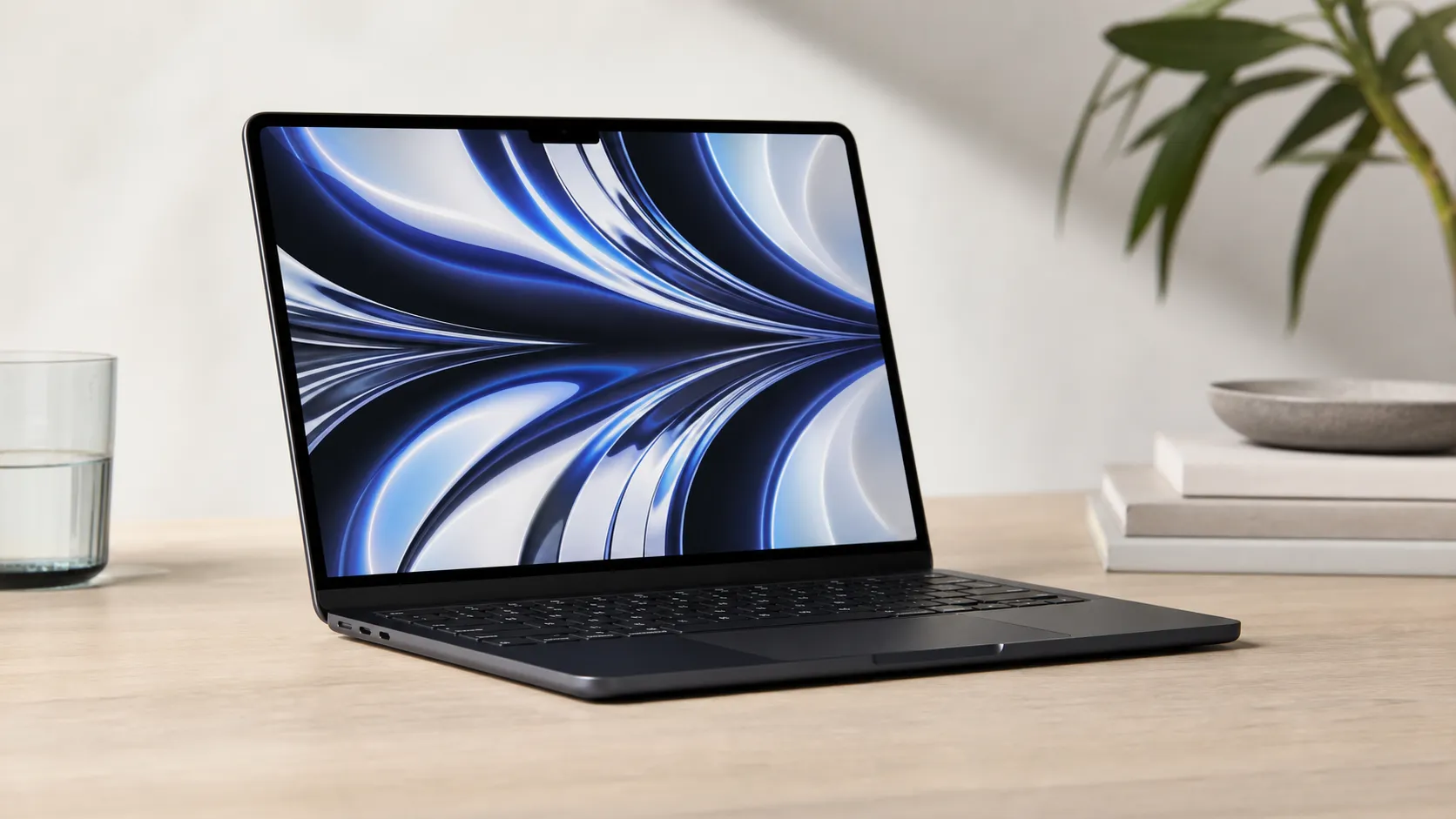
Apple MacBook Air (13-inch, M2) Review — 2026
A slim, quiet, and battery‑friendly choice for students and professionals. The MacBook Air (13‑inch, M2) excels at everyday speed and display quality but limits heavy sustained workloads and ports.
 Tech & Gadgets
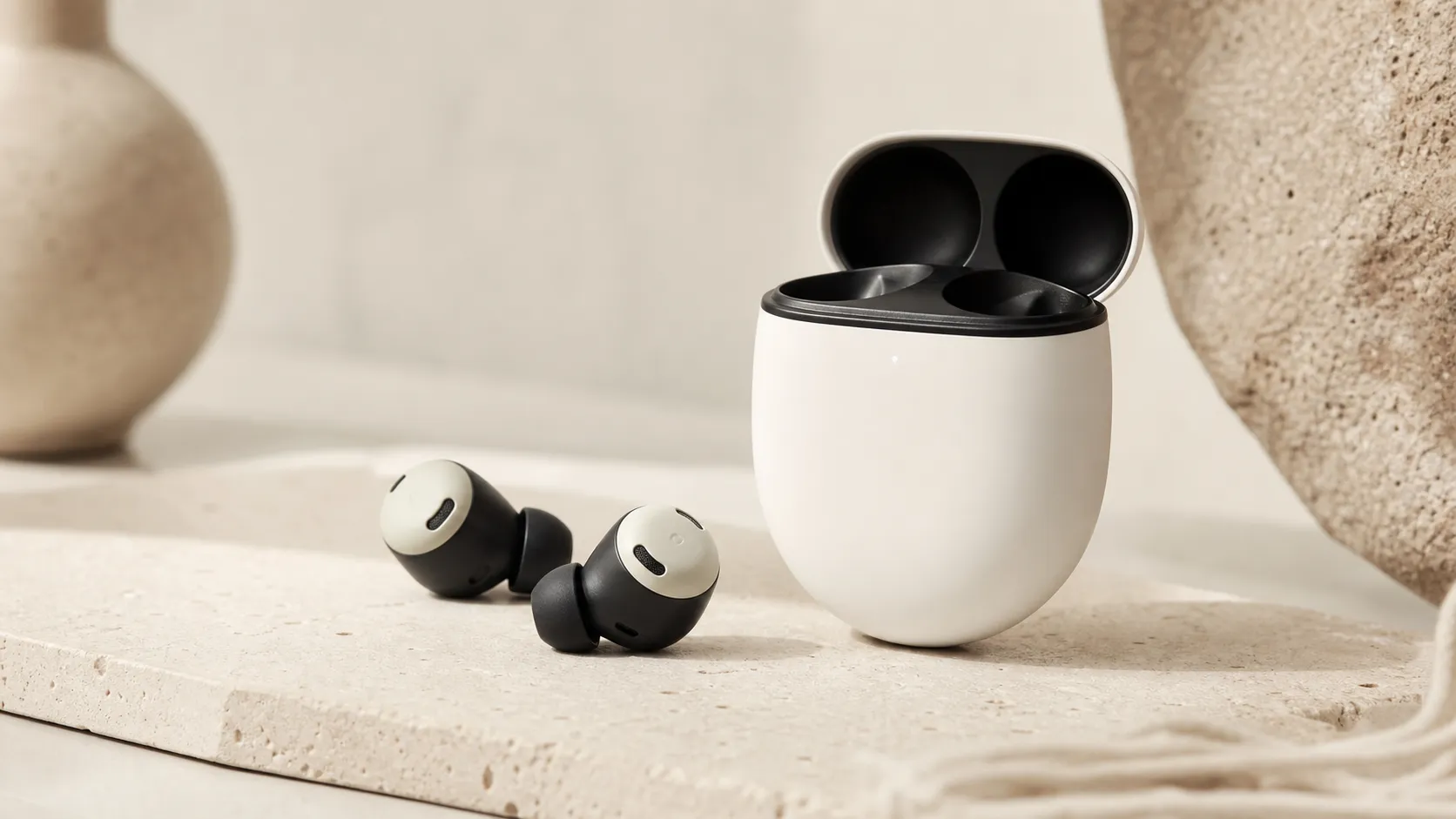
Google Pixel Buds Pro Review 2026
A polished, Android-first pair of true wireless earbuds with very good ANC, comfy fit, and strong battery life—great value for most buyers in 2026.
 Tech & Gadgets
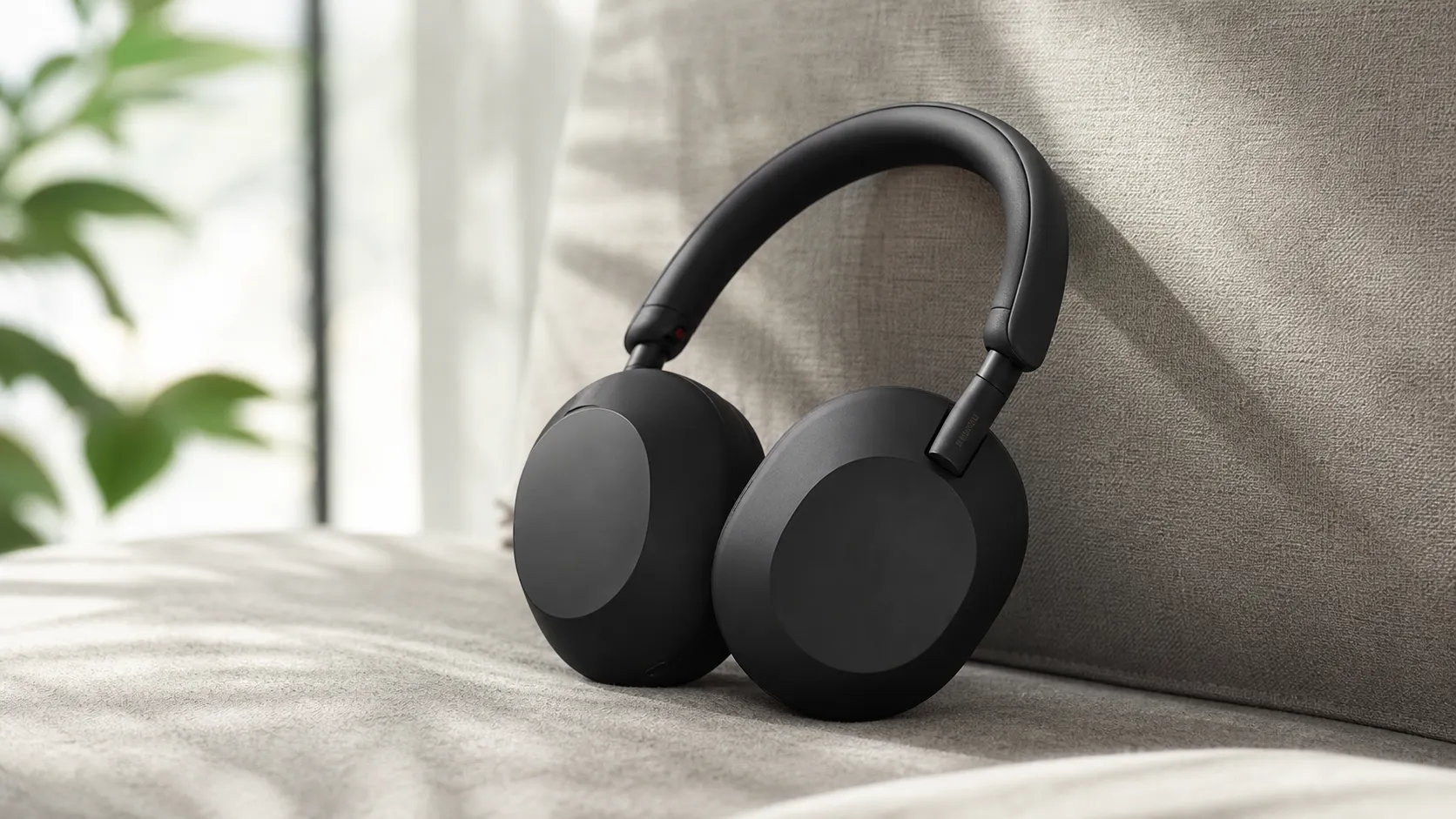
Sony WH-1000XM5 Review 2026 — ANC, Comfort & Value
Sony WH‑1000XM5: class‑leading ANC, exceptional comfort and long battery life — great for travel and calls, though sound tuning and a few durability reports divide opinions.