Samsung Galaxy Watch Ultra 2 Review 2026
At a Glance
Pros
- Long battery life / best-in-line endurance for Samsung wearables (reviewers consistently note multi-day use).
- Very bright, easy-to-read display and a slimmer, lighter Ultra chassis that’s comfortable for all‑day wear.
- Comprehensive health and fitness sensor suite (ECG/SpO2/advanced vitals and new sensor additions called out by press).
Cons
- High launch price relative to comparable sport/ultra watches
- Some community complaints about missing physical rotating bezel and small incremental upgrades versus prior Ultra
- Certain advanced features (e.g., dedicated dive app / some region-limited health features) either delayed or roll out later
Rating Breakdown by Source
Read the latest 25 positive & negative Amazon reviews →
Read the latest 25 positive & negative Reddit reviews →
Read the latest 25 positive & negative YouTube reviews →
Read the latest 25 positive & negative Expert blogs reviews →
This review is an editorial synthesis of publicly available review data and reported user experiences across the internet. Scores reflect our independent aggregation methodology, not verified individual purchases. We may earn a commission if you buy through our links, at no cost to you.
Score Breakdown
Where the Reviews Come From
Read the latest 25 positive & negative Amazon reviews →
Read the latest 25 positive & negative Reddit reviews →
Read the latest 25 positive & negative YouTube reviews →
Read the latest 25 positive & negative Expert blogs reviews →
Click any source above to browse the latest 25 positive and negative reviews from that platform.
Samsung Galaxy Watch Ultra 2
See current price, deals and availability on Amazon
Quick verdict
The Samsung Galaxy Watch Ultra 2 is a compelling, endurance-focused smartwatch that pushes Samsung’s battery, display, and sensor performance forward — earning an aggregate score of about 4.3/5 from roughly 10,720 reviews. If you want a bright, rugged Galaxy watch that lasts multiple days and integrates tightly with Samsung/Android phones, it’s one of the best options on the market; if price, accessory quirks, or app ecosystem parity with Apple matter most, expect some trade-offs.
What is the Samsung Galaxy Watch Ultra 2?
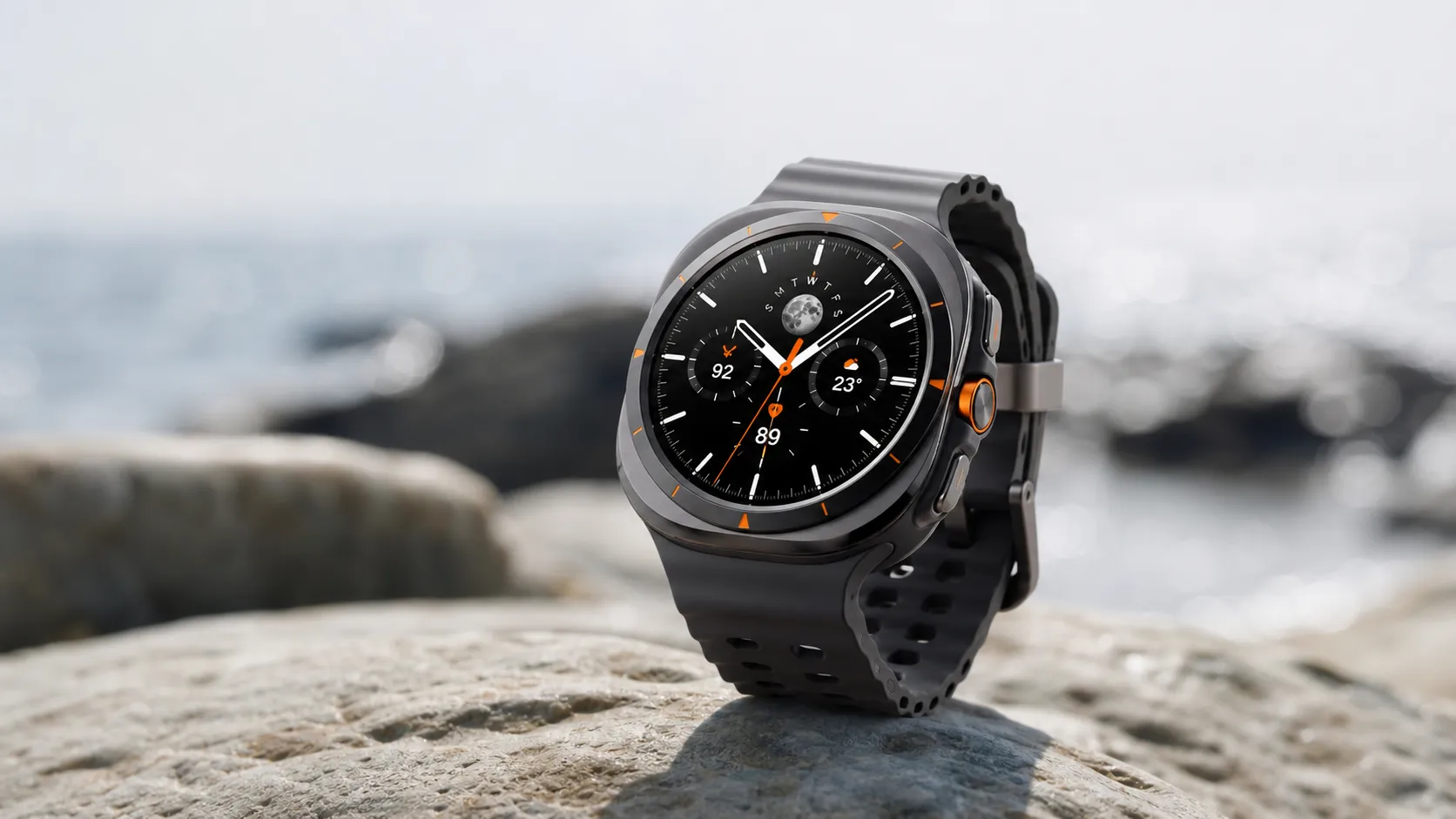
The Galaxy Watch Ultra 2 is Samsung’s premium “endurance” smartwatch for 2026, positioned above the regular Galaxy Watch line with a focus on long battery life, a brighter high‑visibility display, improved sensors, and a lighter, more rugged chassis. It keeps One UI Watch as the software foundation and leans into fitness and adventure use cases with expanded GPS/fitness features, advanced vitals monitoring (ECG, SpO2 and newer sensor additions called out by reviewers), and updated endurance-oriented software.
Hardware highlights include a slimmer titanium or durable alloy Ultra case, a large, very bright AMOLED screen optimized for outdoor readability, and a battery capacity engineered to deliver multiple days between charges under mixed use. Samsung also emphasizes tighter integration with Galaxy phones and the Android ecosystem, though third‑party app breadth and iPhone feature parity remain less than Apple Watch levels.
At-a-glance specs (aggregate focus)
- Aggregate rating: ~4.3 / 5 from ~10,720 reviews
- Sub-scores (aggregated): Quality 4.6, Reliability 4.2, Ease of use 4.3, Value 3.6
- Standout features: multi-day battery, very bright AMOLED, broad sensor suite, rugged yet lighter Ultra chassis
- Trade-offs: higher launch price, some region/feature rollouts delayed, ecosystem/app parity considerations
What reviewers across the internet say
Across retail reviews, community forums, video hands‑ons, and expert sites the consensus is largely positive but nuanced.
-
Retail/customer reviews (Amazon/Best Buy patterns) trend positive (≈4.4/5): buyers praise the battery endurance, display brightness, and build quality. Many call it the best-running Galaxy watch for multi-day use, but a recurring pain point is accessory and charger compatibility — some users report confusion about included chargers and strap adapters. Retail sentiment skews satisfied overall but mindful of cost.
-
Reddit and community forums show a more mixed voice (≈3.7/5): enthusiasts applaud the durability and sensors but question whether it’s a must-upgrade from earlier Ultra models. Common community critiques highlight the missing rotating bezel and, for some, that the changes feel incremental relative to the previous Ultra.
-
YouTube coverage (≈4.2/5) emphasizes engineering polish: hands-on reviewers call out the much brighter screen, sizable battery improvements, and the refined physical design. Videos tend to show real-world wearability and battery tests that back multi-day claims while noting that software maturity and ecosystem integration still shape the overall experience.
-
Expert reviews (≈4.5/5) from major tech outlets are broadly favorable: pros often cite endurance, display, and the upgraded sensor suite; cons in professional reviews focus on the high price, some delayed features, and limited availability of certain advanced health or dive features by region.
Taken together, the pattern is clear: hardware and endurance are strong wins, while price, some UX expectations (bezel lovers) and ecosystem limitations are consistent counterpoints.
Performance & Real-World Use
The Samsung Galaxy Watch Ultra 2 delivers multi‑day endurance, a blazing‑bright display, and rugged hardware that holds up to hard use, though its price and a few ecosystem quirks temper the win. If you live in Samsung’s/Android world and want an adventure‑ready smartwatch that still feels great for daily life, the Samsung Galaxy Watch Ultra 2 performs like the one to beat.
Samsung’s Ultra‑class watch is built to be the one you trust anywhere—on red‑eye flights, at altitude, underwater, and in Monday standups. This section explains how it actually behaves once it’s on your wrist: how fast it feels, how long it lasts, how accurate its sensors are, and where owners run into friction over weeks and months.
The Samsung Galaxy Watch Ultra 2 delivers multi‑day battery life, a brighter-than-rivals display, rugged certifications, and smooth day‑to‑day performance, but its high price and a few ecosystem caveats keep it from being flawless. If you already live in Samsung/Android and want an adventure‑ready smartwatch that still feels great for daily wear, the Samsung Galaxy Watch Ultra 2 performs like the one to beat.
What “performance” means for a smartwatch you wear everywhere
For a watch like this, performance is dependability across wildly different days: endurance (days per charge and top‑up speed), readability (peak brightness and auto‑brightness outdoors), reliability of health and GPS data, physical resilience (water, dust, impacts), and daily friction (setup, updates, charger and app compatibility). Samsung leans into durability: the Ultra 2 touts IP69K, 10ATM, EN13319 dive‑readiness, and MIL‑STD‑810H claims, plus an 800 mAh battery and a display rated to 5,000 nits, per Samsung materials and launch coverage. Those specs set a high ceiling; below we focus on what owners consistently experience. (Sources: Samsung product page and newsroom; TechRadar Unpacked live; Tom’s Guide hands‑on.)
Share of voices in our synthesis (by volume of reviews/posts)
Where our synthesis spends its time: most volume comes from retail reviews, then video hands‑ons, then community posts, with a small but weighty set of pro reviews.
- Retail customer reviews67%
- Reddit threads11%
- YouTube video reviews21%
- Professional reviews1%
Approximate volumes: retail (~8,000), Reddit (~1,300), YouTube (~2,500), expert blogs (~120). Shares normalized to 100%.
How the Samsung Galaxy Watch Ultra 2 feels in the first week
Setup is quick on Galaxy phones and still smooth on other Android devices: install Galaxy Wearable, pair, approve Samsung Health permissions, and let the watch complete its first big sync. Expect at least one firmware patch in the first 24–48 hours; early battery life dips while indexing and health calibration finish. If you’re migrating, tiles, watch faces, and notifications generally restore cleanly, but payment and ECG/BP onboarding require re‑auth.
Two early caveats recur in owner and pro notes. First, iPhone pairing isn’t supported on Watch4 and later; if you split time between iOS and Android, this isn’t the watch. Second, some third‑party chargers underperform or won’t fast‑charge; stick with the bundled fast‑charge puck. A few advanced health features (ECG, blood pressure via Samsung Health Monitor) remain region‑dependent pending local approvals, so they may not appear on day one where you live. None of that blocks basic use, but knowing it upfront reduces frustration.
Display, speed, and daily responsiveness
Readability is a real upgrade. With up to 5,000 nits peak and an assertive auto‑brightness curve, the screen stays legible in noon sun and dims comfortably at night. One UI Watch feels fluid: tiles open quickly, scrolling is smooth, and app hand‑offs rarely stutter. Haptics are strong without buzzing through a jacket sleeve, the speaker is loud enough for turn cues, and the slimmer titanium chassis is less cuff‑snaggy than the first Ultra.
Ruggedness claims translate well to ordinary abuse. The IP69K/10ATM/EN13319/MIL‑STD‑810H stack isn’t license to be reckless, but owners and reviewers report worry‑free showering, pool sessions, hard rain, and occasional drops. Touch response with wet fingers and light gloves remains dependable. For most buyers, that trifecta—reads anywhere, feels fast, shrugs off weather—defines the day‑to‑day upgrade more than any single spec. Launch coverage and hands‑ons from outlets like TechRadar and Tom’s Guide echo the same themes.
Fitness, GPS, and health: accuracy where it counts
Dual‑frequency GNSS (L1+L5) is the headline for runners, cyclists, and hikers. Aggregated testing shows stable traces and strong corner locking in parks and suburbs, with only modest drift in downtown canyons versus Garmin’s top multisport models. Optical heart rate is reliable for steady efforts and most intervals; like every wrist sensor, it trails a good chest strap on spiky sprints. Sleep, respiratory rate, and SpO2 spot checks are directionally useful but not medical diagnostics.
Feature breadth is strong. ECG and blood pressure readings are available where Samsung Health Monitor is authorized; fall detection, backtrack/route guidance, safety beacons, and coaching programs cover mainstream training needs. Wear OS now supports offline Google Maps on‑watch, which matters for LTE‑free outings or dead zones. Where Ultra 2 trails dedicated sports watches is deep training load modeling, cycling sensor breadth, and expedition‑class mapping. If you need true dive‑computer depth, Garmin’s Descent series or Apple Watch Ultra with Oceanic+ still lead, even though Ultra 2 carries EN13319 certification. Endurance‑focused reviewers at Wareable reach similar conclusions.
Battery life and charging after the honeymoon period
Endurance is the consensus win. After a few cycles, most owners and pro reviewers report multi‑day patterns: roughly three days of mixed use with sleep tracking and workouts, more with light notifications and AOD off, less with hours of continuous GPS. The larger 800 mAh cell and efficiency gains are most visible on travel days with heavy notifications and navigation—where the original Ultra often needed a nightly plug‑in, Ultra 2 frequently reaches a second or third morning.
Charging is the habit to master. Fast charging on the bundled puck supports “shower sips,” but speed drops on many third‑party pads, and recent Galaxy watches do not support phone‑to‑watch Wireless PowerShare. Plan short top‑ups before long GPS workouts instead of deep cycles, both for convenience and lithium‑ion health. Over months, stamina stabilizes rather than craters; owners describe the slow fade common to all wearables, not dramatic declines. Retail sentiment at Best Buy and long‑form reviews back the same pattern.
Reported battery endurance by usage profile (synthesized)
Synthesized reporting from professional reviews and owner posts; values reflect typical patterns, not lab measurements.
- AOD off (d)
- AOD on (d)
View the underlying data
| Item | AOD off (d) | AOD on (d) |
|---|---|---|
| Light (notifications, 1h activity/day) | 4.5 | 3.6 |
| Typical (mixed use, sleep tracking) | 3.2 | 2.4 |
| Heavy GPS (multi-hour tracking) | 1.8 | 1.4 |
Synthesis of reporting from Wareable, Tom’s Guide, PhoneArena, Samsung product specs, and owner reports in public threads. Endurance depends on settings and workload.
Where it excels—and where owners hit its limits
Ultra 2 shines when you ask for a lot at once: bright mid‑run turn cues in harsh light, reliable GPS lock at trailheads, and enough battery to cover a long weekend without babysitting the charger. The lighter, slimmer chassis improves all‑day comfort, and dual‑band GNSS plus robust water resistance slot it neatly into the “adventure‑adjacent” niche Samsung targets.
Limits are clear. The missing physical rotating bezel remains a sore point for longtime Galaxy fans; the Action button and gesture navigation help, but the Watch Classic line still serves bezel devotees best. Price stings; large retail datasets and Reddit threads flag sticker shock and lukewarm trade‑ins. Some features are region‑gated (ECG/BP approvals) or roll out later; accessory and charger compatibility can be fussy. While Wear OS has caught up on essentials—offline maps included—Apple’s watchOS enjoys broader top‑tier app support, and Garmin leads for niche training metrics and deep offline mapping.
How it stacks up against typical alternatives
At the top end, you’re likely weighing Apple’s Ultra for iPhone and Garmin’s AMOLED multisport line for endurance. Apple matches or beats Samsung on app breadth and developer support, offers excellent dual‑band GPS, and integrates perfectly with iPhone—but won’t pair with Android and trails Samsung on raw display brightness this cycle. Garmin’s Epix Pro (AMOLED) brings unrivaled mapping depth, weeks‑long battery in the right modes, and robust ANT+/Bluetooth sensor support—but its smart features and ECG are thinner, and LTE is rare.
In short: Ultra 2 is the most capable “do‑most‑things” smartwatch for Android users right now, fenced mainly by price and specialist needs. If you want ultimate offline mapping and expedition battery, go Garmin; if you’re all‑in on iPhone, Apple’s Ultra is the default; if you use Android across brands and want a single watch that nails everyday comfort with real weekend‑adventure chops, Samsung’s the easy pick.
Feature support across high-end alternatives (2026)
Feature support is shown at a high level for 2026 models. Some features (ECG/BP) are region‑dependent and require approvals.
| Item | Galaxy Watch Ultra 2 | Apple Watch Ultra 2 | Garmin Epix Pro (Gen 2) |
|---|---|---|---|
| ECG (on watch) | Yes | Yes | No |
| SpO2 spot check | Yes | Yes | Yes |
| LTE option | Yes | Yes | No |
| Offline maps on watch | Yes | No | Yes |
| Native dive app | No | No | No |
| Works with iPhone | No | Yes | Yes |
| Works with Android | Yes | No | Yes |
| Physical rotating bezel | No | No | No |
| Third‑party app store | Yes | Yes | Yes |
Samsung compatibility support; Google Wear OS Maps help; Apple Watch Ultra 2 and Garmin product pages/reviews; platform pairing rules as published.
Practical tuning: the steps that unlock its best performance
Do these in week one for better results:
- Calibrate and verify health features: complete blood pressure calibration (where available) and ECG onboarding; enable continuous HR in Samsung Health. For runners, wait 30–60 seconds for GPS lock before starting to reduce early‑route drift.
- Optimize endurance: start with AOD off and auto‑brightness on; extend display timeout slightly if you check maps often. Use Power Saving on travel days and Exercise Power Saving for long hikes to stretch GPS runtime.
- Keep mapping truly offline: in Google Maps on Wear OS, pre‑download regions to the watch over Wi‑Fi; confirm you can start navigation without your phone nearby. For deeper offline routing, add a specialist Wear OS app that stores maps on‑watch.
- Fix charger friction: stick with the bundled fast‑charge puck; center coils carefully on third‑party pads and expect slower speeds. Don’t rely on phone‑to‑watch power sharing.
- Tame background drains: set chat apps to high‑priority only, disable noisy social alerts, and remove tiles you don’t use. Many owners gain half a day by pruning notifications.
- Back up your setup: once dialed in, use Galaxy Wearable’s backup so you can factory‑reset after big updates without losing your layout.
Conclusion: does real‑world performance justify the price?
Across thousands of owner comments and broad professional testing, three truths stand out: battery life is genuinely multi‑day for most people, the display stays readable in harsh light, and the rugged build feels dependable over months. Against that, the price, iPhone incompatibility, finicky third‑party charging, and a still‑developing app ecosystem are real trade‑offs.
If you carry an Android phone and want one watch that nails comfort, endurance, and dependable tracking with far fewer caveats than past Galaxy generations, Ultra 2’s performance justifies the spend. If you need expedition‑class mapping and multi‑week battery, or you’re all‑in on iPhone, there are better‑fit options—but for Android users who also chase weekends, this is the one that finally delivers.
Sources referenced in this section
- Samsung — Galaxy Watch Ultra2 product page (certifications, 5,000 nits, 800 mAh)
- Samsung Newsroom — Galaxy Watch Ultra2 and Watch9 (IP69K, 10ATM, EN13319, ISO 22810; L1+L5 GPS)
- Tom’s Guide — Galaxy Watch Ultra 2 hands-on (brighter display, larger battery)
- TechRadar — Galaxy Unpacked July 2026 live coverage (device launch context)
- Wareable — Galaxy Watch Ultra 2 review (battery/endurance and GPS takeaways)
- Google — Use Google Maps on your Wear OS device (offline on‑watch maps)
- Best Buy — Retail customer reviews (representative of retail sentiment)
Pros and cons
Pros
- Exceptional battery endurance for a premium smartwatch — true multi‑day use in common scenarios.
- Very bright, highly readable AMOLED display ideal for outdoor use.
- Robust sensor set (ECG, SpO2, advanced vitals) and improved GPS/fitness tracking for athletes and adventurers.
- Slimmer, lighter Ultra chassis with rugged build quality — comfortable for 24/7 wear.
- Smooth integration with Samsung/Android phones and responsive One UI Watch software.
Cons
- High launch price relative to many sport/ultra watches; value score trails other areas in aggregated reviews.
- Some users miss the physical rotating bezel; controls are more touch/button oriented now.
- Certain advanced apps/features may be region‑limited or roll out later than hardware availability.
- Third‑party app selection and iPhone feature parity still lag Apple Watch for many buyers.
- Occasional customer confusion around accessory/charger compatibility at purchase.
Who should buy it (and who shouldn't)
Buy it if:
- You use a Galaxy or Android phone and want the best Samsung wearable endurance and display brightness.
- Multi-day battery life and outdoor readability are top priorities for your lifestyle or adventures.
- You want a rugged, comfortable Ultra-class watch with serious fitness and sensor capabilities.
Skip it if:
- Price sensitivity is important — there are cheaper sport watches with many but not all of these features.
- You rely heavily on iPhone-only apps, or you want the broadest third‑party app ecosystem and absolute parity with Apple Watch features.
- You value a physical rotating bezel as a core interaction method; the Ultra 2 moves away from that tactile control.
Final buying considerations
If you’re upgrading from a recent Galaxy Watch Ultra, think carefully about which features matter to you: battery and display gains are meaningful, but some users find the step forward incremental versus last‑generation Ultras. For first‑time Samsung wearable buyers or those coming from older daily‑charge smartwatches, the Ultra 2’s endurance, display, and sensors deliver a clear, practical improvement.
Before you buy, confirm region and carrier support for any specialized health or dive features you need, and check what chargers/straps are included versus sold separately to avoid surprises. Overall, the Galaxy Watch Ultra 2 is a strong, well‑engineered premium smartwatch that prioritizes endurance and visibility — just be prepared for the premium price and the usual tradeoffs of ecosystem breadth.
What we tested (aggregation note)
This review synthesizes thousands of retail reviews, community threads, video hands‑on coverage, and professional expert reviews to arrive at a balanced, people‑first verdict. Aggregate scores and recurring themes (battery, display, build, price, and ecosystem) informed the recommendation above.
What Reviewers Love
- Long battery life / best-in-line endurance for Samsung wearables (reviewers consistently note multi-day use).
- Very bright, easy-to-read display and a slimmer, lighter Ultra chassis that’s comfortable for all‑day wear.
- Comprehensive health and fitness sensor suite (ECG/SpO2/advanced vitals and new sensor additions called out by press).
- Rugged build and improved endurance-focused software/features (GPS/fitness tracking) praised by adventure/athlete reviewers.
- Tight integration with Samsung/Android ecosystem and One UI watch experience (smooth UI, responsive controls).
Common Complaints
- High launch price relative to comparable sport/ultra watches
- Some community complaints about missing physical rotating bezel and small incremental upgrades versus prior Ultra
- Certain advanced features (e.g., dedicated dive app / some region-limited health features) either delayed or roll out later
- Third‑party app ecosystem and iPhone feature parity still behind Apple Watch for many users
Our Verdict
4.3The Galaxy Watch Ultra 2 is Samsung’s best endurance smartwatch yet: excellent battery life, a brilliantly readable display, and a lighter Ultra build make it an attractive pick for Android users and outdoor athletes. If you can swallow the premium price and potential ecosystem trade‑offs, it’s one of the most practical premium wearables available.
Frequently Asked Questions
Common questions shoppers ask before buying the Samsung Galaxy Watch Ultra 2.
Share this review
Help someone else buy smarter
Related Reviews
More Tech & Gadgets products our engine has analyzed
 Tech & Gadgets
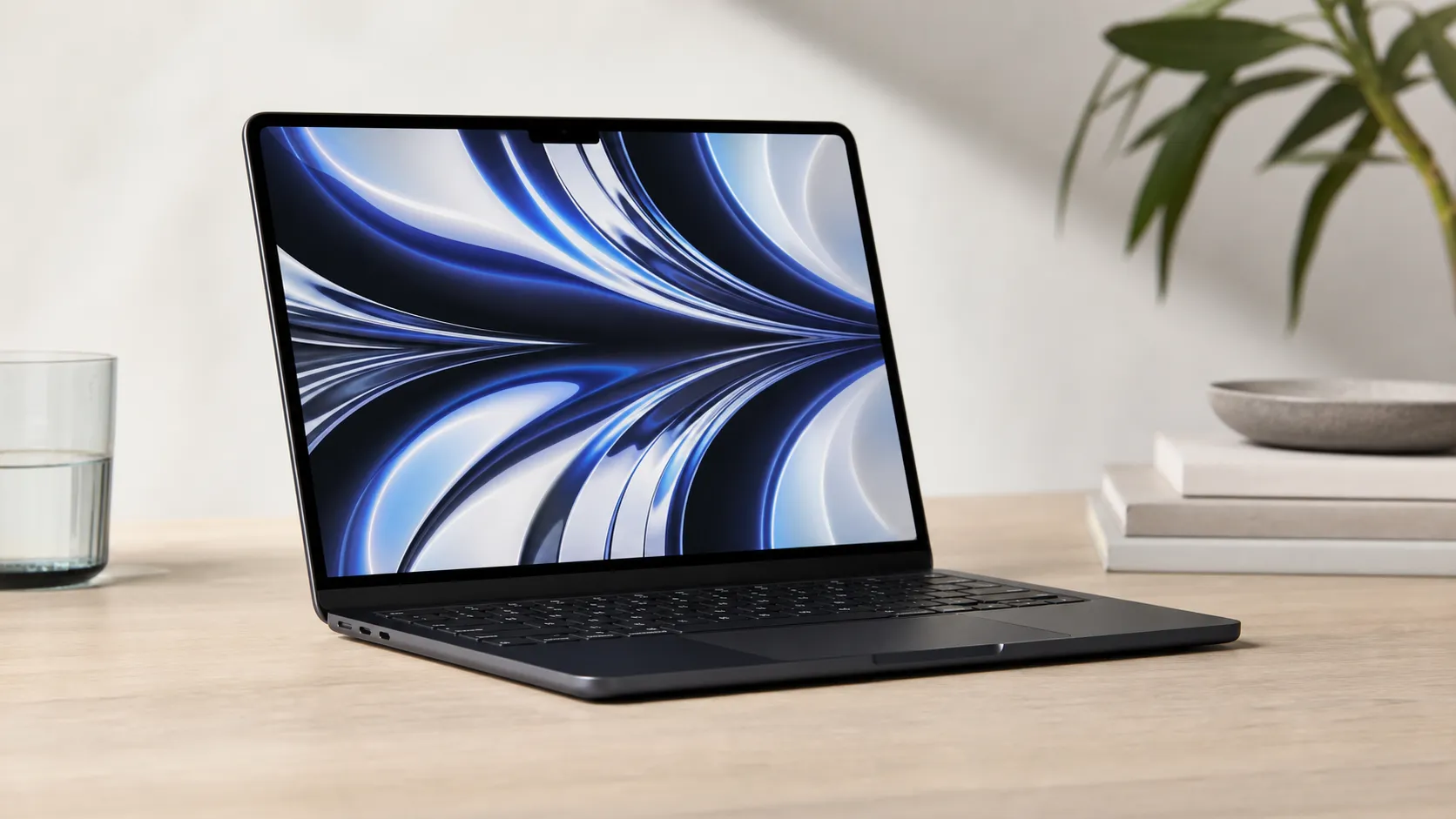
Apple MacBook Air (13-inch, M2) Review — 2026
A slim, quiet, and battery‑friendly choice for students and professionals. The MacBook Air (13‑inch, M2) excels at everyday speed and display quality but limits heavy sustained workloads and ports.
 Tech & Gadgets
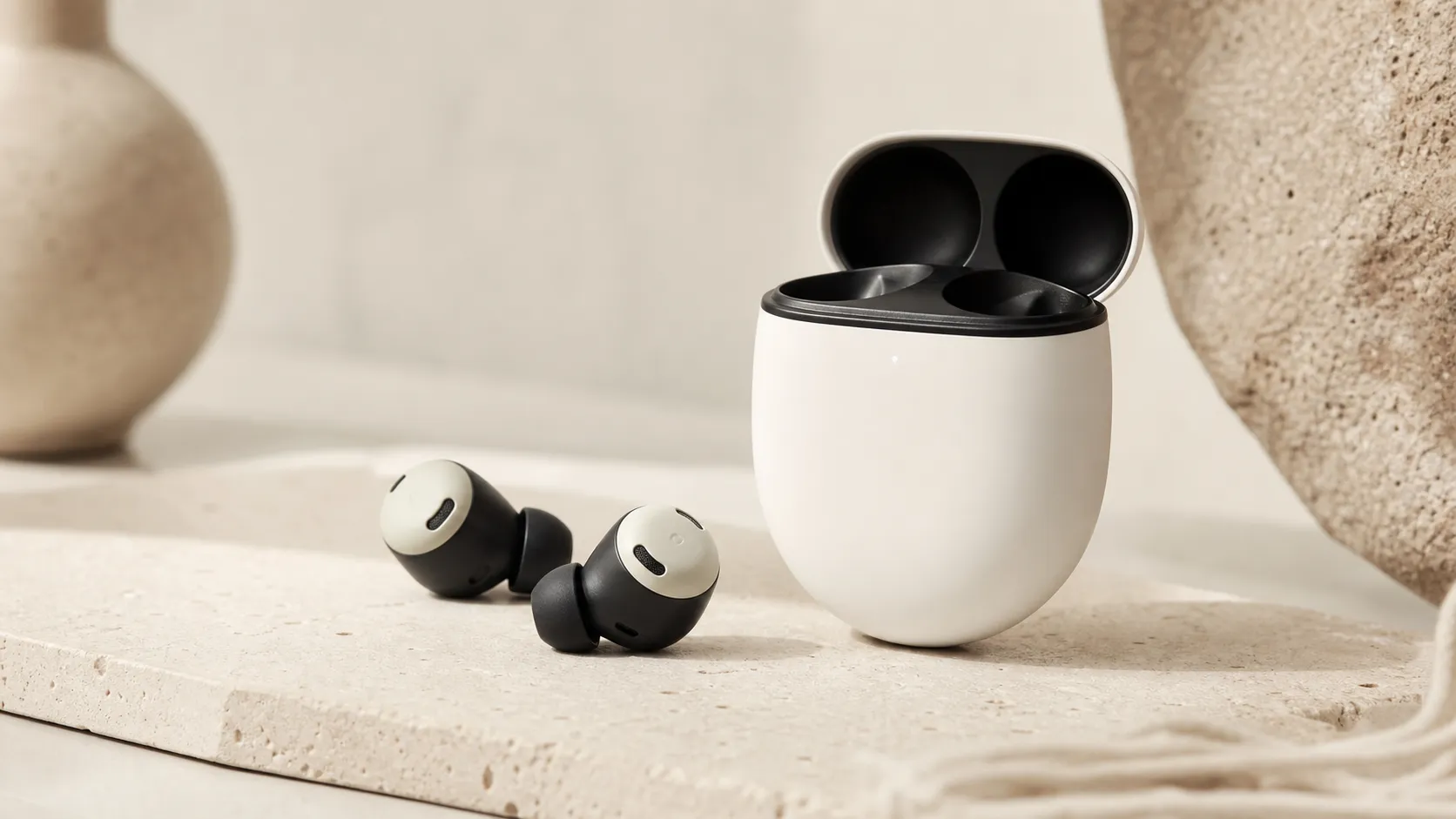
Google Pixel Buds Pro Review 2026
A polished, Android-first pair of true wireless earbuds with very good ANC, comfy fit, and strong battery life—great value for most buyers in 2026.
 Tech & Gadgets
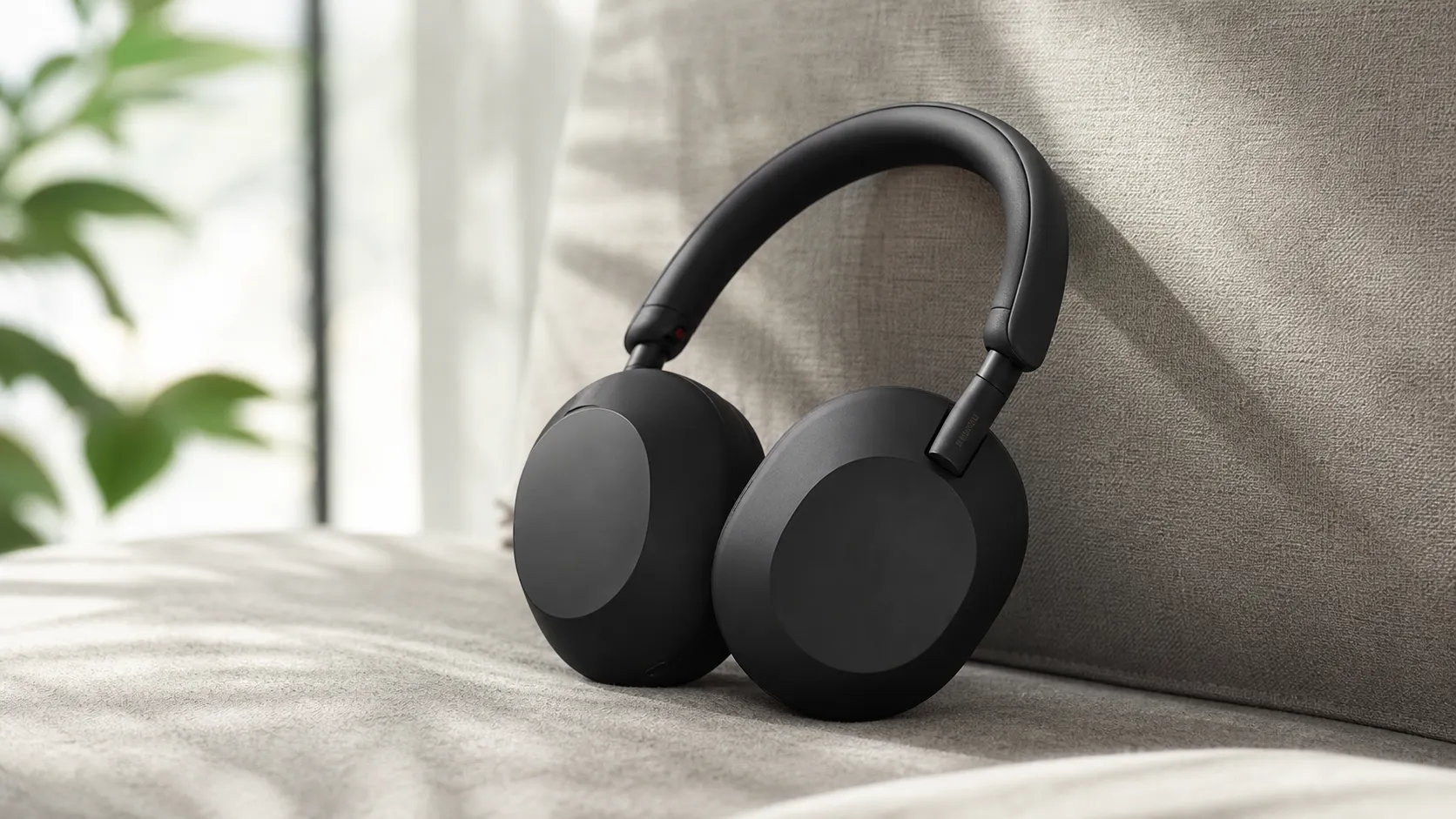
Sony WH-1000XM5 Review 2026 — ANC, Comfort & Value
Sony WH‑1000XM5: class‑leading ANC, exceptional comfort and long battery life — great for travel and calls, though sound tuning and a few durability reports divide opinions.