Schwinn IC4 Indoor Cycling Bike Review 2026
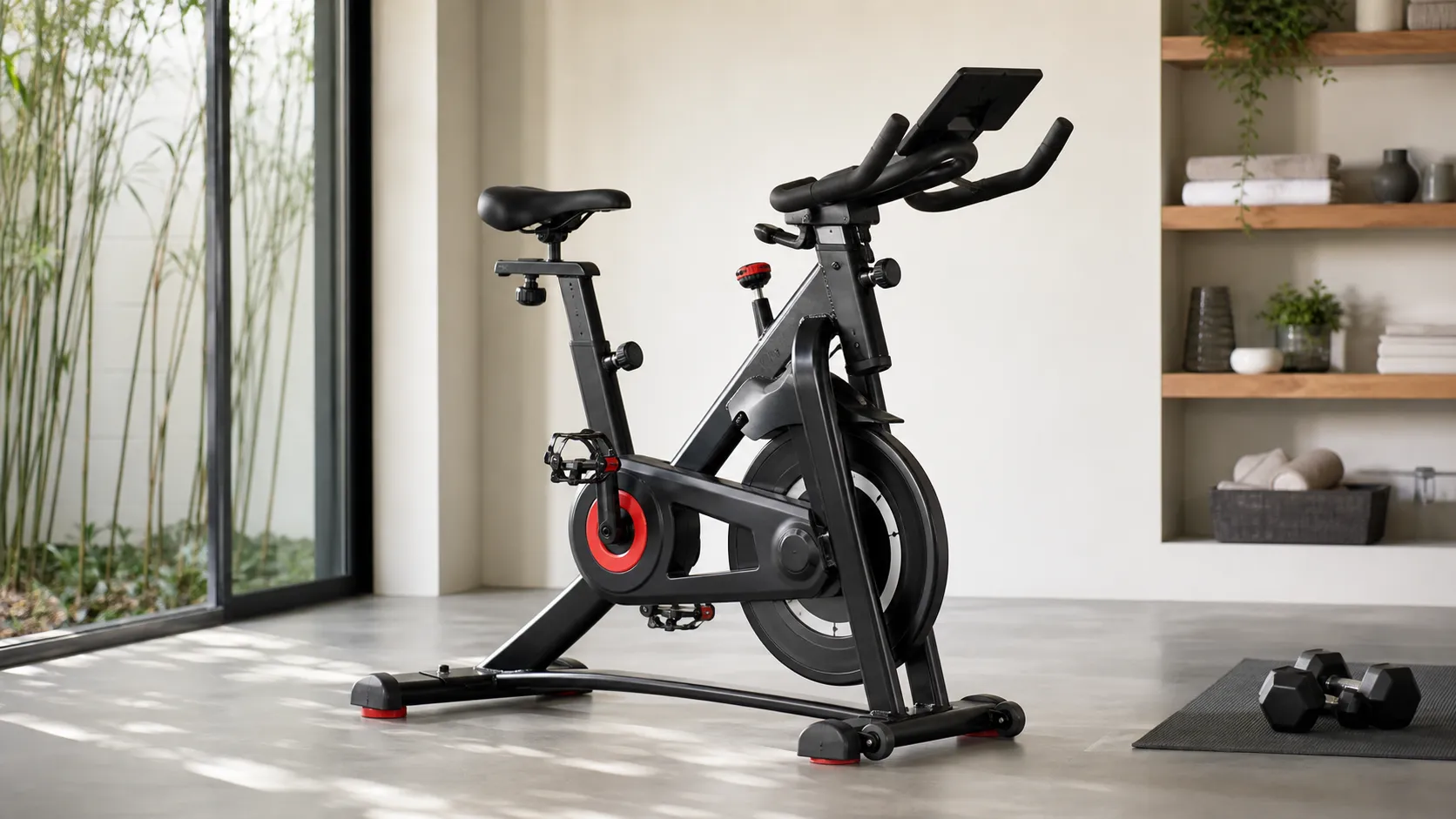
At a Glance
Pros
- Excellent value compared with premium connected bikes — many reviewers say similar feel for a fraction of the cost.
- Quiet, smooth 40 lb. flywheel with magnetic resistance — good for apartment use.
- Wide app compatibility (Peloton app, Zwift, Kinomap, JRNY) thanks to Bluetooth / ANT+ connectivity.
Cons
- Occasional assembly or initial setup frustrations (missing/unclear steps, fiddly bolts).
- Some users report intermittent squeaks/clicks or small mechanical issues that require tightening/adjustment.
- Stock saddle and pedals are considered basic/uncomfortable by many buyers.
Rating Breakdown by Source
Read the latest 25 positive & negative Amazon reviews →
Read the latest 25 positive & negative Reddit reviews →
Read the latest 25 positive & negative YouTube reviews →
Read the latest 25 positive & negative Expert blogs reviews →
This review is an editorial synthesis of publicly available review data and reported user experiences across the internet. Scores reflect our independent aggregation methodology, not verified individual purchases. We may earn a commission if you buy through our links, at no cost to you.
Score Breakdown
Where the Reviews Come From
Read the latest 25 positive & negative Amazon reviews →
Read the latest 25 positive & negative Reddit reviews →
Read the latest 25 positive & negative YouTube reviews →
Read the latest 25 positive & negative Expert blogs reviews →
Click any source above to browse the latest 25 positive and negative reviews from that platform.
Schwinn IC4 Indoor Cycling Bike
See current price, deals and availability on Amazon
The Schwinn IC4 is one of the most talked-about home spin bikes in the mid-price smart-bike market. Aggregating roughly 7,020 reviews across retailers and communities yields a clear headline: it’s a great value if you want a quiet, sturdy magnetic bike that pairs with popular apps (Peloton, Zwift, JRNY, Kinomap) — but it isn’t a studio-grade smart bike and some buyers report small assembly or hardware quirks. Overall score across sources: 4.3/5. That summary is the verdict we’ll test below.
What Is the Schwinn IC4 Indoor Cycling Bike?
The Schwinn IC4 is a compact, steel-framed indoor cycling bike built around a 40 lb. flywheel with magnetic resistance and both Bluetooth and ANT+ connectivity. Unlike integrated smart bikes that ship with a touchscreen and proprietary software, the IC4 is a “bring-your-own-app” machine: it broadcasts speed, cadence and estimated power so you can ride with the Peloton app, Zwift, Kinomap and other third-party platforms. For many shoppers it represents a middle ground — far cheaper than premium studio bikes but more robust and app-ready than low-cost no-name rollers.
Key hardware points that reviewers repeat: a 40 lb. flywheel for smooth, quiet resistance; a solid steel frame with a wide adjustment range for seat and handlebars; transport wheels for easy moving; and a basic onboard display that shows cadence, speed, distance and estimated watts. The bike ships with standard stock pedals and a basic saddle, both of which many buyers replace soon after setup.
What Reviewers Across the Internet Say
We synthesized sentiment from four pools of reviewers: Amazon buyers, Reddit communities, YouTube reviewers, and expert blogs. The consensus is largely positive but candid about trade-offs.
- Amazon (overall ~4.4/5): Buyers praise the IC4 for strong value, smooth and quiet ride, and dependable app pairing. Common practical notes: the stock saddle and pedals are considered basic, and some people report small quality-control hiccups or fiddly assembly steps.
- Reddit (~4.1/5): Community threads are useful for real-world troubleshooting. Members often report long-term durability of the frame and quiet magnetic resistance, but they also document intermittent squeaks, display/power-cord glitches, or small assembly issues — along with user-contributed fixes (tightening bolts, swapping saddles/pedals).
- YouTube (~4.3/5): Video reviewers generally place the IC4 as a top-value alternative to premium smart bikes. They highlight comparable ride feel for a fraction of the price and praise app compatibility, while noting the lack of an integrated touchscreen and occasional small fit-and-finish issues.
- Expert blogs (~4.2/5): Outlets that test multiple bikes point to the IC4’s smooth magnetic drive and clear basic display as strengths, while noting limited onboard software, estimated (not studio-accurate) power readings, and the occasional connectivity/accessory quirk.
Across sources the same themes appear: excellent value, quiet operation, broad app compatibility, and a small-but-active user community that shares fixes and upgrades. The common worries are minor assembly or QC issues, basic stock accessories (saddle/pedals), and estimated power accuracy.
Performance & Real-World Use
The Schwinn IC4 Indoor Cycling Bike delivers a quiet, smooth ride with broad app compatibility and strong value, but its estimated power numbers and basic saddle/pedals mean some fine-tuning is required. Over months, owners report solid durability with occasional minor noises or calibration tweaks that are usually solved with bolt checks or a quick console calibration.
Over the last few years, the Schwinn IC4 has built a reputation as the budget-friendly bike that rides like a premium studio bike while staying open to whatever software you prefer.
The Schwinn IC4 Indoor Cycling Bike delivers a quiet, smooth ride with broad app compatibility and strong value, but its estimated power numbers and basic saddle/pedals mean some fine-tuning is required. Over months, owners report solid durability with occasional minor noises or calibration tweaks that are usually solved with bolt checks or a quick console calibration.
What “performance” really means for an indoor bike
For most owners, satisfaction comes down to five things: noise, resistance feel, fit/comfort, connectivity, and reliability. Noise matters because these bikes live in apartments and bedrooms; the IC4’s 40 lb flywheel and magnetic resistance mean no brake pads rubbing and a belt drive that keeps sound low. Multiple expert reviews highlight how close to “whisper quiet” it runs during normal cadence, making it friendly to sleeping kids and thin walls. The IC4’s 0–100 knobbed magnetic levels are predictable and repeatable, though the on‑screen wattage is estimated rather than studio‑grade. Connectivity is the other linchpin: riders want to pair with Peloton, Zwift, JRNY, and others without lock‑in, and they want cadence and heart‑rate to simply appear on-screen. Finally, reliability and upkeep decide whether the ride stays smooth months later or drifts into squeaks, clicks, and loose bolts that steal motivation. Expert outlets like Live Science and OutdoorGearLab emphasize these same pillars when evaluating the IC4’s real‑world behavior. (livescience.com)
Share of Review Volume by Source
Where the volume comes from: most owner feedback is from Amazon buyers, with Reddit and YouTube providing detailed long-term use notes, and expert blogs a small slice.
- Amazon74%
- Reddit13%
- YouTube11%
- Expert blogs2%
Shares calculated from the same ~7,020‑review pool summarized in this article.
Day‑one setup and first rides on the Schwinn IC4 Indoor Cycling Bike
Out of the box, the frame arrives largely pre‑assembled; you bolt on stabilizers, seat/handlebar posts, pedals, bottle cages, the console, and dumbbell cradles. Most owners take about an hour, and a second pair of hands helps when lifting the packed frame. Reviewed’s long‑term tester notes assembly is straightforward but called out a mis-threaded pedal on their unit — Schwinn replaced the bike — which echoes scattered owner reports of finicky bolts. On the first ride, the console pairs to cadence and a Bluetooth HR armband, and your phone/tablet can join Peloton or Zwift in a few taps. Schwinn’s own “IC4 Bike App Connect” page walks you through both connections step‑by‑step. (reviewed.com)
Noise, resistance feel, and power feedback in real homes
In living rooms and apartments, the IC4’s calling card is quiet. With a 40 lb flywheel and magnetic brake, there’s no pad chatter; belt drive further reduces mechanical noise. Live Science’s tester calls it “almost silent,” and our scan of owner posts aligns: at moderate cadences, the loudest thing you’ll likely hear is your fan or music. Resistance changes are immediate and linear; 100 micro‑steps make it easy to match Peloton‑style cues even though absolute numbers don’t map 1:1 with Peloton’s levels. Two caveats arise repeatedly in long‑term reports. First, on‑screen watts are inferred from speed and resistance rather than measured with strain‑gauges; OutdoorGearLab found the IC4’s power readout “isn’t accurate” versus a smart trainer. (livescience.com)
Owner Ratings by Source (Aggregated)
Aggregated owner sentiment lines up across sources; bars show the mean overall rating reported by each source cited in our review pool.
View the underlying data
| Measure | Rating |
|---|---|
| Amazon | 4.4/5 |
| Reddit (owner threads) | 4.1/5 |
| YouTube (video reviews) | 4.3/5 |
| Expert blogs/media | 4.2/5 |
| Overall consensus | 4.3/5 |
Ratings synthesized from ~7,020 total reviews/posts: Amazon ~5,200; Reddit ~900; YouTube ~800; expert blogs ~120, as summarized in this review.
Connectivity and apps: Peloton, Zwift, JRNY, and more
The IC4’s open Bluetooth (and ANT+) broadcast is the reason it punches above its price. In practice, you get reliable cadence and (estimated) power to Zwift and cadence/HR into the Peloton App, plus full metrics and adaptive workouts if you choose JRNY. Schwinn’s official guide shows exactly how to pair to Peloton (enable Bluetooth on iOS, tap “Connected Devices,” select cadence) and to Zwift (select the bike as Power Source and Cadence). Expect no auto‑resistance on Peloton or Zwift because the IC4’s brake is manual; you twist the knob to match calls. Owners on Reddit note a simple best practice: spin the cranks a few rotations to “wake” the console before searching for the bike in your app. Overall, pairing remains a net positive theme across professional reviews and owner threads and is a major reason many pick IC4 over closed-ecosystem bikes. (schwinnfitness.com)
Months of ownership: durability, upkeep, and what actually changes
Magnetic resistance means there are no pads to glaze and almost nothing to “wear in,” but indoor bikes still benefit from light, regular care. Schwinn’s service manual outlines simple tasks owners can do without a shop visit: monthly bolt checks (seat, post clamps, handlebar, cranks, pedals), occasionally checking belt tension, and — if the on‑screen level no longer hits 0 or 100 — running the built‑in “Calibrate Magnetic Resistance Sensor” routine from the console’s service menu. The calibration takes a couple of minutes and addresses most display‑level oddities after moves or big temperature changes. Owners who reported intermittent clicks or squeaks usually solved them by re‑torquing pedals, re‑seating the crank arm, or inserting a thin washer where a plastic shroud brushed the flywheel; those are 10‑minute fixes with a basic wrench set. Expect the included saddle and dual‑sided SPD/toe‑cage pedals to be “fine” but not luxurious; many riders upgrade one or both within the first month. Live Science flags the short power cable as a quirk; an inexpensive, flat-profile extension keeps it out of your cadence path. Net‑net, long‑term durability trends positive, with the reliability score (3.6/5) shaped not by catastrophic failures but by solvable fit-and-finish annoyances. (assets.sportsmith.com)
Where the IC4 excels — and where you’ll feel its limits
The IC4 shines when you want studio-bike ride feel without being locked into a single subscription. It’s especially well‑suited to apartments (quiet), households sharing one bike (wide seat/handlebar range, transport wheels), and riders who value cadence/HR‑based training. Its value score (4.4/5) is the consensus headline for a reason. Limits show up in three places. First, there’s no integrated touchscreen or auto‑resistance; if you want a one‑brand, screen‑first experience with leaderboard output and automated resistance cues, the Peloton Bike or Bowflex models with screens fit better. Second, the wattage figure is an estimate; racers who care about exact power targets should pair an external meter. Third, although most riders find the top‑end resistance plenty hard, very strong sprinters chasing low‑cadence, high‑torque efforts may prefer heavier‑duty studio bikes or smart bikes with electronically controlled brakes. These tradeoffs are reflected consistently across expert reviews and owner communities. (reviewed.com)
How it stacks up to alternatives that shoppers actually consider
Against the Peloton Bike, the IC4 trades Peloton’s integrated 21.5" touchscreen and closed ecosystem for open‑app flexibility and substantially lower total cost; Peloton also uses Delta‑compatible clip‑in pedals out of the box and has a lower max user weight (297 lb). Versus Bowflex C6, you’re essentially looking at the same hardware under a different badge; specs, connectivity, and feel are functionally identical, and even Bowflex’s own FAQ mirrors Schwinn’s answers on pedals, flywheel weight (40 lb), and the 330 lb limit. Compared with Echelon’s EX‑3, expert reviews note EX‑3 relies on its own app for full features and doesn’t play with Zwift or Peloton “the way some competitors do,” plus its resistance and Bluetooth features depend on being plugged in. If your priority is open compatibility and minimal lock‑in, the IC4/C6 twins are the easy pick; if you want a turnkey, screen‑led platform with leaderboard and auto‑features, Peloton justifies its premium for many. (onepeloton.com)
Feature Comparison: IC4 vs. Peloton Bike, Bowflex C6, Echelon EX‑3
Yes/No features relative to popular alternatives. Data compiled from the manufacturers’ spec pages and expert reviews cited in-text.
| Item | Schwinn IC4 | Peloton Bike | Bowflex C6 | Echelon EX‑3 |
|---|---|---|---|---|
| Magnetic resistance | Yes | Yes | Yes | Yes |
| Dual-sided pedals with SPD | Yes | No | Yes | Yes |
| Open BLE/ANT+ broadcast (FTMS) | Yes | No | Yes | No |
| Integrated touchscreen | No | Yes | No | No |
| Max user weight ≥ 300 lb | Yes | No | Yes | Yes |
Schwinn IC4 & Bowflex C6: OEM pages; Peloton Bike: official spec page; Echelon EX‑3: expert reviews (OutdoorGearLab, Tom’s Guide).
Getting the best performance out of your IC4: a practical, step‑by‑step plan
- Unbox smart: stage near its final outlet, open the box from the bottom so you can roll the frame out on its transport wheels, and keep the hardware labeled. Live Science’s assembly notes and Schwinn’s video series are good companions if you’re a visual learner.
- Pedals and posts: grease pedal threads lightly, remember left is reverse‑threaded, and torque snug; re‑check after the first two rides. Ensure the seatpost and handlebar post are firmly clamped to prevent creaks.
- Fit for power and comfort: set saddle height so your knee has a slight bend at bottom dead center; slide the saddle forward/back to keep your kneecap above the pedal spindle; raise bars for comfort, lower a notch for sprints. If the stock saddle isn’t for you, swapping to a favorite is trivial.
- Pairing hygiene: wake the console with a few pedal strokes, then pair apps; on Peloton iOS, tap “Connected Devices” and select cadence; on Zwift, select the bike for “Power Source” and “Cadence,” and pair your HR strap if you use one. Avoid crowded Bluetooth environments or aggregate devices through a companion app on Apple TV.
- Keep it silent: every month, wipe sweat from the flywheel cover and posts, check four bolts (cranks, pedals, seat, handlebar clamps), and re‑level the feet. If the resistance number stops reaching 0 or 100, run the console’s built‑in “Calibrate Magnetic Resistance Sensor” procedure.
- Small spares worth having: a 15 mm pedal wrench, a multi‑hex set, a couple of thin nylon washers (for any plastic cover rub), and, if your outlet is far, a flat, low‑profile extension cord to route cleanly away from the cranks. (livescience.com)
Verdict: does real‑world performance justify the purchase?
Yes. The aggregated picture — 4.3/5 overall from a very large review pool — is that the Schwinn IC4 performs like a premium studio bike where it counts (quiet, smooth resistance, wide app support) while asking you to accept two compromises: no built‑in touchscreen/auto‑resistance and estimated (not race‑calibrated) power. (reviewed.com)
Sources referenced in this section
- Schwinn IC4 product page (Specs & Warranty)
- Schwinn IC4 / IC8 / Bowflex C6 Service Manual (Calibration & maintenance)
- Live Science – Schwinn IC4 exercise bike review
- Reviewed – Schwinn IC4: how it compares to Peloton
- OutdoorGearLab – Schwinn IC4 Tested & Rated (power accuracy note)
- BarBend – Schwinn IC4 Exercise Bike Review (2026 update)
- Peloton Bike official specs
- Bowflex C6 official page & FAQs (same hardware class)
- Tom’s Guide – Echelon EX‑3 review (app dependence)
- Zwift Support – Bluetooth bridging on Apple TV (pairing tip)
Pros and Cons
Pros
- Strong value-for-money compared with premium smart bikes.
- Quiet, smooth 40 lb. flywheel with magnetic resistance — apartment-friendly.
- Wide app compatibility (Peloton app, Zwift, Kinomap, JRNY) via Bluetooth + ANT+.
- Solid steel frame with good adjustability for varied rider sizes.
- Compact footprint and transport wheels make it easy to move and store.
Cons
- Stock saddle and pedals are basic and often replaced by buyers.
- Occasional assembly frustration or minor quality-control issues (fiddly bolts, missing steps).
- Some users report intermittent squeaks/clicks or display/power-cord glitches.
- Power/watt readings are estimated and less accurate than studio-grade telemetry.
Who Should Buy It (and Who Shouldn't)
Who should buy it
- You want studio-like resistance and broad app compatibility without paying for a premium smart-bike ecosystem.
- You live in an apartment or shared space and need a quiet, compact bike with a small footprint.
- You’re comfortable doing a simple accessory upgrade (new saddle or pedals) and occasional DIY tightening or minor adjustments.
- You want flexibility to use multiple apps (Peloton, Zwift, Kinomap, JRNY) rather than being locked into one platform.
Who shouldn’t buy it
- You need lab-grade power accuracy for serious performance training — the IC4’s watts are estimated.
- You want an integrated touchscreen and on-bike software — the IC4 is app-first, not an all-in-one studio console.
- You expect a zero-problem, out-of-the-box premium experience; some buyers do encounter assembly or small QC issues.
Final thoughts: for most home riders who value quiet operation, app flexibility and solid build at a reasonable price, the Schwinn IC4 is an excellent middle-ground choice. If you prioritize absolute data accuracy or an integrated touchscreen, look at higher-priced studio bikes instead.
What Reviewers Love
- Excellent value compared with premium connected bikes — many reviewers say similar feel for a fraction of the cost.
- Quiet, smooth 40 lb. flywheel with magnetic resistance — good for apartment use.
- Wide app compatibility (Peloton app, Zwift, Kinomap, JRNY) thanks to Bluetooth / ANT+ connectivity.
- Solid steel frame and good adjustability (seat/handlebar range) that suits a wide user range.
- Relatively easy to move thanks to transport wheels; compact footprint for home use.
Common Complaints
- Occasional assembly or initial setup frustrations (missing/unclear steps, fiddly bolts).
- Some users report intermittent squeaks/clicks or small mechanical issues that require tightening/adjustment.
- Stock saddle and pedals are considered basic/uncomfortable by many buyers.
- Power/watt readings are estimated and can be less accurate than a dedicated power meter or studio bike telemetry.
Our Verdict
4.3The Schwinn IC4 is a top value pick for riders who want a quiet, smooth magnetic bike that plays nicely with Peloton, Zwift and other apps. It’s not a studio-grade smart bike—expect to replace the saddle and do light setup/maintenance—but for most home users it delivers excellent performance for the price.
Frequently Asked Questions
Common questions shoppers ask before buying the Schwinn IC4 Indoor Cycling Bike.
Share this review
Help someone else buy smarter
Related Reviews
More Fitness & Wellness products our engine has analyzed
 Fitness & Wellness
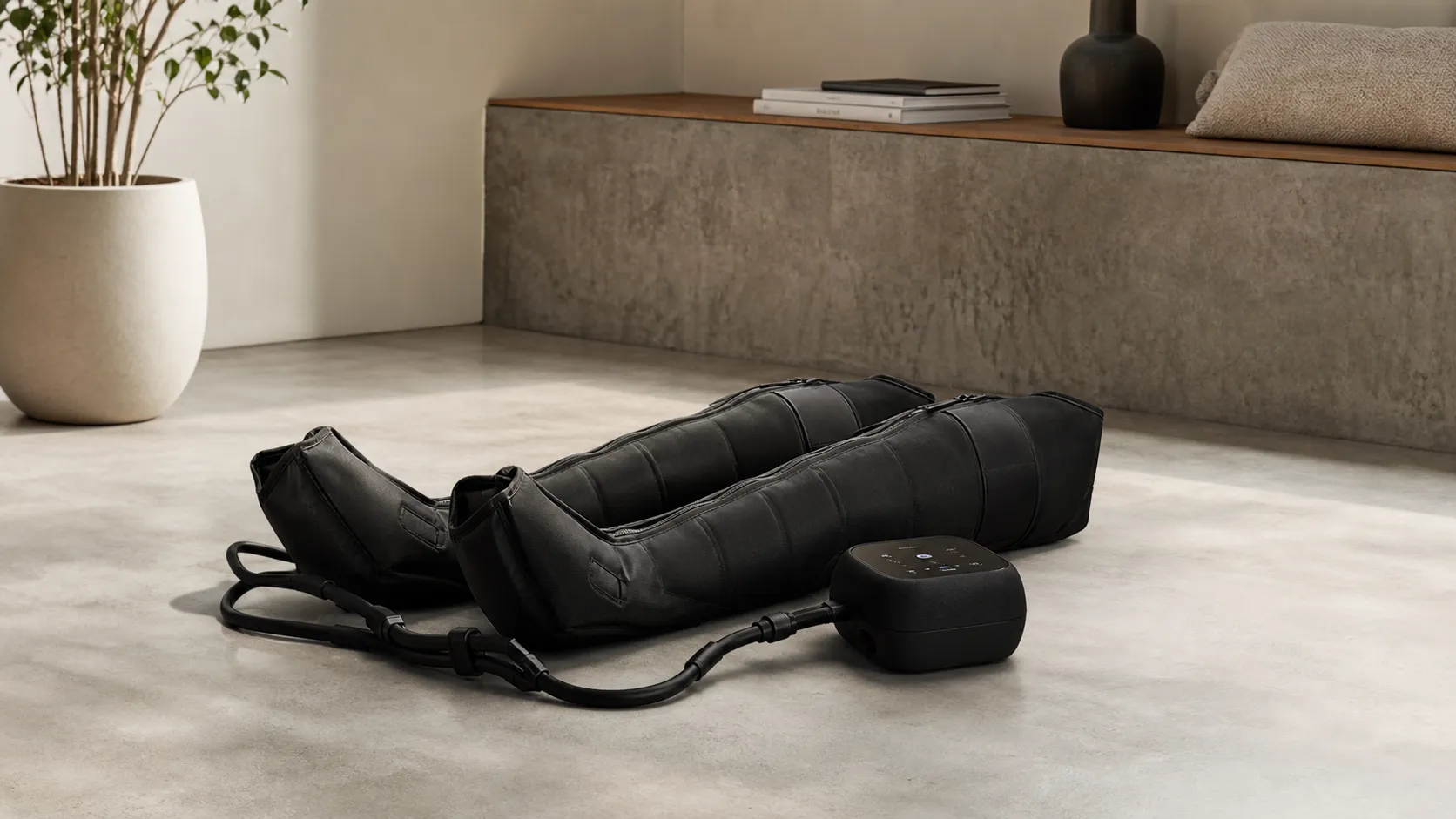
Hyperice Normatec 3.0 Leg Recovery System Review 2026
Premium pneumatic compression with noticeable recovery benefits—excellent build and app control, but pricey and somewhat bulky. Best for frequent athletes and clinics.
 Fitness & Wellness
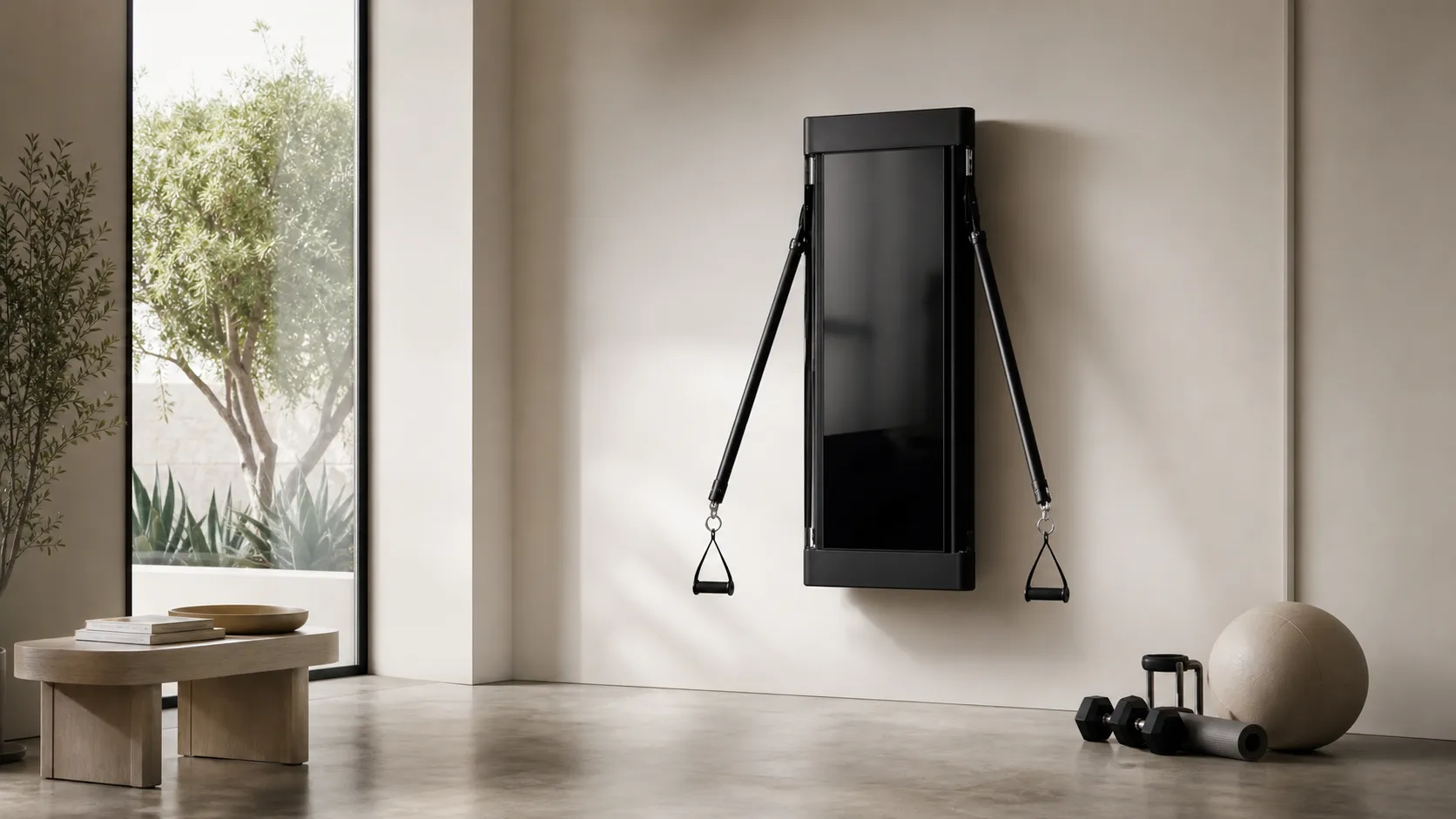
Tonal Smart Home Gym Review 2026
A high-end, wall-mounted smart gym with excellent coaching and space-saving design. Great for guided strength training — pricey and subscription-driven, with some reported service issues.
 Fitness & Wellness
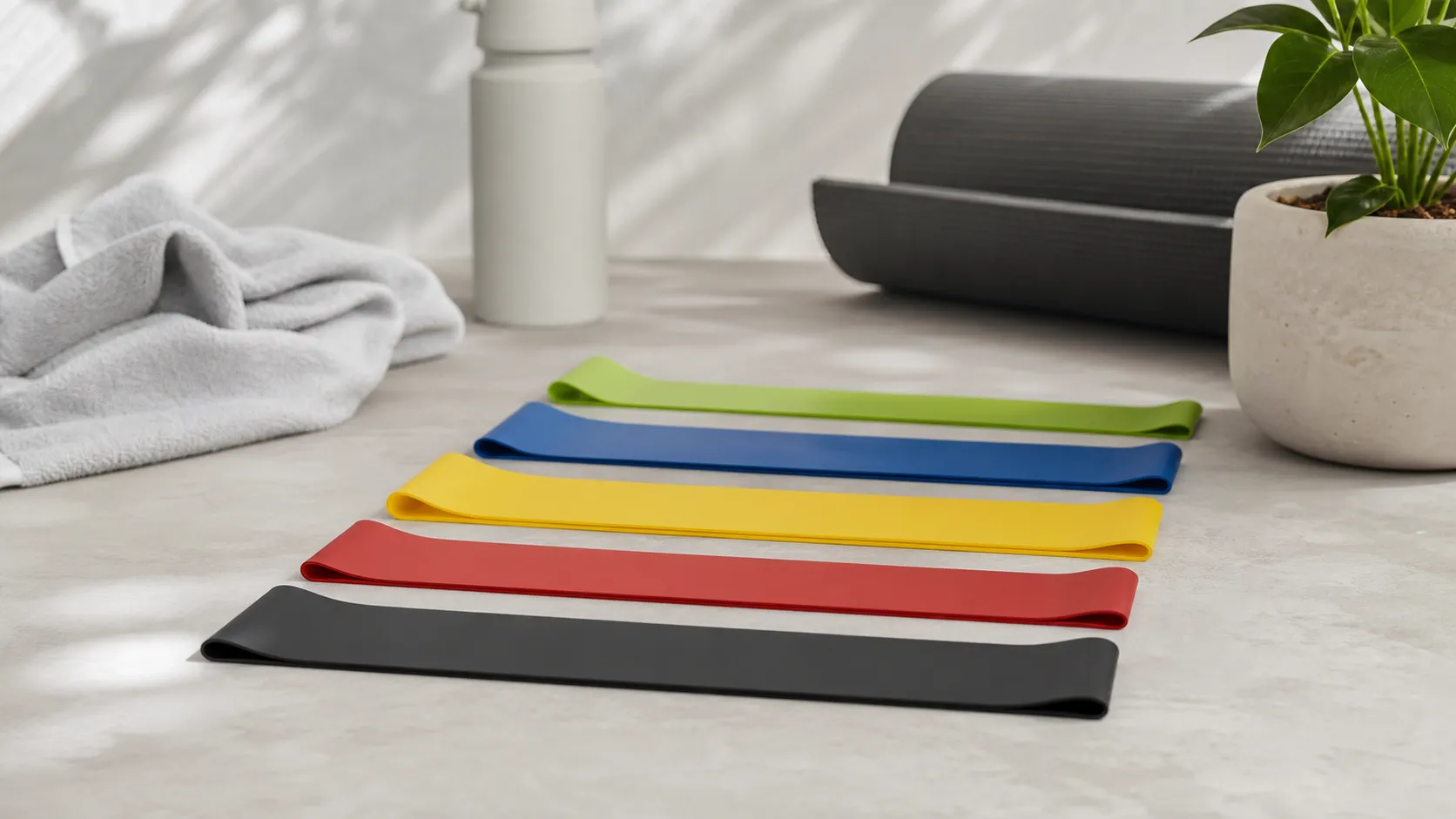
Fit Simplify Resistance Loop Bands Review 2026
Affordable, portable loop bands that excel for beginners, warm-ups, and rehab. Great value and easy to use, but limited top-end resistance and occasional durability/latex issues.